Motion To Lift Restraining Order Form With Envelope Attached
Description
Get your form ready online
Our built-in tools help you complete, sign, share, and store your documents in one place.
Make edits, fill in missing information, and update formatting in US Legal Forms—just like you would in MS Word.
Download a copy, print it, send it by email, or mail it via USPS—whatever works best for your next step.
Sign and collect signatures with our SignNow integration. Send to multiple recipients, set reminders, and more. Go Premium to unlock E-Sign.
If this form requires notarization, complete it online through a secure video call—no need to meet a notary in person or wait for an appointment.
We protect your documents and personal data by following strict security and privacy standards.

Make edits, fill in missing information, and update formatting in US Legal Forms—just like you would in MS Word.

Download a copy, print it, send it by email, or mail it via USPS—whatever works best for your next step.

Sign and collect signatures with our SignNow integration. Send to multiple recipients, set reminders, and more. Go Premium to unlock E-Sign.

If this form requires notarization, complete it online through a secure video call—no need to meet a notary in person or wait for an appointment.

We protect your documents and personal data by following strict security and privacy standards.
Looking for another form?
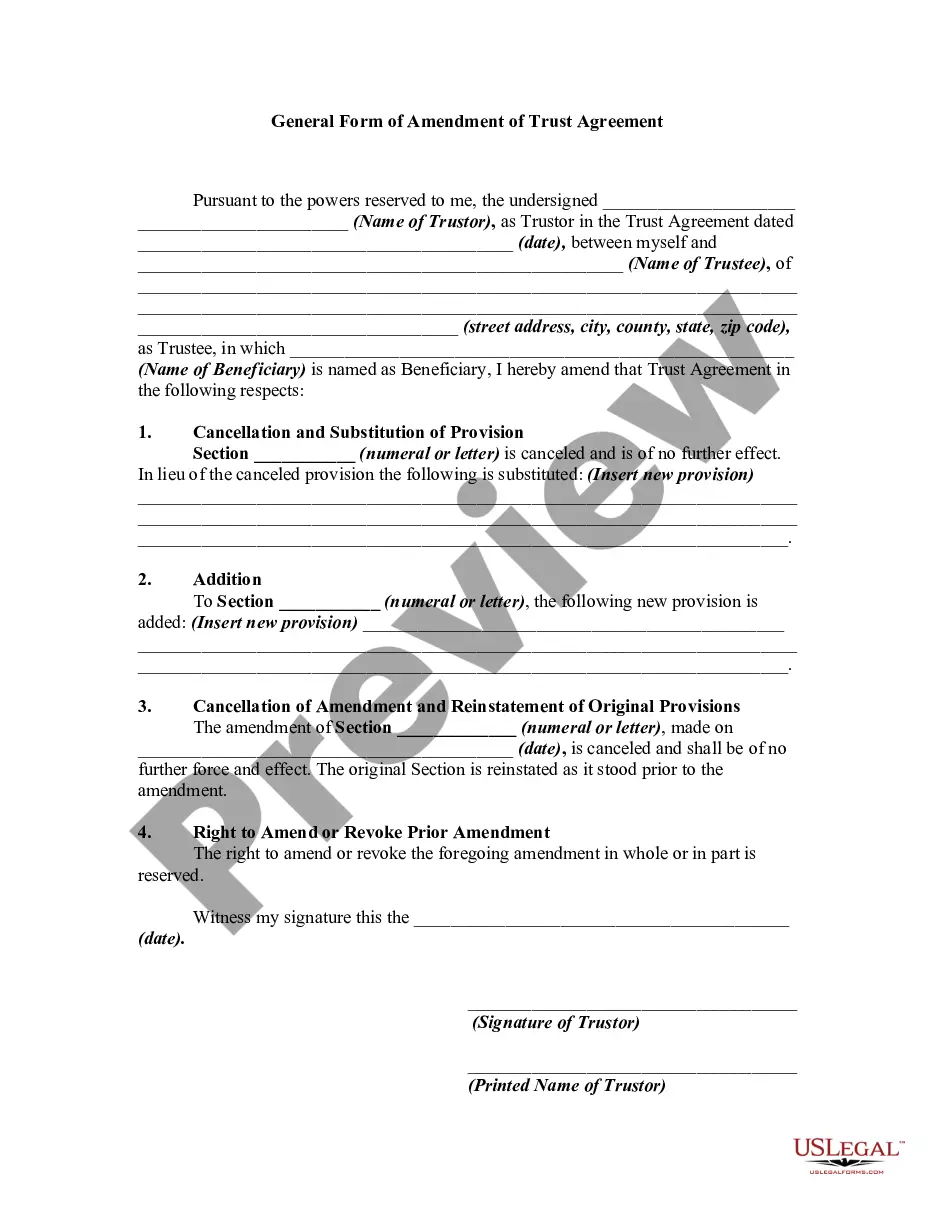







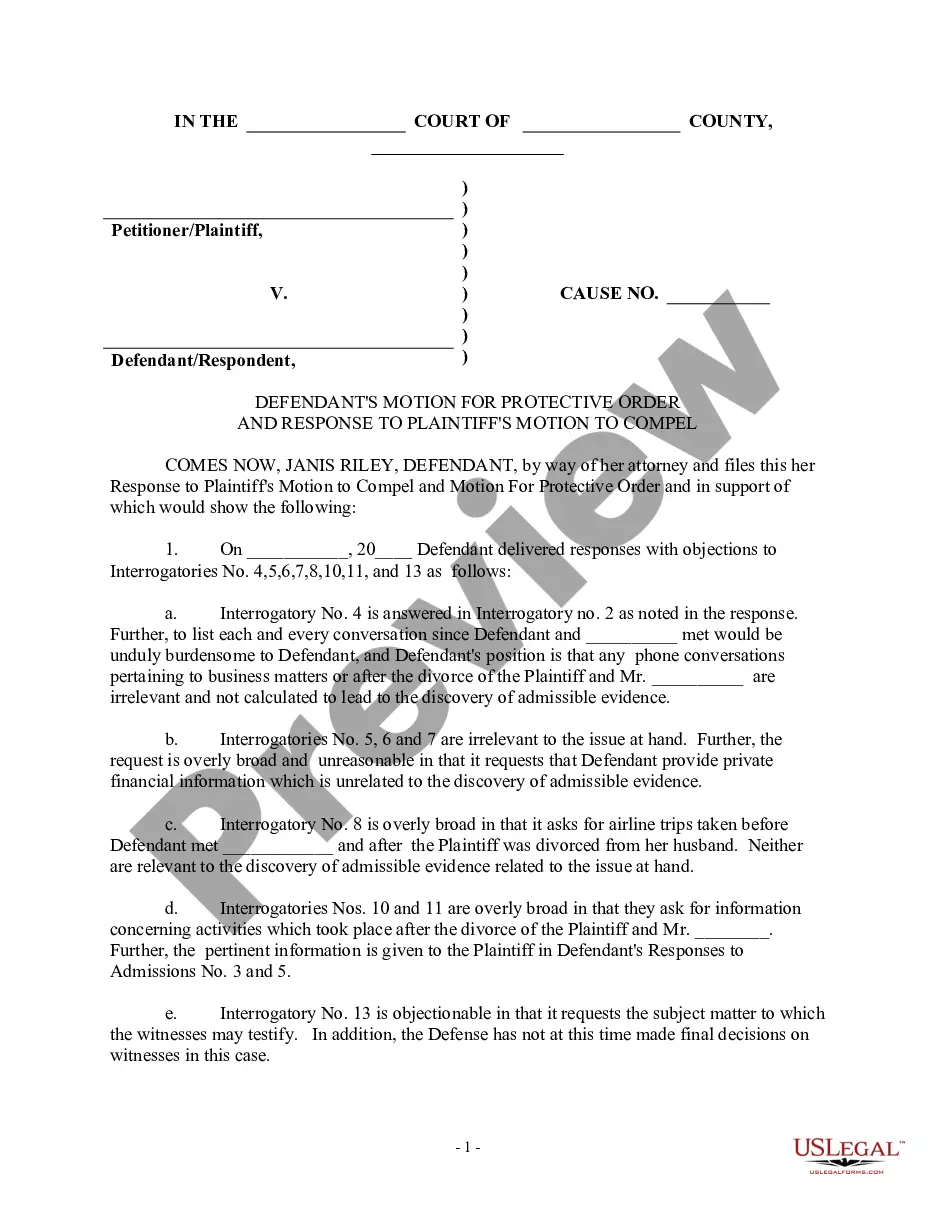
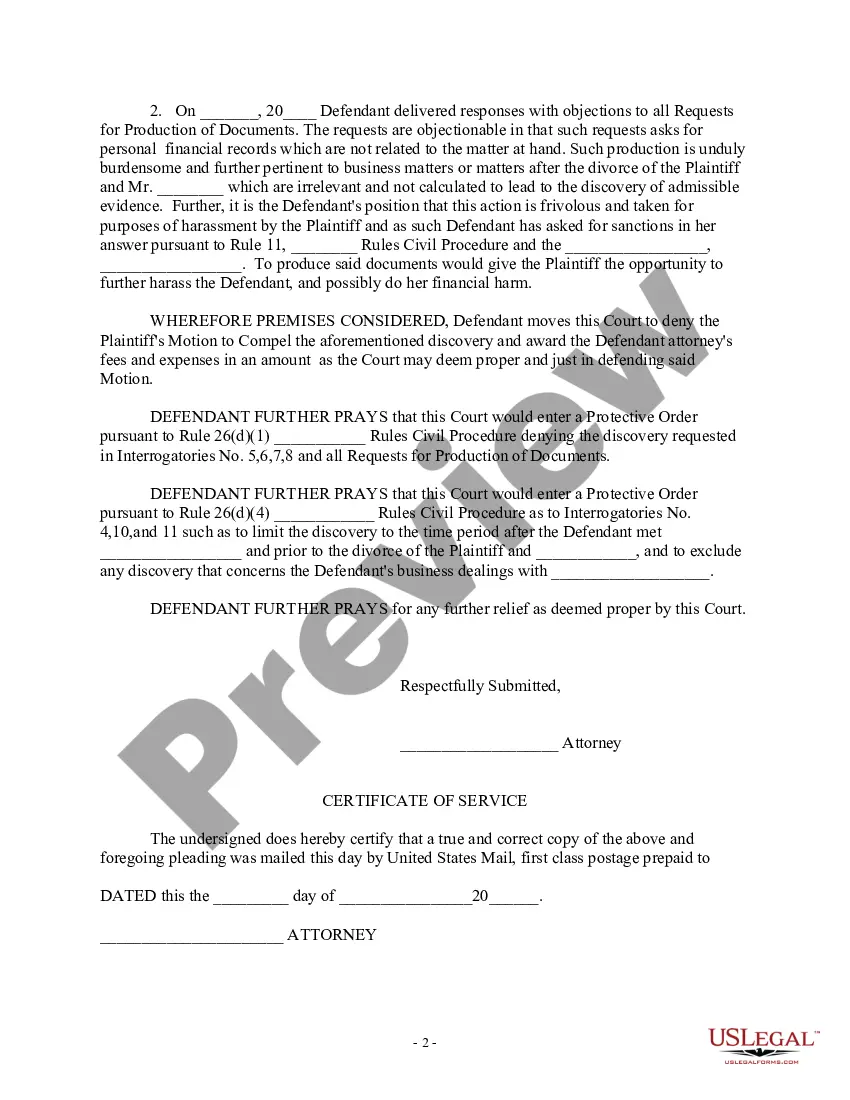
How to fill out Defendant's Motion For Protective Order And Response To Plaintiff's Motion To Compel?
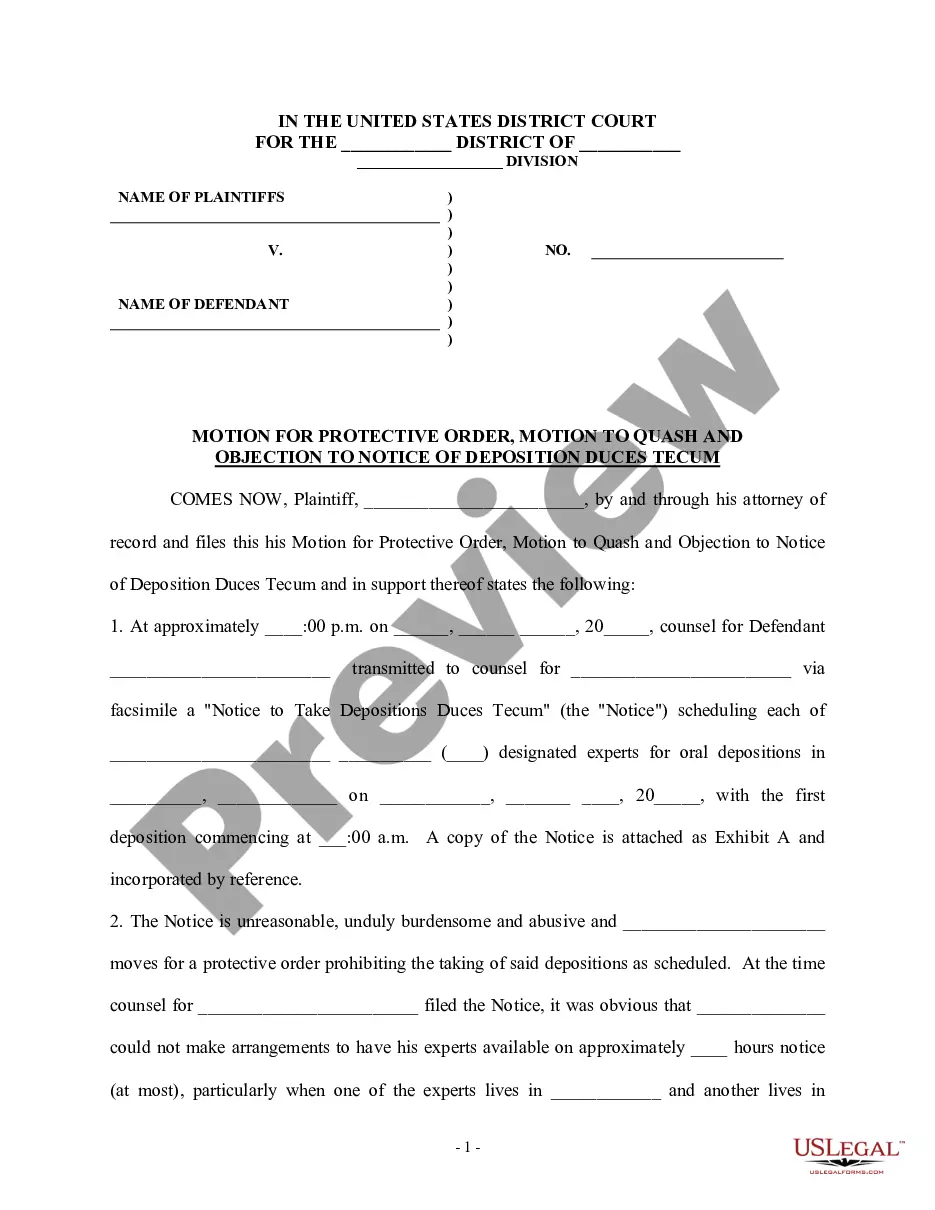
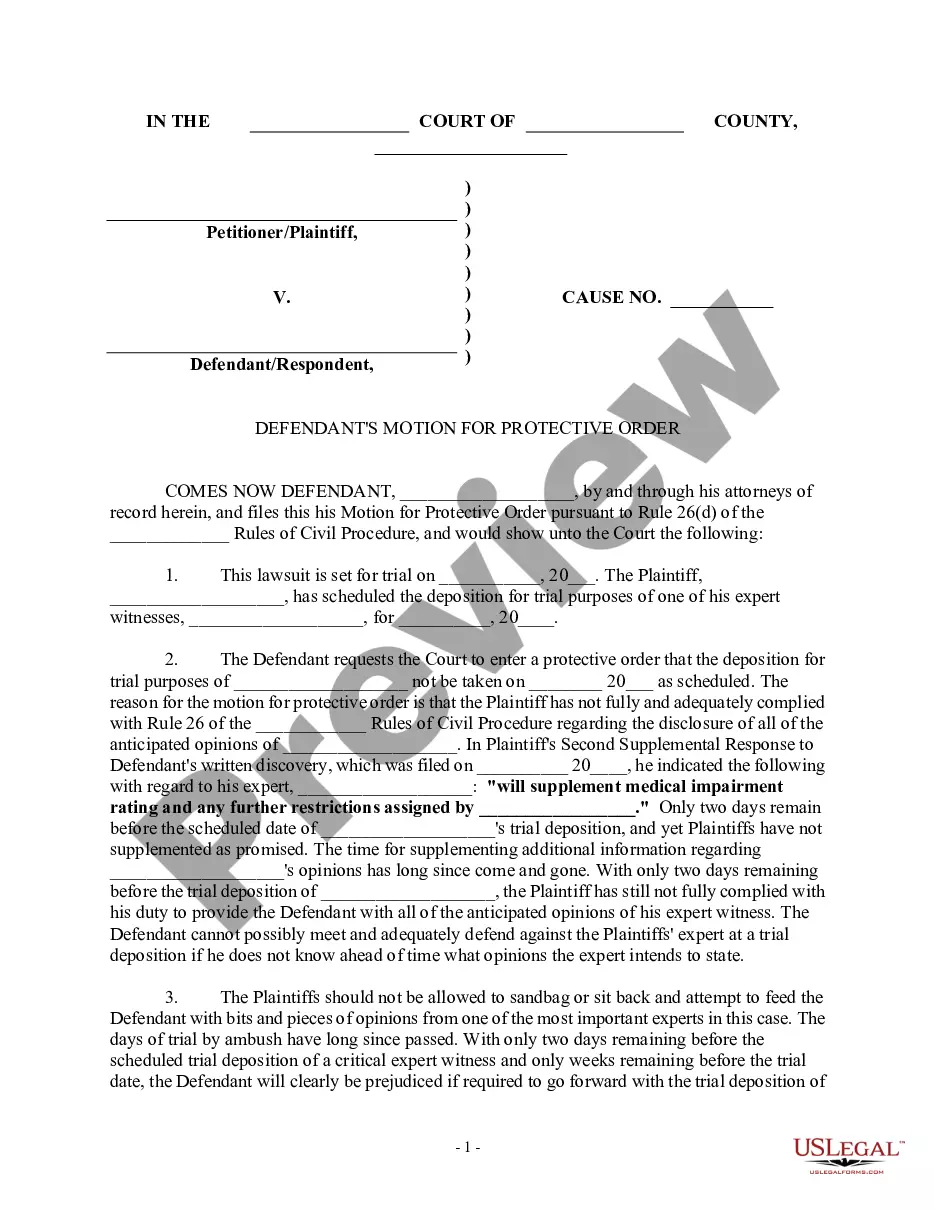
The Request To Remove Restraining Order Document With Envelope Included you observe on this page is a reusable formal template created by expert attorneys in accordance with federal and state regulations.
For over 25 years, US Legal Forms has supplied individuals, businesses, and legal professionals with over 85,000 authenticated, state-specific documents for any commercial and personal scenario. It’s the fastest, simplest, and most dependable method to acquire the paperwork you require, as the service promises bank-grade data security and anti-malware safeguards.
Register for US Legal Forms to access verified legal templates for every situation in life.
- Search for the document you need and review it.
- Browse through the sample you looked for and preview it or examine the form description to confirm it meets your requirements. If it doesn’t, use the search tool to find the suitable one. Click Buy Now when you have located the template you want.
- Register and Log In.
- Choose the subscription plan that fits you and create an account. Use PayPal or a credit card for a swift payment. If you already possess an account, Log In and check your subscription to proceed.
- Obtain the fillable document.
- Select the format you prefer for your Request To Remove Restraining Order Document With Envelope Included (PDF, Word, RTF) and save the template on your device.
- Fill out and sign the documents.
- Print the template to complete it manually. Alternatively, utilize an online versatile PDF editor to quickly and accurately fill out and sign your form with a valid signature.
- Redownload your documents once more.
- Utilize the same document again whenever necessary. Access the My documents tab in your profile to redownload any previously acquired forms.
Form popularity
FAQ
Signature: The will must be signed by the testator or by someone else in the testator's name in the testator's presence, by the testator's direction. Witnesses: An Iowa will must be signed by two individuals after they witness the testator signing the will. Writing: An Iowa will must be in writing.
The notarization process in Iowa Locate a Notary Public: Notaries public can often be found in various places, including banks, law offices, and courier businesses. ... Present the Document: The document to be notarized must be presented to the notary public.
Handwritten Will: Also called a holographic will, this is a will written entirely in the testator's handwriting and signed by them without witnesses. Holographic wills are not valid in Iowa. However, a testator may handwrite their will and sign it if there are two witnesses.
No, in Iowa, you do not need to notarize your will to make it legal. However, Iowa allows you to make your will "self-proving" and you'll need to go to a notary if you want to do that. A self-proving will speeds up probate because the court can accept the will without contacting the witnesses who signed it.
Can I write my own will and have it notarized Iowa? Yes, you can write your own will in Iowa and have it notarized if you wish. You must make sure that the will meets the state's legal requirements and have it witnessed and signed by at least two competent adults before going to the notary for acknowledgment.
The beneficiaries of a will must be notified after the will is filed in the probate court, and in addition, probated wills are placed in the public record. As a result, anyone who wants to look, can find out the details.
Contact the clerk of court office in the county where you believe the will may be stored. If the clerk of court office in your county does not have the will, you should contact the attorney who may have been involved in drafting the will.
You can write to the clerk of the district court for copies of wills, administrations, dockets, calendars, and other records.