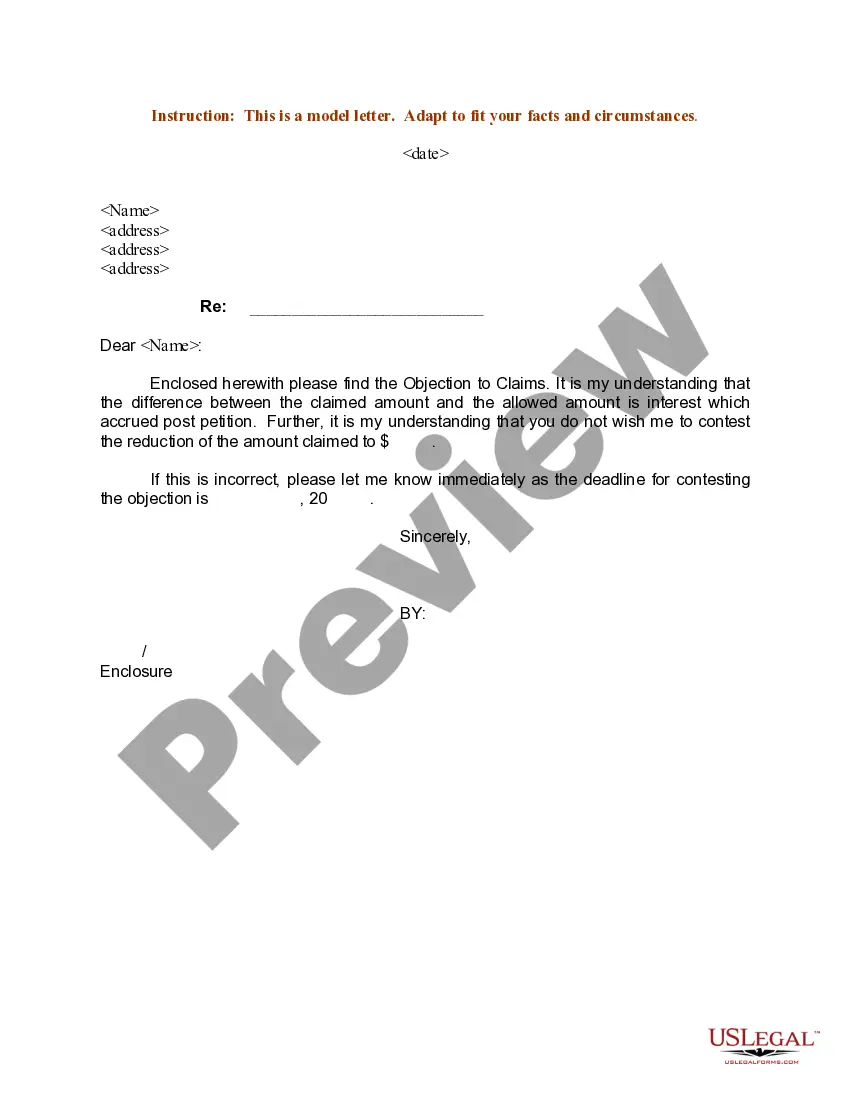
Attorney Credit Dispute Letter
Description
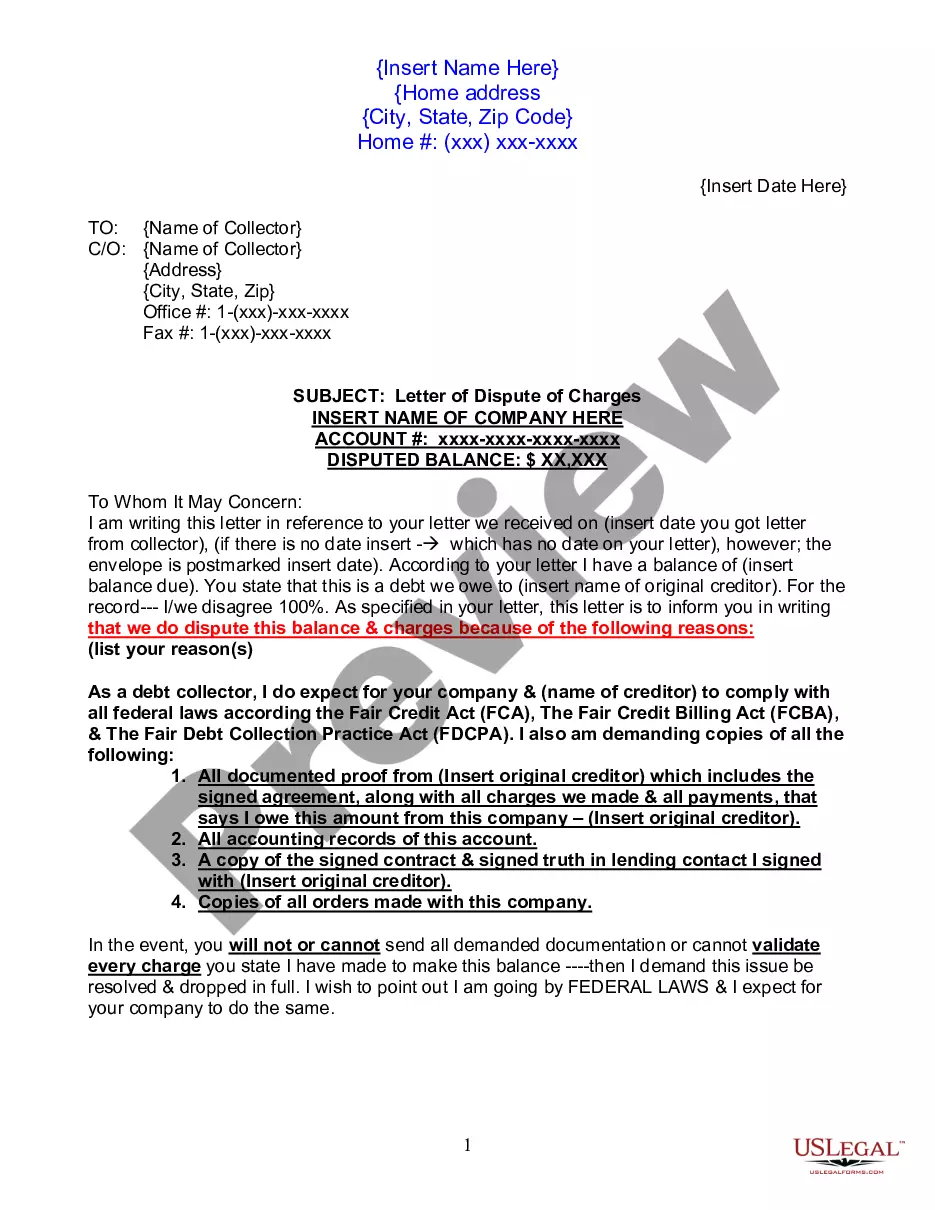
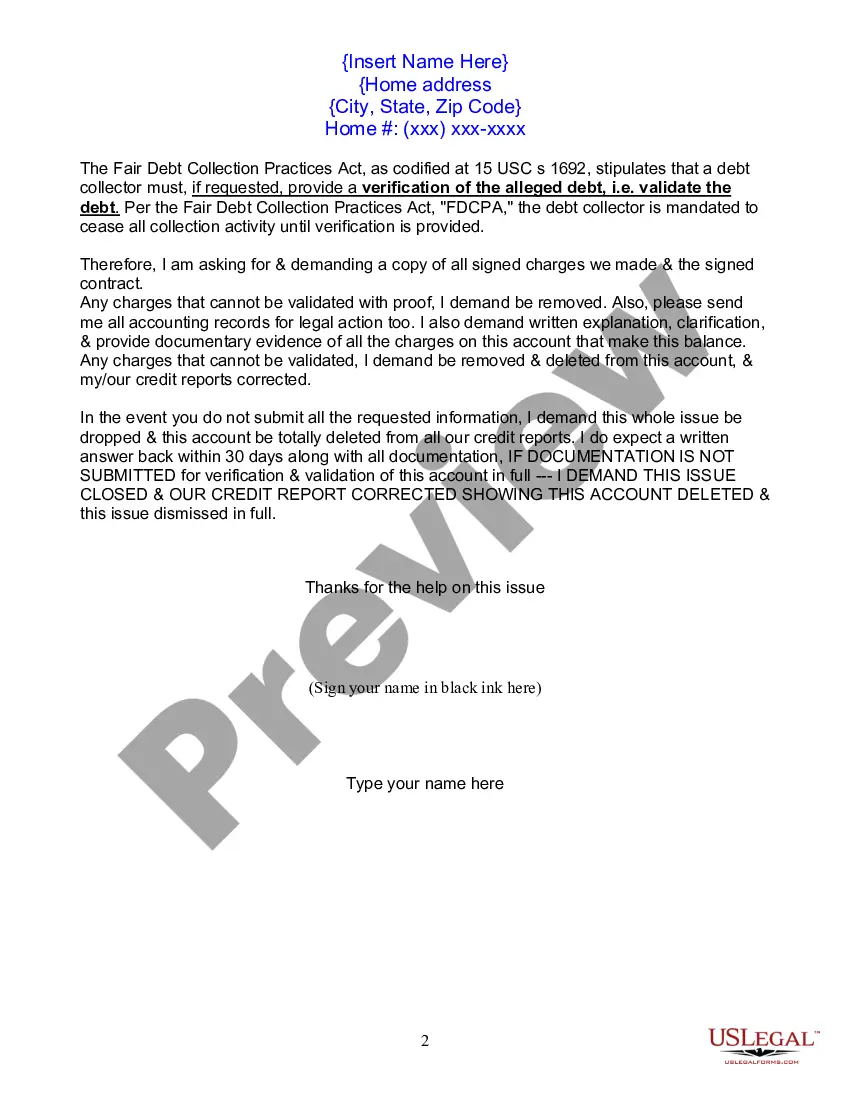
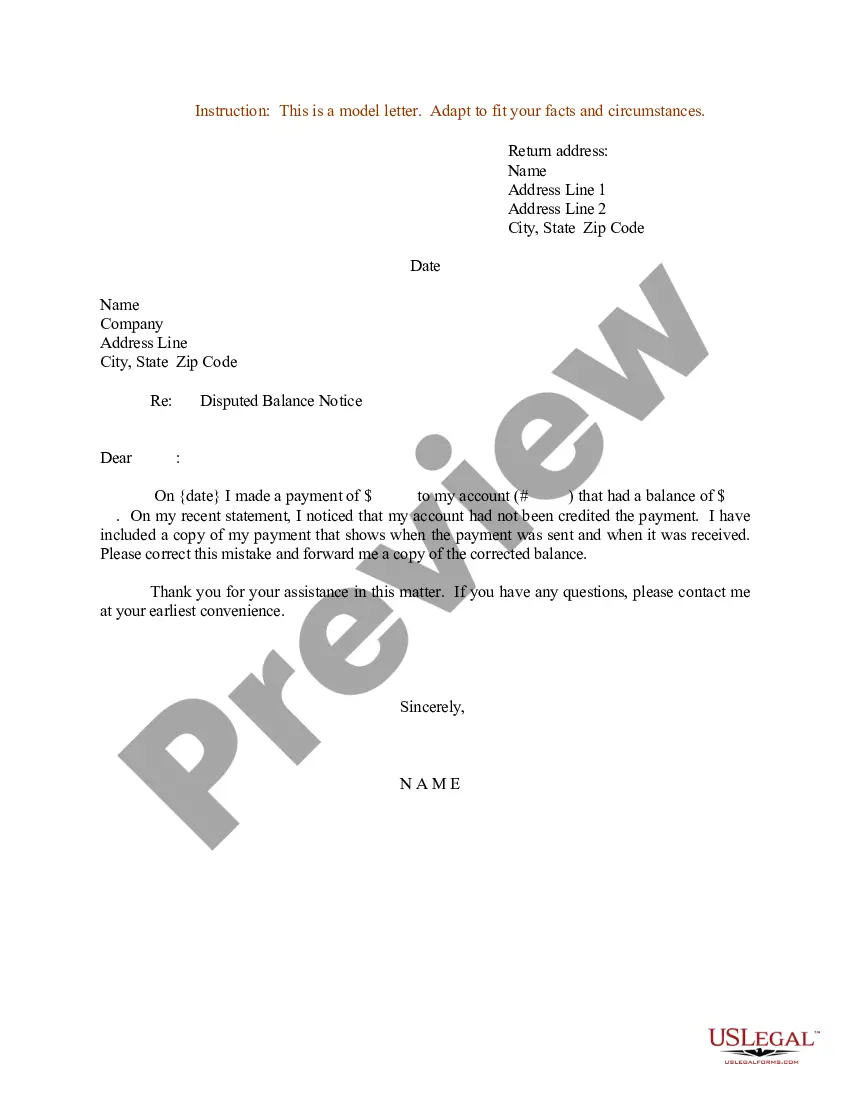
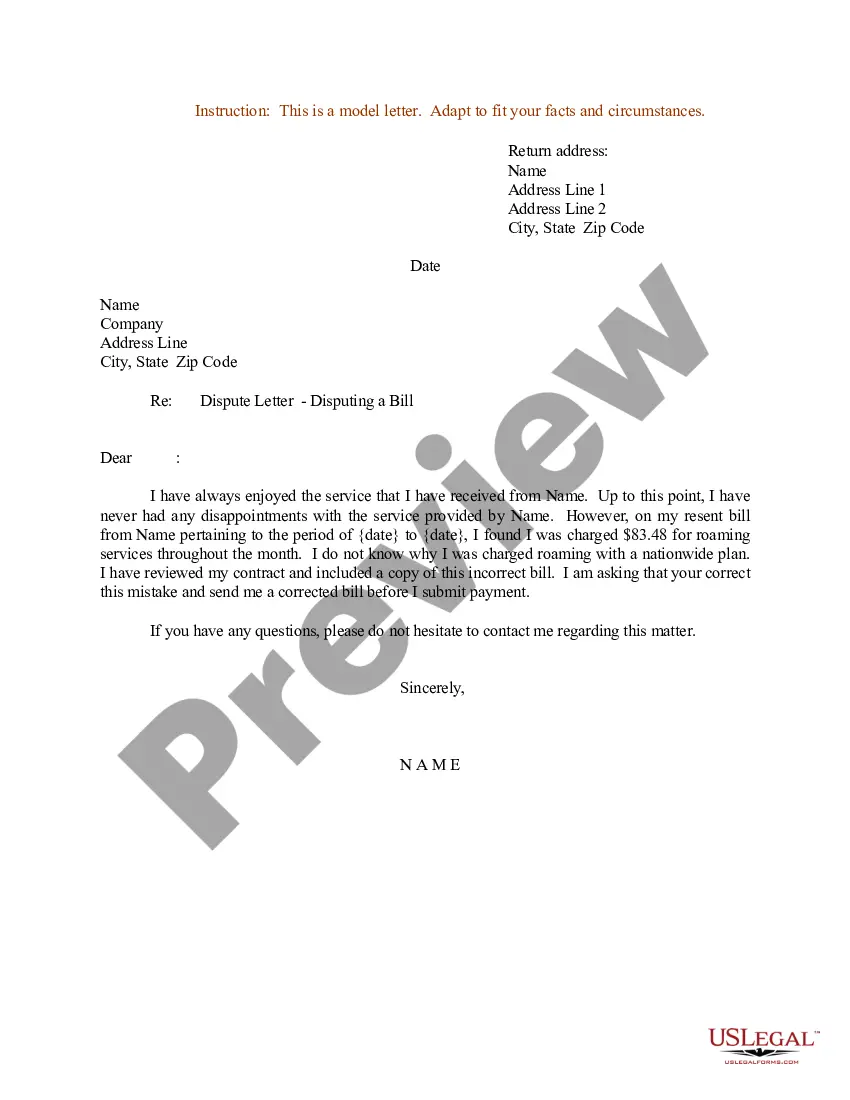
Get your form ready online
Our built-in tools help you complete, sign, share, and store your documents in one place.
Make edits, fill in missing information, and update formatting in US Legal Forms—just like you would in MS Word.
Download a copy, print it, send it by email, or mail it via USPS—whatever works best for your next step.
Sign and collect signatures with our SignNow integration. Send to multiple recipients, set reminders, and more. Go Premium to unlock E-Sign.
If this form requires notarization, complete it online through a secure video call—no need to meet a notary in person or wait for an appointment.
We protect your documents and personal data by following strict security and privacy standards.

Make edits, fill in missing information, and update formatting in US Legal Forms—just like you would in MS Word.

Download a copy, print it, send it by email, or mail it via USPS—whatever works best for your next step.

Sign and collect signatures with our SignNow integration. Send to multiple recipients, set reminders, and more. Go Premium to unlock E-Sign.

If this form requires notarization, complete it online through a secure video call—no need to meet a notary in person or wait for an appointment.

We protect your documents and personal data by following strict security and privacy standards.
Looking for another form?






How to fill out Letter Of Dispute - Complete Balance?
- If you're a returning user, simply log in to access your account and download the Attorney credit dispute letter you need. Ensure your subscription is active; if not, renew it according to your payment plan.
- For new users, begin by browsing the form collection. Preview the templates and descriptions to locate the Attorney credit dispute letter that suits your jurisdiction and requirements.
- If your search reveals any discrepancies, utilize the Search tab to explore additional templates until you find one that meets your needs.
- Once you've identified the correct document, click the Buy Now button. Choose the subscription plan that best fits your needs and create an account to explore our extensive library of over 85,000 forms.
- Next, finalize your purchase by entering your payment details through credit card or PayPal to activate your subscription.
- Lastly, download the Attorney credit dispute letter and save it to your device. You can access it anytime from the My Forms section of your profile.
US Legal Forms simplifies the process of obtaining legal documents, ensuring accurate and compliant submissions while empowering users with access to expert assistance.
Start your journey to resolving credit disputes today by leveraging the robust resources available at US Legal Forms!
Form popularity
FAQ
To dispute a debt and achieve a favorable outcome, first collect all relevant documentation supporting your case. Write a clear, concise letter explaining your dispute and requesting validation of the debt. Follow up persistently and be prepared to escalate the matter if necessary. A strong attorney credit dispute letter can significantly strengthen your position in negotiating resolution.
To write a letter disputing charges, detail the specific charges you dispute and explain why you believe they are incorrect. Include relevant dates, amounts, and any supporting evidence. Request a review of these charges and ask for a prompt resolution. Incorporating an attorney credit dispute letter format can enhance the professionalism and clarity of your request.
To negotiate a debt, start your letter by addressing the creditor and acknowledging the debt amount. Clearly express your intention to negotiate a lower payment or settlement. Be polite but firm in your request and provide a reasonable offer based on your financial situation. Using an attorney credit dispute letter can help structure your message effectively and assertively.
When writing a letter to dispute a debt, you should clearly identify the debt you are disputing with the creditor’s name, account number, and specific details. Explain why you believe the debt is inaccurate or unjust. Always request verification of the debt and keep a copy of your letter for your records. Using an attorney credit dispute letter can help reinforce your case.
Writing a 609 credit dispute letter involves referencing your right under Section 609 of the Fair Credit Reporting Act. Start by requesting the creditor or credit bureau to provide proof of the debt. State your personal information and include any documentation that supports your claim. The attorney credit dispute letter template can guide you in drafting a compelling letter that effectively challenges inaccuracies.
To write a letter disputing debt, gather your documentation, including account statements and any relevant correspondence. Clearly state that you dispute the debt and specify the reasons for your dispute. Include your personal details, the account number, and invite the creditor to respond with the necessary evidence. A well-crafted attorney credit dispute letter can help you navigate this process with confidence.
To write a successful dispute letter, begin by clearly stating the error and your reason for disputing it. Include relevant details, such as account numbers and supporting documents, to strengthen your case. Incorporating elements from an Attorney credit dispute letter can enhance your letter’s clarity and impact. Always keep a copy of your letter and any responses you receive for future reference.
A 623 dispute letter refers to a formal communication sent to a creditor under Section 623 of the Fair Credit Reporting Act. It allows consumers to dispute inaccuracies in their credit reports directly with the creditor. If you need assistance, consider using an Attorney credit dispute letter to navigate this process effectively. This letter serves as a powerful tool in addressing credit report errors.
When writing a credit dispute, state the facts clearly and assertively. Explain the specific inaccuracies and back your claims with evidence, such as statements or receipts. An Attorney credit dispute letter can guide you through this process, ensuring that you include all necessary information for the credit bureau to act on your request. Be polite but firm in your communication.
In a credit card dispute letter, clearly outline the erroneous charges on your statement. Detail the reasons for your dispute and include any evidence that supports your claim. Using an Attorney credit dispute letter can provide you with a structured format that covers all crucial points. Remember to include your account information, and be concise while stating your case.