Aggressive Credit Card
Description
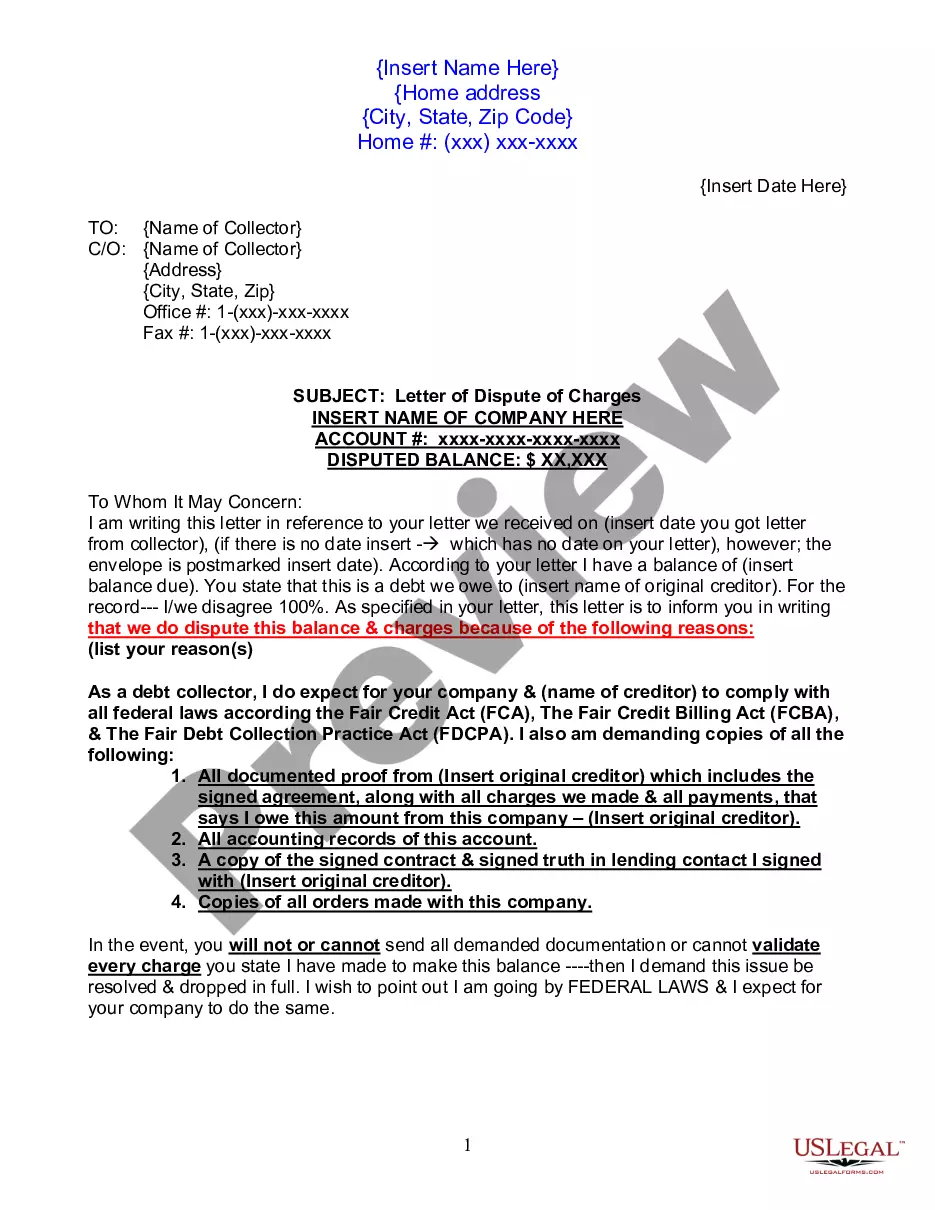
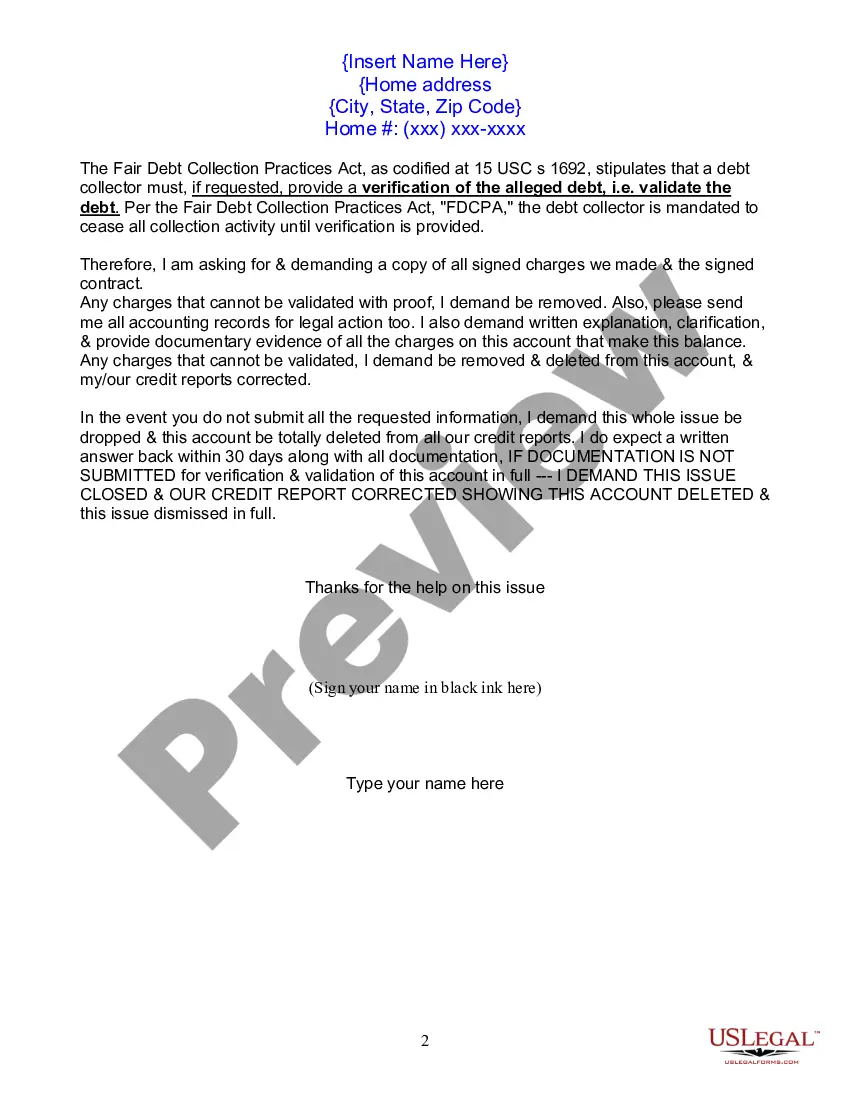
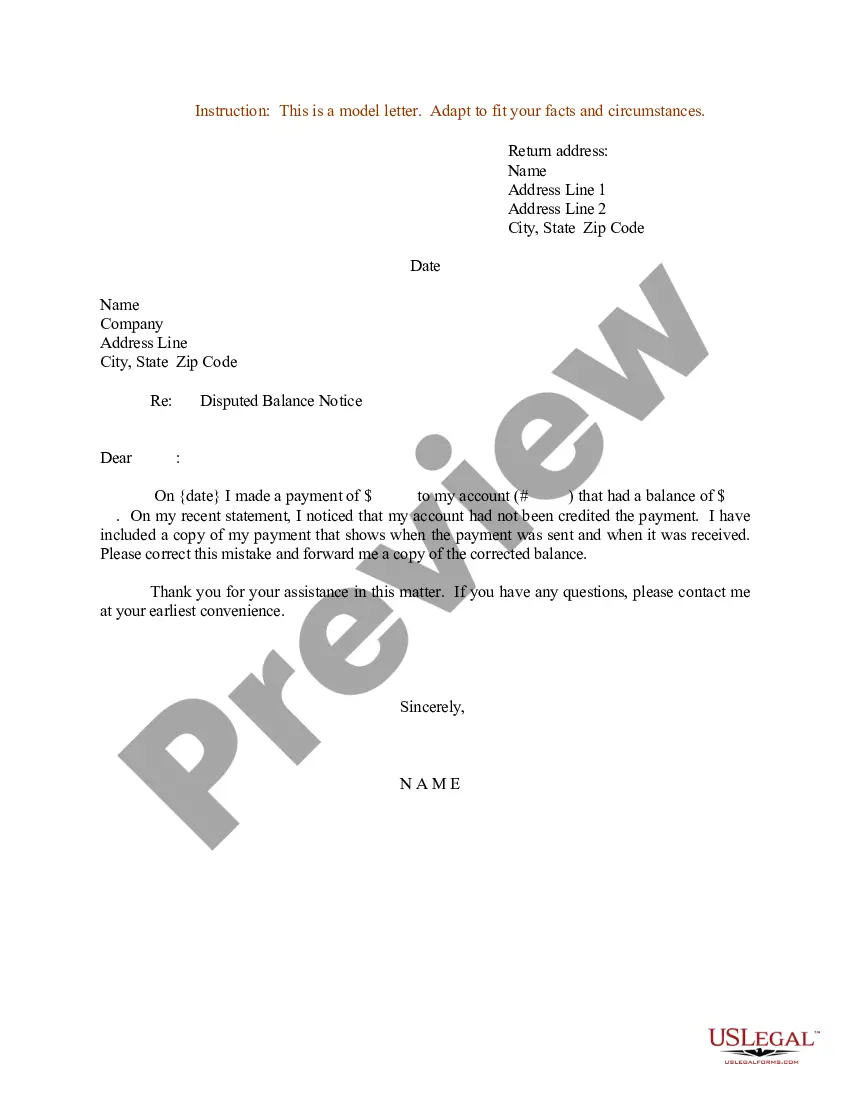
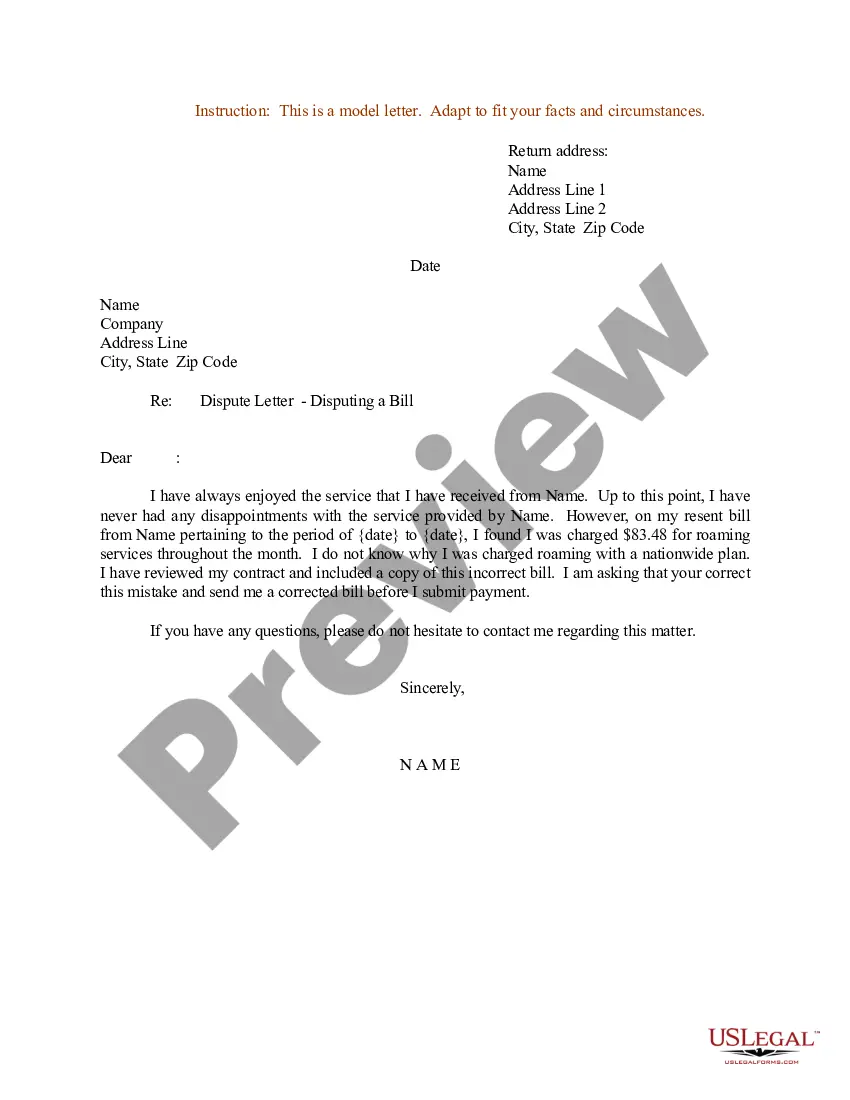
Get your form ready online
Our built-in tools help you complete, sign, share, and store your documents in one place.
Make edits, fill in missing information, and update formatting in US Legal Forms—just like you would in MS Word.
Download a copy, print it, send it by email, or mail it via USPS—whatever works best for your next step.
Sign and collect signatures with our SignNow integration. Send to multiple recipients, set reminders, and more. Go Premium to unlock E-Sign.
If this form requires notarization, complete it online through a secure video call—no need to meet a notary in person or wait for an appointment.
We protect your documents and personal data by following strict security and privacy standards.

Make edits, fill in missing information, and update formatting in US Legal Forms—just like you would in MS Word.

Download a copy, print it, send it by email, or mail it via USPS—whatever works best for your next step.

Sign and collect signatures with our SignNow integration. Send to multiple recipients, set reminders, and more. Go Premium to unlock E-Sign.

If this form requires notarization, complete it online through a secure video call—no need to meet a notary in person or wait for an appointment.

We protect your documents and personal data by following strict security and privacy standards.
Looking for another form?
How to fill out Letter Of Dispute - Complete Balance?
- Log into your US Legal Forms account. If you are a new user, create an account to get started.
- Browse the extensive library and preview the legal forms. Ensure you select a document that fits your local jurisdiction requirements.
- If necessary, utilize the search function to find an alternative template that meets your needs.
- Select the desired template and click 'Buy Now' to proceed with your purchase, ensuring you choose the subscription plan that suits you.
- Enter your payment information using your aggressive credit card or PayPal account to complete the transaction.
- Download your form after payment and save it on your device. You can also access it later in the 'My Forms' section of your profile.
Acquiring your legal documents through US Legal Forms is a streamlined process that supports both individuals and attorneys alike. With comprehensive resources and robust customer support, you can ensure your documents are precise and meet legal standards.
Ready to simplify your legal documentation? Sign up for US Legal Forms today and explore our vast collection!
Form popularity
FAQ
Creditors may accept a 50% settlement, especially if you effectively communicate your financial situation. While there's no guarantee, offering half can be a reasonable starting point for negotiations. Credit card companies recognize the benefit of settling debts before they escalate further, making 50% a strategic figure to present. For more structured assistance, consider exploring the resources at US Legal Forms.
When aiming to settle debt, offering 30% to 50% of the total outstanding amount is a common approach. This range is usually acceptable to credit card companies, as they prefer getting some payment rather than none at all. Tailoring your offer based on your financial condition will likely result in a more favorable negotiation. US Legal Forms can help you navigate this process effectively.
A credit card company typically negotiates settlements between 30% and 80% of the original debt. Factors like your payment history, the age of the debt, and your current financial circumstances influence this percentage. An aggressive credit card company might be more willing to negotiate if they see that you are motivated to settle. Consider platforms like US Legal Forms for assistance in understanding these negotiations.
The 2/3/4 rule refers to the strategy of managing credit card debt effectively. Essentially, it suggests that you should aim to use no more than 30% of your credit limit, make payments on time, and avoid carrying a balance longer than three months. This approach can help you maintain a healthy credit score while managing aggressive credit card debt.
Credit card companies often settle for about 40% to 60% of the total debt owed. This means if you owe $10,000, they might agree to settle for around $4,000 to $6,000. However, the exact percentage can vary based on your financial situation and how aggressive your credit card provider is. Understanding your options is crucial, and you might want to explore resources like US Legal Forms for guidance.
To secure an aggressive credit card with a $3,000 limit despite bad credit, focus on securing credit cards specifically tailored for low scores. Start by checking your credit report to understand what issuers see. Then, consider applying for a secured card or asking a co-signer for help. Platforms like uslegalforms can provide support by guiding you through the best application processes and available options.
Many find that secured credit cards and subprime credit cards fit the bill when looking for aggressive credit cards for bad credit. Issuers typically offer these options to those who might struggle with approval. By maximizing your credit utilization on these cards, you can improve your credit score over time. Additionally, platforms like uslegalforms can help guide you through your options and selections.
If your credit is less than ideal, you may still qualify for secured credit cards or store cards, which offer the chance to rebuild your credit history. These cards generally have lower credit limits but can be a helpful tool for demonstrating responsible credit use. Look for an aggressive credit card option that provides a path to credit improvement. Always read the terms carefully to avoid adding more strain to your financial situation.
Getting rid of $30,000 in credit card debt requires a clear plan. Start by assessing your monthly expenses and determining how much you can allocate toward debt repayment. Explore options like debt management programs or negotiating with creditors, especially if you have an aggressive credit card. US Legal Forms can help you access the resources and documentation to support your debt reduction strategy.
You can legally eliminate credit card debt using various methods, including debt settlement, credit counseling, or filing for bankruptcy. Each option comes with its own set of pros and cons, and it's essential to choose one that fits your financial situation. Platforms like US Legal Forms can guide you through these options and provide the necessary documents to help simplify the process of managing your aggressive credit card debt.