Wrongful Count Civil With Theft
Description

Get your form ready online
Our built-in tools help you complete, sign, share, and store your documents in one place.
Make edits, fill in missing information, and update formatting in US Legal Forms—just like you would in MS Word.
Download a copy, print it, send it by email, or mail it via USPS—whatever works best for your next step.
Sign and collect signatures with our SignNow integration. Send to multiple recipients, set reminders, and more. Go Premium to unlock E-Sign.
If this form requires notarization, complete it online through a secure video call—no need to meet a notary in person or wait for an appointment.
We protect your documents and personal data by following strict security and privacy standards.

Make edits, fill in missing information, and update formatting in US Legal Forms—just like you would in MS Word.

Download a copy, print it, send it by email, or mail it via USPS—whatever works best for your next step.

Sign and collect signatures with our SignNow integration. Send to multiple recipients, set reminders, and more. Go Premium to unlock E-Sign.

If this form requires notarization, complete it online through a secure video call—no need to meet a notary in person or wait for an appointment.

We protect your documents and personal data by following strict security and privacy standards.
Looking for another form?
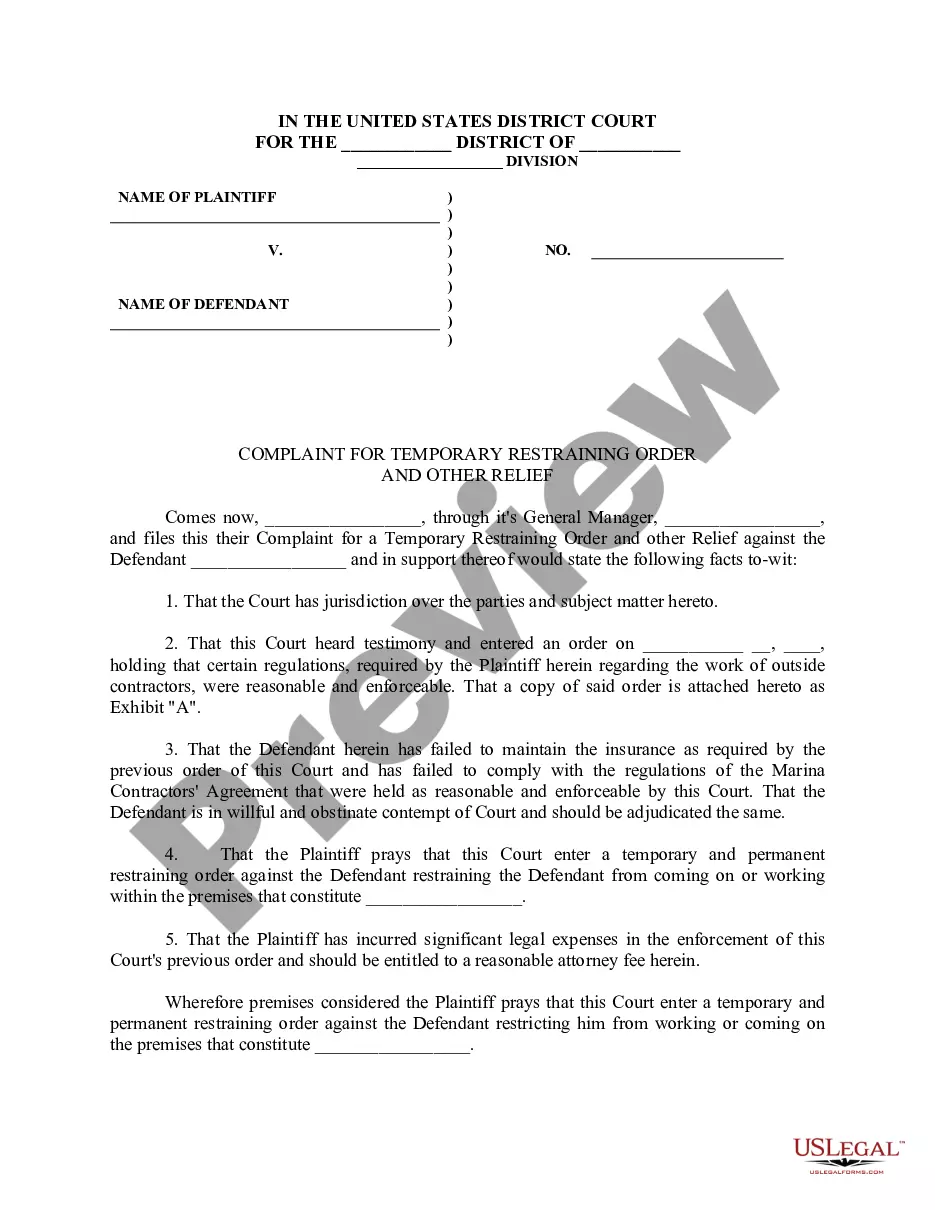
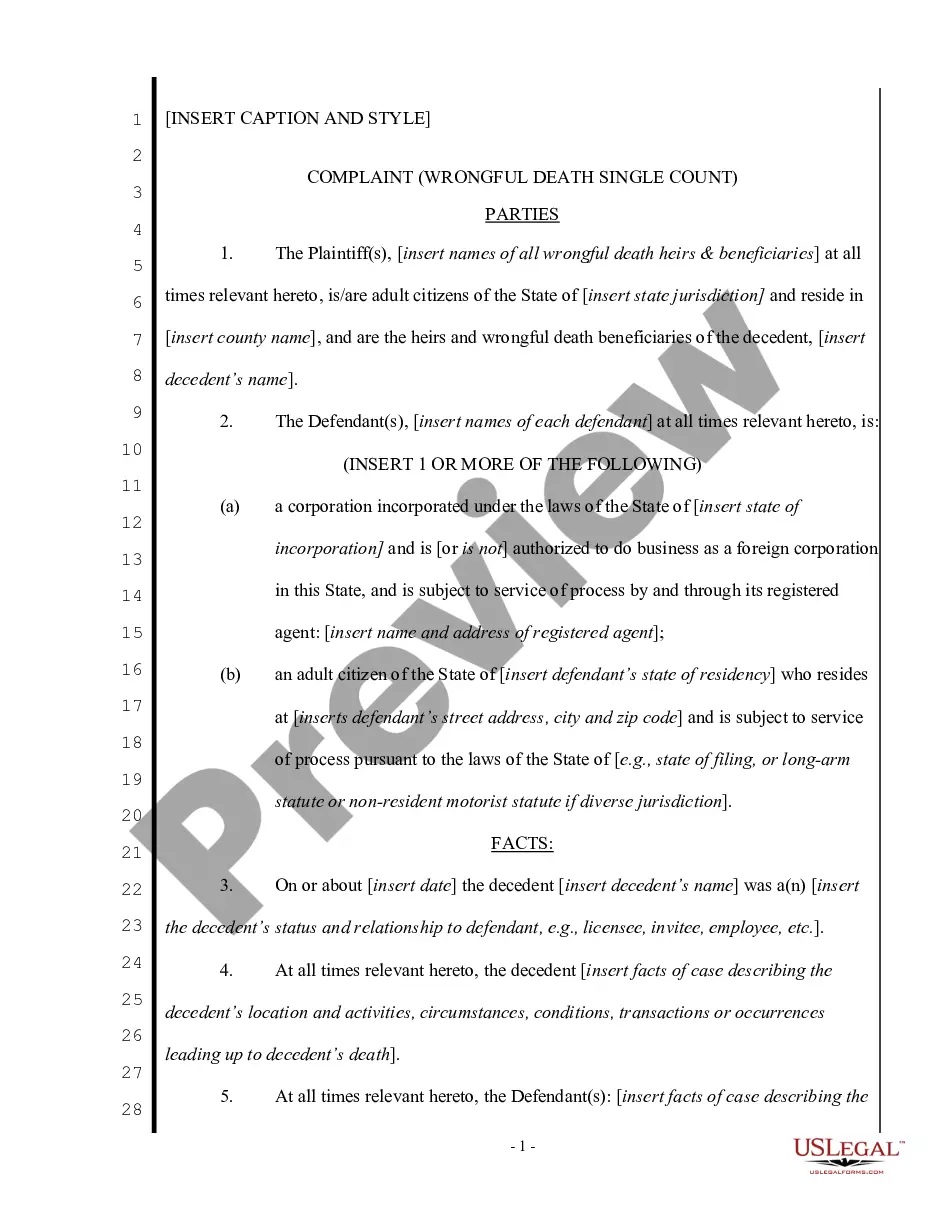
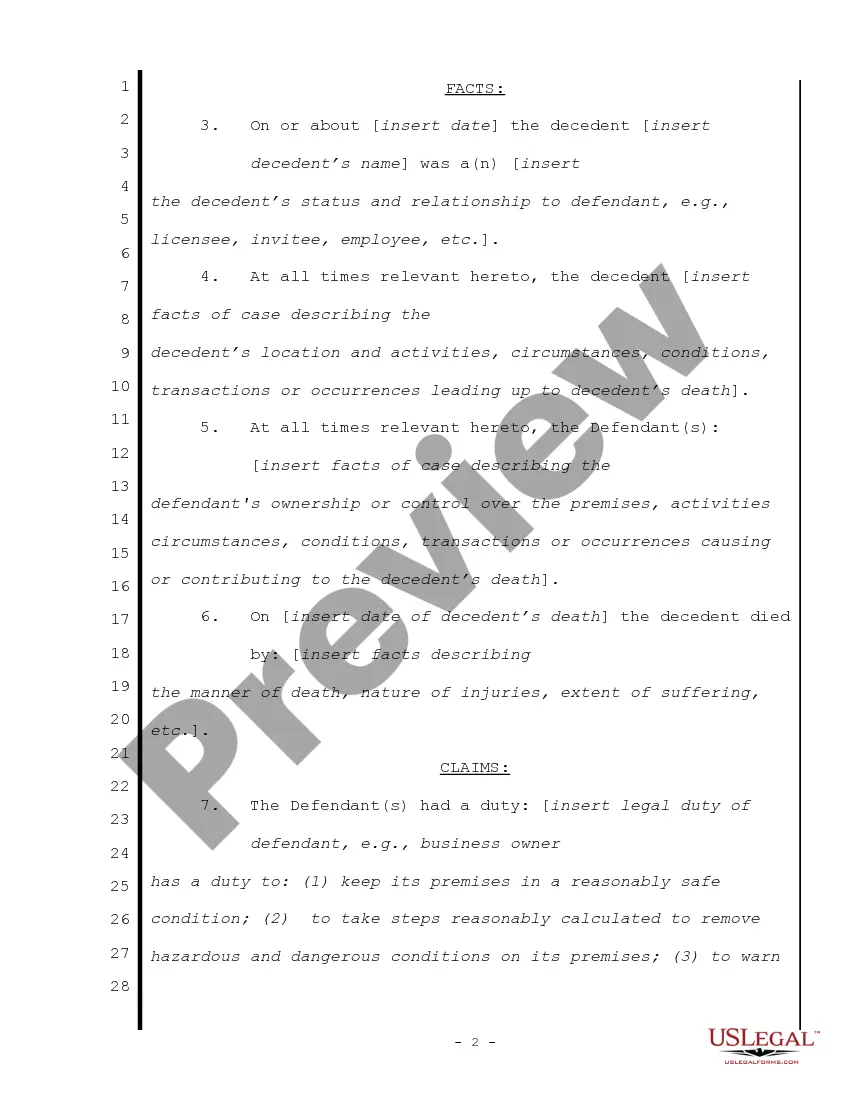
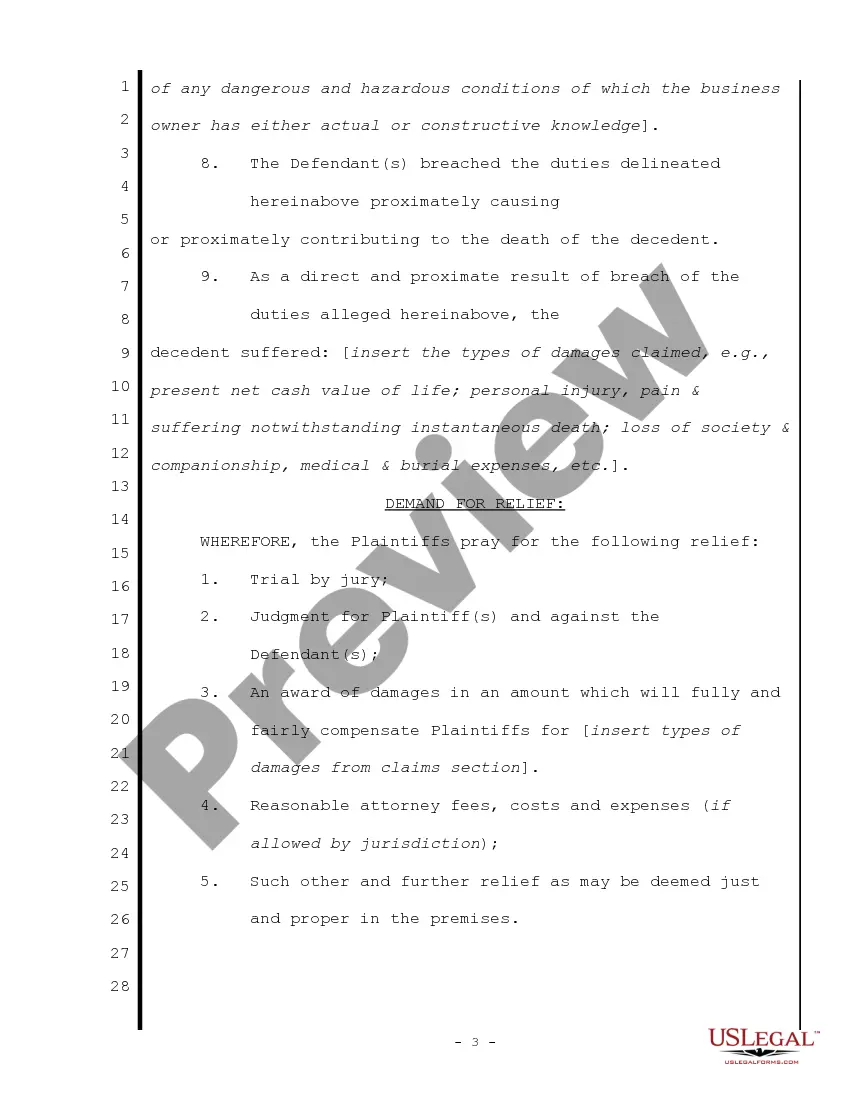
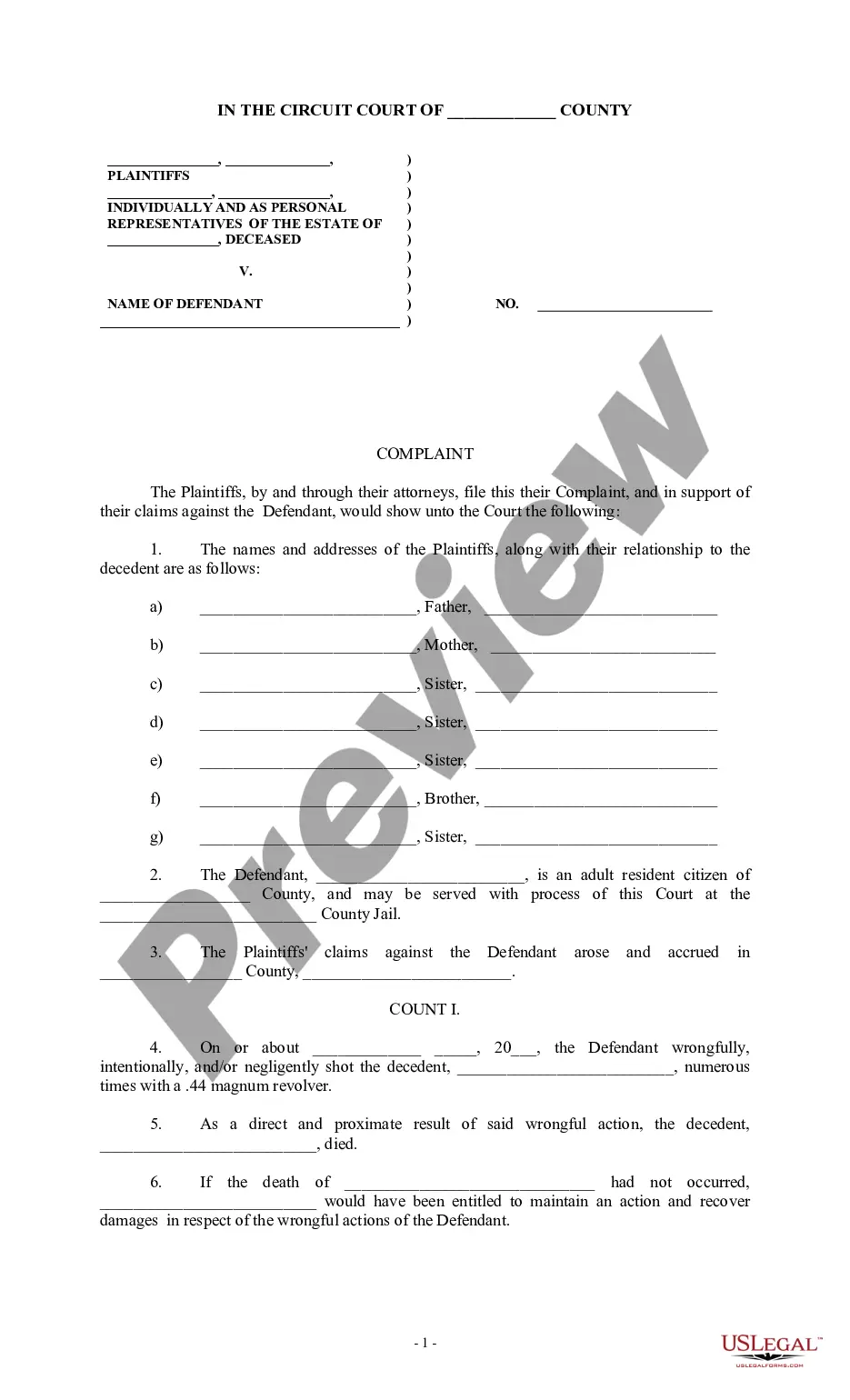
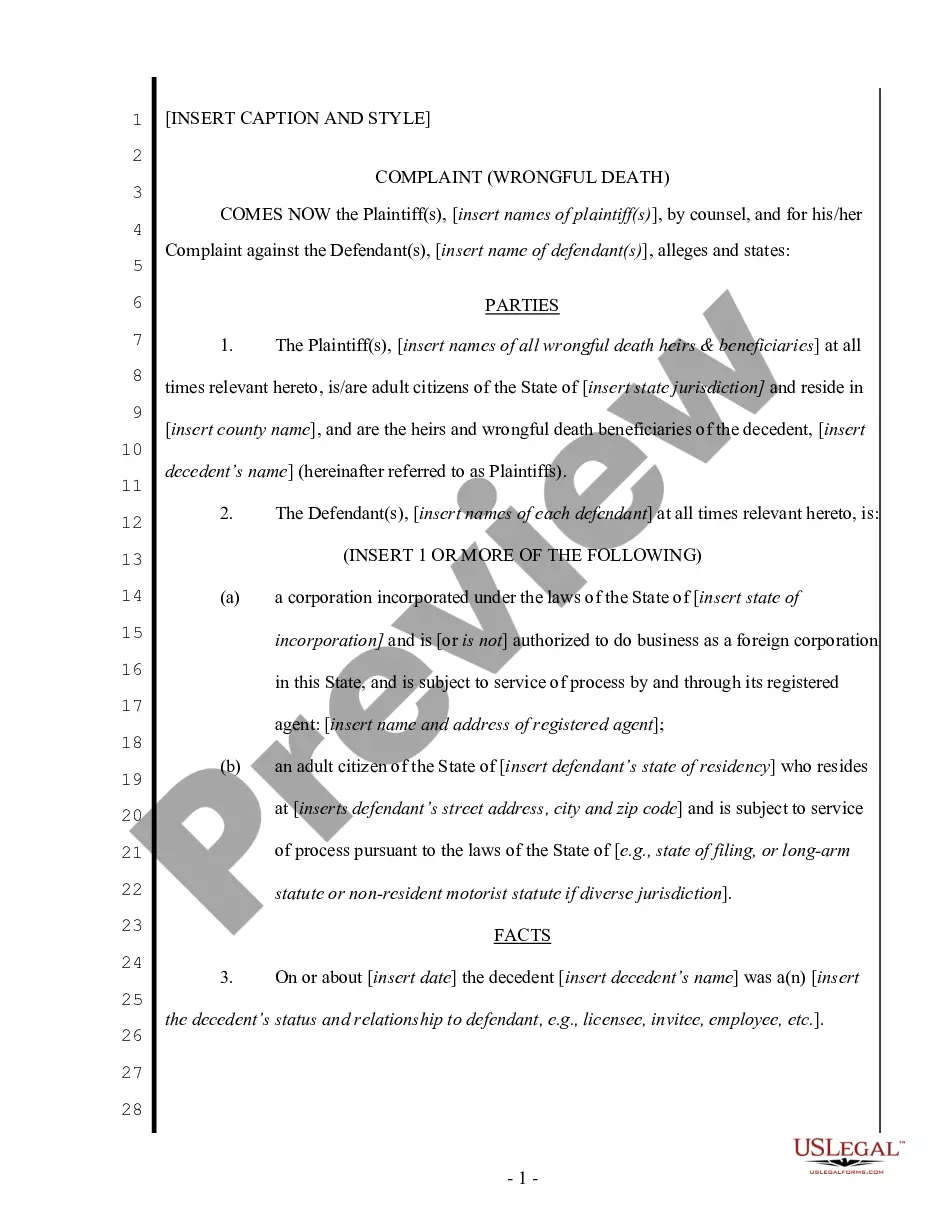
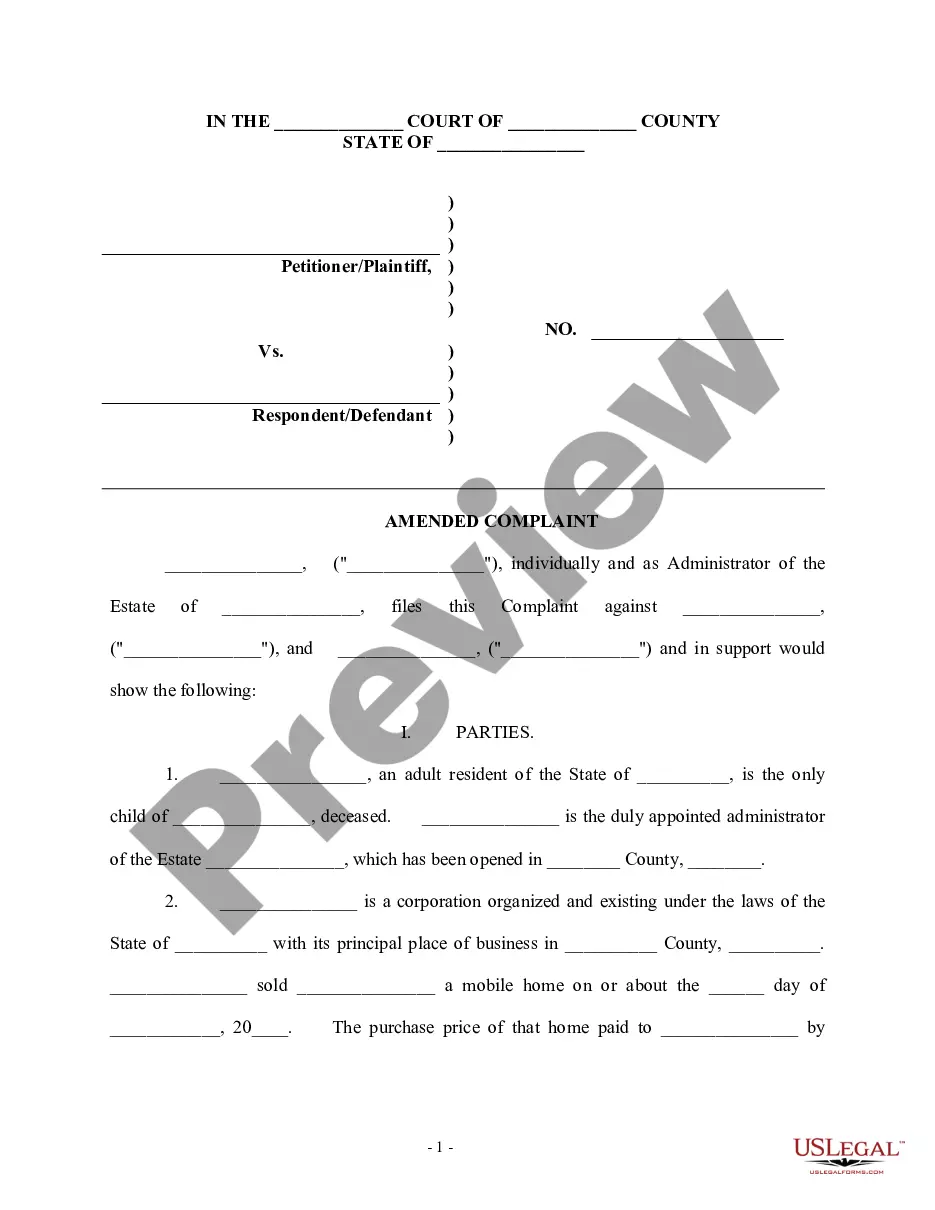
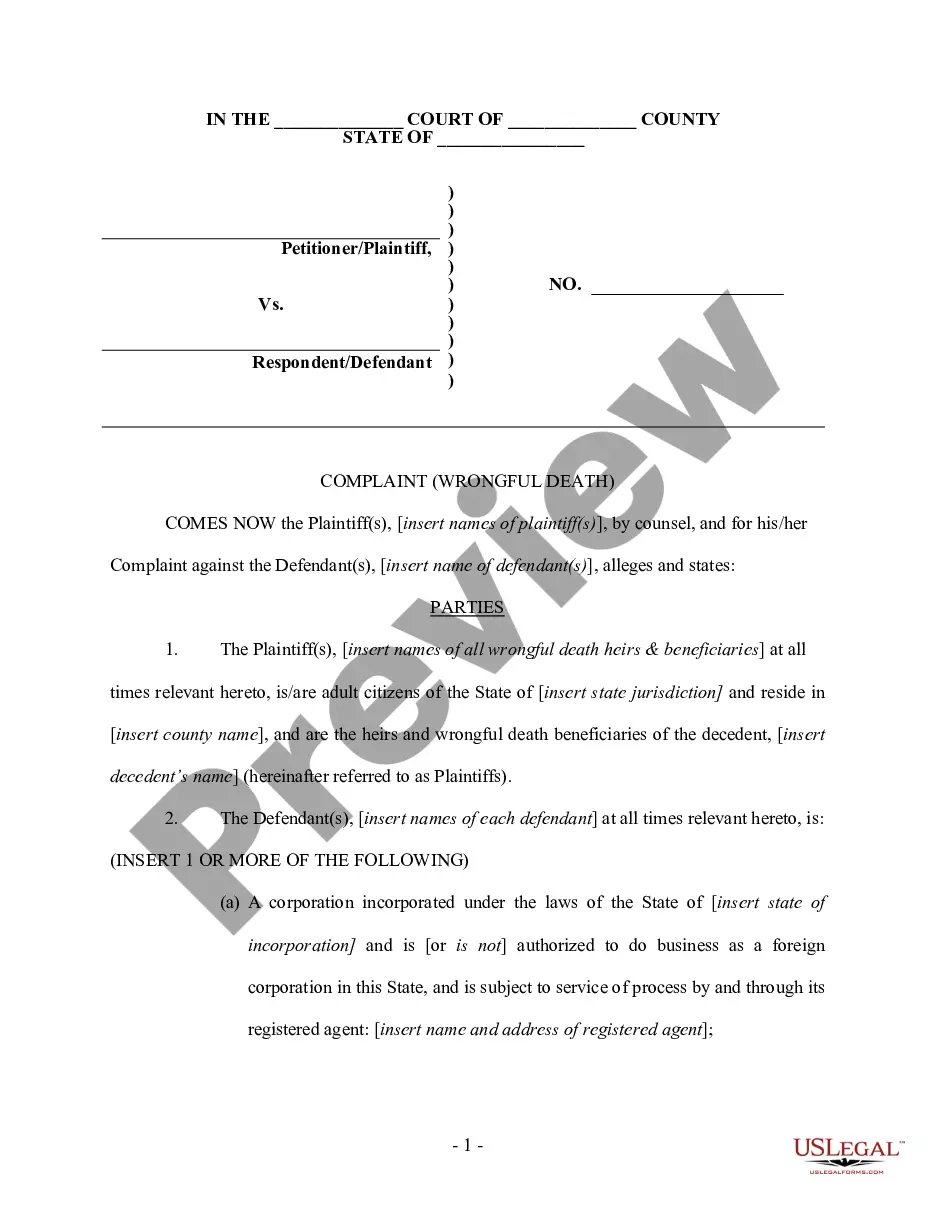
How to fill out Complaint For Wrongful Death - Single Count?
- Log in to your US Legal Forms account if you're an existing user. Check your subscription to ensure it's active before proceeding.
- Browse through the forms and select the one that meets your specific requirements. Utilize the preview mode to review the form's details.
- If the initial selection isn't right, use the Search tab to find a more suitable template that aligns with your local jurisdiction.
- To purchase the chosen document, click the Buy Now button and opt for a subscription plan that fits your needs. You'll need to create an account if you haven't already.
- Complete your purchase by entering your payment information via credit card or PayPal.
- Download the form directly to your device, and access it later through the My Forms section of your account.
By following these straightforward steps, you can easily obtain the necessary legal forms for wrongful count civil with theft, ensuring you have the documentation you need.
Explore US Legal Forms today and take advantage of their vast legal library to streamline your legal document needs. Start simplifying your legal processes now!
Form popularity
FAQ
The lowest amount you can sue someone for varies by state and the type of case. In cases related to wrongful count civil with theft, some jurisdictions allow claims as low as $1,000, while others may have different thresholds. It's important to check local laws to understand the specific limits. Using USLegalForms can help you find the right documentation and guidance for pursuing your claim effectively.
Civil theft is typically referred to as wrongful count civil with theft. This term encompasses situations where someone unlawfully takes another person's property with the intent to permanently deprive the owner of it. Essentially, it bridges the gap between criminal theft and civil liability, allowing victims to seek compensation through legal channels. If you're facing such an issue, consider using USLegalForms to navigate the complexities of filing a claim.
Yes, you can absolutely sue someone in civil court for theft. By doing so, you can seek financial compensation for your losses due to the wrongful count civil with theft. Engaging with a legal expert can help you file the suit correctly and present your case in court.
The civil term for stealing is often referred to as ‘conversion’ or ‘theft.’ In wrongful count civil with theft cases, these terms help define the unlawful taking of someone else's property. Knowing the appropriate terminology can assist in effectively communicating your situation in legal matters.
Yes, you can sue someone civilly for theft, and this is often the best way to recover what you lost. In wrongful count civil with theft cases, the focus is on obtaining compensation for your damages rather than criminal penalties. Utilizing platforms like US Legal Forms can help you prepare the necessary paperwork for your lawsuit.
To accuse someone of stealing, you need proof that includes witness testimonies, video footage, or physical evidence showing the theft. The more substantiated your claims are, the stronger your wrongful count civil with theft case becomes. Documentation is essential in establishing your position during legal proceedings.
No, you cannot legally be charged with theft without evidence supporting the claim. In wrongful count civil with theft, both sides need to present proof to support their case. Lacking credible evidence typically leaves claims unsubstantiated, making it crucial to gather proof before proceeding.
Yes, theft can indeed be a civil matter. In the context of wrongful count civil with theft, victims have the right to pursue civil lawsuits for damages caused by the theft. This approach allows victims to claim compensation without necessarily pursuing criminal charges against the alleged thief.
The best defense for theft often centers around showing a lack of intent to permanently deprive the owner of their property. In wrongful count civil with theft cases, proving innocence can entail demonstrating that the alleged ‘stolen’ property was misidentified. An experienced attorney can help you build a strong case highlighting these aspects.
Yes, you can sue someone who steals from you. This legal process falls under wrongful count civil with theft. To succeed, you must provide sufficient evidence that the theft occurred, demonstrating that you had ownership of the stolen property. Seeking assistance from legal experts can help you navigate this process effectively.