Wrongful Count Actions Paper With Evidence
Description
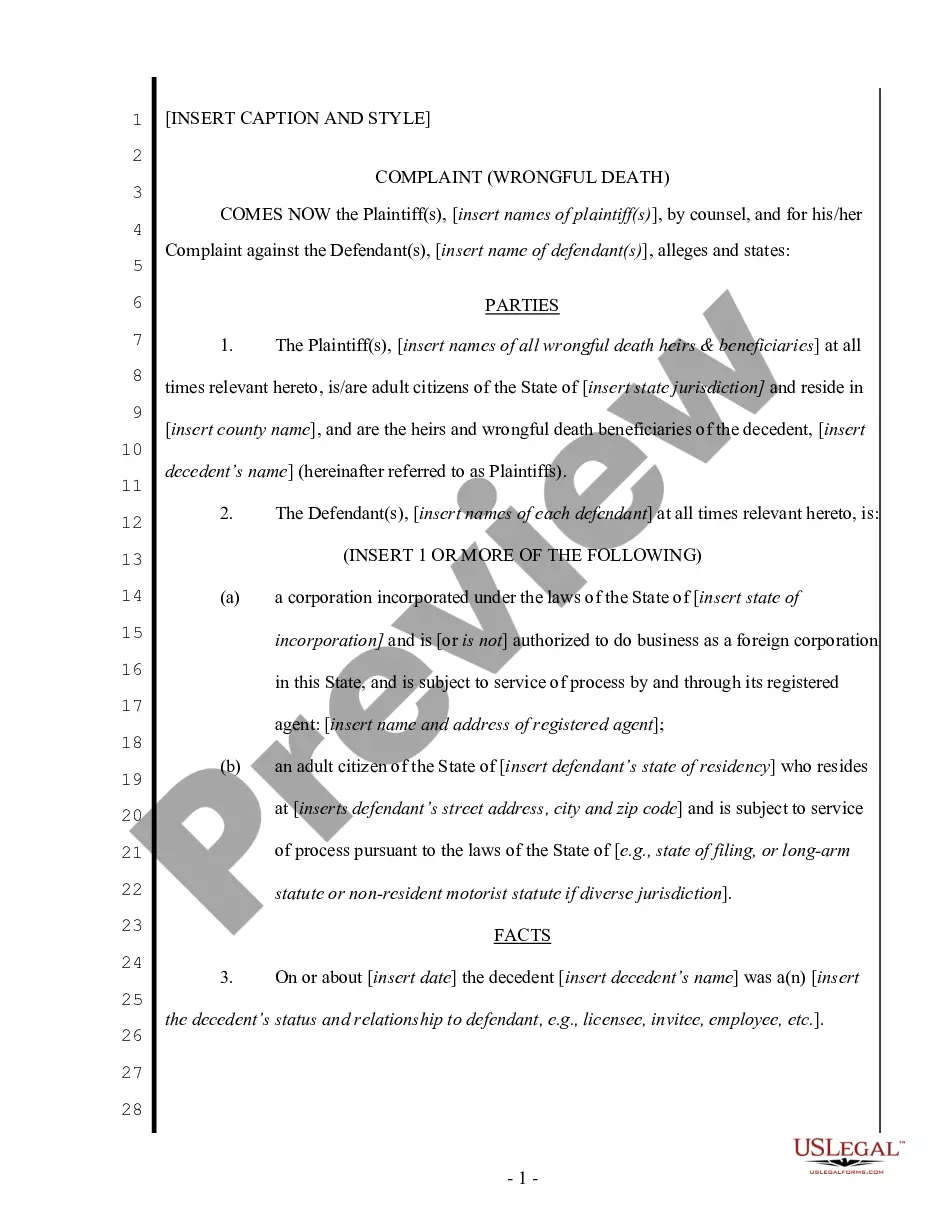

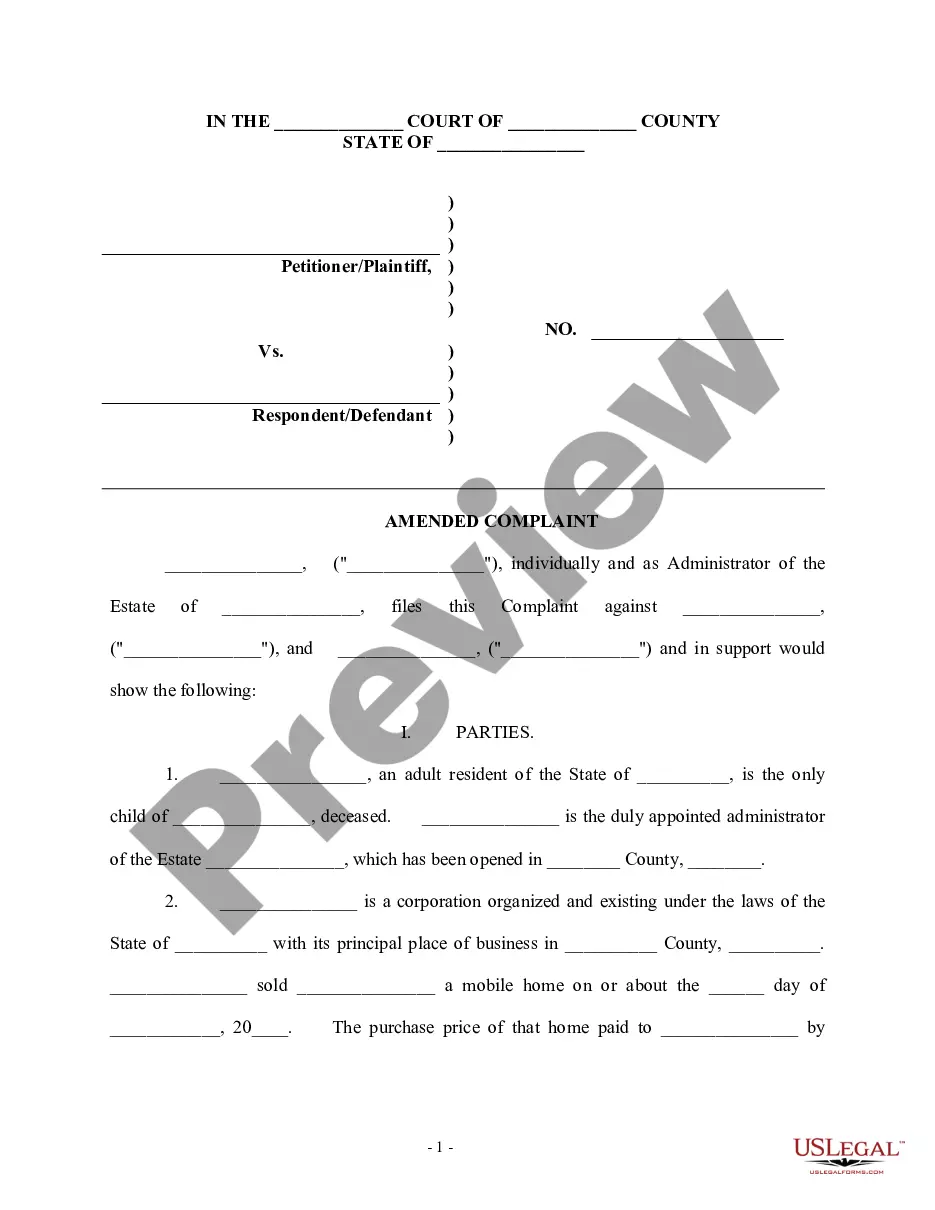
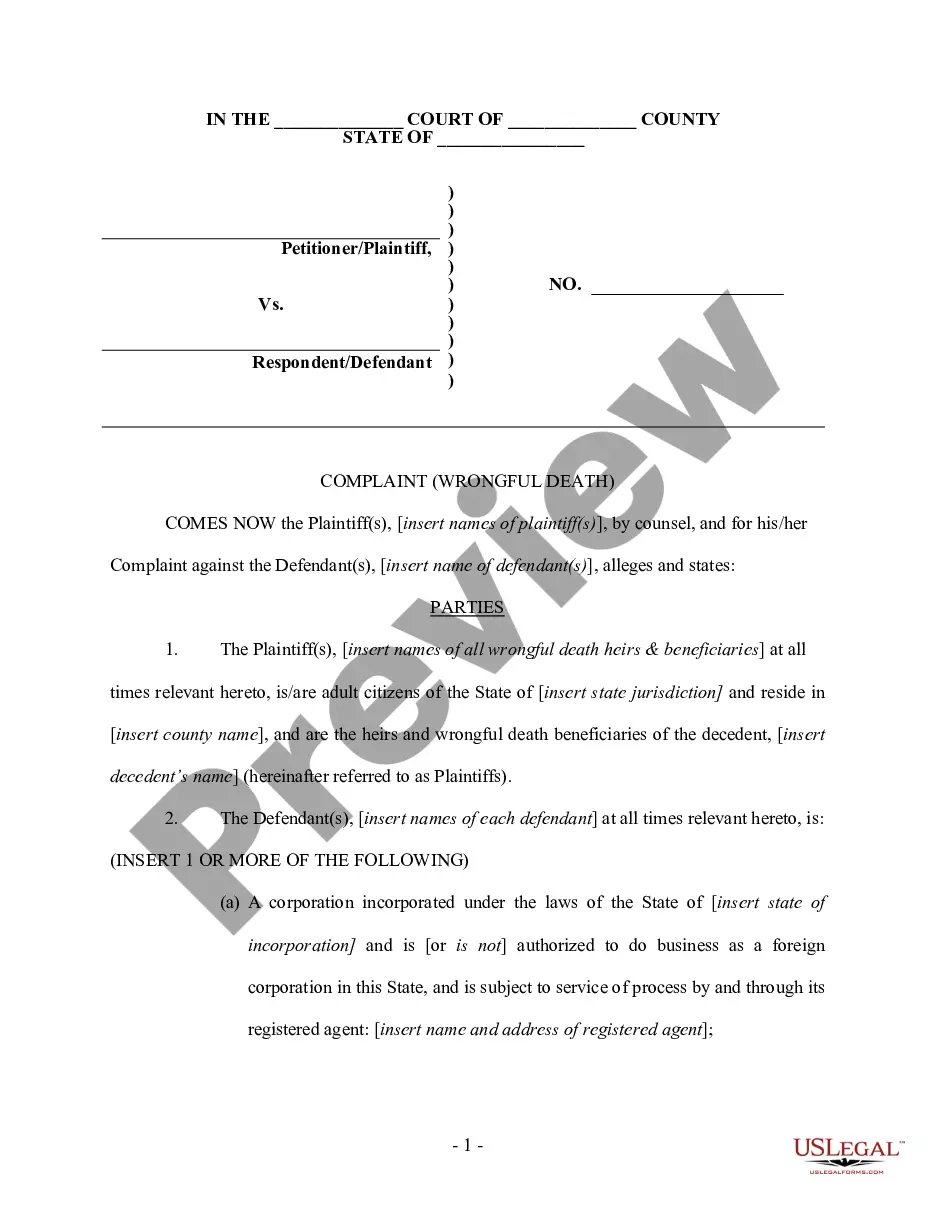
Get your form ready online
Our built-in tools help you complete, sign, share, and store your documents in one place.
Make edits, fill in missing information, and update formatting in US Legal Forms—just like you would in MS Word.
Download a copy, print it, send it by email, or mail it via USPS—whatever works best for your next step.
Sign and collect signatures with our SignNow integration. Send to multiple recipients, set reminders, and more. Go Premium to unlock E-Sign.
If this form requires notarization, complete it online through a secure video call—no need to meet a notary in person or wait for an appointment.
We protect your documents and personal data by following strict security and privacy standards.

Make edits, fill in missing information, and update formatting in US Legal Forms—just like you would in MS Word.

Download a copy, print it, send it by email, or mail it via USPS—whatever works best for your next step.

Sign and collect signatures with our SignNow integration. Send to multiple recipients, set reminders, and more. Go Premium to unlock E-Sign.

If this form requires notarization, complete it online through a secure video call—no need to meet a notary in person or wait for an appointment.

We protect your documents and personal data by following strict security and privacy standards.
Looking for another form?
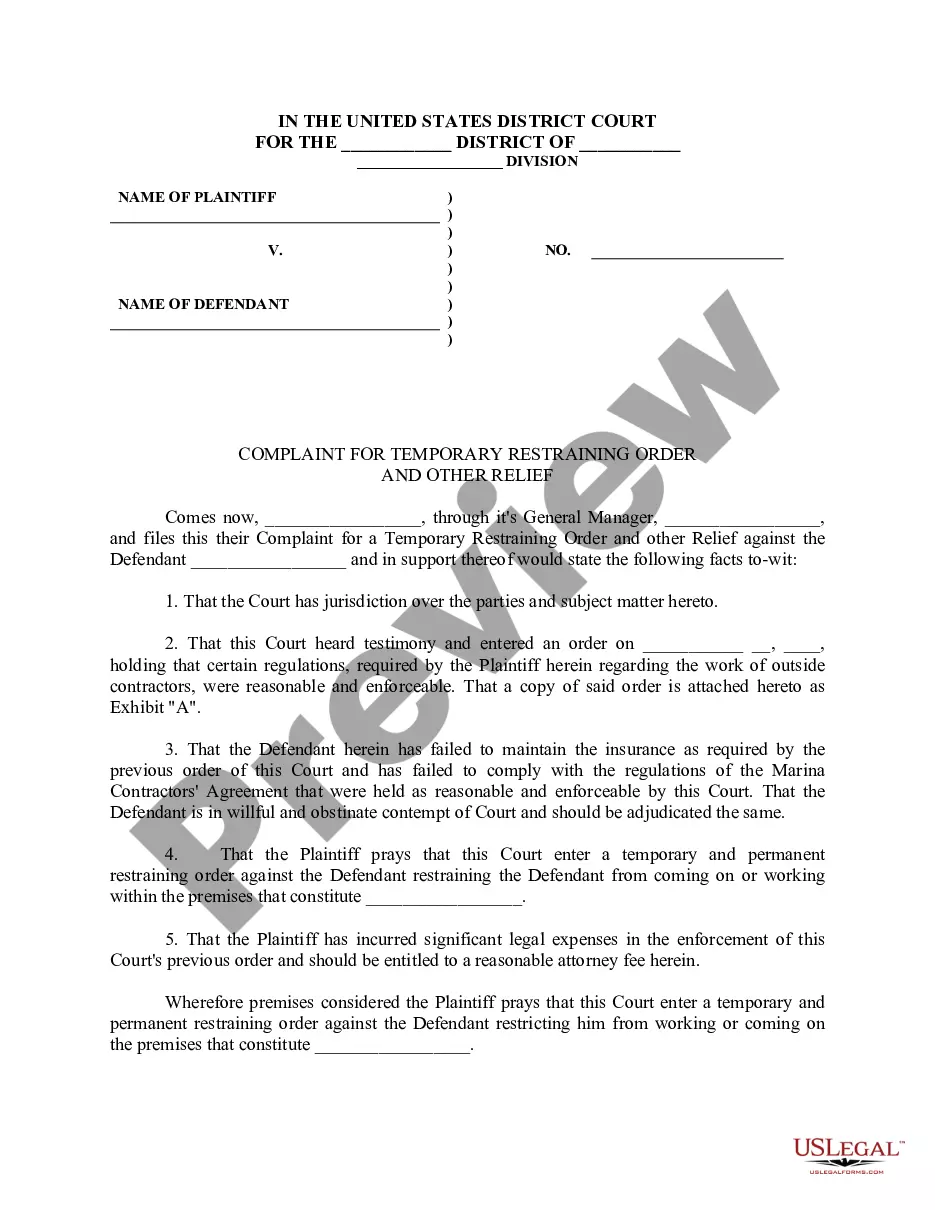
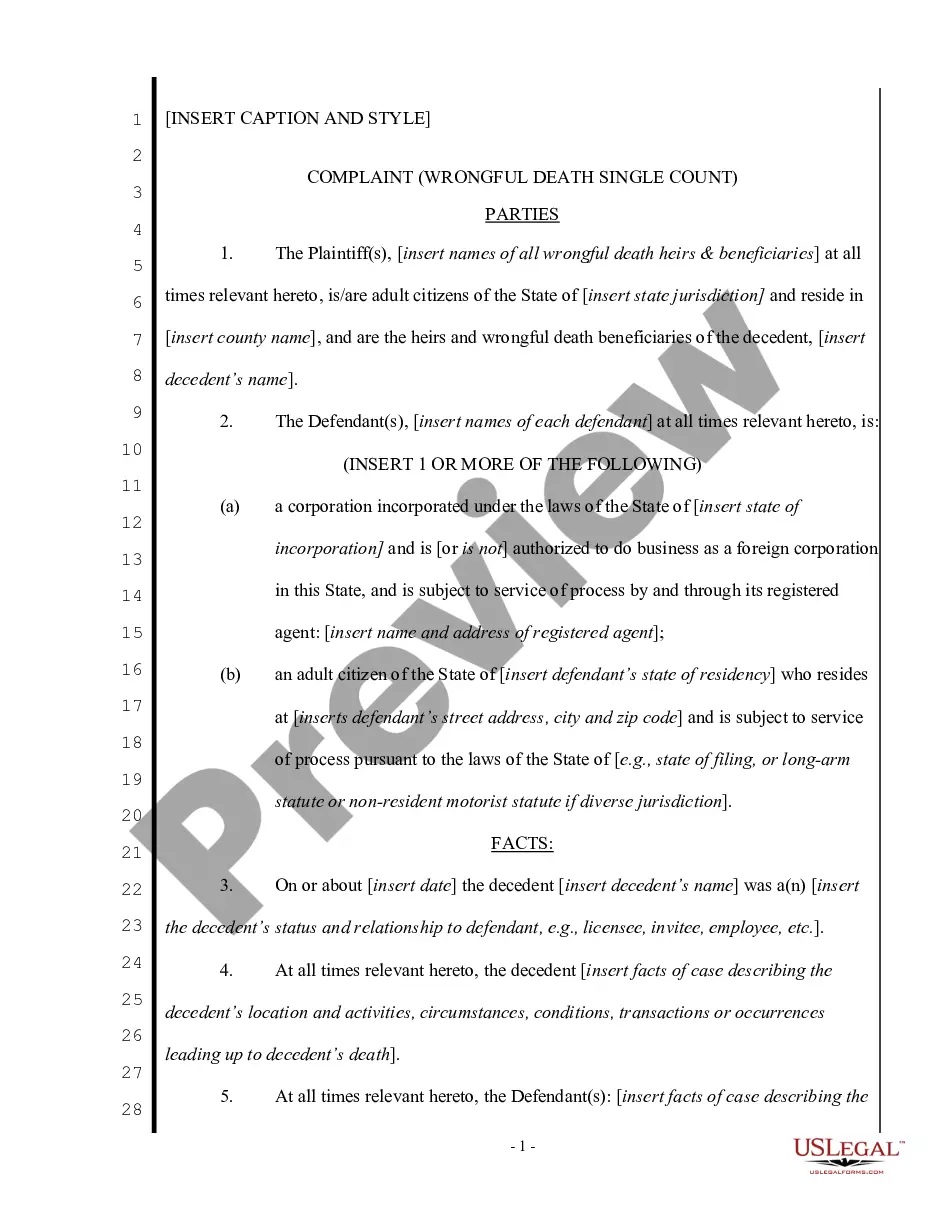
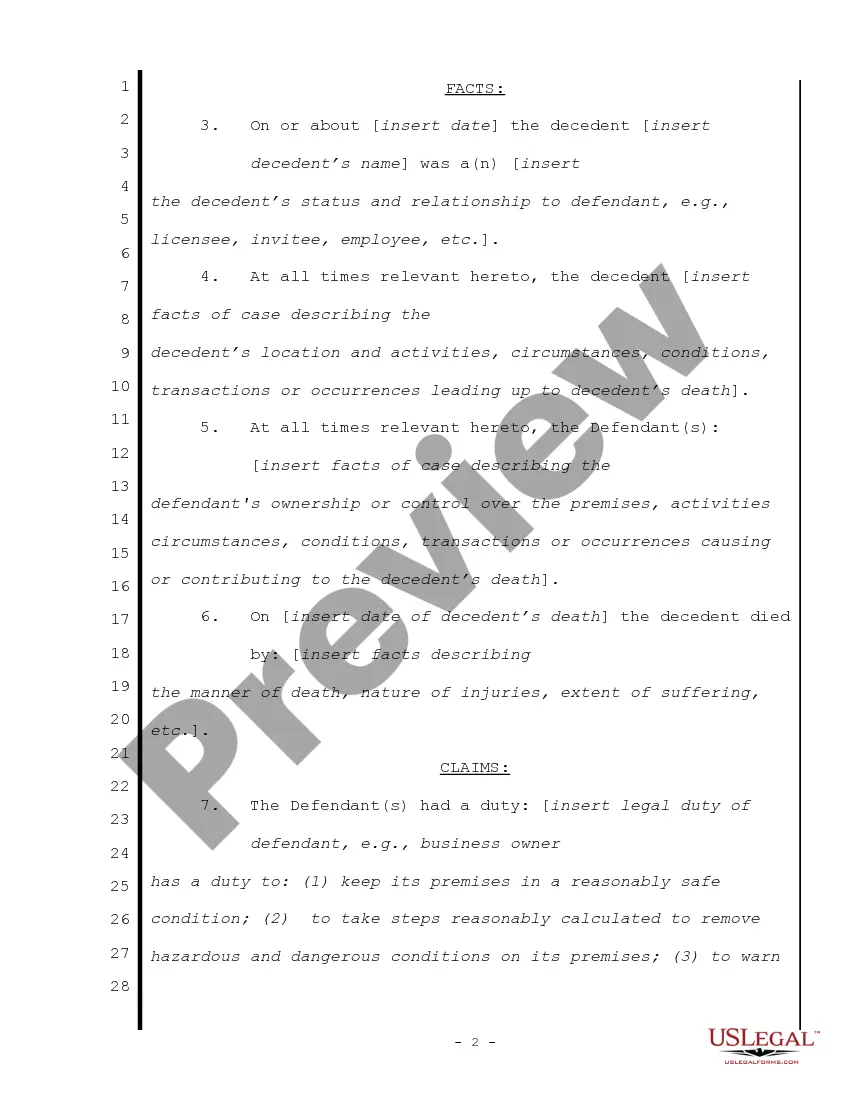
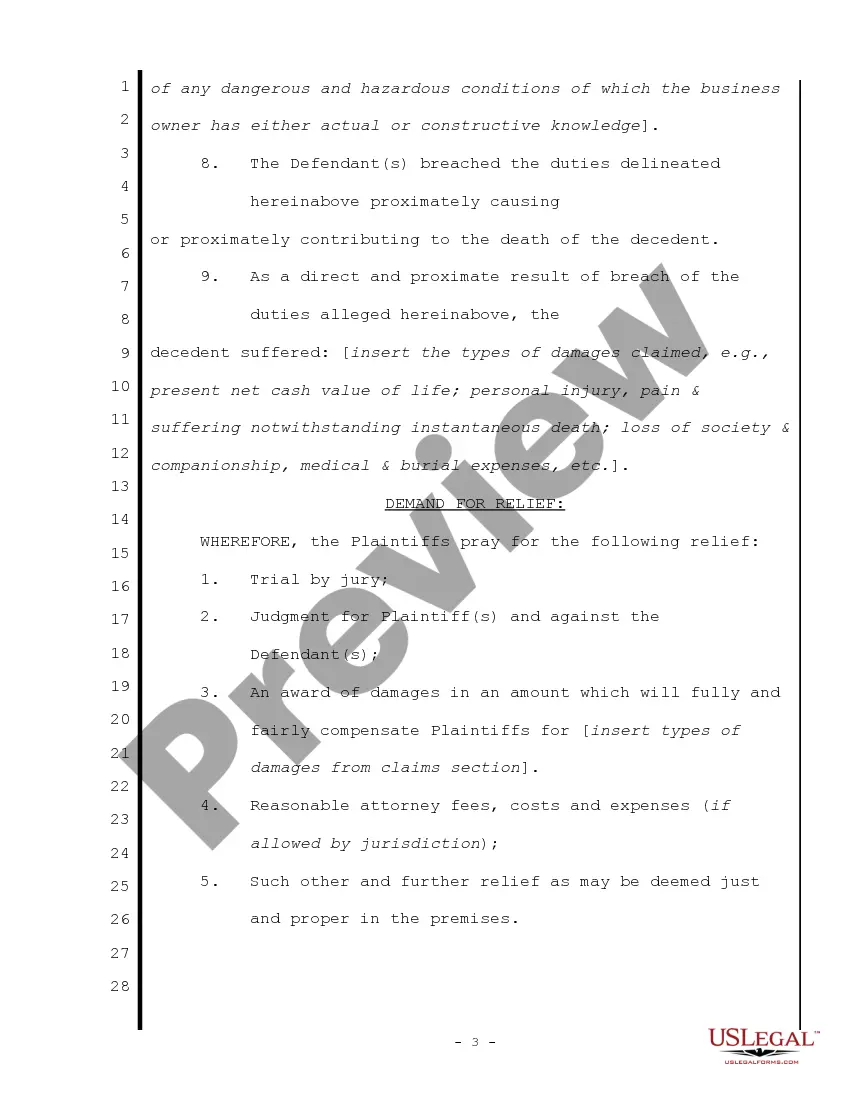
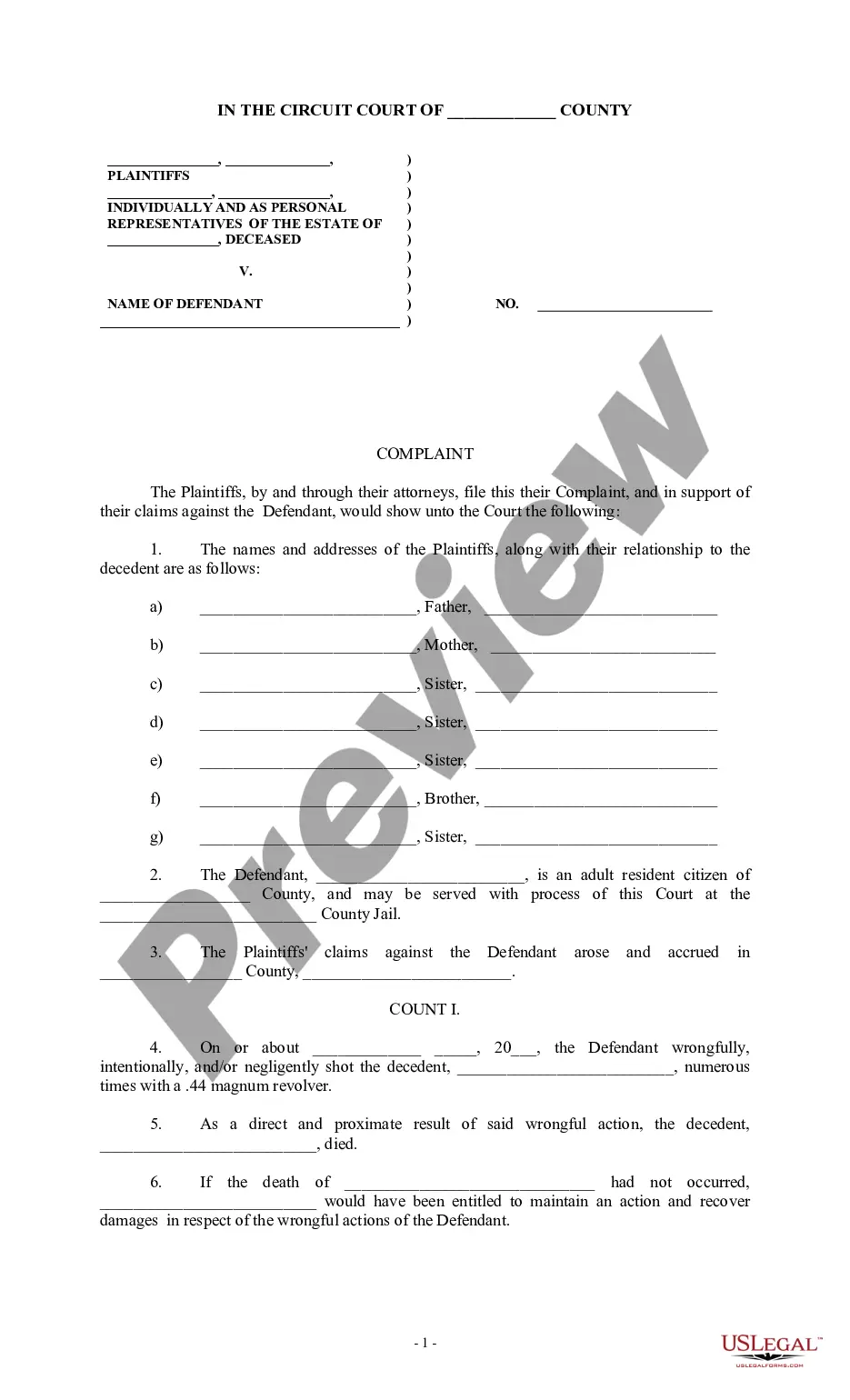
How to fill out Complaint For Wrongful Death - Single Count?
- If you’re already a member, log in to your account and locate the document you need by clicking the Download button. Ensure your subscription is current; if not, renew it as per your payment plan.
- For new users, first, preview the form and its description carefully. Confirm that it meets your needs and complies with your local jurisdiction.
- If you require alternative templates, utilize the Search tab to find the most suitable one. Once you find a match, proceed to the next step.
- To purchase the document, click the Buy Now button and select your preferred subscription plan. You’ll need to create an account to access the full library.
- Complete your purchase by entering your credit card information or using your PayPal account.
- Finally, download your form to your device for immediate use, and you can always access it later via the My Forms section.
US Legal Forms provides a vast collection of legal documents that can save you time and money. With over 85,000 templates available, you're sure to find exactly what you need, tailored to your specific legal requirements.
In conclusion, obtaining your wrongful count actions paper with evidence is now easier than ever with US Legal Forms. Don’t wait; start your journey to legal clarity today and empower yourself with the right documents!
Form popularity
FAQ
To prove wrongful prosecution, clear evidence must demonstrate that key evidence was either mishandled or withheld. Legal documents, witness testimonies, and forensic evaluations often play a critical role in these cases. In working through a wrongful count actions paper with evidence, compiling this information becomes essential for substantiating claims.
Cases involving mishandling of evidence include those where biological samples were tainted or not properly stored. Numerous wrongful conviction stories highlight the consequences of such mishandling. In wrongful count actions paper with evidence, examining these cases can provide insight into systemic flaws that need addressing.
Forensic DNA evidence has played a pivotal role in reversing many wrongful convictions. This type of evidence often provides conclusive information that challenges previous verdicts. When working on a wrongful count actions paper with evidence, focusing on such materials can be essential in illustrating miscarriages of justice.
Mishandling evidence can lead to wrongful convictions, prolonging suffering for innocent individuals. Additionally, it may undermine public trust in the legal system and incur substantial costs for all parties involved. In wrongful count actions paper with evidence, identifying these consequences helps in advocating for justice.
Improper handling of evidence can result in serious legal ramifications, including dismissal of charges or retrials. In wrongful count actions paper with evidence, documented mishandling can serve as grounds for appeals and further legal action. Thus, understanding these consequences is vital for those affected by wrongful prosecution.
Evidence can be mishandled more often than one might expect. This mishandling can occur during collection, preservation, or analysis stages of a case. In wrongful count actions paper with evidence, recognizing the frequency of evidence mishandling is essential for individuals seeking to challenge wrongful convictions.
Misleading evidence refers to information or materials presented in a legal case that can create a false impression or narrative. This kind of evidence may distort the truth and lead to wrongful conclusions. In wrongful count actions paper with evidence, understanding what constitutes misleading evidence is crucial for ensuring justice.
The three critical elements of retaliation are participation in a protected activity, experiencing an adverse action, and establishing a connection between the two. Effectively demonstrating these components is essential in any retaliation claim. Creating a wrongful count actions paper with evidence will allow you to compile and present your case clearly.
The most common complaint filed with the California Department of Fair Employment and Housing (CRD) involves allegations of employment discrimination. Workers often file claims based on issues related to race, gender, or disability. When submitting such complaints, including a wrongful count actions paper with evidence can provide a clearer picture of your situation.
The principle of retaliation protects employees from adverse actions by their employers when they report illegal activities or exercise their rights. This principle acknowledges that individuals should not suffer consequences for speaking out against wrongdoing at work. Utilizing a wrongful count actions paper with evidence can help uphold this principle and support your case.