Wrongful Actions Form Application With Attorney
Description
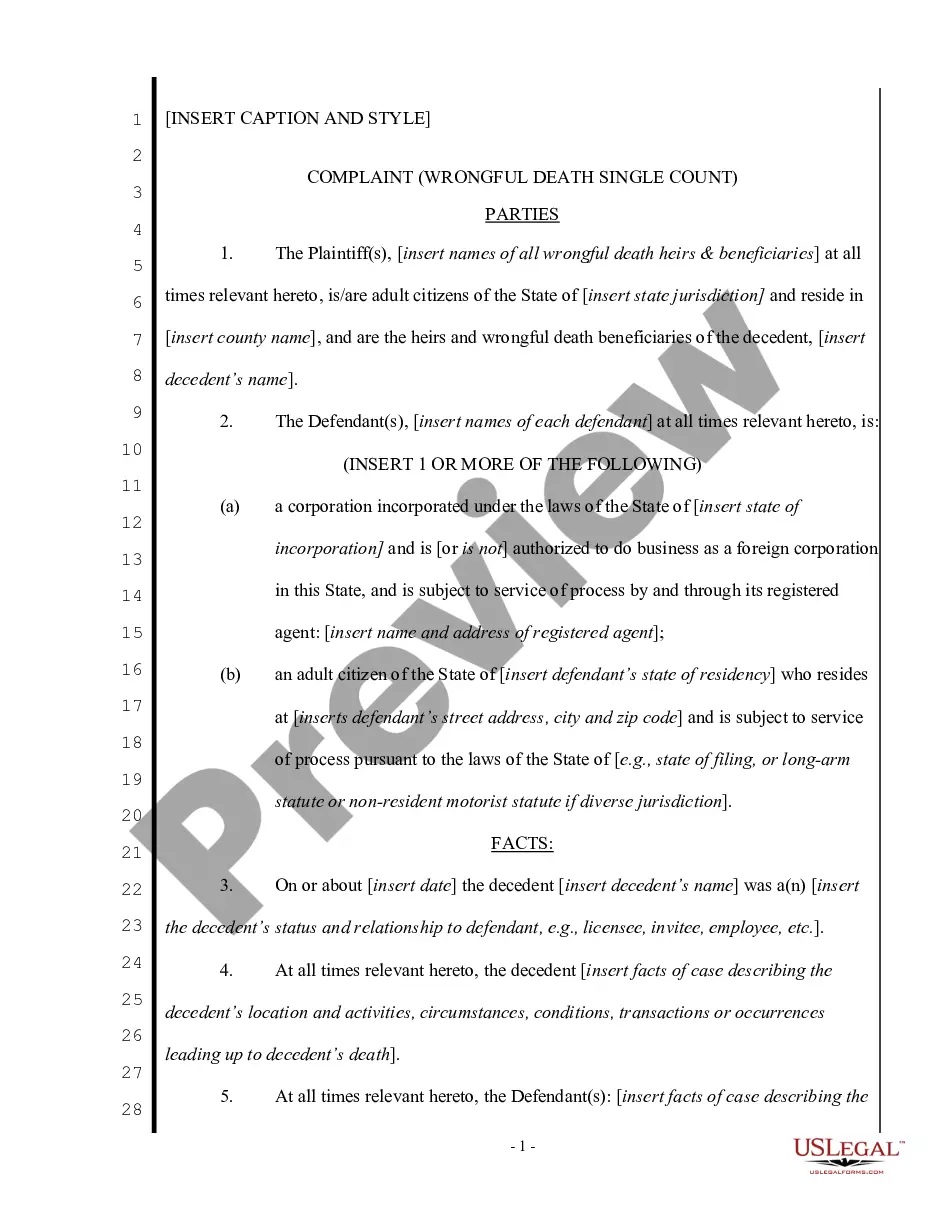
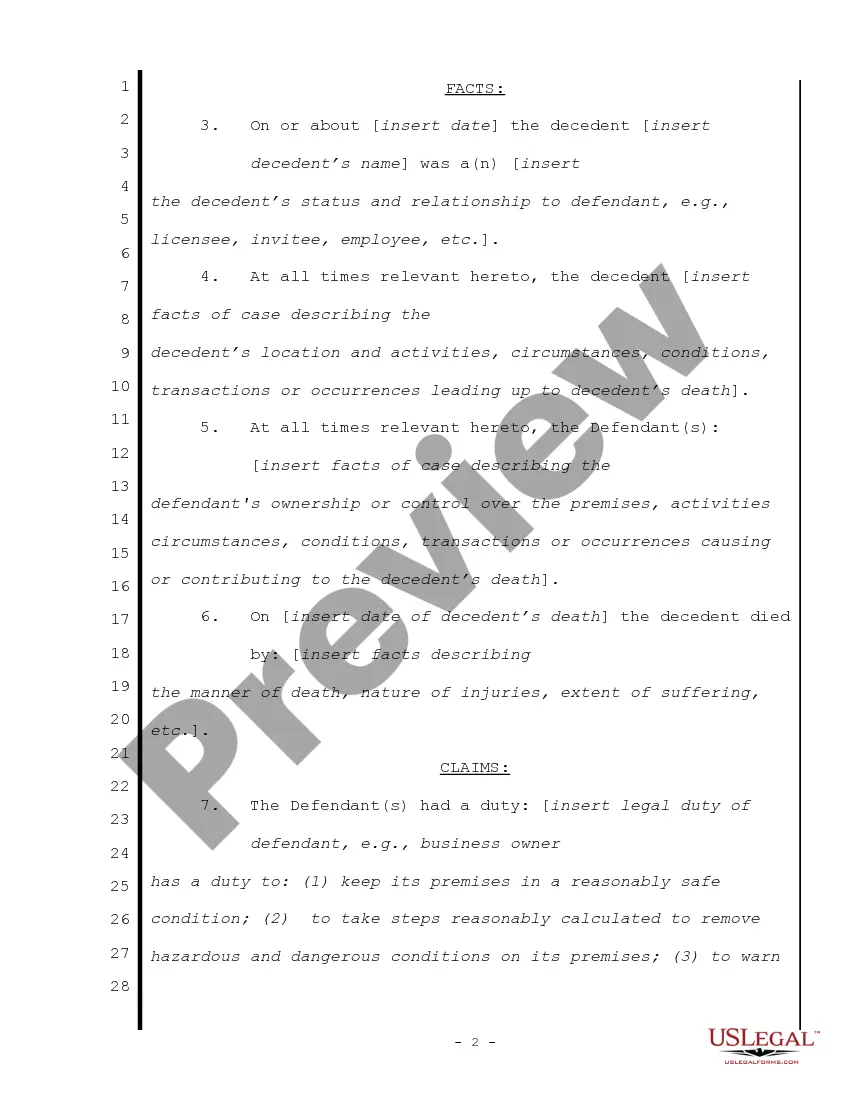
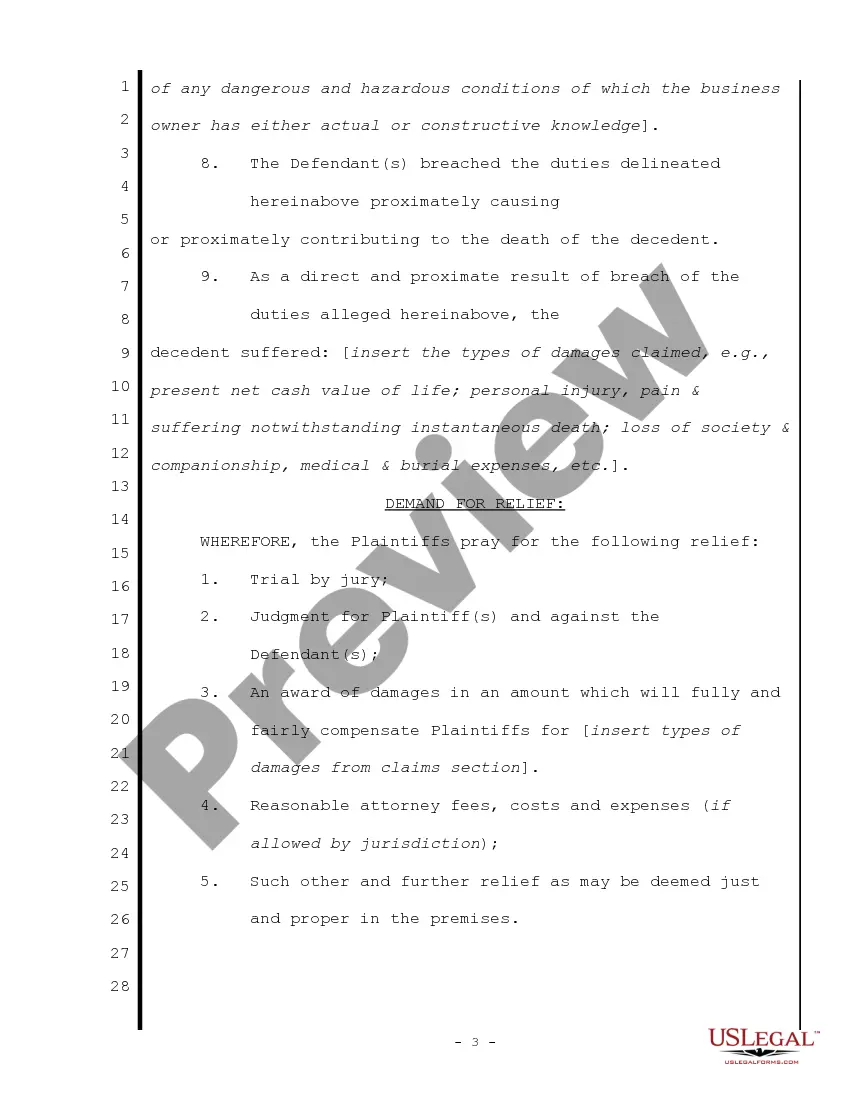
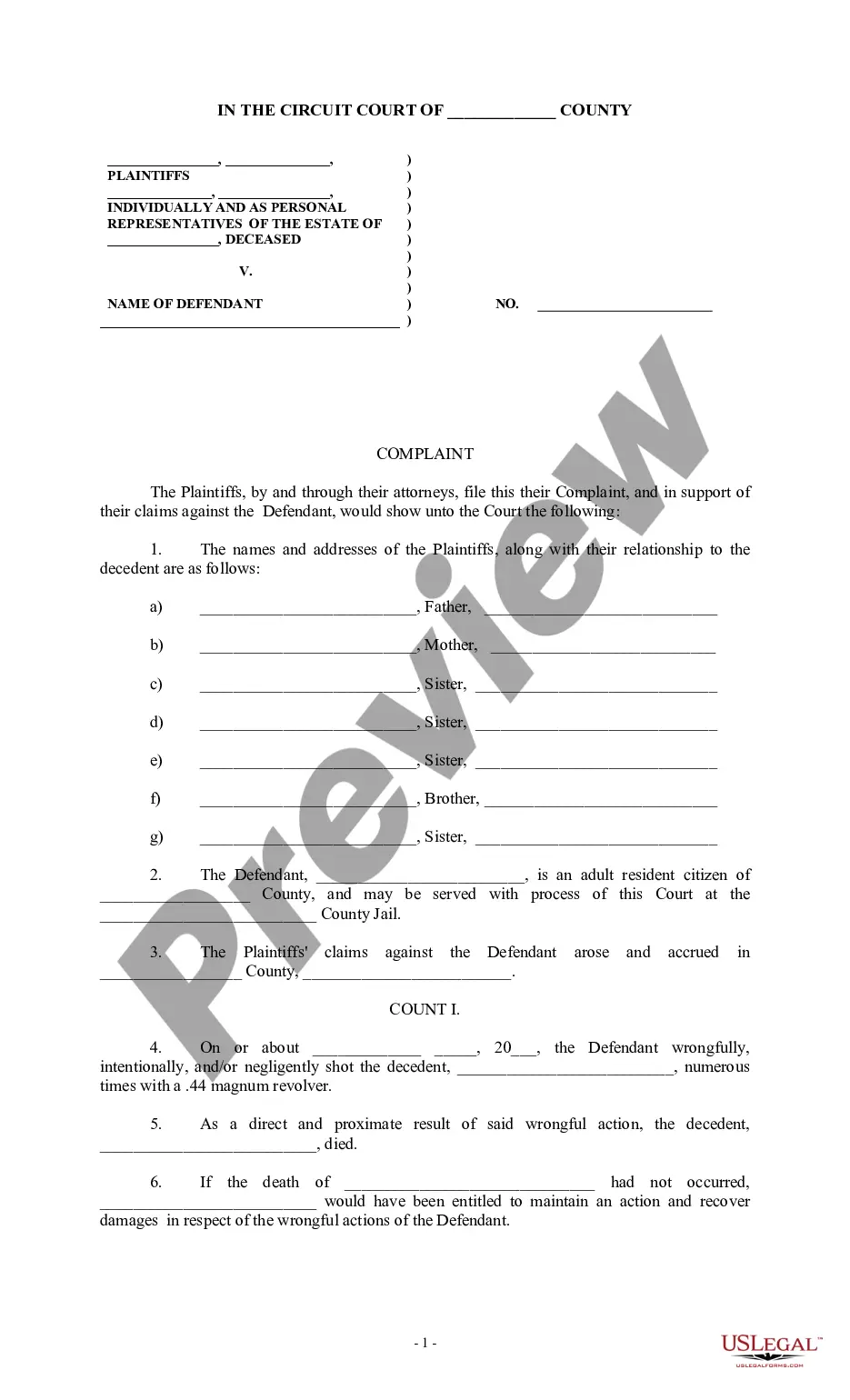
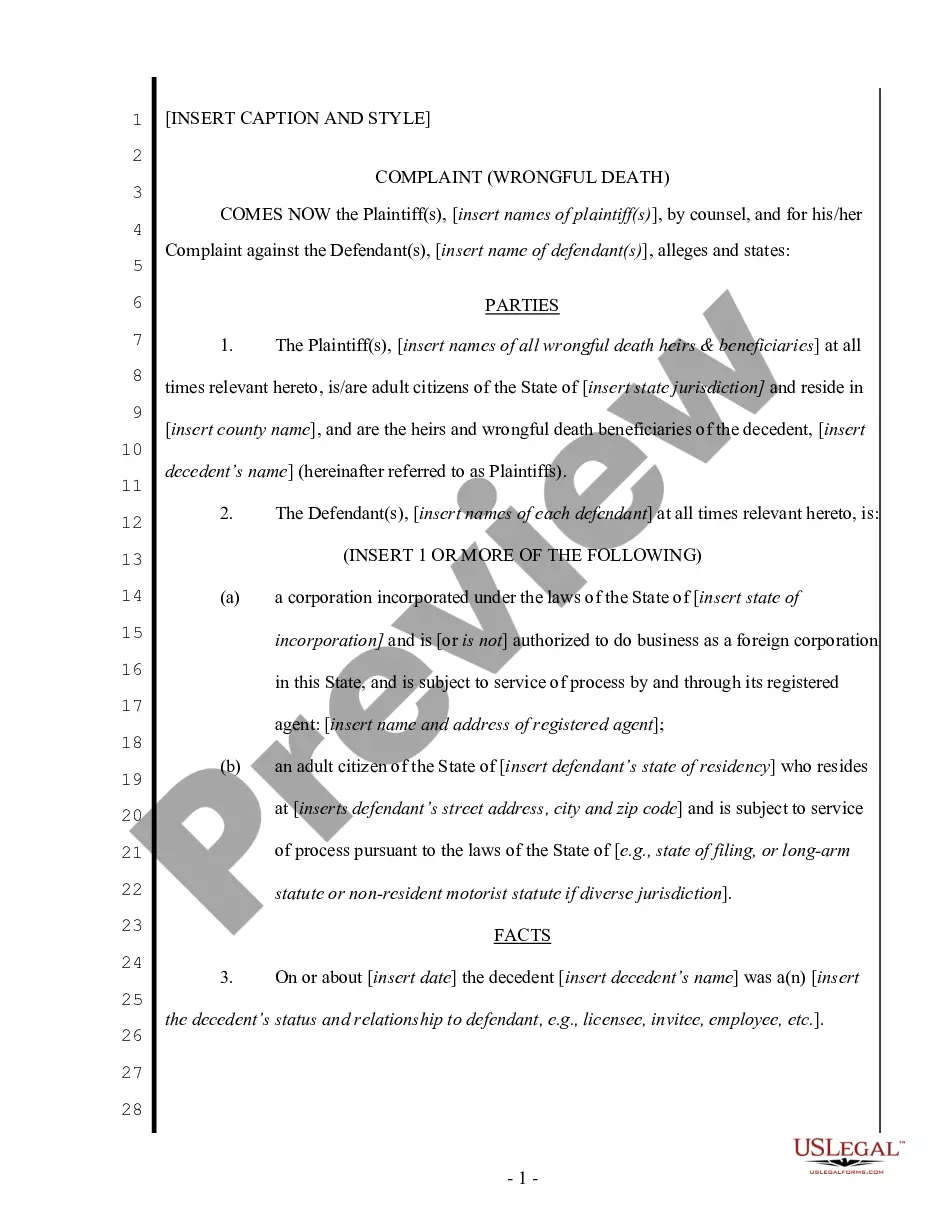
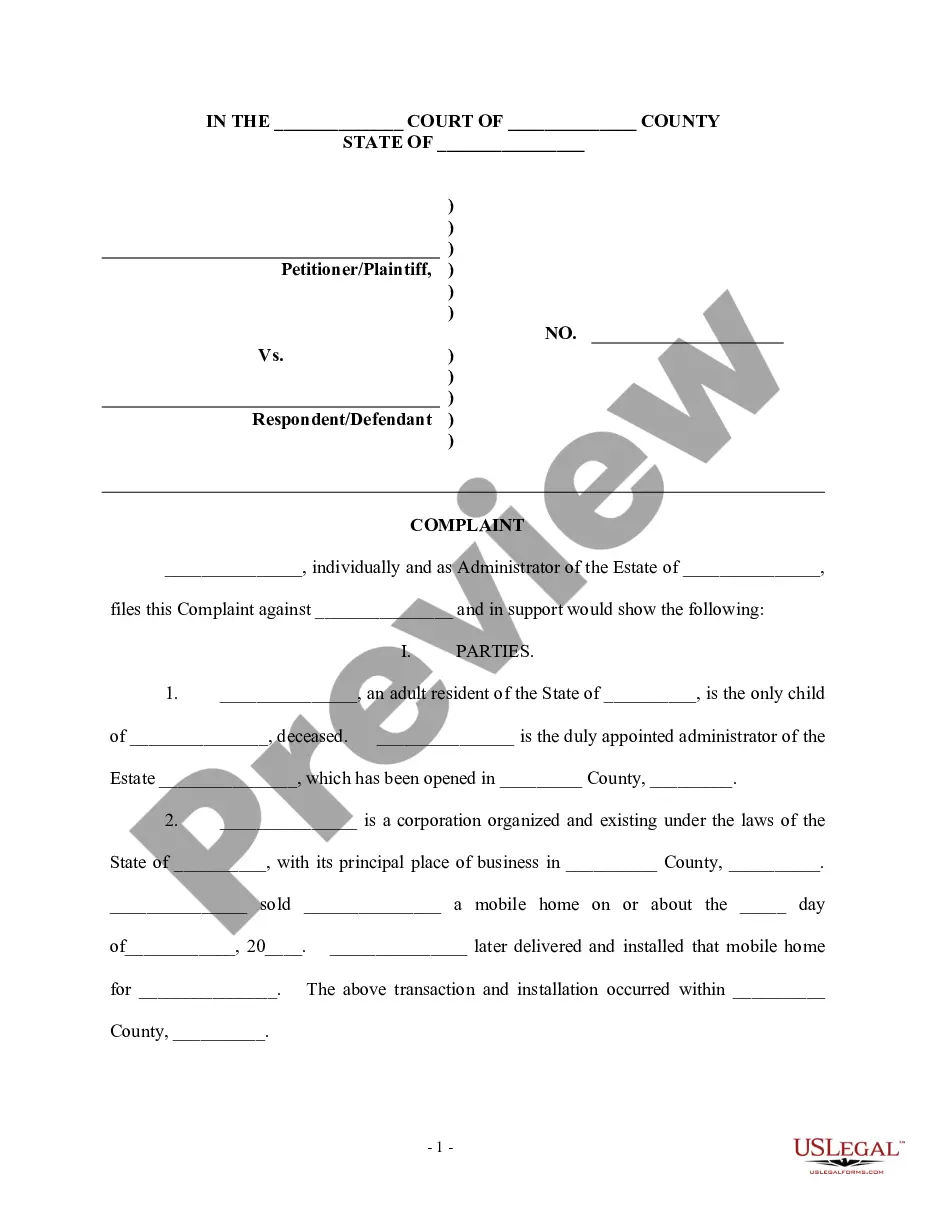
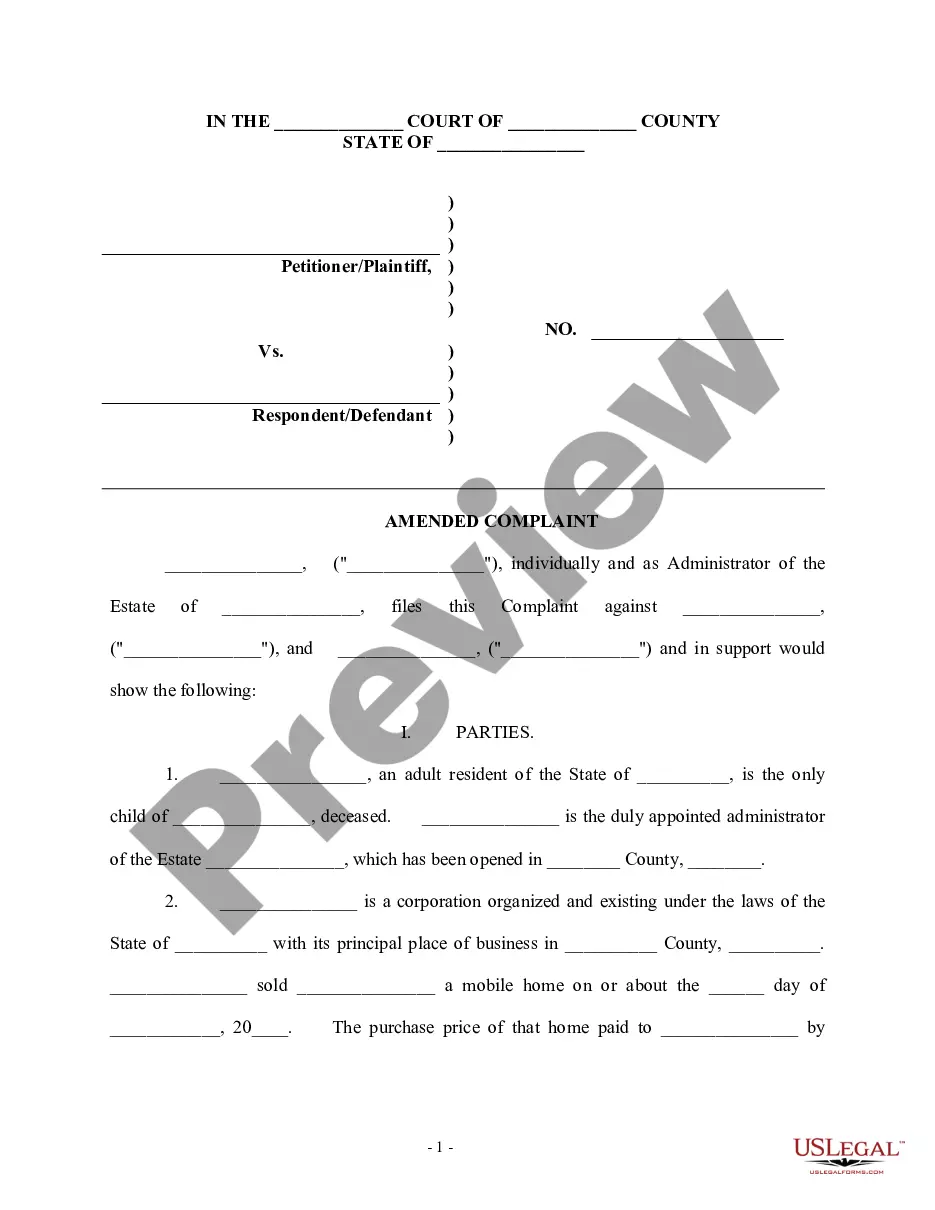
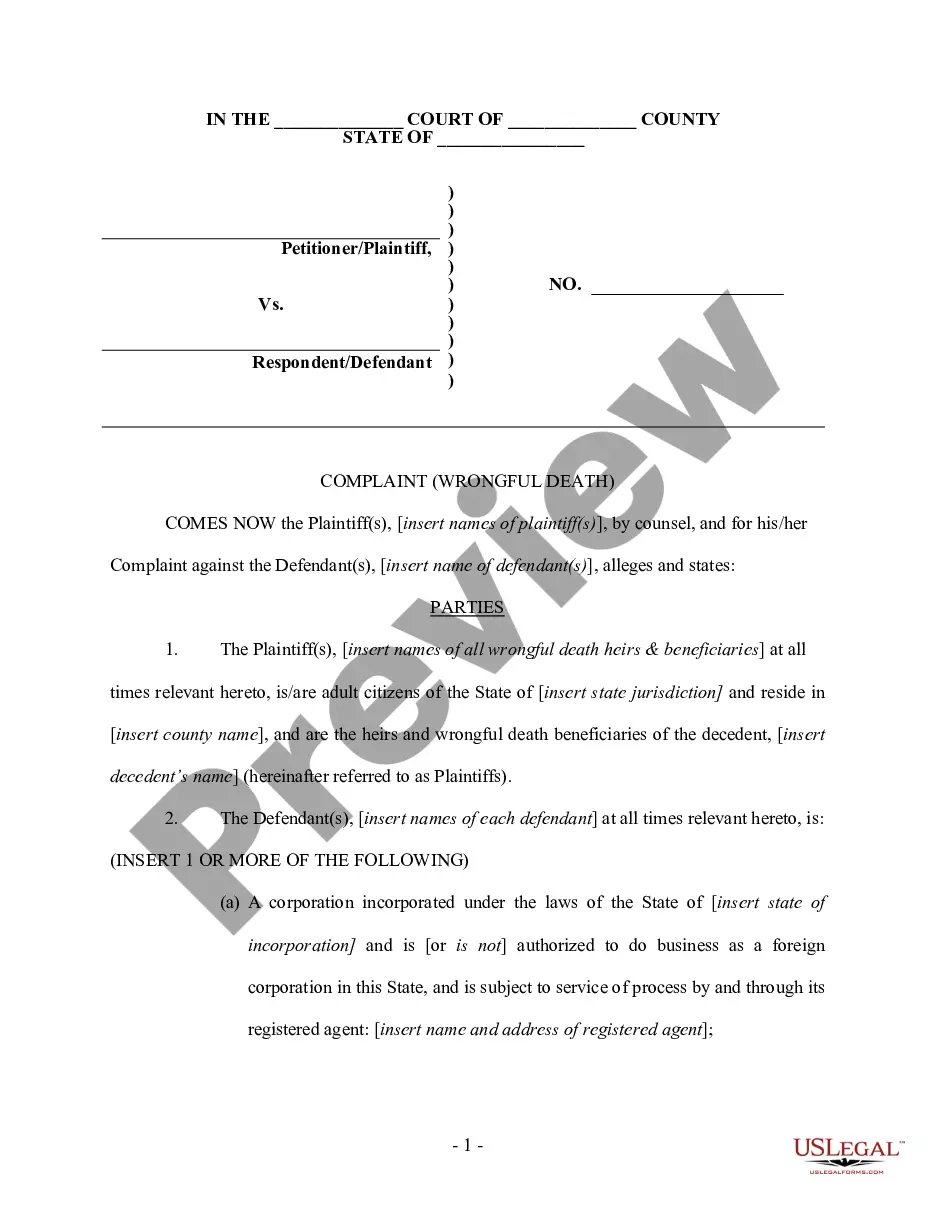
Get your form ready online
Our built-in tools help you complete, sign, share, and store your documents in one place.
Make edits, fill in missing information, and update formatting in US Legal Forms—just like you would in MS Word.
Download a copy, print it, send it by email, or mail it via USPS—whatever works best for your next step.
Sign and collect signatures with our SignNow integration. Send to multiple recipients, set reminders, and more. Go Premium to unlock E-Sign.
If this form requires notarization, complete it online through a secure video call—no need to meet a notary in person or wait for an appointment.
We protect your documents and personal data by following strict security and privacy standards.

Make edits, fill in missing information, and update formatting in US Legal Forms—just like you would in MS Word.

Download a copy, print it, send it by email, or mail it via USPS—whatever works best for your next step.

Sign and collect signatures with our SignNow integration. Send to multiple recipients, set reminders, and more. Go Premium to unlock E-Sign.

If this form requires notarization, complete it online through a secure video call—no need to meet a notary in person or wait for an appointment.

We protect your documents and personal data by following strict security and privacy standards.
Looking for another form?

How to fill out Complaint For Wrongful Death - Single Count?
- Log in to your US Legal Forms account if you've used the service before. Verify that your subscription is active, and renew if necessary.
- For first-time users, start by browsing the extensive library. Use the Preview mode to inspect form options tailored to your needs and jurisdiction.
- In case the selected form doesn’t match your requirements, utilize the Search tab to find more relevant documents.
- Once you've identified the right form, click on the Buy Now button, select a subscription plan, and create an account for access to the full library.
- Complete your purchase by entering your credit card information or using PayPal for quick payment processing.
- After the purchase, download your form directly to your device and find it anytime in the My Forms section of your account.
By leveraging US Legal Forms, you gain access to a robust collection of over 85,000 legal forms. This platform not only ensures a vast selection but also connects users with premium experts to guarantee proper form completion.
In conclusion, obtaining your wrongful actions form application with an attorney is simplified through US Legal Forms. Take the first step today by visiting their site and securing the legal documents you need!
Form popularity
FAQ
A cause of action is a legal basis for a lawsuit, outlining the facts that lead to a claim. It typically includes elements such as duty, breach, causation, and damages. When filing a wrongful actions form application with attorney, understanding these components is essential. This knowledge helps you establish a strong case, ensuring that your rights are effectively represented and pursued.
The most common reason for attorney discipline is failure to communicate effectively with clients. When a lawyer does not keep their clients informed about their cases or respond to inquiries, it leads to dissatisfaction and potential harm. Utilizing a wrongful actions form application with attorney can help clients address such concerns and provide a pathway to seek justice. By understanding the grounds for attorney discipline, clients can better protect their interests.
Yes, a lawyer can be held accountable for their actions. If an attorney engages in misconduct, such as negligence or fraud, they can face disciplinary actions. When you pursue a wrongful actions form application with attorney, it is crucial to remember that legal professionals have ethical obligations. Accountability ensures that clients receive the best possible representation and protection under the law.
An example of unethical behavior could be a lawyer who takes on multiple clients with opposing interests without disclosing this to either party. This creates a serious conflict of interest and undermines client trust. If you suspect such actions, consider utilizing a wrongful actions form application with an attorney to properly address the situation.
Top ethical issues include conflicts of interest, misappropriation of client funds, inadequate communication, and billing mistakes. Others involve neglecting client cases and making false statements. A wrongful actions form application with an attorney can provide a structured way to address these concerns and ensure your rights are protected.
One of the most frequent complaints against attorneys involves lack of communication with clients. Clients often feel left in the dark about their case's progress, which can lead to frustration. If you experience this, consider using the wrongful actions form application with an attorney to seek a resolution to your concerns.
Lawyers face accountability through state bar associations, which investigate complaints and impose penalties for unethical behavior. Suffering clients can report issues, leading to possible suspension or disbarment. Utilizing a wrongful actions form application with an attorney can be a proactive step in seeking recourse against unethical practices.
Generally, attorneys cannot refuse to give you your file as you have the right to access your documents. If your attorney withholds this information, it may be considered unethical conduct. By utilizing a wrongful actions form application with an attorney, you can explore your options for obtaining your file in a timely manner.
Unethical attorney behavior can include conflicts of interest, failure to communicate with clients, and mishandling client funds. An attorney may also engage in deceptive practices such as lying about case outcomes or failing to disclose pertinent information. If you suspect wrongful actions, consider submitting a wrongful actions form application with an attorney for guidance.
If your attorney drops your case, you should first seek to understand their reasons for doing so. It's essential to consult another lawyer to evaluate your options moving forward. Additionally, you may want to file a wrongful actions form application with an attorney to better understand your situation and seek alternative representation. This will ensure you have the support necessary for your legal journey.