Siding Contractor Seattle
Description
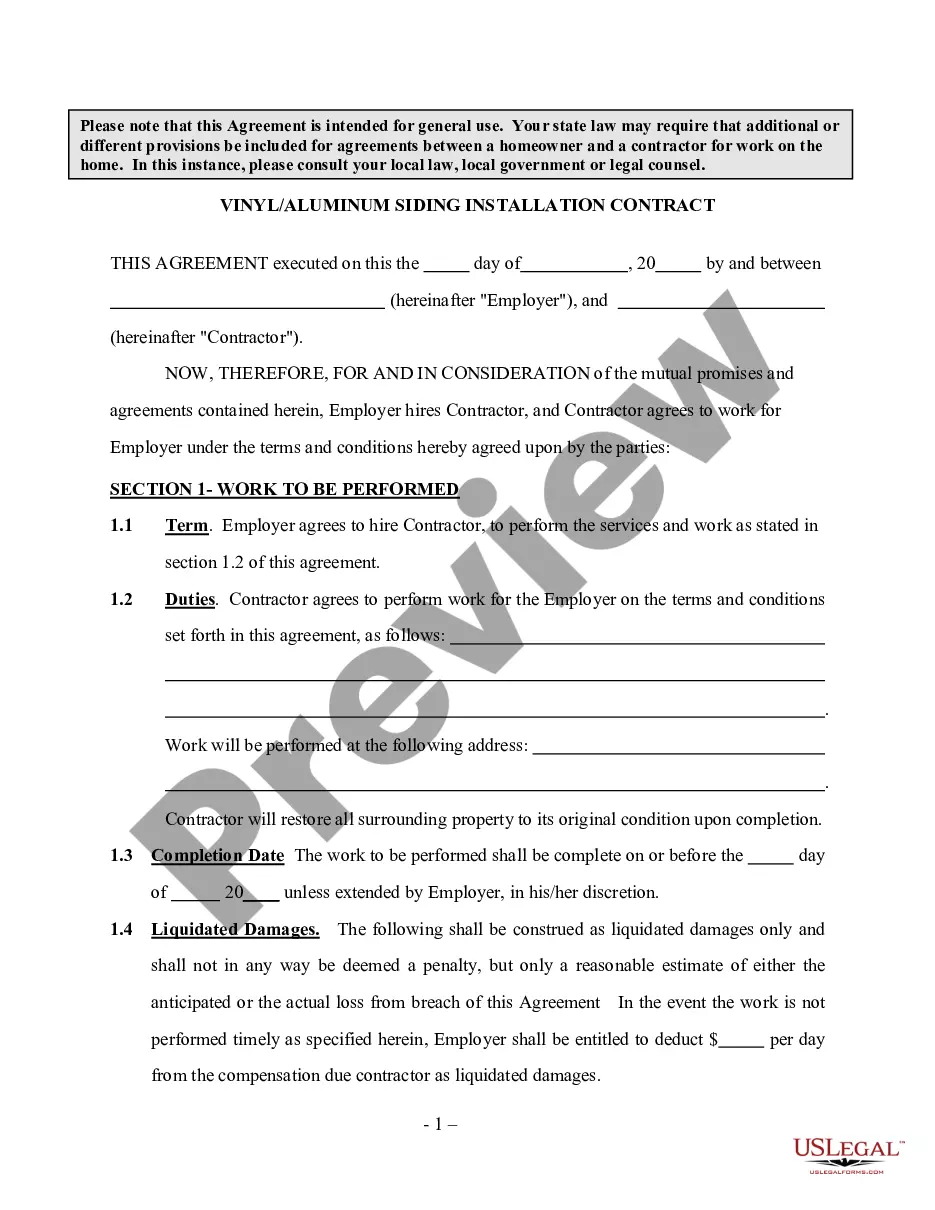
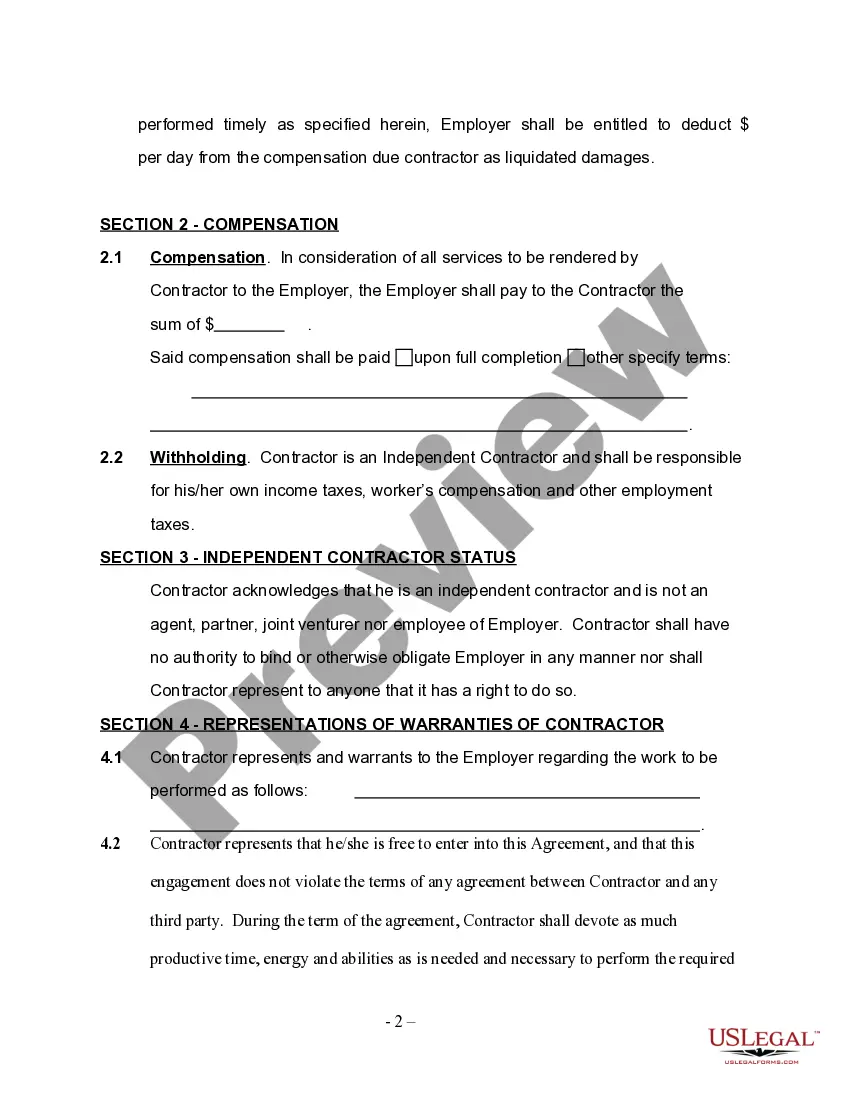
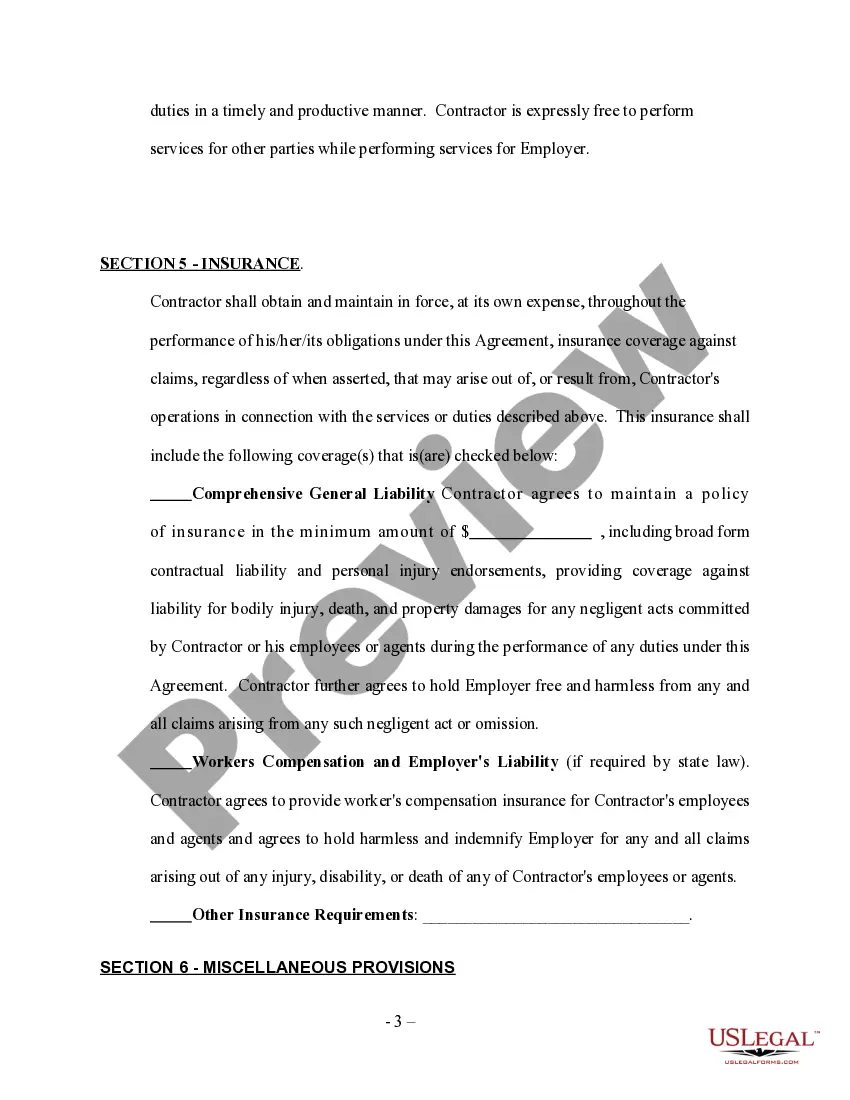
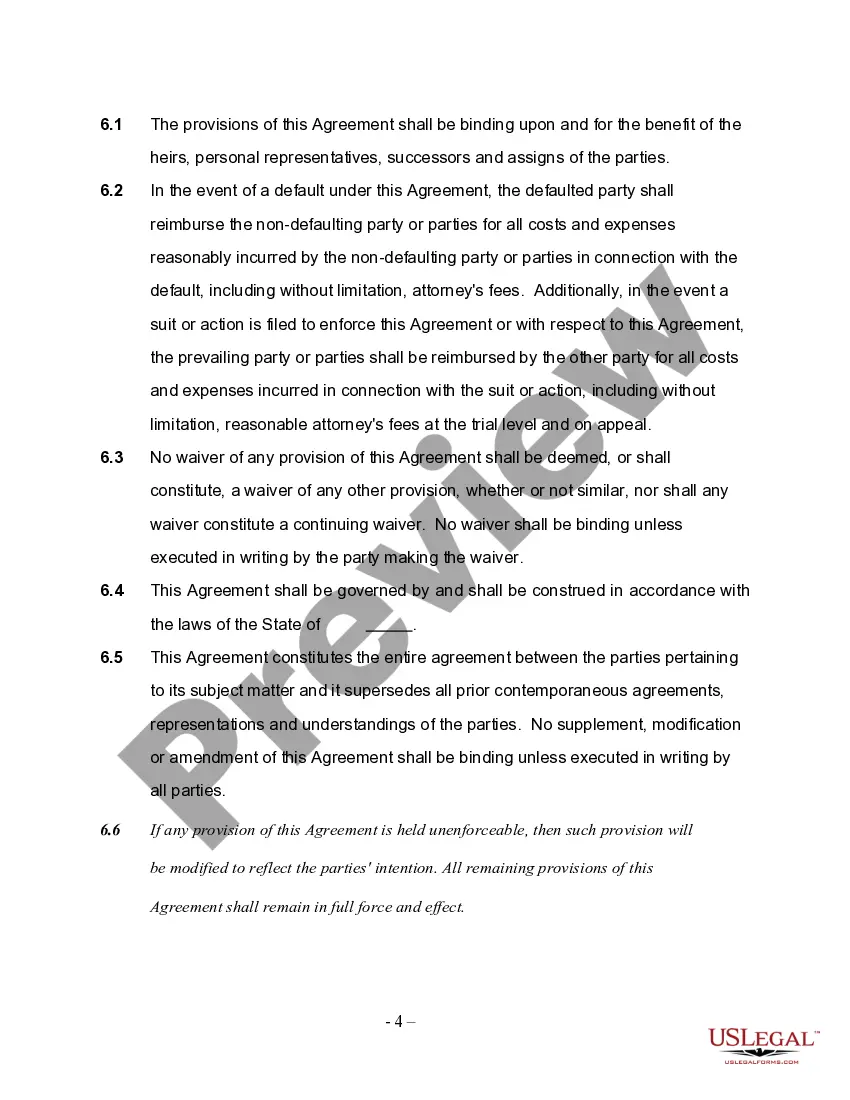
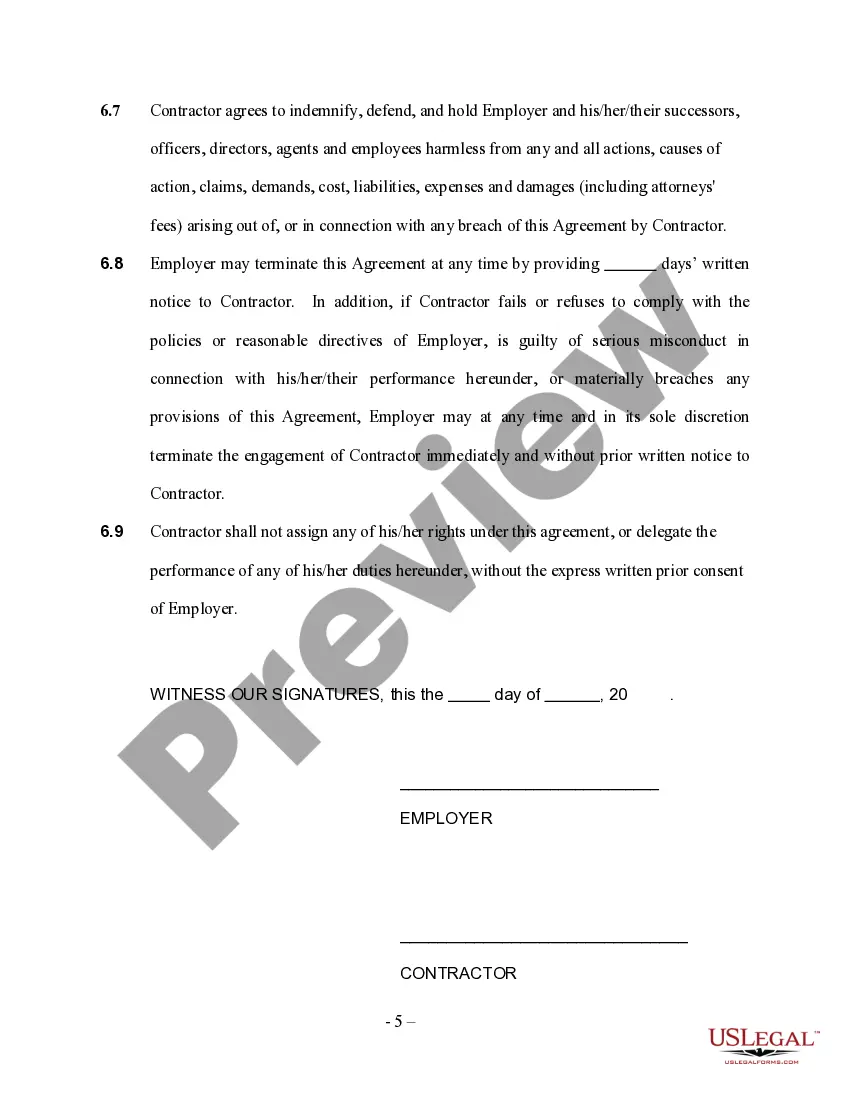

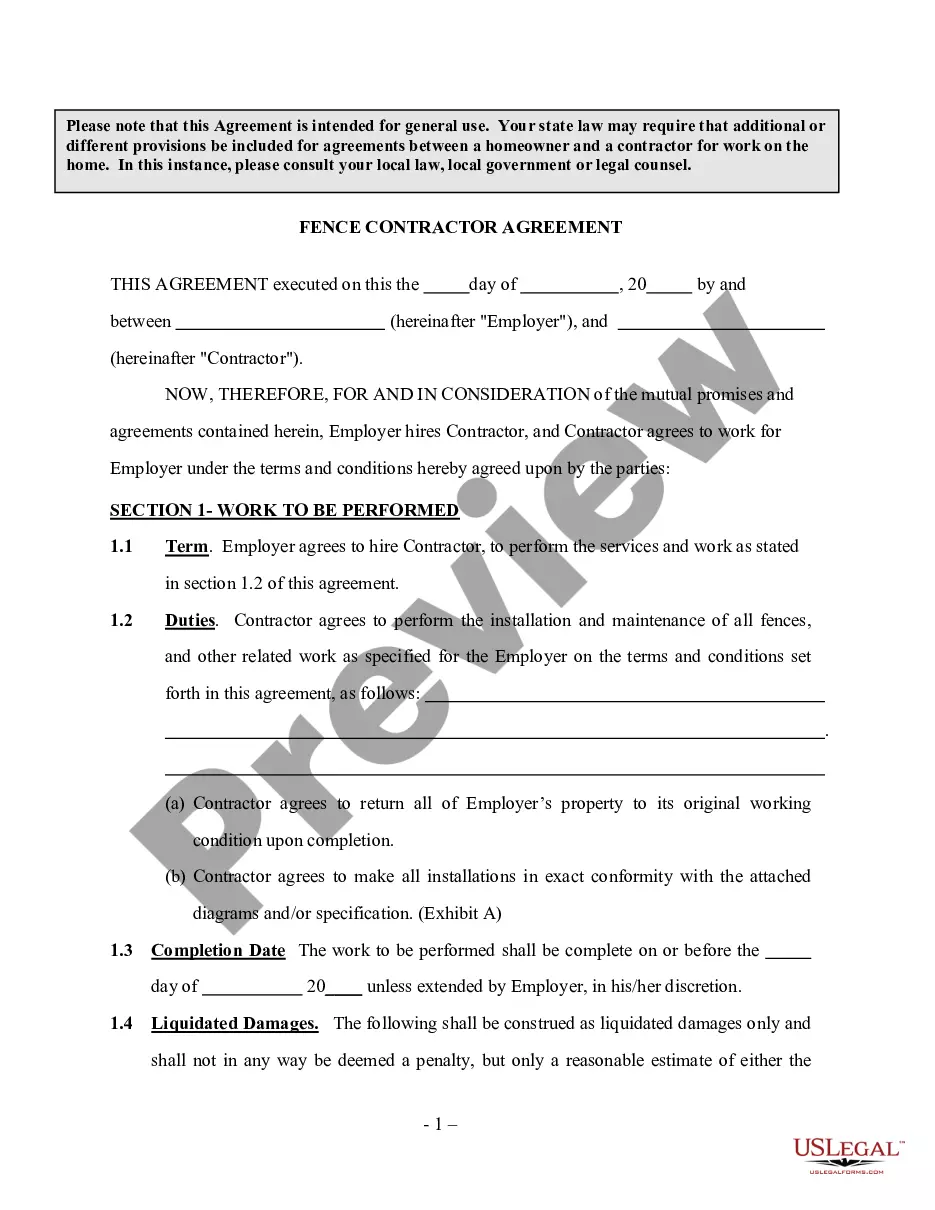
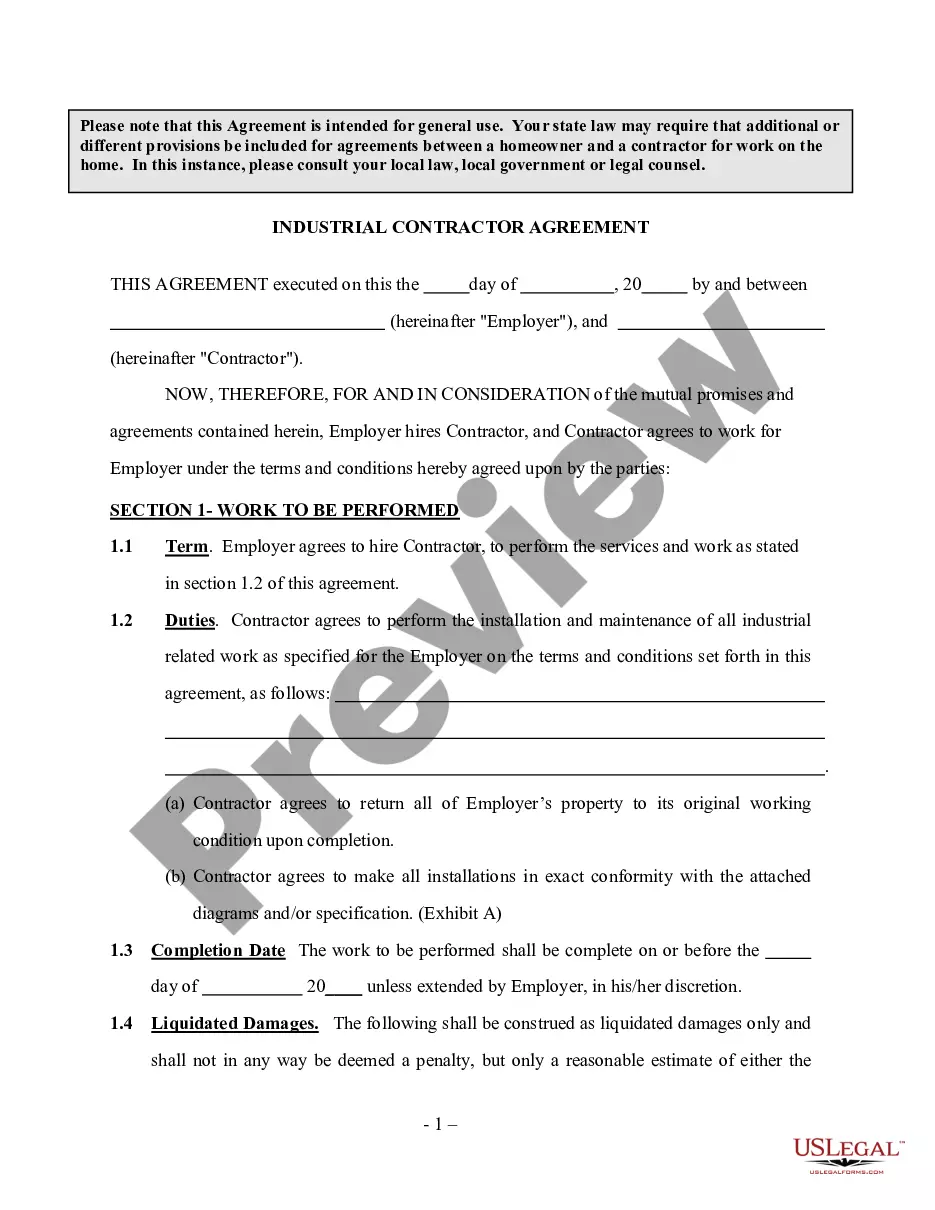
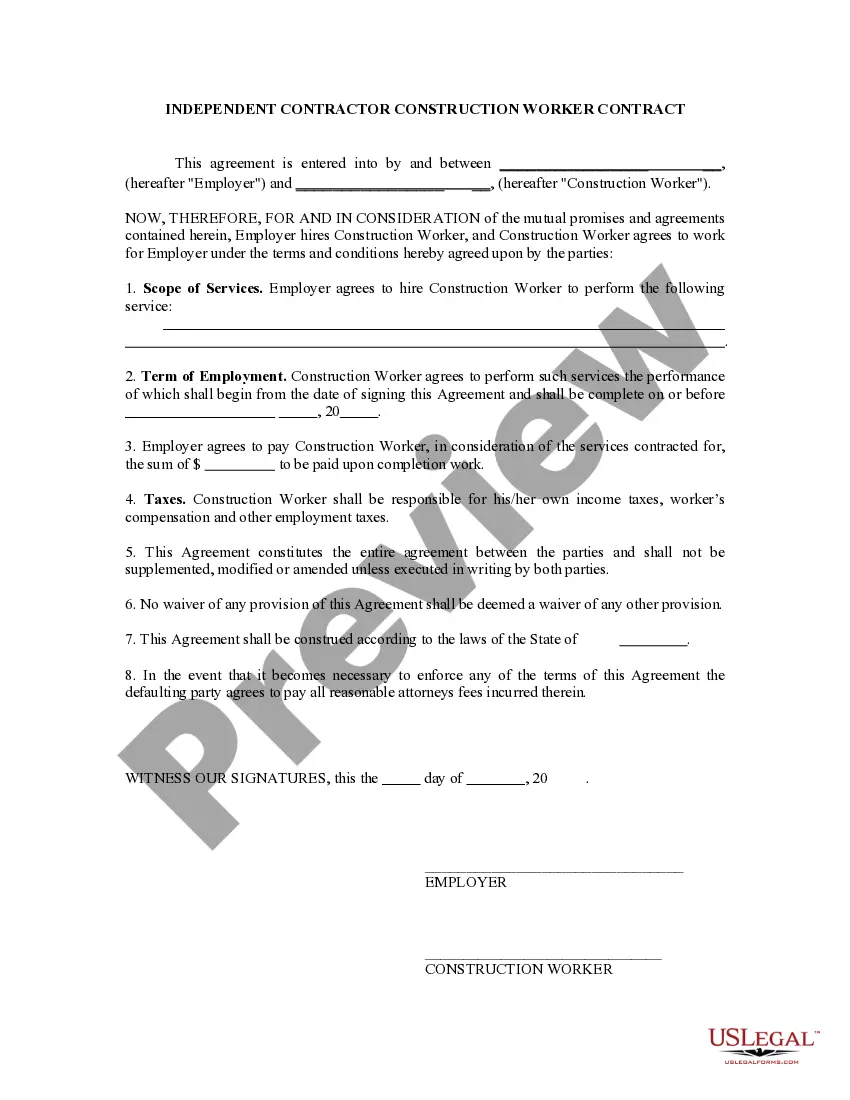
Get your form ready online
Our built-in tools help you complete, sign, share, and store your documents in one place.
Make edits, fill in missing information, and update formatting in US Legal Forms—just like you would in MS Word.
Download a copy, print it, send it by email, or mail it via USPS—whatever works best for your next step.
Sign and collect signatures with our SignNow integration. Send to multiple recipients, set reminders, and more. Go Premium to unlock E-Sign.
If this form requires notarization, complete it online through a secure video call—no need to meet a notary in person or wait for an appointment.
We protect your documents and personal data by following strict security and privacy standards.

Make edits, fill in missing information, and update formatting in US Legal Forms—just like you would in MS Word.

Download a copy, print it, send it by email, or mail it via USPS—whatever works best for your next step.

Sign and collect signatures with our SignNow integration. Send to multiple recipients, set reminders, and more. Go Premium to unlock E-Sign.

If this form requires notarization, complete it online through a secure video call—no need to meet a notary in person or wait for an appointment.

We protect your documents and personal data by following strict security and privacy standards.
Looking for another form?




How to fill out Self-Employed Vinyl Aluminum Siding Installation Contract?
- Log into your existing account by clicking the 'login' link, and ensure your subscription is active before proceeding to download your needed template.
- In Preview mode, check the form description to verify you’ve selected the correct legal form that meets your local jurisdiction requirements.
- If necessary, utilize the Search tab to find an alternative template should you discover inconsistencies in your initial choice.
- Purchase your chosen document by clicking 'Buy Now' and selecting a suitable subscription plan, registering an account for full access.
- Complete your transaction by entering your credit card information or connecting your PayPal account for secure payment.
- Download your legal form to your device and access it anytime via the 'My Forms' section of your profile.
US Legal Forms empowers both individuals and attorneys with a robust collection of legal forms, making it easy to produce accurate and legally binding documents.
Utilize US Legal Forms today to streamline your legal documentation needs. Start your journey with efficient and reliable forms at your fingertips!
Form popularity
FAQ
To apply for a general contractor license in Washington state, you must complete an application through the Washington State Department of Labor and Industries. You will need to provide proof of experience, pass a business and law exam, and secure a surety bond. This process ensures that all general contractors, including those specializing as siding contractors in Seattle, meet the necessary qualifications to operate legally.
Getting a surety bond in Washington state involves contacting a bonding company that is licensed to operate in the state. You will need to provide documentation about your business and financial stability. Once approved, the bonding company will issue the bond, which is often required for contractors, including siding contractors in Seattle, to protect clients against potential losses.
To verify a contractor in Washington state, you can visit the Washington State Department of Labor and Industries website. They maintain a database of licensed contractors, including siding contractors in Seattle. Simply enter the contractor's name or license number to check their status. This ensures that your chosen siding contractor Seattle is legitimate and qualified for your project.
When interviewing a siding contractor in Seattle, consider asking about their experience with different siding materials. Inquire about their process for installation, including timelines and warranties. It's also wise to ask for references and examples of past work to gauge their quality. Clear communication will help you establish trust and ensure the contractor meets your expectations throughout the project.
Siding typically needs replacement every 20 to 40 years, depending on the material and maintenance. If you notice significant signs of damage or wear, like cracks or warping, it might be time to consult a siding contractor in Seattle. Regular inspections can help you identify issues early, allowing for timely repairs that extend the life of your siding. Working with a reliable siding contractor in Seattle ensures you make informed decisions about your home's exterior.
Labor costs for siding installation by a siding contractor in Seattle can vary based on several factors, including the type of siding you choose and the complexity of the project. On average, you might expect labor costs to range from $1.50 to $3.00 per square foot. Choosing a qualified siding contractor in Seattle ensures you receive professional service and quality workmanship. Additionally, consider using US Legal Forms to access contracts and agreements tailored for hiring a siding contractor to protect your investment.
Yes, siding contractors in Seattle and throughout Washington state are required to hold proper licenses. This requirement ensures that contractors adhere to standardized practices and are knowledgeable about applicable building codes. By hiring a licensed contractor, you enhance your chances of receiving quality work and legal protection.
Yes, you can act as your own general contractor in Washington state if you wish to manage your own siding project. However, it’s essential to familiarize yourself with local regulations and obtain any necessary permits. By doing so, you can ensure that your project meets all safety and construction standards while taking advantage of the craftsmanship available from local siding contractors.
In Washington state, a siding contractor has a liability period of up to six years for contractual claims regarding workmanship. This period starts from the date the work was completed. Understanding this timeline is crucial for addressing any issues that may arise after the installation process, ensuring that you have recourse if the work fails.
To report a siding contractor in Seattle, you should first collect evidence such as contracts, photographs, and communication records. Next, you can file a report with the Washington State Department of Labor and Industries or local agencies overseeing construction. This way, you can raise awareness about the contractor's practices and contribute to protecting other consumers.