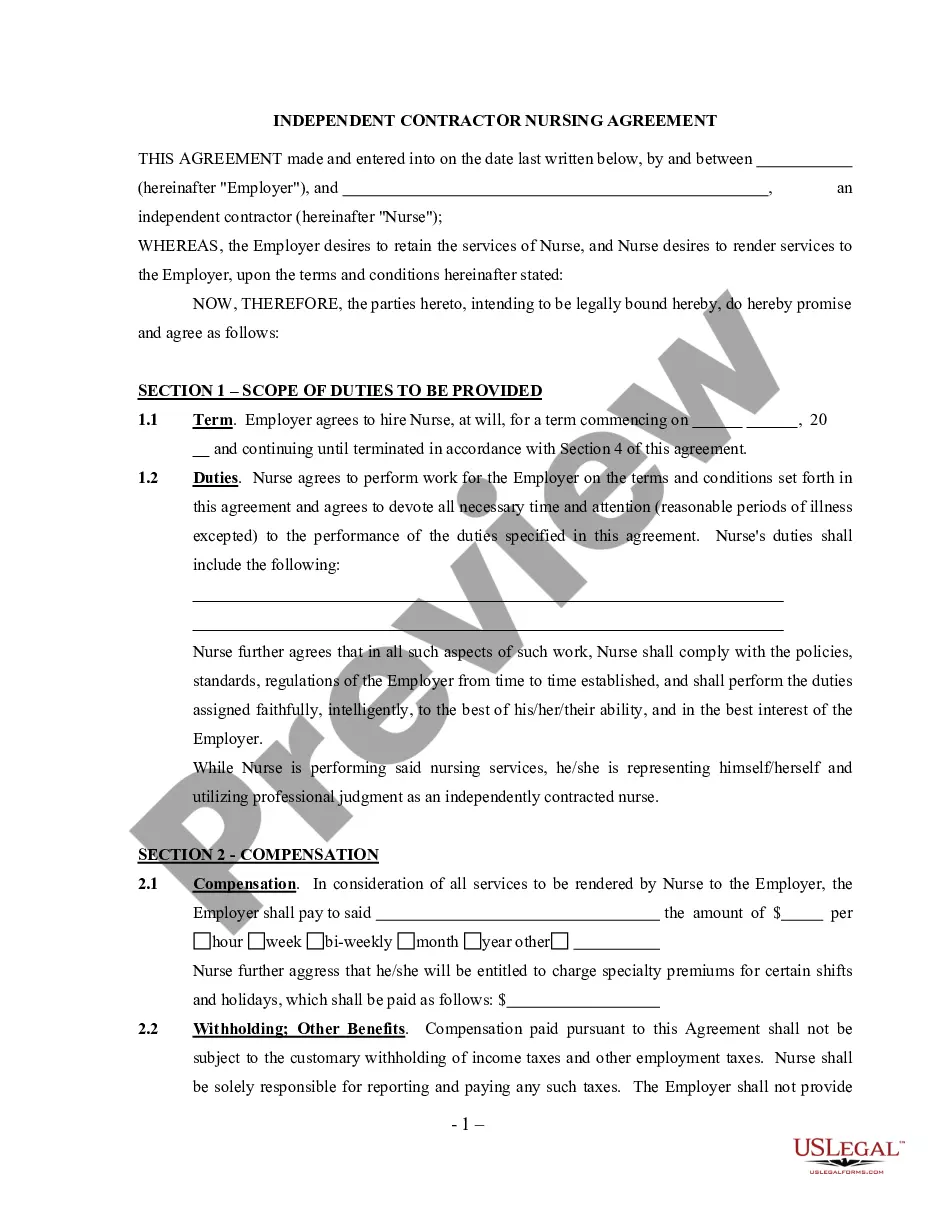
Phlebotomist Agreement Mobile For Patient Care
Description
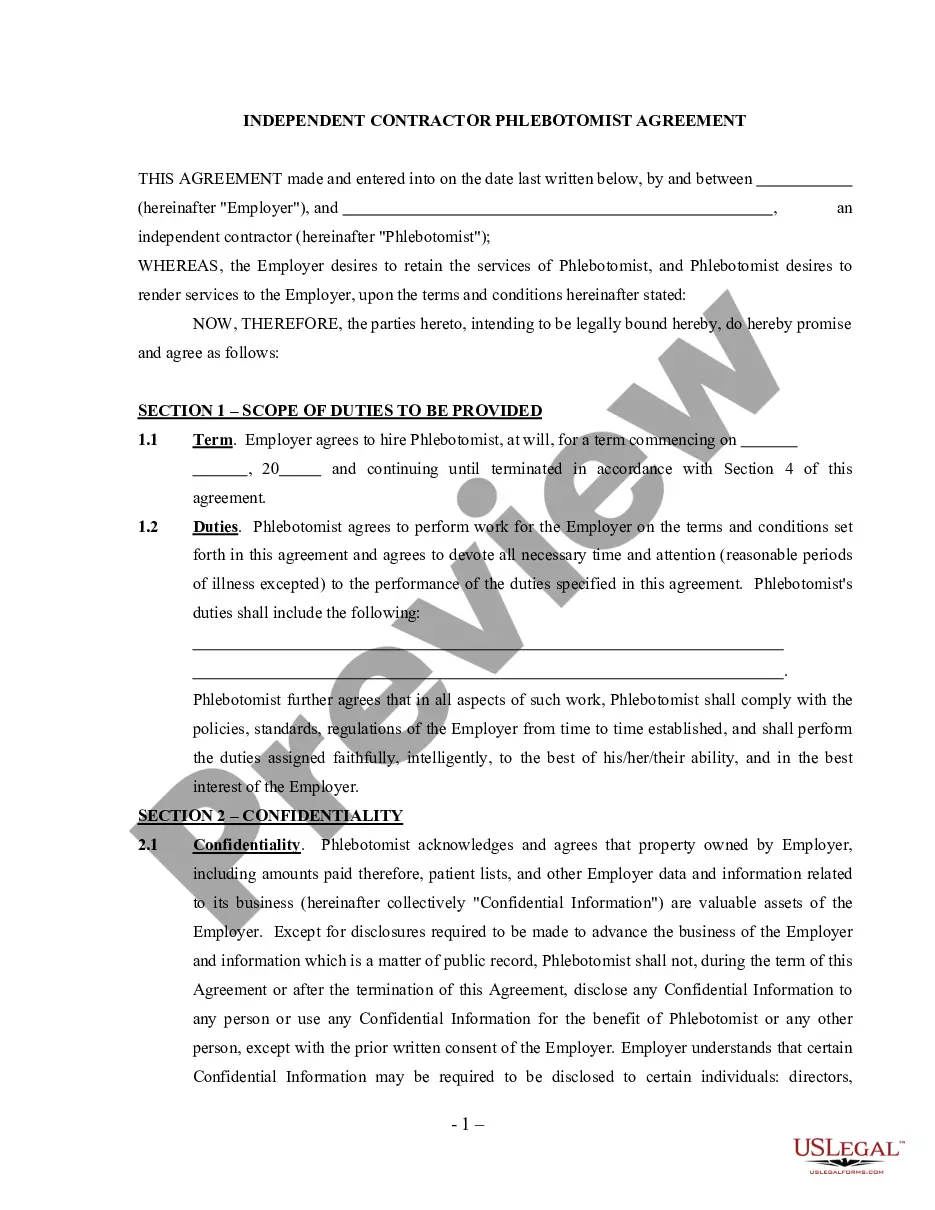
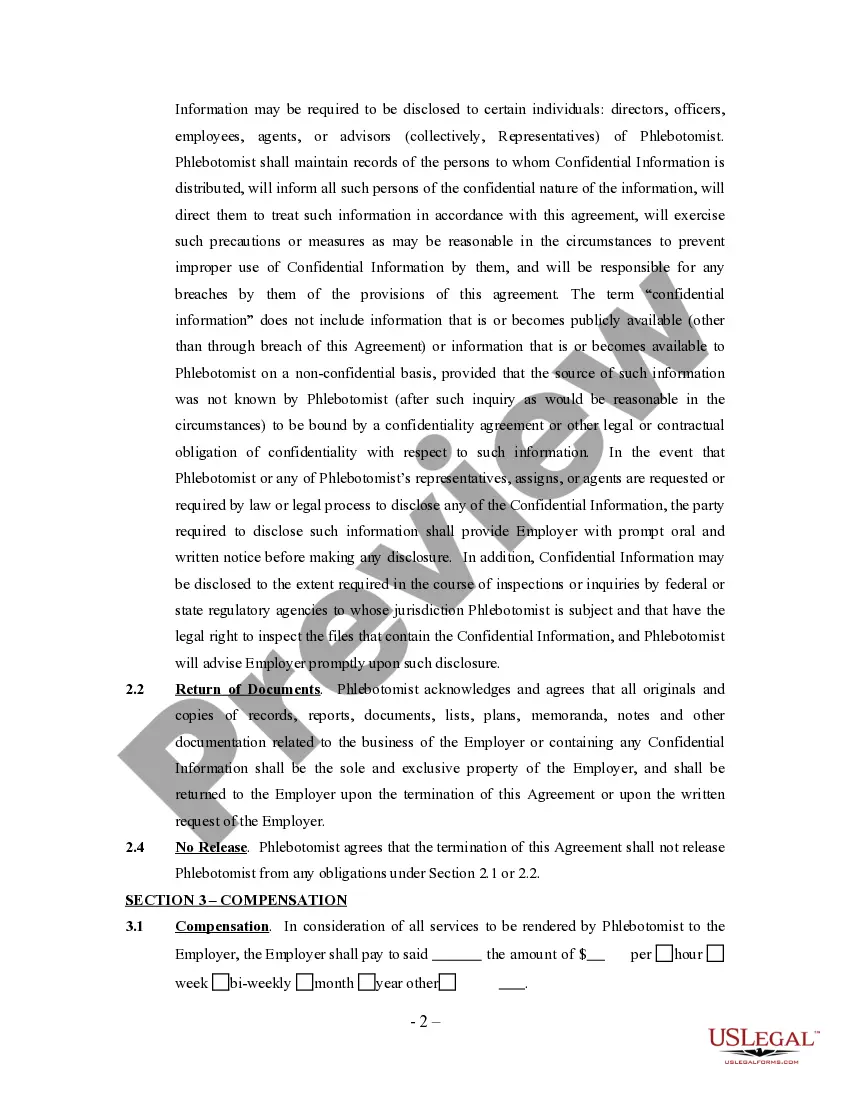
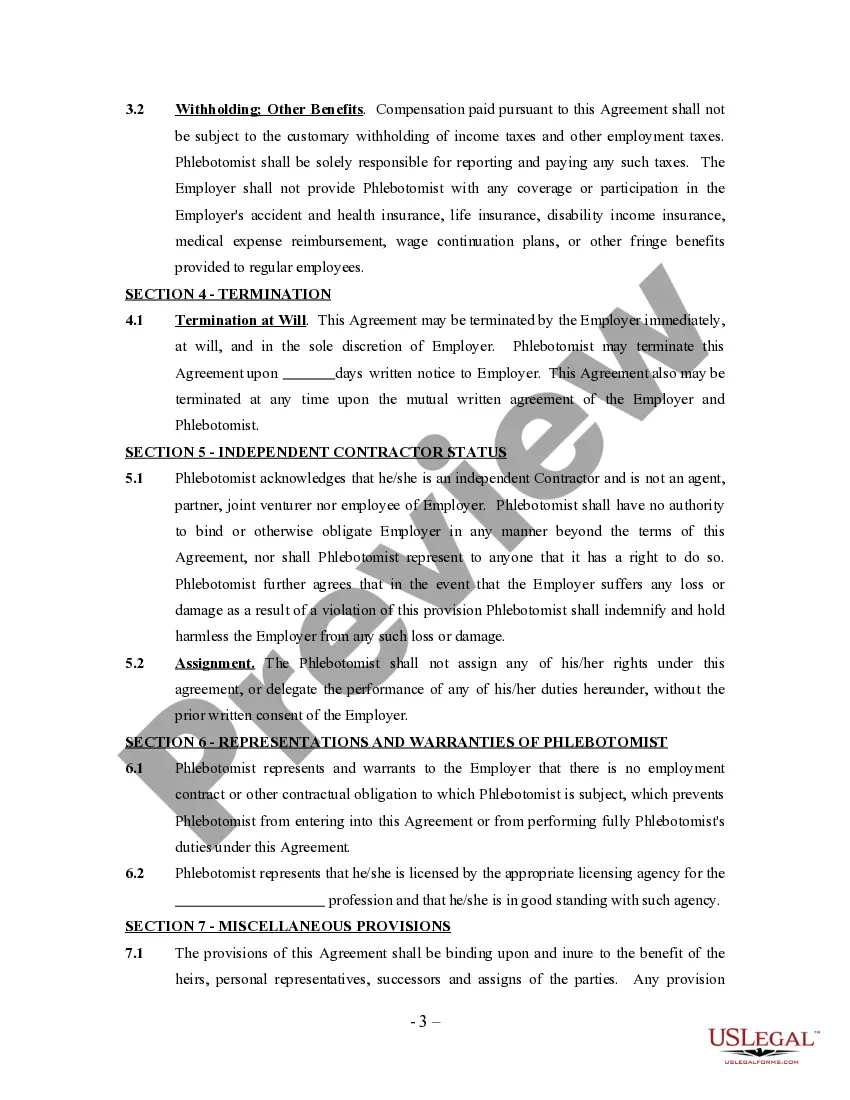
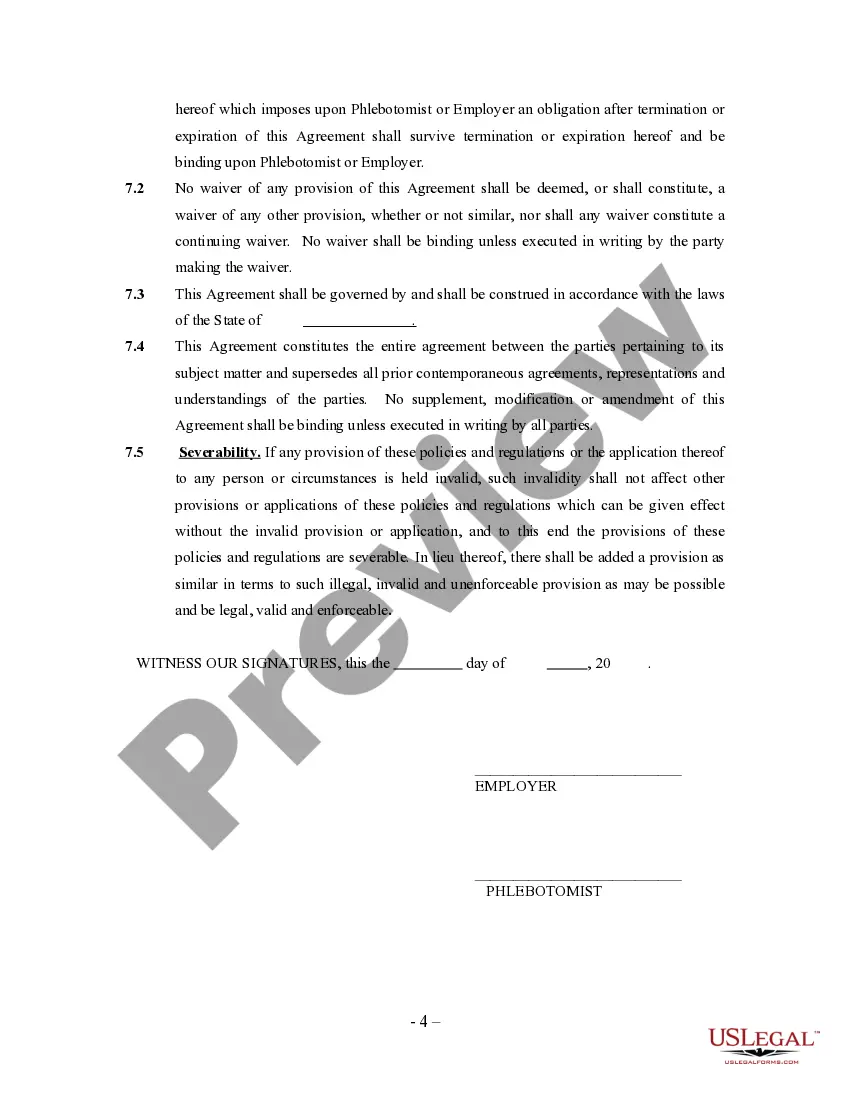
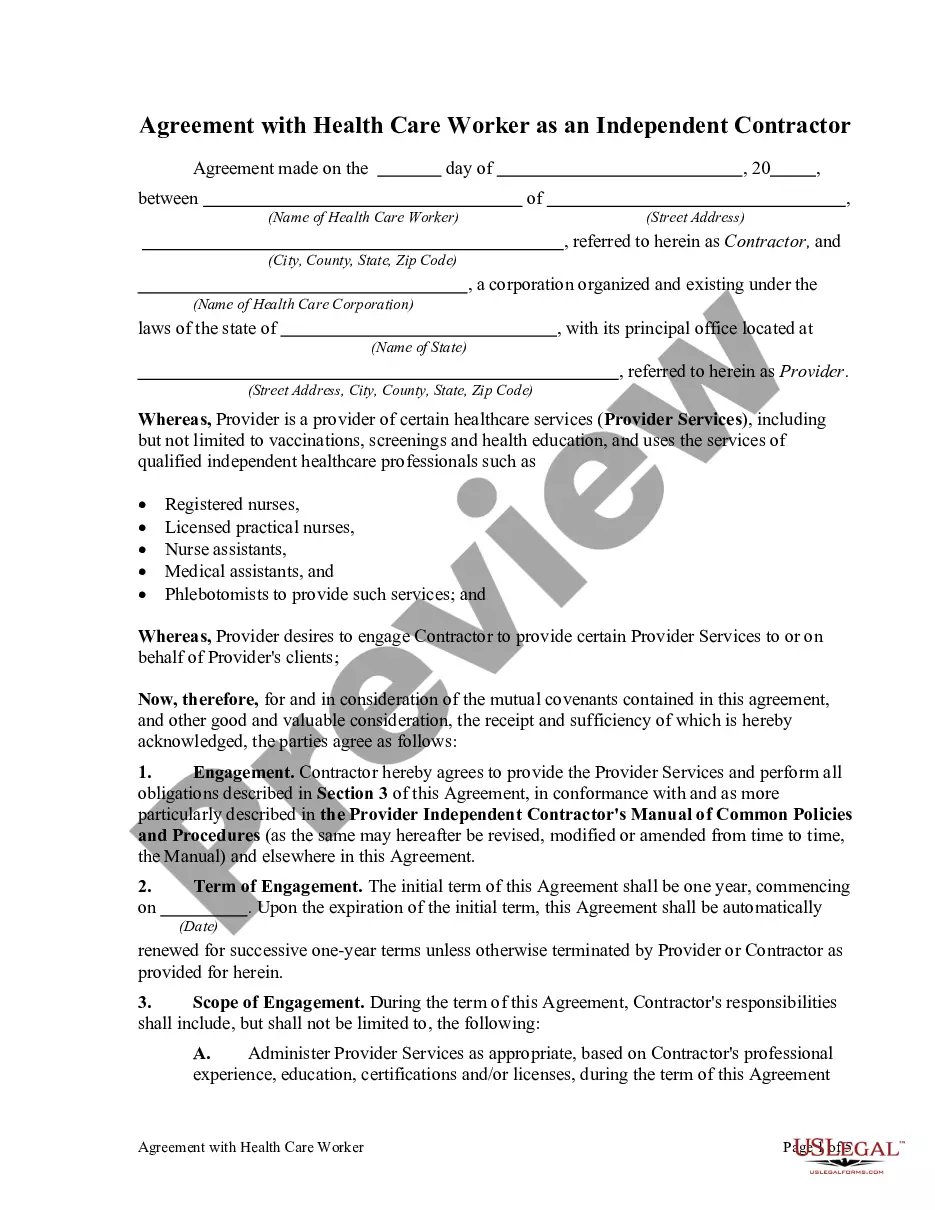
Get your form ready online
Our built-in tools help you complete, sign, share, and store your documents in one place.
Make edits, fill in missing information, and update formatting in US Legal Forms—just like you would in MS Word.
Download a copy, print it, send it by email, or mail it via USPS—whatever works best for your next step.
Sign and collect signatures with our SignNow integration. Send to multiple recipients, set reminders, and more. Go Premium to unlock E-Sign.
If this form requires notarization, complete it online through a secure video call—no need to meet a notary in person or wait for an appointment.
We protect your documents and personal data by following strict security and privacy standards.

Make edits, fill in missing information, and update formatting in US Legal Forms—just like you would in MS Word.

Download a copy, print it, send it by email, or mail it via USPS—whatever works best for your next step.

Sign and collect signatures with our SignNow integration. Send to multiple recipients, set reminders, and more. Go Premium to unlock E-Sign.

If this form requires notarization, complete it online through a secure video call—no need to meet a notary in person or wait for an appointment.

We protect your documents and personal data by following strict security and privacy standards.
Looking for another form?




How to fill out Phlebotomist Agreement - Self-Employed Independent Contractor?
- Log in to your existing US Legal Forms account to access your previously downloaded documents. Ensure your subscription is active to download any form you need.
- If you're new to US Legal Forms, start by previewing available forms. Review descriptions to find the appropriate phlebotomist agreement that meets your state requirements.
- Utilize the search feature if necessary. If the selected form doesn't align with your needs, explore the database for alternative templates.
- Select the desired document. Click the 'Buy Now' button and choose a subscription plan that fits your needs.
- Complete your purchase by entering your payment details or using PayPal for a seamless transaction.
- Download your completed form to your device. You can find this document in the 'My Forms' section of your account for easy access.
In conclusion, US Legal Forms streamlines the process of securing legally sound documents, providing users with a reliable resource for their legal paperwork needs. With an extensive library and expert assistance, you can easily ensure compliance and accuracy in your phlebotomist agreements.
Don't wait—visit US Legal Forms today to get started on your phlebotomist agreement mobile for patient care!
Form popularity
FAQ
Yes, a phlebotomist can also work as a patient care technician if they have the required training in patient care. This versatility allows phlebotomists to offer a broader range of services in healthcare settings. Many employers appreciate candidates who have skills in both areas, particularly in mobile patient care environments. A phlebotomist agreement mobile for patient care can support the integration of these roles.
Starting a mobile phlebotomy service involves several steps. First, obtain the necessary certifications and training in phlebotomy, ensuring you meet state regulations. Next, create a business plan outlining your services and target market. Finally, consider using a phlebotomist agreement mobile for patient care to manage your operations effectively and establish professional relationships with clients.
The primary difference lies in their focus areas. A patient care technician provides general assistance to patients, such as monitoring vital signs and helping with daily activities. In contrast, a phlebotomist specializes in collecting blood samples for laboratory tests. Understanding these distinctions can help you determine which path aligns with your career goals, especially in a mobile healthcare context.
Generally, the salary for both patient care technicians and phlebotomists can vary based on location and experience. On average, phlebotomists may earn slightly more due to their specialized skills in blood collection. However, advancing your career with additional certifications can increase your earnings in either role. Consider looking into a phlebotomist agreement mobile for patient care to enhance your career opportunities.
Patient care technician training may include some phlebotomy skills, but not all PCT programs focus on this area. PCTs typically handle various patient care tasks, while phlebotomists specialize in drawing blood. Therefore, if you aim to perform blood draws, pursuing specific phlebotomy training would be beneficial. A phlebotomist agreement mobile for patient care can help integrate these roles effectively.
Yes, a patient care technician can work as a phlebotomist, provided they receive the necessary training and certification. Both roles focus on patient care, but phlebotomy specifically involves drawing blood. Many healthcare facilities value the skills of technicians who can handle both tasks, especially in mobile settings. Consider a phlebotomist agreement mobile for patient care to streamline operations.
Medicare often covers mobile phlebotomy services when these services are prescribed by a physician and are necessary for medical treatment. This means that if a doctor determines that a mobile phlebotomy service is essential, Medicare can provide coverage, aligning with their policies on patient care. Utilizing a phlebotomist agreement mobile for patient care is crucial in navigating Medicare’s requirements effectively. Contact your healthcare provider to clarify coverage for your specific situation.
A mobile phlebotomy business can indeed be profitable, particularly as the demand for at-home medical services rises. By providing convenient blood draw services, you can appeal to patients who prefer home-based care. Implementing a phlebotomist agreement mobile for patient care allows you to operate efficiently and maintain compliance with regulations. An informed approach and good marketing strategies can enhance the profitability of your mobile phlebotomy service.
Yes, Medicare may cover mobile phlebotomy services if they are deemed necessary by a healthcare provider. This coverage often hinges on the medical necessity of the blood draws performed in the convenience of the patient's location. A phlebotomist agreement mobile for patient care can facilitate these services while ensuring you meet all Medicare requirements. Always discuss your coverage options with your insurance provider.
Medicare does cover certain phlebotomy services, especially when they are medically necessary for patient care. If a doctor orders a lab test that requires blood samples, Medicare typically provides coverage for the associated phlebotomist services. Utilizing a phlebotomist agreement mobile for patient care can streamline this process and ensure compliance with Medicare guidelines. Make sure to consult with your healthcare provider to confirm coverage specifics.