Truck Driver Contract Agreement For Services
Description
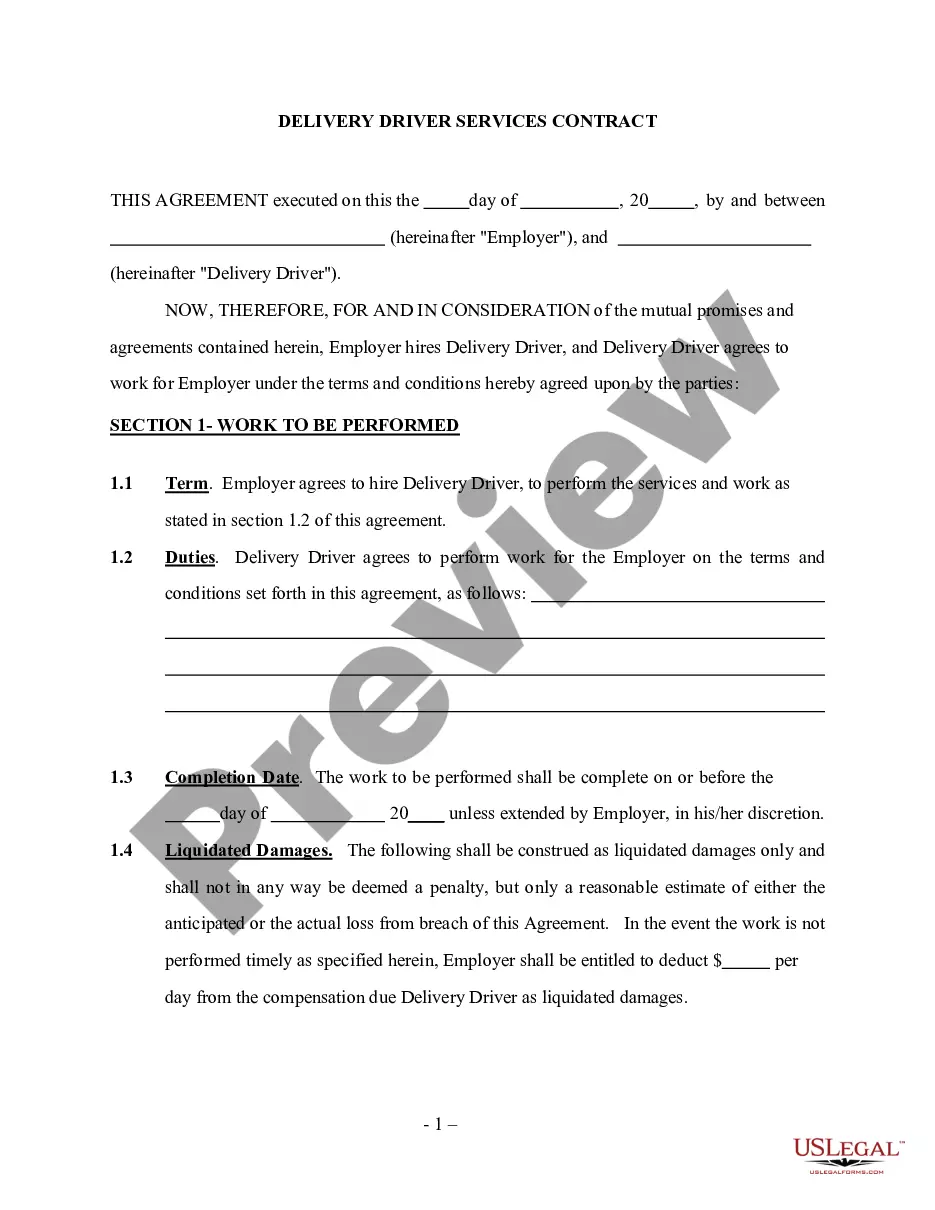
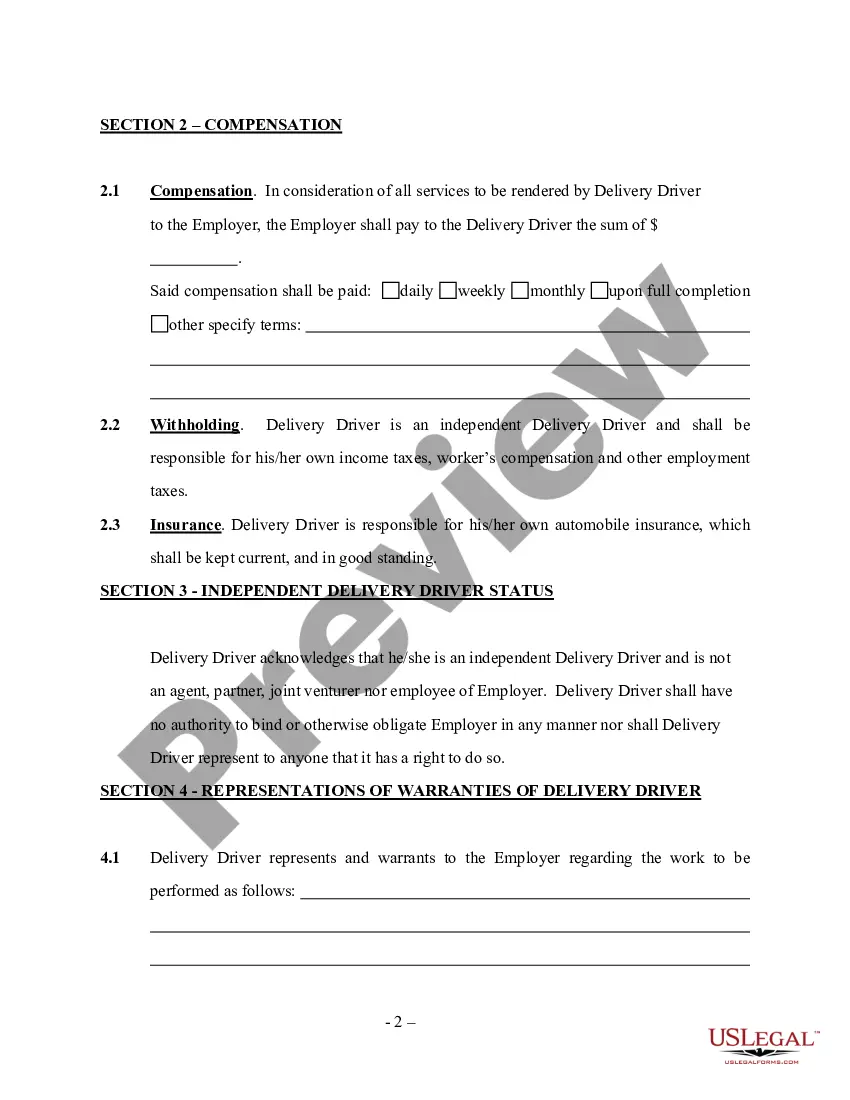
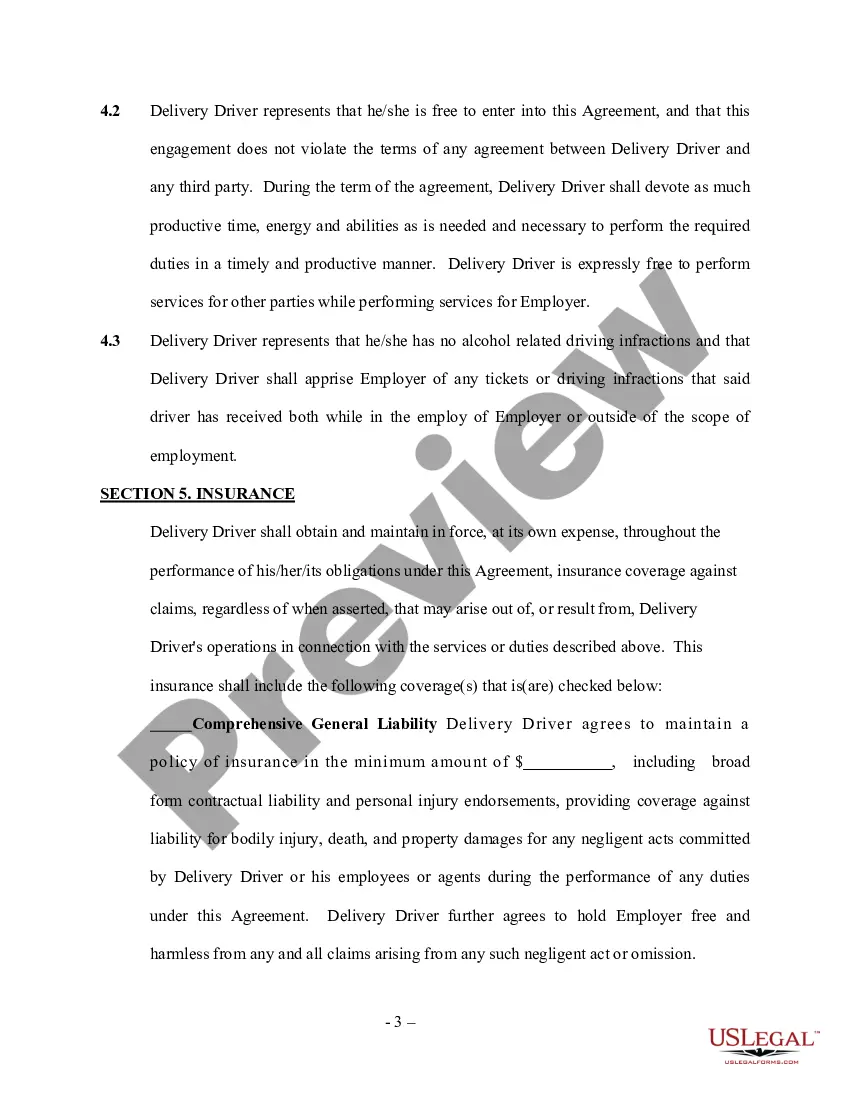
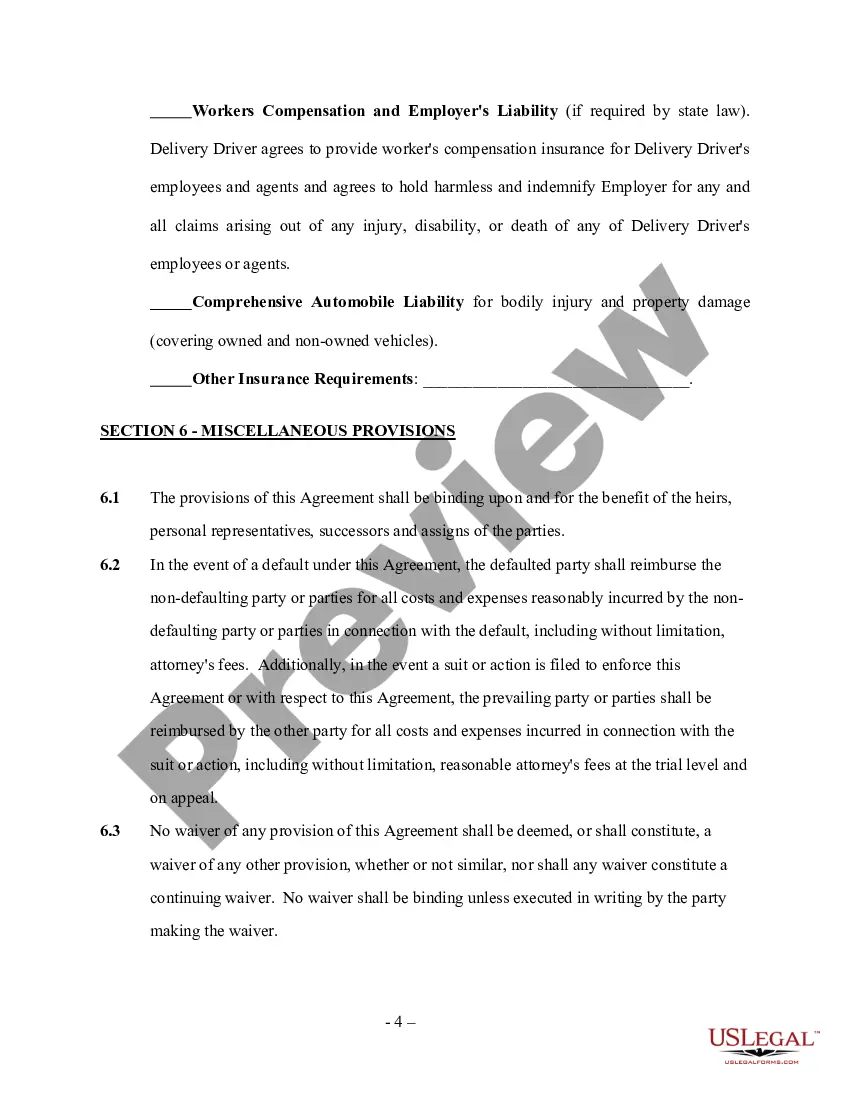
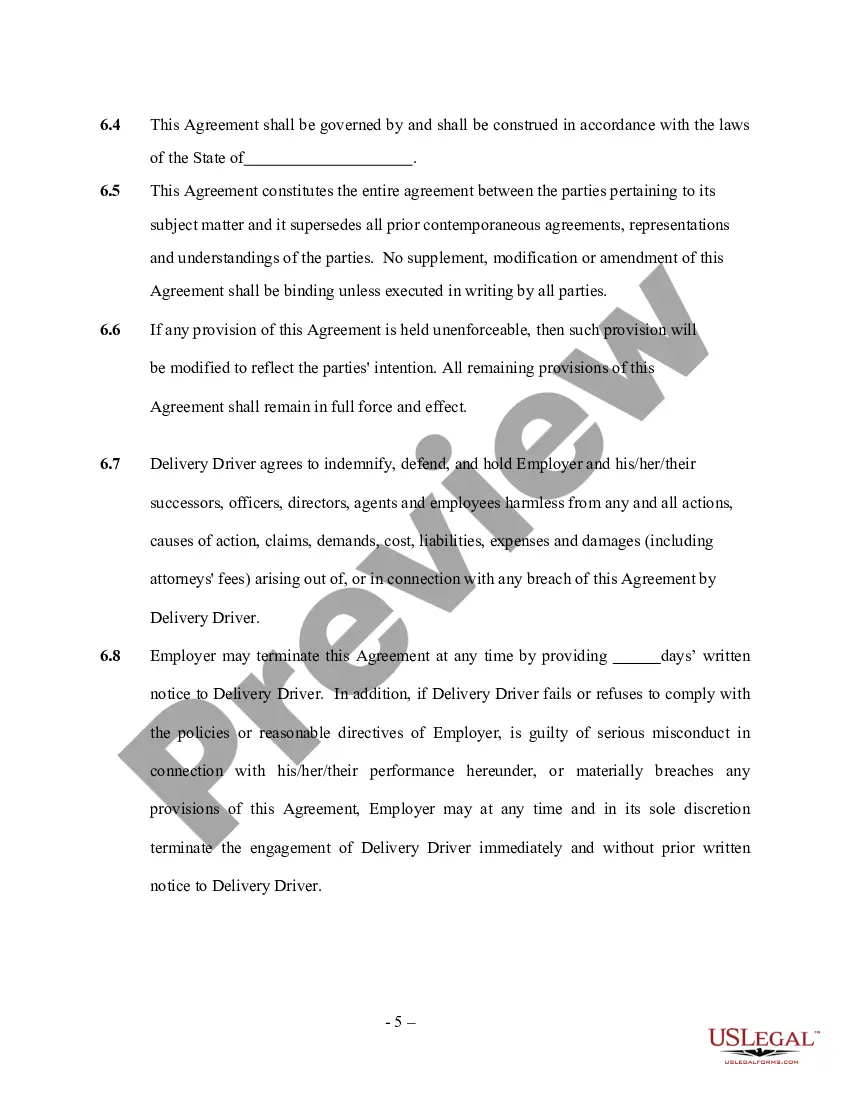
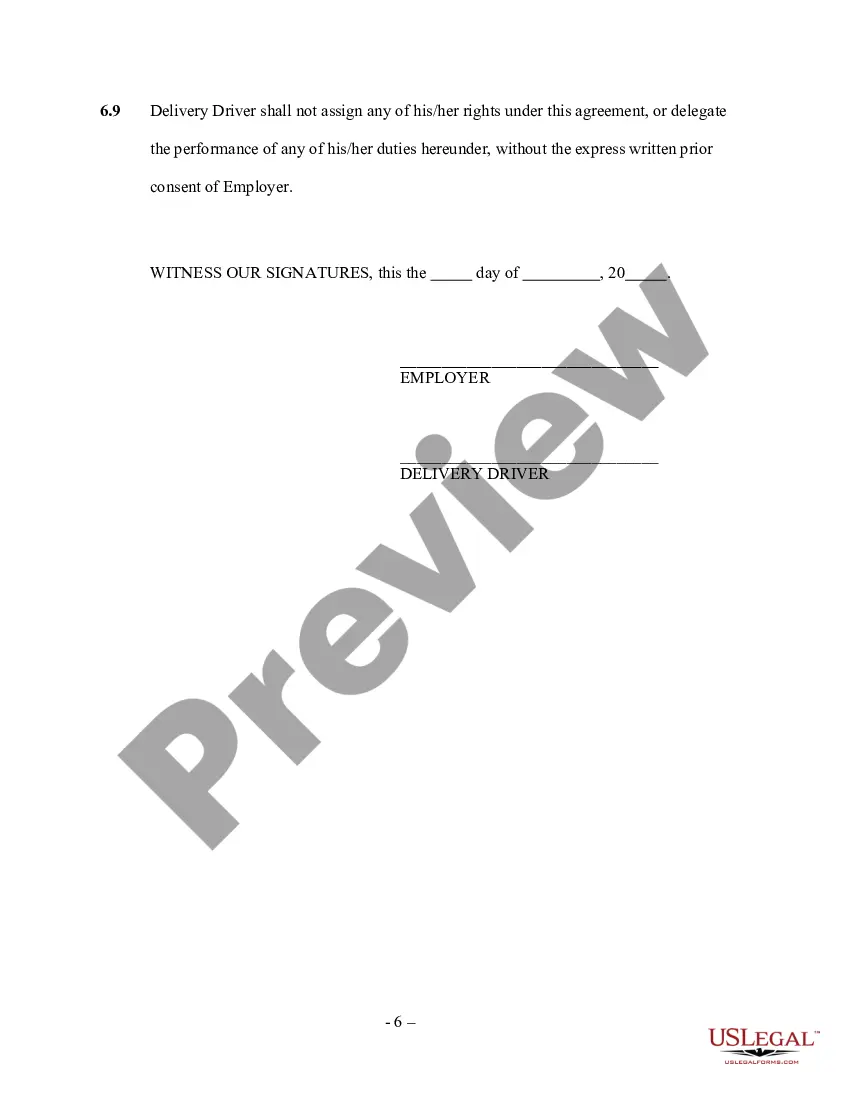

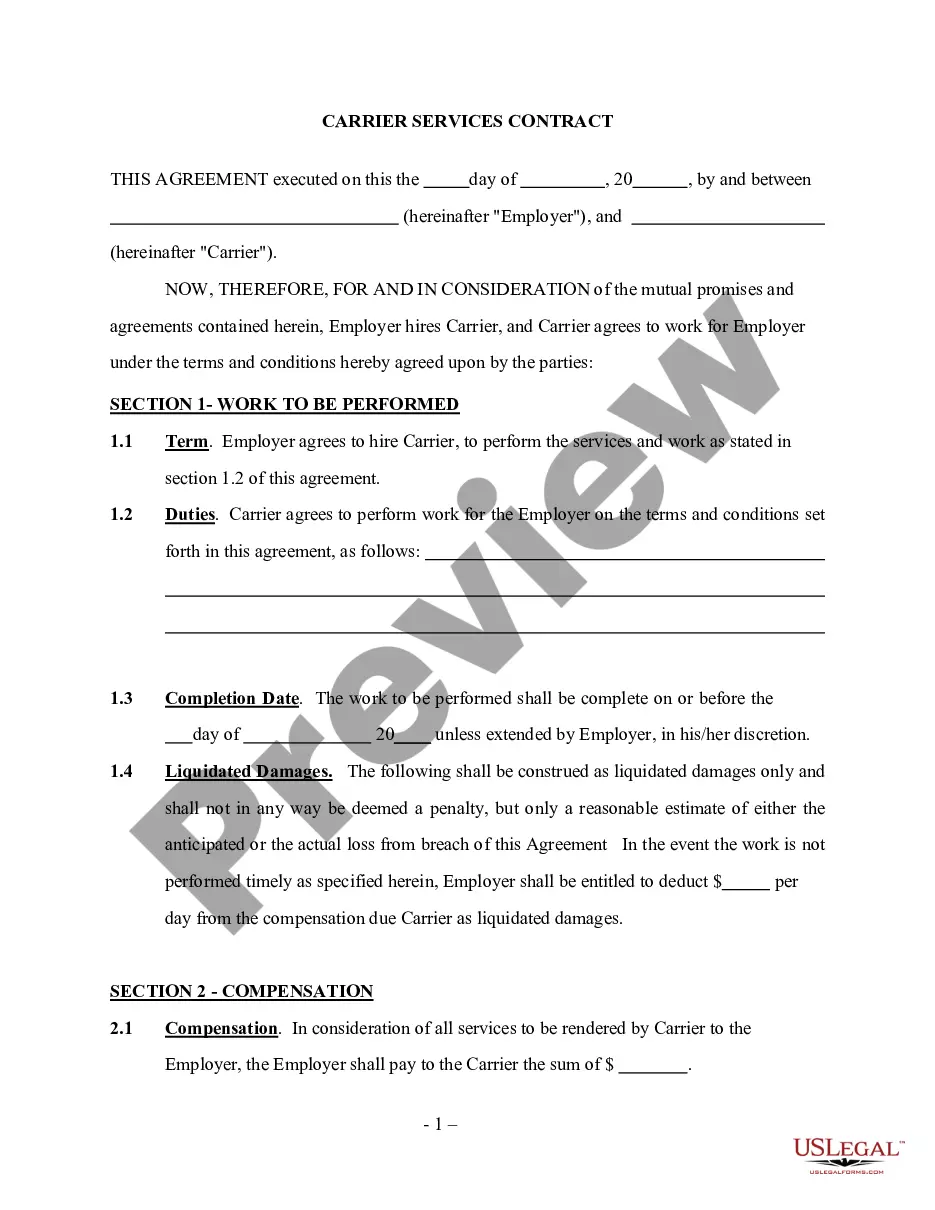
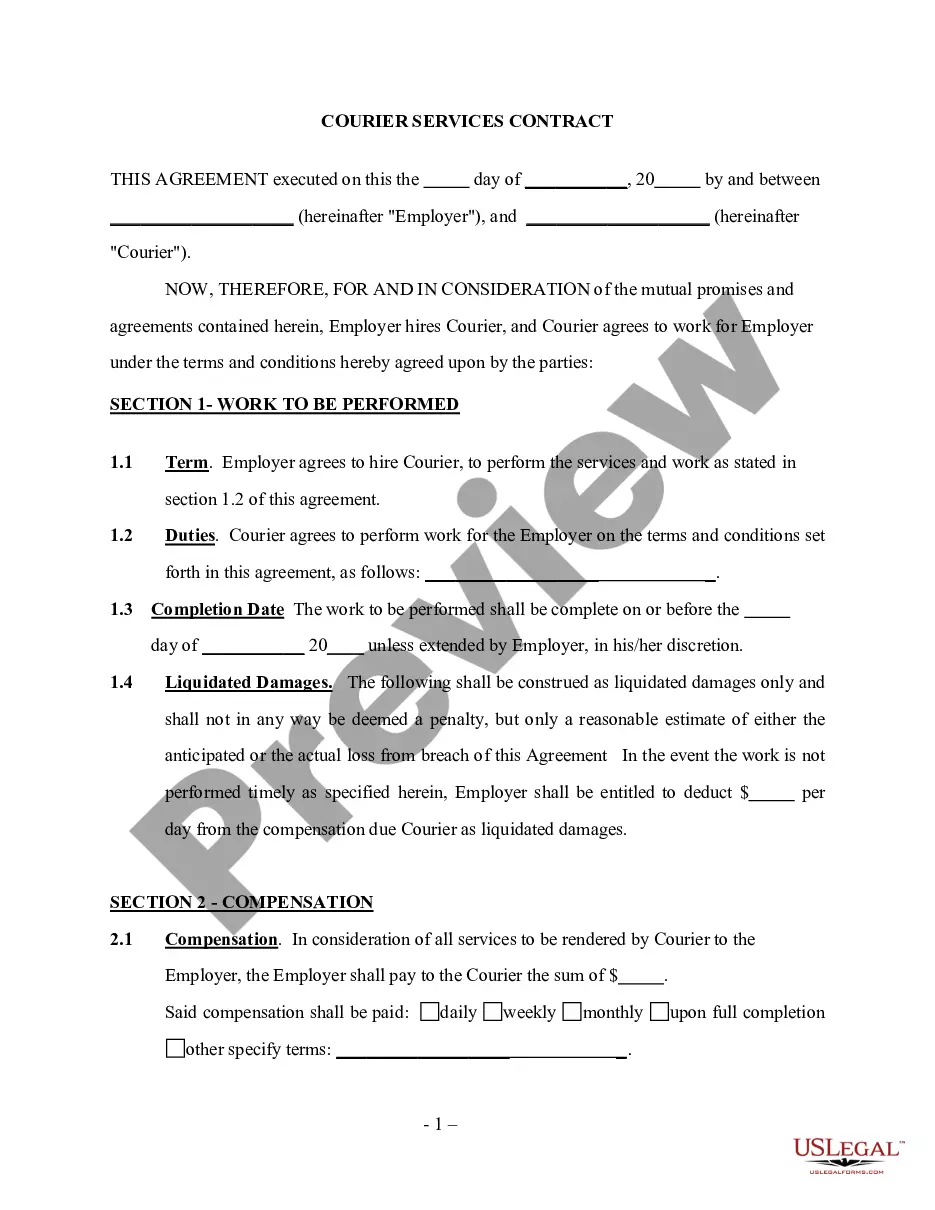
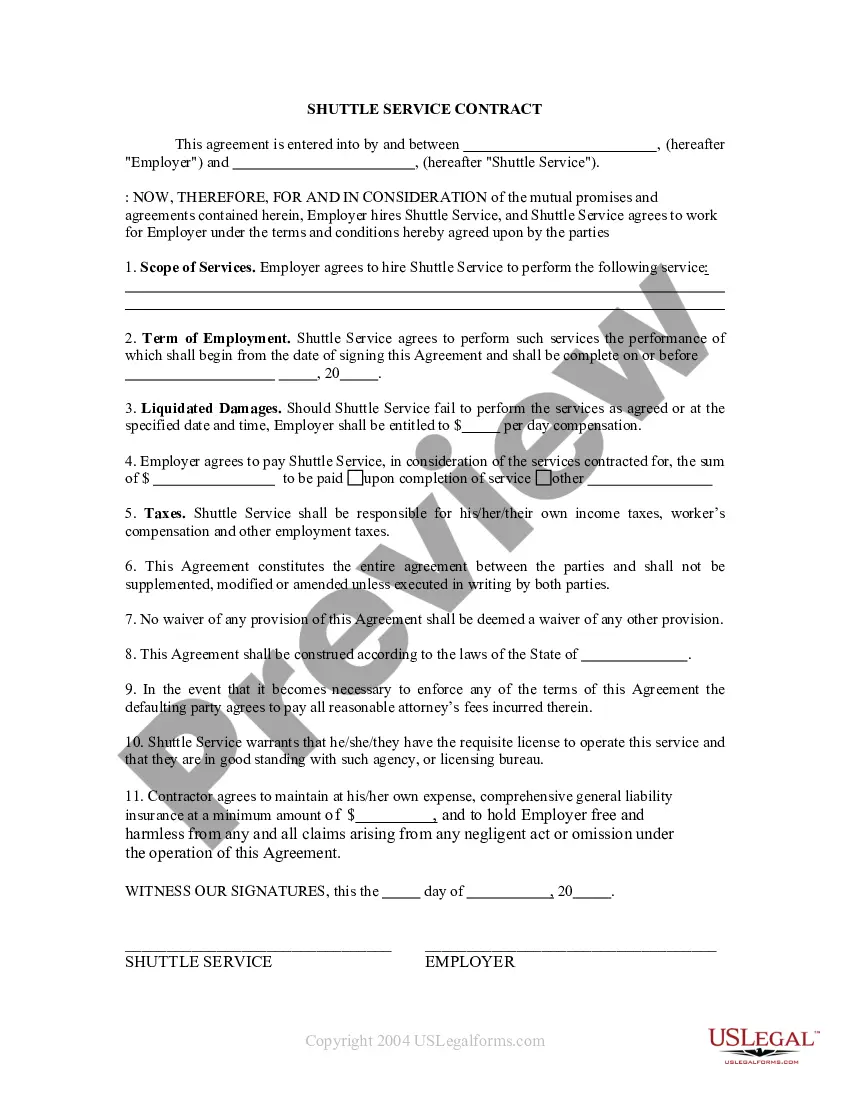
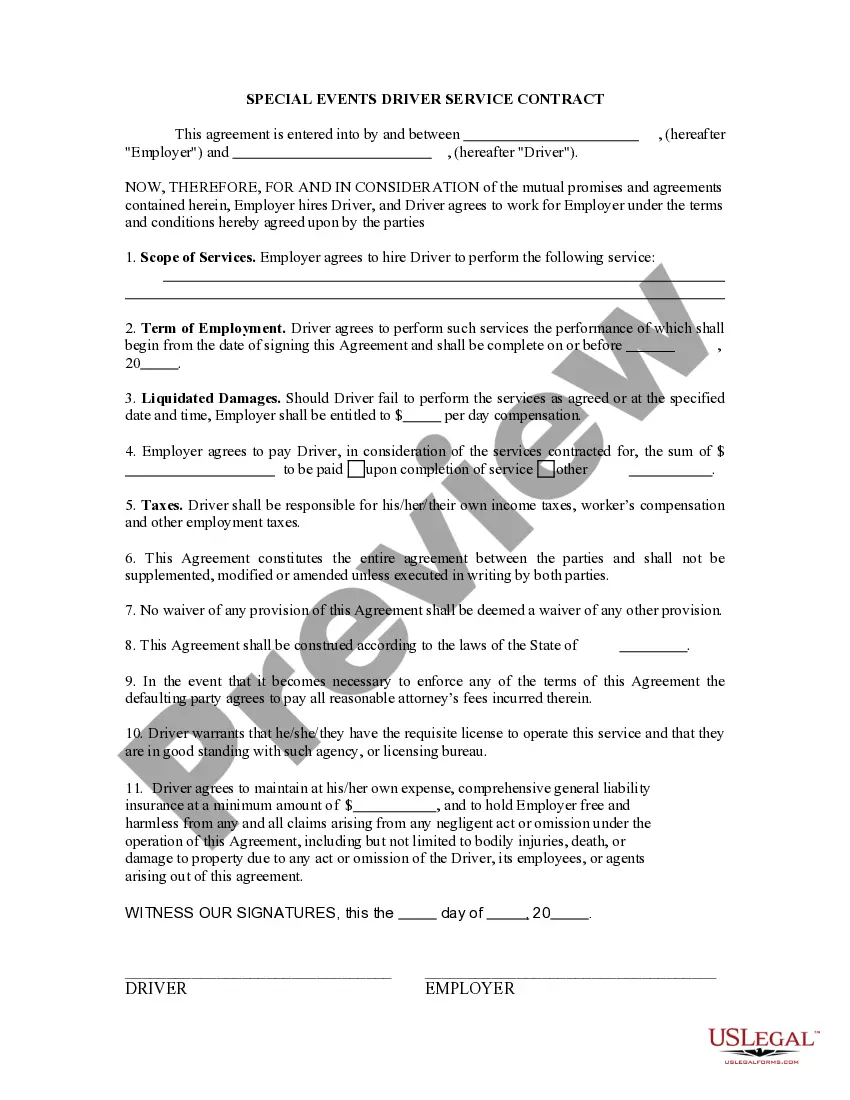
Get your form ready online
Our built-in tools help you complete, sign, share, and store your documents in one place.
Make edits, fill in missing information, and update formatting in US Legal Forms—just like you would in MS Word.
Download a copy, print it, send it by email, or mail it via USPS—whatever works best for your next step.
Sign and collect signatures with our SignNow integration. Send to multiple recipients, set reminders, and more. Go Premium to unlock E-Sign.
If this form requires notarization, complete it online through a secure video call—no need to meet a notary in person or wait for an appointment.
We protect your documents and personal data by following strict security and privacy standards.

Make edits, fill in missing information, and update formatting in US Legal Forms—just like you would in MS Word.

Download a copy, print it, send it by email, or mail it via USPS—whatever works best for your next step.

Sign and collect signatures with our SignNow integration. Send to multiple recipients, set reminders, and more. Go Premium to unlock E-Sign.

If this form requires notarization, complete it online through a secure video call—no need to meet a notary in person or wait for an appointment.

We protect your documents and personal data by following strict security and privacy standards.
Looking for another form?

How to fill out Delivery Driver Services Contract - Self-Employed?
Whether for commercial objectives or personal matters, everyone must handle legal issues at some stage in their lives. Completing legal forms demands meticulous attention, starting with choosing the right template.
For example, if you select an incorrect version of a Truck Driver Contract Agreement For Services, it will be rejected when submitted. Thus, it is essential to find a trustworthy source of legal documents like US Legal Forms.
With a vast collection of US Legal Forms available, you don’t need to waste time searching for the right template online. Utilize the library's straightforward navigation to find the correct template for any situation.
- Locate the sample you require using the search bar or catalog browsing.
- Review the description of the form to ensure it is appropriate for your case, state, and region.
- Click on the preview of the form to examine it.
- If it's the wrong form, return to the search option to find the Truck Driver Contract Agreement For Services template you need.
- Download the file if it fulfills your needs.
- If you already possess a US Legal Forms account, simply click Log in to retrieve previously saved templates in My documents.
- If you do not have an account yet, you can acquire the form by clicking Buy now.
- Select the suitable pricing option.
- Complete the profile registration form.
- Choose your payment method: use a credit card or PayPal account.
- Select the document format you prefer and download the Truck Driver Contract Agreement For Services.
- After saving it, you can fill out the form using editing software or print it and complete it by hand.
Form popularity
FAQ
Effective January 1, the small loan act applies to loans under $10,000 and not just $5,000 and certain other restrictions on scope are loosened. The anti-evasion provisions are also expanded. § 58-15-3(D). As of January 1, 2023, a fee of 5% of the principal may be charged for a loan of $500 or less.
Ohio's statute of limitations is six years no matter the type of debt. And the six years is counted from the date a debt became overdue or when you last made a payment, whichever was more recent.
One such recent development impacting consumer debt collections is the newly enacted Regulation F. Effective November 30, 2021, the Consumer Financial Protection Bureau (?CFPB?) enacted Regulation F to the Fair Debt Collection Practice Act (FDCPA). The full text of the Rule can be found here.
The Fair Debt Collection Practices Act was signed into law by President Jimmy Carter on September 20, 1977. The act prohibits certain debt collection practices, and requires debt collectors to identify themselves when communicating with a consumer and to validate the debt at the consumer's request.
The amended FDCPA allows debt collectors to use newer technologies, such as email and text messages, to communicate with consumers regarding their debts, subject to certain limitations, which protect consumers against harassment or abuse.
Under this Act (Title VIII of the Consumer Credit Protection Act), third-party debt collectors are prohibited from using deceptive or abusive conduct in the collection of consumer debts incurred for personal, family, or household purposes.
The Fair Debt Collection Practices Act makes it illegal for debt collectors to harass or threaten you when trying to collect on a debt. In addition, on November 30, 2021, the CFPB's new Debt Collection Rule became effective.
The Fair Debt Collection Practices Act (FDCPA) (15 USC 1692 et seq.), which became effective in March 1978, was designed to eliminate abusive, deceptive, and unfair debt collection practices.