Tenants Em Ti
Description
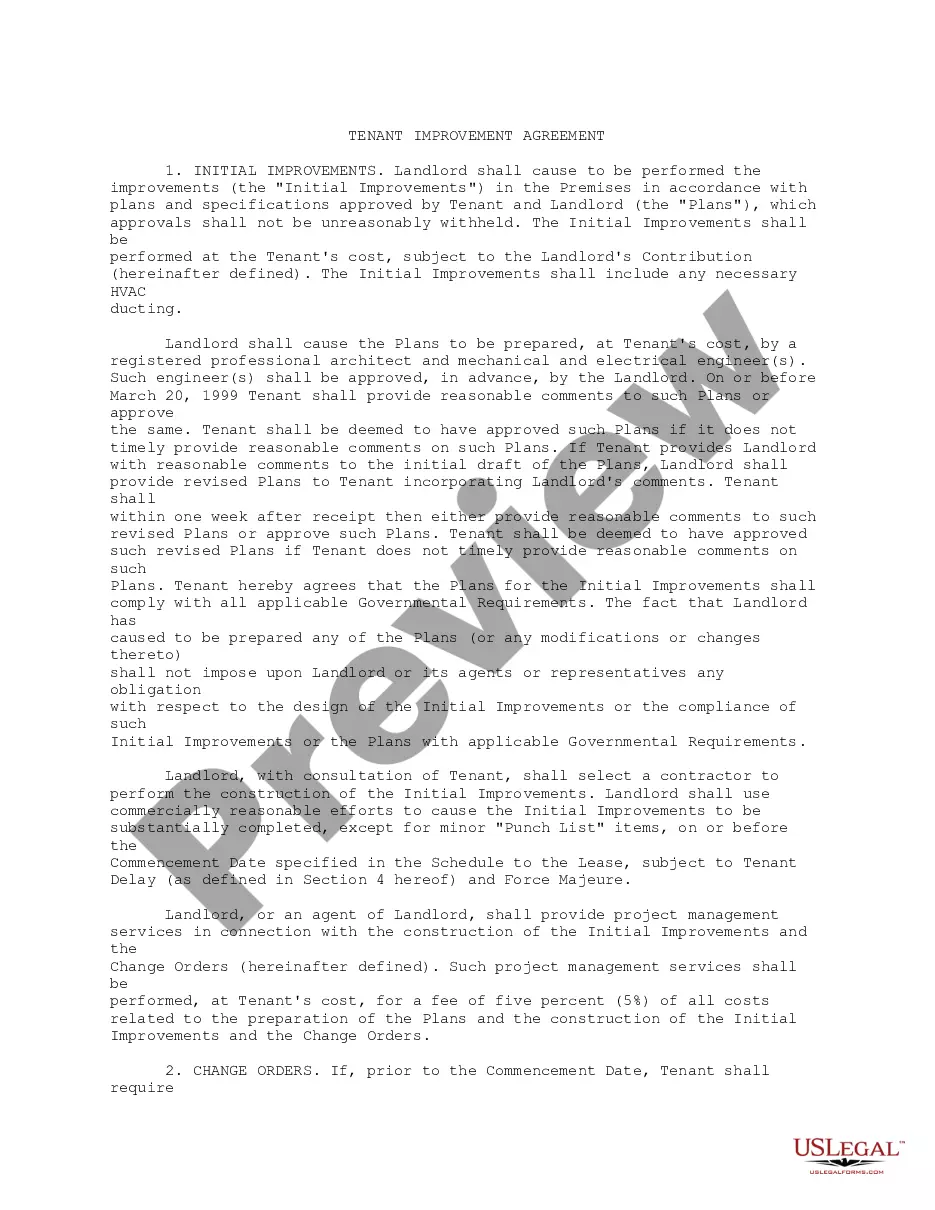

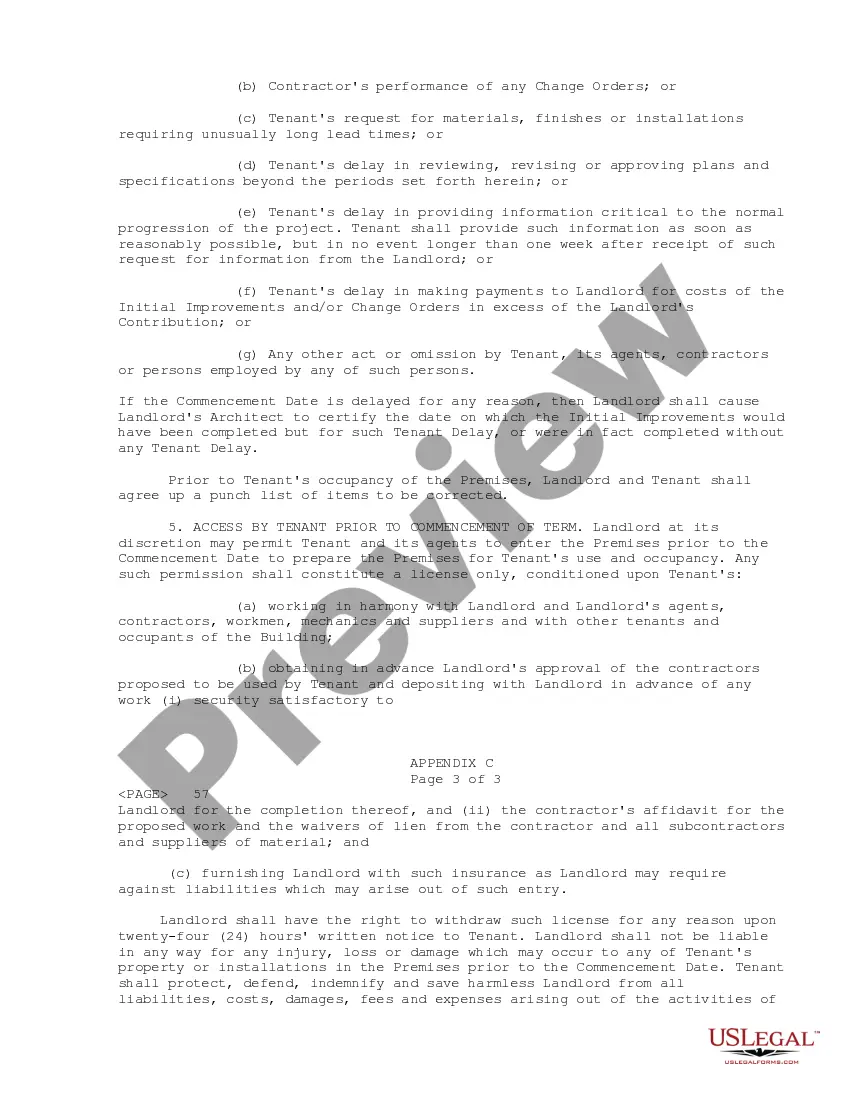
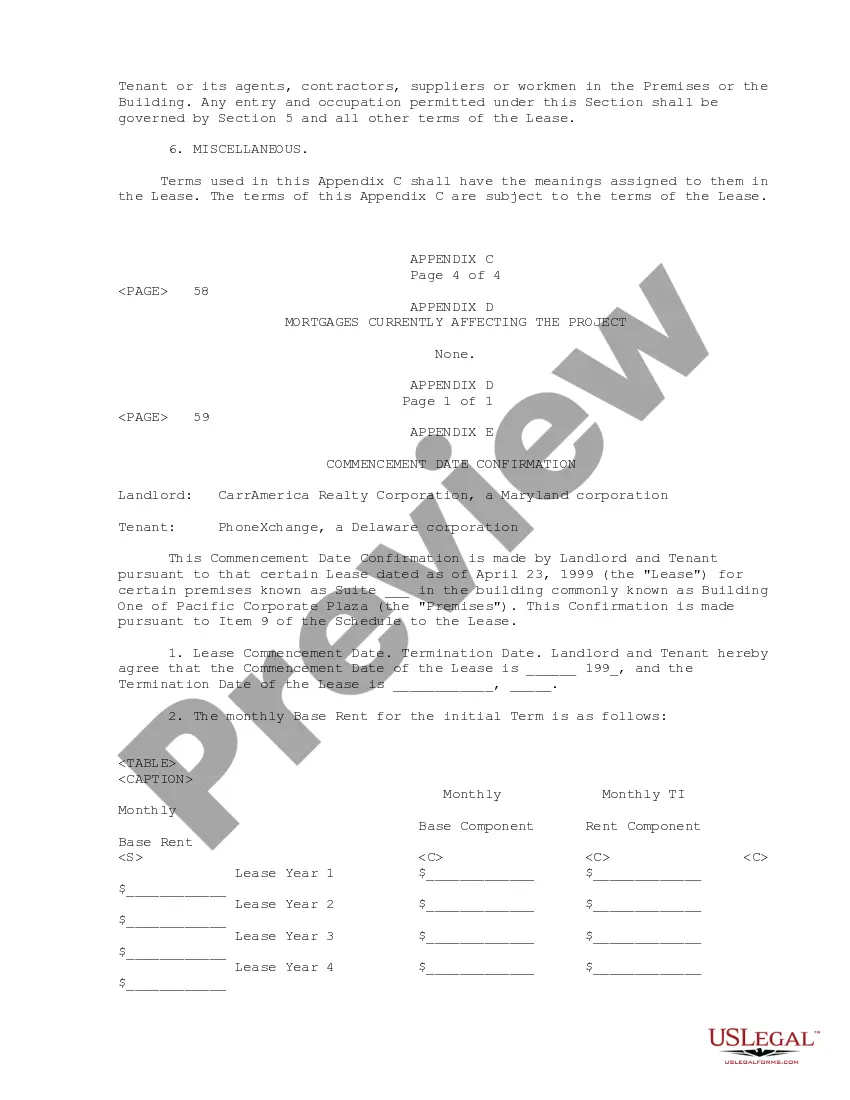
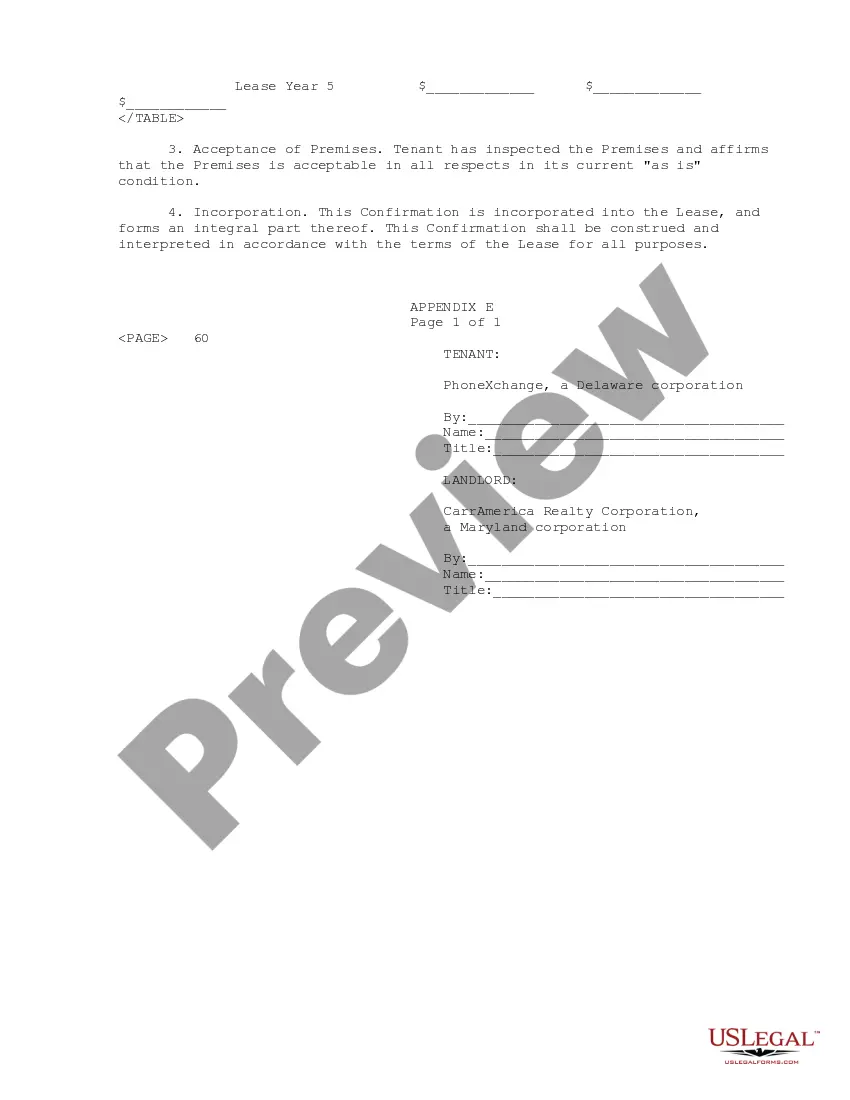


Get your form ready online
Our built-in tools help you complete, sign, share, and store your documents in one place.
Make edits, fill in missing information, and update formatting in US Legal Forms—just like you would in MS Word.
Download a copy, print it, send it by email, or mail it via USPS—whatever works best for your next step.
Sign and collect signatures with our SignNow integration. Send to multiple recipients, set reminders, and more. Go Premium to unlock E-Sign.
If this form requires notarization, complete it online through a secure video call—no need to meet a notary in person or wait for an appointment.
We protect your documents and personal data by following strict security and privacy standards.

Make edits, fill in missing information, and update formatting in US Legal Forms—just like you would in MS Word.

Download a copy, print it, send it by email, or mail it via USPS—whatever works best for your next step.

Sign and collect signatures with our SignNow integration. Send to multiple recipients, set reminders, and more. Go Premium to unlock E-Sign.

If this form requires notarization, complete it online through a secure video call—no need to meet a notary in person or wait for an appointment.

We protect your documents and personal data by following strict security and privacy standards.
Looking for another form?


How to fill out Tenant Improvement Lease?
- If you are a returning user, log into your account and pick the form you need. Ensure your subscription is active; renew if necessary to avoid service interruptions.
- For first-time users, start by reviewing the form descriptions and the Preview mode to ensure they align with your local jurisdiction requirements and personal needs.
- If your chosen form does not meet your expectations, utilize the Search tab to explore alternatives until you find the correct document.
- Select the form you need, then click on the Buy Now button to choose your preferred subscription plan. Registration is required to unlock all available resources.
- Complete your purchase by entering your credit card information or using your PayPal account to secure your subscription.
- After payment, download the form to your device for completion, allowing you to access it later from the My Forms section.
With US Legal Forms, you are empowered with straightforward access to over 85,000 fillable legal forms and packages, ensuring efficiency in your legal processes.
Take the first step towards hassle-free legal document management today. Access US Legal Forms to find the solutions that suit your needs!
Form popularity
FAQ
Evictions in Texas must be filed in the Justice Court corresponding to the precinct of the leased property. It is important to file in the correct location to avoid delays or complications in the process. This requirement ensures that landlords and tenants em ti receive fair treatment according to local regulations. Consider utilizing the USLegalForms platform to access resources that help with the filing process and keep you informed.
In Texas, evictions are filed in the Justice Court of the precinct where the rental property is located. Each county may have multiple precincts, so it's essential to determine the correct location for your filing. Filing in the right court ensures that the legal process is efficient and adheres to Texas laws regarding tenants em ti. Using platforms like USLegalForms can simplify locating the appropriate court and the necessary forms.
Evictions are recorded at the county court where the case was filed. This public record shows the outcome of the eviction process and can influence future rental opportunities for tenants. Landlords and property managers can check these records to ensure they comply with legal requirements when managing tenants em ti. Knowing where to find these records provides transparency and supports a successful rental relationship.
Evicting a tenant in Pennsylvania typically takes about two to three months, although it can vary based on the court's schedule and the complexity of the case. Initially, landlords must give tenants a notice to vacate, followed by filing an eviction complaint if they do not comply. After the court hearing, if the ruling favors the landlord, a court order for eviction is issued. Keeping the tenants em ti informed throughout the process can help avoid misunderstandings.
In Texas, the legal eviction process begins with a proper notice to the tenant. You must provide a written notice that states the reason for eviction and gives the tenant a specific timeline to address the issue. If the tenant does not remedy the situation, the next step is to file an eviction suit in court. Understanding the tenants em ti rights and responsibilities helps both landlords and tenants navigate this process smoothly.
To record a TI allowance, maintain clear documentation of all agreements, including any funds allocated for improvements. It is advisable to keep receipts and invoices from contractors to verify expenditures. This thorough record-keeping protects tenants em ti in future discussions or disputes regarding the allowance.
A reasonable TI varies based on space requirements and market conditions, but it typically ranges from $10 to $50 per square foot. Factors like location and the type of business can significantly influence this amount. Tenants em ti should assess their needs to determine what is reasonable for them.
For tenants, TI stands for Tenant Improvement. This term encompasses the changes made to commercial spaces making them suitable for business operations. Being informed about TI helps tenants em ti leverage their lease agreements effectively.
TI in a lease typically involves negotiations between the landlord and tenant regarding the financial support for renovations. This can dictate how much the landlord will contribute to the improvements, alongside terms for using that allowance. Understanding this process is crucial for tenants em ti to craft a favorable agreement.
In a lease, TI stands for Tenant Improvement. This refers to the modifications made to the rental space to better suit the tenant’s needs. Recognizing TI in your lease helps you understand the framework for setting up your business environment.