Leasehold Improvements For Gaap
Description
Get your form ready online
Our built-in tools help you complete, sign, share, and store your documents in one place.
Make edits, fill in missing information, and update formatting in US Legal Forms—just like you would in MS Word.
Download a copy, print it, send it by email, or mail it via USPS—whatever works best for your next step.
Sign and collect signatures with our SignNow integration. Send to multiple recipients, set reminders, and more. Go Premium to unlock E-Sign.
If this form requires notarization, complete it online through a secure video call—no need to meet a notary in person or wait for an appointment.
We protect your documents and personal data by following strict security and privacy standards.

Make edits, fill in missing information, and update formatting in US Legal Forms—just like you would in MS Word.

Download a copy, print it, send it by email, or mail it via USPS—whatever works best for your next step.

Sign and collect signatures with our SignNow integration. Send to multiple recipients, set reminders, and more. Go Premium to unlock E-Sign.

If this form requires notarization, complete it online through a secure video call—no need to meet a notary in person or wait for an appointment.

We protect your documents and personal data by following strict security and privacy standards.
Looking for another form?

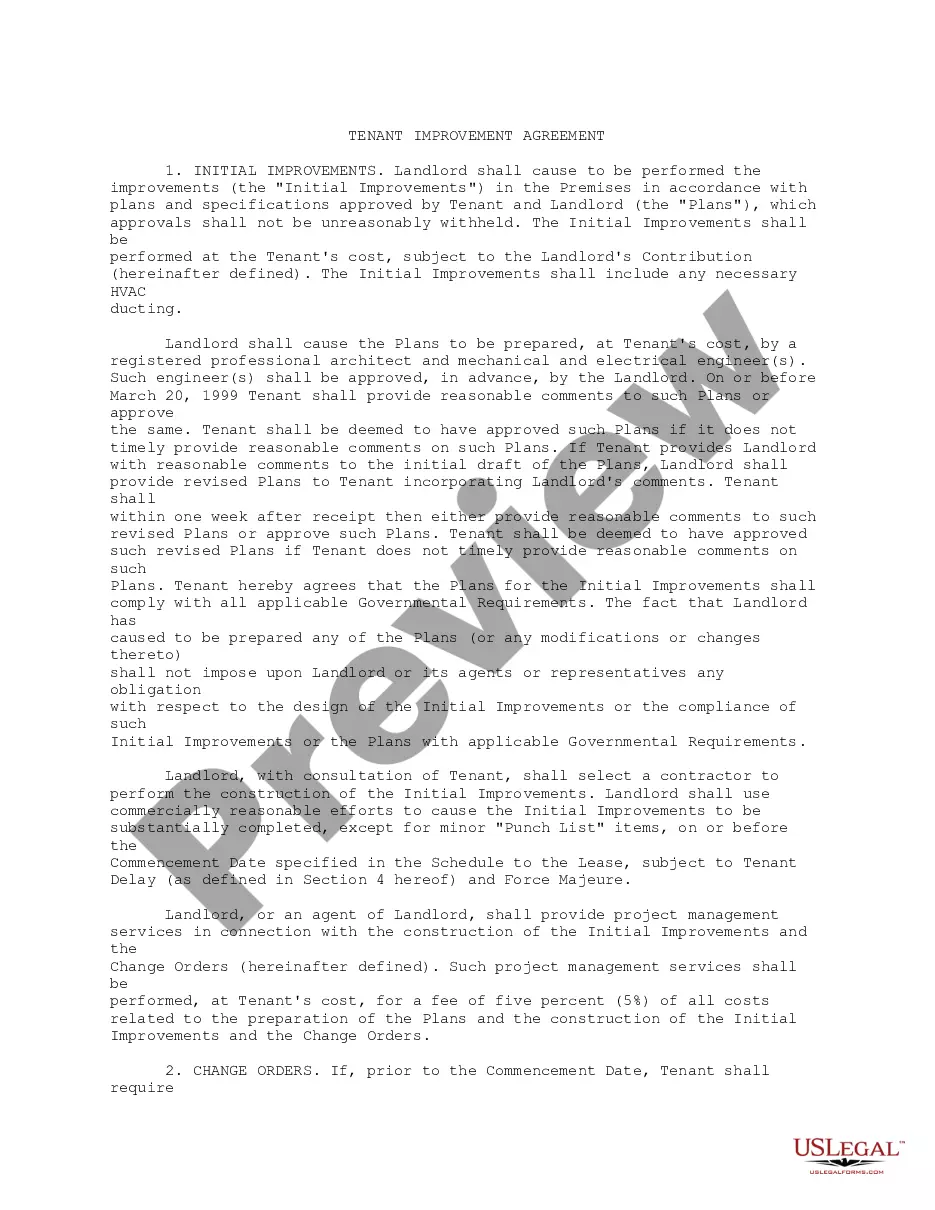
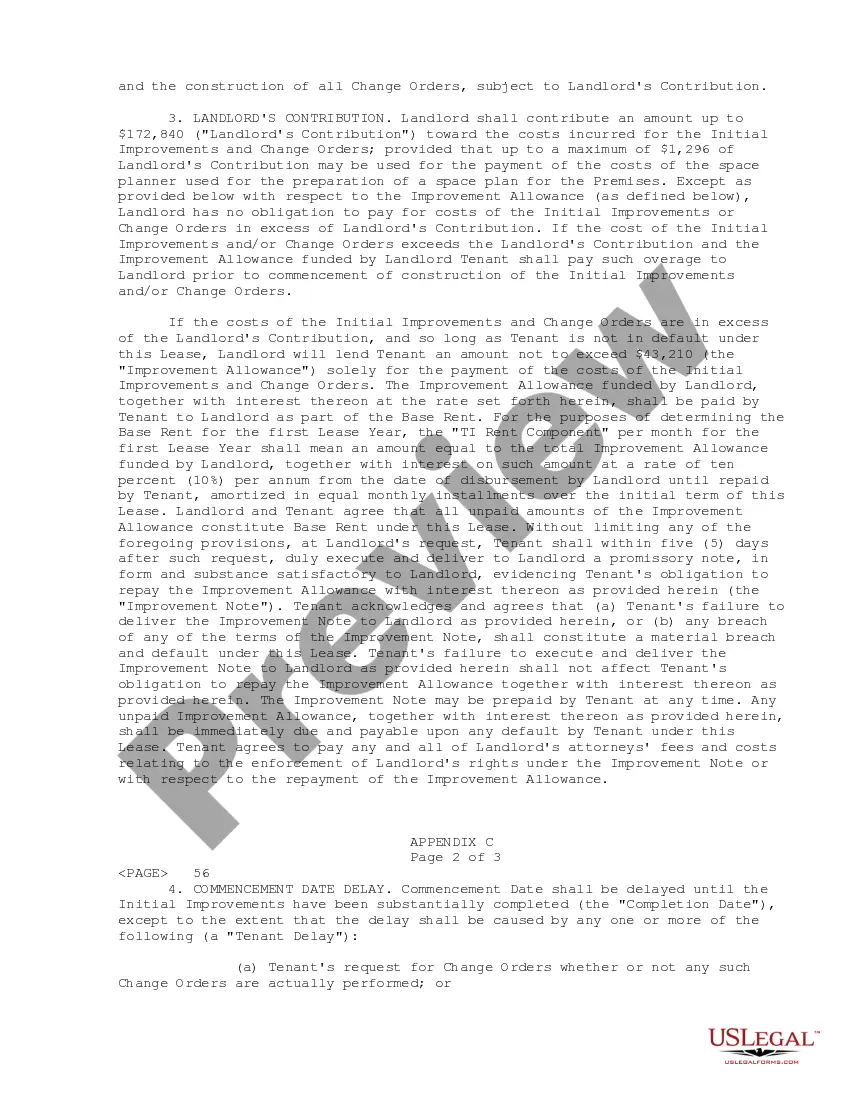
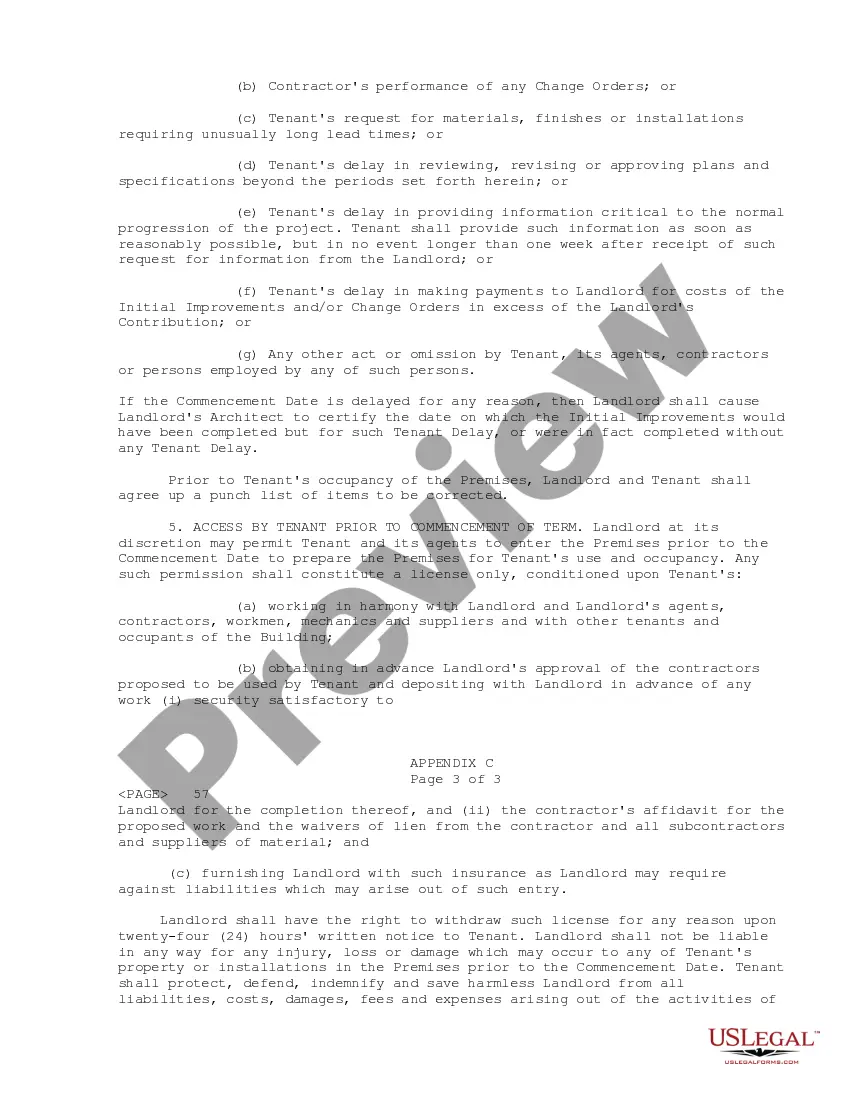
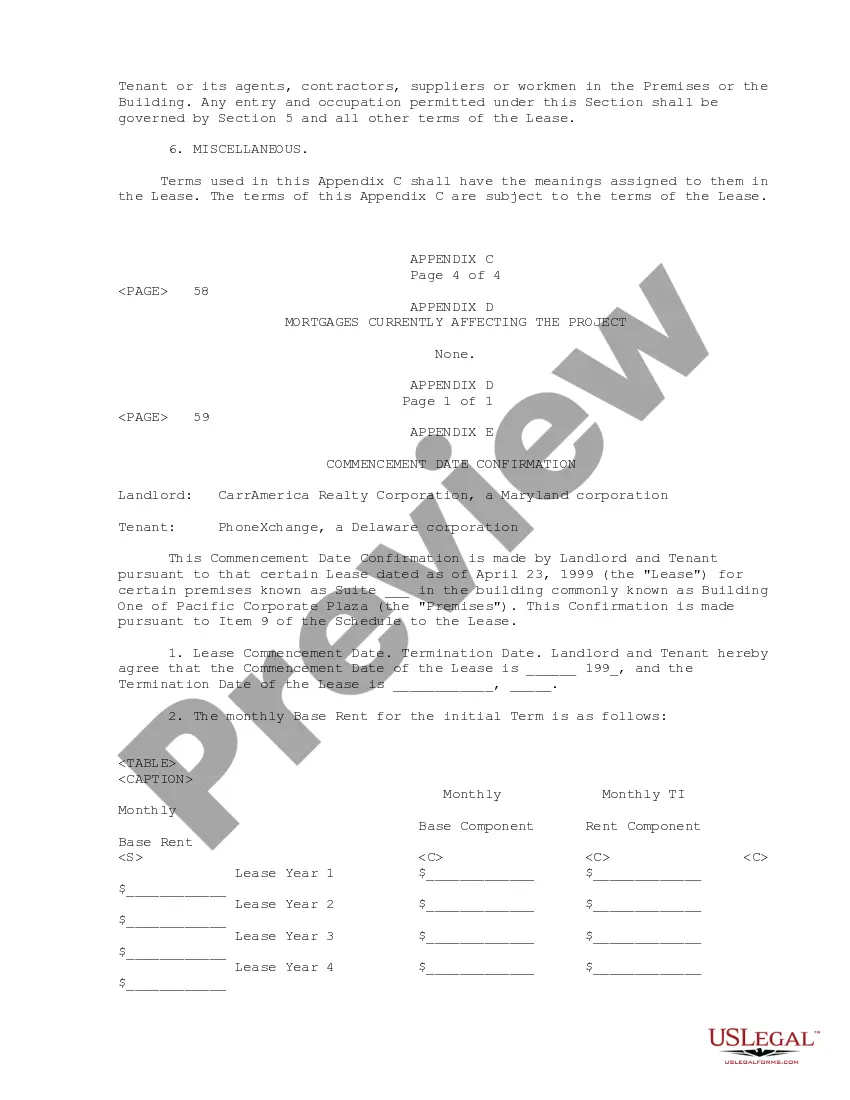
How to fill out Tenant Improvement Lease?
Managing legal documents can be overwhelming, even for the most experienced professionals.
If you're seeking a Leasehold Improvements For Gaap and lack the time to search for the appropriate and current version, the tasks can be strenuous.
Obtain a wealth of articles, tutorials, handbooks, and resources relevant to your situation and necessities.
Save time and effort when searching for the documents you need by using US Legal Forms' sophisticated search and Review feature to find Leasehold Improvements For Gaap and obtain it.
Rely on the US Legal Forms online library, backed by 25 years of experience and reliability. Transform your daily document management into a straightforward and user-friendly process today.
- If you have a membership, Log In to the US Legal Forms account, search for the form, and acquire it.
- Check your My documents tab to review the documents you have previously downloaded and to manage your folders as desired.
- If it’s your first interaction with US Legal Forms, create an account for unlimited access to all library benefits.
- Follow the steps after downloading the required form.
- Verify that it is the correct form by previewing it and reading its description.
- Access state- or county-specific legal and business documents.
- US Legal Forms accommodates any requirements you may have, from personal to business documents, all in one location.
- Utilize advanced tools to complete and manage your Leasehold Improvements For Gaap.
Form popularity
FAQ
The accounting standard for leasehold improvements stipulates how these assets should be treated in financial records. Under GAAP, leasehold improvements must be capitalized and amortized over the shorter of the lease term or the useful life of the improvement. This ensures proper expense recognition on your financial statements. To streamline your compliance with these standards, explore the options provided by the US Legal Forms platform, which offers valuable tools and documentation.
The capitalization limit for leasehold improvements refers to the maximum amount that businesses can include as part of their asset value under GAAP. Generally, improvements that exceed a certain threshold must be capitalized, while those below it can be expensed immediately. This limit helps organizations maintain accurate financial statements and align with GAAP requirements. For detailed guidance on managing leasehold improvements for GAAP, you might consider using resources available on the US Legal Forms platform.
Accounting rules for leasehold improvements under GAAP stipulate that these costs are capitalized as assets. They must be reported on the balance sheet and depreciated over their useful lives. This process enhances financial accuracy, providing a clear picture of the organization's investment in its property while allowing for strategic financial planning.
A leasehold improvement qualifies as any alteration made to a leased property that enhances its value or functionality for the tenant. This includes upgrades like upgraded flooring, wall configurations, and new cabinetry. It is essential to document these changes accurately for compliance with GAAP reporting and to leverage the benefits they provide to your business.
Costs that can be capitalized as leasehold improvements include expenses related to renovations, installations, and upgrades directly tied to the leased property. This could involve structural changes, additions of technology, and any enhancements that contribute to the overall value of the space. Ensuring proper classification under leasehold improvements for GAAP is crucial for accurate financial reporting.
Under ASC 842, leasehold improvements must be capitalized as part of the right of use asset. This means the costs incurred for improvements are amortized over the shorter of the asset's lifespan or the lease term. Accurate accounting in this manner helps maintain compliance with GAAP and provides clarity in financial statements.
Certain costs do not qualify as leasehold improvements under GAAP. Routine maintenance and repairs, for example, are excluded as they do not add value or extend the property's life. Additionally, personal property or temporary fixtures that can be removed upon lease termination are also not considered leasehold improvements for GAAP.
Leasehold improvements GAAP are defined as modifications made to rental property to enhance its utility for the tenant. These enhancements must be permanent fixtures or alterations that improve the property’s value or functionality. Examples include installing new lighting, partitions, or fixtures that help tailor the space to specific business needs.
Leasehold improvements are recorded as assets on the balance sheet, typically under non-current assets. They appear alongside property, plant, and equipment, reflecting their long-term nature. By presenting leasehold improvements accurately, businesses enhance transparency in their financial statements. Understanding where leasehold improvements fit in GAAP supports better financial management.
To record leasehold improvements in accounting, you start by capitalizing the costs associated with the improvements. This includes expenses for materials, labor, and other direct costs. These costs are then recorded as an asset on the balance sheet and depreciated over the useful life of the improvements. Mastering the recording of leasehold improvements for GAAP ensures compliance with accounting standards.