Holding Company Rules
Description
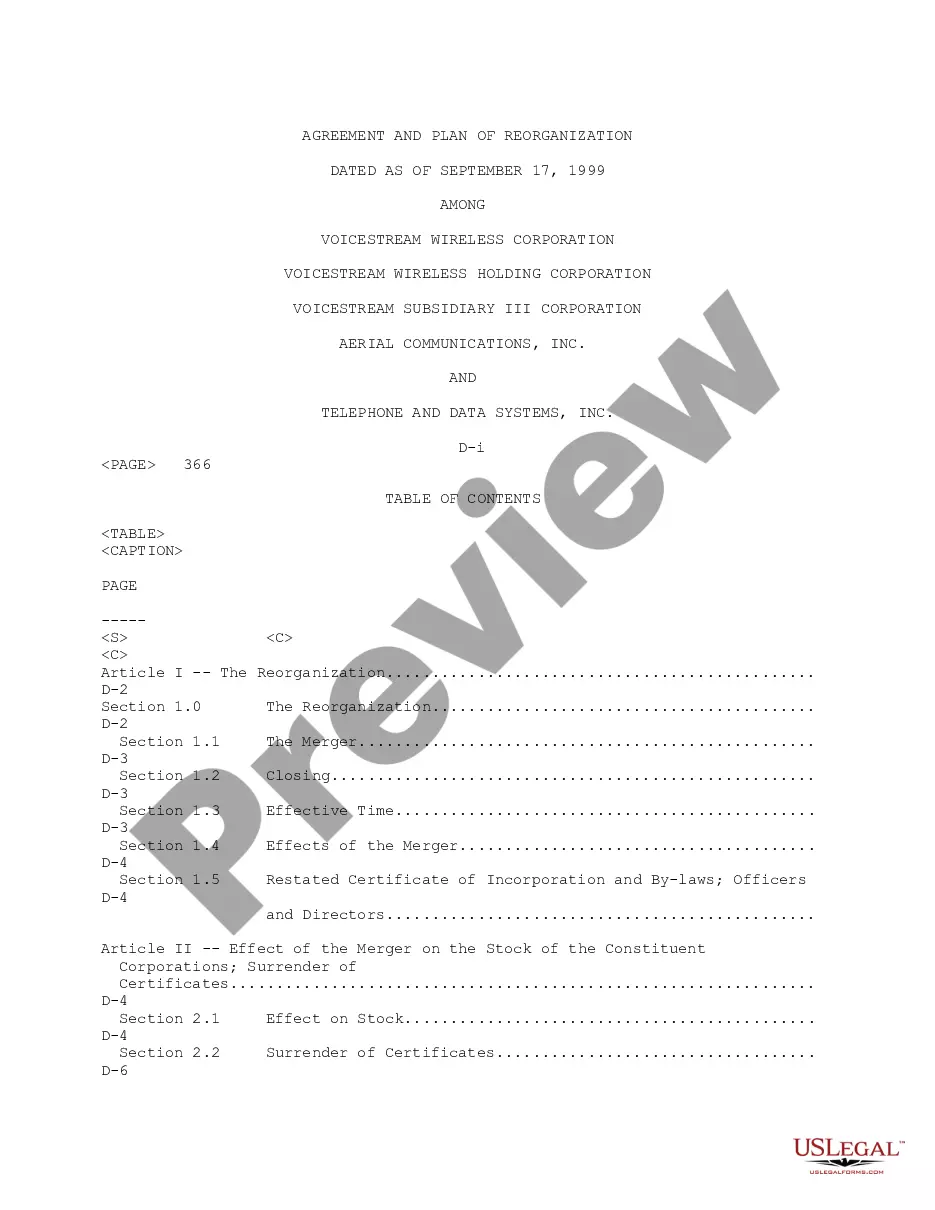
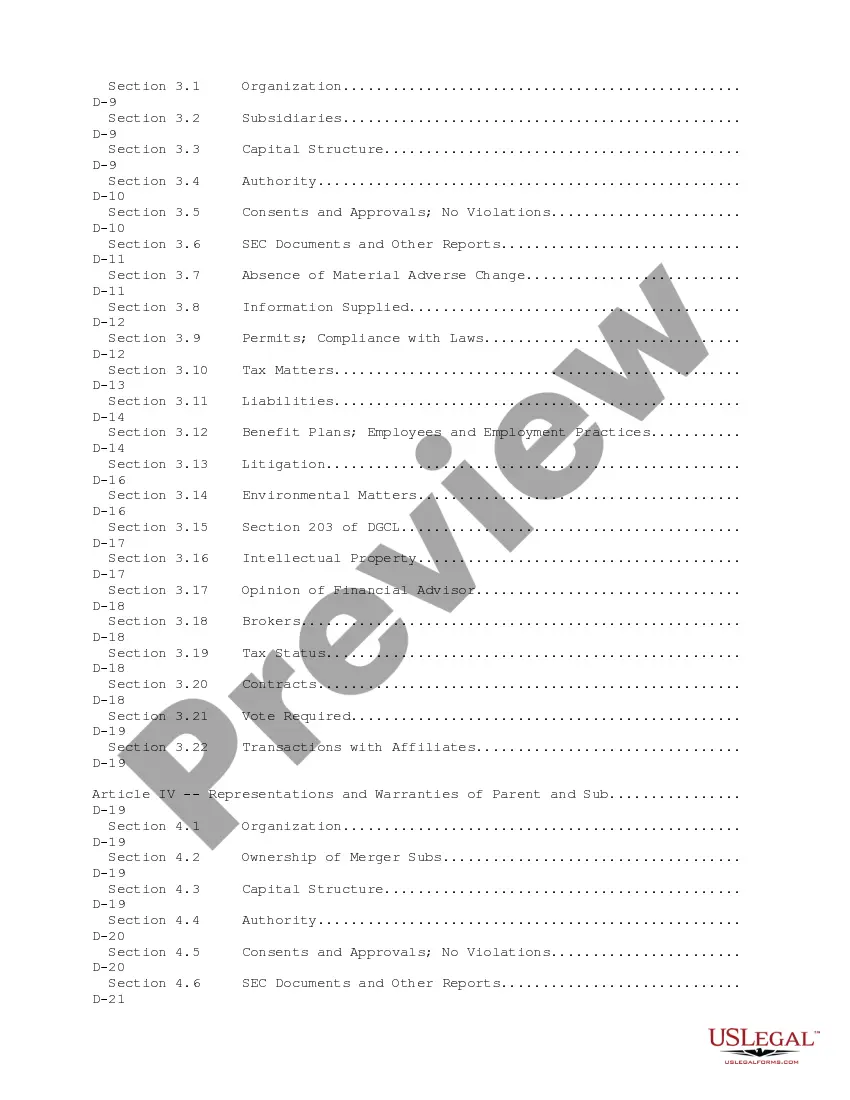
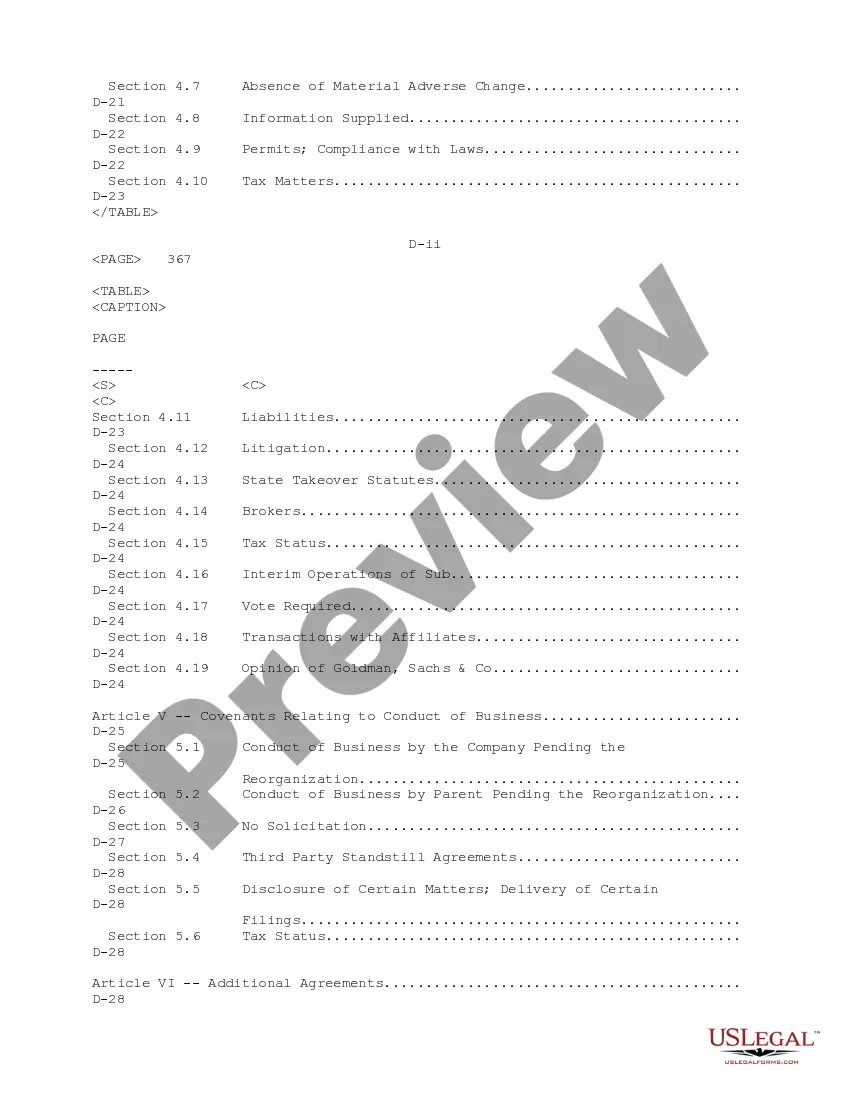
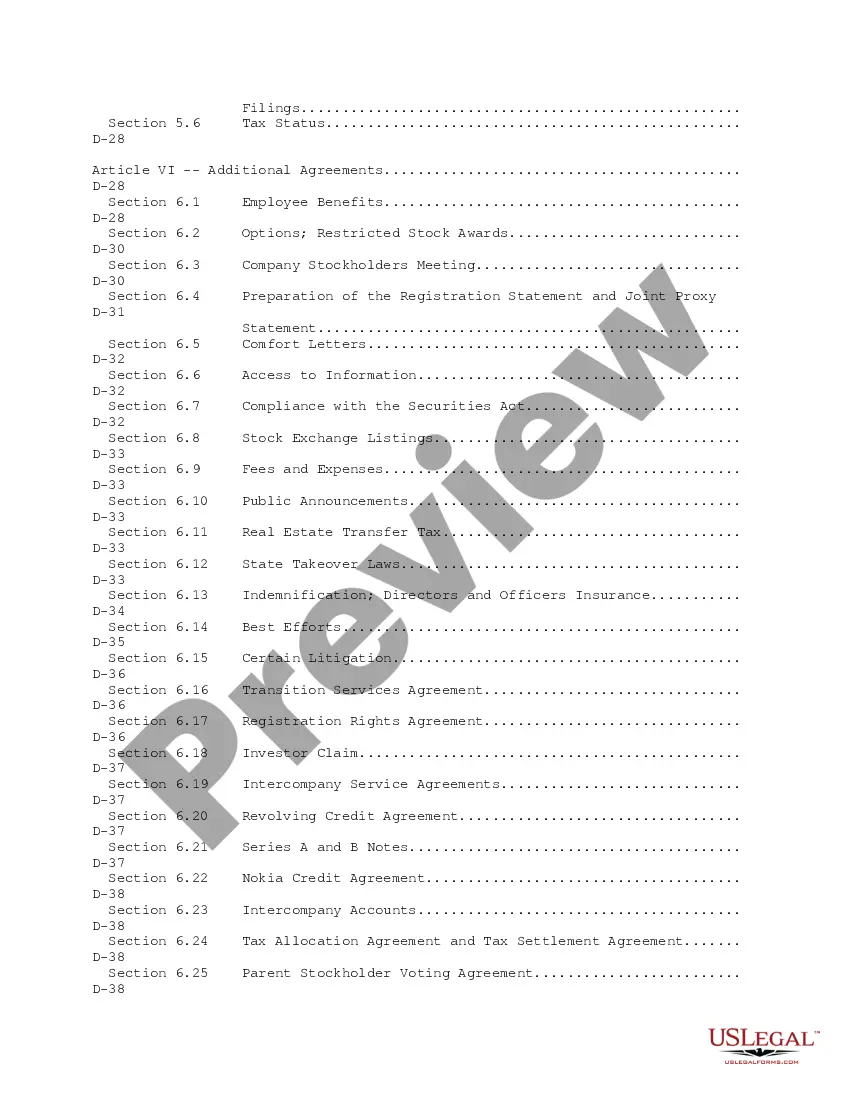

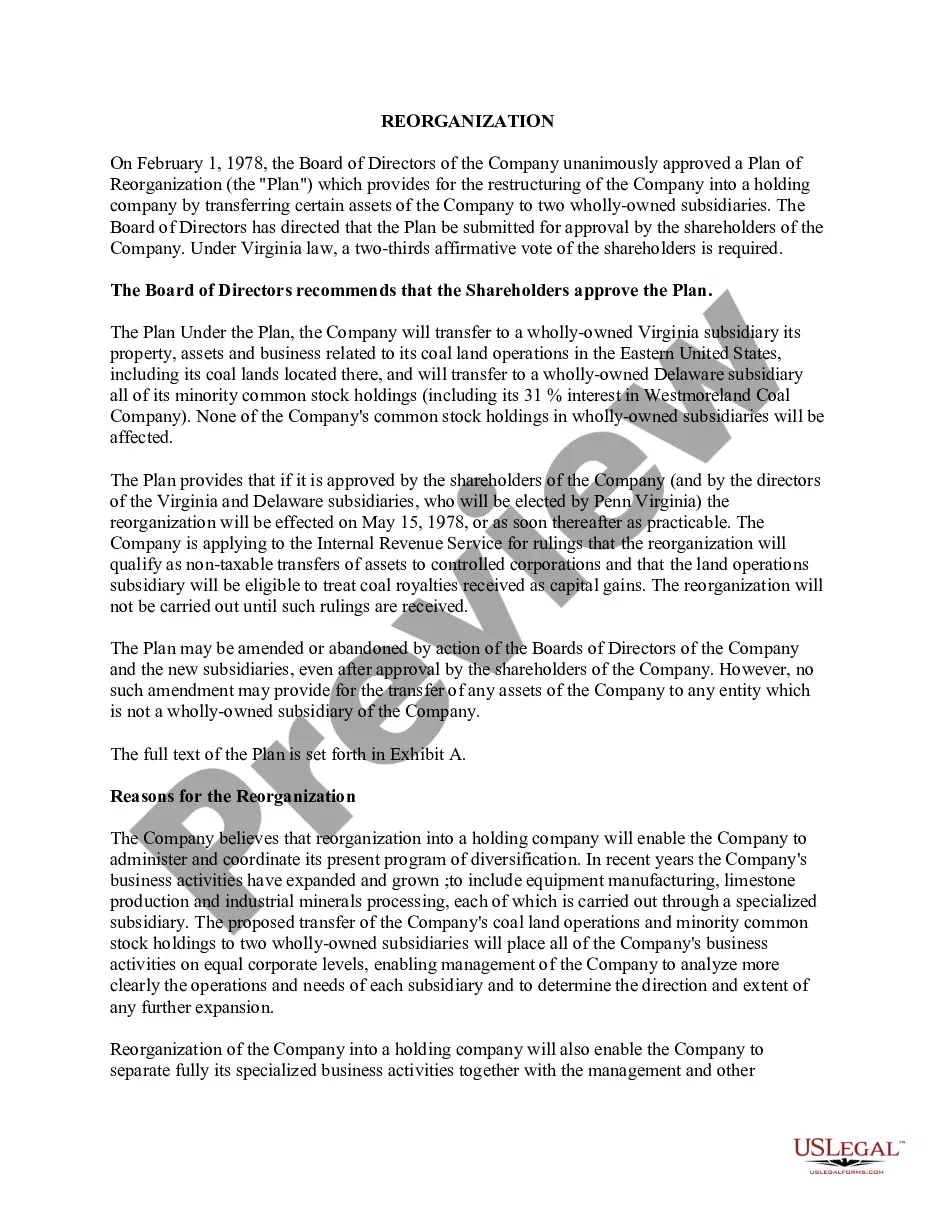
Get your form ready online
Our built-in tools help you complete, sign, share, and store your documents in one place.
Make edits, fill in missing information, and update formatting in US Legal Forms—just like you would in MS Word.
Download a copy, print it, send it by email, or mail it via USPS—whatever works best for your next step.
Sign and collect signatures with our SignNow integration. Send to multiple recipients, set reminders, and more. Go Premium to unlock E-Sign.
If this form requires notarization, complete it online through a secure video call—no need to meet a notary in person or wait for an appointment.
We protect your documents and personal data by following strict security and privacy standards.

Make edits, fill in missing information, and update formatting in US Legal Forms—just like you would in MS Word.

Download a copy, print it, send it by email, or mail it via USPS—whatever works best for your next step.

Sign and collect signatures with our SignNow integration. Send to multiple recipients, set reminders, and more. Go Premium to unlock E-Sign.

If this form requires notarization, complete it online through a secure video call—no need to meet a notary in person or wait for an appointment.

We protect your documents and personal data by following strict security and privacy standards.
Looking for another form?
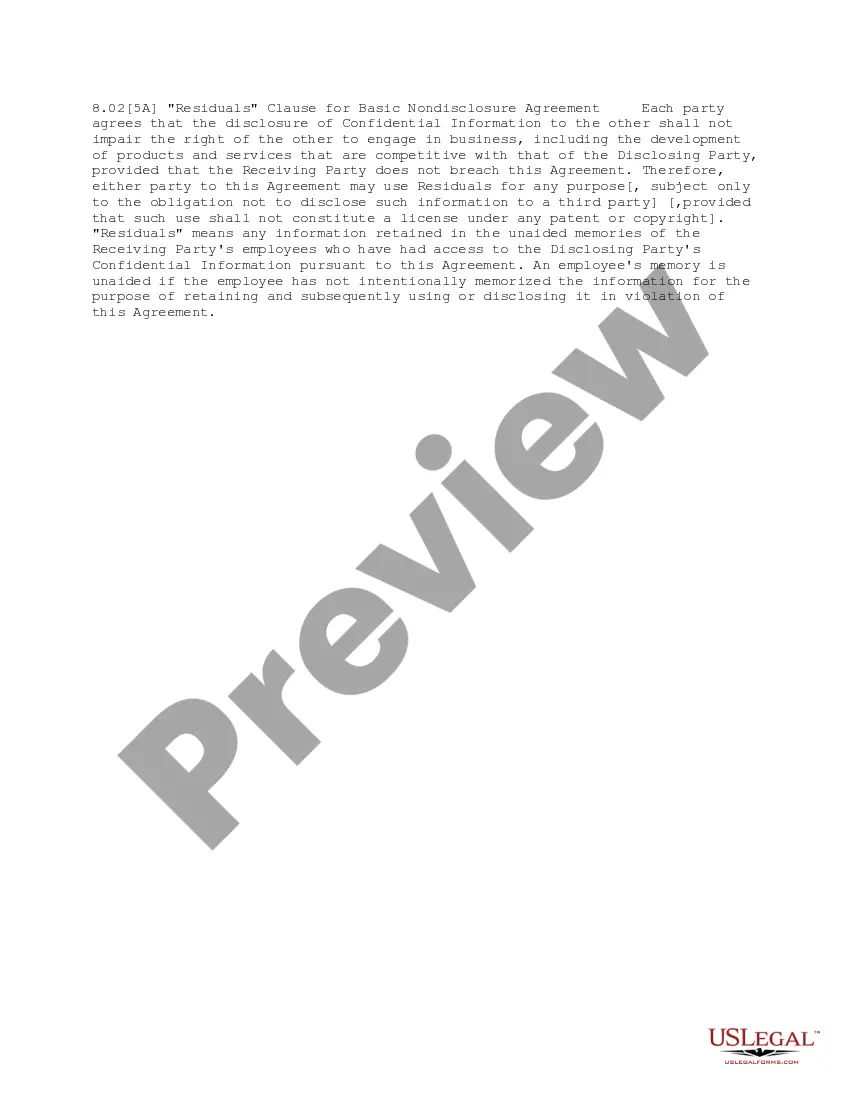



How to fill out Plan Of Reorganization Among Voicestream Wireless Corp., Voicestream Wireless Holding Corporation?
Managing legal documents and processes can be a labor-intensive addition to your daily schedule.
Holding Company Regulations and similar forms typically necessitate that you locate them and comprehend how to fill them out accurately.
Consequently, regardless of whether you are handling financial, legal, or personal issues, utilizing a comprehensive and user-friendly online repository of forms readily available will greatly assist you.
US Legal Forms is the premier online resource for legal templates, featuring over 85,000 state-specific documents and a variety of tools to help you complete your paperwork effortlessly.
Is it your first time using US Legal Forms? Register and establish your account in just a few minutes, and you will have access to the form library and Holding Company Regulations. Then, follow the steps below to complete your form.
- Explore the collection of pertinent documents accessible to you with just a single click.
- US Legal Forms provides state- and county-specific documents available at any time for download.
- Safeguard your document management tasks by using a high-quality service that enables you to prepare any form in minutes without incurring additional or concealed charges.
- Simply Log In to your account, find Holding Company Regulations, and obtain it instantly in the My documents section.
- You can also access forms you have previously saved.
Form popularity
FAQ
The objective of a holding company is to optimize investment strategies while minimizing risk. It aims to create value by effectively managing subsidiaries and diversifying investments. By following holding company rules, the objective remains focused on enhancing overall corporate structure and maximizing returns.
The main purpose of a holding company is to manage and control investments in various companies or assets. It allows for strategic oversight while limiting risk through asset protection. By adhering to holding company rules, businesses can achieve financial efficiency and unlock opportunities for growth and innovation.
One limitation of a holding company is its inability to directly operate the businesses it owns, as it must abide by holding company rules. Additionally, the regulatory environment can restrict certain business actions, and financial stability can depend on the performance of its subsidiaries. Therefore, economic downturns affecting subsidiaries can impact the holding company adversely.
Yes, a holding company can own 100% of another company, which is often referred to as a wholly-owned subsidiary. This ownership creates a strong link, making it easier to manage the subsidiary according to specific holding company rules. Complete ownership allows for total control over decision-making and strategic direction.
A holding company cannot actively participate in the daily operations of the subsidiaries it owns. According to holding company rules, it mainly functions as an owner of assets rather than as a business operator. This definition limits its ability to generate income directly, emphasizing the importance of its subsidiaries' performance.
The point of a holding company is to own shares in other companies, allowing for consolidated management and control. By using holding company rules, businesses can streamline their operations and reduce risk. This structure helps protect assets while achieving strategic goals, such as diversification or expansion.
To get started with your holding company, begin by researching holding company rules that apply in your jurisdiction. Next, draft a clear business plan outlining your objectives and expected investments. You can form your holding company by registering it with the appropriate state authority, ensuring compliance with all legal requirements. Leveraging resources from US Legal Forms can help streamline the registration process and provide the necessary documentation.
To turn your LLC into a holding company, you must first ensure that it meets the holding company rules established by state laws. This typically involves restructuring your operating agreement, if necessary, to reflect its new purpose. Additionally, you may need to set up subsidiaries, manage assets appropriately, and maintain separate accounting records. Consulting legal experts or using platforms like US Legal Forms can simplify this transition.
The downsides of holding companies can include increased administrative burdens and potential regulatory scrutiny. Additionally, a holding company may create layers of complexity that complicate investment strategies. If managed poorly, it could lead to financial inefficiencies. Being informed about holding company rules is vital for mitigating these risks and ensuring a streamlined operation.
A holding company typically holds a controlling interest in its subsidiaries, which is usually defined as owning more than 50% of the shares. However, in some cases, a holding company may also maintain significant minority interests for strategic reasons. Understanding holding company rules is key to determining the right ownership percentage that balances control and risk. This approach allows flexibility in managing your investments.