Debt Stating Forbidden
Description
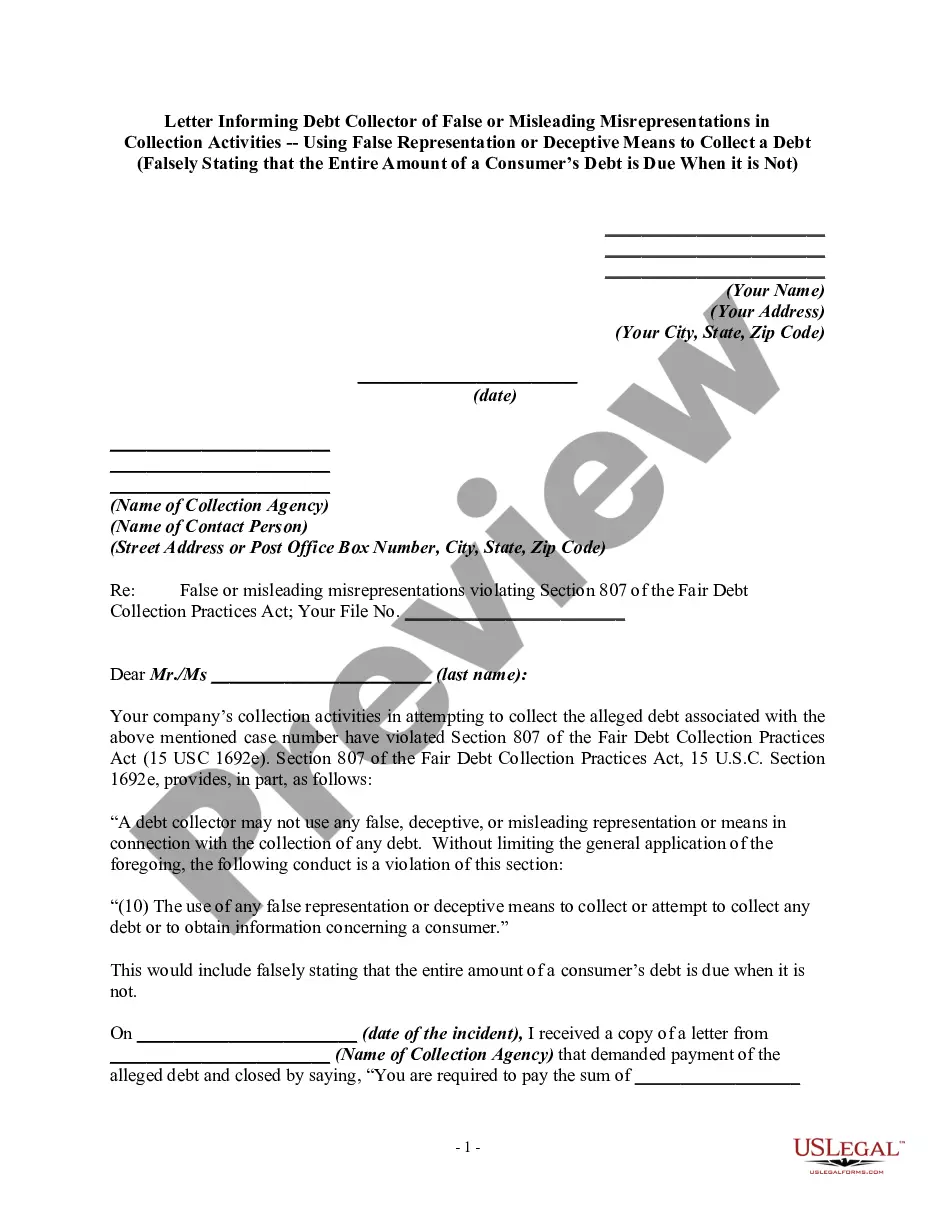
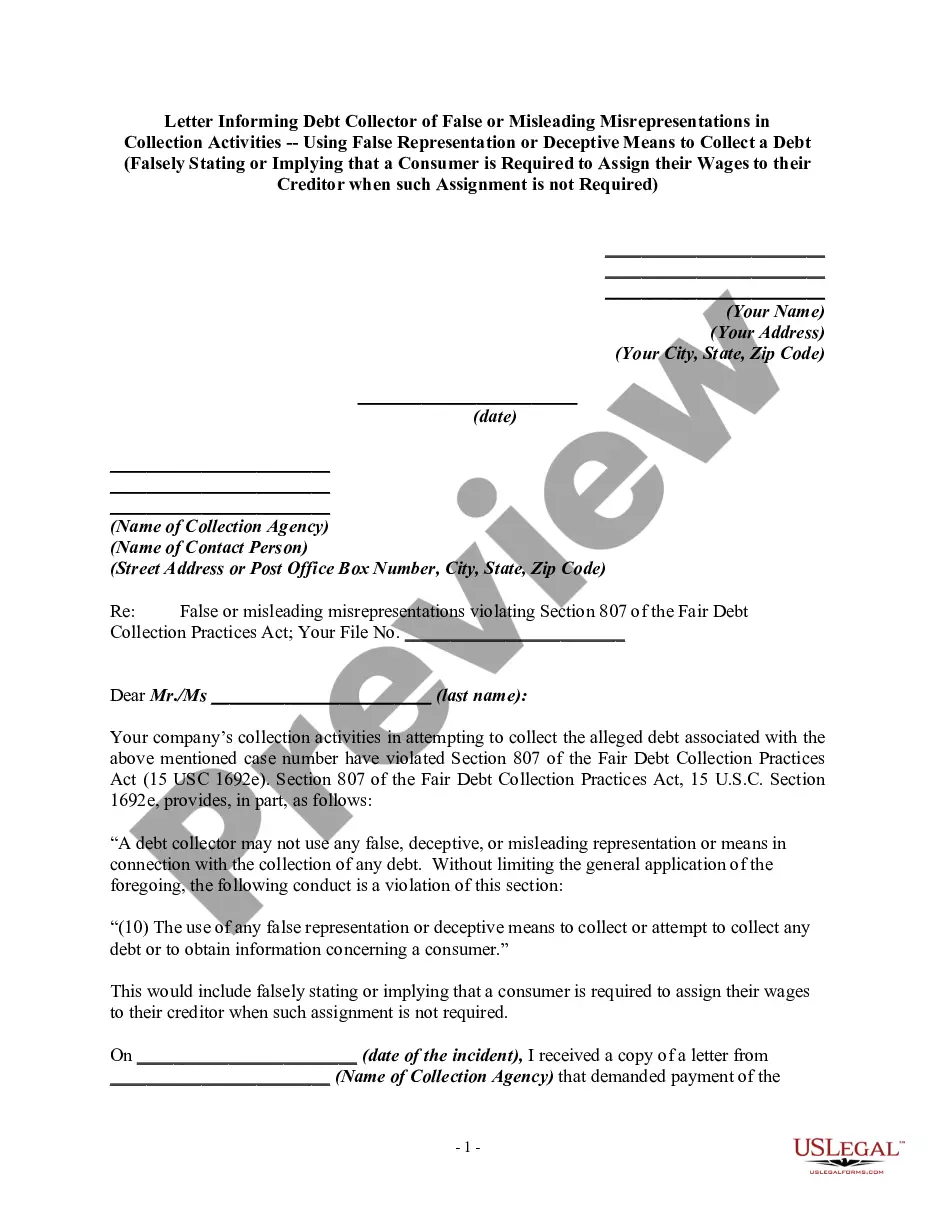
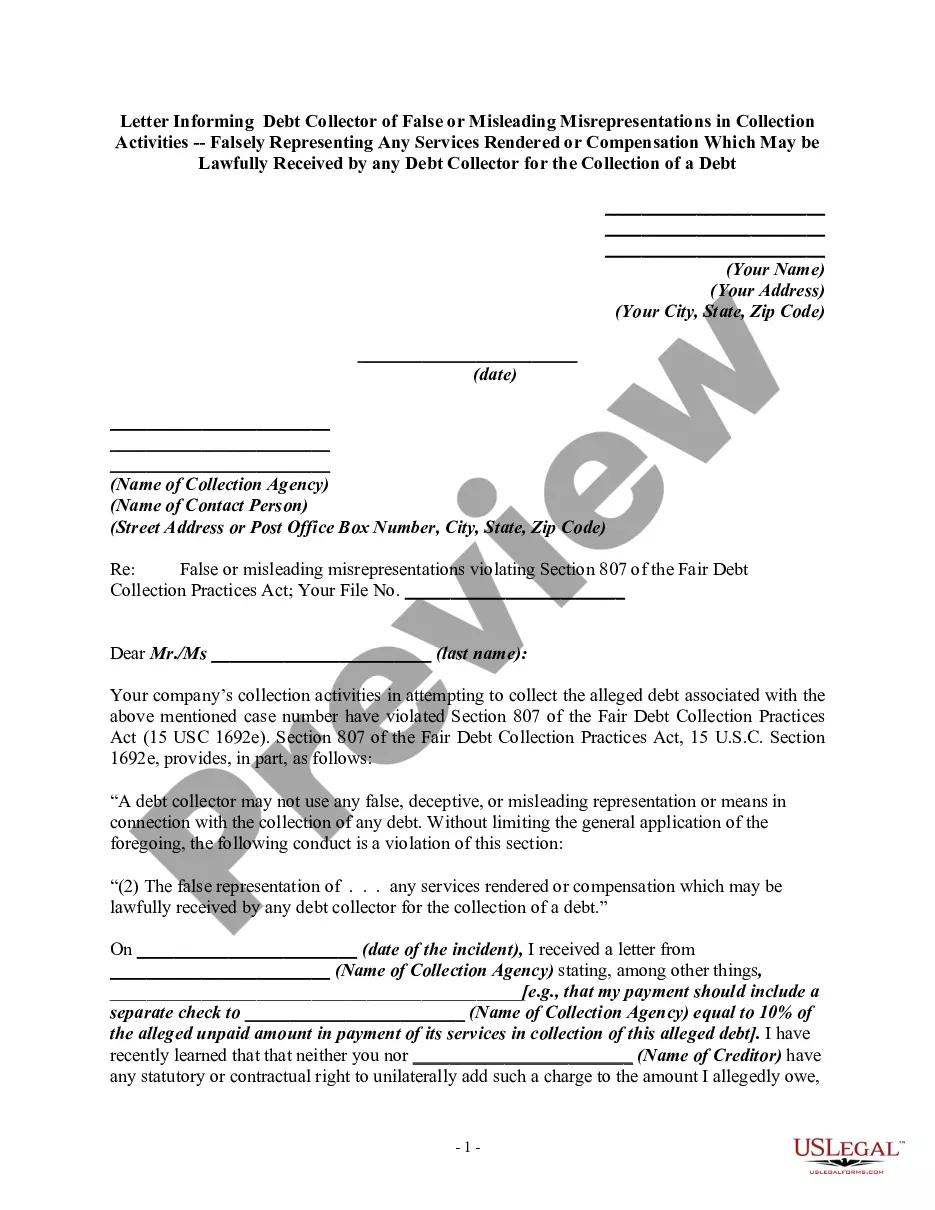
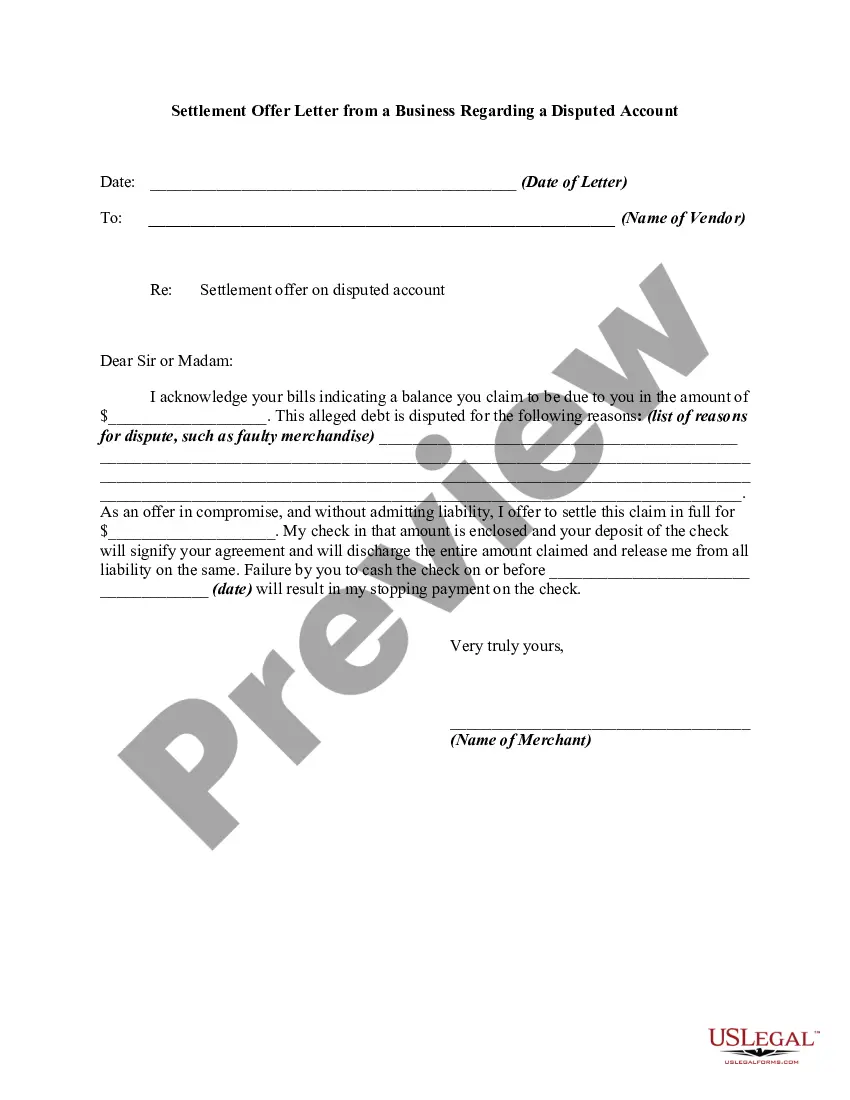
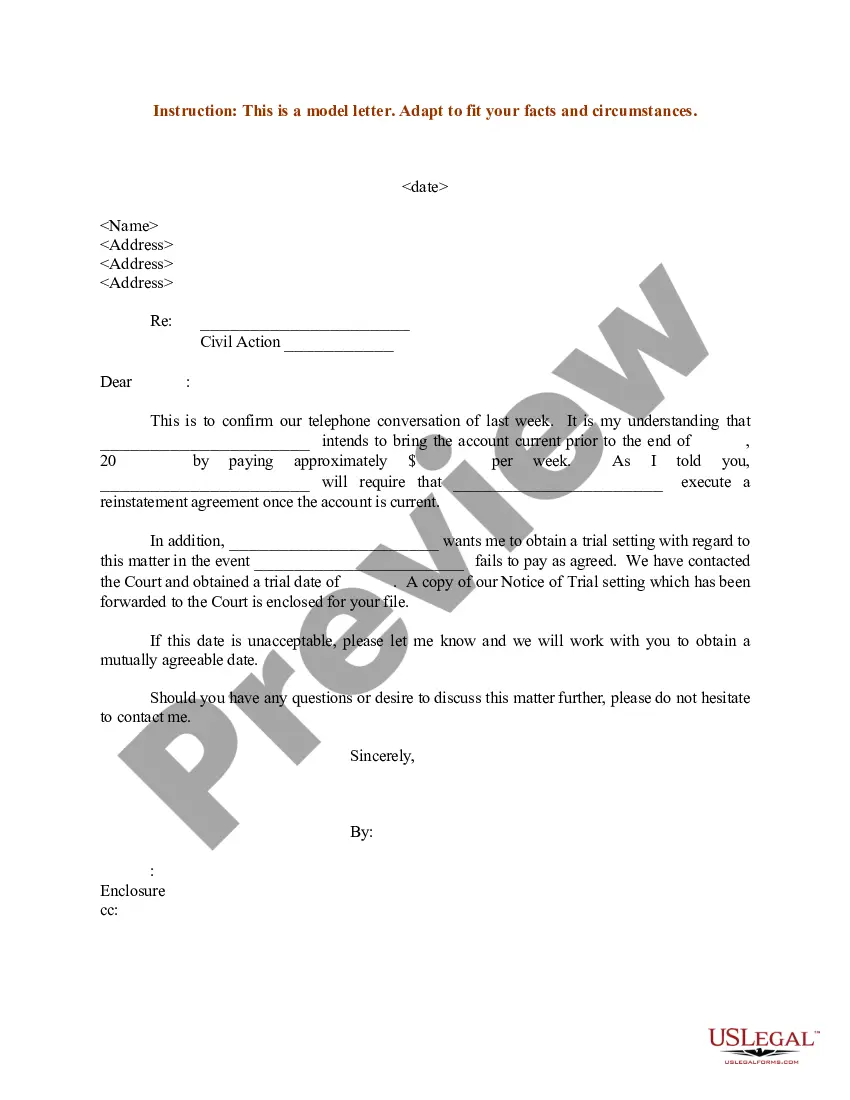
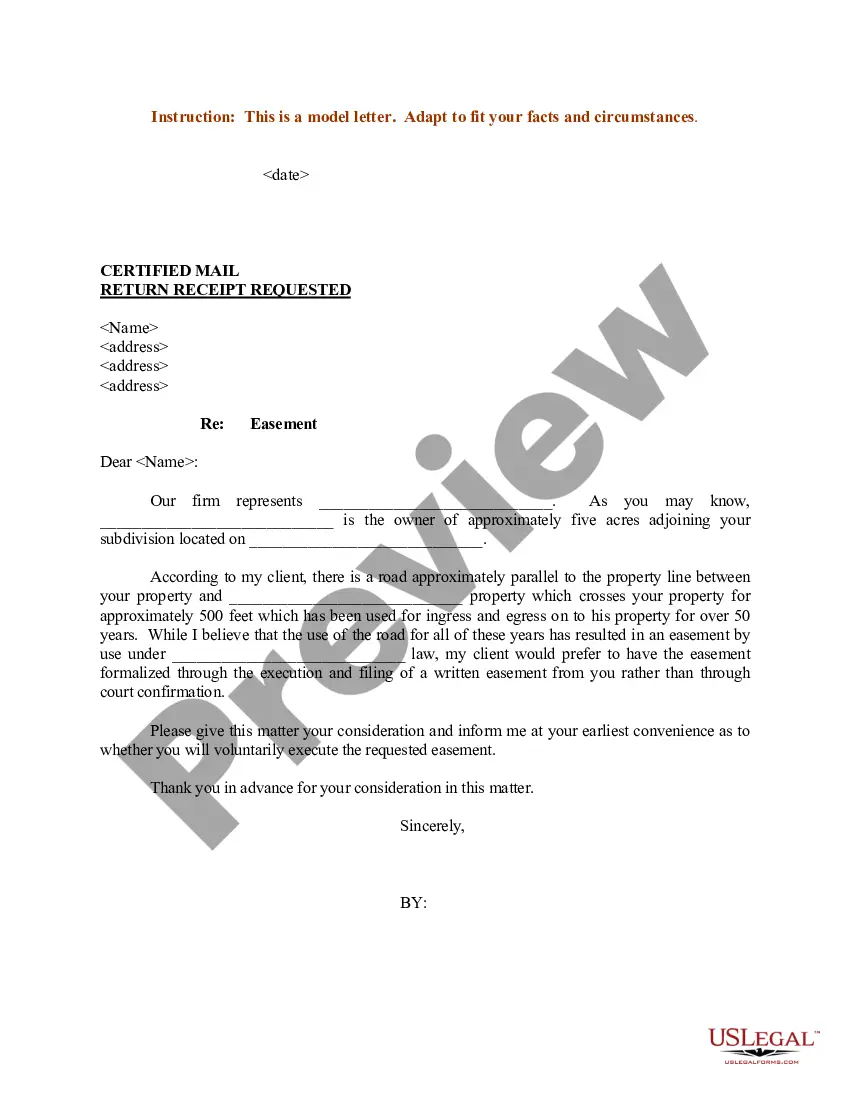
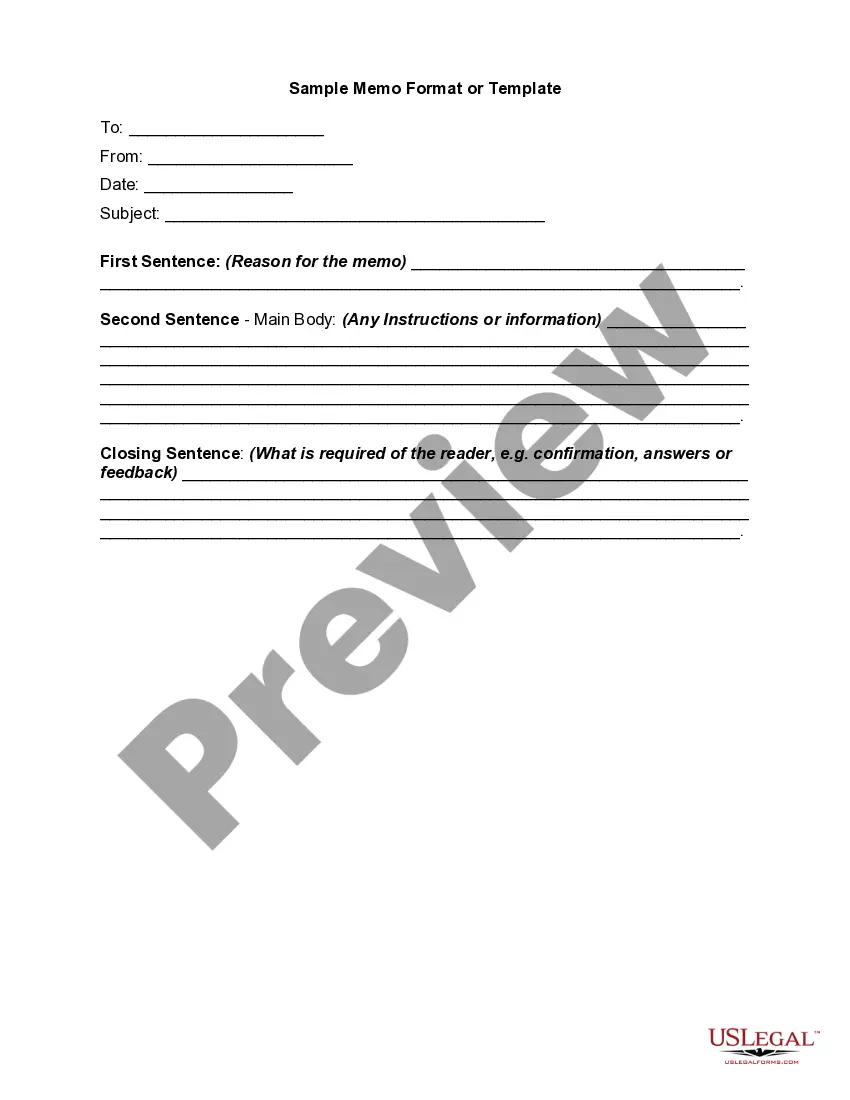
How to fill out Letter Informing Debt Collector Of False Or Misleading Misrepresentations In Collection Activities - Using False Representation Or Deceptive Means To Collect A Debt - Falsely Stating That The Entire Amount Of A Consumer's Debt Is Due When It Is Not?
Regardless of whether it is for commercial intentions or personal issues, everyone inevitably has to deal with legal matters at some point in their lifetime.
Filling out legal paperwork requires meticulous care, starting with selecting the correct template sample. For example, if you choose an incorrect version of the Debt Stating Forbidden, it will be rejected when you submit it.
With a comprehensive US Legal Forms catalog at your fingertips, you no longer have to waste time searching for the right template online. Take advantage of the library’s user-friendly navigation to find the correct template for any circumstance.
- Search for the template you require using the search feature or catalog browsing.
- Review the form’s description to ensure it aligns with your situation, state, and county.
- Click on the form’s preview for review.
- If it’s not the right document, return to the search tool to find the Debt Stating Forbidden sample that you need.
- Download the file if it fulfills your criteria.
- If you already possess a US Legal Forms account, simply click Log in to retrieve previously saved documents in My documents.
- If you do not yet have an account, you can acquire the form by clicking Buy now.
- Select the suitable pricing choice.
- Fill out the profile registration form.
- Choose your payment method: you can utilize a credit card or a PayPal account.
- Select the document format you prefer and download the Debt Stating Forbidden.
- Once it has been downloaded, you can either complete the form using editing software or print it out and finish it by hand.
Form popularity
FAQ
The following sellers/properties are exempted from the disclosure law: (a) New construction that has never been occupied; (b) Sales by a financial institutions (or by foreclosure or deed-in-lieu of foreclosure); (c) Sales/transfers by a governmental agency; or (d) Sales by receivers, personal representatives, trustees, ...
Under the seller's property disclosure statute, any professional inspection done within three years of the date of the disclosure must be disclosed. The disclosure is one of those that require additional explanation or documentation.
ORS 105.464 sets forth a form of disclosure statement that, subject to limited exceptions, all sellers of Oregon residential property must complete. The disclosure statement consists of 50+ questions about the property being offered for sale.
It is critical to be truthful when making disclosures to home buyers. If you fail to disclose a known defect in your Oregon home, the buyer could sue you for fraud. Among other potential remedies, the buyer might seek to rescind the transaction or sue for monetary damages.
A purchase and sale agreement, or PSA, is a document that is written up and signed after a buyer and seller mutually agree on the price and terms of a real estate transaction.
At its most basic, a purchase agreement should include the following: Name and contact information for buyer and seller. The address of the property being sold. The price to be paid for the property. The date of transfer. Disclosures. Contingencies. Signatures.
Yes, the seller is required to disclose any previous inspection reports to the buyer. This information must be provided within 10 days of the buyer's receiving a purchase offer for the property.
Oregon Death Disclosure Oregon does not require discloser of death on a property. The state specifies deaths and violent crimes as facts that "do not adversely affect the physical condition" of a property.