Collector Harassment Means For The Workplace
Description
Get your form ready online
Our built-in tools help you complete, sign, share, and store your documents in one place.
Make edits, fill in missing information, and update formatting in US Legal Forms—just like you would in MS Word.
Download a copy, print it, send it by email, or mail it via USPS—whatever works best for your next step.
Sign and collect signatures with our SignNow integration. Send to multiple recipients, set reminders, and more. Go Premium to unlock E-Sign.
If this form requires notarization, complete it online through a secure video call—no need to meet a notary in person or wait for an appointment.
We protect your documents and personal data by following strict security and privacy standards.

Make edits, fill in missing information, and update formatting in US Legal Forms—just like you would in MS Word.

Download a copy, print it, send it by email, or mail it via USPS—whatever works best for your next step.

Sign and collect signatures with our SignNow integration. Send to multiple recipients, set reminders, and more. Go Premium to unlock E-Sign.

If this form requires notarization, complete it online through a secure video call—no need to meet a notary in person or wait for an appointment.

We protect your documents and personal data by following strict security and privacy standards.
Looking for another form?
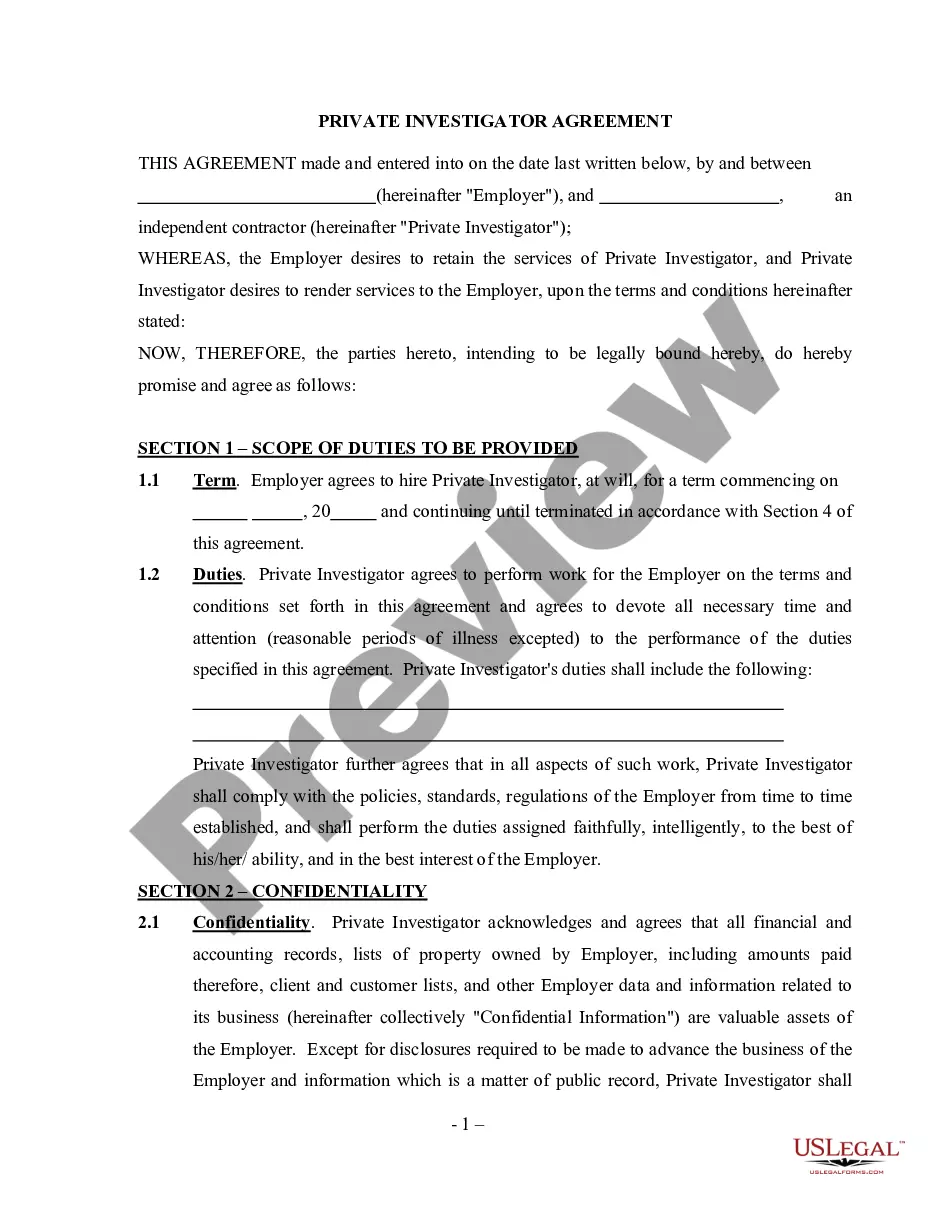

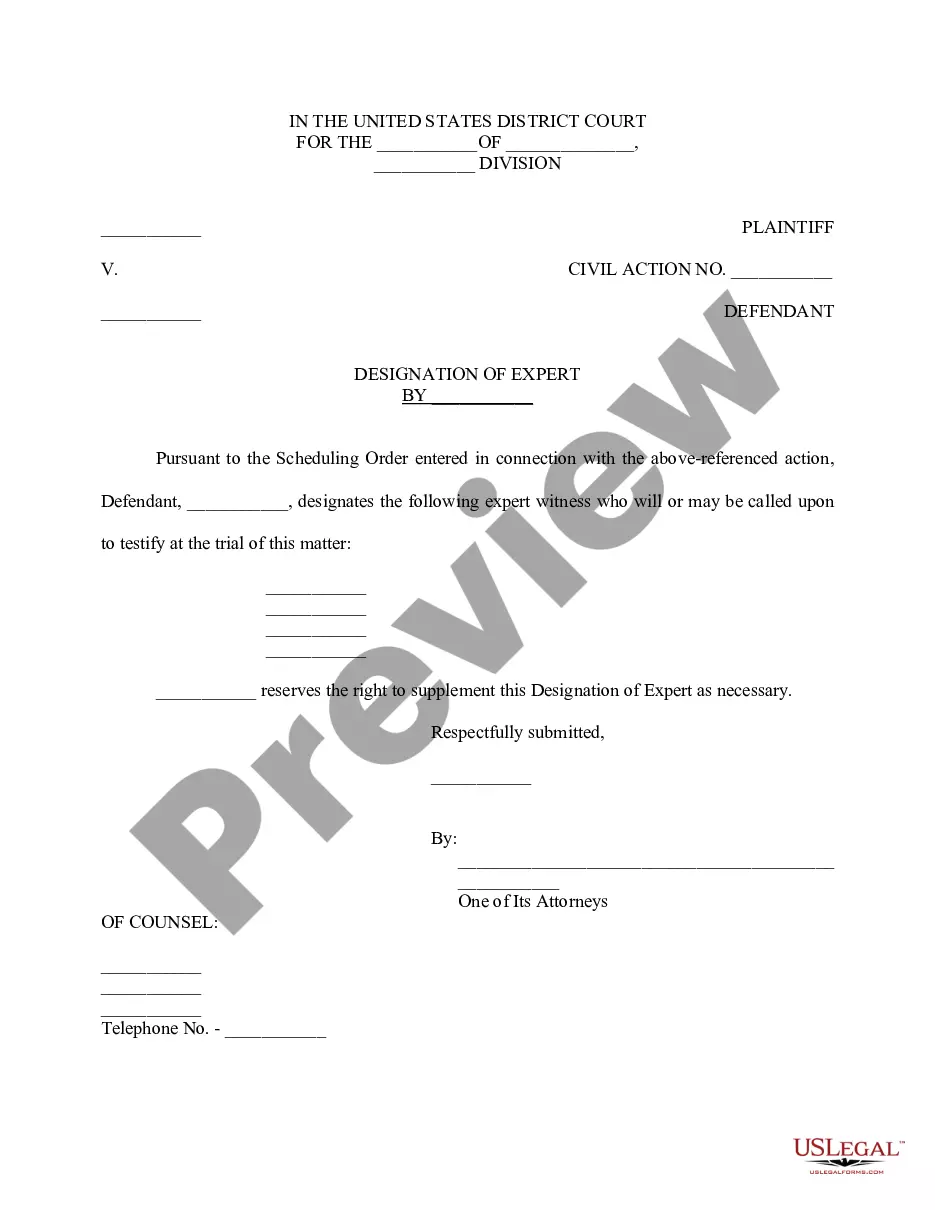
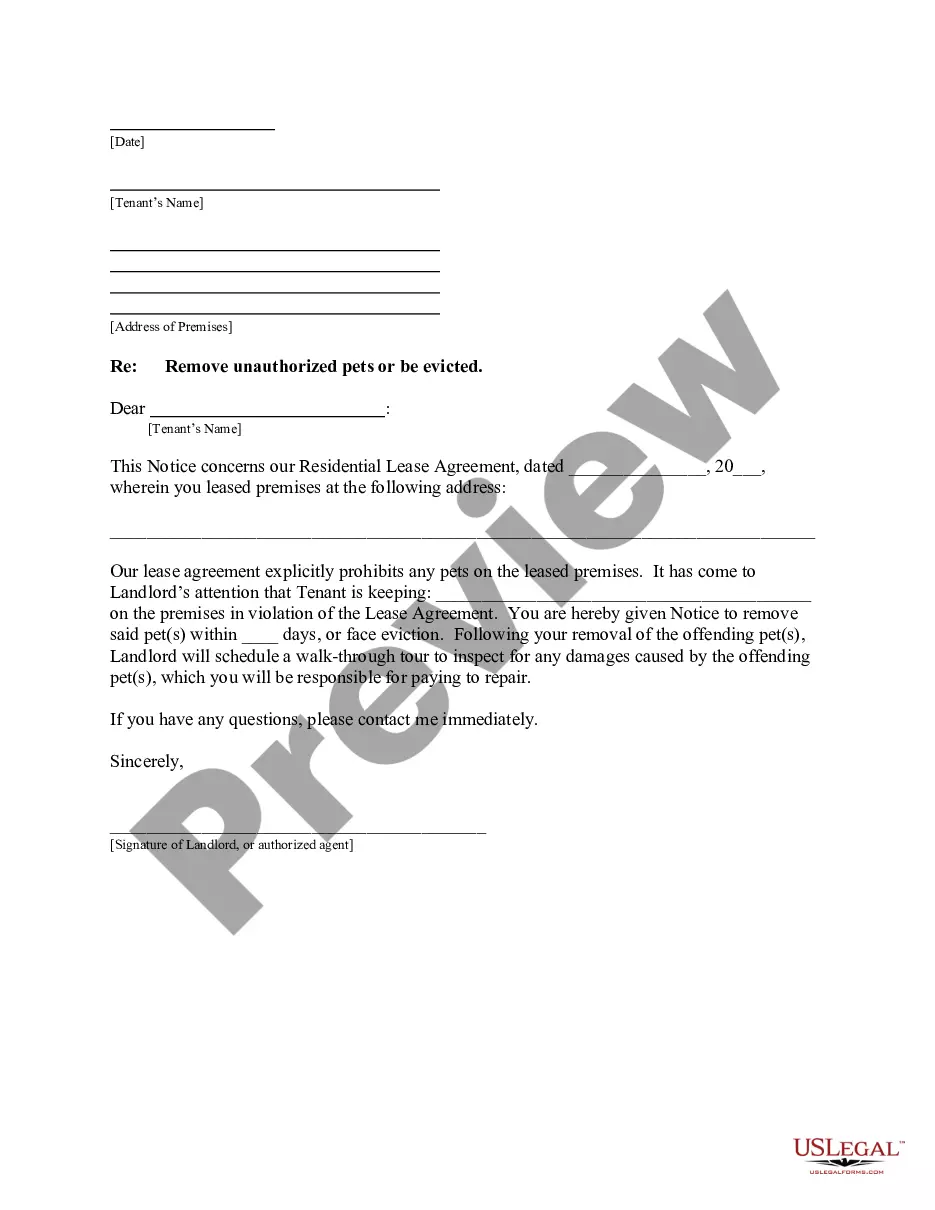

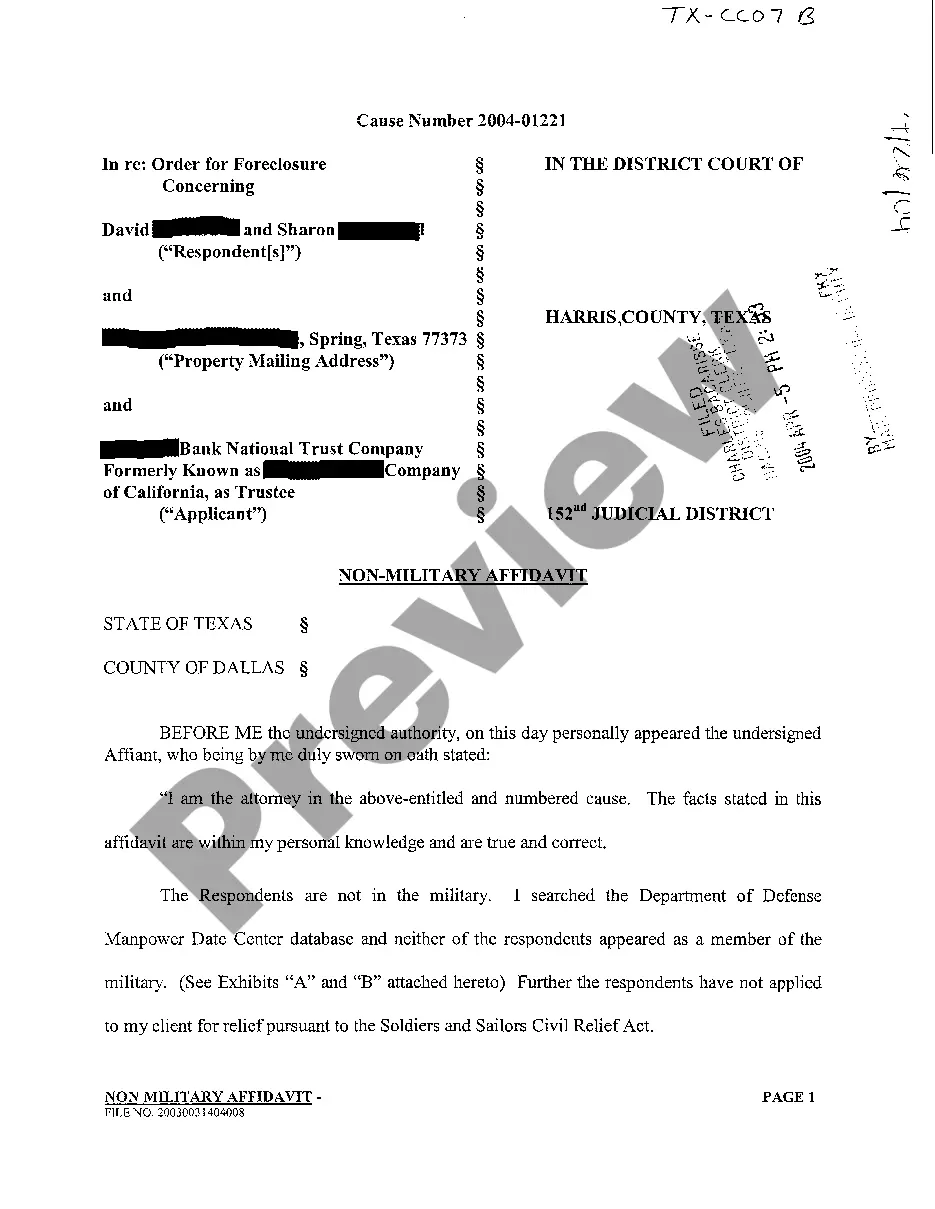

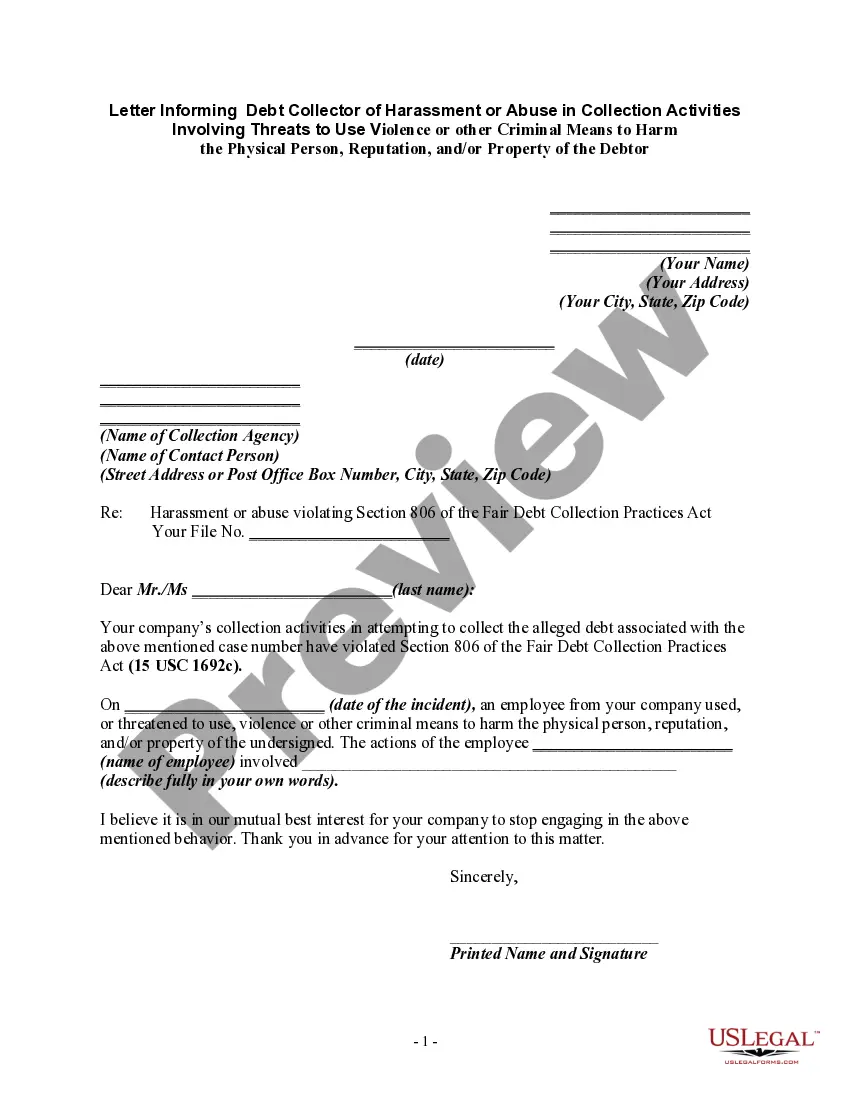
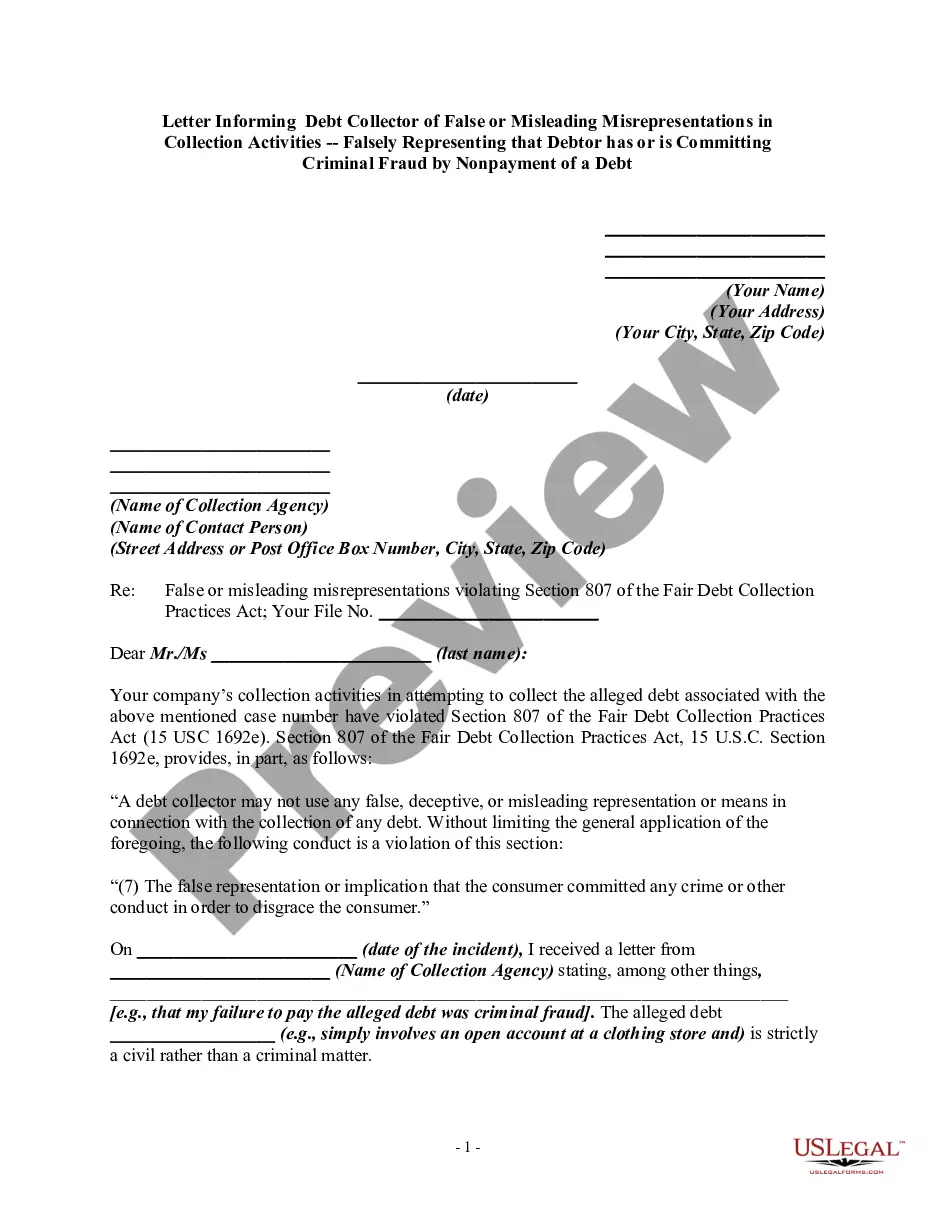
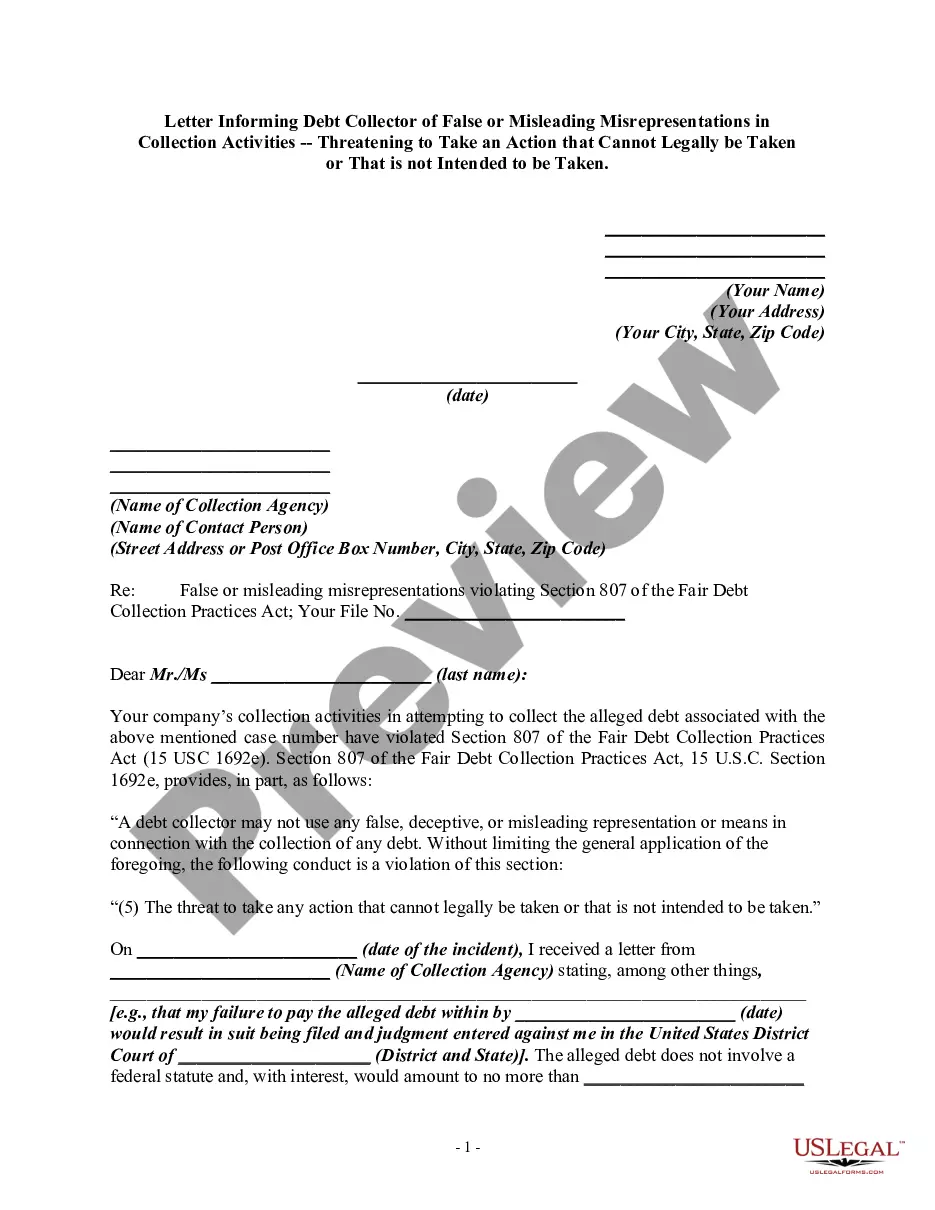
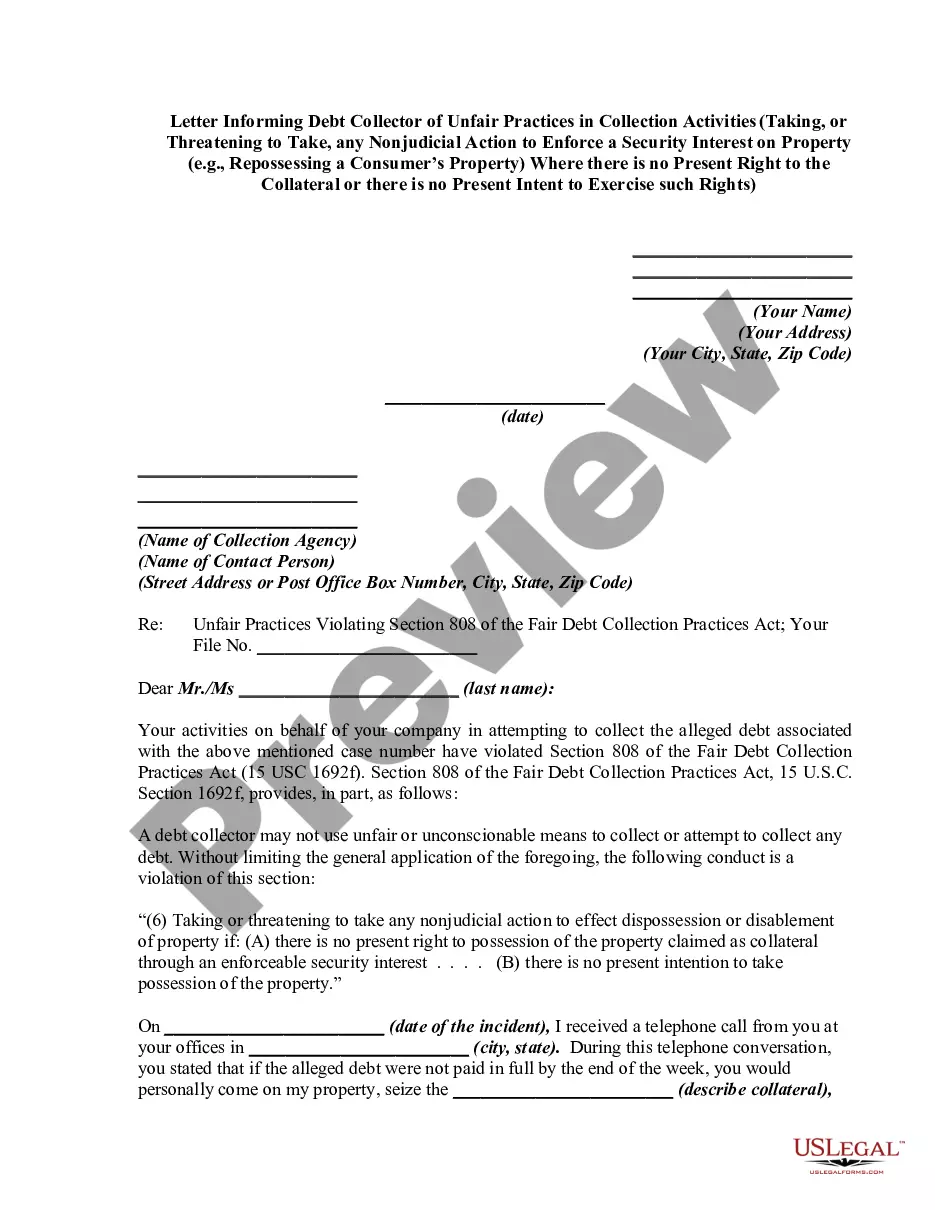
How to fill out Letter Informing Debt Collector Of Harassment Or Abuse In Collection Activities Involving Threats To Use Violence Or Other Criminal Means To Harm The Physical Person, Reputation, And/or Property Of The Debtor?
The Collector Harassment Guidelines For The Workplace you observe on this page is a versatile legal framework created by expert attorneys in accordance with federal and local laws.
For over 25 years, US Legal Forms has supplied individuals, entities, and lawyers with more than 85,000 validated, state-specific documents for any commercial and personal circumstance. It’s the fastest, simplest, and most reliable method to acquire the papers you require, as the service ensures the utmost level of data protection and anti-malware safeguards.
Choose the format you desire for your Collector Harassment Guidelines For The Workplace (PDF, DOCX, RTF) and store the sample on your device.
- Search for the document you require and examine it.
- Browse through the file you searched and preview it or review the form description to confirm it meets your needs. If it doesn’t, use the search bar to locate the correct one. Click Buy Now once you have discovered the template you require.
- Register and Log In.
- Select the pricing plan that fits you and create an account. Utilize PayPal or a credit card to make a swift payment. If you already possess an account, Log In and verify your subscription to proceed.
- Obtain the fillable template.
Form popularity
FAQ
If you decide to sue a debt collector for harassment, you may be entitled to recover damages. The Fair Debt Collection Practices Act allows you to seek actual damages, statutory damages up to $1,000, and attorney fees. Depending on the severity and extent of the harassment, the amount can vary. Consulting with legal professionals can guide you on the best approach to take action regarding collector harassment means for the workplace.
When facing harassment from a debt collector, start by documenting every interaction. You can also request validation of the debt to ensure its legitimacy, which can often deter further harassment. If the behavior continues, consider consulting legal resources or using platforms like US Legal Forms to access templates for necessary legal documentation. These actions can help you address collector harassment means for the workplace effectively.
If a collection agency is harassing you, it’s crucial to remain calm and informed. Document all interactions and consider sending a cease-and-desist letter to formally request an end to the harassment. Additionally, you can report the agency to the Consumer Financial Protection Bureau or your state’s attorney general. Taking these steps can help protect your rights and alleviate stress from collector harassment means for the workplace.
The 7 7 7 rule for collections refers to a guideline that suggests that after seven days of non-payment, a collector can initiate contact. After another seven days, they can escalate their efforts, and after a final seven days, they may take further legal actions. Understanding this rule can help you navigate collector harassment means for the workplace. Knowledge of these timelines can empower you to respond appropriately.
To establish that collector harassment means for the workplace has occurred, you need to gather relevant evidence. This may include records of communications, notes documenting incidents, and witness statements. It’s important to maintain a detailed account of any harassment incidents to support your claims. Collecting this information can help you take further action if necessary.
You can also say you'll take legal action if there is any further harassment. You can request the collector only contact you in writing or through your lawyer. They're legally obliged to cooperate. Also, consider sending a written letter outlining your proposal for paying back the debt.
On the other hand, here's what you shouldn't do. Don't give a collector any personal financial information, make a "good faith" payment, make promises to pay, or admit the debt is valid.
You can make a complaint with the Financial Consumer Agency of Canada. Contact the Financial Consumer Agency of Canada. If your creditor sold your debt to a collection agency, you can make a complaint with your consumer affairs office. Find the consumer affairs office in your province or territory.
They also give consumers the right to file a complaint against a debt collector if they believe they have been harassed. Besides these Acts, there are several Supreme Court judgements as well as RBI guidelines which protect the borrowers from any harassment.
When It's Not Your Debt Write a letter disputing the debt. You have 30 days after receiving a collection notice to dispute a debt in writing. ... Dispute the debt on your credit report. ... Lodge a complaint. ... Respond to a lawsuit. ... Hire an attorney.