Veterinary Ophthalmology
Description
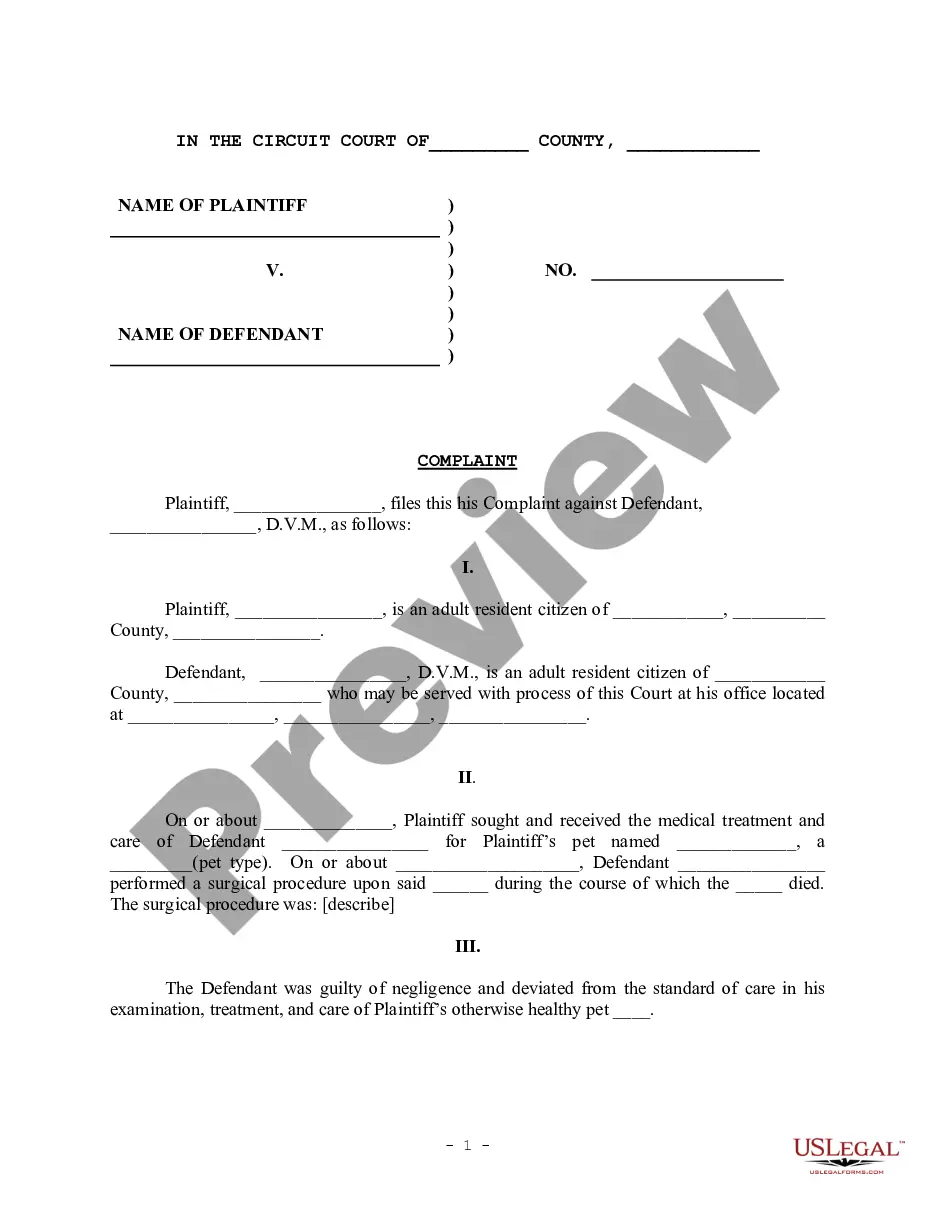
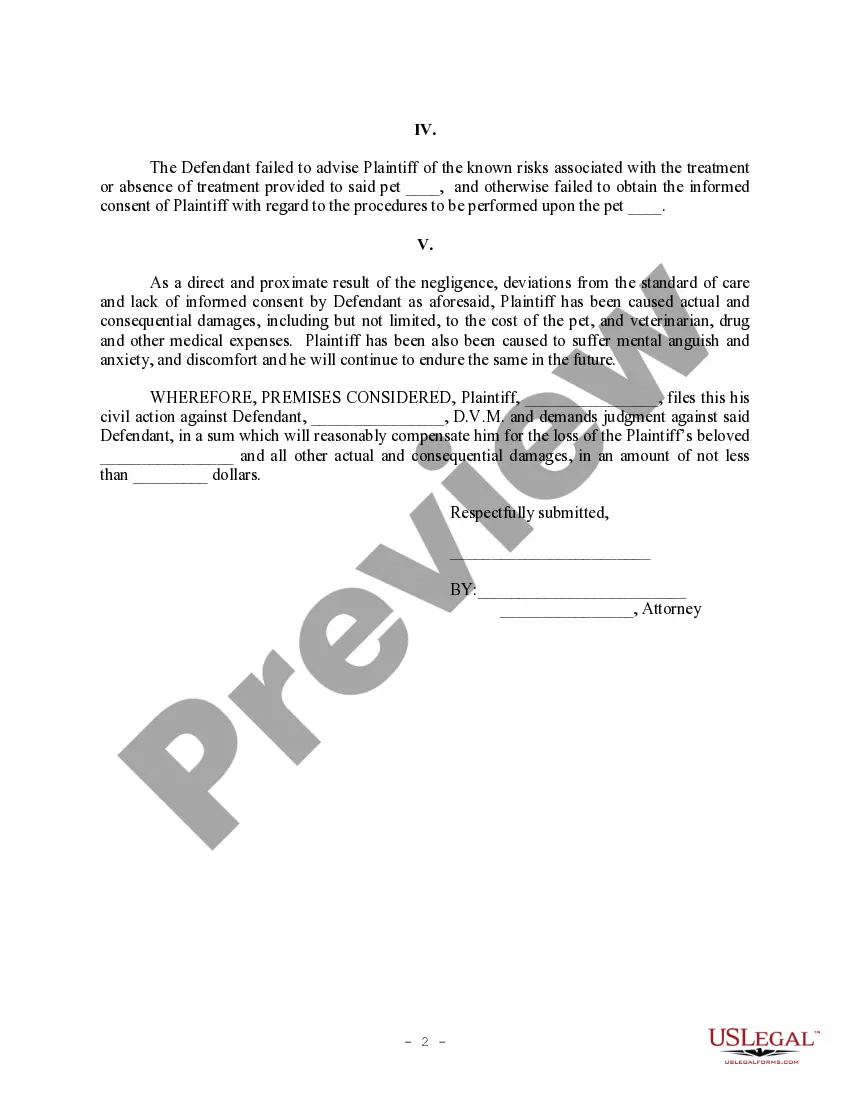
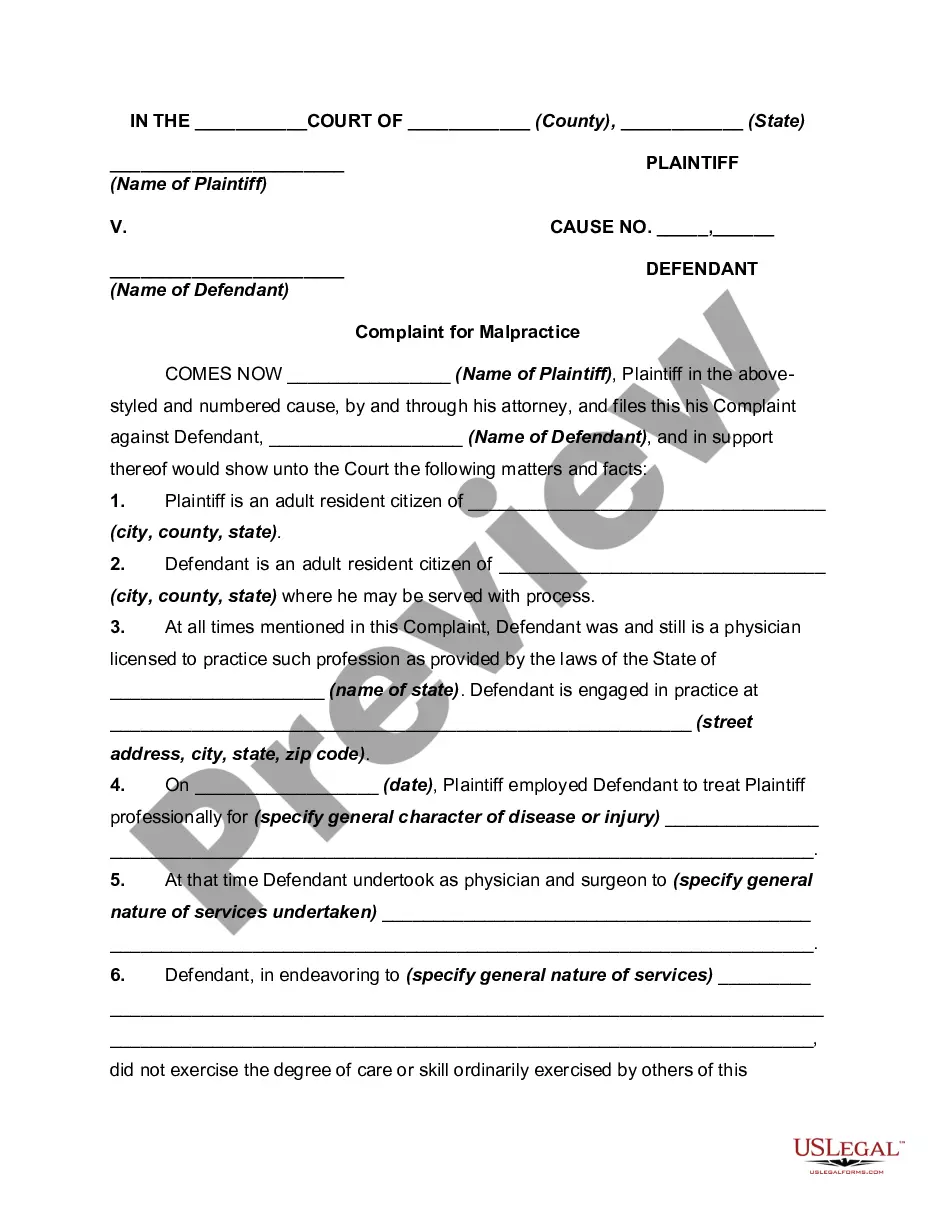
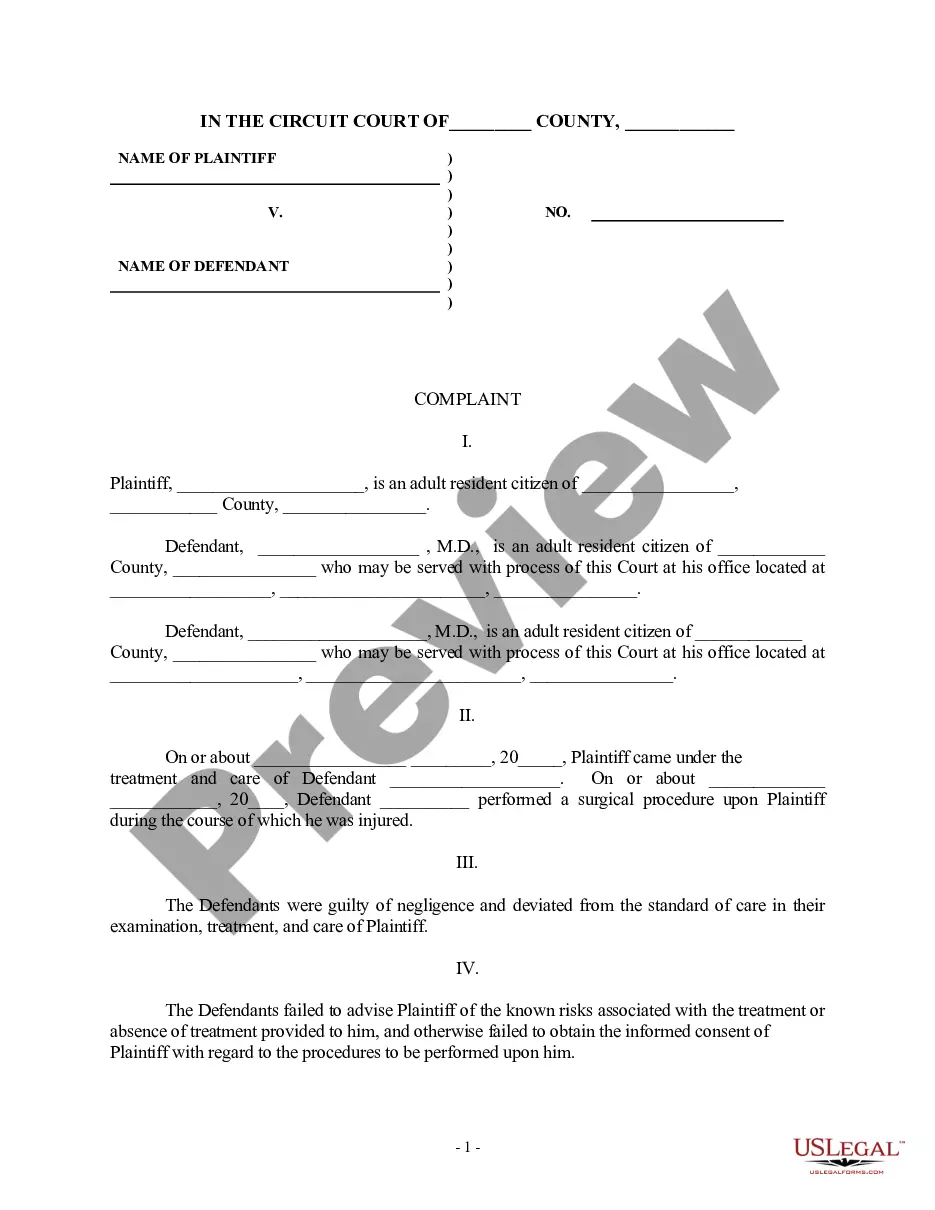
Get your form ready online
Our built-in tools help you complete, sign, share, and store your documents in one place.
Make edits, fill in missing information, and update formatting in US Legal Forms—just like you would in MS Word.
Download a copy, print it, send it by email, or mail it via USPS—whatever works best for your next step.
Sign and collect signatures with our SignNow integration. Send to multiple recipients, set reminders, and more. Go Premium to unlock E-Sign.
If this form requires notarization, complete it online through a secure video call—no need to meet a notary in person or wait for an appointment.
We protect your documents and personal data by following strict security and privacy standards.

Make edits, fill in missing information, and update formatting in US Legal Forms—just like you would in MS Word.

Download a copy, print it, send it by email, or mail it via USPS—whatever works best for your next step.

Sign and collect signatures with our SignNow integration. Send to multiple recipients, set reminders, and more. Go Premium to unlock E-Sign.

If this form requires notarization, complete it online through a secure video call—no need to meet a notary in person or wait for an appointment.

We protect your documents and personal data by following strict security and privacy standards.
Looking for another form?
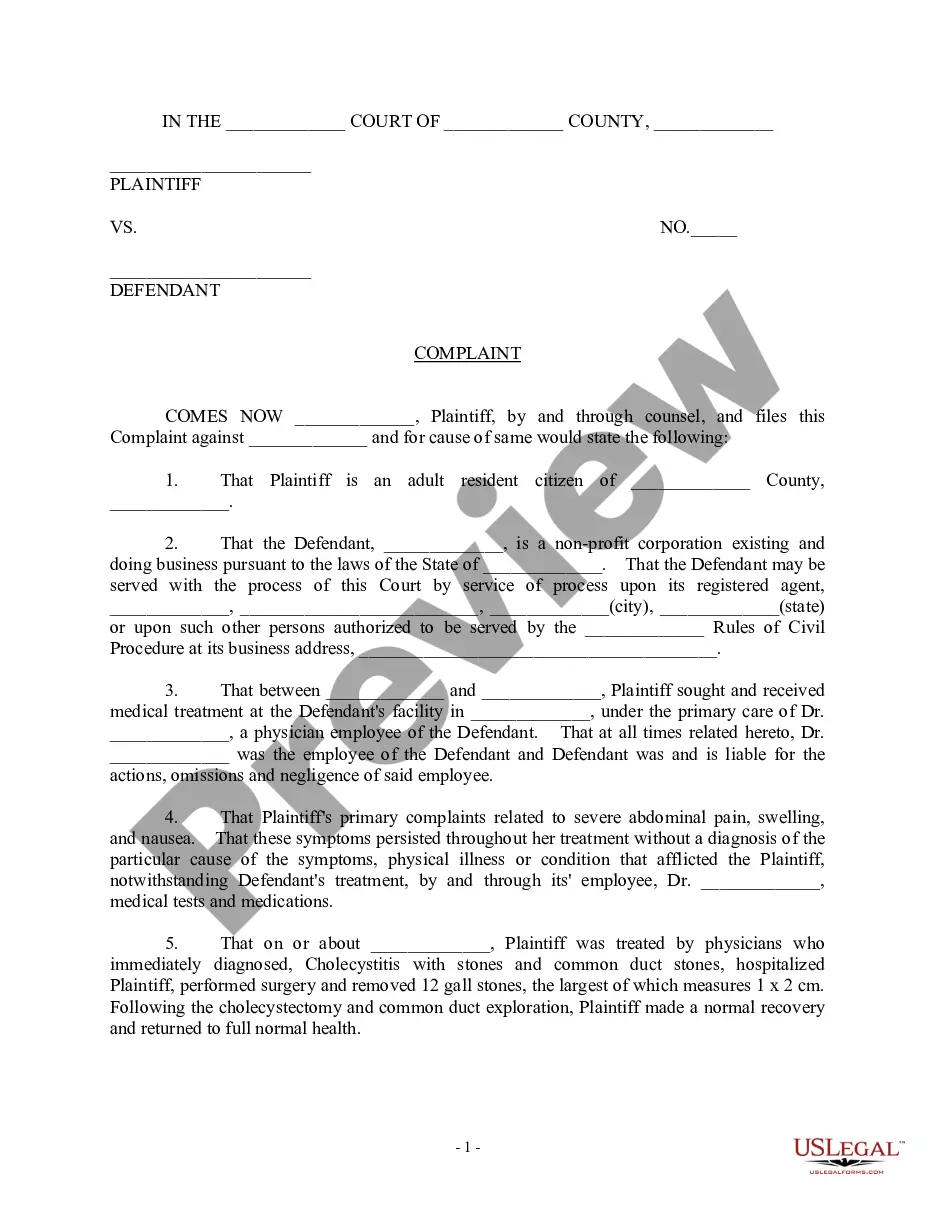
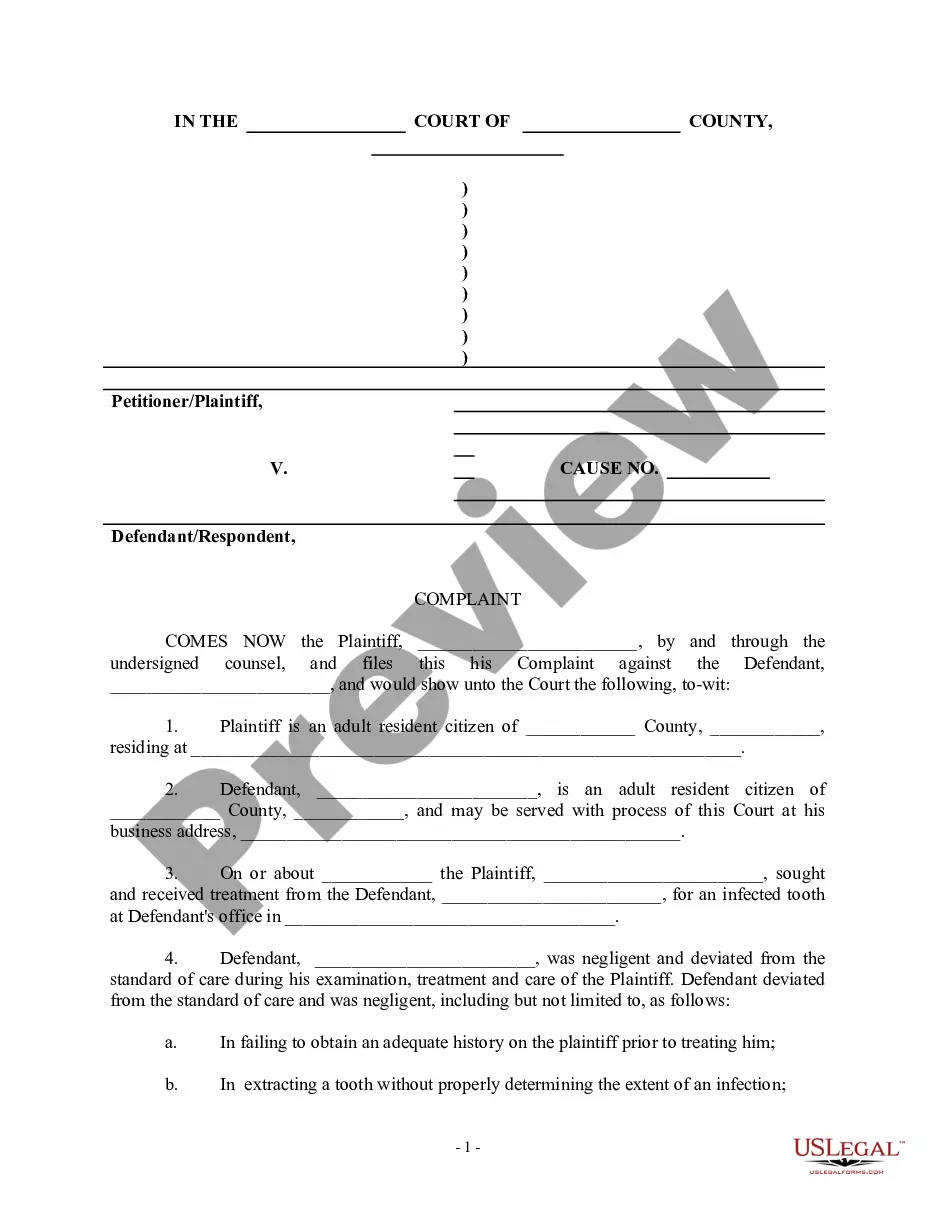
How to fill out Complaint Regarding Veterinarian Malpractice For Surgical Procedure?
- Visit the US Legal Forms website and log into your account if you're a returning user. If new, proceed to create an account.
- Browse the extensive library of over 85,000 forms. Use the search feature to find specific veterinary ophthalmology documents tailored to your needs.
- Review the preview of selected forms to ensure they align with your requirements.
- Select your desired document by clicking the 'Buy Now' button and choose a subscription plan that suits you.
- Complete your purchase securely using credit card or PayPal, ensuring full access to the library.
- Download your selected form and save it to your device. Check the 'My Forms' section of your account to revisit this document anytime.
In conclusion, US Legal Forms simplifies the often daunting task of managing legal documents related to veterinary ophthalmology. With a vast selection of forms and expert assistance available, users can ensure all paperwork is completed accurately and promptly.
Don't hesitate; visit US Legal Forms today to start exploring the extensive library and empower yourself with the legal documents you need!
Form popularity
FAQ
The common abbreviation for veterinary ophthalmology is 'VO.' This abbreviation is often used in medical documentation and discussions among professionals in the field. Understanding this term can be helpful when seeking information about specialized care for your pet's eyes. Whether you're exploring services or researching, knowing the abbreviation aids your journey in veterinary ophthalmology.
Yes, filling out paperwork is usually a part of the visit to the veterinary ophthalmologist. This paperwork often includes consent forms, medical history, and information about your pet's behaviors. Completing these forms allows the vet to gather necessary information about your pet and ensures that they provide the best care possible. Through this process, veterinary ophthalmology can be approached with clarity and efficiency.
For your first appointment with a veterinary ophthalmologist, bring your pet's medical records, any recent test results, and a list of current medications. This information helps the vet create a tailored eye care plan for your pet. Additionally, bringing a favorite toy or blanket can help make your pet feel more comfortable during the visit. Being well-prepared ensures a smooth experience focused on your pet's needs in veterinary ophthalmology.
Yes, in many cases, you will need specific paperwork for a visit to the veterinary ophthalmologist. This typically includes your pet's vaccination records and any previous veterinary records related to eye conditions. Having these documents on hand will streamline the check-in process and help the vet provide the best care for your pet. Consequently, paperwork plays a crucial role in veterinary ophthalmology.
Becoming a veterinary ophthalmologist requires dedication and extensive education; however, it can be an incredibly rewarding career. After earning a Doctor of Veterinary Medicine degree, one must complete a residency in veterinary ophthalmology, which can take several years. The journey involves a commitment to learning advanced eye care techniques and diagnostics. If you have a passion for veterinary ophthalmology, the effort is worthwhile.
When visiting a veterinary ophthalmologist, it is essential to bring your pet's medical history, any current medications, and identification. Having this information handy will help the vet assess your pet's eye condition more efficiently. Don't forget to bring a leash or carrier, especially for nervous pets, as this will provide comfort during the visit. Being prepared ensures you make the most of your appointment focused on veterinary ophthalmology.
The abbreviation for the veterinary ophthalmology journal is 'Vet Ophthal.' This journal publishes research and reviews dedicated to advancements and findings in the field of veterinary ophthalmology. Staying informed through such resources can enhance your understanding and practices in treating animal eye conditions. For anyone interested in the latest research, accessing this journal can provide invaluable insights into veterinary ophthalmology.
Yes, veterinary ophthalmology is considered a specialty within the broader field of veterinary medicine. This specialization focuses on diagnosing and treating eye-related conditions in animals, much like human ophthalmologists do for people. Becoming a veterinary ophthalmologist requires additional training and certification after completing a veterinary degree, showcasing the commitment to enhancing animal welfare. If you love animals and have a passion for eye health, this specialty might be a perfect fit for you.
Veterinary ophthalmology is a specialized field, and the earnings reflect that expertise. On average, a veterinary ophthalmologist in the US can make between $100,000 and $150,000 annually, depending on various factors such as location, experience, and the type of practice. These professionals often play a critical role in animal health, diagnosing and treating eye issues in pets and other animals. If you're considering a career, that financial reward can be accompanied by the satisfaction of helping animals.
To become a veterinary ophthalmologist, you must first earn a Doctor of Veterinary Medicine degree from an accredited program. Then, you will need to complete an internship and a residency focused on veterinary ophthalmology. After fulfilling these educational requirements, you can seek board certification from relevant veterinary boards, which establishes your expertise in the field and enhances your career opportunities.