Veterinarian Malpractice For Humans
Description
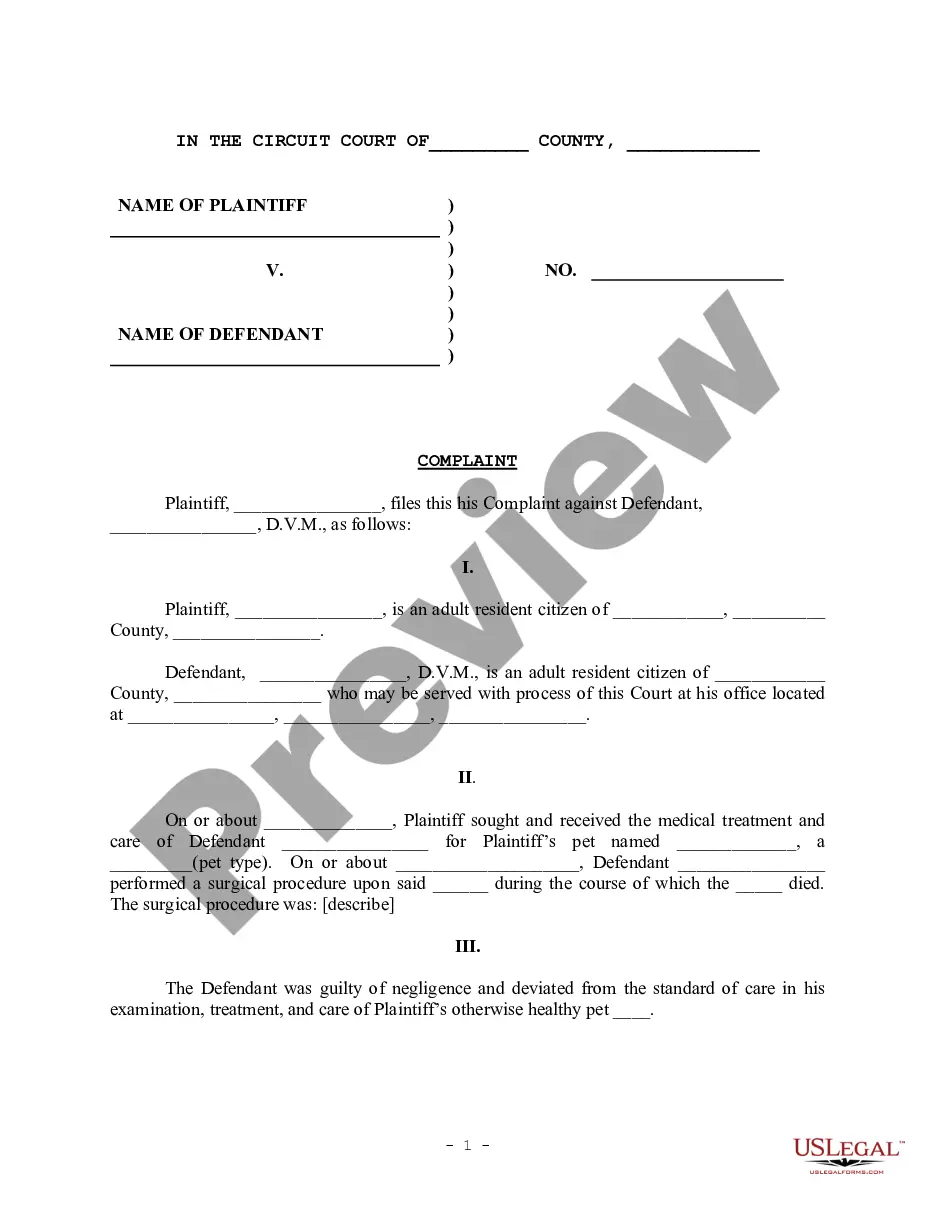
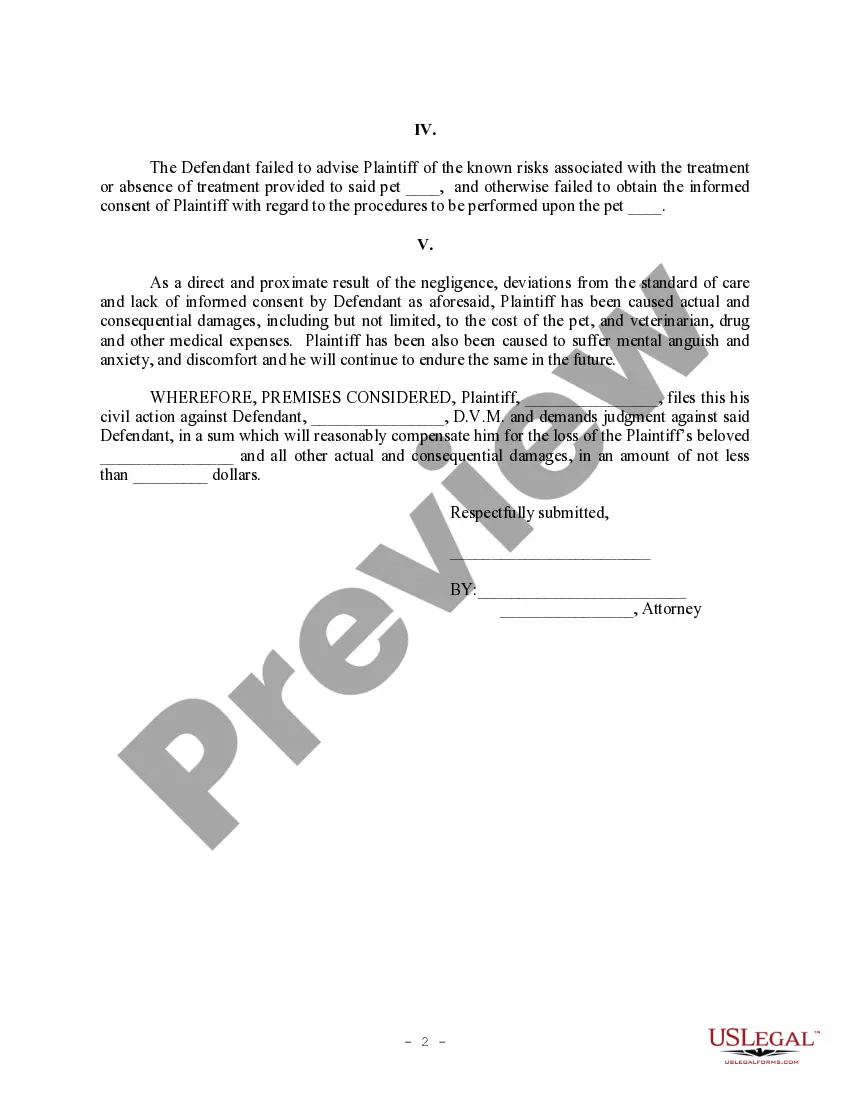
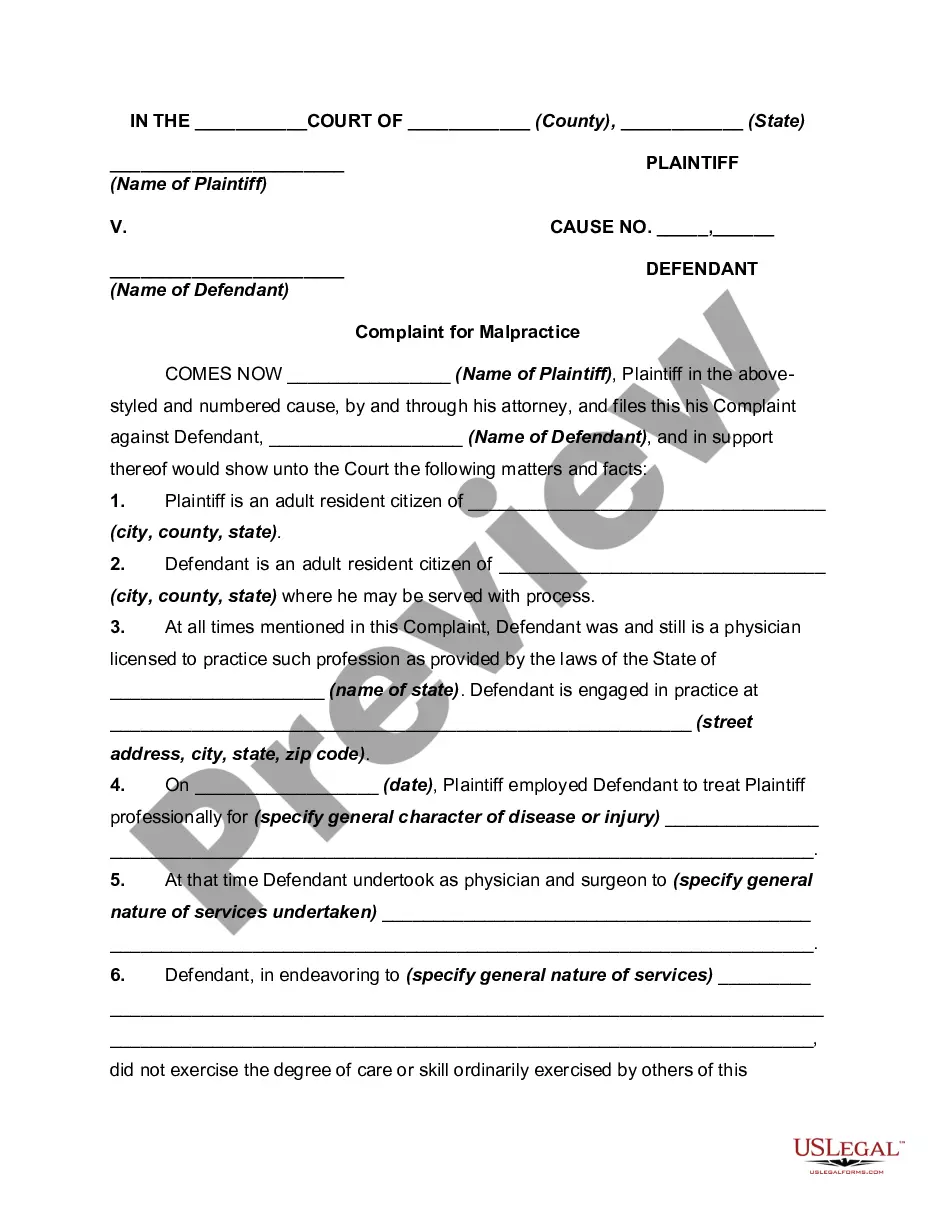
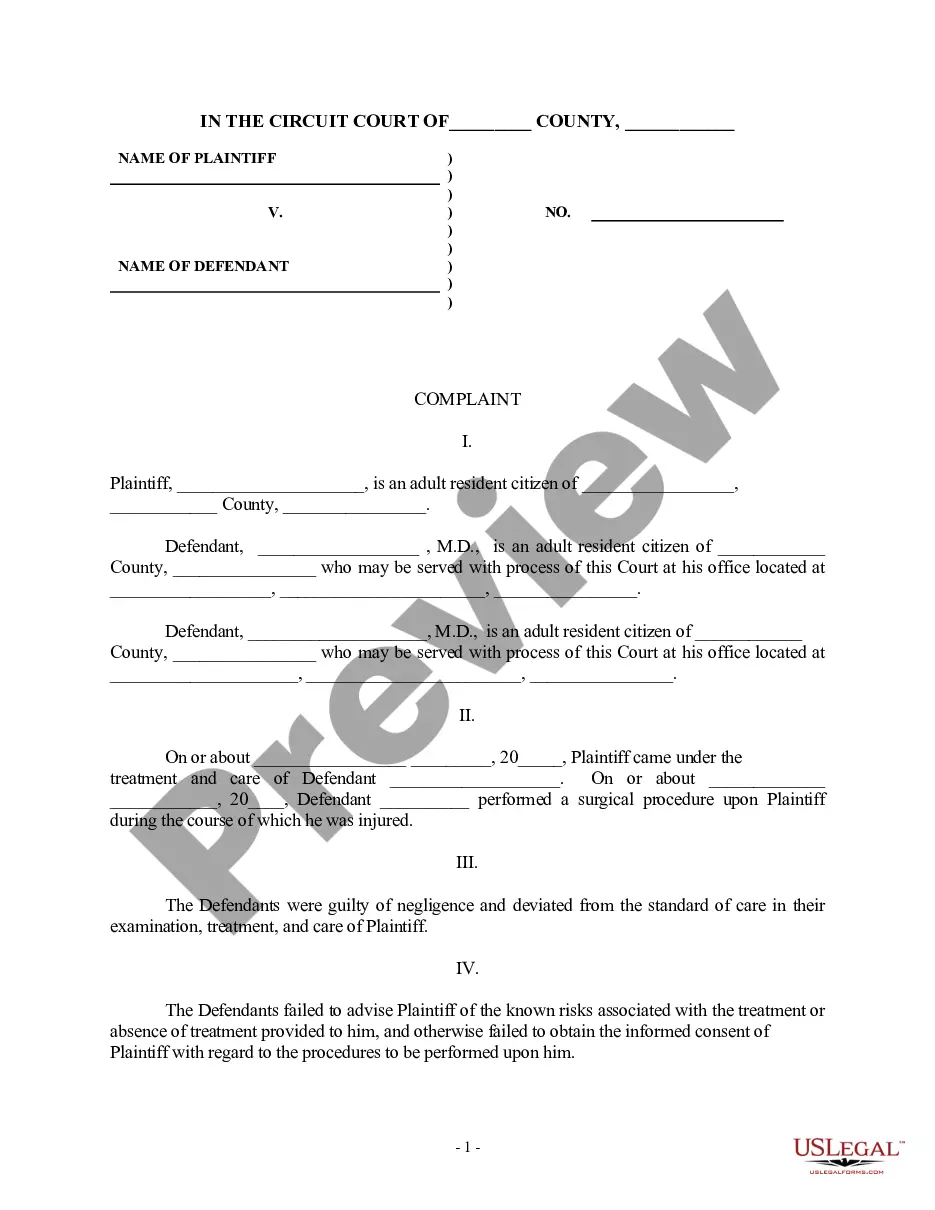
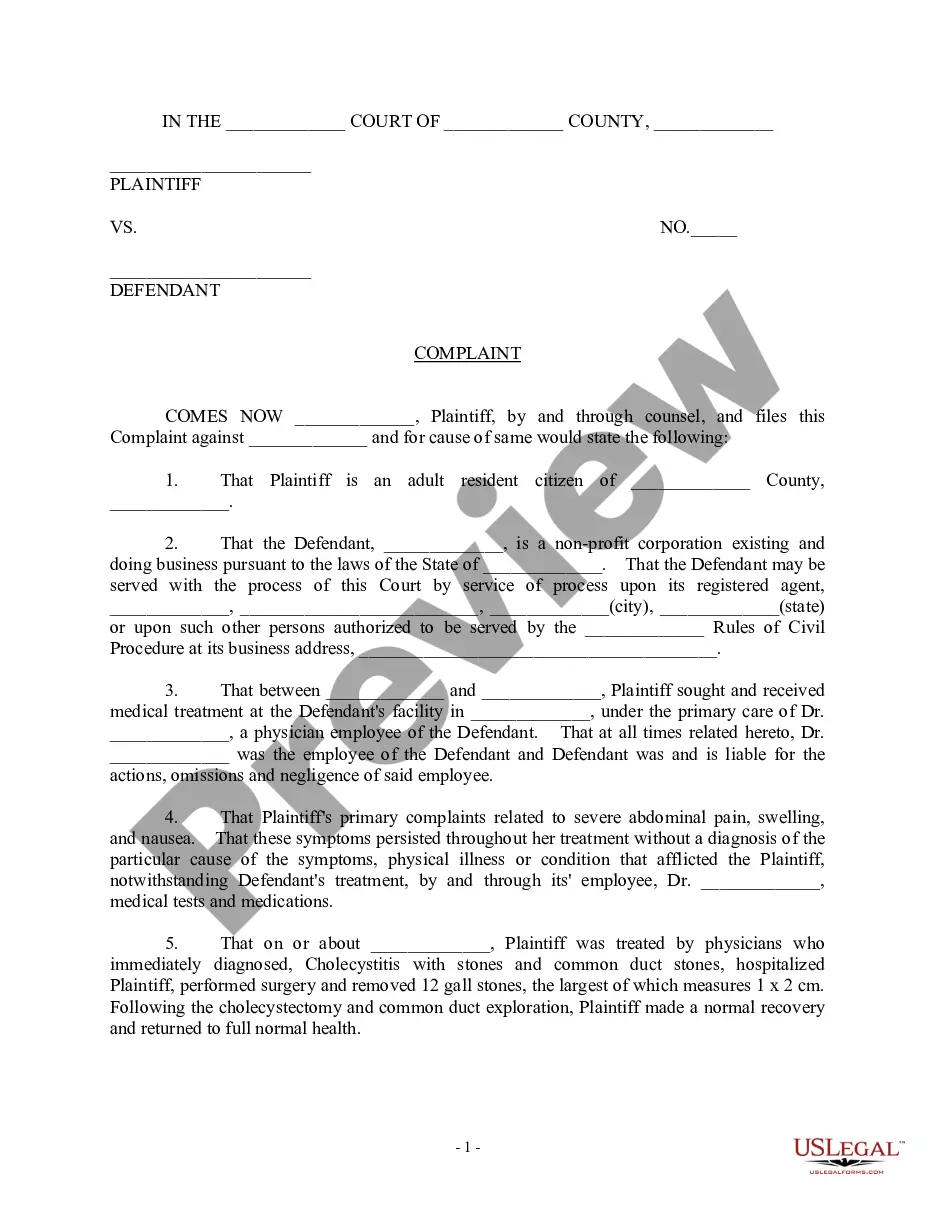
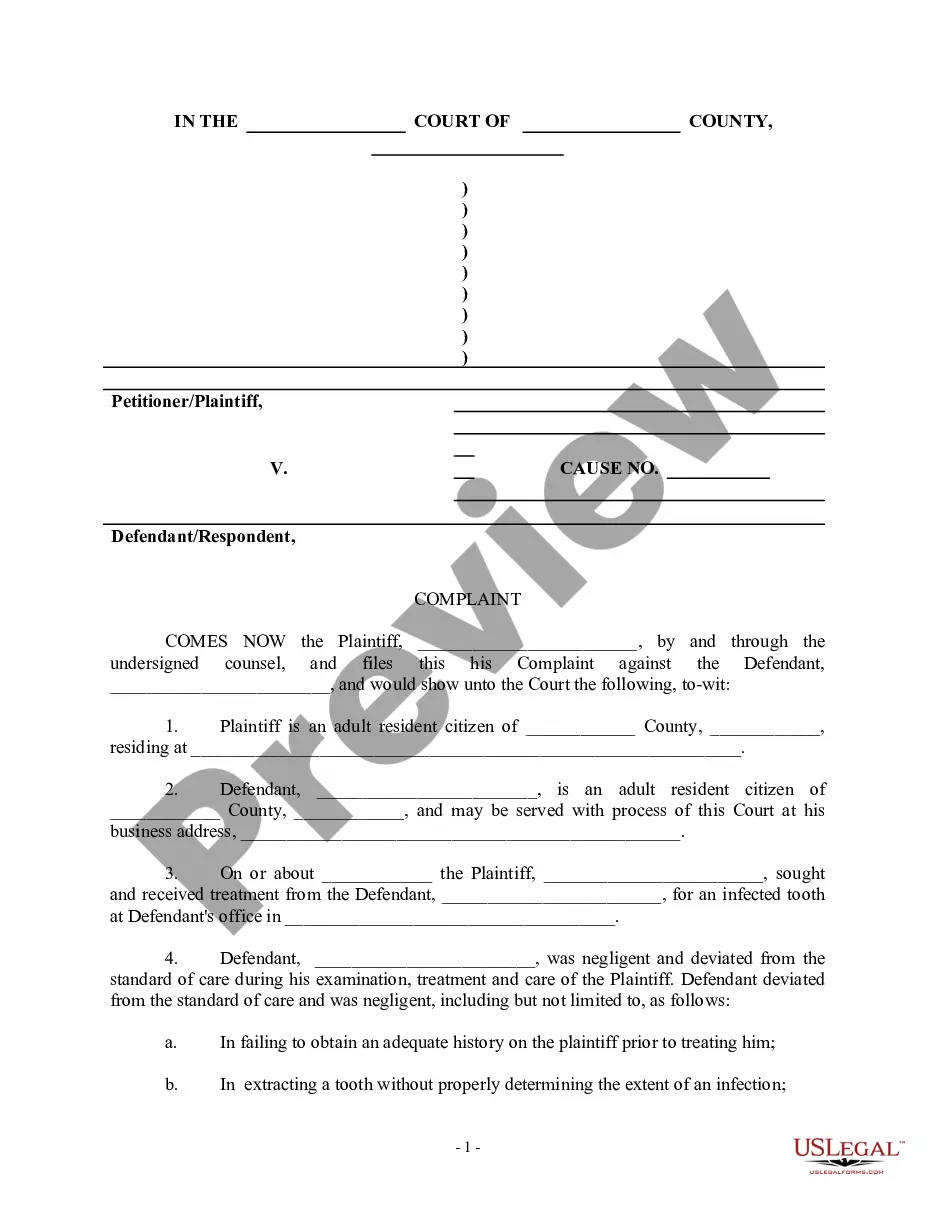
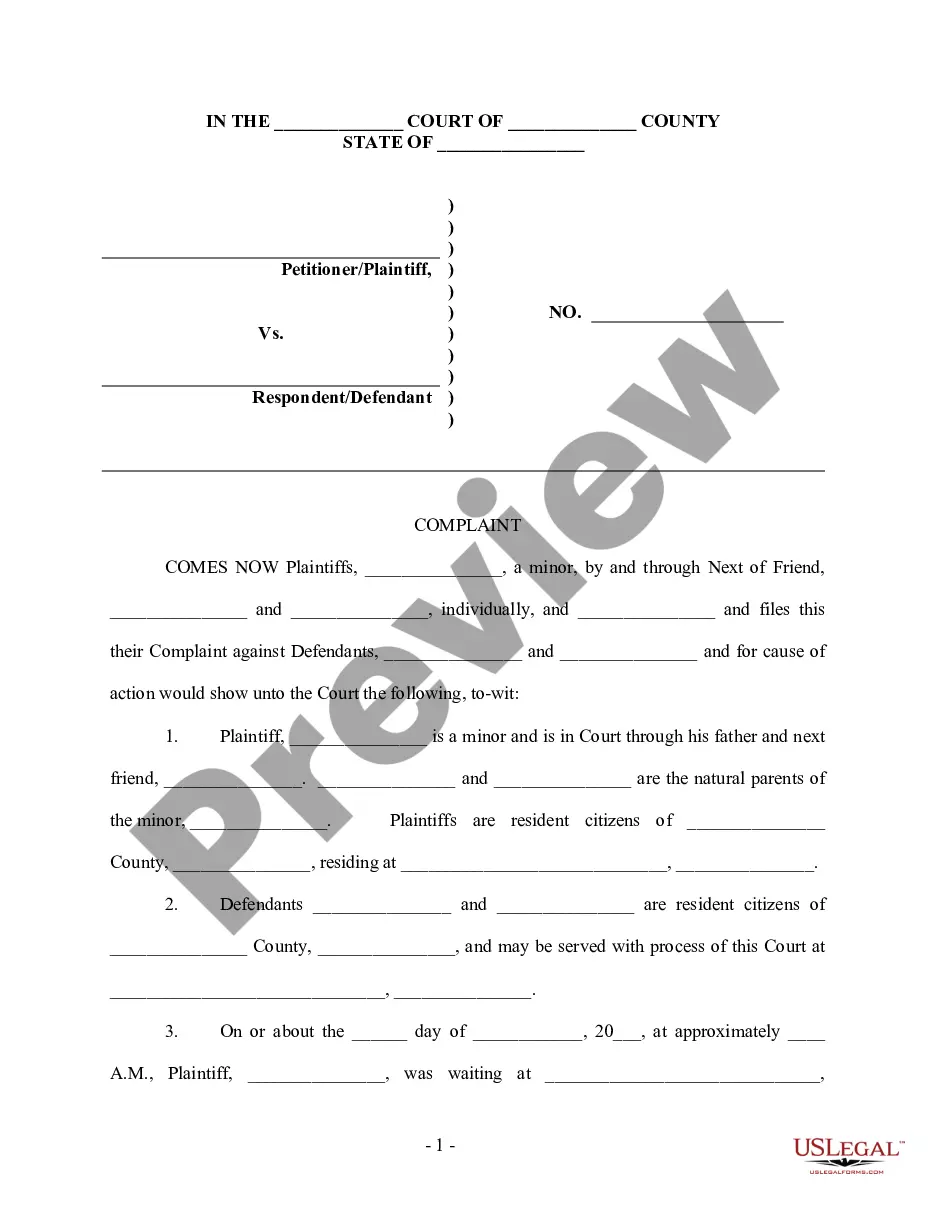
Get your form ready online
Our built-in tools help you complete, sign, share, and store your documents in one place.
Make edits, fill in missing information, and update formatting in US Legal Forms—just like you would in MS Word.
Download a copy, print it, send it by email, or mail it via USPS—whatever works best for your next step.
Sign and collect signatures with our SignNow integration. Send to multiple recipients, set reminders, and more. Go Premium to unlock E-Sign.
If this form requires notarization, complete it online through a secure video call—no need to meet a notary in person or wait for an appointment.
We protect your documents and personal data by following strict security and privacy standards.

Make edits, fill in missing information, and update formatting in US Legal Forms—just like you would in MS Word.

Download a copy, print it, send it by email, or mail it via USPS—whatever works best for your next step.

Sign and collect signatures with our SignNow integration. Send to multiple recipients, set reminders, and more. Go Premium to unlock E-Sign.

If this form requires notarization, complete it online through a secure video call—no need to meet a notary in person or wait for an appointment.

We protect your documents and personal data by following strict security and privacy standards.
Looking for another form?


How to fill out Complaint Regarding Veterinarian Malpractice For Surgical Procedure?
- Log into your existing US Legal Forms account. Ensure your subscription is active; if it's not, you can easily renew it.
- Browse through the available templates and check the details and preview. Make sure the selected document aligns with your local jurisdiction's requirements.
- If needed, utilize the Search tab to find a more suitable template that fits your specific needs.
- Select the document you require by clicking the Buy Now button. Choose a subscription plan that works for you; registration is necessary to gain full access.
- Complete your purchase by entering your payment details, either through credit card or PayPal.
- Download your selected document directly to your device for easy access and future reference via the My Forms section in your account.
With US Legal Forms, individuals and attorneys benefit from a robust collection of legal documents, allowing for efficient completion of necessary forms without confusion. Their extensive library, offering over 85,000 fillable and editable forms, ensures lawyers and clients can find exactly what they need.
Start leveraging US Legal Forms today to simplify your legal documentation process. Don't hesitate; acquire your documents now and ensure peace of mind.
Form popularity
FAQ
To sue a veterinarian for malpractice, start by consulting with a specialized attorney who understands the legal aspects of veterinary care. They will help you assess your situation, gather evidence, and file your claim in the appropriate court. If you need assistance with documentation or legal forms, platforms like USLegalForms can provide valuable resources to make the process more manageable.
If you believe your veterinarian made a mistake, the first step is to gather detailed information about your pet’s treatment. Next, consider obtaining a second opinion from another vet to confirm your suspicions. Document everything, as this information may be useful if you decide to pursue litigation for veterinarian malpractice for humans.
To prove veterinarian malpractice for humans, the plaintiff must establish three key elements: a duty of care was owed by the veterinarian, that duty was breached, and the breach directly caused harm. This requires clear documentation and sometimes expert testimony about what constitutes acceptable veterinary care. A knowledgeable lawyer can assist you in compiling and presenting this evidence effectively.
Suing a veterinarian involves several key steps. First, gather evidence, including medical records and witness statements that support your claim of veterinarian malpractice for humans. Then, consult with an experienced attorney who can guide you through the legal process and file the necessary paperwork to initiate your lawsuit.
To sue a veterinarian for malpractice, you need to hire a lawyer who specializes in veterinary malpractice cases. This lawyer should understand the nuances of both veterinary practices and legal malpractice standards. A qualified attorney can help you navigate the complexities of your case and ensure you have the right evidence to support your claim.
Unethical practices in the veterinary industry can manifest in various forms, including overcharging for services or unnecessary procedures, which qualify as veterinarian malpractice for humans. For instance, a veterinarian might recommend expensive treatments without justified medical reasoning or fail to disclose potential risks associated with certain procedures. These actions compromise the trust between the veterinarian and clients, which is why awareness, accountability, and ethical standards are crucial. If you suspect unethical conduct, seeking a professional opinion or legal advice is advisable.
Lawsuits against veterinarians commonly stem from allegations of negligence, which falls under veterinarian malpractice for humans. These cases often involve claims that a veterinarian failed to provide adequate care, leading to preventable harm. The basis for these lawsuits can include improper diagnosis, incorrect treatment plans, or failure to obtain informed consent. Understanding these factors can help you evaluate if you have a valid claim.
Yes, you can sue your veterinarian if you believe they have engaged in veterinarian malpractice for humans. This type of lawsuit typically arises when a vet's actions, or lack thereof, lead to harm or injury to a person. It's essential to gather evidence supporting your claim, such as medical records and witness statements, to strengthen your case. Consulting with a legal expert familiar with veterinary malpractice can provide you with guidance on the next steps.
Suing for malpractice is a significant decision that requires careful consideration of your situation. If you feel that you have been wronged and have a substantive case, pursuing legal action might lead to compensation and justice. It is beneficial to speak with a lawyer experienced in veterinarian malpractice for humans to assess the strength of your case before taking steps forward.
Yes, you can sue a veterinary clinic for malpractice if you believe they failed to provide the standard of care expected, resulting in harm to your pet or yourself. Gathering sufficient evidence and consulting with a legal expert in veterinarian malpractice for humans can strengthen your case. Legal proceedings can provide accountability and potentially lead to compensation for your losses.