Civil Claim For Fraud
Description
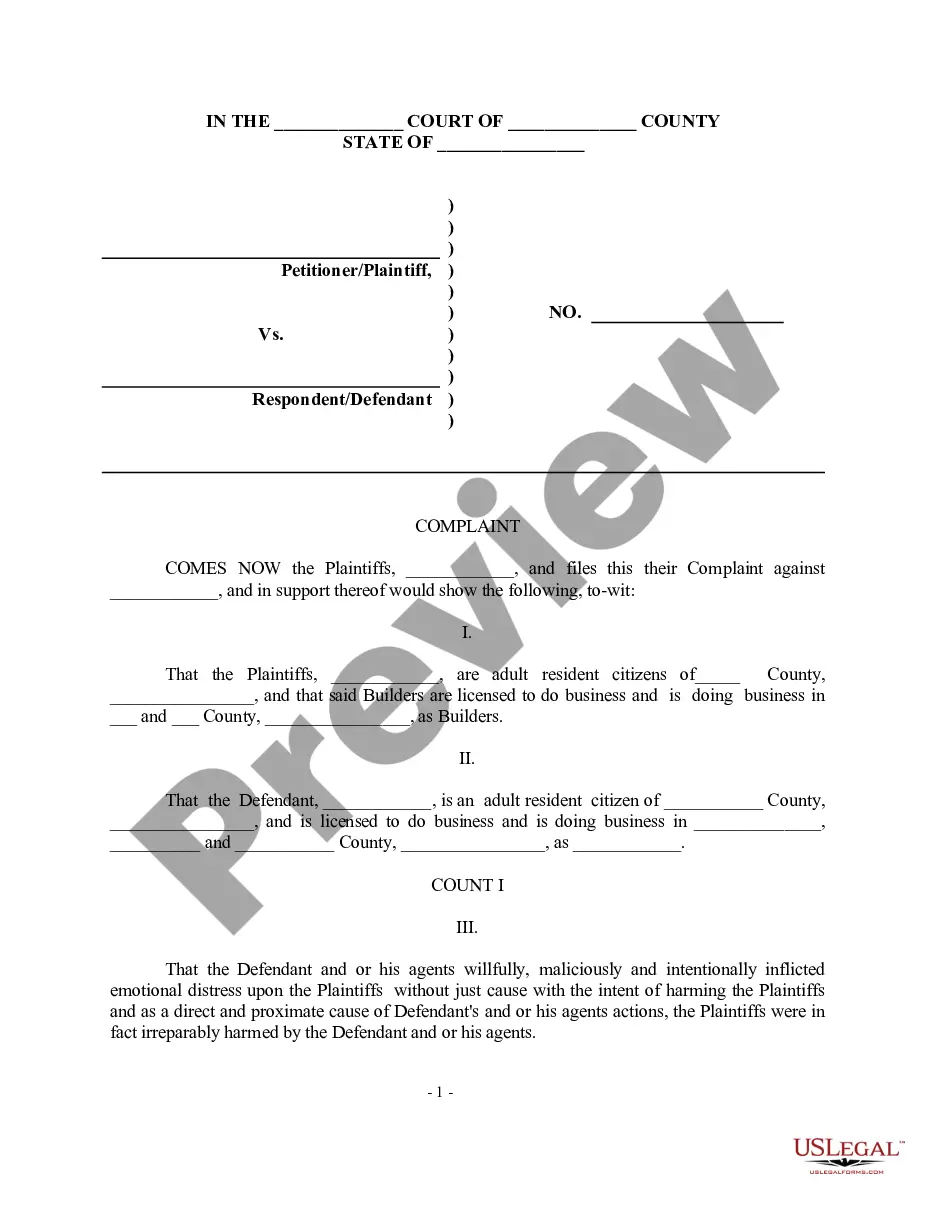
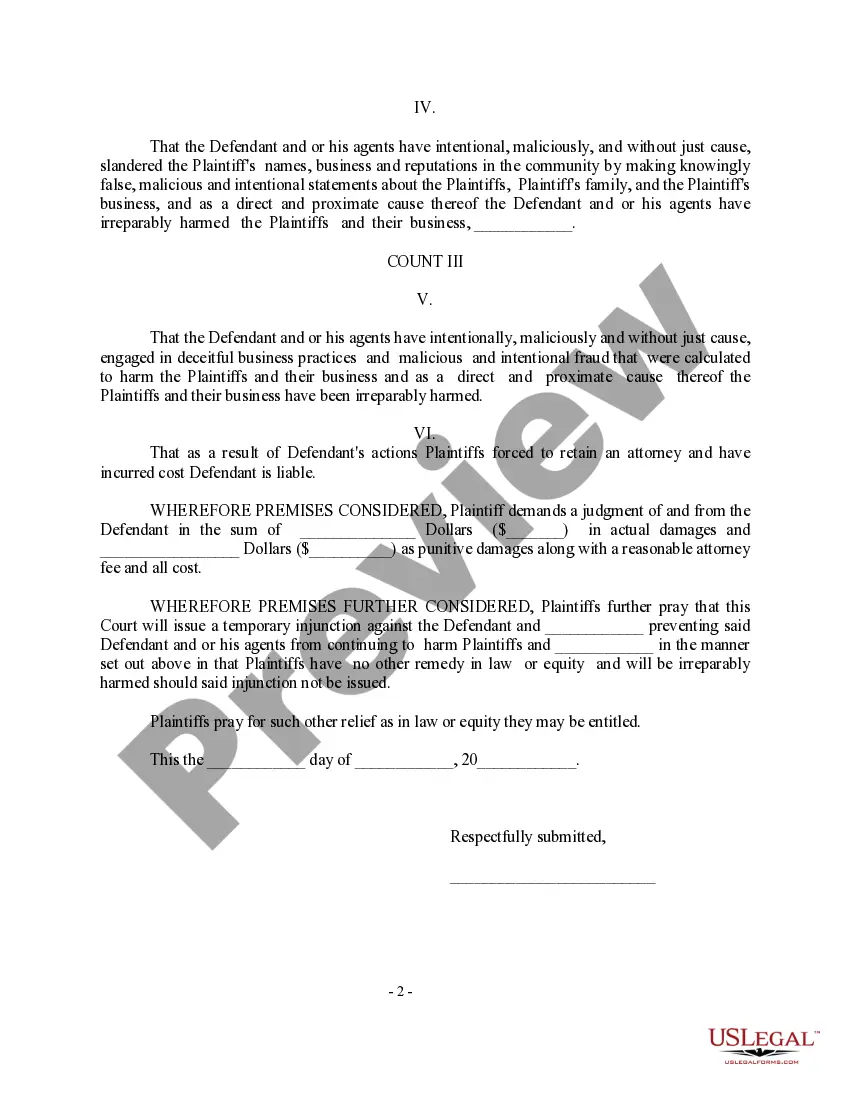

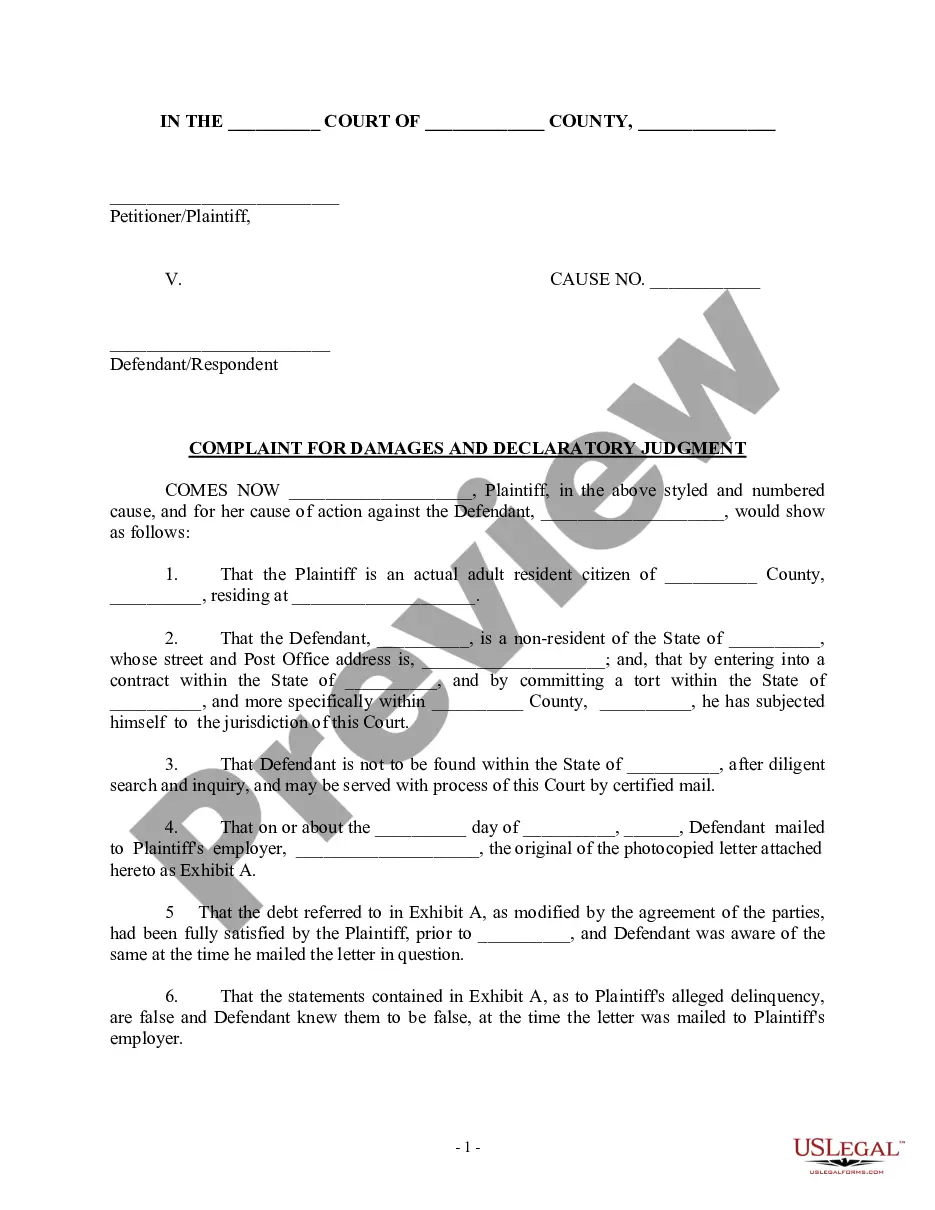
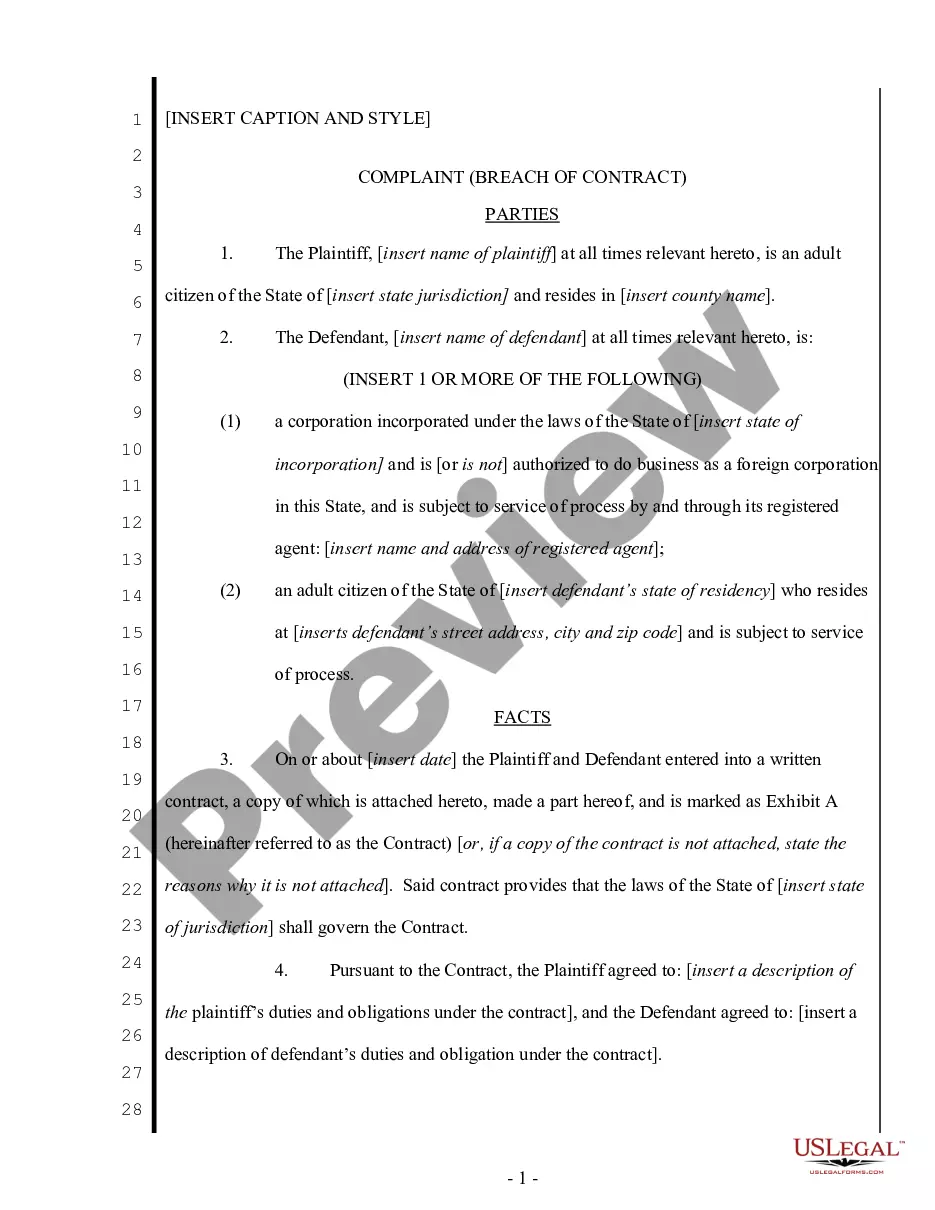

Get your form ready online
Our built-in tools help you complete, sign, share, and store your documents in one place.
Make edits, fill in missing information, and update formatting in US Legal Forms—just like you would in MS Word.
Download a copy, print it, send it by email, or mail it via USPS—whatever works best for your next step.
Sign and collect signatures with our SignNow integration. Send to multiple recipients, set reminders, and more. Go Premium to unlock E-Sign.
If this form requires notarization, complete it online through a secure video call—no need to meet a notary in person or wait for an appointment.
We protect your documents and personal data by following strict security and privacy standards.

Make edits, fill in missing information, and update formatting in US Legal Forms—just like you would in MS Word.

Download a copy, print it, send it by email, or mail it via USPS—whatever works best for your next step.

Sign and collect signatures with our SignNow integration. Send to multiple recipients, set reminders, and more. Go Premium to unlock E-Sign.

If this form requires notarization, complete it online through a secure video call—no need to meet a notary in person or wait for an appointment.

We protect your documents and personal data by following strict security and privacy standards.
Looking for another form?


How to fill out Complaint Regarding Defamation, Fraud, Deceitful Business Practices?
Regardless of whether it's for commercial reasons or personal issues, everyone must confront legal circumstances at some stage in their life.
Completing legal forms requires meticulous care, starting from choosing the right form sample.
With a comprehensive US Legal Forms catalog available, you won't need to waste time searching the internet for the right sample. Utilize the library's straightforward navigation to find the appropriate template for any scenario.
- Locate the sample you require by using the search box or browsing through the catalog.
- Review the details of the form to confirm it aligns with your case, state, and area.
- Select the form's preview to examine it.
- If it turns out to be the incorrect document, return to the search option to find the Civil Claim For Fraud template you need.
- Download the template if it satisfies your criteria.
- If you already possess a US Legal Forms account, simply click Log in to access previously stored templates in My documents.
- If you have yet to create an account, you can download the form by clicking Buy now.
- Select the suitable pricing choice.
- Fill out the profile registration form.
- Choose your payment method: either a credit card or PayPal account.
- Select the file format you desire and download the Civil Claim For Fraud.
- Once saved, you can complete the form using editing software or print it out and finish it by hand.
Form popularity
FAQ
There must be a statement (written or oral) or conduct amounting to a representation which is false. A statement would obviously involve something being said or written, whereas conduct consisting of wearing a uniform or dress of some kind would be included. Mere silence would not be considered a false representation.
The punishment of fraud is imprisonment or a fine. A person convicted of fraud could face anywhere from 1 month to up to 3 years' imprisonment. If the fraud is a more serious one, for example if committed against a government entity, the prison sentence could be up to 6 years.
In civil litigation, allegations of fraud might be based on a misrepresentation of fact that was either intentional or negligent. For a statement to be an intentional misrepresentation, the person who made it must either have known the statement was false or been reckless as to its truth.
Although fraud is a criminal offence, an accused can also be tried in a civil court instead of a criminal court. What is the process of convicting a fraudster in a criminal court? Prosecutors must prove the fraud to be more than any potential doubts, in a criminal case.
(a)dishonestly makes a false representation, and. (b)intends, by making the representation? (i)to make a gain for himself or another, or. (ii)to cause loss to another or to expose another to a risk of loss.