Battery Vs Assault Example
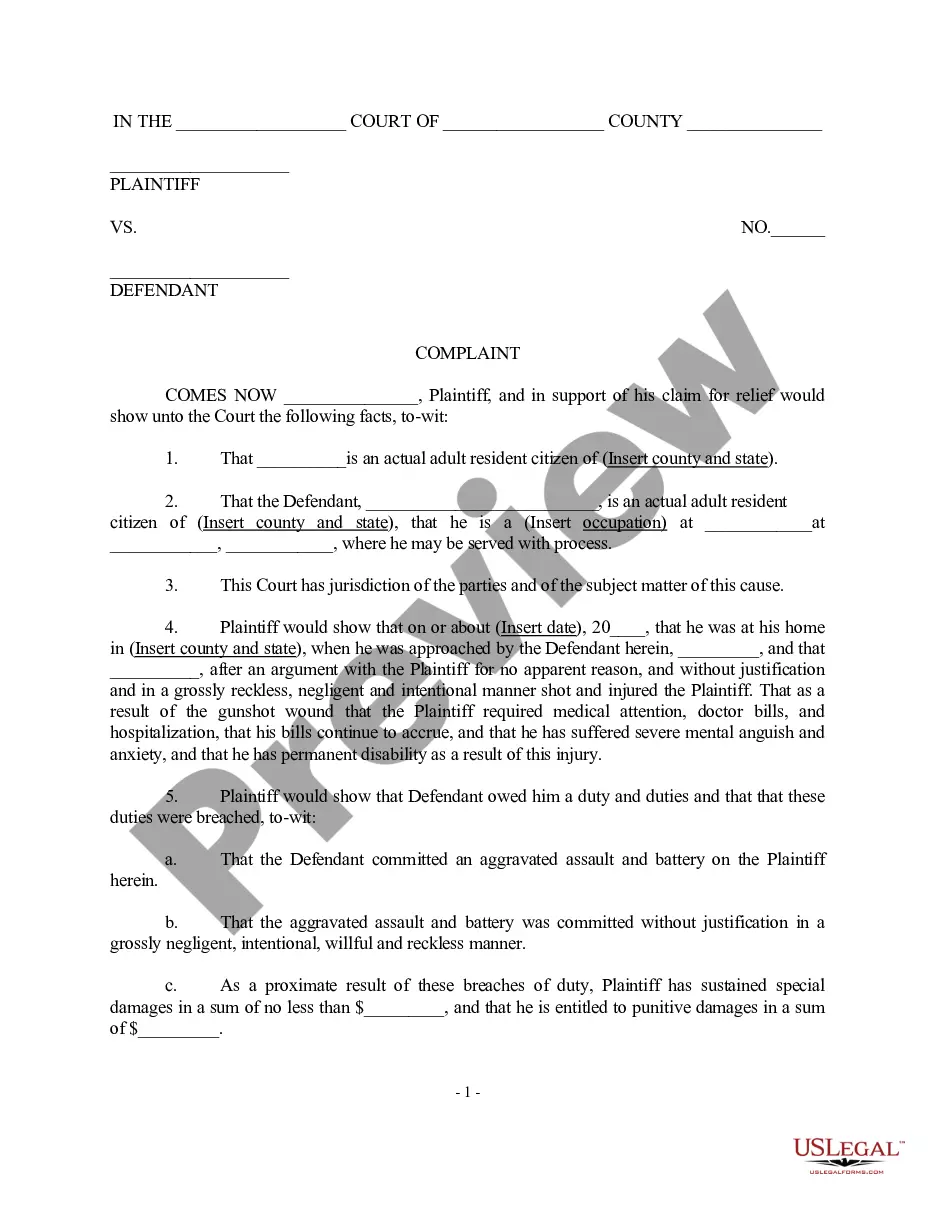
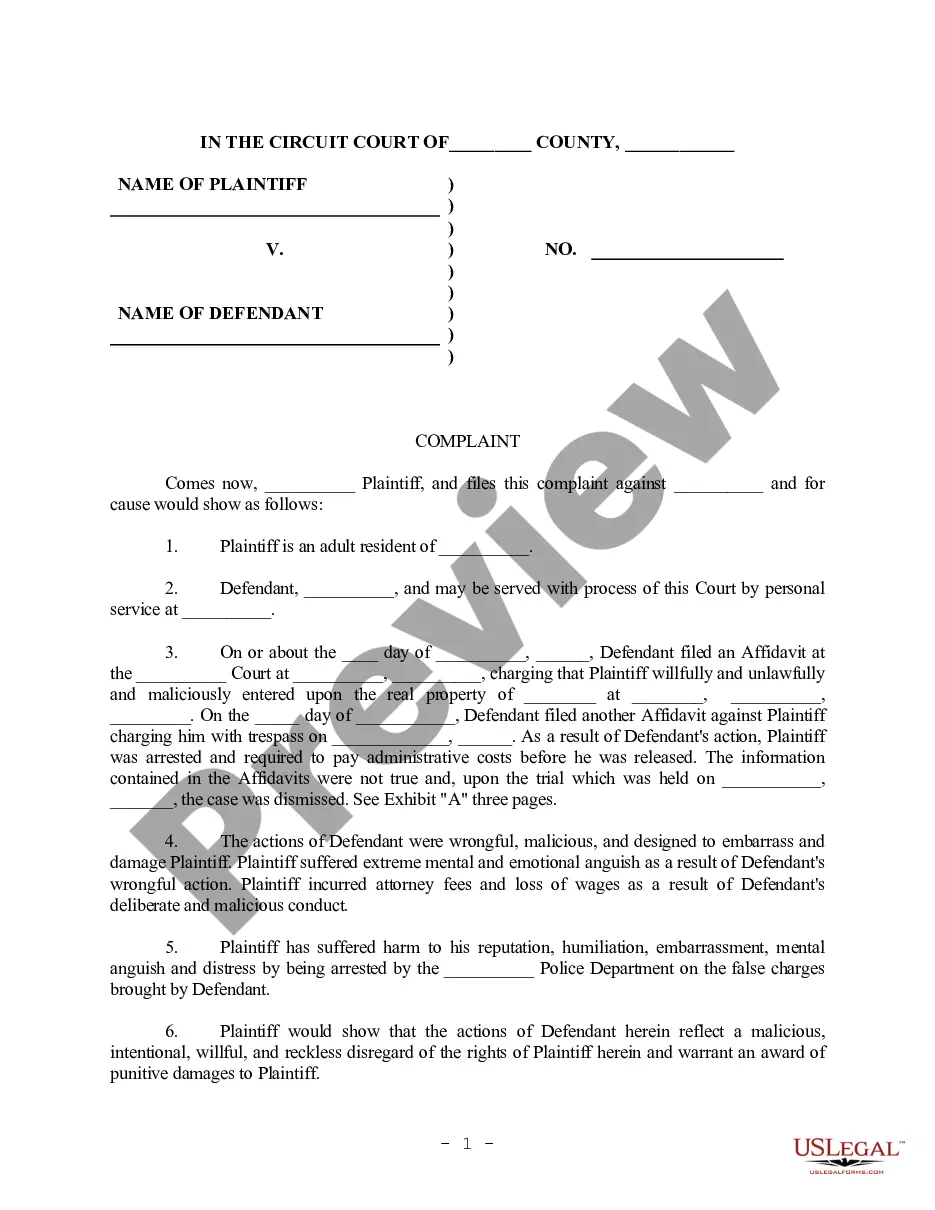
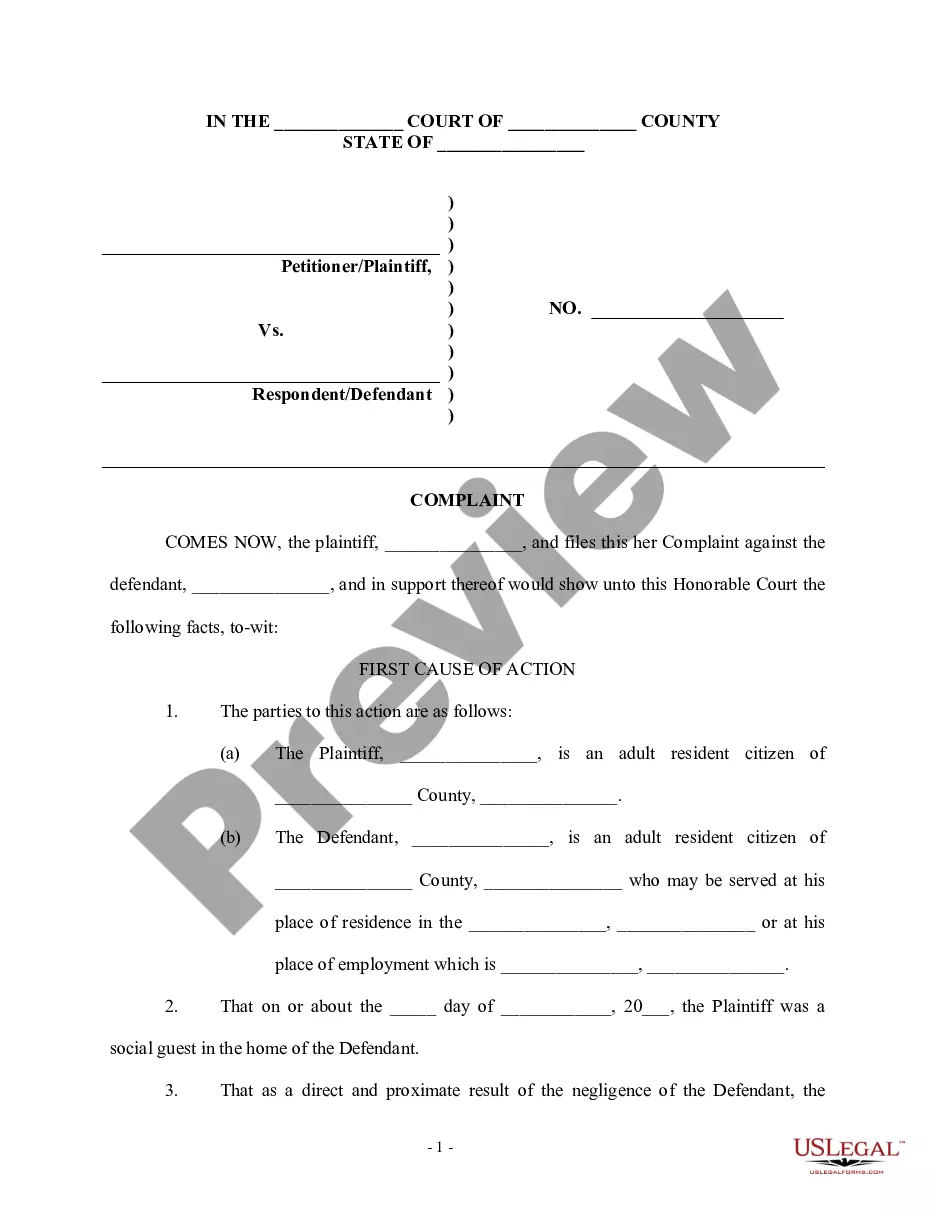
Description


Get your form ready online
Our built-in tools help you complete, sign, share, and store your documents in one place.
Make edits, fill in missing information, and update formatting in US Legal Forms—just like you would in MS Word.
Download a copy, print it, send it by email, or mail it via USPS—whatever works best for your next step.
Sign and collect signatures with our SignNow integration. Send to multiple recipients, set reminders, and more. Go Premium to unlock E-Sign.
If this form requires notarization, complete it online through a secure video call—no need to meet a notary in person or wait for an appointment.
We protect your documents and personal data by following strict security and privacy standards.

Make edits, fill in missing information, and update formatting in US Legal Forms—just like you would in MS Word.

Download a copy, print it, send it by email, or mail it via USPS—whatever works best for your next step.

Sign and collect signatures with our SignNow integration. Send to multiple recipients, set reminders, and more. Go Premium to unlock E-Sign.

If this form requires notarization, complete it online through a secure video call—no need to meet a notary in person or wait for an appointment.

We protect your documents and personal data by following strict security and privacy standards.
Looking for another form?
How to fill out Complaint Regarding Assault And Battery?
It’s well-known that you cannot instantly become a legal professional, nor can you rapidly learn how to proficiently prepare a Battery Vs Assault Example without possessing a specialized skill set.
Compiling legal documents is a lengthy process that demands particular training and expertise. So why not entrust the development of the Battery Vs Assault Example to the experts.
With US Legal Forms, one of the most extensive libraries of legal templates, you can access everything from court paperwork to templates for internal communication.
If you require different forms, restart your search.
Register for a free account and select a subscription plan to purchase the template. Click Buy now. Once the payment is completed, you can acquire the Battery Vs Assault Example, fill it out, print it, and deliver it by mail to the specified individuals or organizations.
- Understand how vital compliance and adherence to national and local regulations are.
- That’s why, on our site, all forms are location-specific and current.
- Here’s how you can initiate your journey on our platform and obtain the form you require in just a few minutes.
- Locate the document you require using the search bar at the top of the page.
- Preview it (if this option is available) and review the accompanying description to determine if the Battery Vs Assault Example is what you need.
Form popularity
FAQ
Throwing water can be considered battery if it involves unwanted physical contact. Battery requires that the act is intentional and causes harm or offense. In certain situations, even minor acts like this can have legal repercussions. To better understand these nuances, referencing battery vs assault examples can assist individuals in navigating these legal waters.
Pouring water on someone could lead to various outcomes, depending on the intent behind the action. If it was meant as a harmless prank, it might not have serious legal ramifications. However, if intended to humiliate or provoke, it could be viewed as assault or battery. Evaluating such scenarios using battery vs assault examples can highlight potential legal implications and responses.
Battery and assault differ mainly in the nature of the action. Battery involves physical contact, whereas assault refers to the threat or attempt to cause harm without actual contact. For instance, if someone swings a fist but does not hit, it may be considered assault. Understanding the distinction in the context of battery vs assault examples helps clarify legal responsibilities.
Throwing water on someone can be classified as assault, depending on the circumstances. Assault generally involves the intent to cause fear or harm to another individual. If the action instills fear or is threatening, it may fall under this category. In the context of battery vs assault examples, this shows how minor actions can lead to legal consequences.
Throwing water on someone typically falls under the category of battery, as this act involves direct physical contact, even if it may seem harmless. However, it could also be seen as assault if the intention was to intimidate the person beforehand. This scenario exemplifies the legal nuances that come into play with the 'Battery vs assault example'. Knowing the implications can guide individuals in making informed decisions about their actions and reactions.
An easy way to differentiate between battery and assault is through examples. For instance, if someone raises a fist to threaten another, it constitutes assault. Conversely, if they strike that person, this action qualifies as battery. Understanding these practical instances is essential in examining the 'Battery vs assault example' for different contexts, enabling individuals to better grasp their legal situations.
The distinction between assault and assault and battery is crucial for understanding legal terms. Assault refers to the act of creating a fear of harm in someone, while battery involves actual physical contact. To put it simply, you can threaten someone and commit assault without touching them, but battery includes that harmful contact. In essence, both terms play a role in cases under the keyword 'Battery vs assault example', helping victims understand their rights.
An example of battery can occur during a sports event when a player tackles another in a reckless manner, causing injury. While contact is often part of the game, reckless actions that harm another person can cross legal boundaries. In these discussions, recognizing the differences in the battery vs assault example enhances understanding of appropriate and inappropriate contacts.
An explicit example of battery is when one person intentionally spits on another during a heated argument. This act results in unwanted physical contact and can lead to emotional and physical consequences, reinforcing its classification. Such scenarios serve as prominent illustrations of the battery vs assault example, emphasizing the importance of consent in interpersonal interactions.
In the medical field, a nurse performing a procedure without obtaining proper consent from the patient could be held liable for assault, as the patient may feel threatened. If the procedure results in physical harm, this acts as battery. Understanding this helps clarify the boundaries within the battery vs assault example, especially in cases involving healthcare professional conduct.