Assault And Battery Definition In Health
Description
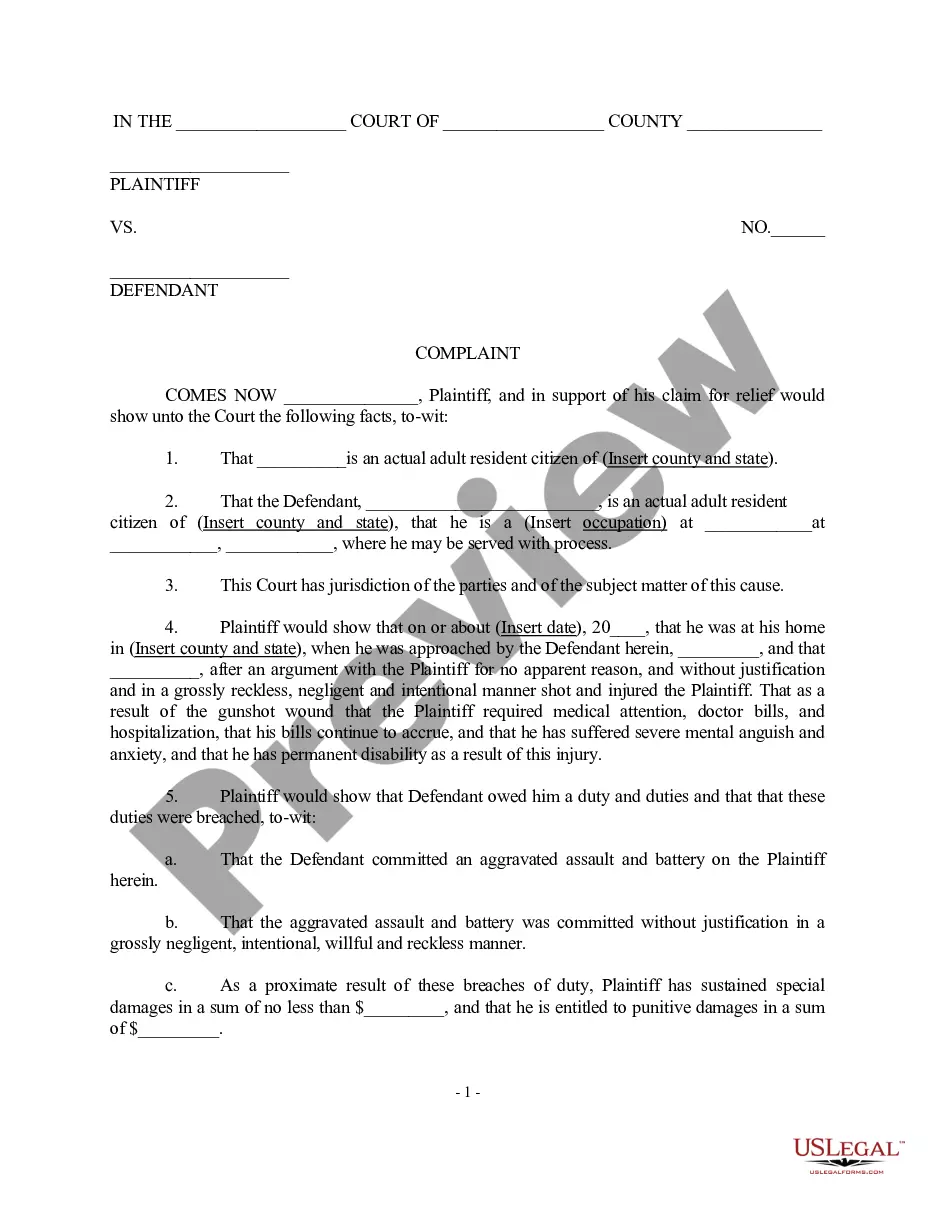

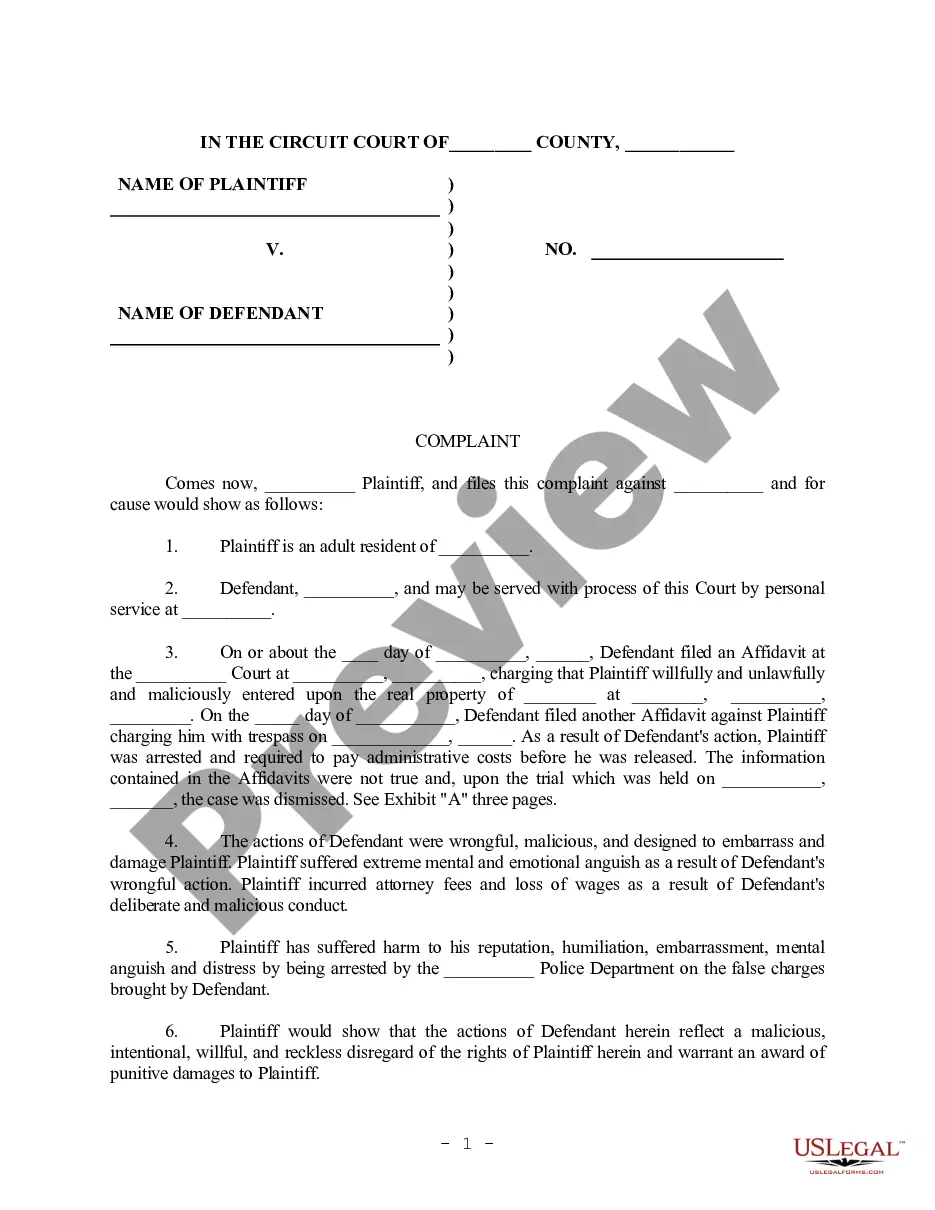

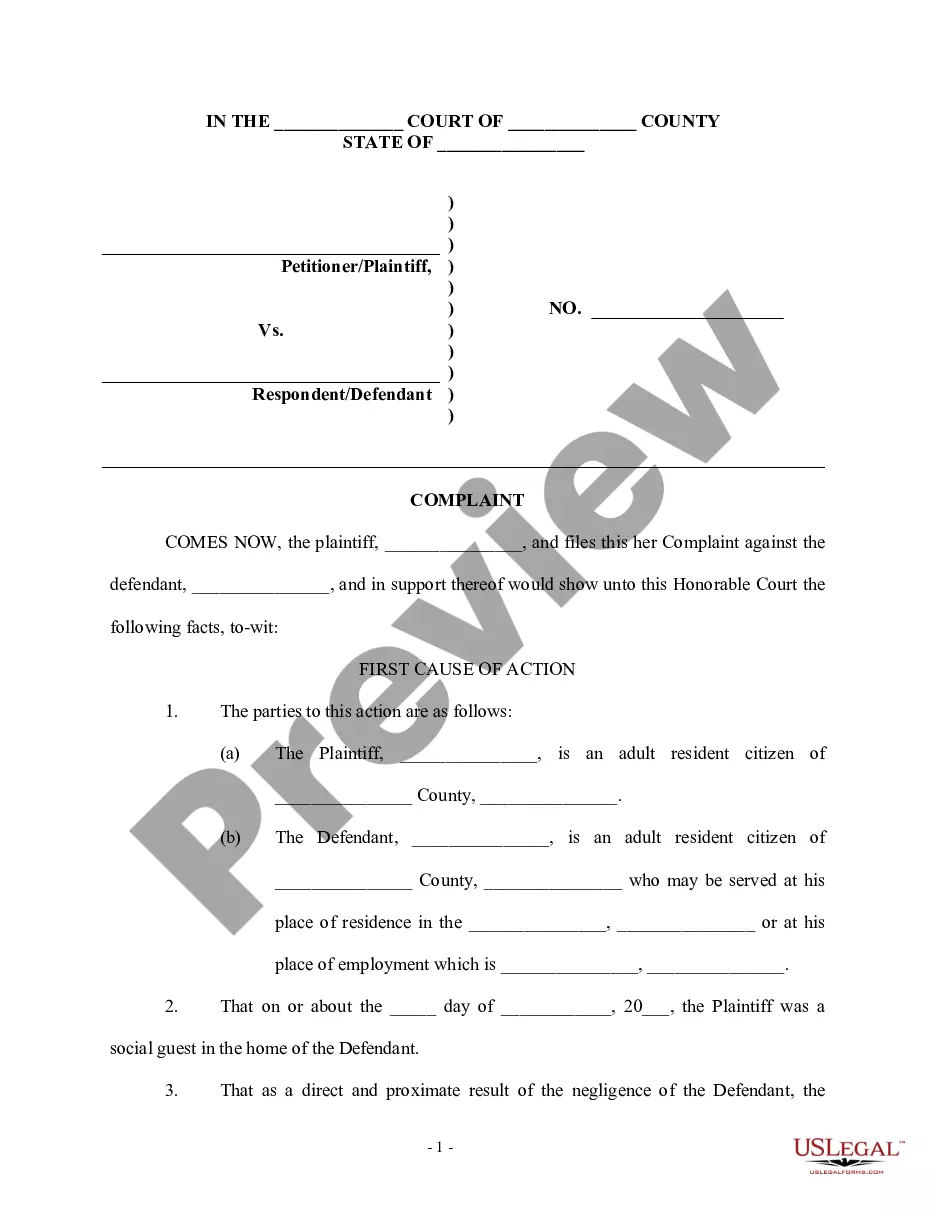
Get your form ready online
Our built-in tools help you complete, sign, share, and store your documents in one place.
Make edits, fill in missing information, and update formatting in US Legal Forms—just like you would in MS Word.
Download a copy, print it, send it by email, or mail it via USPS—whatever works best for your next step.
Sign and collect signatures with our SignNow integration. Send to multiple recipients, set reminders, and more. Go Premium to unlock E-Sign.
If this form requires notarization, complete it online through a secure video call—no need to meet a notary in person or wait for an appointment.
We protect your documents and personal data by following strict security and privacy standards.

Make edits, fill in missing information, and update formatting in US Legal Forms—just like you would in MS Word.

Download a copy, print it, send it by email, or mail it via USPS—whatever works best for your next step.

Sign and collect signatures with our SignNow integration. Send to multiple recipients, set reminders, and more. Go Premium to unlock E-Sign.

If this form requires notarization, complete it online through a secure video call—no need to meet a notary in person or wait for an appointment.

We protect your documents and personal data by following strict security and privacy standards.
Looking for another form?
How to fill out Complaint Regarding Assault And Battery?
Creating legal documents from the ground up can frequently feel somewhat daunting. Certain situations may require extensive research and substantial financial investment. If you’re looking for a simpler and more cost-effective method of producing Assault And Battery Definition In Health or any other documents without unnecessary complications, US Legal Forms is always accessible.
Our online collection of more than 85,000 current legal documents encompasses nearly every facet of your financial, legal, and personal affairs. With just a few clicks, you can swiftly obtain state- and county-specific forms meticulously prepared for you by our legal experts.
Utilize our platform whenever you require a dependable and trustworthy service through which you can promptly find and download the Assault And Battery Definition In Health. If you’re familiar with our services and have previously set up an account, simply Log In to your account, select the form, and download it or re-download it anytime later in the My documents section.
Don’t have an account? No worries. It only takes a few minutes to create one and explore the library. However, before diving directly into downloading Assault And Battery Definition In Health, consider these suggestions.
US Legal Forms prides itself on its impeccable reputation and over 25 years of expertise. Join us today and transform document completion into a straightforward and efficient process!
- Examine the form preview and descriptions to confirm that you are on the correct form you are looking for.
- Ensure that the form you choose meets the standards of your state and county.
- Select the appropriate subscription option to purchase the Assault And Battery Definition In Health.
- Download the form. Then fill it out, certify it, and print it.
Form popularity
FAQ
Assault becomes battery when the threatened harm is carried out, resulting in actual physical contact with the victim. In healthcare, this situation may arise when a provider performs a procedure without consent or inflicts harm beyond what is necessary for treatment. Grasping this distinction is essential for patients to protect themselves against misconduct. If you feel your rights have been violated, UsLegalForms can provide resources and guidance to help you navigate your options.
The assault and battery definition in health refers to the unlawful act of causing fear of harm or actual physical harm to a patient within a healthcare setting. Assault occurs when a healthcare provider threatens or attempts to inflict injury, while battery involves actual physical contact that results in harm. Understanding this definition is crucial for both patients and providers, as it helps in identifying and addressing inappropriate behavior. By being aware of your rights, you can ensure a safer healthcare experience.
An example of assault and battery in healthcare could be a nurse who threatens to inject a patient without their consent, creating fear, followed by actually administering the injection forcibly. This situation clearly illustrates the assault and battery definition in health, highlighting the importance of consent in medical settings. If you encounter such issues, US Legal Forms provides valuable legal documentation and guidance to help navigate these concerns.
Assault occurs when someone creates a reasonable fear of imminent harm, while battery involves actual physical contact that causes injury or offense. Understanding this distinction is crucial in the context of the assault and battery definition in health. In many cases, both can occur together, such as when a healthcare provider threatens a patient and then physically restrains them without consent. For further clarity, US Legal Forms offers extensive resources on this topic.
To establish a case of battery, you generally need clear evidence showing that an intentional act caused harmful or offensive contact. This can include witness statements, medical records, and photographs of injuries. It is essential to demonstrate that the act was not consensual and that it falls under the assault and battery definition in health. For a comprehensive understanding, consider using resources from US Legal Forms.
If a nursing home attendant surprises the patient and pushes the patient from behind, that would qualify as battery. Assault and battery occurs simultaneously when an individual threatens to harm someone and then physically harms that person.
Example of Medical Battery Performing a medical procedure different than the one the patient consented to. Ignoring conditional consent, in which a patient consents to a procedure only if specific conditions exist, but medical providers proceed without specified conditions being met.
Some common types of battery include: Pushing someone. Hitting or kicking someone. Attacking someone with a weapon.
Examples include verbal threats or physical attacks by patients, a distraught family member who may be abusive or even become an active shooter, gang violence in the emergency depart- ment, a domestic dispute that spills over into the workplace, or coworker bullying.
Battery is the harmful or offensive touching of another person. Medical battery is precisely this, but in a medical setting, where a doctor or medical professional causes a harmful or offensive touching to their patients. The key to proving a medical battery is proving intent.