Malpractice Regarding Withdrawals
Description
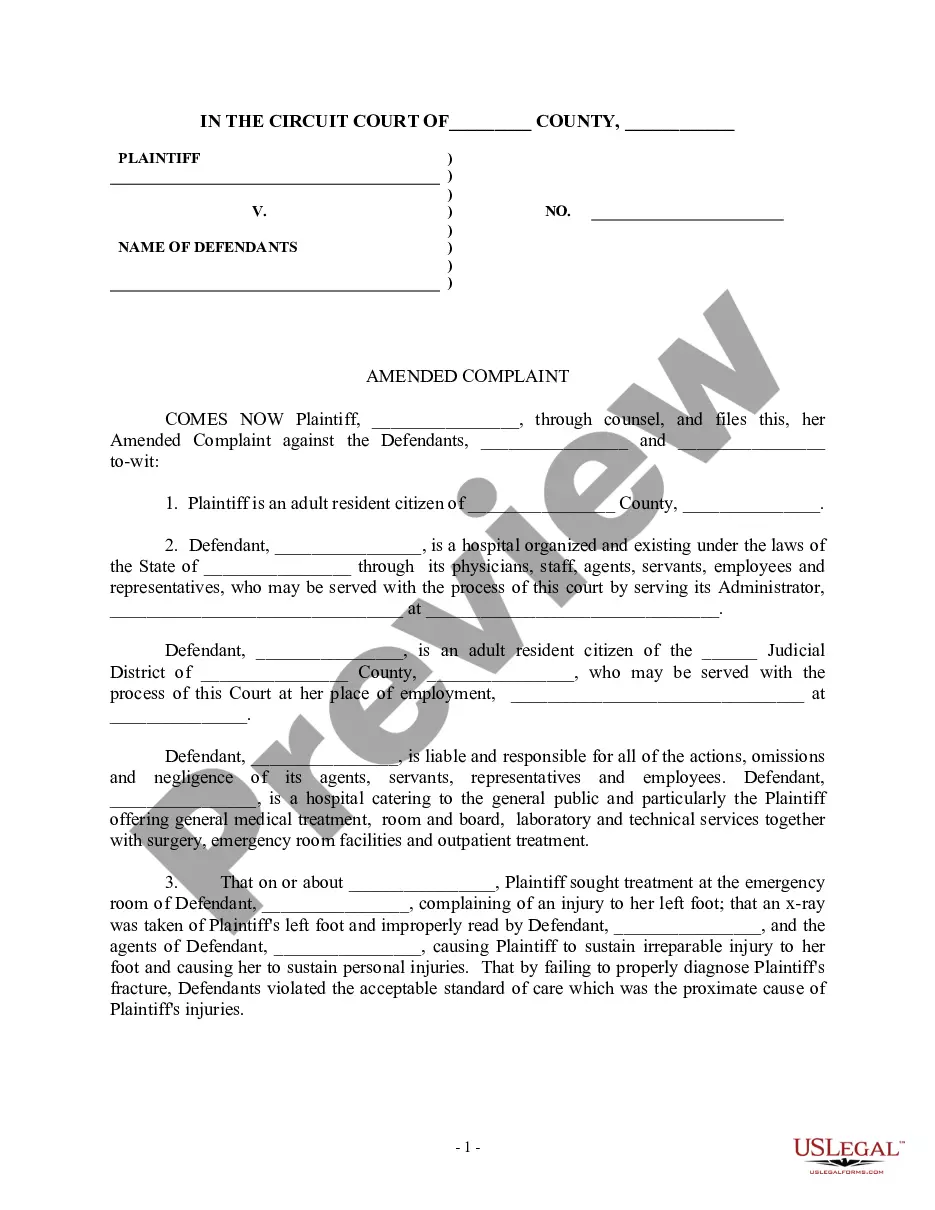
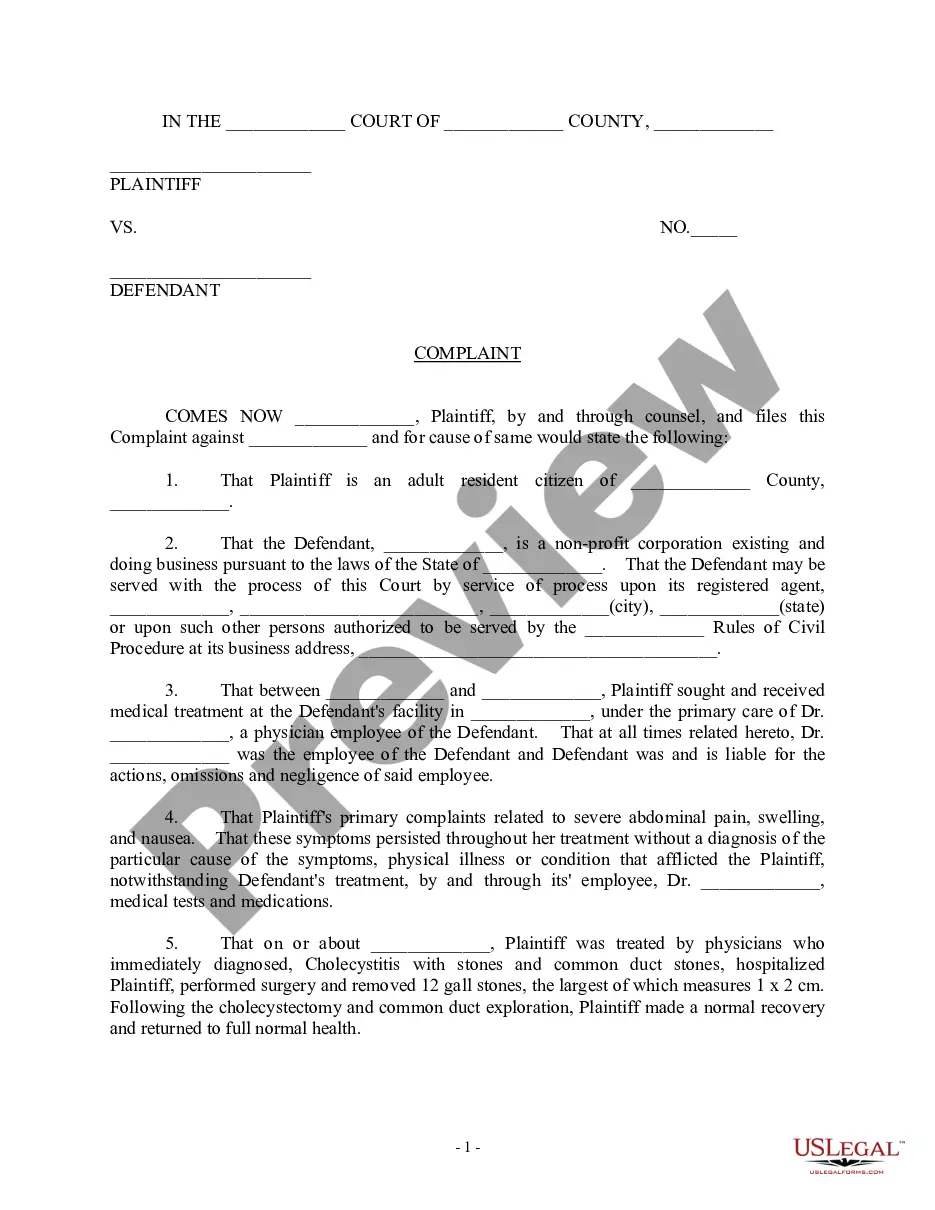
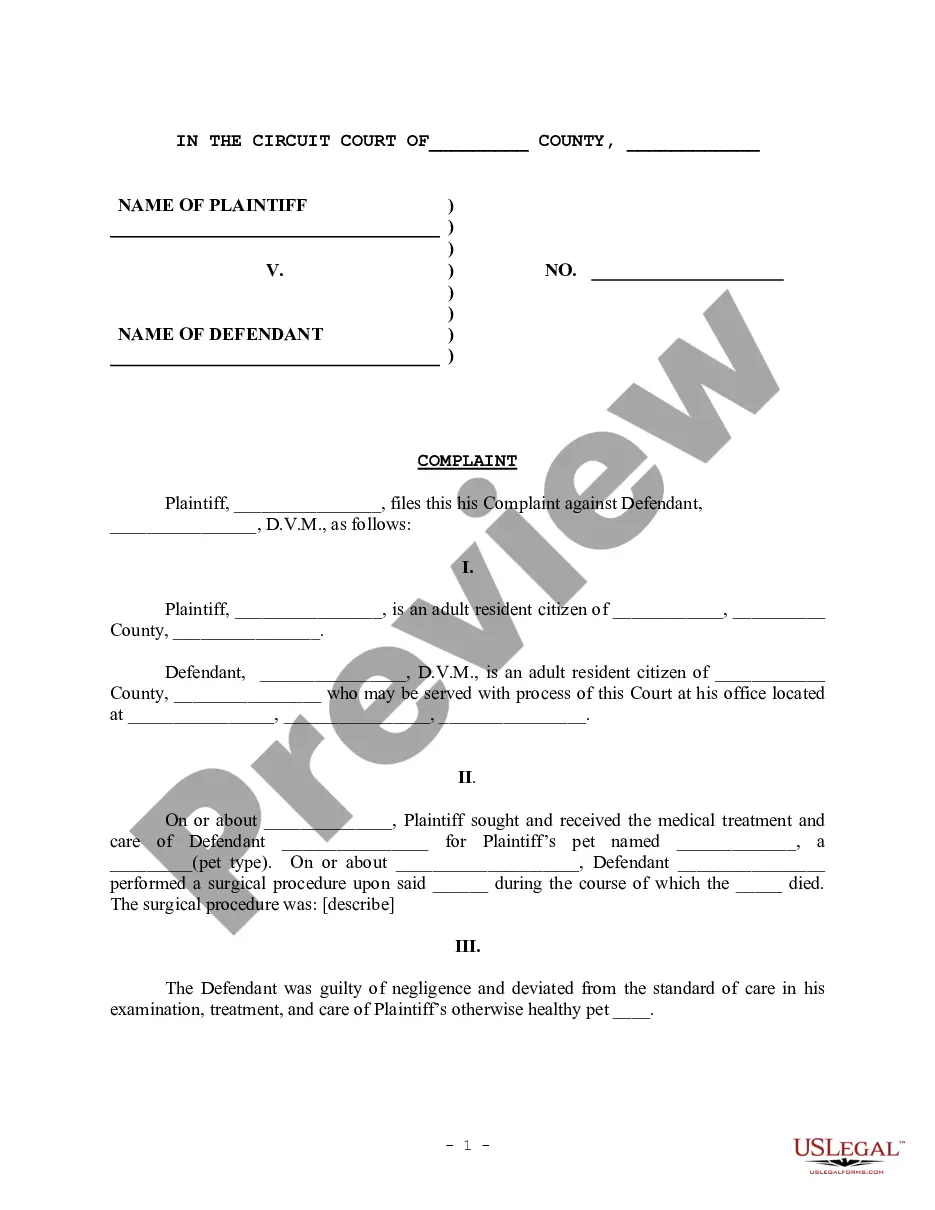
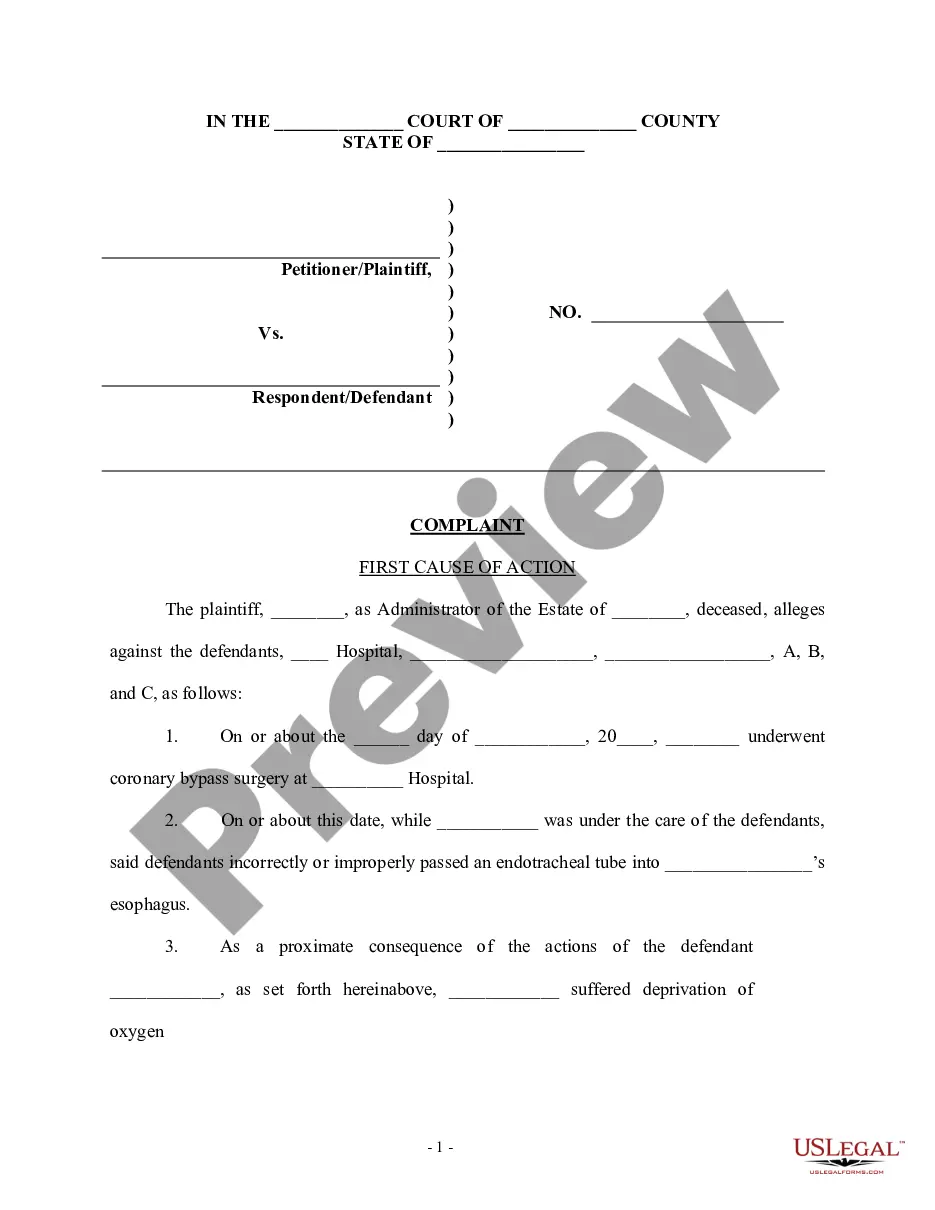
Get your form ready online
Our built-in tools help you complete, sign, share, and store your documents in one place.
Make edits, fill in missing information, and update formatting in US Legal Forms—just like you would in MS Word.
Download a copy, print it, send it by email, or mail it via USPS—whatever works best for your next step.
Sign and collect signatures with our SignNow integration. Send to multiple recipients, set reminders, and more. Go Premium to unlock E-Sign.
If this form requires notarization, complete it online through a secure video call—no need to meet a notary in person or wait for an appointment.
We protect your documents and personal data by following strict security and privacy standards.

Make edits, fill in missing information, and update formatting in US Legal Forms—just like you would in MS Word.

Download a copy, print it, send it by email, or mail it via USPS—whatever works best for your next step.

Sign and collect signatures with our SignNow integration. Send to multiple recipients, set reminders, and more. Go Premium to unlock E-Sign.

If this form requires notarization, complete it online through a secure video call—no need to meet a notary in person or wait for an appointment.

We protect your documents and personal data by following strict security and privacy standards.
Looking for another form?
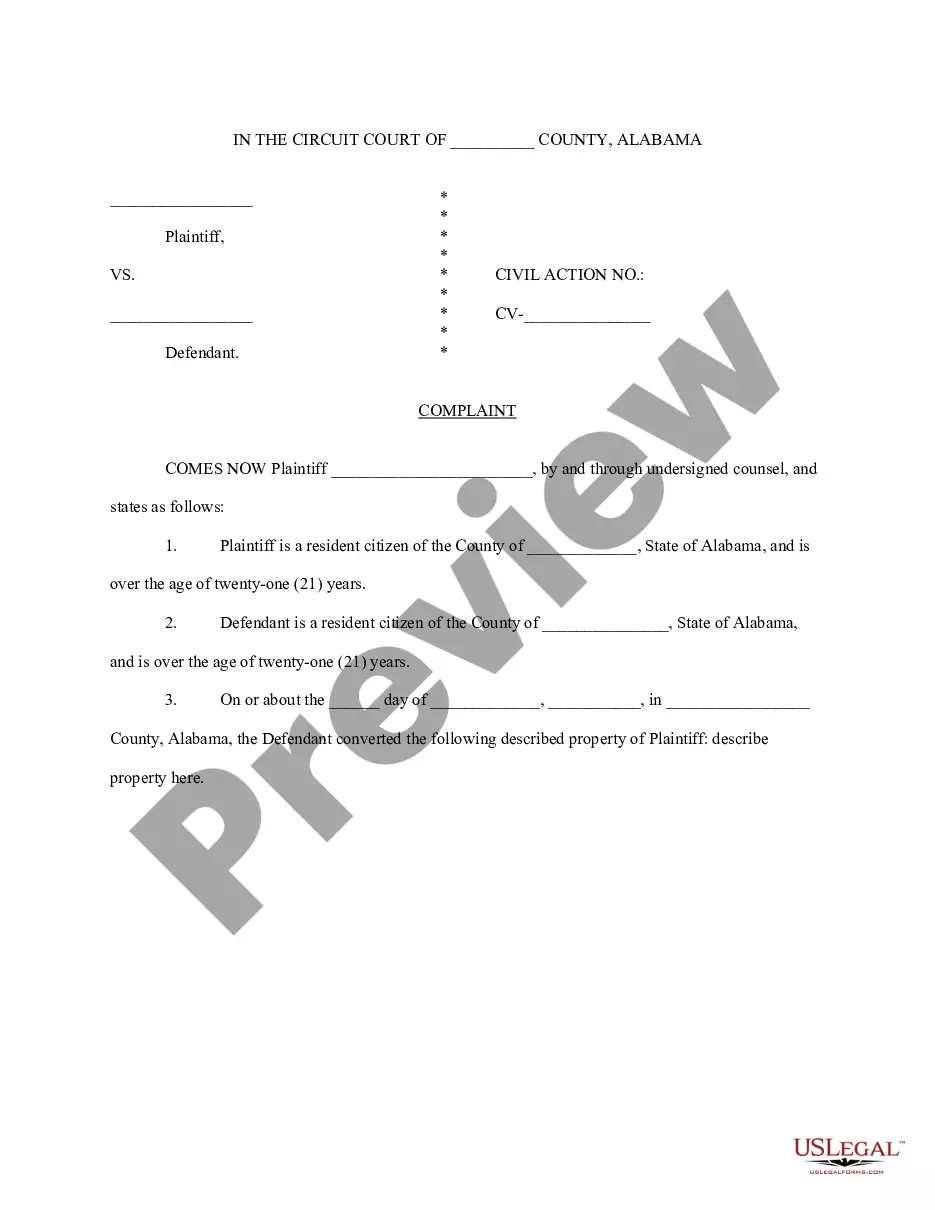
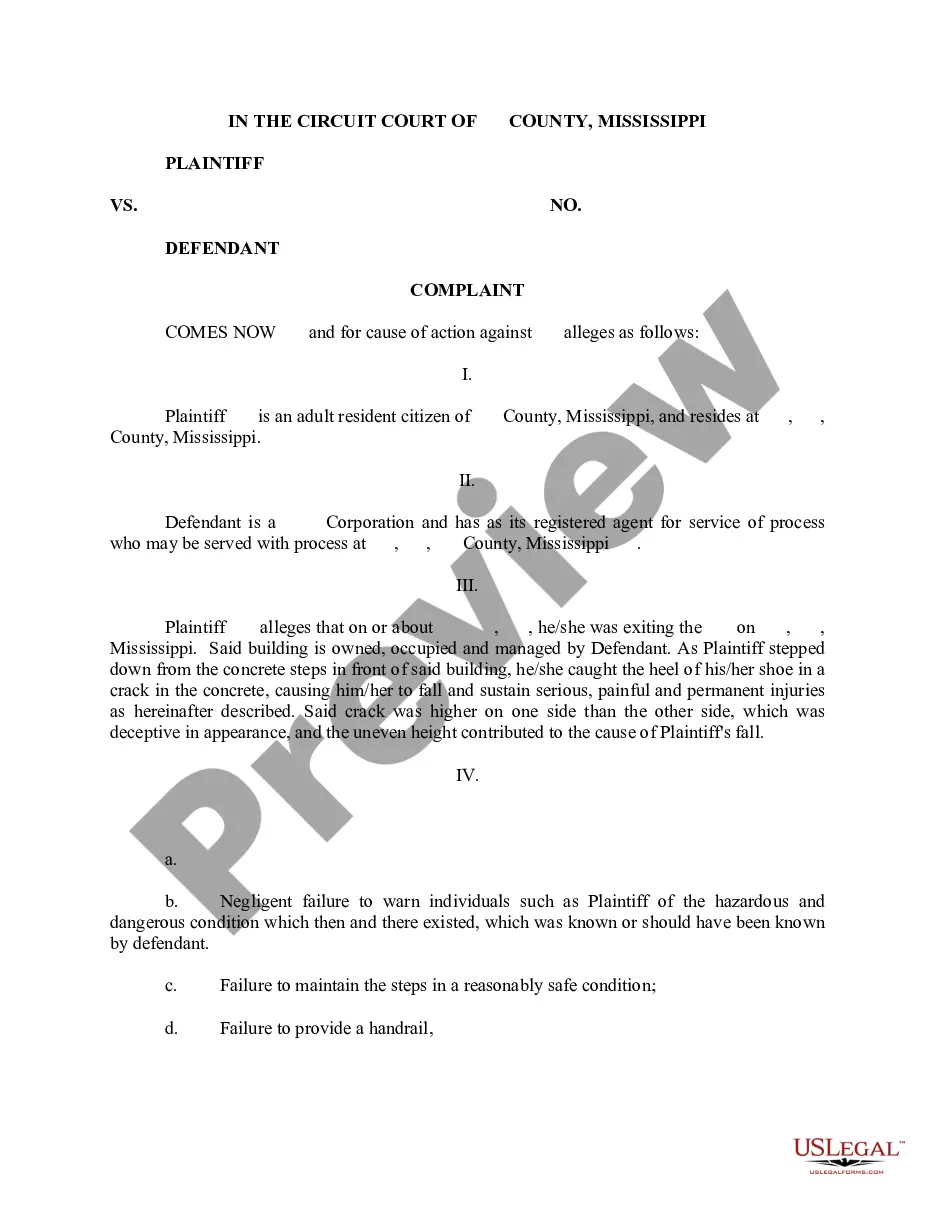
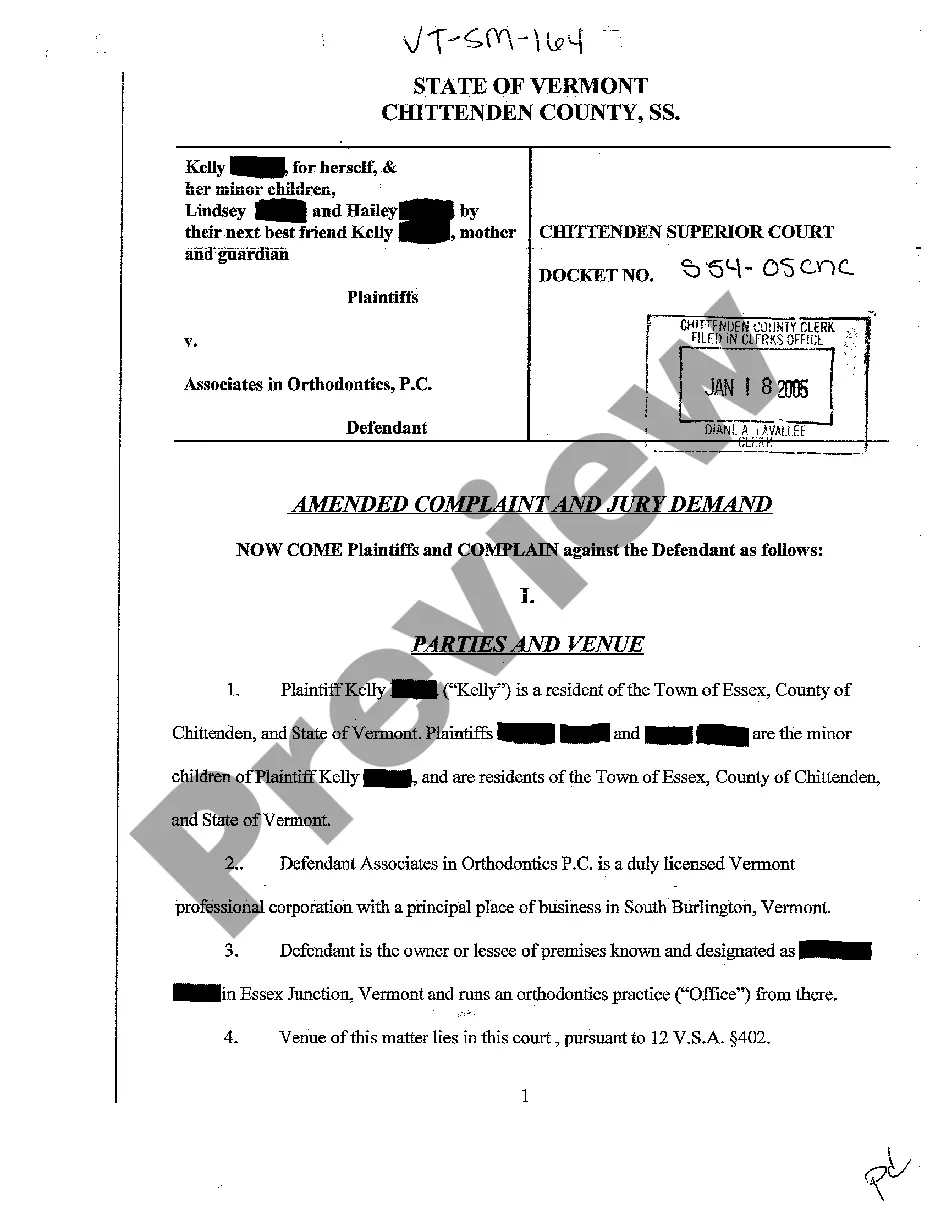

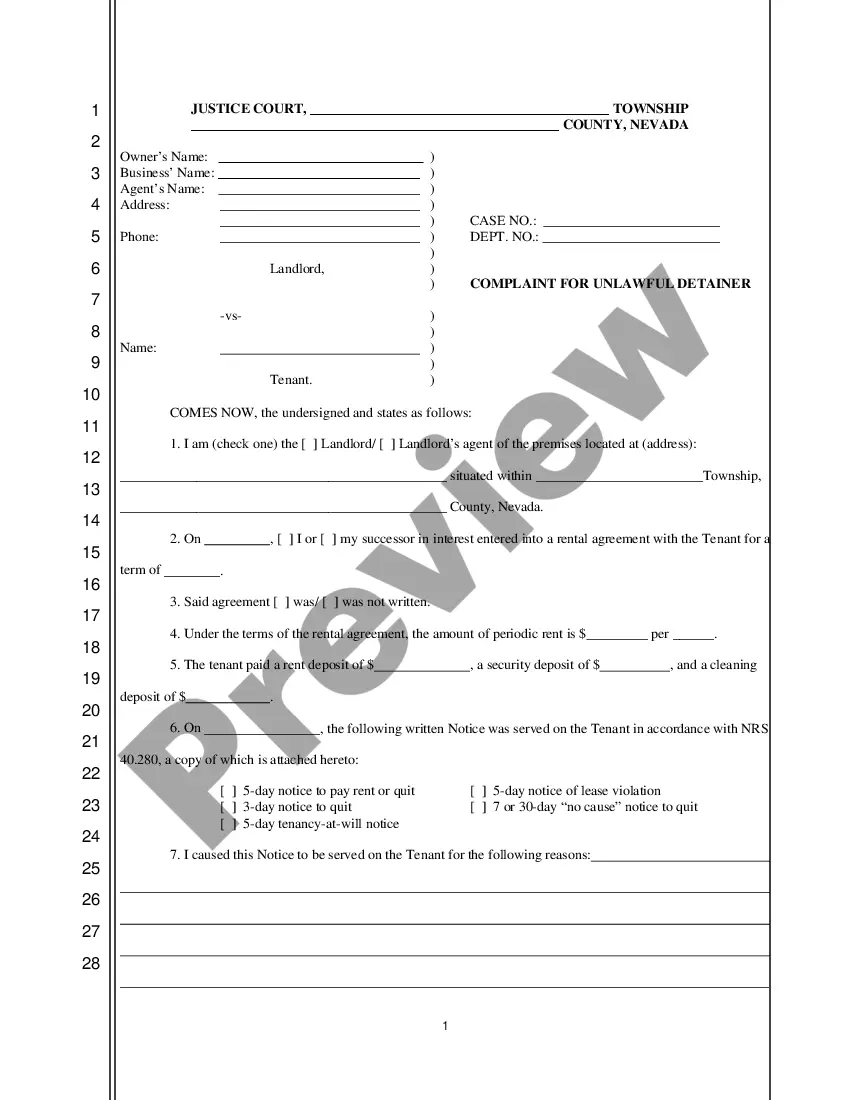
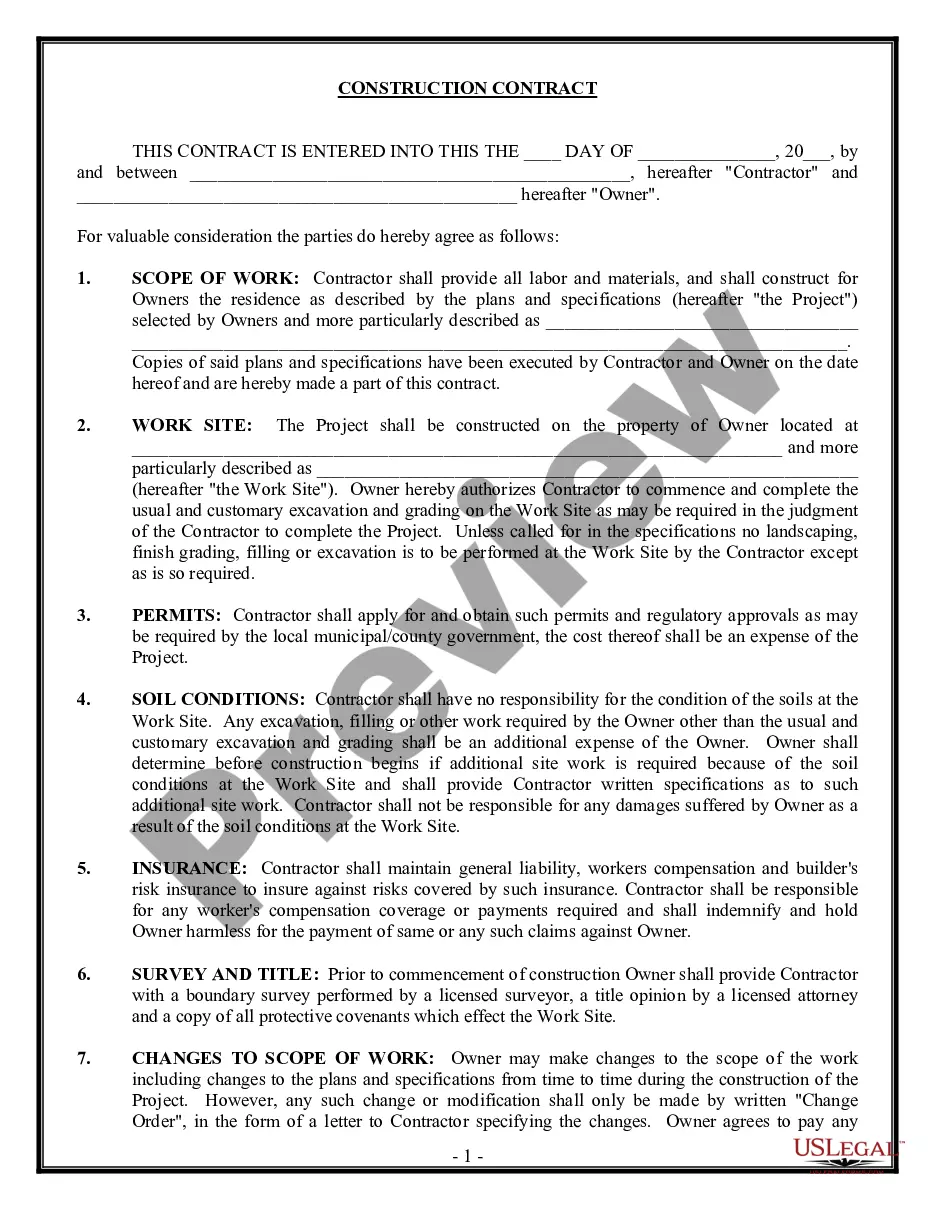
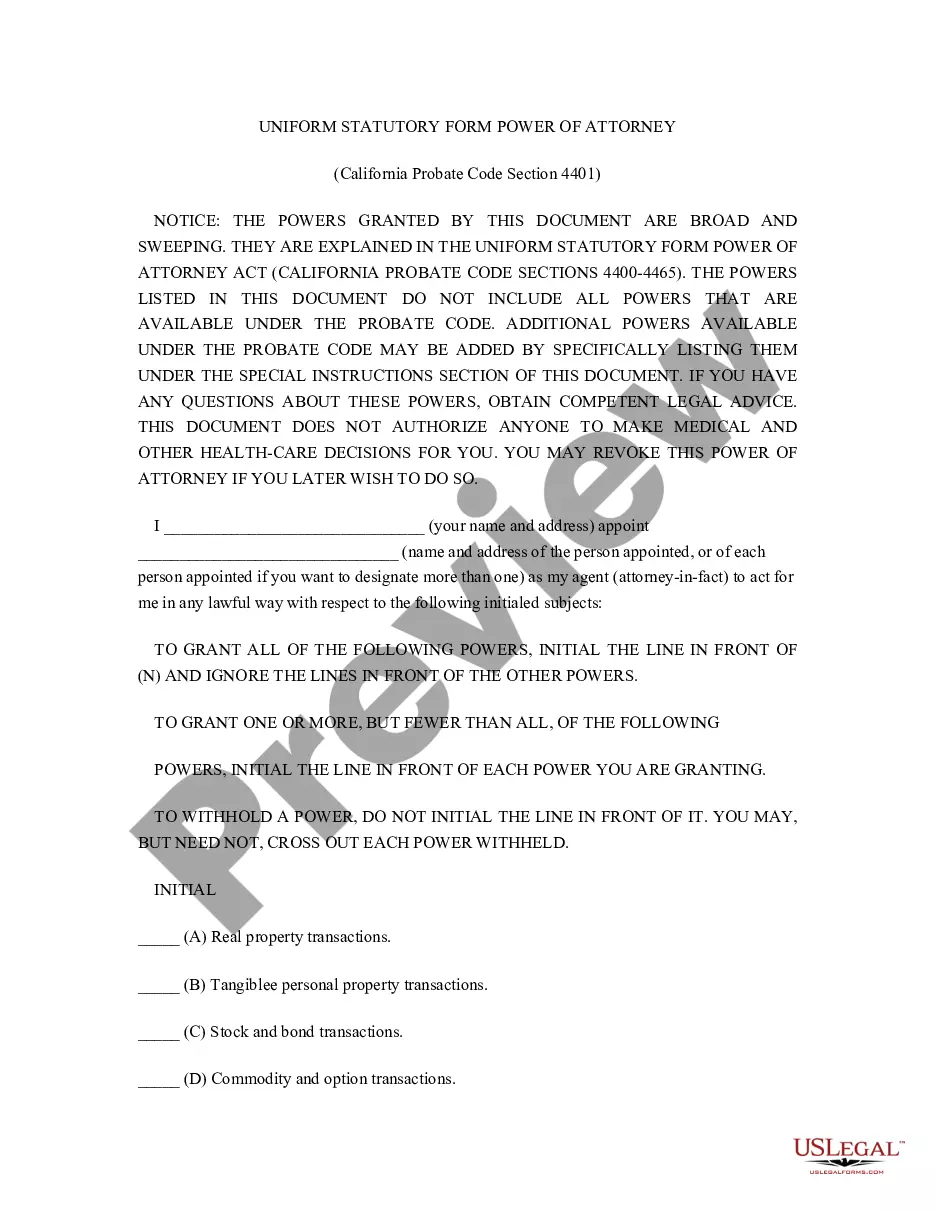
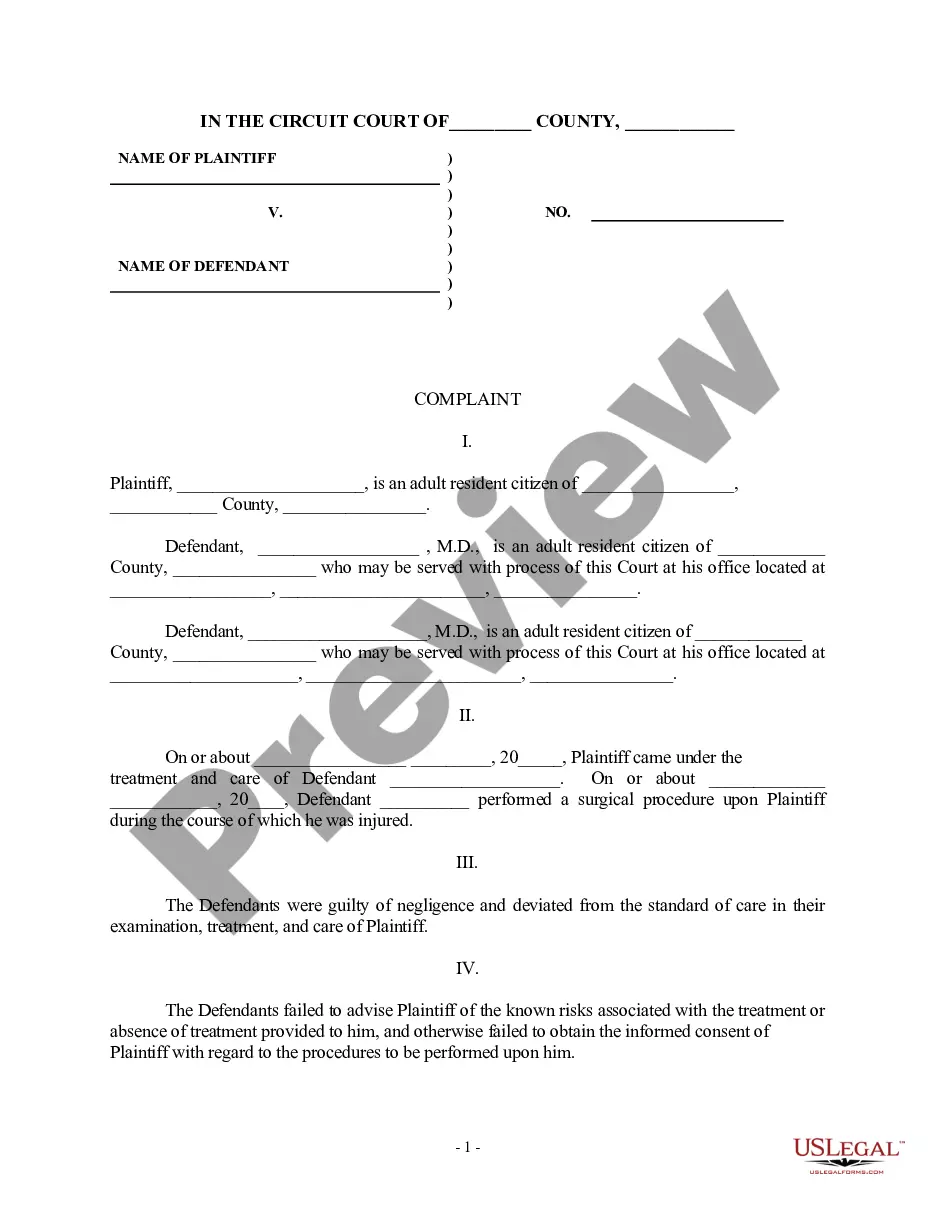
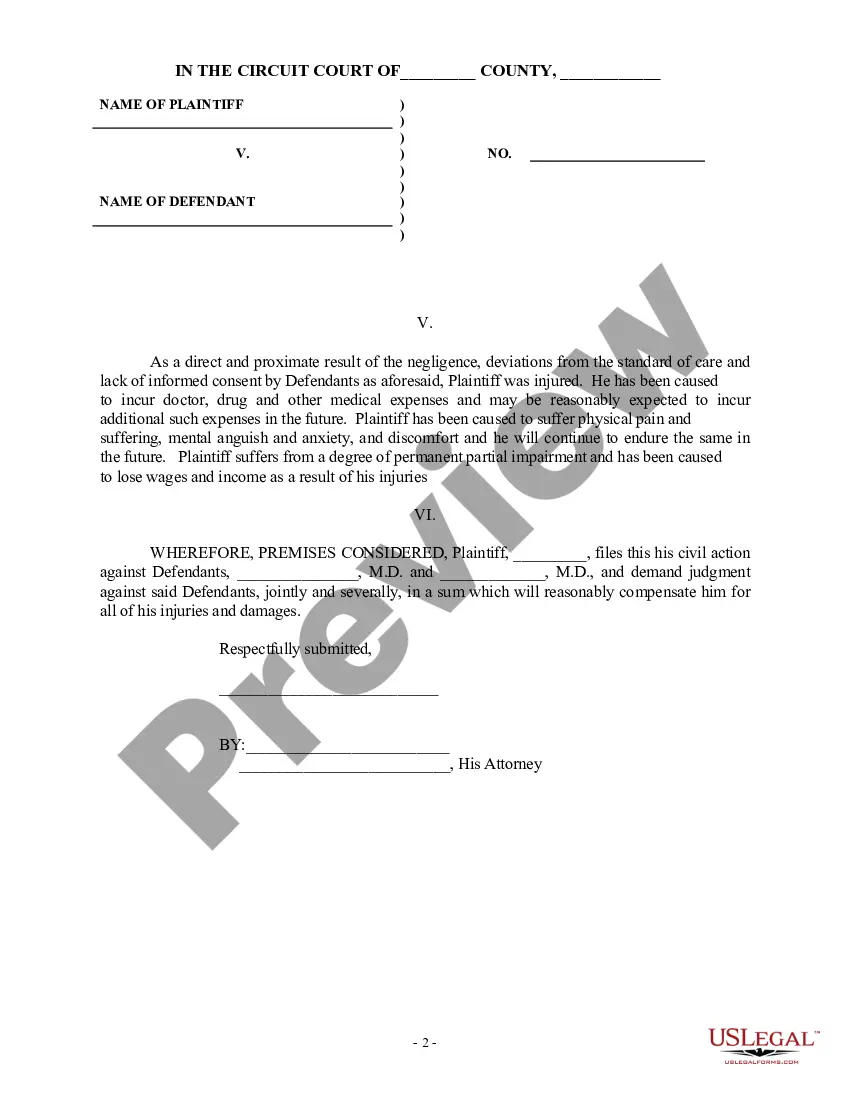
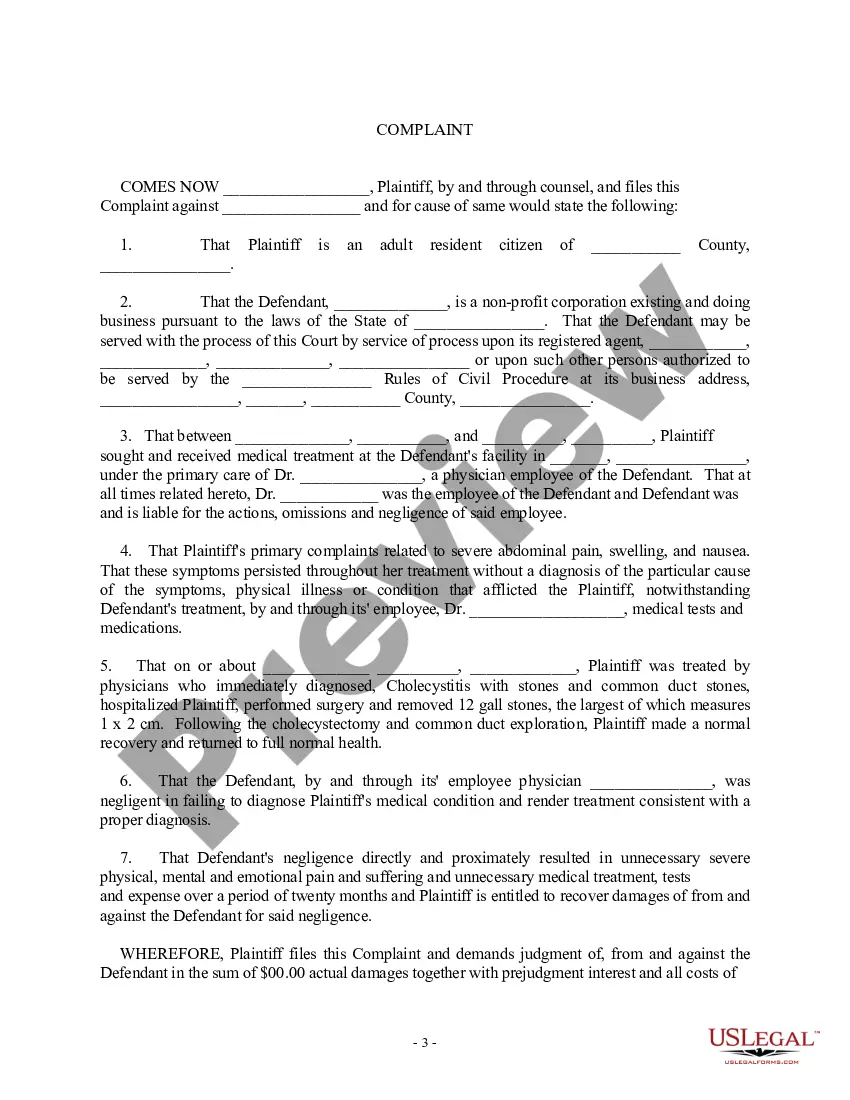
How to fill out Complaint For Medical Malpractice Regarding Surgical Procedure?
Whether for corporate purposes or personal matters, everyone eventually has to handle legal issues in their life.
Completing legal documentation requires meticulous care, starting with selecting the correct form template. For example, if you choose an incorrect version of a Malpractice Regarding Withdrawals, it will be rejected upon submission.
With an extensive US Legal Forms catalog available, you need not waste time searching for the right template online. Utilize the library’s straightforward navigation to find the correct sample for any occasion.
- Obtain the form you need using the search tool or catalog browsing.
- Review the form’s details to ensure it aligns with your circumstances, state, and county.
- Click on the form’s preview to view it.
- If it is the wrong form, return to the search option to find the Malpractice Regarding Withdrawals template you need.
- Download the template if it suits your requirements.
- If you already possess a US Legal Forms account, click Log in to access previously stored documents in My documents.
- If you don’t have an account yet, you can acquire the form by clicking Buy now.
- Select the appropriate pricing option.
- Complete the account registration form.
- Choose your payment method: use a credit card or PayPal account.
- Select the file format you wish and download the Malpractice Regarding Withdrawals.
- Once saved, you can fill out the form using editing software or print it and complete it by hand.
Form popularity
FAQ
To prove malpractice regarding withdrawals, five crucial elements must be present. These include the existence of a duty of care, a breach of this duty, a causal link between the breach and the injury, actual injury, and damages incurred. Ensuring you have evidence for each element is essential for your case.
Mandatory Withdrawal the lawyer is discharged by the client; the lawyer's physical or mental condition materially impairs the lawyer's ability to represent the client; or. the representation will result in a violation of the Rules of Professional Conduct or other law.
The attorney is not relieved of his or her duties to represent the client unless and until an order granting the withdrawal is signed by the judge and filed with the clerk of court. Clients are also allowed to terminate the attorney-client relationship. Clients can fire their attorneys at will.
Under Rule 1.16(a), lawyers are required to either decline to represent a client, or to withdraw, when the representation would result in a violation of the rules of professional conduct or other law; the lawyer's physical or mental condition materially impairs their ability to represent client; or the lawyer has been ...
Lawyers are officers of the court, so when a lawyer visits a prison to meet his client, it is the duty of the concerned authorities to facilitate the same, it observed.
An attorney seeking to withdraw from representing a client in a case or proceeding at a time when such client is represented by other counsel of record in such matter may withdraw his or her appearance by filing a notice of withdrawal that is approved and signed by the client and other counsel of record for the client, ...