Filing For A Protective Order In Texas
Description



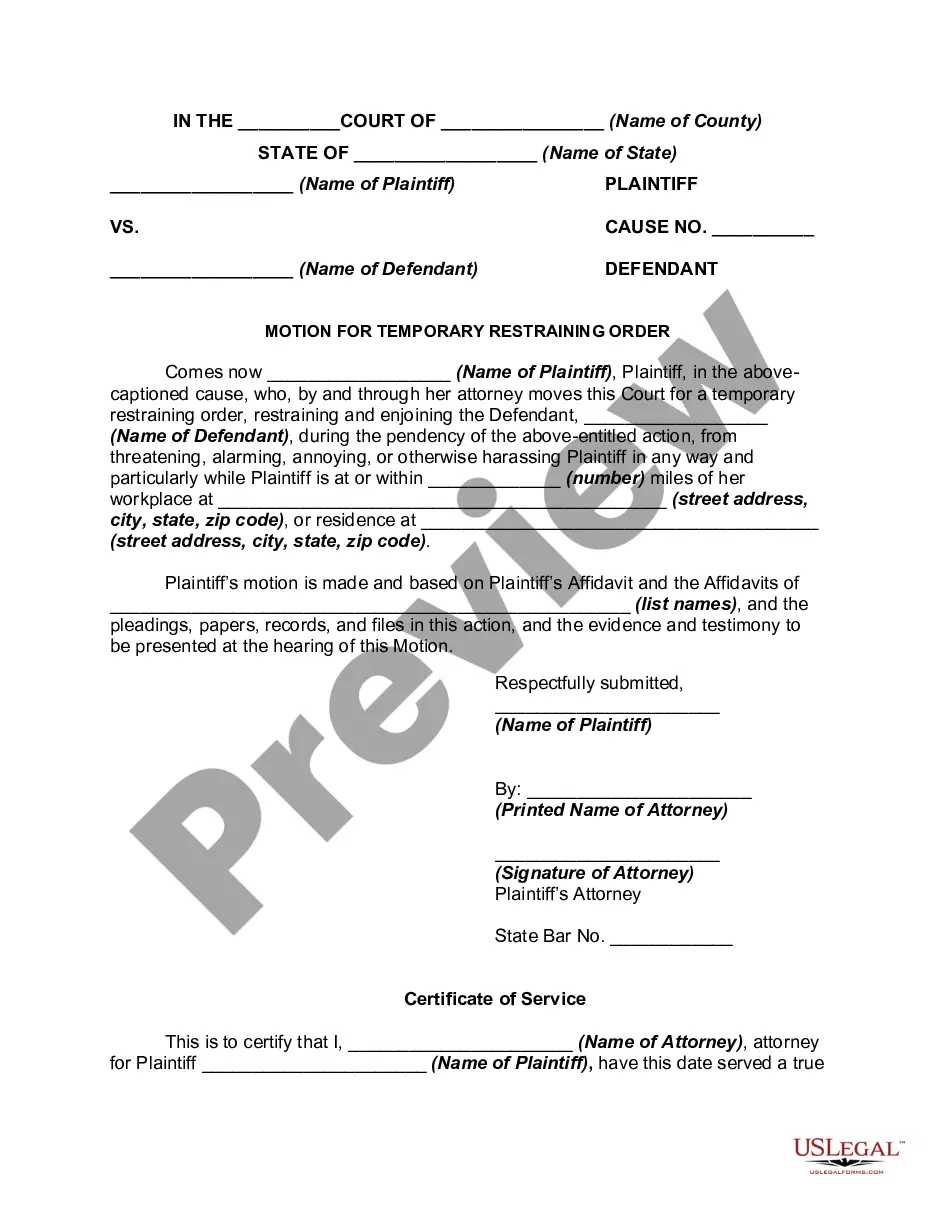

Get your form ready online
Our built-in tools help you complete, sign, share, and store your documents in one place.
Make edits, fill in missing information, and update formatting in US Legal Forms—just like you would in MS Word.
Download a copy, print it, send it by email, or mail it via USPS—whatever works best for your next step.
Sign and collect signatures with our SignNow integration. Send to multiple recipients, set reminders, and more. Go Premium to unlock E-Sign.
If this form requires notarization, complete it online through a secure video call—no need to meet a notary in person or wait for an appointment.
We protect your documents and personal data by following strict security and privacy standards.

Make edits, fill in missing information, and update formatting in US Legal Forms—just like you would in MS Word.

Download a copy, print it, send it by email, or mail it via USPS—whatever works best for your next step.

Sign and collect signatures with our SignNow integration. Send to multiple recipients, set reminders, and more. Go Premium to unlock E-Sign.

If this form requires notarization, complete it online through a secure video call—no need to meet a notary in person or wait for an appointment.

We protect your documents and personal data by following strict security and privacy standards.
Looking for another form?

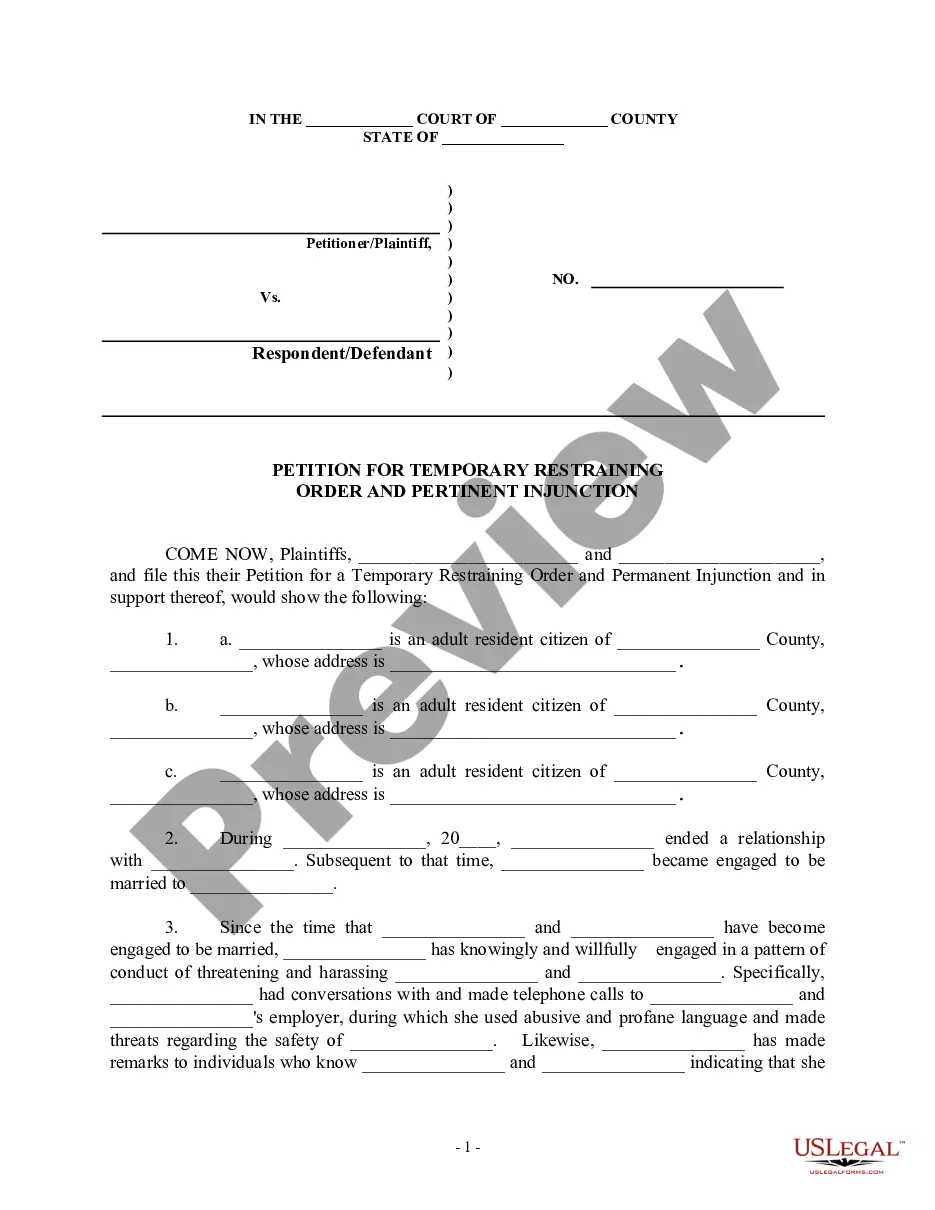
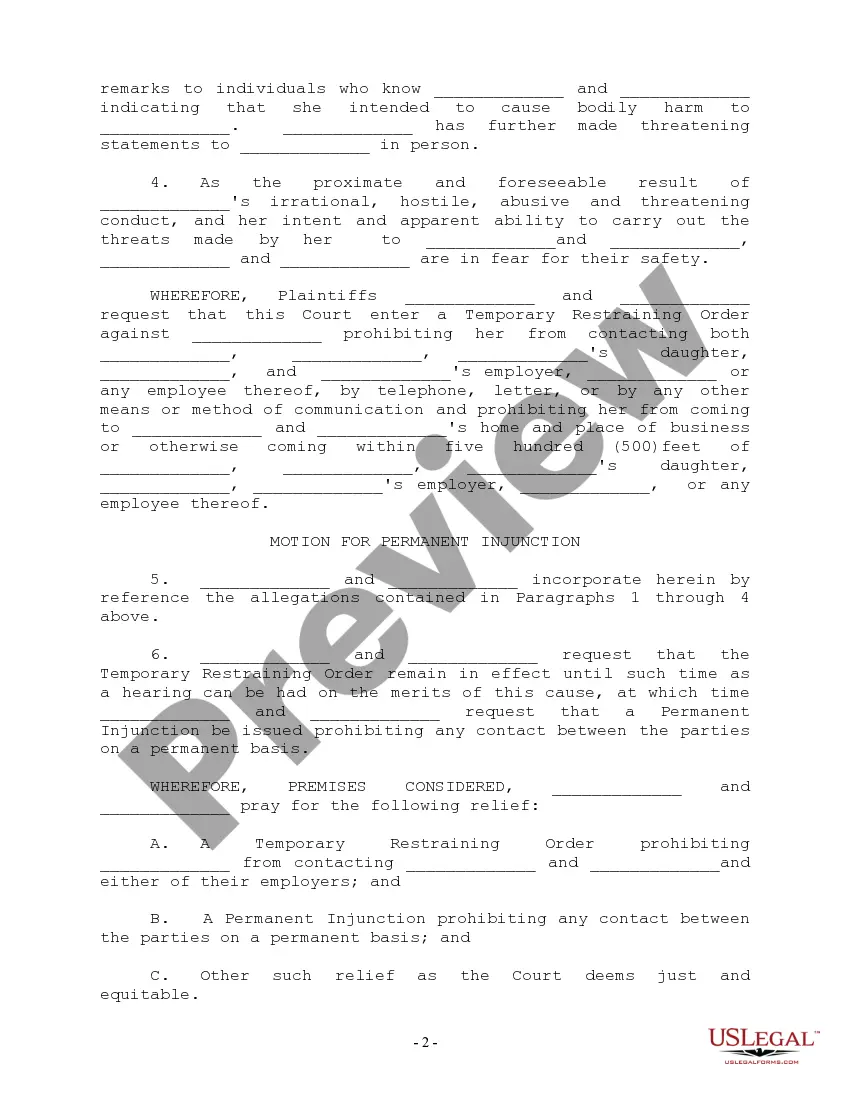
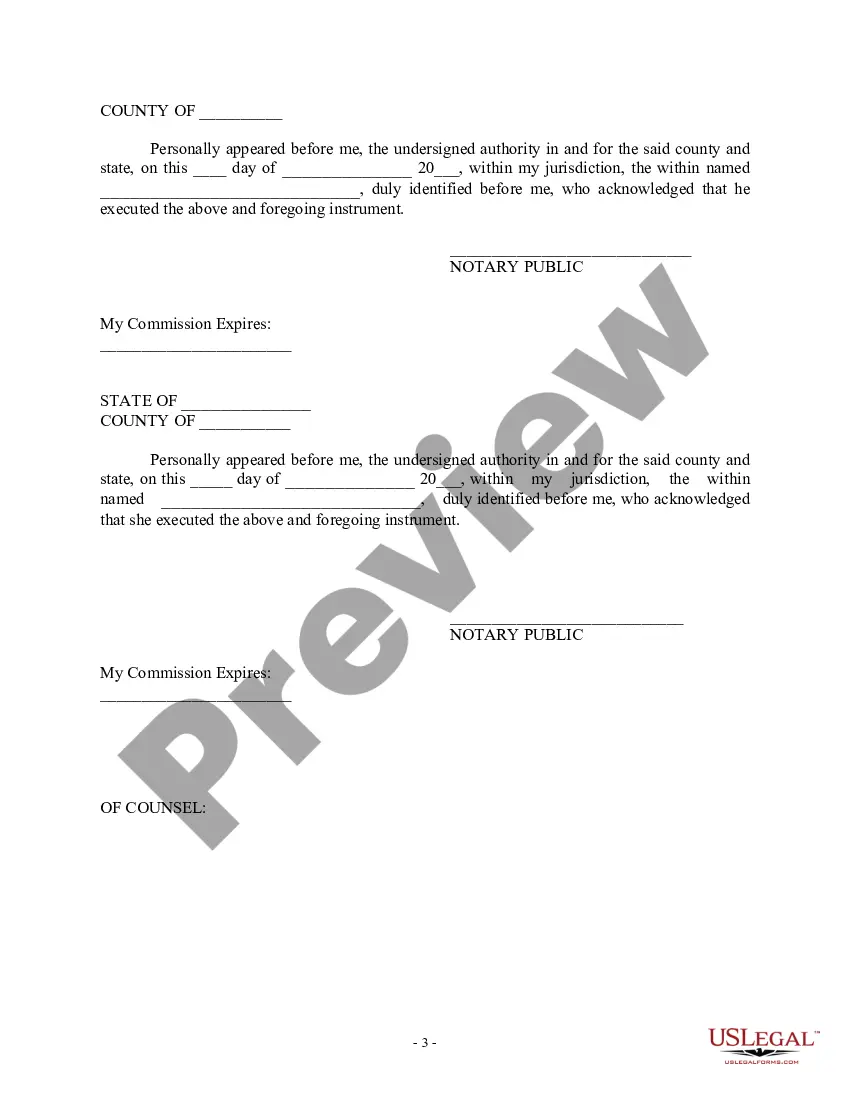
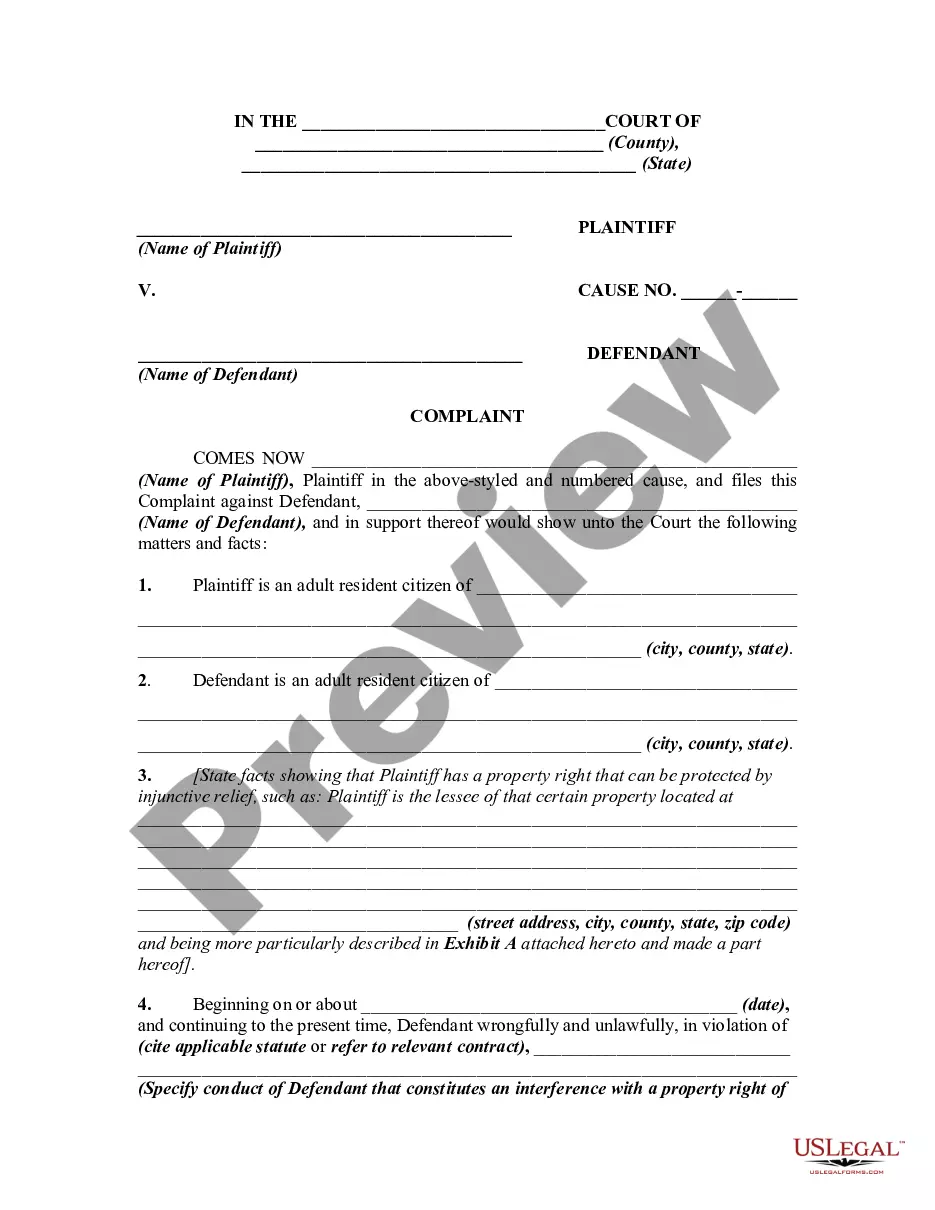
How to fill out Petition For Temporary Restraining Order And Permanent Injunction For Personal Harassment?
Legal paperwork administration can be daunting, even for experienced experts.
When seeking a Filing For A Protective Order In Texas and lacking time to search for the accurate and current version, the process can be stressful.
Tap into a valuable resource repository of articles, guides, and materials relevant to your situation and requirements.
Conserve time and energy in locating the forms you require, and use US Legal Forms’ sophisticated search and Preview feature to identify Filing For A Protective Order In Texas and obtain it.
Ensure that the form is accepted in your state or county, choose Buy Now when you are ready, select a monthly subscription plan, choose the format you need, and Download, complete, sign, print, and send your documents.
Leverage the US Legal Forms online library, backed by 25 years of experience and trustworthiness. Transform your daily document management into a seamless and user-friendly process today.
- If you possess a membership, Log Into your US Legal Forms account, locate the form, and acquire it.
- Check the My documents section to review the documents you previously saved and manage your folders as preferred.
- If this is your first interaction with US Legal Forms, establish a free account and gain unlimited access to all benefits of the library.
- Here are the steps to follow after obtaining the form you need.
- Confirm it is the correct form by previewing it and reviewing its details.
- Access state- or county-specific legal and business documents.
- US Legal Forms caters to any needs you might have, from personal to corporate documentation, all in one location.
- Utilize advanced tools to execute and manage your Filing For A Protective Order In Texas.
Form popularity
FAQ
The public does have access to the registry, but only if the victim opts to have the information viewable to the public. The information includes the Respondent's name, year of birth, court, county, cause number, race/ethnicity, date ordered issued, date order served, date order vacated, or date order expired.
Include details and dates that relate to the abuser's violence and threats, if possible. If you are in immediate danger and want to apply for a temporary ex parte order, you must include a detailed description of the facts and circumstances concerning the family violence and the need for the immediate protective order.
Step 1: Go to the district attorney's office or the courthouse to file. Step 2: Fill out the forms. Step 3: A judge will review your petition. Step 4: Service of process. Step 5: The hearing for a permanent protective order.
A individual violates the order ? which the judge may have issued under the Code of Criminal Procedure or the Family Code ? if he or she knowingly or intentionally commits family violence, communicates with the protected individual or their family members, goes to prohibited places, interferes with the alleged victim's ...
A protective order also empowers the police to act if the offender violates the order. The police can arrest the offender in such cases, and a judge can charge the offender with a criminal offense. In contrast, a restraining order does not enlist the police if a party violates the order.