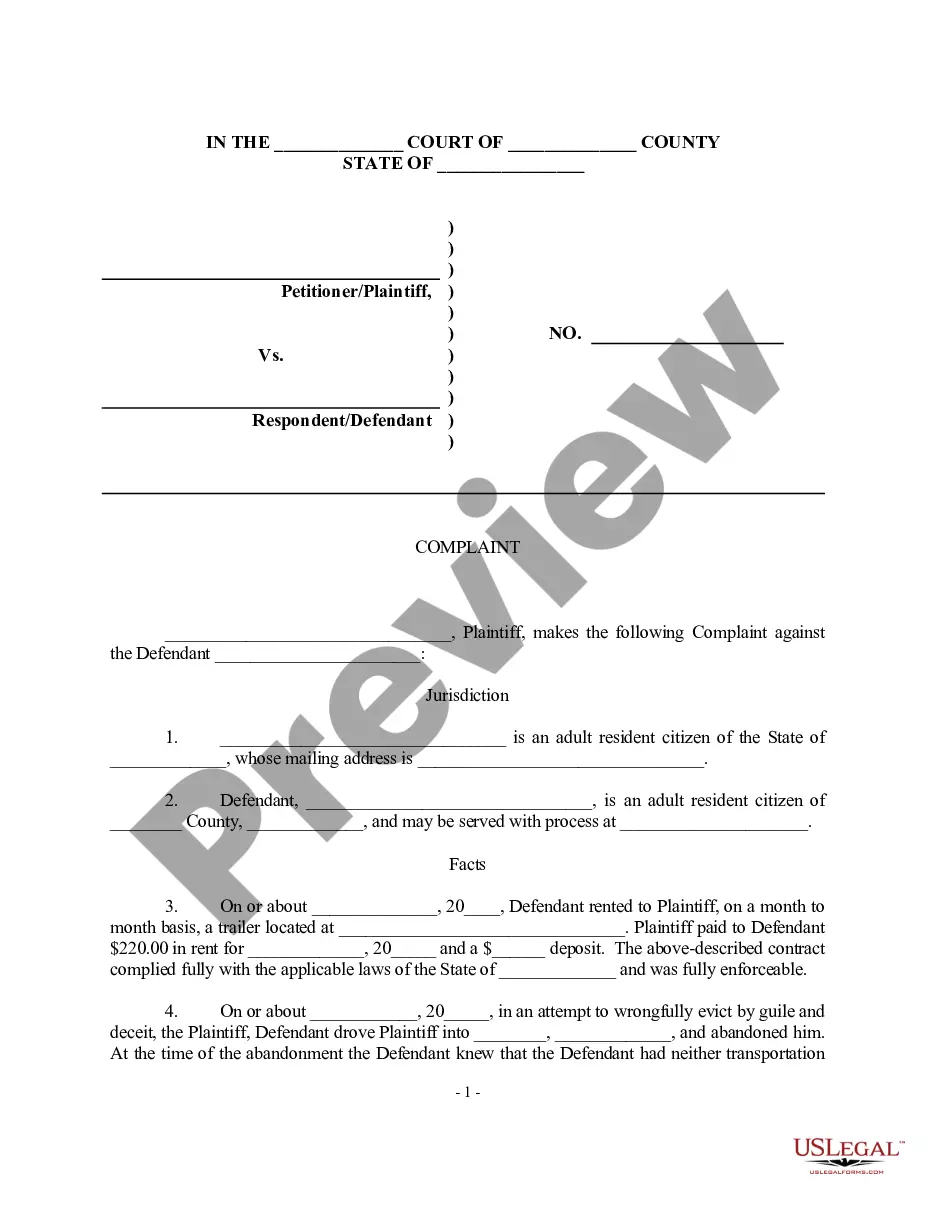
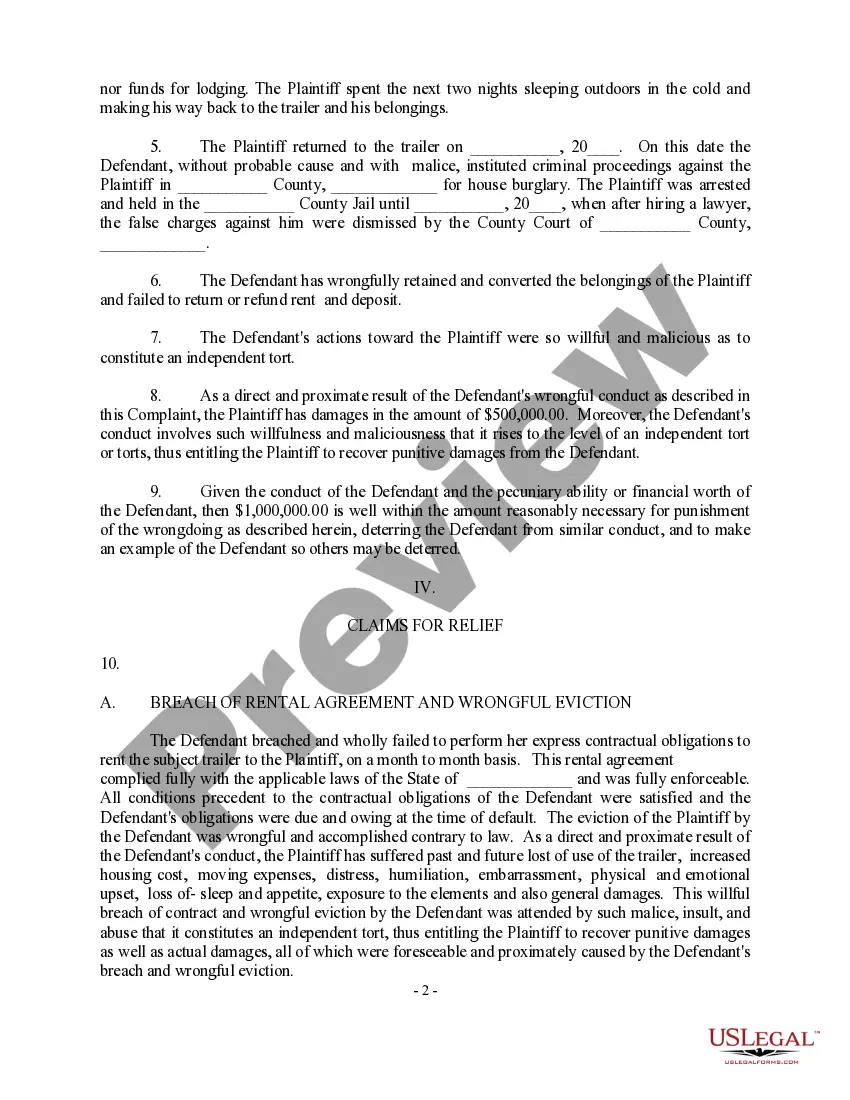
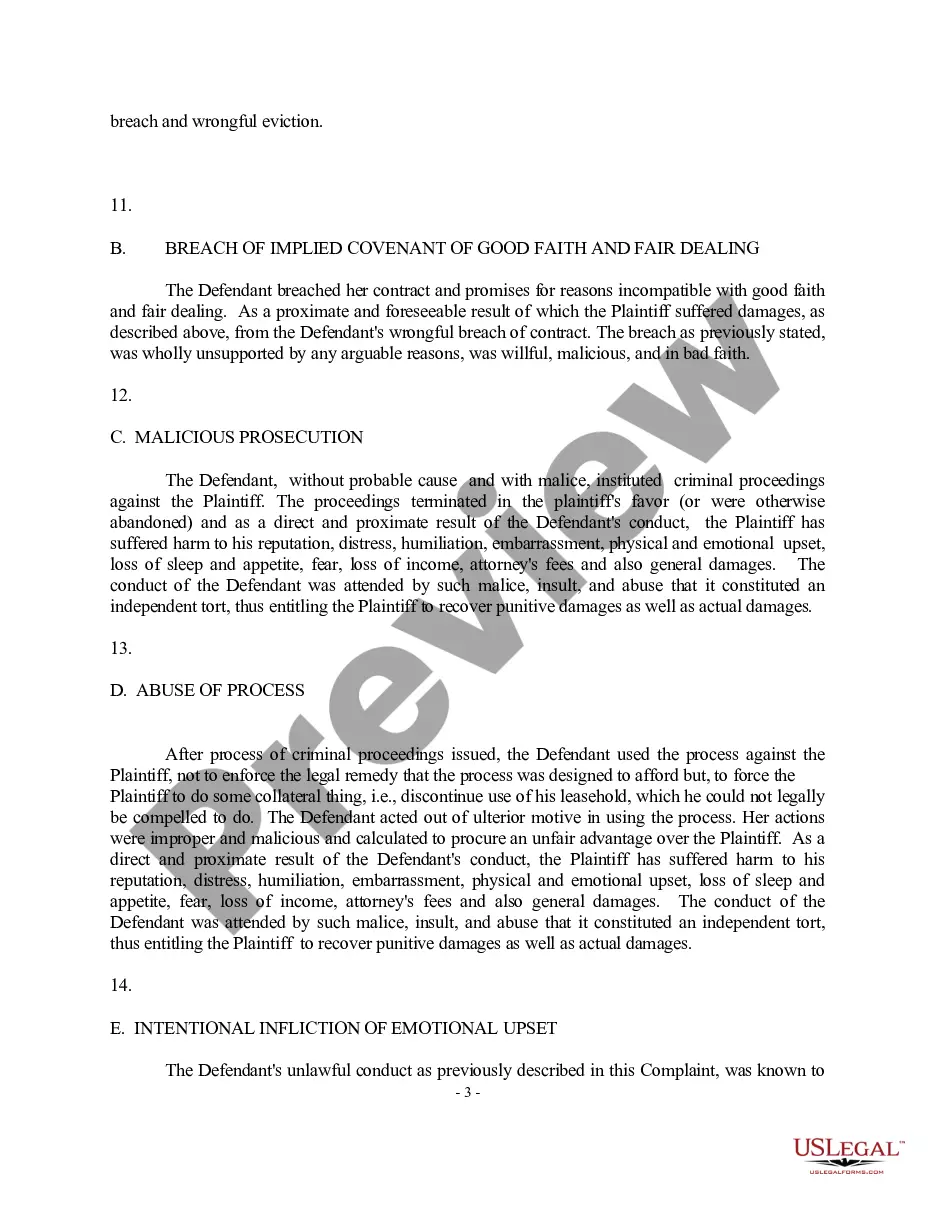
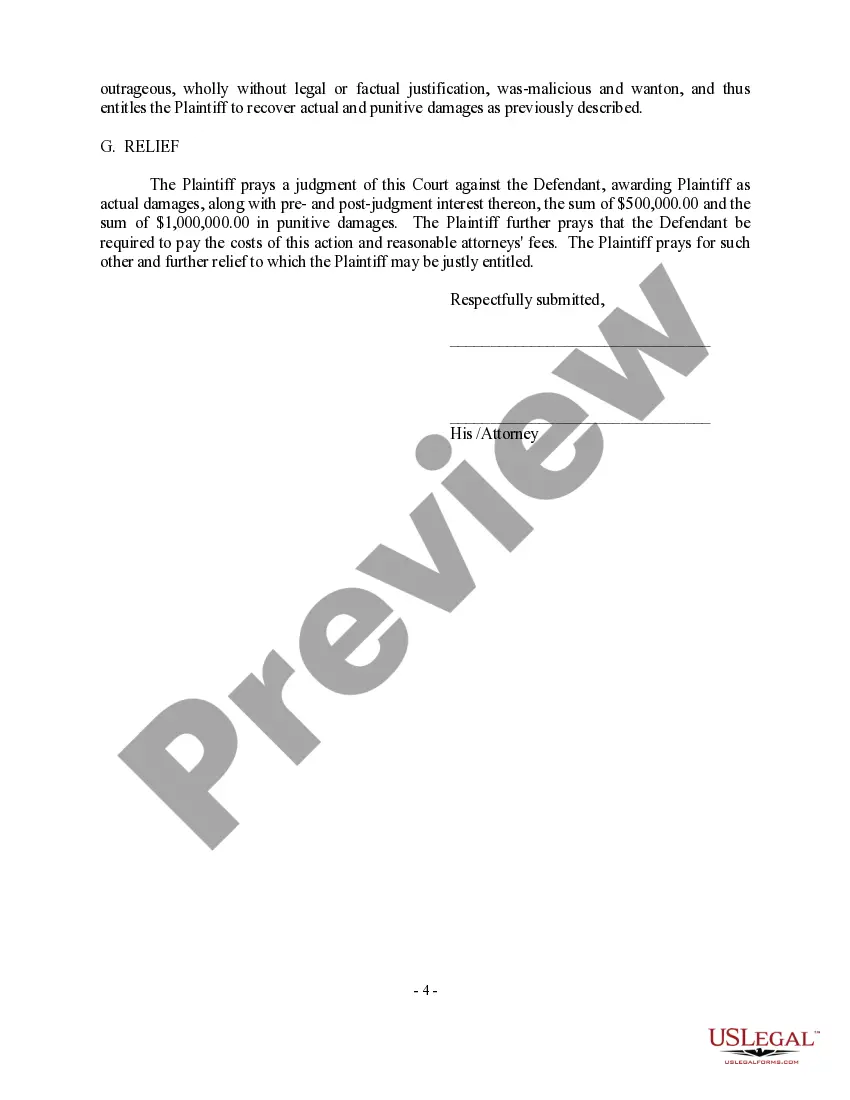
Sample Court Format For Maintenance
Description
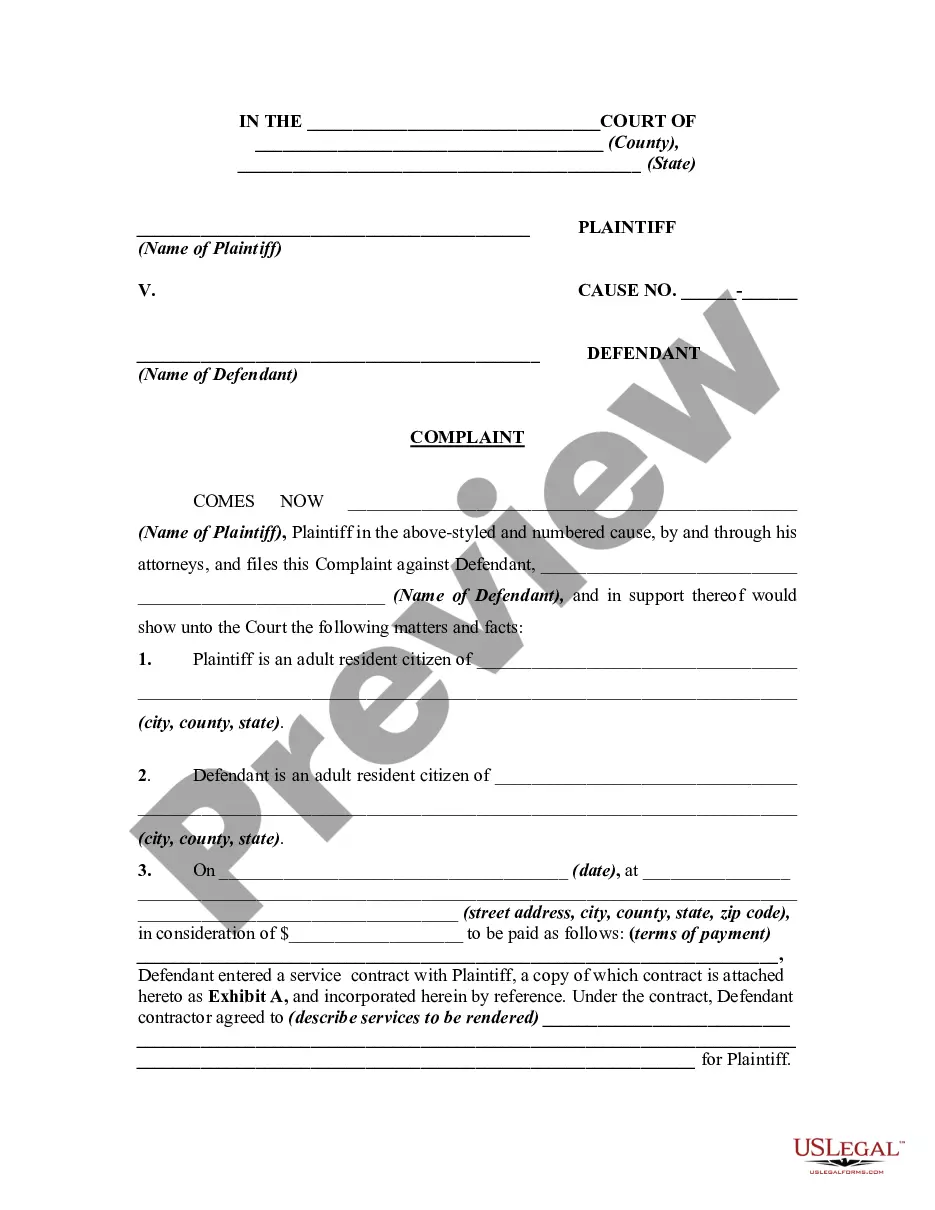
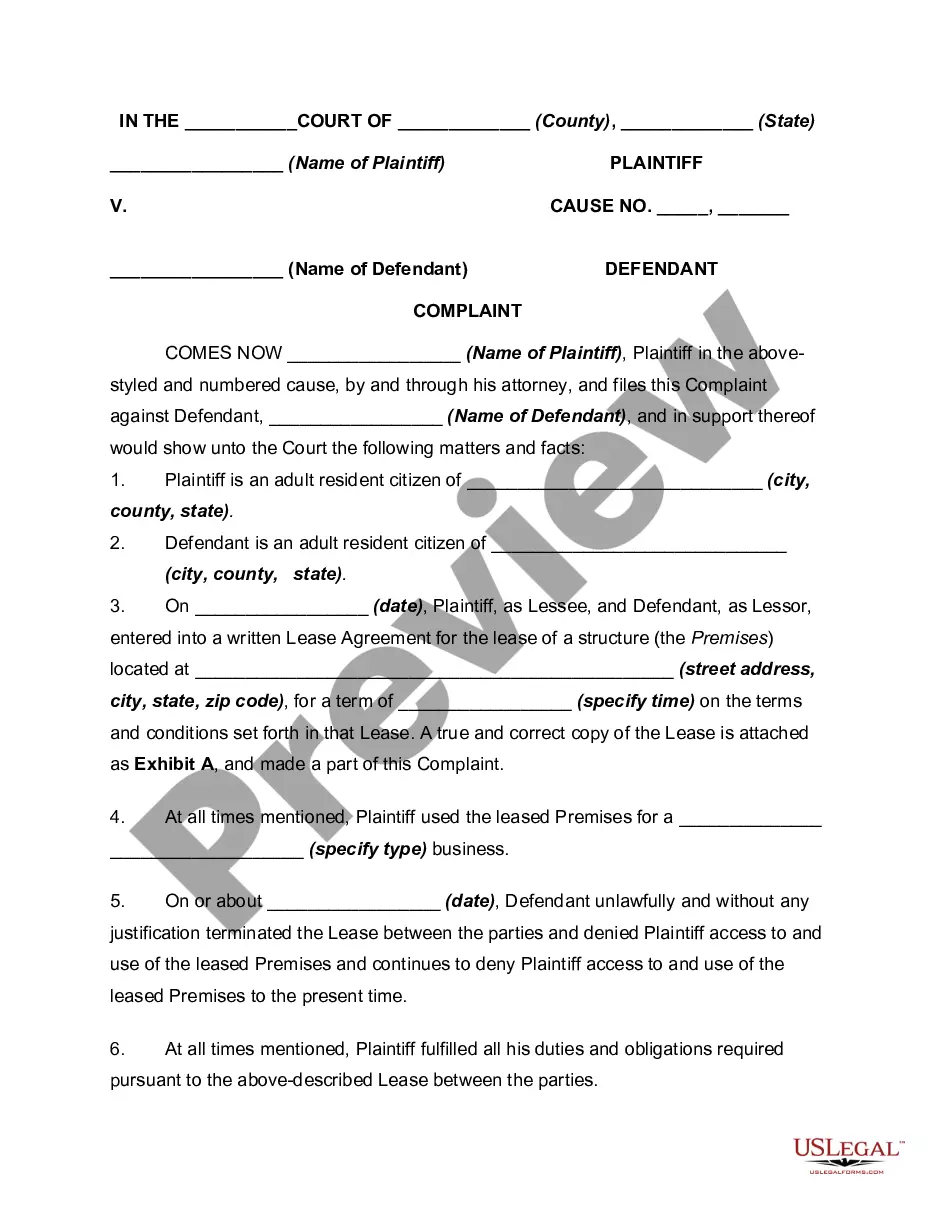
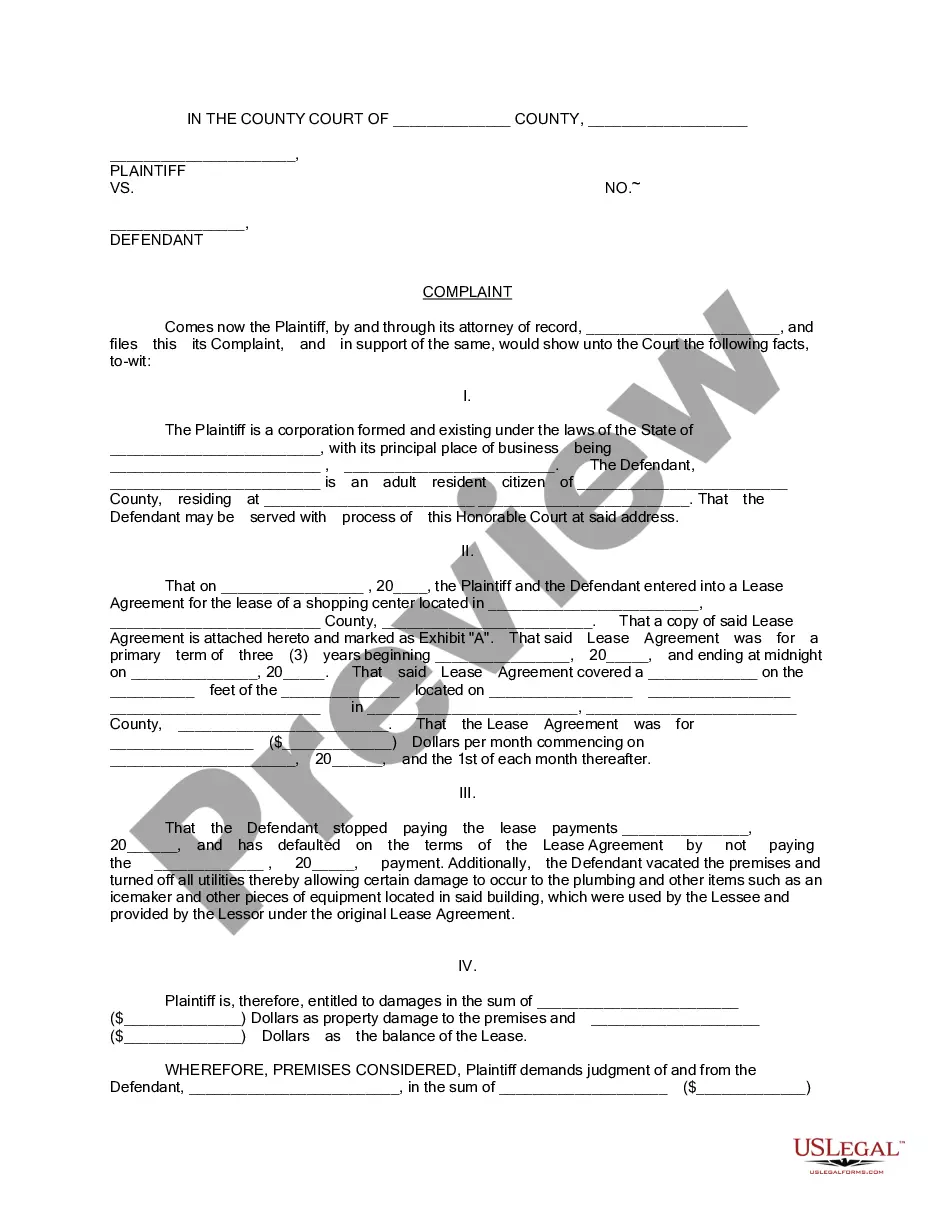
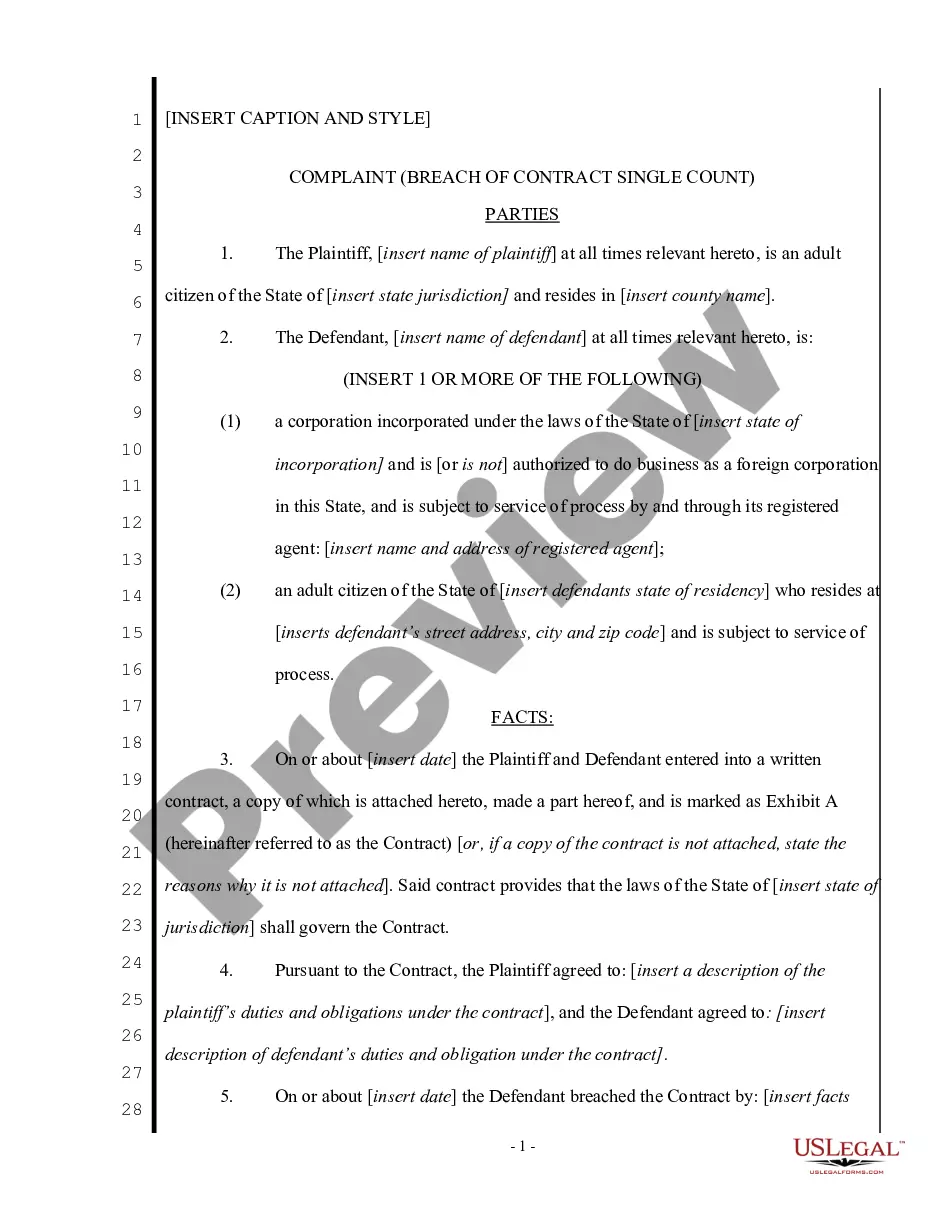
Get your form ready online
Our built-in tools help you complete, sign, share, and store your documents in one place.
Make edits, fill in missing information, and update formatting in US Legal Forms—just like you would in MS Word.
Download a copy, print it, send it by email, or mail it via USPS—whatever works best for your next step.
Sign and collect signatures with our SignNow integration. Send to multiple recipients, set reminders, and more. Go Premium to unlock E-Sign.
If this form requires notarization, complete it online through a secure video call—no need to meet a notary in person or wait for an appointment.
We protect your documents and personal data by following strict security and privacy standards.

Make edits, fill in missing information, and update formatting in US Legal Forms—just like you would in MS Word.

Download a copy, print it, send it by email, or mail it via USPS—whatever works best for your next step.

Sign and collect signatures with our SignNow integration. Send to multiple recipients, set reminders, and more. Go Premium to unlock E-Sign.

If this form requires notarization, complete it online through a secure video call—no need to meet a notary in person or wait for an appointment.

We protect your documents and personal data by following strict security and privacy standards.
Looking for another form?
How to fill out Sample Complaint For Breach Of Rental Agreement?
Creating legal documents from the beginning may sometimes feel slightly daunting.
Some situations could require extensive research and significant financial investment.
If you're looking for a simpler and more economical method of preparing Sample Court Format For Maintenance or any other forms without the hassle, US Legal Forms is readily available to you.
Our online repository of over 85,000 current legal documents covers nearly every aspect of your financial, legal, and personal affairs.
However, before proceeding directly to download the Sample Court Format For Maintenance, consider these suggestions: Check the document preview and descriptions to ensure you have the correct form, verify that the template you select aligns with the requirements of your state and county, choose the appropriate subscription option to obtain the Sample Court Format For Maintenance, download the file, then complete, authenticate, and print it out. US Legal Forms boasts a solid reputation and over 25 years of experience. Join us today and simplify the document completion process!
- With just a few clicks, you can swiftly access state- and county-specific templates meticulously crafted for you by our legal professionals.
- Utilize our platform whenever you require a dependable service to easily find and download the Sample Court Format For Maintenance.
- If you're not a newcomer to our site and have previously registered an account with us, simply Log In to your account, choose the form, and download it right away or re-download it anytime in the My documents section.
- Not signed up yet? No problem. It only takes a few minutes to create an account and browse the library.
Form popularity
FAQ
All court records are open to the public except as restricted by federal law, state law, court rule, court order, or case law. What kinds of records are not available to the public? Some categories of court records the public cannot access include: Adoption records.
Two of the most common methods for collecting a judgment are using the garnishment process to take money from a paycheck or a bank account, or hiring a collection agency to seek payment. A collection agency will take steps to find assets to collect.
The Fair Debt Collection Practices Act (FDCPA) is the main federal law that governs debt collection practices. The FDCPA prohibits debt collection companies from using abusive, unfair, or deceptive practices to collect debts from you.
If you are collection-proof, a creditor can still sue you and win a judgment against you but cannot take any of your income or property to pay off the judgment.
Srivastava stated that ?Proceeding for interim maintenance, shall as far as possible, be disposed of within 60 days from the date of service of notice on the husband.?As per the third proviso to Section 125 CrPC, a timeline is provided wherein it is stated that the proceeding for interim maintenance must be disposed of ...
To file a maintenance petition under Section 125, you need to file a petition before the Court. The petition should include details of the person who is liable to pay maintenance, the amount of maintenance required, and the reasons why maintenance is being sought.
The provisions contained under Section 125(3), as aforesaid, would indicate that the issuance of warrant or the imprisonment of the person concerned, is only a mode of recovery of the amount due in terms of the order made under sub-section (1) to Section 125 for payment of monthly allowance.
Ing to Section 125 (1) (a) of the Code, if a person with sufficient means neglects or refuses to support his wife, who is unable to support herself, a first-class Magistrate can order that person to provide a monthly allowance for the maintenance of his wife.