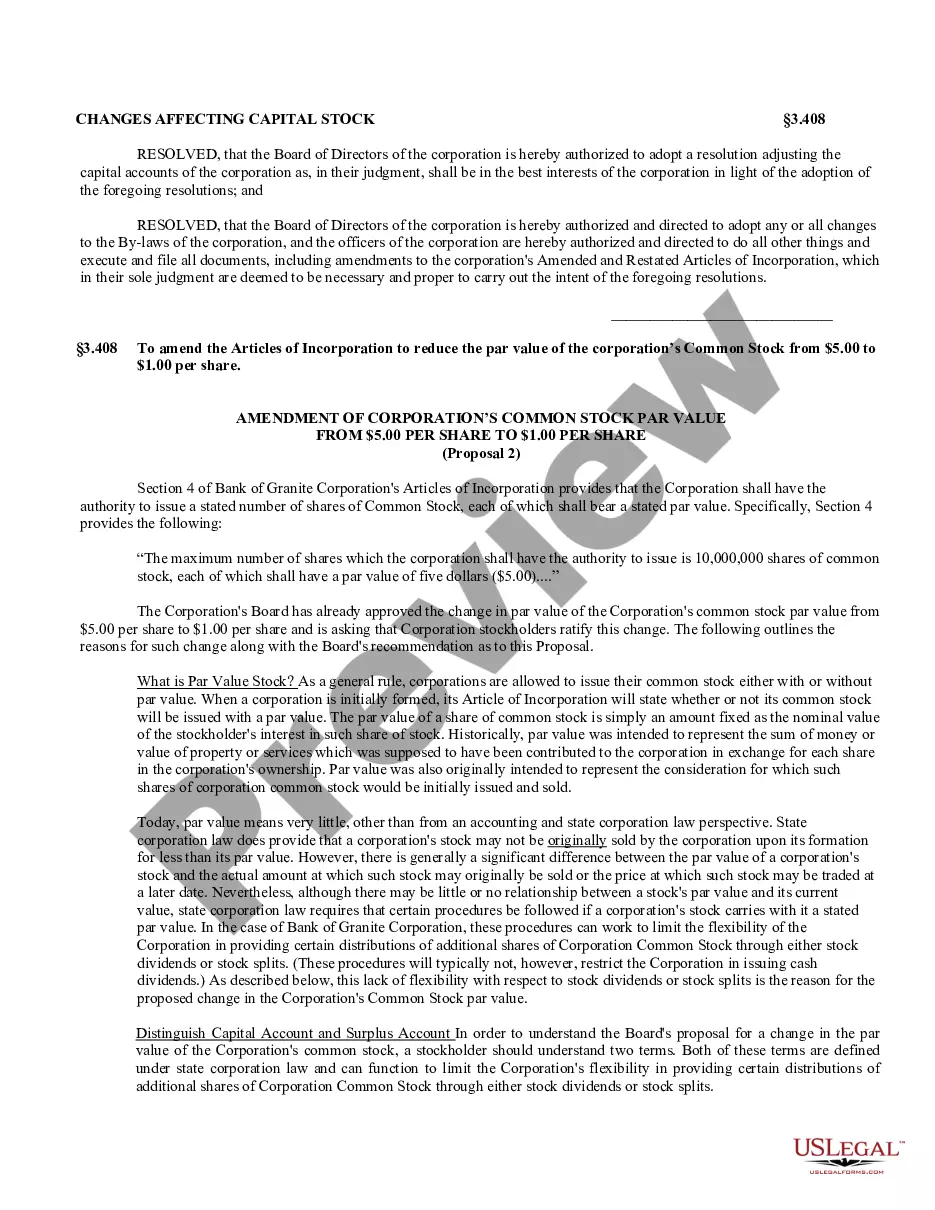
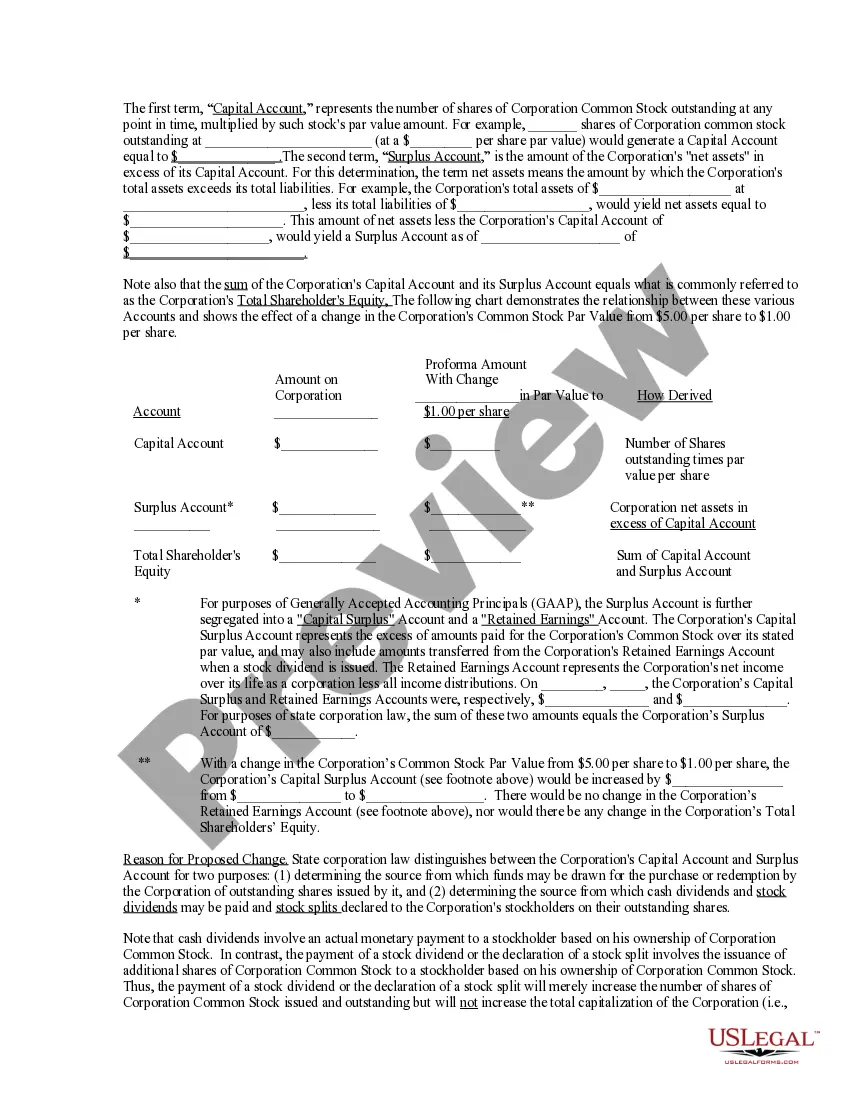
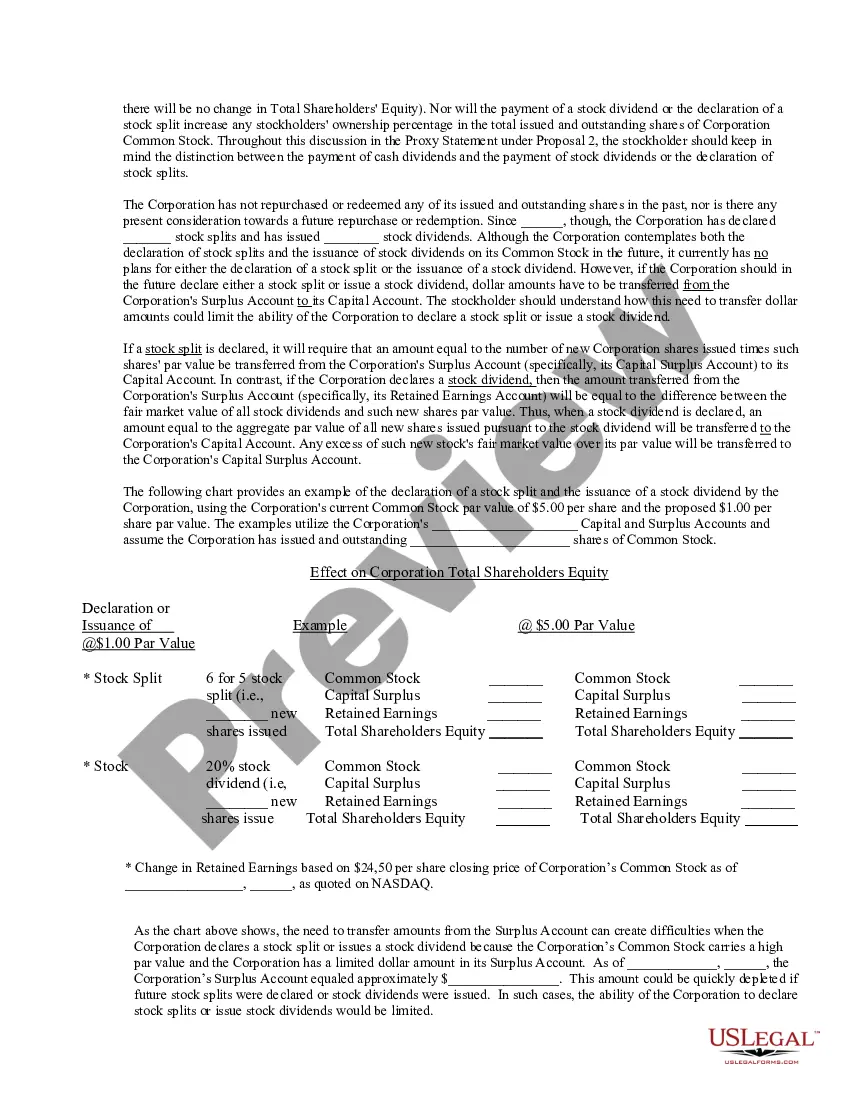
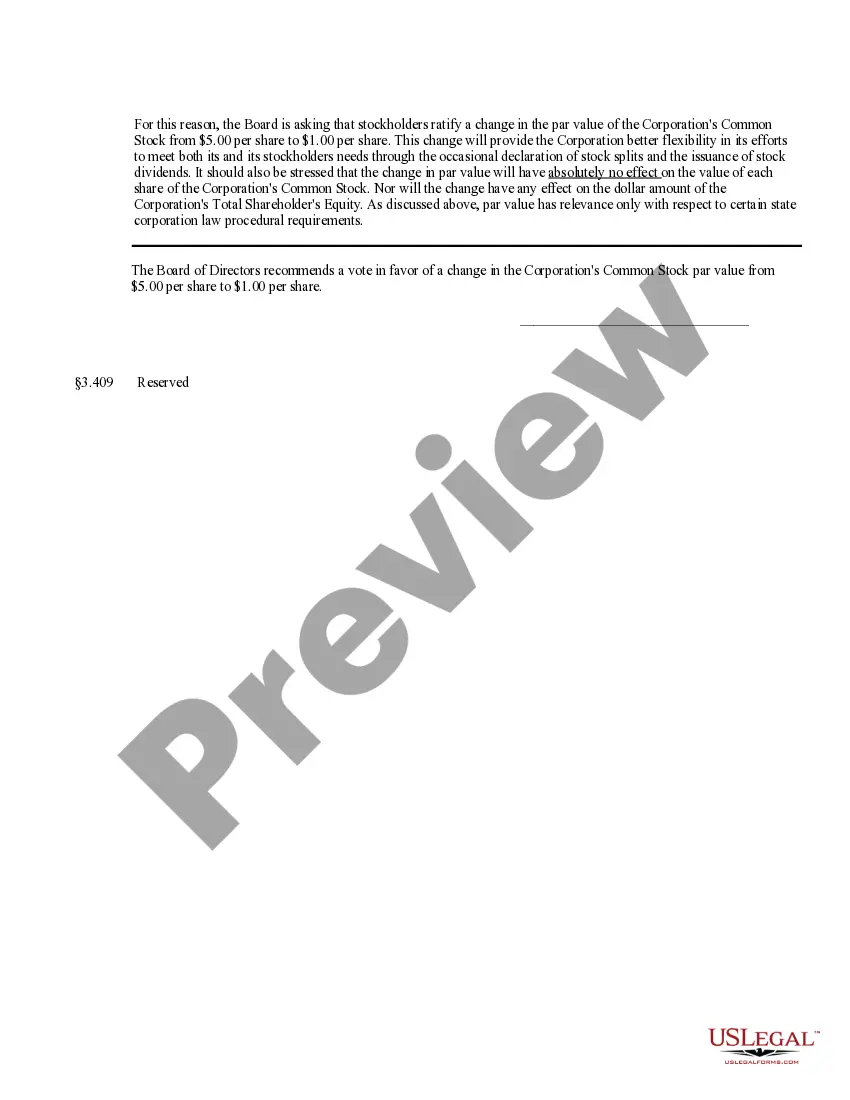
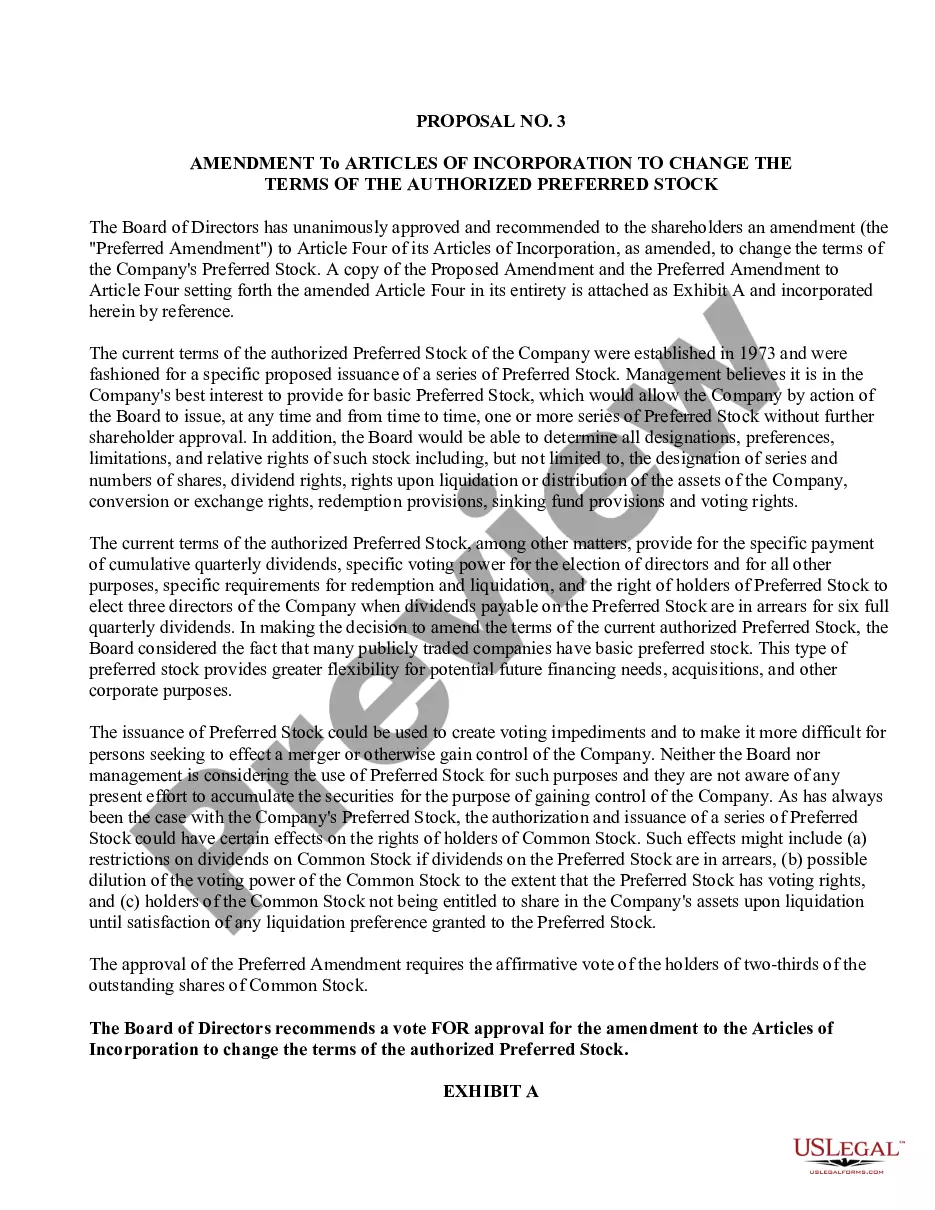
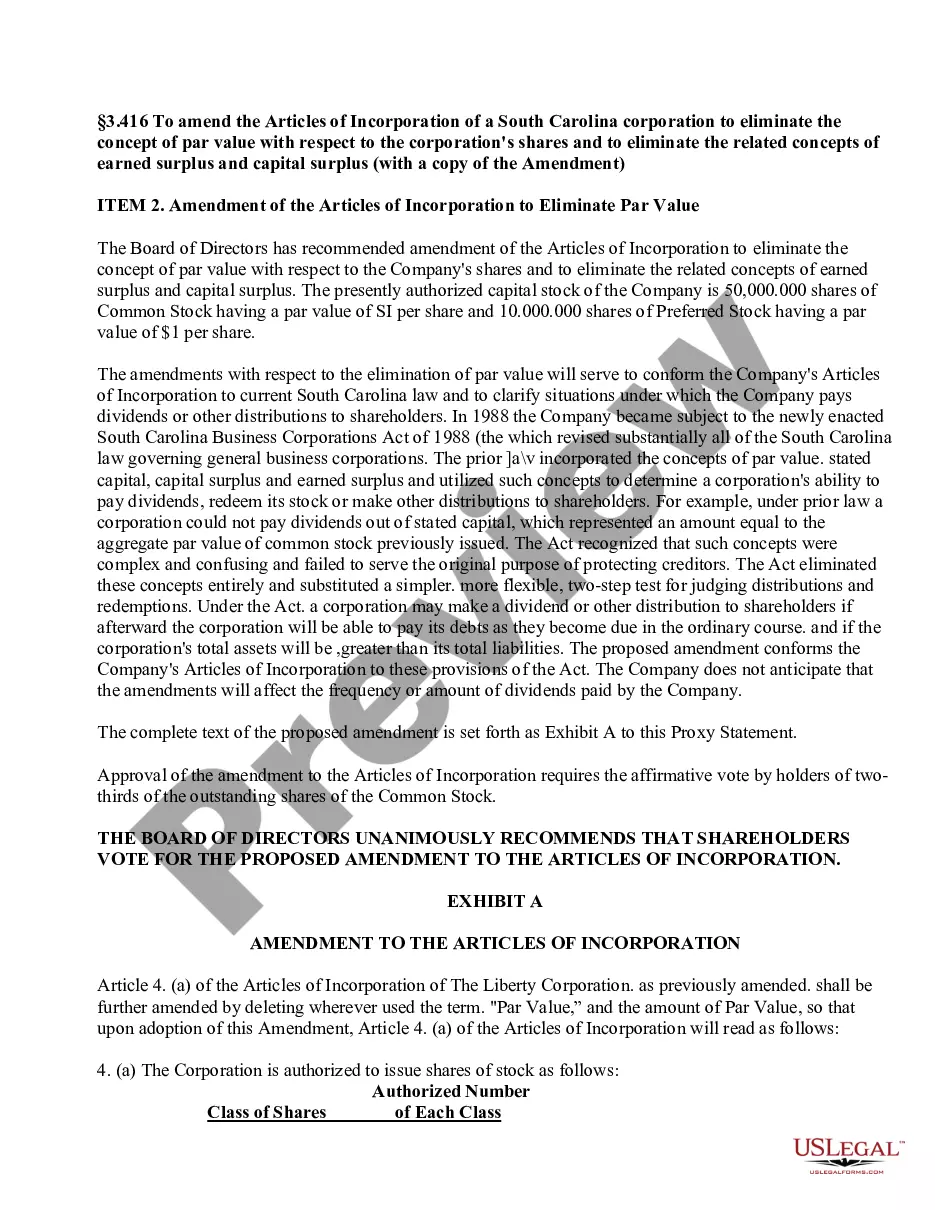
Common Stock Par Value Of Share
Description
Get your form ready online
Our built-in tools help you complete, sign, share, and store your documents in one place.
Make edits, fill in missing information, and update formatting in US Legal Forms—just like you would in MS Word.
Download a copy, print it, send it by email, or mail it via USPS—whatever works best for your next step.
Sign and collect signatures with our SignNow integration. Send to multiple recipients, set reminders, and more. Go Premium to unlock E-Sign.
If this form requires notarization, complete it online through a secure video call—no need to meet a notary in person or wait for an appointment.
We protect your documents and personal data by following strict security and privacy standards.

Make edits, fill in missing information, and update formatting in US Legal Forms—just like you would in MS Word.

Download a copy, print it, send it by email, or mail it via USPS—whatever works best for your next step.

Sign and collect signatures with our SignNow integration. Send to multiple recipients, set reminders, and more. Go Premium to unlock E-Sign.

If this form requires notarization, complete it online through a secure video call—no need to meet a notary in person or wait for an appointment.

We protect your documents and personal data by following strict security and privacy standards.
Looking for another form?


How to fill out Amendment Of Common Stock Par Value?
Legal documentation administration can be overwhelming, even for experienced professionals.
When you have an interest in a Common Stock Par Value Of Share and lack the opportunity to invest time in finding the appropriate and current version, the procedures can be challenging.
Access a valuable resource pool of articles, tutorials, handbooks, and materials pertinent to your circumstances and requirements.
Save time and energy searching for the documents you need and utilize US Legal Forms’ advanced search and Preview feature to locate Common Stock Par Value Of Share and obtain it.
Take advantage of the US Legal Forms online library, supported by 25 years of expertise and reliability. Transform your daily document management into a seamless and straightforward process today.
- If you possess a subscription, Log In to your US Legal Forms account, search for the document, and acquire it.
- Examine your My documents section to view the documents you have previously downloaded and manage your folders as you prefer.
- If this is your initial experience with US Legal Forms, create a free account and gain unlimited access to all benefits of the library.
- Upon accessing the form you desire, confirm it is the correct document by previewing it and reviewing its description.
- Verify that the template is accepted in your state or county.
- Click Buy Now when you are prepared.
- Select a subscription package.
- Locate the format you prefer, and Download, complete, sign, print, and send your documents.
- Access state- or county-specific legal and business documents.
- US Legal Forms addresses all requirements you may have, ranging from personal to business paperwork, all in one place.
- Employ advanced tools to complete and manage your Common Stock Par Value Of Share.
Form popularity
FAQ
To calculate the par value of common stock, you divide the total value of the issued shares by the number of shares outstanding. This calculation helps determine the minimum legal capital a company must maintain. Understanding the common stock par value of share is crucial for making informed investment decisions and complying with regulatory requirements.
Yes, common stock is recorded at its par value on the balance sheet. The par value of a share represents the minimum value assigned to the stock and is crucial for legal and accounting purposes. It is essential to understand the common stock par value of share when preparing financial statements, as it helps clarify the company's equity structure.
Common stock is recorded in a company's balance sheet under shareholders' equity. The common stock par value of share and the amount received from issuing shares are crucial for accurate recording. Typically, this involves journal entries that reflect the issuance of stock and the capital raised. For further guidance on best practices, you might explore resources offered by uslegalforms.
In accounting records, common stock is typically reported at par value when applicable. The common stock par value of share serves as a baseline for recording equity on financial statements. If shares have no par value, they are reported at the amount received during the issuance. This distinction is vital for investors and analysts when assessing a company’s financial health and capital structure.
When common stock has no par value, it indicates that the shares do not have a minimum value set by the company. The common stock par value of share in this scenario is flexible, allowing the company to issue shares at market value without restrictions. It also simplifies the equity accounting process. However, investors should be aware of the implications this might have on perceived stability and company valuation.
Setting the par value of shares typically starts with the company's board of directors, who determine this figure during the incorporation process. The common stock par value of share can be a nominal amount, like $0.01, or no par value at all, offering flexibility. This decision impacts how the company accounts for its equity and communicates value to potential investors. You can rely on platforms like uslegalforms to assist you in drafting accurate incorporation documents.
The common stock par value of share refers to the nominal value assigned to each share of common stock. In contrast, common stock represents ownership in a company and comes with voting rights and potential dividends. While par value is an accounting figure, common stock reflects the real-world value of an ownership stake. Understanding this difference helps investors make informed decisions.
Calculating par stock is straightforward since it’s usually defined rather than computed. The par value is a figure set by the company at the time of stock issuance. Understanding this par stock is vital, as it relates directly to your investments and the overall common stock par value of share framework. Familiarizing yourself with these elements can enhance your investing strategy.
To find the par value of common stock, start by reviewing the company’s balance sheet and corporate documentation. The par value will often be listed alongside the stock details. If you wish to simplify this process, platforms like uslegalforms can be valuable in providing pre-formatted documents to help you understand stock values without the hassle.
Common stock may or may not have a par value, depending on the company's decisions. Some businesses issue no-par stock, while others assign a specific par value to their shares. Knowing whether the common stock par value of share exists can impact how you view the company's equity and financial health.