Reorganization Plan No. 4 Of 1978
Description
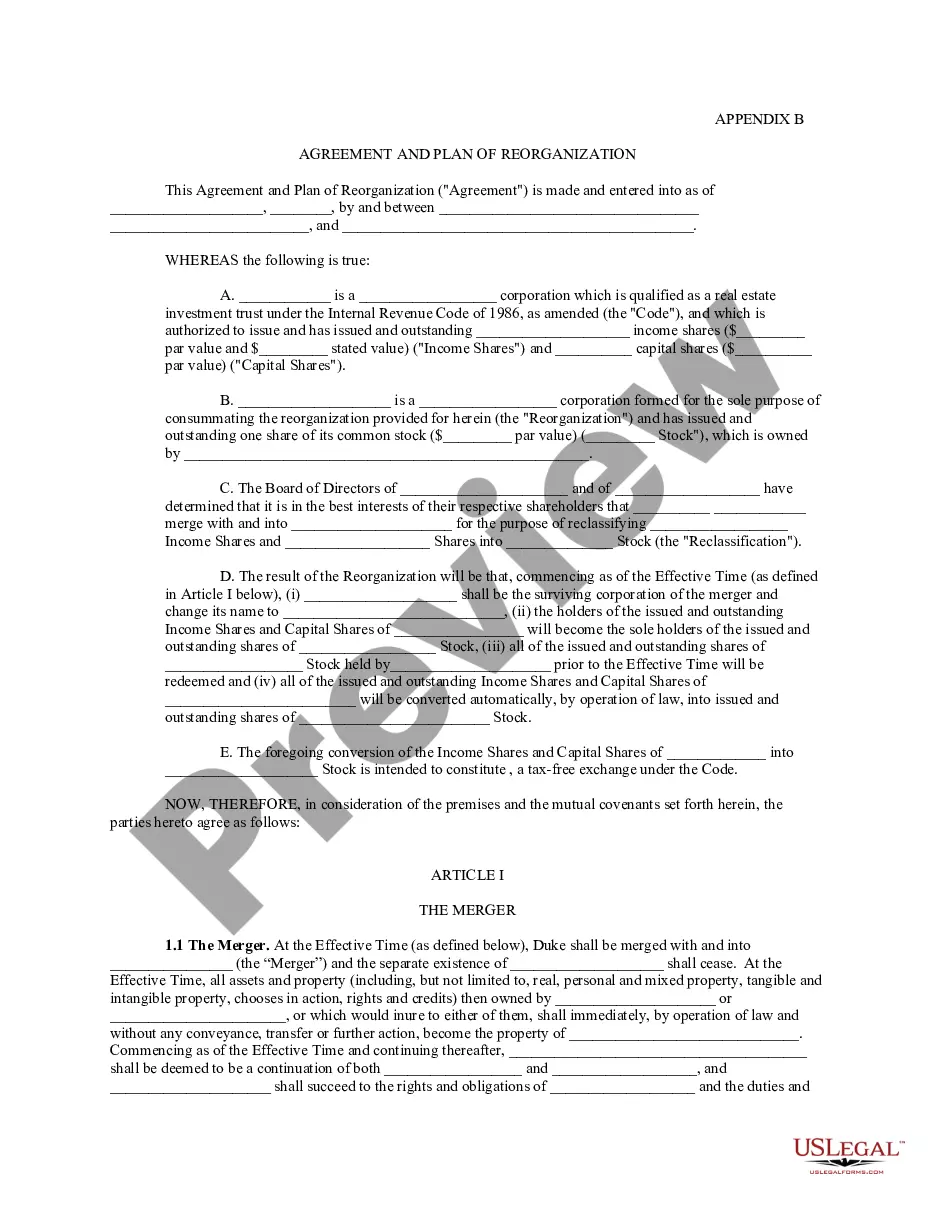
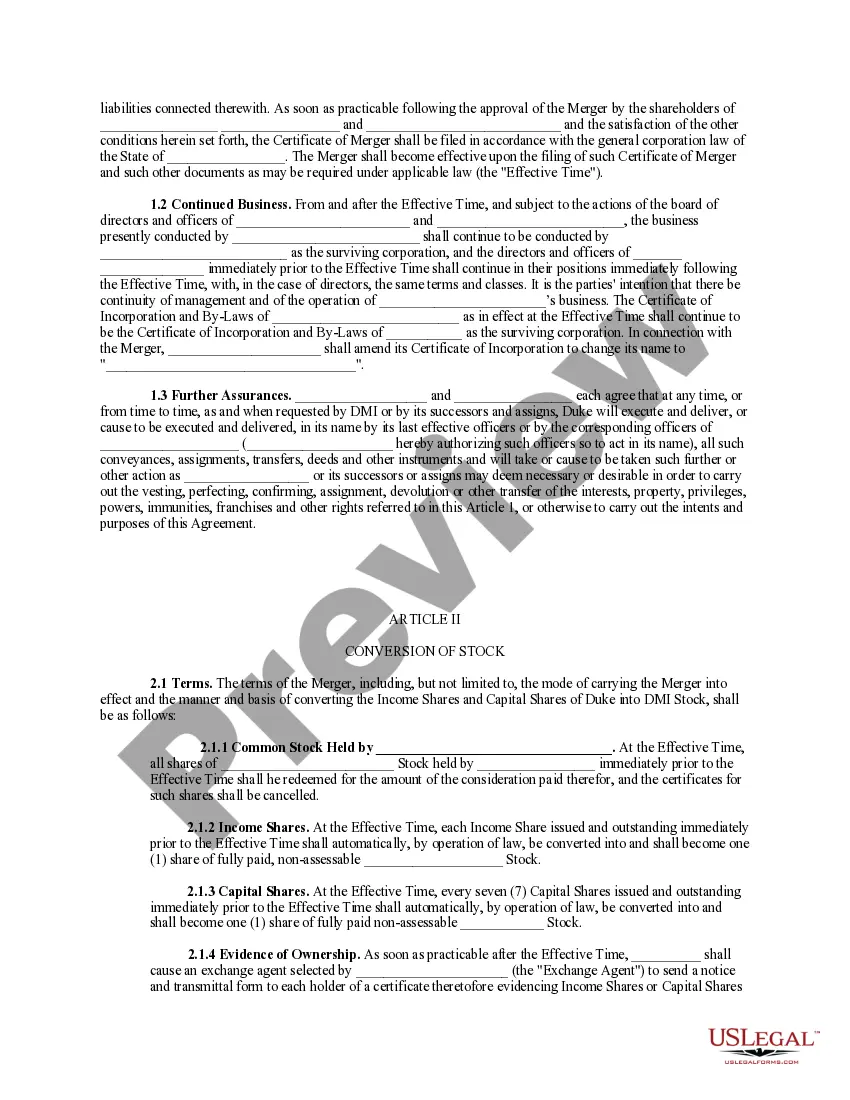
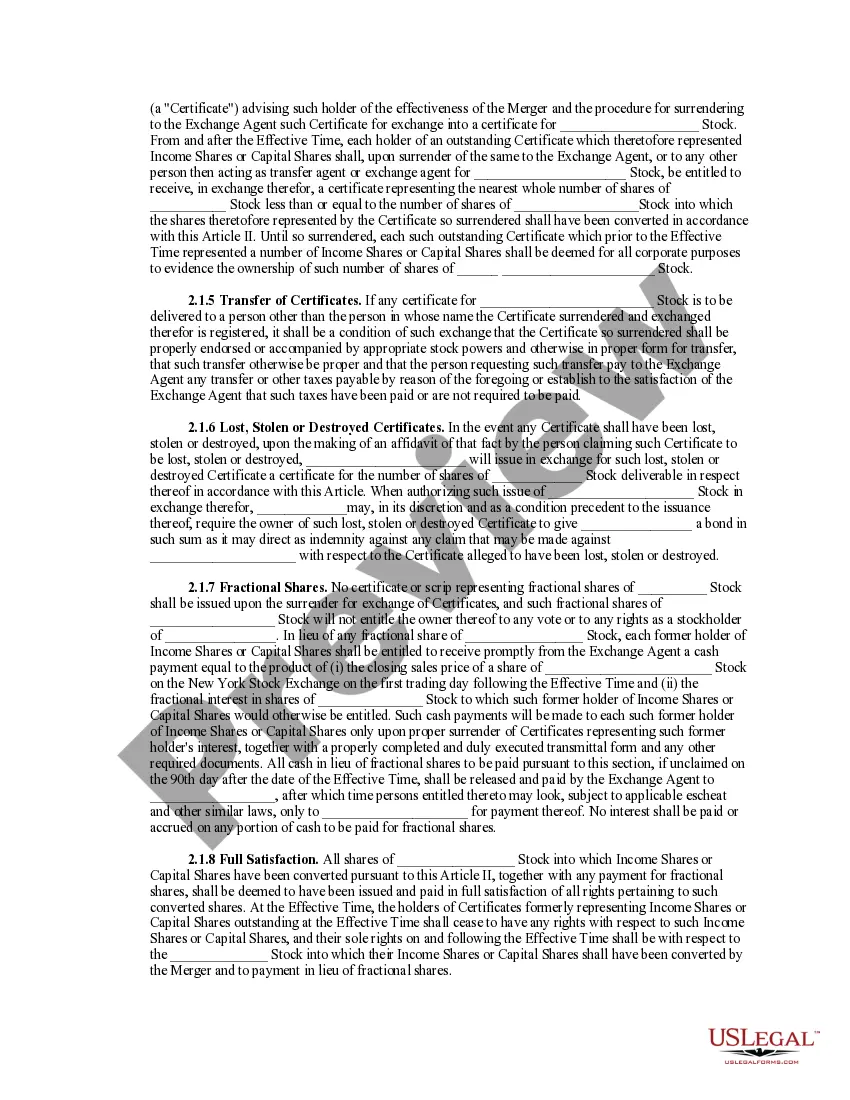
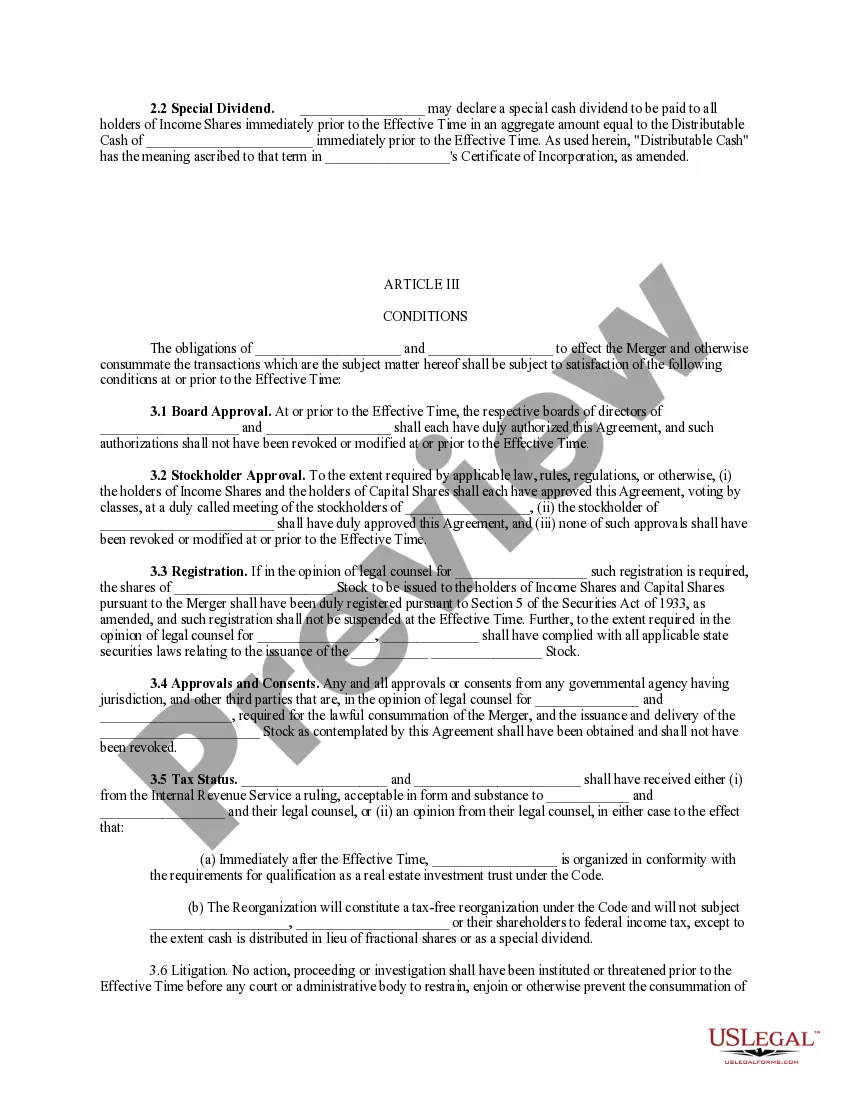

Get your form ready online
Our built-in tools help you complete, sign, share, and store your documents in one place.
Make edits, fill in missing information, and update formatting in US Legal Forms—just like you would in MS Word.
Download a copy, print it, send it by email, or mail it via USPS—whatever works best for your next step.
Sign and collect signatures with our SignNow integration. Send to multiple recipients, set reminders, and more. Go Premium to unlock E-Sign.
If this form requires notarization, complete it online through a secure video call—no need to meet a notary in person or wait for an appointment.
We protect your documents and personal data by following strict security and privacy standards.

Make edits, fill in missing information, and update formatting in US Legal Forms—just like you would in MS Word.

Download a copy, print it, send it by email, or mail it via USPS—whatever works best for your next step.

Sign and collect signatures with our SignNow integration. Send to multiple recipients, set reminders, and more. Go Premium to unlock E-Sign.

If this form requires notarization, complete it online through a secure video call—no need to meet a notary in person or wait for an appointment.

We protect your documents and personal data by following strict security and privacy standards.
Looking for another form?

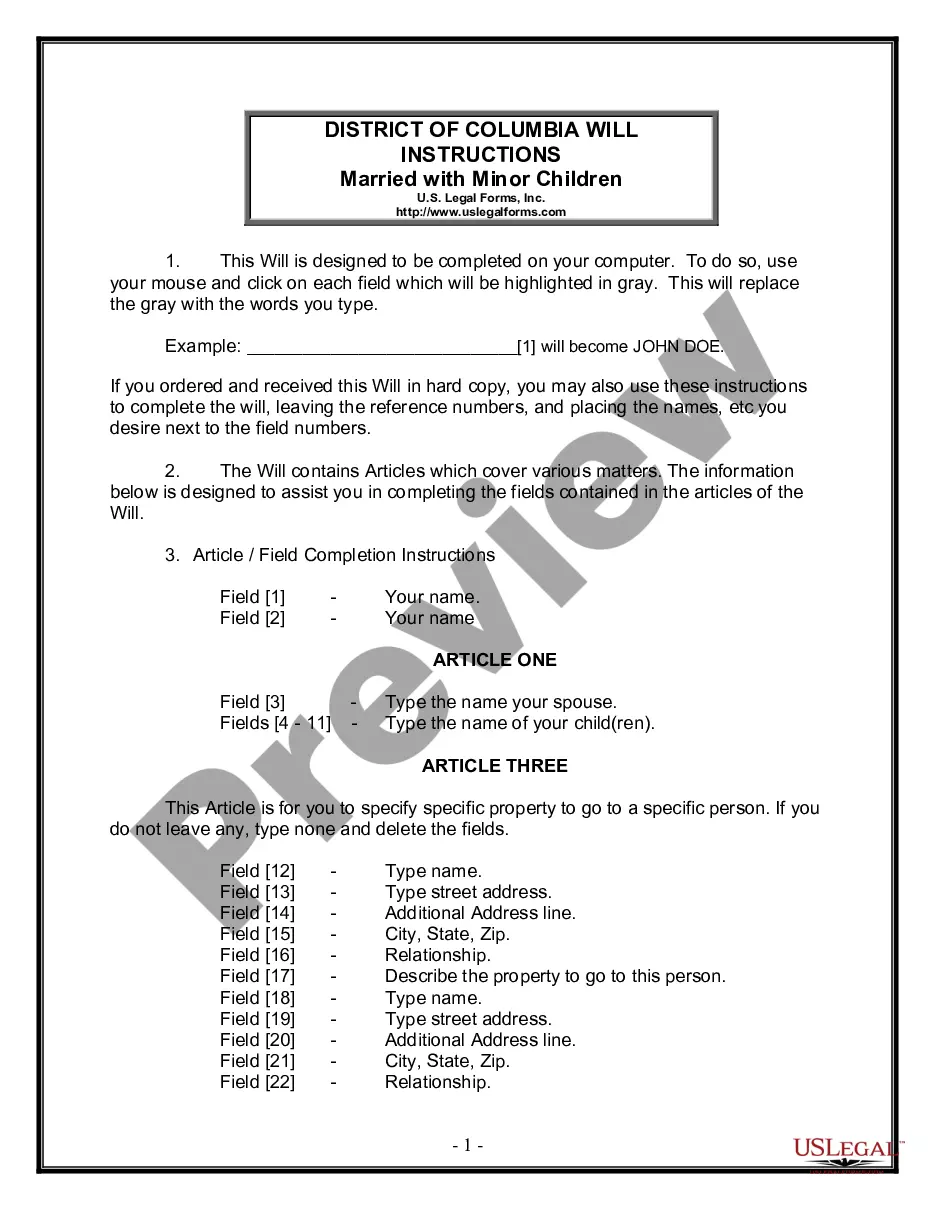




How to fill out Agreement And Plan Of Reorganization?
Creating legal documents from the ground up can frequently be overwhelming.
Certain situations may require extensive investigation and considerable financial investment.
If you seek a simpler and more economical method of generating Reorganization Plan No. 4 Of 1978 or other documents without unnecessary obstacles, US Legal Forms is readily available.
Our online collection of over 85,000 current legal documents covers nearly every aspect of your financial, legal, and personal matters.
Review the form preview and descriptions to ensure you have located the correct document. Confirm the form you select adheres to the laws and regulations of your state and county. Choose the most appropriate subscription option to acquire the Reorganization Plan No. 4 Of 1978. Download the file, complete it, certify it, and print it out. US Legal Forms has a pristine reputation and over 25 years of experience. Join us today and make form completion effortless and efficient!
- With just a few clicks, you can swiftly obtain state- and county-specific templates meticulously prepared by our legal experts.
- Utilize our platform whenever you require trusted and dependable services to quickly find and download the Reorganization Plan No. 4 Of 1978.
- If you're already familiar with our website and have set up an account, simply Log In, find the form, and download it immediately or access it again later in the My documents section.
- Not yet registered? No worries. It requires minimal time to sign up and browse the library.
- Before proceeding to download the Reorganization Plan No. 4 Of 1978, keep these tips in mind.
Form popularity
FAQ
The purpose of the Reorganization Act was to provide the President with the authority to reorganize the executive branch of the government. This act aimed to enhance efficiency, reduce redundancy, and improve service delivery to citizens. Such reforms were essential for adapting to emerging challenges in governance.
The Reorganization Plan No. 1 of 1978 was designed to consolidate various government functions to improve efficiency. This plan aimed to streamline operations and enhance the effectiveness of federal agencies. It represented a significant step towards modernizing the federal framework.
Having a reorganization plan means you have a clear strategy for restructuring your debts or operations. This plan outlines how you intend to address financial challenges while maintaining business continuity. It is an essential tool for navigating difficult times and can help stabilize and grow your organization.
In 1978, significant changes occurred in U.S. governance, particularly with the Civil Service Reform Act and the Reorganization Plan No. 4 of 1978. These initiatives aimed to enhance the federal workforce and improve service delivery. This year marked a pivotal moment in reshaping federal management practices.
The reorganization plan of 1978 focused on modernizing and restructuring federal agencies to enhance efficiency. This plan aimed to streamline operations and improve service delivery to the public. It reflects the ongoing evolution of government practices to adapt to changing societal needs.
The choice between Chapter 11 and Chapter 13 depends on your financial situation and business goals. Chapter 11 is suited for businesses seeking to reorganize debts, while Chapter 13 is typically for individuals with a regular income wanting to restructure personal debts. Assessing your needs can help determine the best path forward.
Filing Chapter 11 can be a lengthy and costly process, which may drain resources. Additionally, it often requires extensive court supervision, limiting the company's flexibility. Companies may also face reputational damage during the restructuring, which could affect future business opportunities.
The 1978 Civil Service Reform Act aimed to improve the efficiency and effectiveness of the federal workforce. It established new principles for personnel management, promoting merit-based hiring and performance evaluations. This act also created the Office of Personnel Management, which oversees federal employment policies.