Director Without Voting Rights
Description
Get your form ready online
Our built-in tools help you complete, sign, share, and store your documents in one place.
Make edits, fill in missing information, and update formatting in US Legal Forms—just like you would in MS Word.
Download a copy, print it, send it by email, or mail it via USPS—whatever works best for your next step.
Sign and collect signatures with our SignNow integration. Send to multiple recipients, set reminders, and more. Go Premium to unlock E-Sign.
If this form requires notarization, complete it online through a secure video call—no need to meet a notary in person or wait for an appointment.
We protect your documents and personal data by following strict security and privacy standards.

Make edits, fill in missing information, and update formatting in US Legal Forms—just like you would in MS Word.

Download a copy, print it, send it by email, or mail it via USPS—whatever works best for your next step.

Sign and collect signatures with our SignNow integration. Send to multiple recipients, set reminders, and more. Go Premium to unlock E-Sign.

If this form requires notarization, complete it online through a secure video call—no need to meet a notary in person or wait for an appointment.

We protect your documents and personal data by following strict security and privacy standards.
Looking for another form?
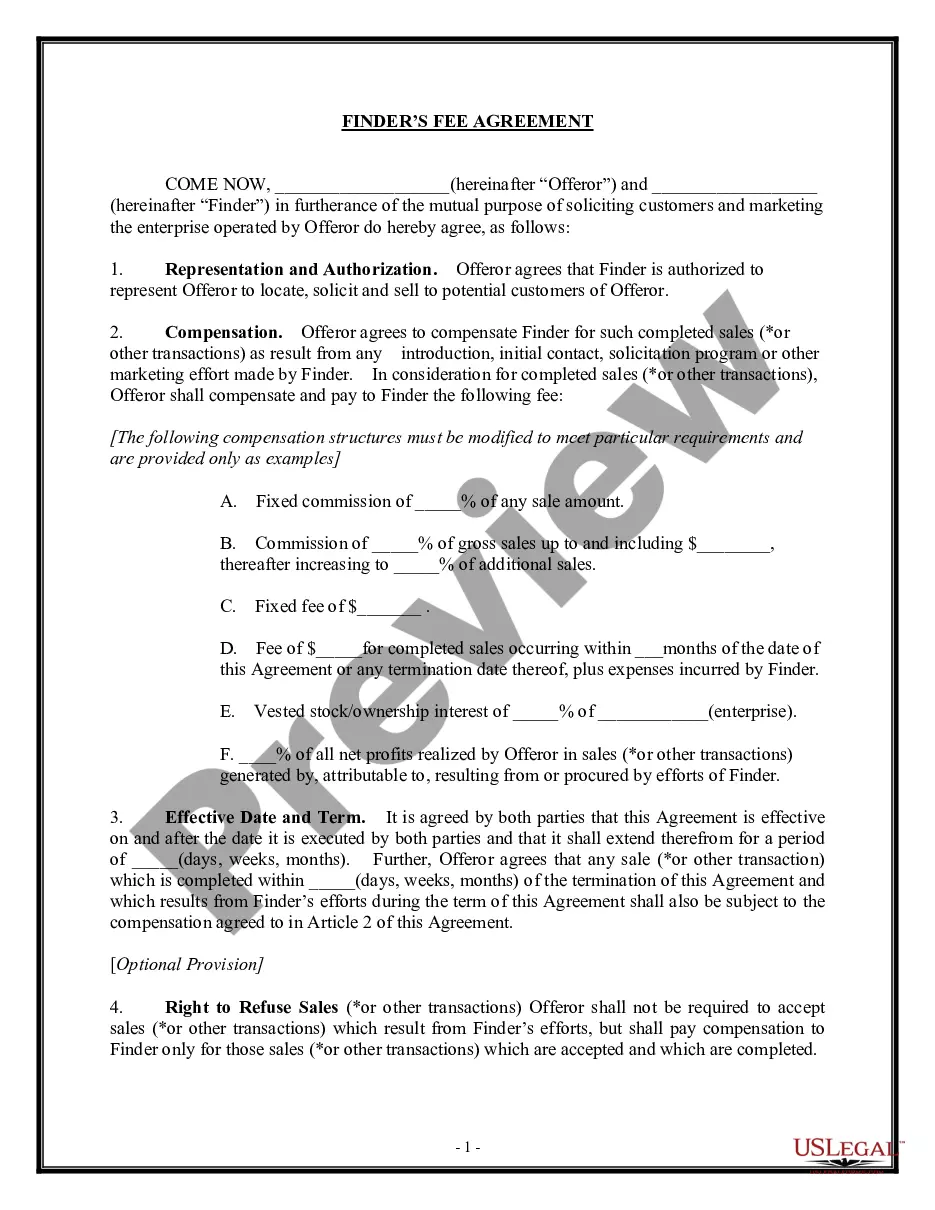


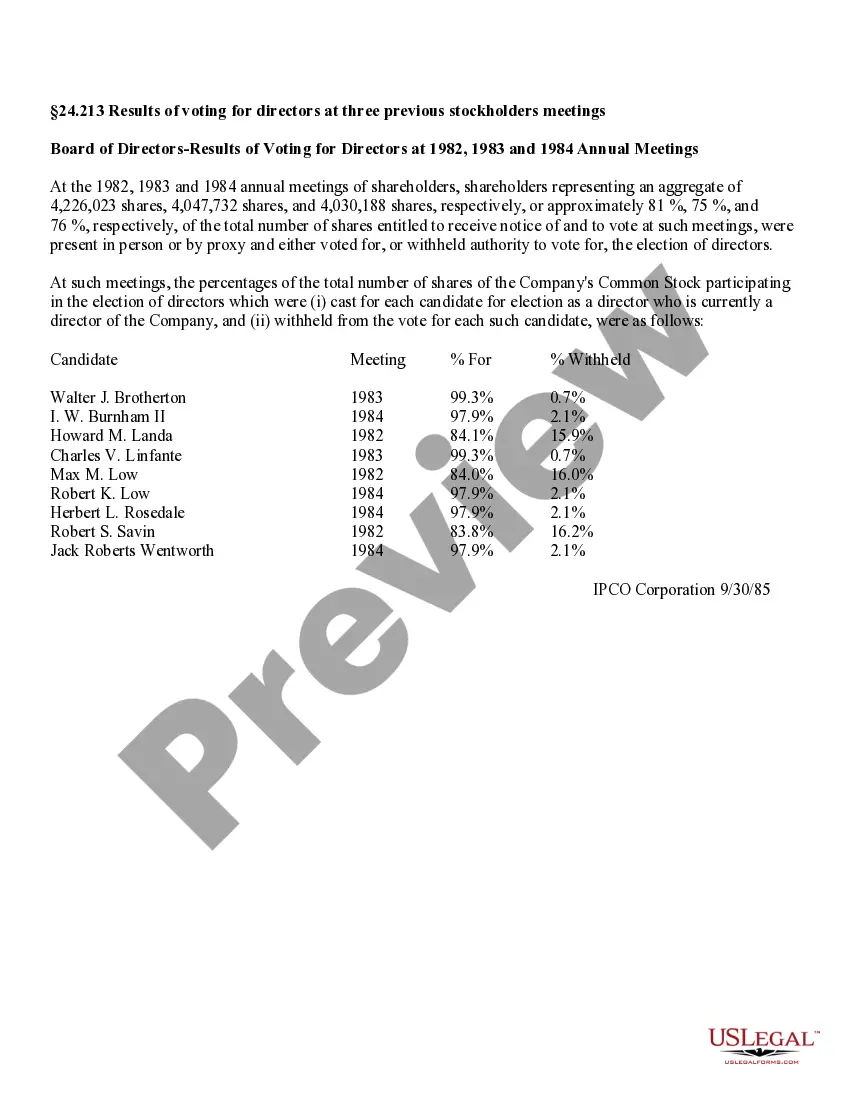
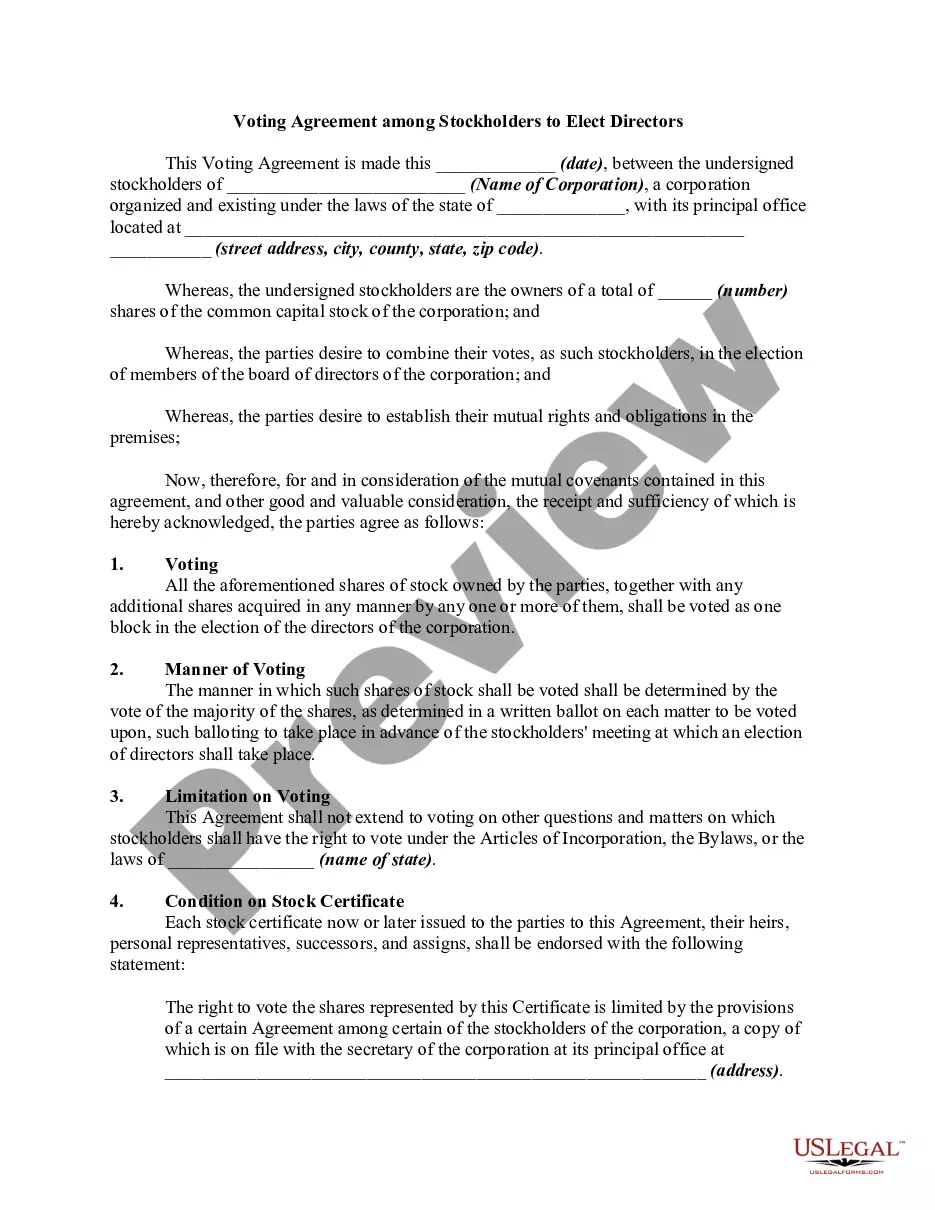
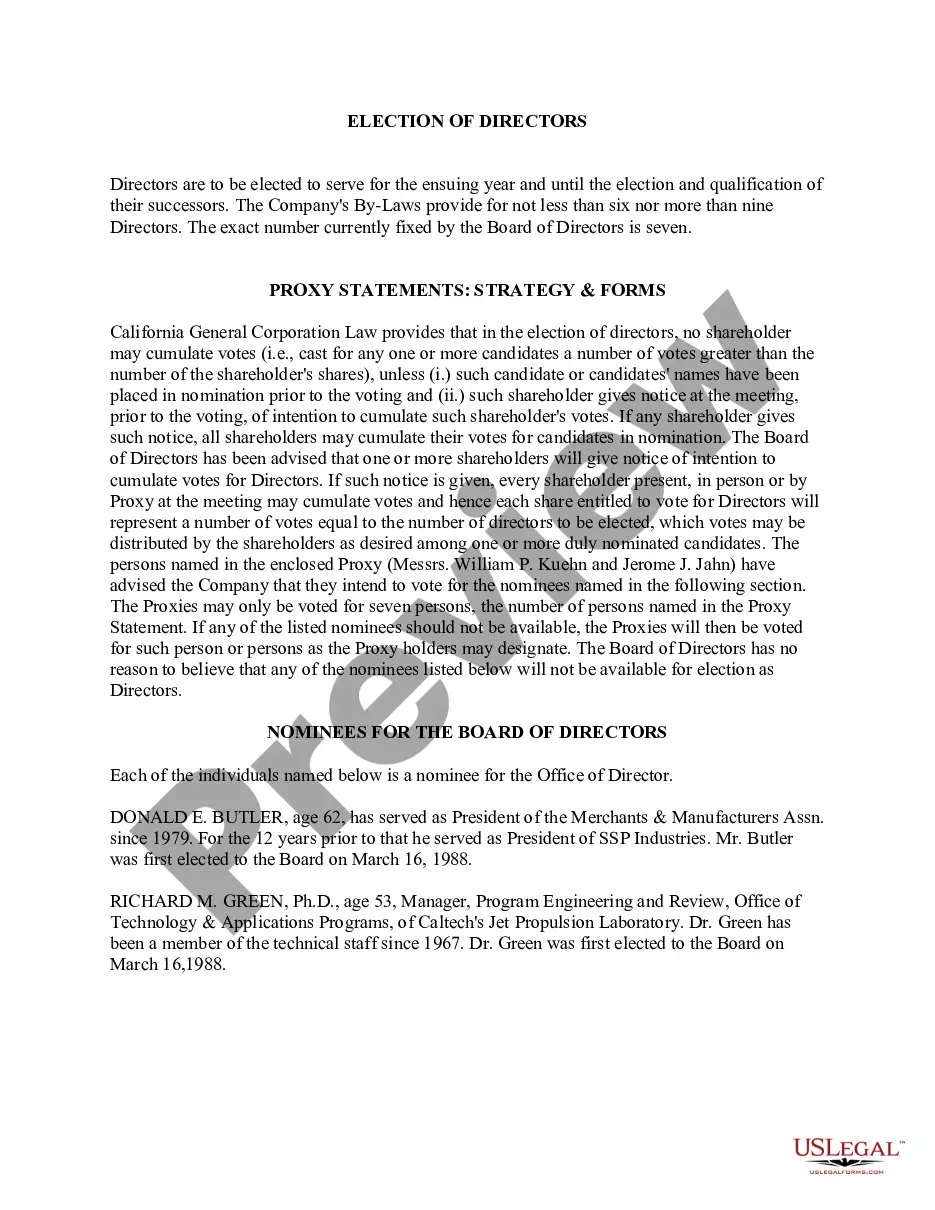
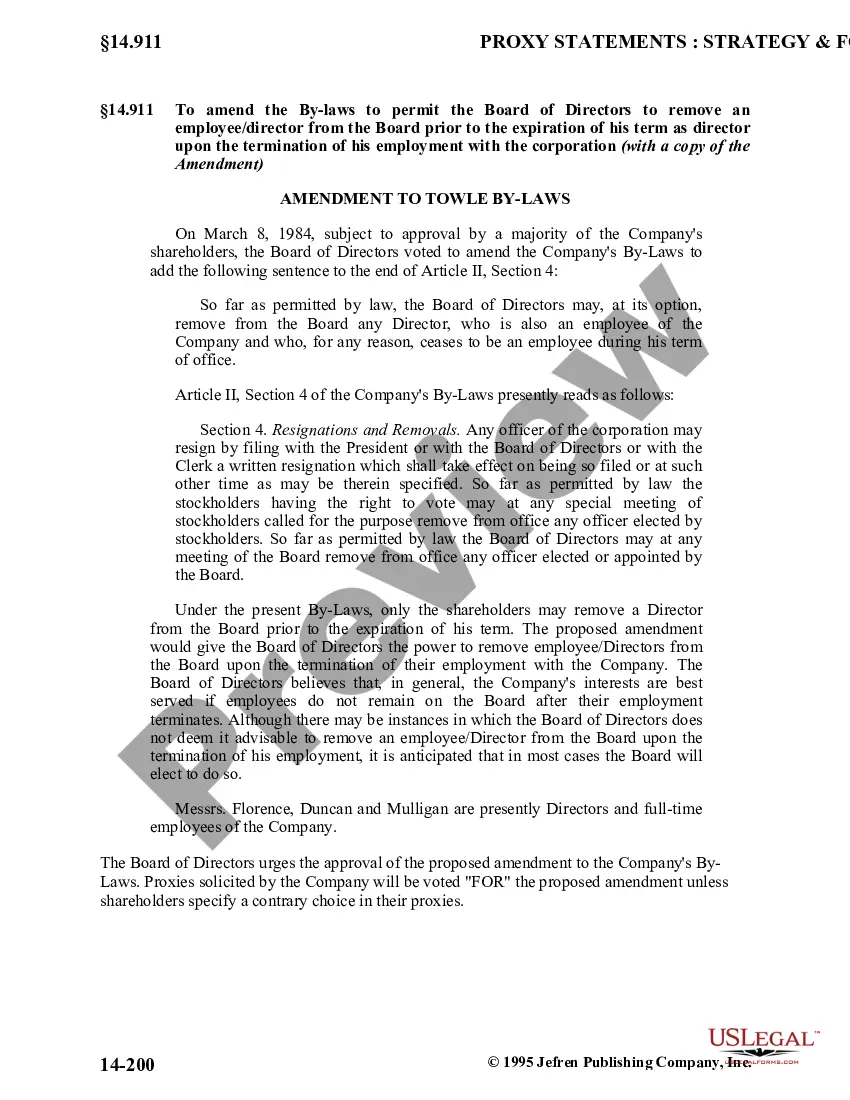
How to fill out Results Of Voting For Directors At Three Previous Stockholders Meetings?
Handling legal paperwork and processes can be a lengthy addition to your schedule.
Director Without Voting Rights and similar documents usually require you to search for them and find the right way to complete them correctly.
Therefore, whether you are managing financial, legal, or personal issues, utilizing a thorough and practical online directory of forms readily available will be highly beneficial.
US Legal Forms stands as the leading online platform for legal templates, offering over 85,000 state-specific forms and a diverse range of resources to assist you in completing your documents effortlessly.
Just Log In to your account, search for Director Without Voting Rights, and acquire it instantly in the My documents section. You can also revisit previously downloaded forms.
- Explore the collection of pertinent documents available with just one click.
- US Legal Forms gives you access to state- and county-specific forms available at any time for download.
- Protect your document management processes with a high-quality service that enables you to prepare any form in minutes without incurring extra or concealed fees.
Form popularity
FAQ
Directors may be removed, at any time, by a vote of the shareholders holding a majority of the shares outstanding and entitled to vote. Such vacancy shall be filled by the Directors entitled to vote.
Non-Voting Shares A non-voting share is a share in the capital of a company that belongs to a class that has no voting rights. This is distinct from, for example, an ordinary share which gives the shareholder standard rights to vote at shareholder meetings in proportion to their shareholding.
A shareholder wishing to remove a director must give special notice of their intention to the company, which then has 28 days to call a general meeting. At this meeting, shareholders will vote on the proposed resolution. If it is passed by a simple majority, then the director will be removed from their position.
Members of a company, commonly referred to as 'shareholders', are owners of the company. Directors must act in the best interests of the company, but members are generally free to act in their own interests.
Shareholders own the company by owning its shares and are often referred to as 'members'. Directors on the other hand, manage the business and its operations. Unless the articles of association state so, a director isn't required to be a shareholder, and a shareholder has no legal right to be a director.