Secured Claims In Chapter 11
Description
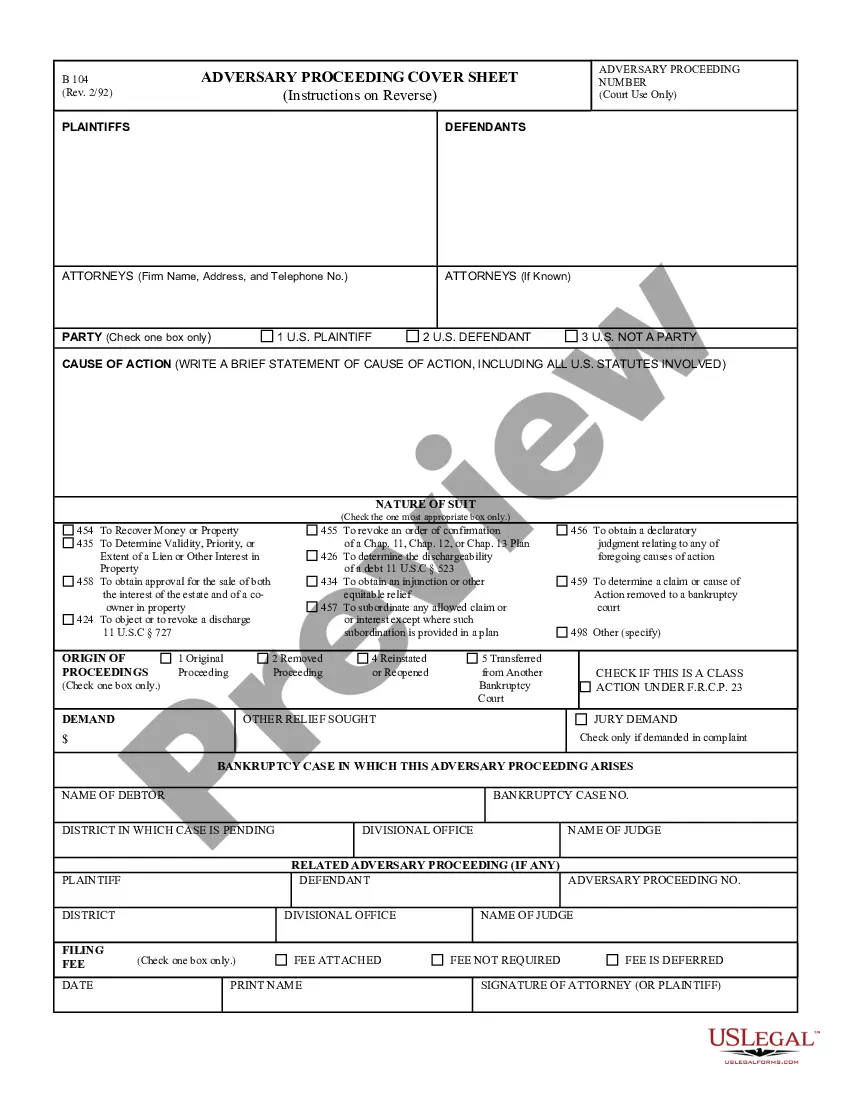
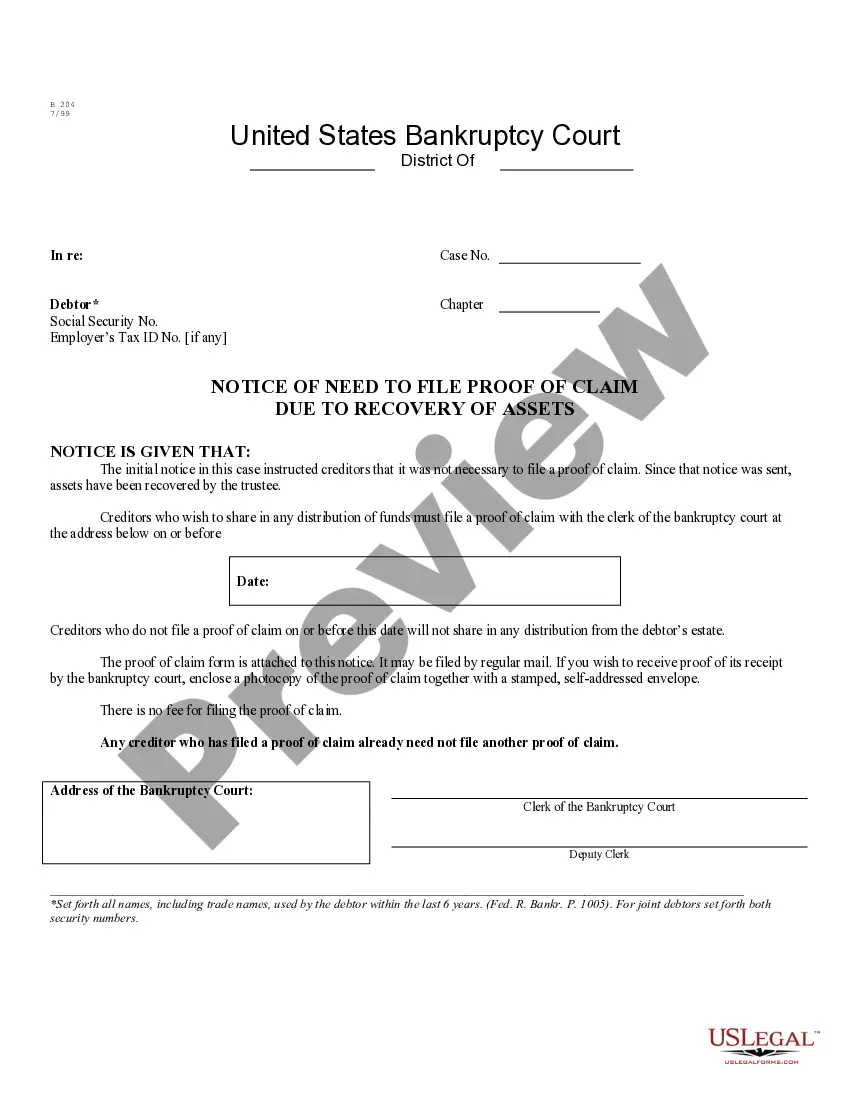
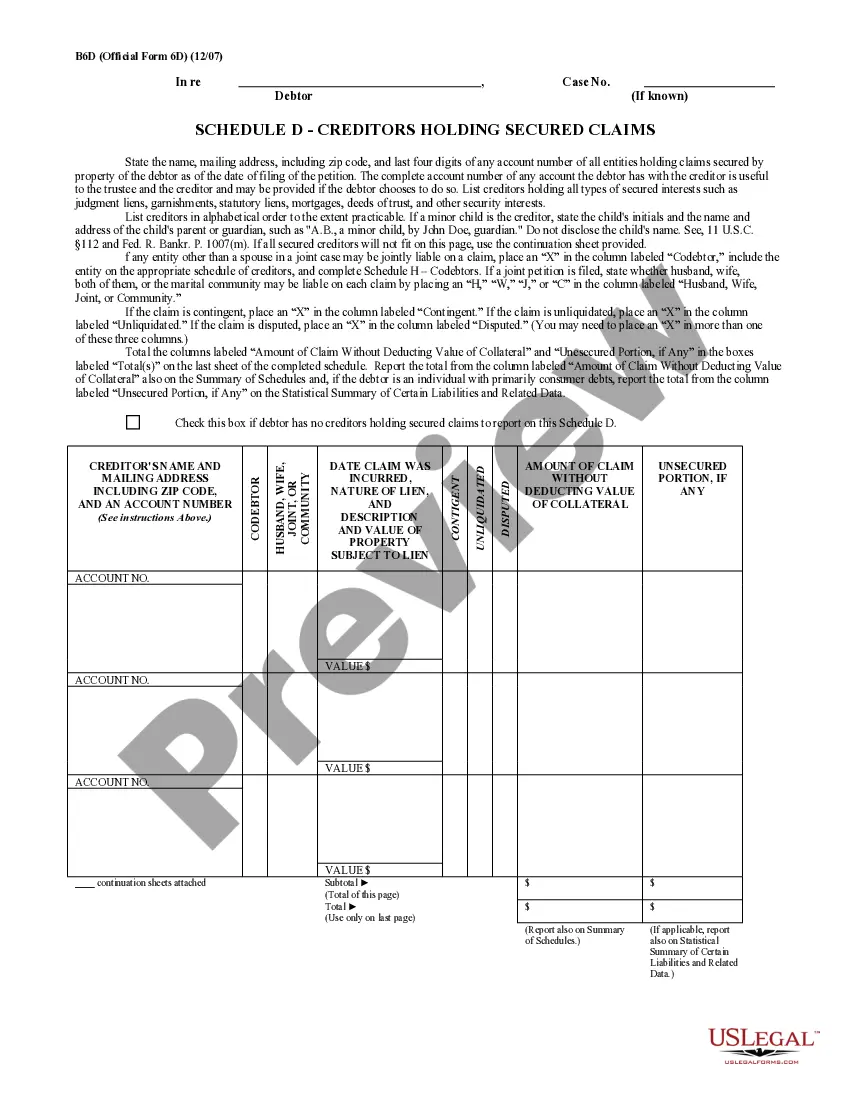
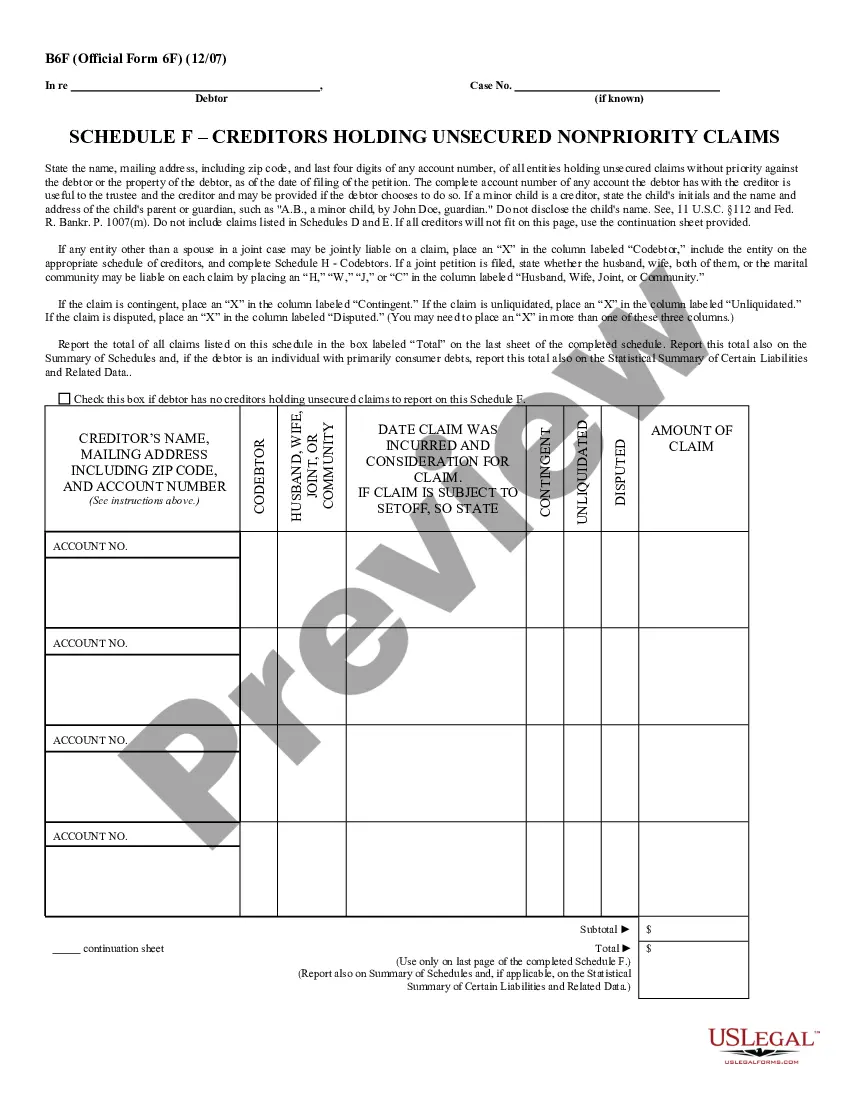
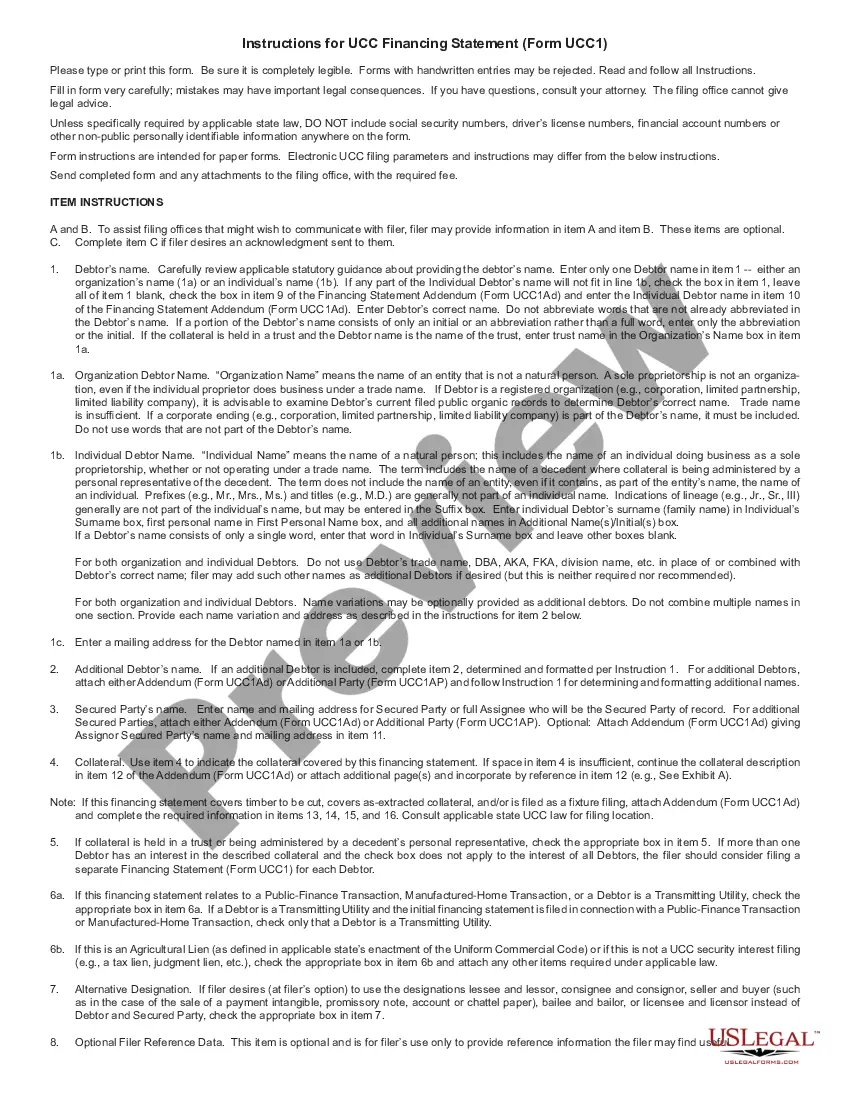




How to fill out List Of Creditors Holding 20 Largest Secured Claims - Not Needed For Chapter 7 Or 13 - Form 4 - Post 2005?
Legal administration can be exasperating, even for the most proficient specialists.
When you are in search of Secured Claims In Chapter 11 and lack the time to spend looking for the suitable and current version, the procedures might be anxiety-inducing.
Access a helpful resource repository of articles, guidelines, and manuals and materials pertinent to your situation and needs.
Save time and effort hunting for the documents you require, and use US Legal Forms’ advanced search and Preview tool to find Secured Claims In Chapter 11 and obtain it.
Enjoy the US Legal Forms online library, supported by 25 years of expertise and reliability. Transform your routine document management into a seamless and intuitive process today.
- In case you have a subscription, Log In to your US Legal Forms profile, search for the form, and acquire it.
- Check your My documents tab to review the documents you previously downloaded and to organize your folders as you see fit.
- If it is your initial experience with US Legal Forms, create an account and gain unlimited access to all benefits of the platform.
- Here are the actions to take after downloading the form you require.
- Confirm it is the correct form by previewing it and checking its details.
- Access state- or county-specific legal and business forms.
- US Legal Forms addresses any requirements you might have, from personal to corporate documents, all in one place.
- Utilize cutting-edge tools to complete and oversee your Secured Claims In Chapter 1.
Form popularity
FAQ
A secured claim in chapter 11 means that the creditor has a legal right to specific assets if the borrower fails to meet their obligations. This type of claim is backed by collateral, which provides the creditor with a safety net. In the event of bankruptcy, secured creditors typically have priority over unsecured creditors when it comes to asset recovery. Knowing how secured claims work can empower you to make informed decisions during financial restructuring.
In general, all creditors, including those holding secured claims in Chapter 11, must file proofs of claim to receive distributions. However, certain types of claims, like those specified as priority claims, may have different requirements. It's essential for creditors to consult legal resources or platforms like uslegalforms to understand their obligations and ensure compliance during the Chapter 11 process.
Yes, a secured creditor should file a proof of claim in Chapter 11 to ensure their rights are protected. Even though secured claims in Chapter 11 may be recognized without a formal claim, filing helps establish the creditor's position in the bankruptcy process. By submitting a proof of claim, secured creditors can facilitate the recovery of their debts during the debtor's reorganization.
A creditor might choose not to file a proof of claim for various reasons, such as believing their debt is adequately represented in the debtor's schedules. Additionally, some creditors may not perceive the need to file if they anticipate that their secured claims in Chapter 11 will be honored through the reorganization plan. However, this decision can be risky, as failing to file could jeopardize the creditor's ability to recover any amounts owed.
In Chapter 11, filing a proof of claim is typically necessary for creditors to receive payment during the reorganization process. This document provides the court with details about the debt owed, ensuring that all claims, including secured claims in Chapter 11, are properly documented. While some creditors may not need to file if their claims are listed in the debtor's filings, it is generally advisable to submit a proof of claim to protect your interests.
An allowed secured claim is a debt that is backed by collateral, recognized in a Chapter 11 bankruptcy case. This means that the creditor has a legal right to take possession of specific assets if the debtor fails to meet their repayment obligations. In the context of secured claims in Chapter 11, these claims must be approved by the court to be considered valid. Understanding allowed secured claims is essential for navigating the complexities of Chapter 11 bankruptcy.
The amount of a secured claim refers to the total debt that is backed by collateral. In secured claims in chapter 11, this figure is crucial as it represents the creditor's entitlement in the event of a default. Understanding this amount helps both creditors and debtors navigate the bankruptcy process effectively, ensuring that each party is aware of their rights and obligations.
Yes, secured creditors must file a proof of claim to establish their rights to the collateral in a chapter 11 case. This legal document outlines the amount owed and the nature of the secured claim. By submitting this proof, secured creditors ensure their interests are recognized during the bankruptcy process and that they can recover their due amounts.
The key difference lies in the backing of the debt. Secured claims in chapter 11 are supported by collateral, which means the creditor can reclaim specific assets if the debtor defaults. In contrast, unsecured claims do not have this guarantee, making them riskier for creditors, as they rely solely on the debtor's ability to repay the debt without any assurance of asset recovery.