Self Employed Ss Withdrawal
Description
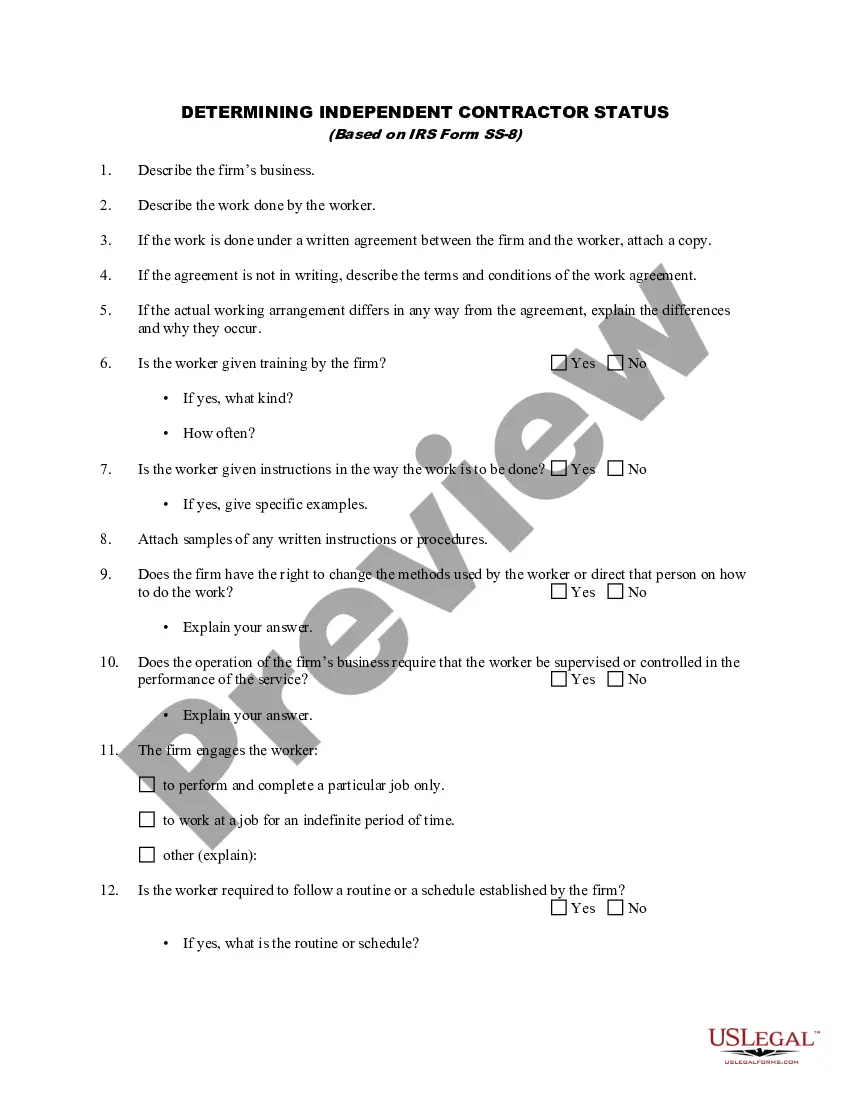
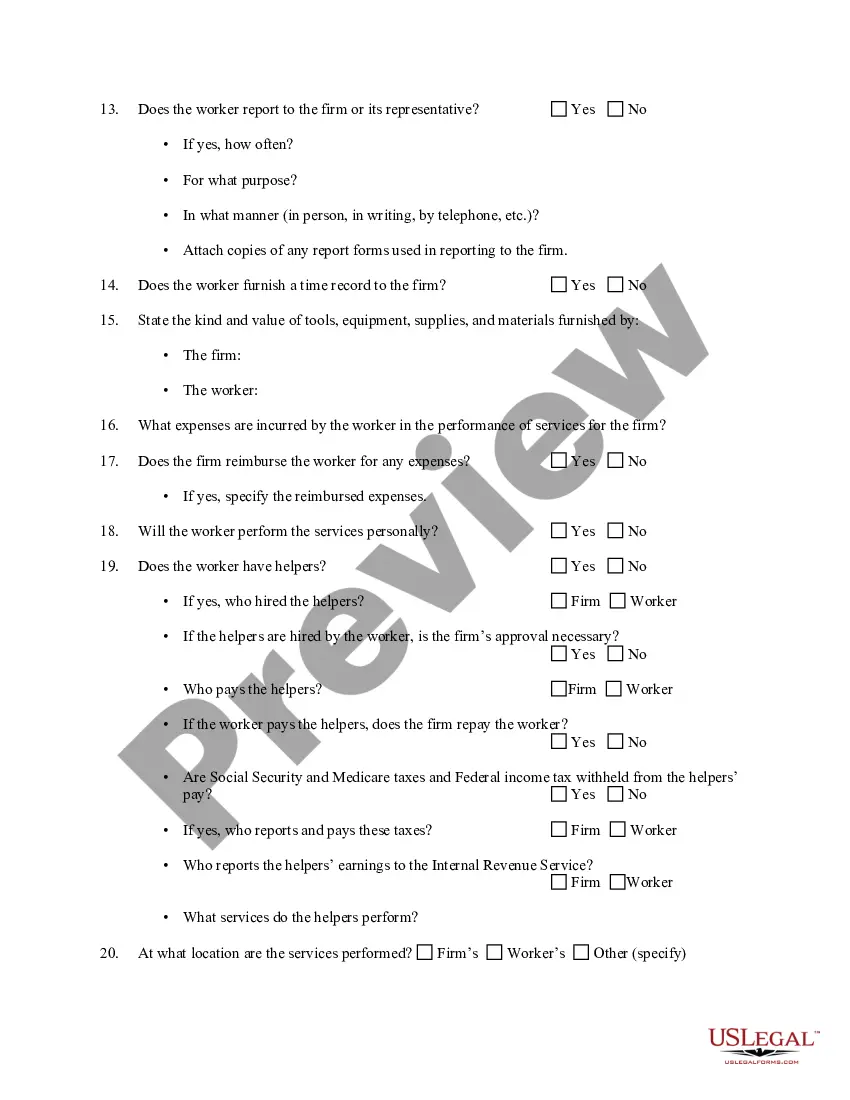
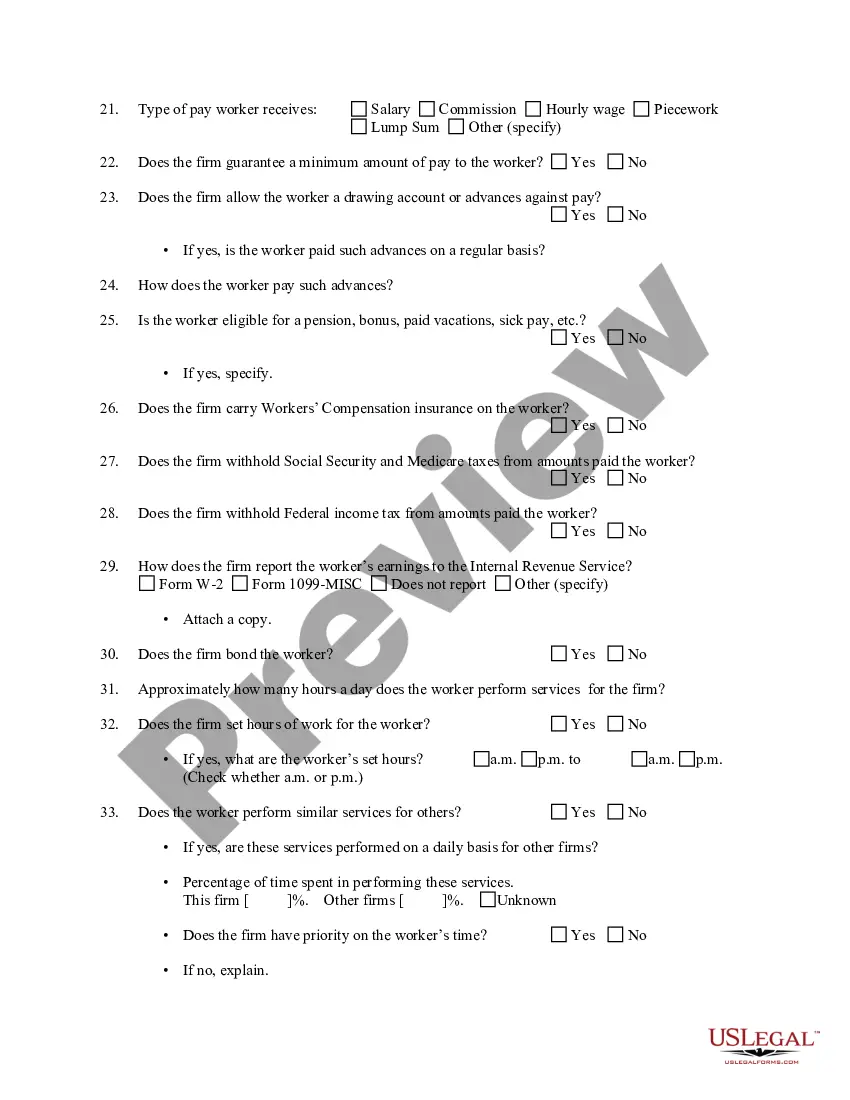
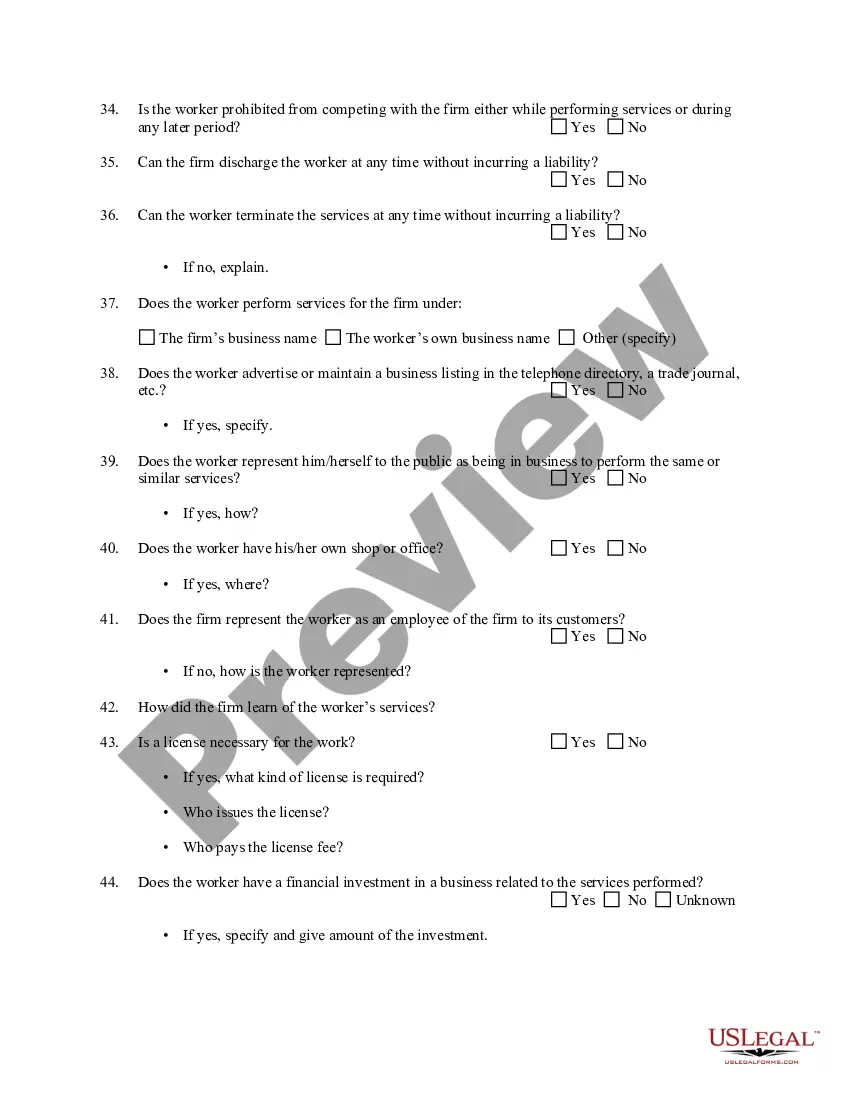
Get your form ready online
Our built-in tools help you complete, sign, share, and store your documents in one place.
Make edits, fill in missing information, and update formatting in US Legal Forms—just like you would in MS Word.
Download a copy, print it, send it by email, or mail it via USPS—whatever works best for your next step.
Sign and collect signatures with our SignNow integration. Send to multiple recipients, set reminders, and more. Go Premium to unlock E-Sign.
If this form requires notarization, complete it online through a secure video call—no need to meet a notary in person or wait for an appointment.
We protect your documents and personal data by following strict security and privacy standards.

Make edits, fill in missing information, and update formatting in US Legal Forms—just like you would in MS Word.

Download a copy, print it, send it by email, or mail it via USPS—whatever works best for your next step.

Sign and collect signatures with our SignNow integration. Send to multiple recipients, set reminders, and more. Go Premium to unlock E-Sign.

If this form requires notarization, complete it online through a secure video call—no need to meet a notary in person or wait for an appointment.

We protect your documents and personal data by following strict security and privacy standards.
Looking for another form?
How to fill out Determining Self-Employed Independent Contractor Status?
Creating legal documents from the ground up can frequently be somewhat daunting.
Certain situations may require extensive research and substantial financial investment.
If you’re seeking a more straightforward and cost-effective method for generating Self Employed Ss Withdrawal or any other forms without navigating through complexities, US Legal Forms is always accessible.
Our online collection of over 85,000 current legal documents encompasses nearly all aspects of your financial, legal, and personal affairs.
Examine the document preview and descriptions to ensure you are on the correct document you are looking for. Ensure the form you select adheres to the rules and regulations of your state and county. Pick the appropriate subscription plan to acquire the Self Employed Ss Withdrawal. Download the file, then complete, validate, and print it. US Legal Forms has a strong reputation and over 25 years of experience. Join us today and make document completion a simple and efficient process!
- With just a few clicks, you can swiftly obtain state- and county-specific forms meticulously prepared by our legal experts.
- Utilize our platform whenever you require a dependable service where you can effortlessly locate and download the Self Employed Ss Withdrawal.
- If you’re familiar with our services and have previously established an account with us, simply Log In to your account, find the template, and download it or re-download it anytime from the My documents section.
- Not registered yet? No problem. It takes minimal time to sign up and explore the library.
- However, before diving straight into downloading the Self Employed Ss Withdrawal, consider these tips.
Form popularity
FAQ
One of the biggest mistakes people make regarding Social Security is not understanding their benefits as self-employed individuals. Many overlook the importance of tracking their self-employment income, which can affect their self employed ss withdrawal amounts. Failing to report income accurately can lead to reduced benefits or even denial of claims. To avoid this, consider using resources like uslegalforms to ensure you understand your obligations and benefits.
To report self-employment income to Social Security, you need to file a tax return using Schedule C or C-EZ. You should accurately report your net earnings, as this directly impacts your self employed ss withdrawal eligibility. Additionally, maintaining detailed records of your income and expenses will help ensure a smooth reporting process. If you need assistance, platforms like uslegalforms can provide the necessary forms and guidance.
Yes, you can draw Social Security benefits if you were self-employed. Your eligibility depends on the number of work credits you have earned over your career. Self employed ss withdrawal is possible as long as you have contributed to Social Security through your self-employment taxes. It's important to check your earnings record to ensure you qualify for benefits.
Filling out a withdrawal form involves providing your personal information, including your Social Security number and details about your self-employment income. You may also need to specify the amount you wish to withdraw and the purpose of the withdrawal. For a smooth process, consider using US Legal Forms, which offers easy-to-follow templates for your self employed ss withdrawal needs.
Yes, it is essential to report your earnings to Social Security if you are self-employed. This reporting ensures that your work history is up-to-date, which is crucial for calculating your future benefits. If you plan to make a self employed ss withdrawal, accurate reporting helps maintain your eligibility and benefit amounts.
To report income from self-employment, you need to complete a Schedule C form alongside your personal tax return. This form details your business income and expenses, allowing you to calculate your net profit. Additionally, remember to include this information when preparing for your self employed ss withdrawal, as accurate reporting is crucial for your benefits.
Yes, you can complete Form W-4V online for Social Security purposes. This form is essential for self-employed individuals looking to manage their tax withholding for Social Security benefits. By using a reliable platform like US Legal Forms, you can easily access the necessary templates and submit your information accurately. This helps ensure you stay compliant while maximizing your self-employed SS withdrawal benefits.
To report your self-employment earnings to Social Security, file your federal tax return, including Schedule C and Schedule SE. These forms detail your income and the self-employment tax owed. By accurately reporting your earnings, you ensure that your self employed ss withdrawal reflects your contributions. US Legal Forms offers helpful resources that can guide you through this reporting process.
Yes, you can complete form W-4V online to request voluntary federal income tax withholding from your Social Security benefits. It’s important to ensure that your form is filled out correctly to avoid delays in your self employed ss withdrawal. Various online platforms, including US Legal Forms, can provide guidance and templates to assist you in this process.
Yes, you can draw Social Security benefits even if you're self-employed. Your eligibility depends on your work history and the number of credits you've earned. Remember that your self employed ss withdrawal may vary based on your reported earnings. To navigate this process effectively, consider the resources available on the US Legal Forms platform.