Contractor Irs Withholding
Description
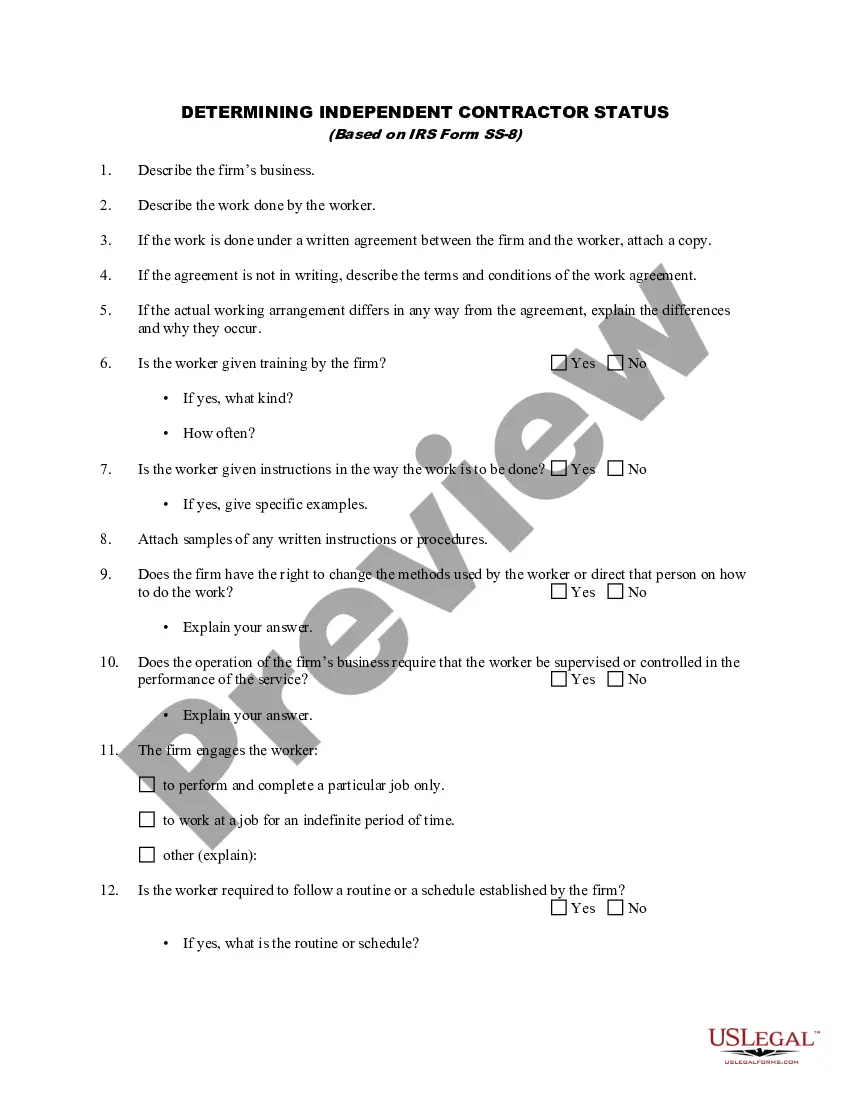
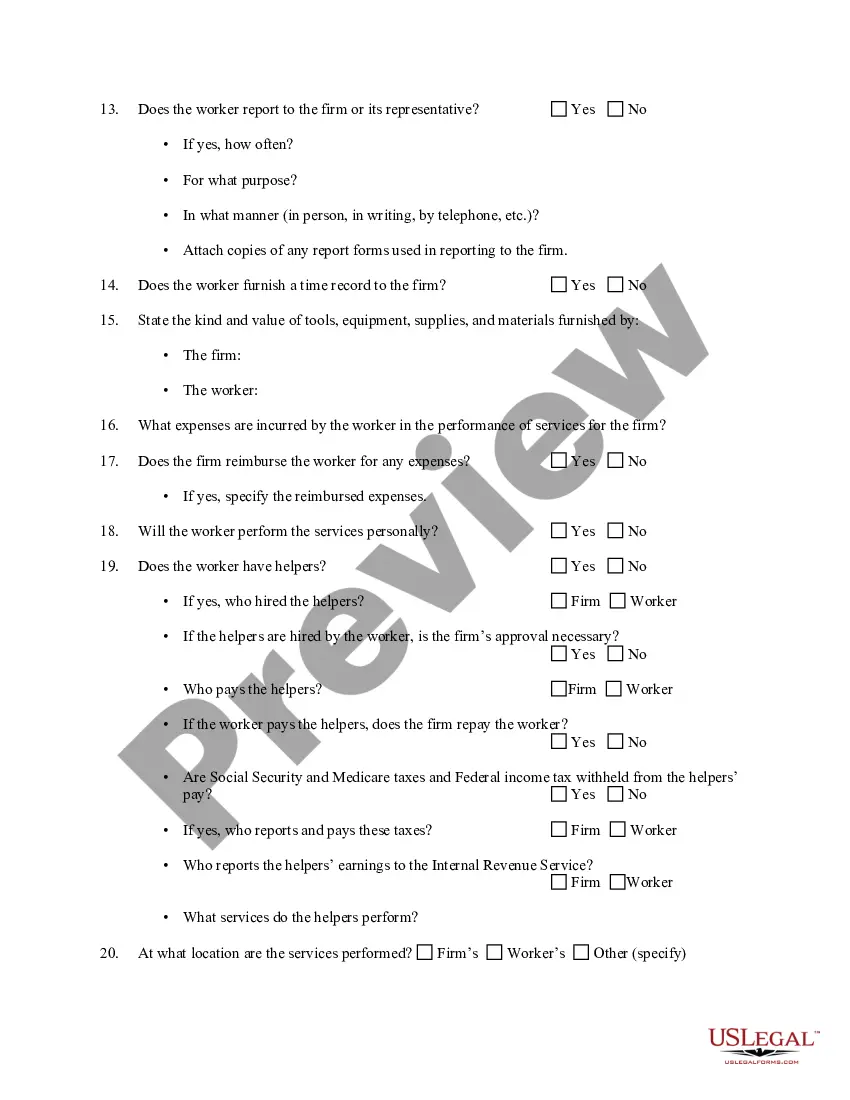
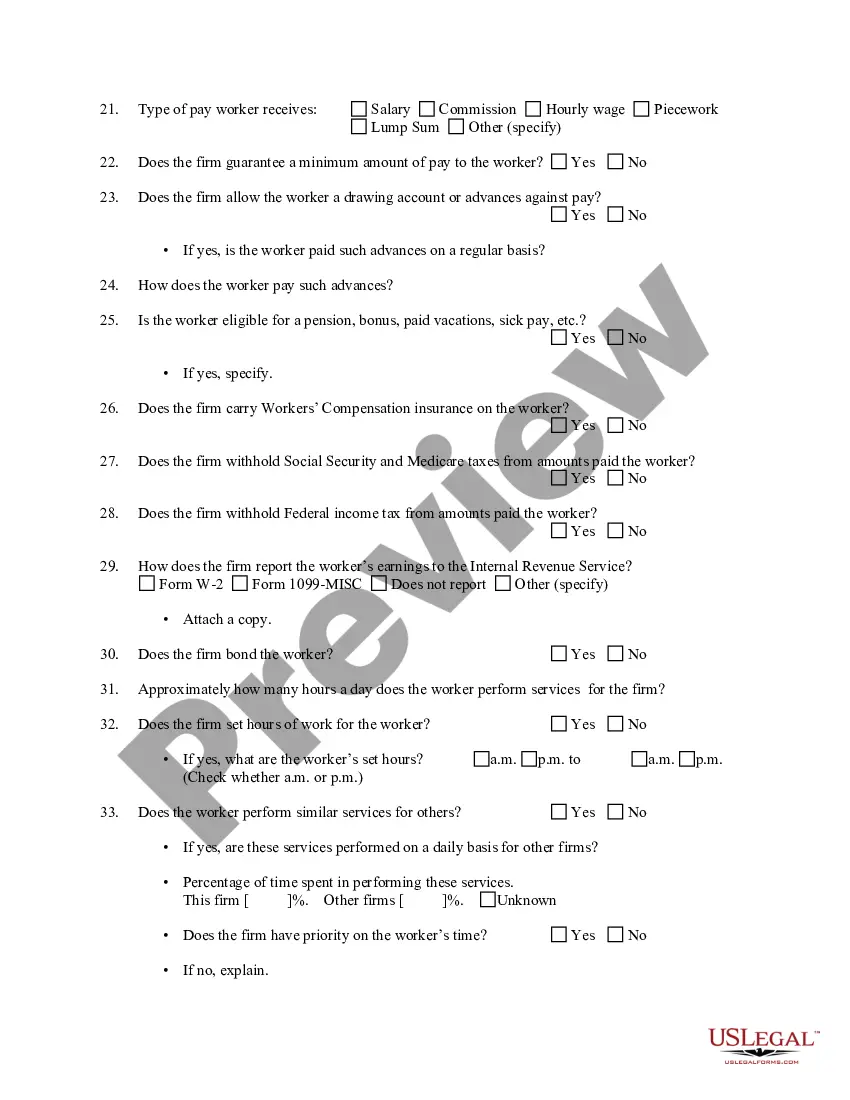
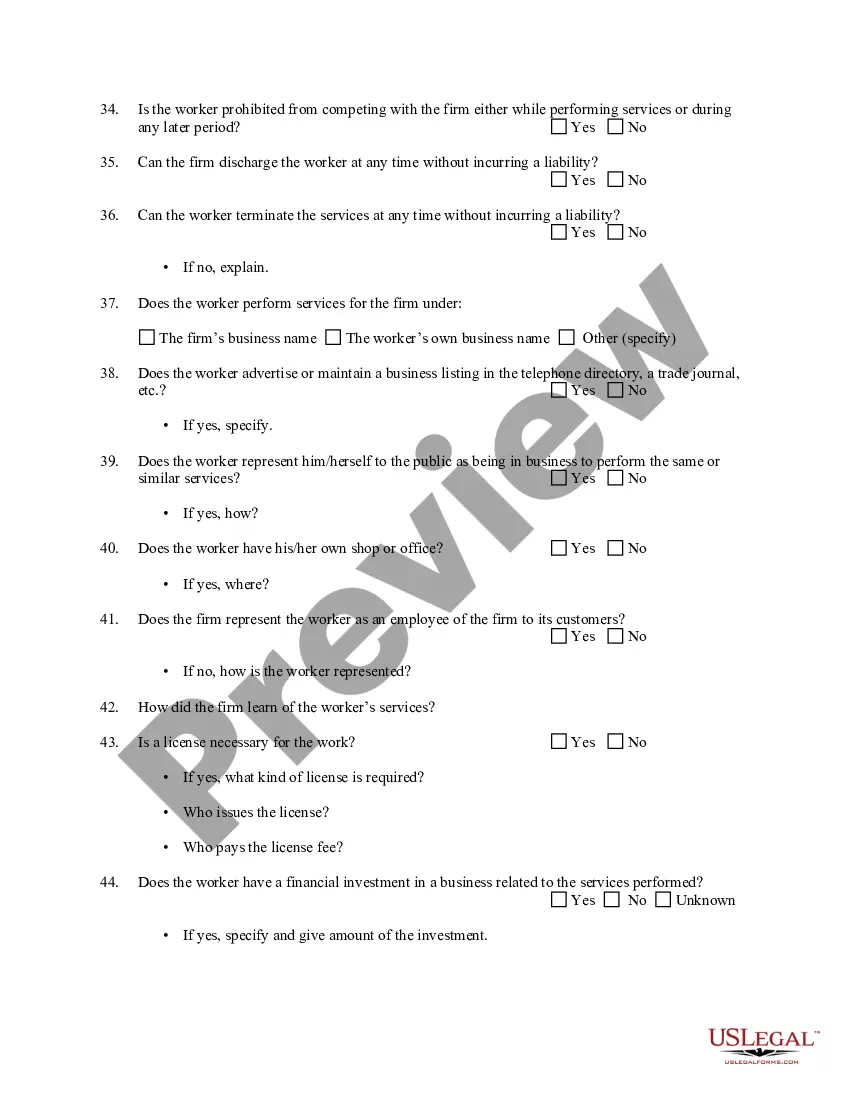
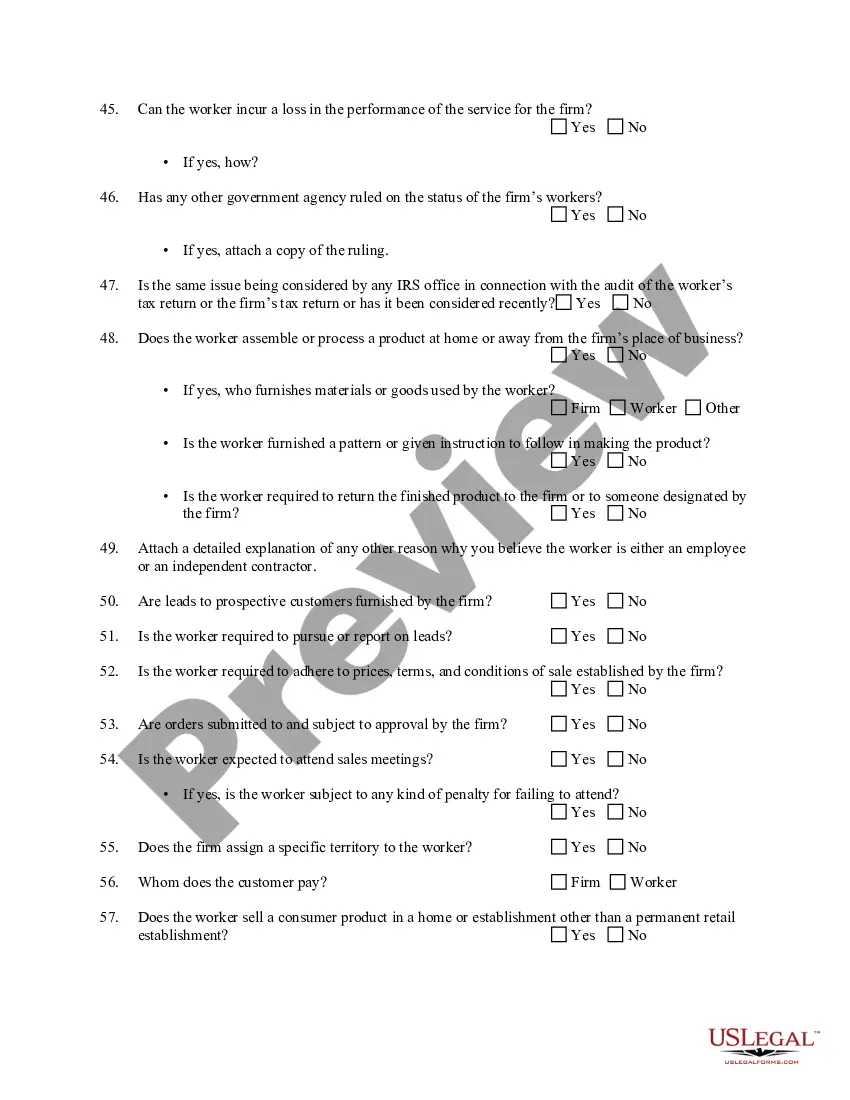
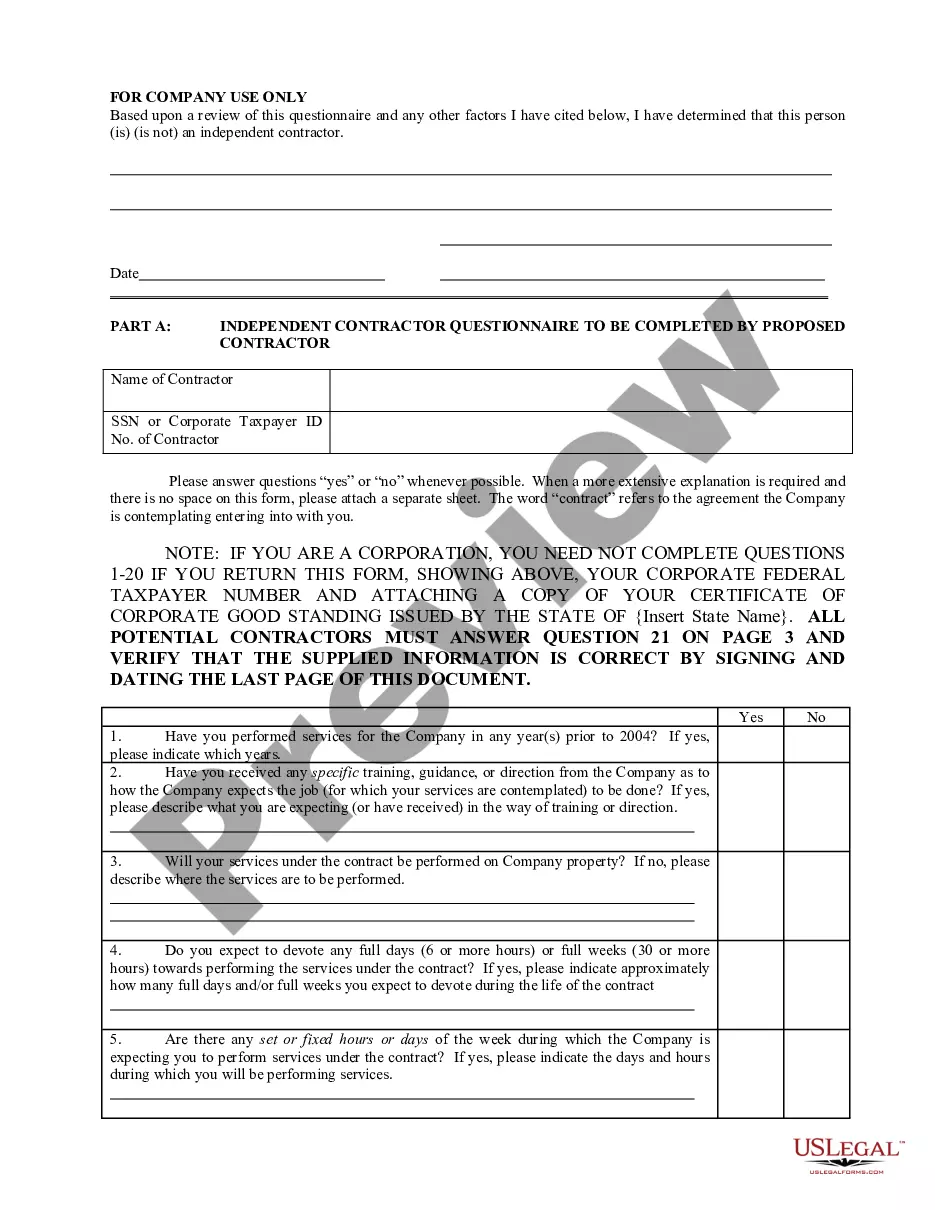
Get your form ready online
Our built-in tools help you complete, sign, share, and store your documents in one place.
Make edits, fill in missing information, and update formatting in US Legal Forms—just like you would in MS Word.
Download a copy, print it, send it by email, or mail it via USPS—whatever works best for your next step.
Sign and collect signatures with our SignNow integration. Send to multiple recipients, set reminders, and more. Go Premium to unlock E-Sign.
If this form requires notarization, complete it online through a secure video call—no need to meet a notary in person or wait for an appointment.
We protect your documents and personal data by following strict security and privacy standards.

Make edits, fill in missing information, and update formatting in US Legal Forms—just like you would in MS Word.

Download a copy, print it, send it by email, or mail it via USPS—whatever works best for your next step.

Sign and collect signatures with our SignNow integration. Send to multiple recipients, set reminders, and more. Go Premium to unlock E-Sign.

If this form requires notarization, complete it online through a secure video call—no need to meet a notary in person or wait for an appointment.

We protect your documents and personal data by following strict security and privacy standards.
Looking for another form?


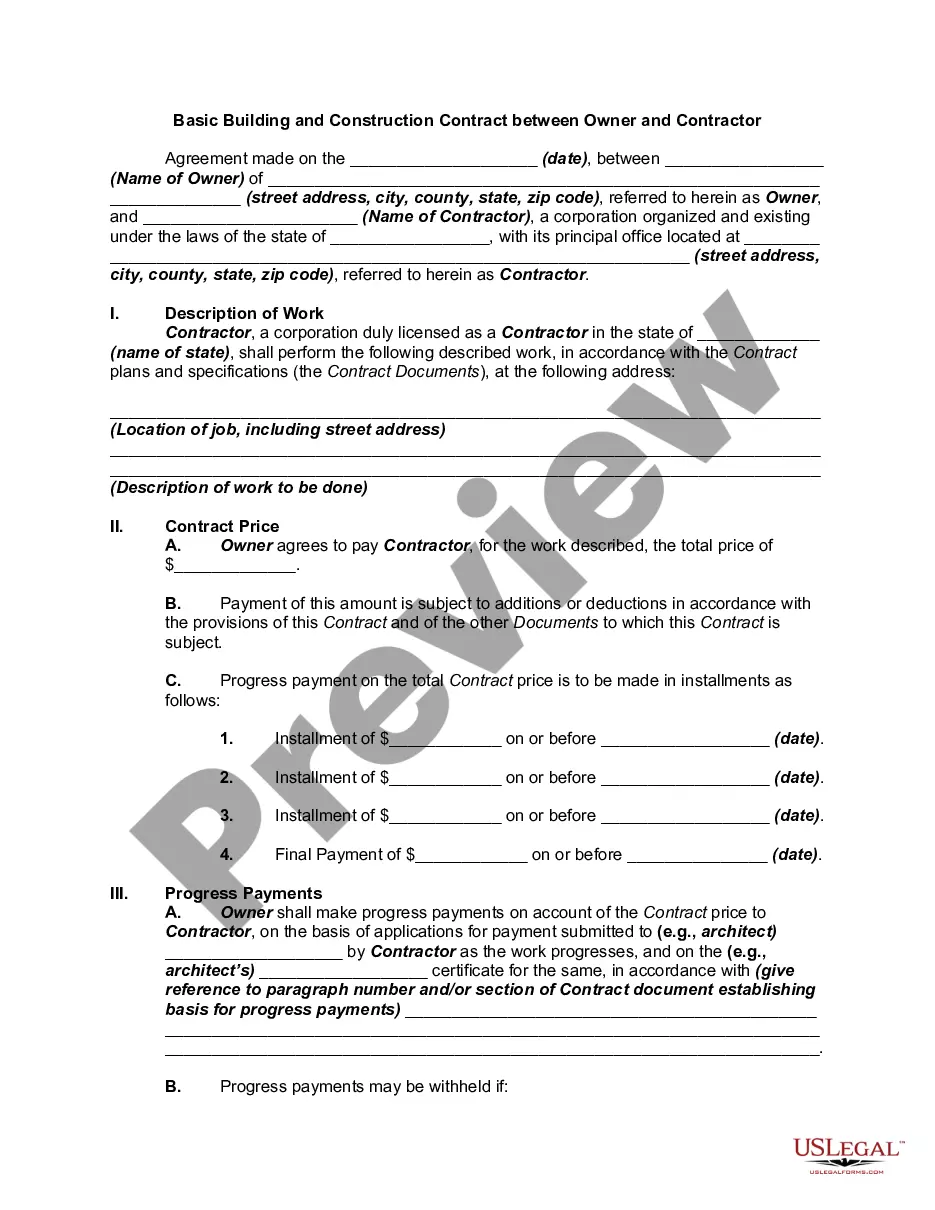
How to fill out Determining Self-Employed Independent Contractor Status?
Accessing legal documents that comply with federal and state laws is essential, and the internet provides numerous choices. However, why spend time looking for the suitable Contractor Irs Withholding example online when the US Legal Forms online database already has such documents collected in one location.
US Legal Forms is the largest online legal repository with over 85,000 fillable forms created by attorneys for any professional and personal situation. They are easy to navigate, with all files categorized by state and intended use. Our experts stay updated with legislative changes, ensuring that your documents are always current and compliant when acquiring a Contractor Irs Withholding from our site.
Acquiring a Contractor Irs Withholding is swift and straightforward for both existing and new users. If you already possess an account with an active subscription, Log In and save the document sample you need in the appropriate format. If you are a newcomer to our site, follow the steps outlined below.
All documents you discover through US Legal Forms are reusable. To re-download and complete forms previously obtained, access the My documents tab in your account. Experience the most comprehensive and user-friendly legal documentation service!
- Review the template using the Preview option or through the text outline to confirm it meets your requirements.
- Search for a different sample using the search tool at the top of the page if needed.
- Click Buy Now when you have located the correct form and select a subscription plan.
- Create an account or Log In and process your payment using PayPal or a credit card.
- Select the appropriate format for your Contractor Irs Withholding and download it.
Form popularity
FAQ
Deciding whether to claim 0 or 1 on your withholding depends on your specific tax situation. Claiming 0 means more taxes will be withheld from your earnings, potentially leading to a refund when you file your return. Conversely, claiming 1 allows for less withholding, which may be suitable if you anticipate owing taxes. Understanding your contractor IRS withholding needs will help you make the right choice.
To properly fill out a tax withholding form, you need to gather accurate information about your income and tax situation. If you are a contractor, you may typically use the W-9 form to report your earnings rather than a traditional withholding form. Ensure you provide your tax identification number and any other required details. This process is essential for managing your contractor IRS withholding effectively.
As a contractor, you generally do not fill out a W-4 form, which is intended for employees. Instead, your contractor IRS withholding is managed differently. You may need to provide a W-9 to clients, who will then report your earnings to the IRS. This distinction is important for understanding your tax responsibilities.
To fill out a W-9 form as an individual contractor, start by entering your name and business name, if applicable. Next, provide your tax identification number, which can be your Social Security number or Employer Identification Number. Finally, sign and date the form. This W-9 form is crucial for understanding your contractor IRS withholding needs.
To prove you are an independent contractor, you can provide documentation such as contracts with clients, invoices for services rendered, and records of your business expenses. These documents demonstrate your work relationships and the nature of your business. Additionally, you can reference your tax filings that indicate Contractor IRS withholding status. Using tools from US Legal Forms can simplify the process of creating these documents and ensuring your independent status is well-documented.
To request federal income tax withholding as a contractor, you must fill out Form W-4 and provide it to your client or employer. This form allows you to specify the amount you wish to withhold from your payments. Remember, while contractors usually do not have taxes withheld, requesting withholding can help you manage your tax responsibilities better. For guidance on this process, you can explore resources available on the US Legal Forms platform.
Typically, contractors do not have taxes withheld from their paychecks like traditional employees. Instead, they receive their full payment and are responsible for managing their own tax obligations, which includes Contractor IRS withholding. This means you should set aside a portion of your earnings for federal and state taxes. It is essential to understand your tax responsibilities as a contractor to avoid unexpected bills later.
The $600 rule refers to the IRS requirement that businesses must report payments made to independent contractors totaling $600 or more within a fiscal year using Form 1099. This rule is crucial for contractor IRS withholding, as it ensures that the IRS is aware of the income received by contractors. Failing to comply can lead to penalties. To stay organized and compliant, consider using USLegalForms, which offers resources to help you manage your reporting responsibilities.
As a contractor, you generally do not withhold taxes from your income. Instead, you are responsible for estimating and paying your taxes quarterly to the IRS. However, it’s wise to set aside an estimated percentage of your earnings for tax payments, typically around 15% to 30%, depending on your tax bracket. Utilizing tools from USLegalForms can assist you in calculating your estimated tax payments accurately.
The IRS classifies 1099 workers as independent contractors, meaning they are responsible for their own taxes, including self-employment tax. You do not withhold taxes from their payments, but you must report any payments totaling $600 or more in a calendar year using Form 1099. Understanding contractor IRS withholding is crucial for accurate reporting. Resources like USLegalForms can provide templates and guidelines to help you navigate these rules effectively.