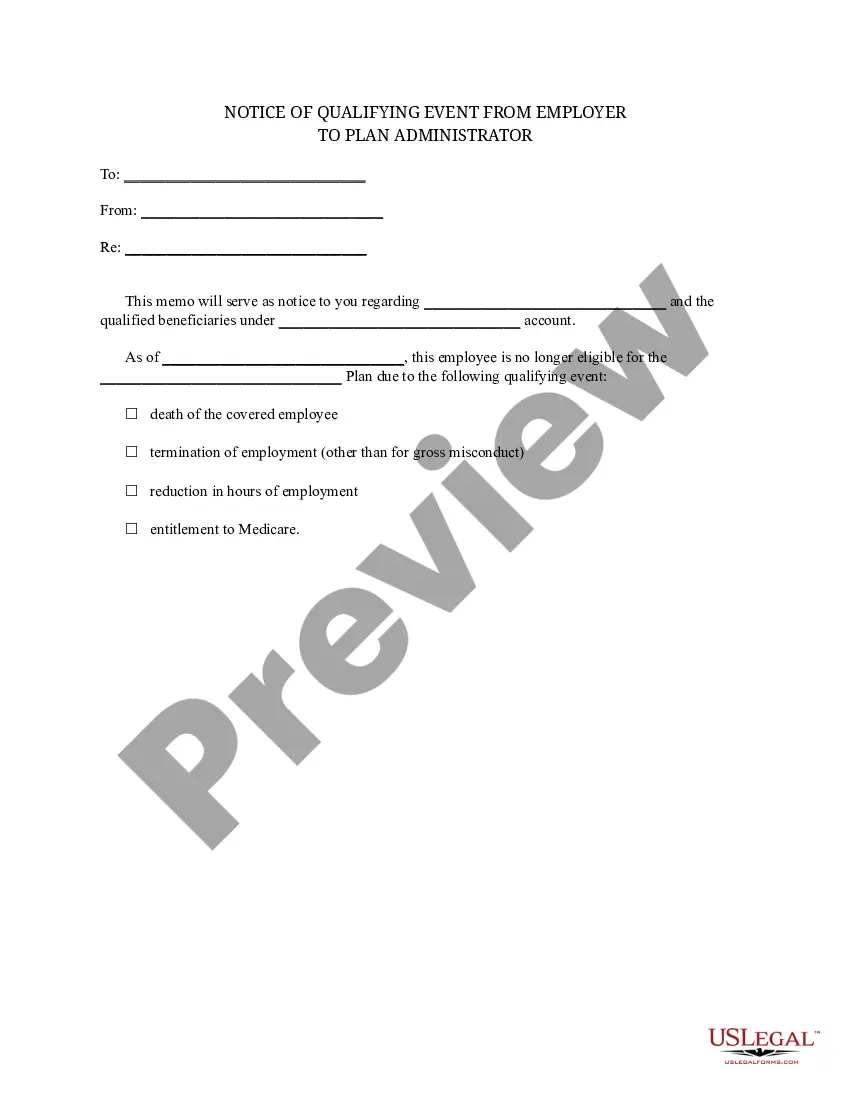
Plan Administrator For Health Insurance
Description
Get your form ready online
Our built-in tools help you complete, sign, share, and store your documents in one place.
Make edits, fill in missing information, and update formatting in US Legal Forms—just like you would in MS Word.
Download a copy, print it, send it by email, or mail it via USPS—whatever works best for your next step.
Sign and collect signatures with our SignNow integration. Send to multiple recipients, set reminders, and more. Go Premium to unlock E-Sign.
If this form requires notarization, complete it online through a secure video call—no need to meet a notary in person or wait for an appointment.
We protect your documents and personal data by following strict security and privacy standards.

Make edits, fill in missing information, and update formatting in US Legal Forms—just like you would in MS Word.

Download a copy, print it, send it by email, or mail it via USPS—whatever works best for your next step.

Sign and collect signatures with our SignNow integration. Send to multiple recipients, set reminders, and more. Go Premium to unlock E-Sign.

If this form requires notarization, complete it online through a secure video call—no need to meet a notary in person or wait for an appointment.

We protect your documents and personal data by following strict security and privacy standards.
Looking for another form?
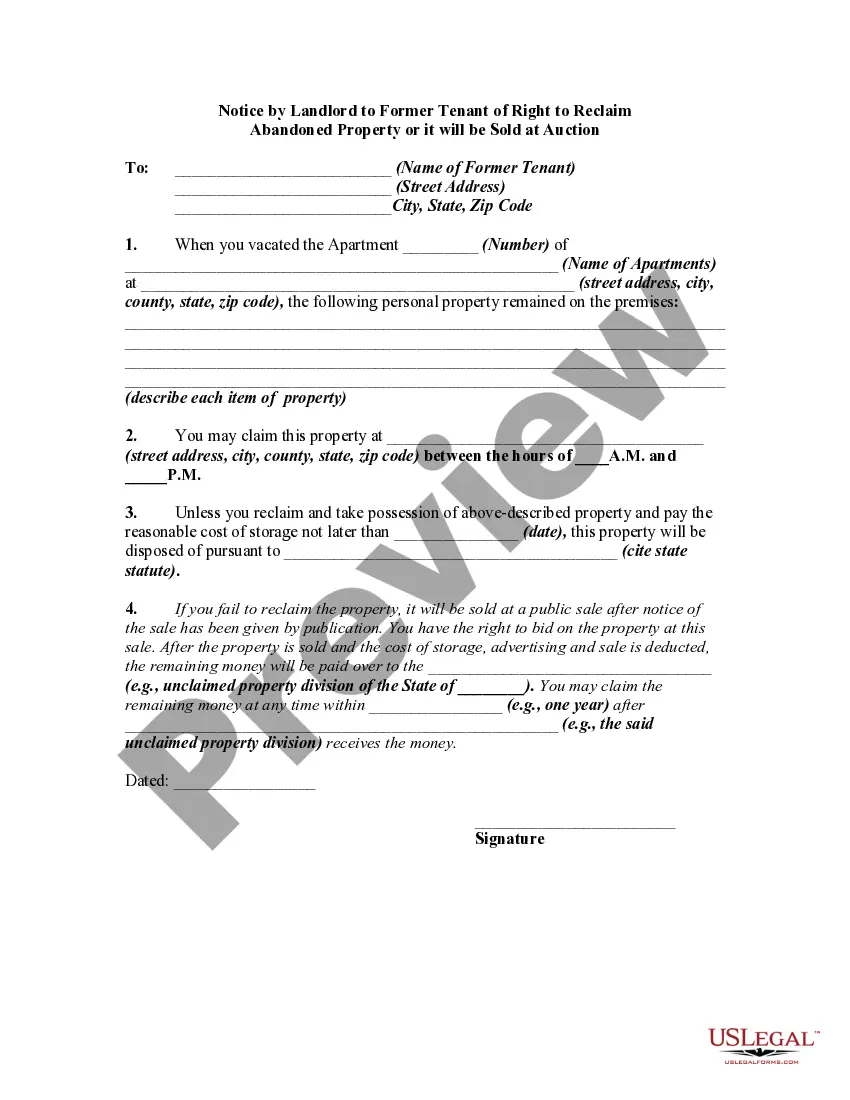

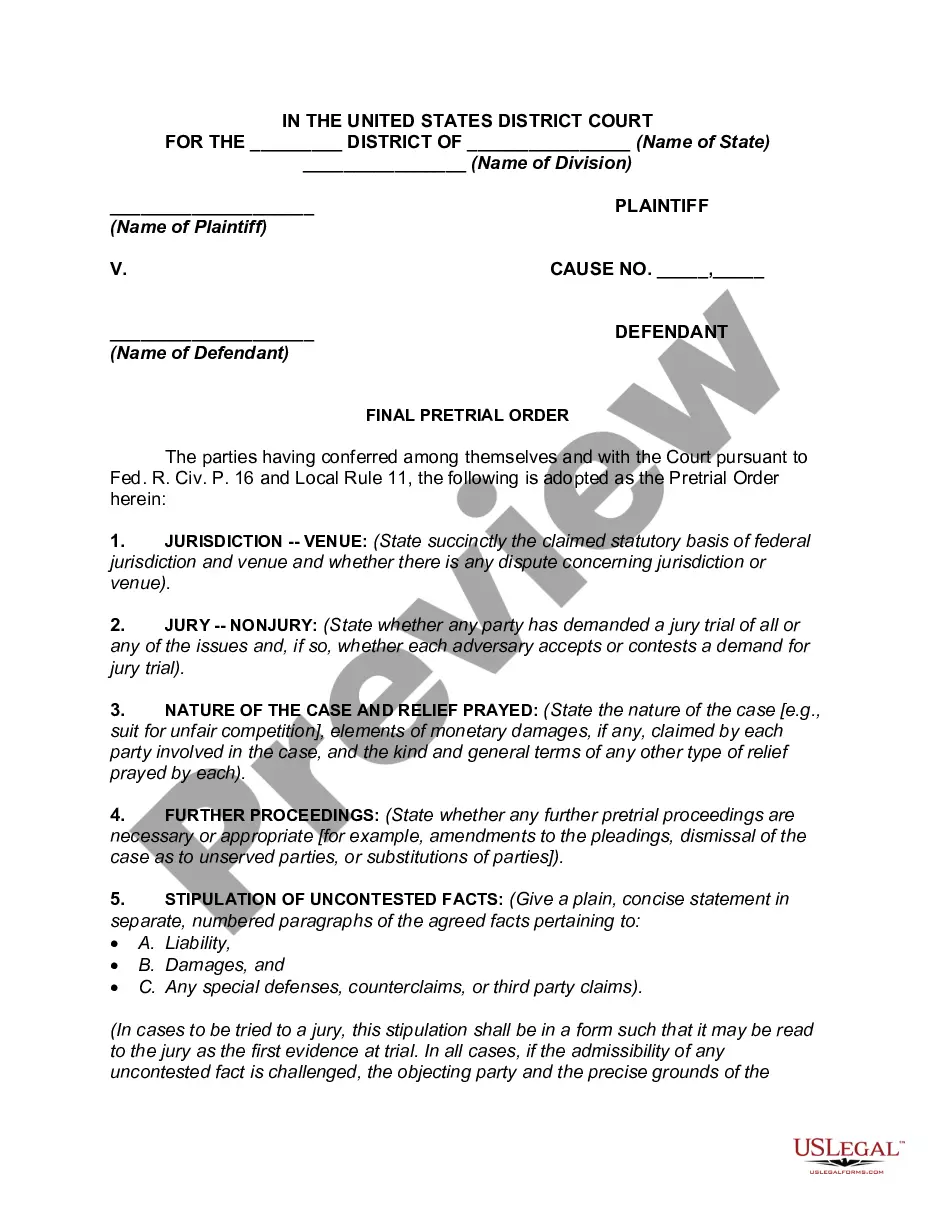
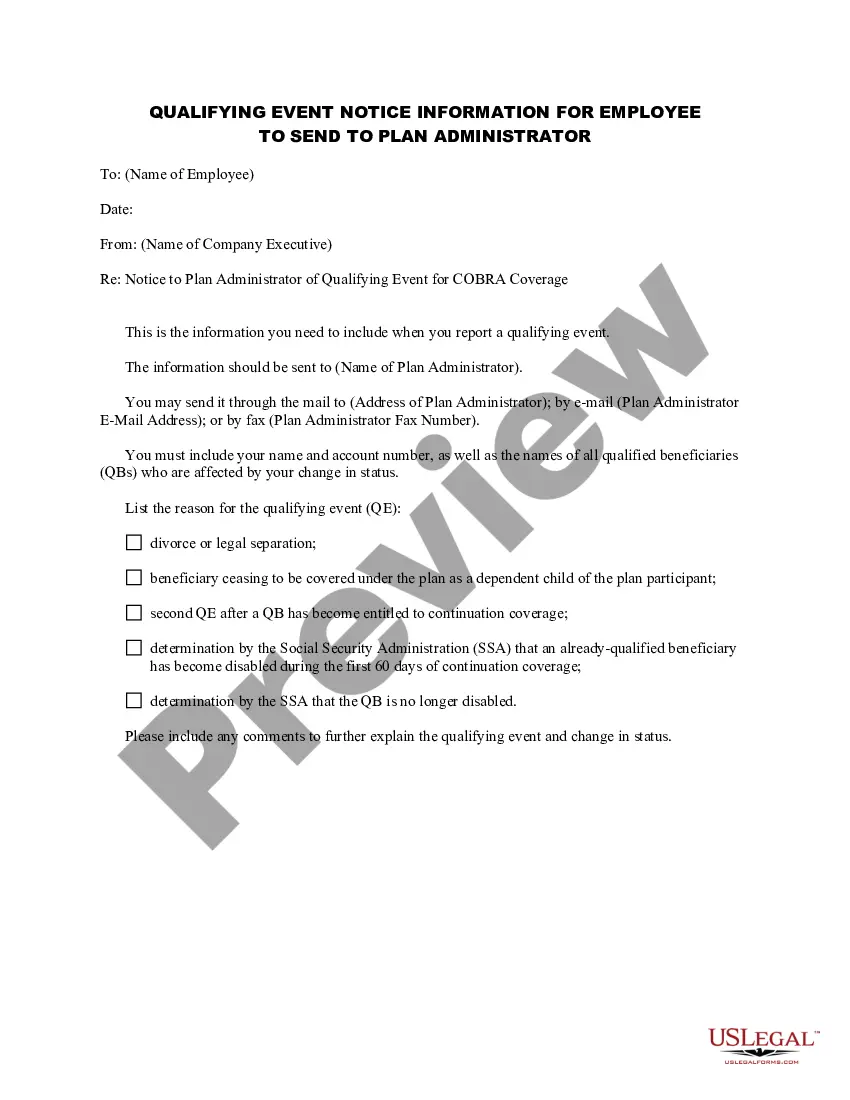
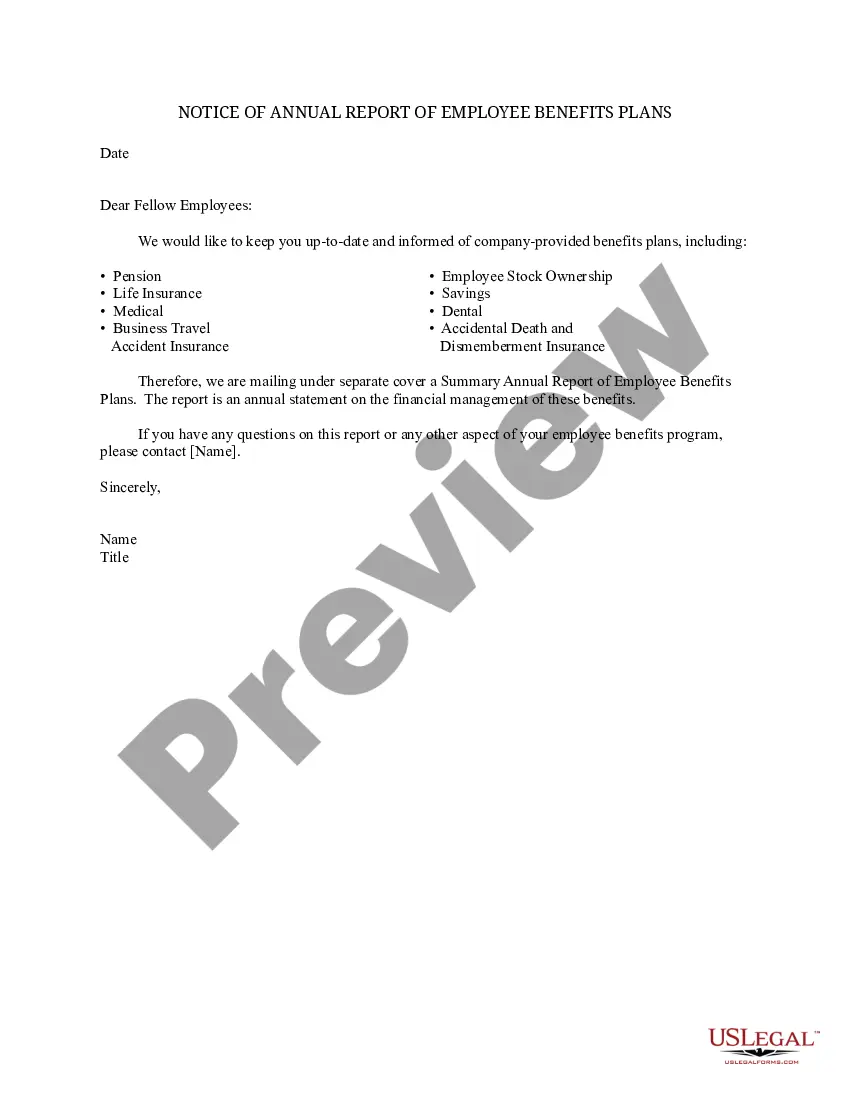
How to fill out Notice Of Qualifying Event From Employer To Plan Administrator?
- Log into your US Legal Forms account if you are a returning user. Ensure your subscription is active; if not, renew it according to your chosen plan.
- For first-time users, start by exploring the Preview mode and checking the form description. Confirm that the form meets your specific requirements and complies with local laws.
- Utilize the Search feature if you need to find a different template that better suits your needs.
- Once you've selected the appropriate document, click the Buy Now button, and choose a subscription plan that fits your budget. Registration for an account is necessary to access your forms.
- Complete your purchase by entering your payment details via credit card or PayPal.
- After your transaction is confirmed, download the form to your device. You can also access your document anytime from the My Forms section in your profile.
With a vast collection of over 85,000 fillable and editable forms, US Legal Forms stands out by offering more options than competitors for a comparable cost.
Empower yourself with the right legal forms today! Visit US Legal Forms to simplify your health insurance documentation process.
Form popularity
FAQ
An insurance administrator plays a critical role in the management of health insurance plans. As a plan administrator for health insurance, they ensure that operations run efficiently, bills are processed correctly, and members receive the support they need. Their duties include maintaining accurate records, coordinating with insurance providers, and resolving any issues that may arise during the claims process.
In the context of insurance, a plan administrator for health insurance is responsible for implementing and managing health benefit plans. This includes making sure the plans adhere to legal requirements, processing enrollments, and communicating effectively with members. Their goal is to streamline processes so that participants enjoy a seamless experience while utilizing their health benefits.
Generally, a plan administrator can be an individual or an organization appointed by the plan sponsor. This could be a company, a third-party administrator, or even an insurance agent who has the knowledge and experience to manage health insurance plans. It is crucial that the appointed plan administrator for health insurance understands compliance laws and member needs.
While both roles are vital, a claims administrator focuses specifically on processing and managing claims submitted by policyholders. In contrast, a plan administrator for health insurance handles broader responsibilities, such as overseeing the overall plan management and member communication. Essentially, the plan administrator ensures that the plan functions smoothly, while the claims administrator ensures claims are processed in a timely manner.
A plan administrator for health insurance manages the day-to-day operations of an insurance plan. They oversee enrollment, maintain records, and ensure compliance with regulations. Typically, they serve as the primary point of contact for plan members, helping them understand their benefits and options.
The plan administrator for health insurance can be an individual, such as an HR manager, or an organization, like an insurance company. This entity handles the administration of the health plan on behalf of the employer and employees. Recognizing who holds this role can clarify the process for participants and ensure they know where to direct their questions or concerns. If you're unsure about your plan administrator, consider exploring resources on US Legal Forms to understand your health insurance better.
A plan administrator is a person or entity responsible for managing and overseeing a health insurance plan. This role includes tasks such as ensuring compliance with regulations, processing claims, and communicating with plan participants. Understanding the responsibilities of the plan administrator for health insurance can help users navigate their options better. Ultimately, this position plays a crucial role in maintaining the smooth operation of health insurance benefits.
A health plan administrator is responsible for overseeing the implementation and management of health insurance policies. This role includes tasks like communicating benefits to employees, ensuring regulatory compliance, and resolving claims issues. Having a proficient health plan administrator can significantly improve employee satisfaction and streamline health benefits management. For support with administrative tasks, consider leveraging platforms like US Legal Forms to simplify processes.
The plan administrator is typically an individual or entity designated by the plan sponsor to handle the administration of the health insurance plan. This role may involve managing benefits enrollment, processing claims, and ensuring compliance with relevant regulations. Companies often appoint an internal HR professional or outsource this role to third-party administrators for efficiency. Understanding who this individual is can enhance your experience as a policyholder.
The plan administrator for health insurance is required to file Form 5500. This form is essential for reporting information about the health plan's finances and operations to the government. Employers, as plan sponsors, should ensure that their designated plan administrator understands the rules and deadlines associated with this filing. Proper compliance helps maintain transparency and regulatory adherence.