Full And Final Settlement Meaning
Description
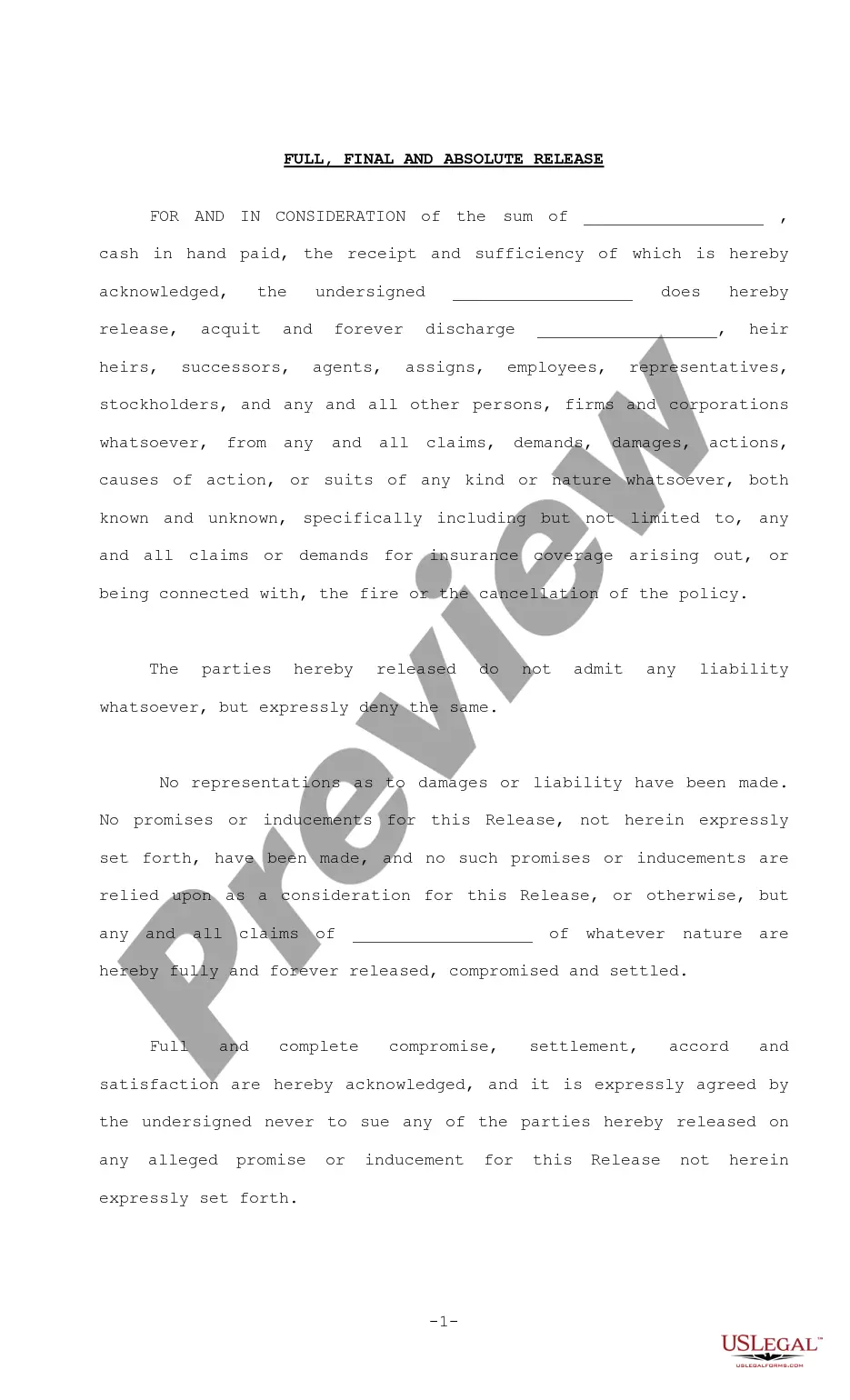
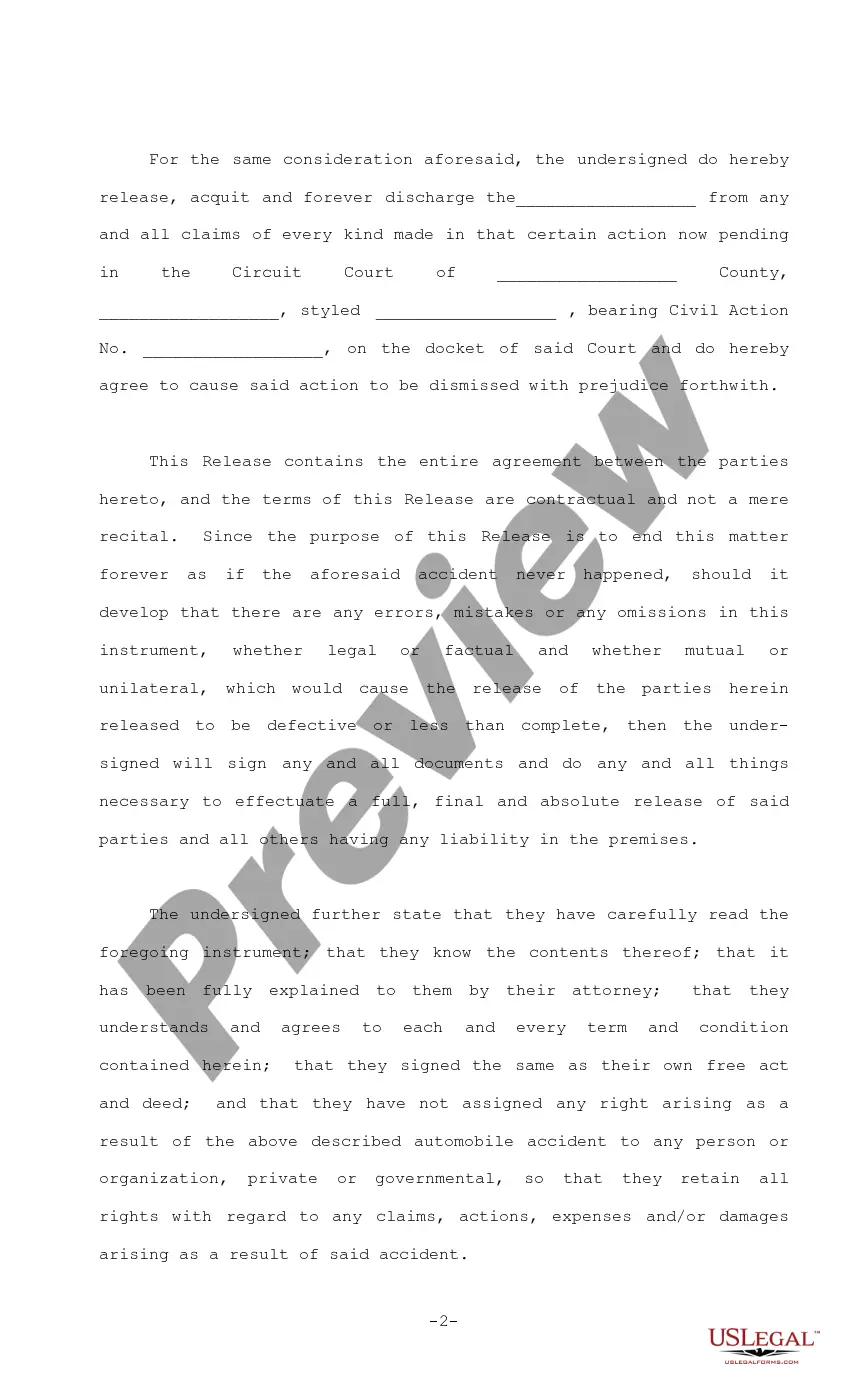

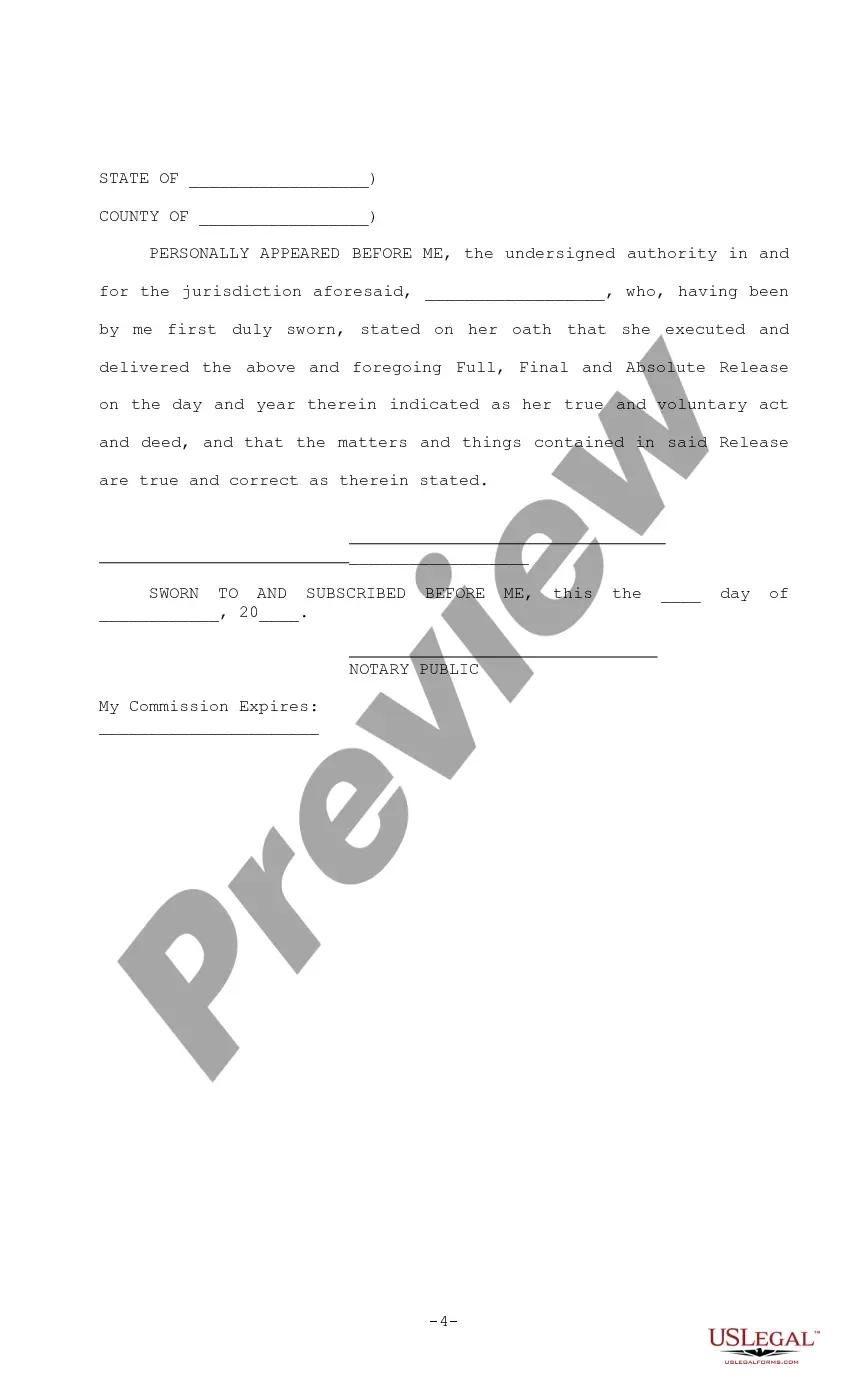
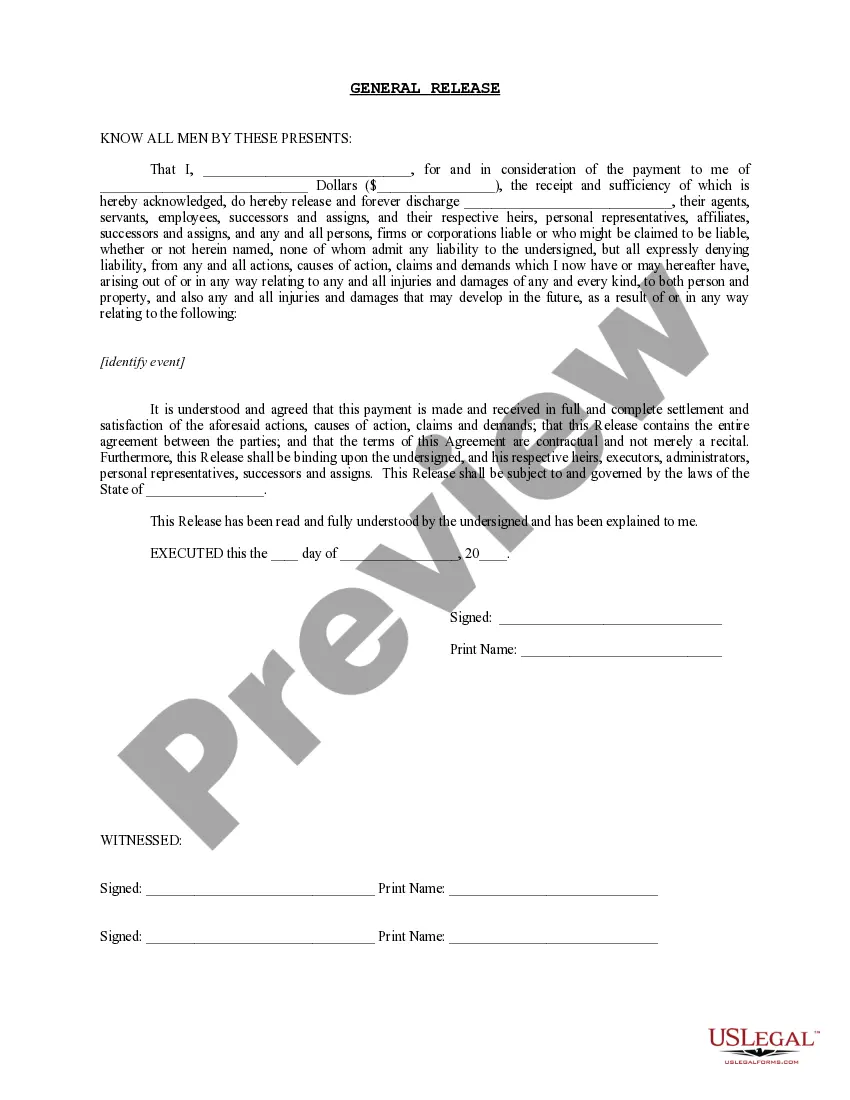
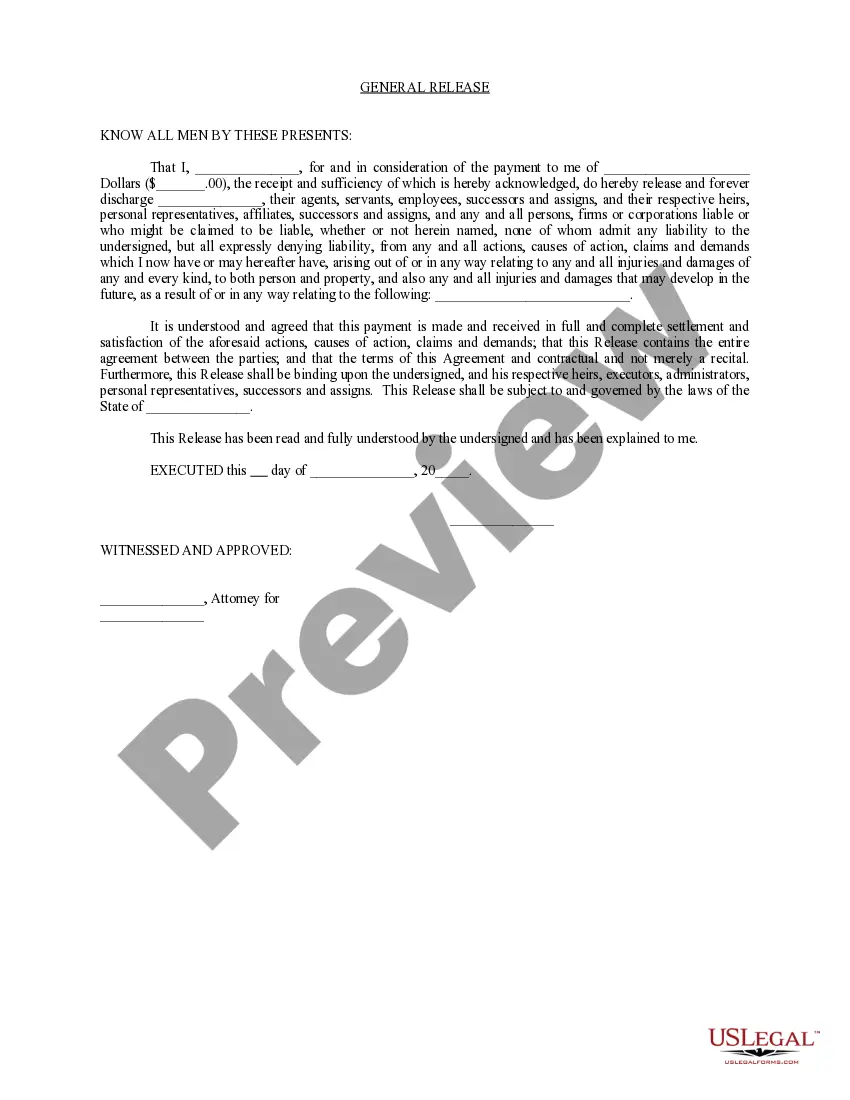
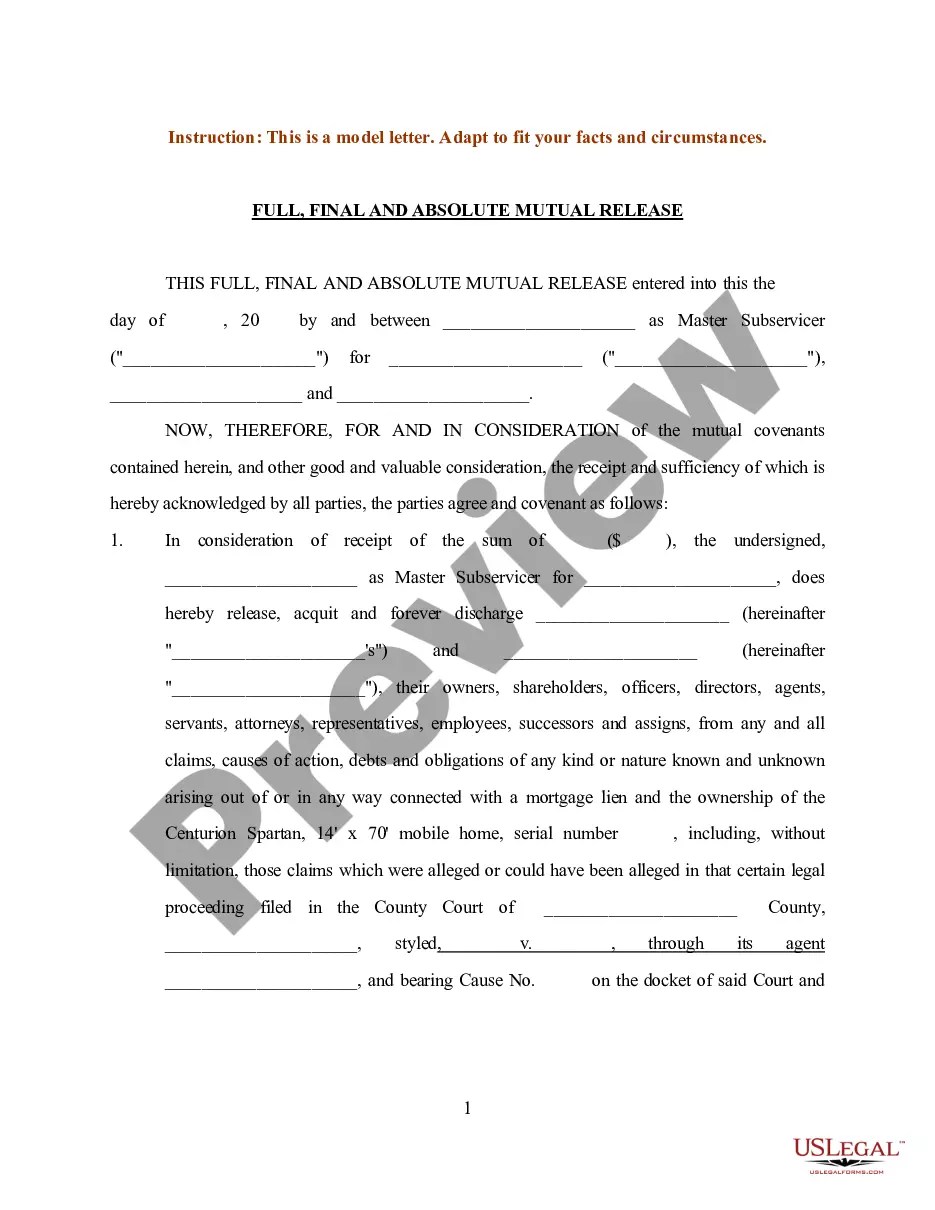
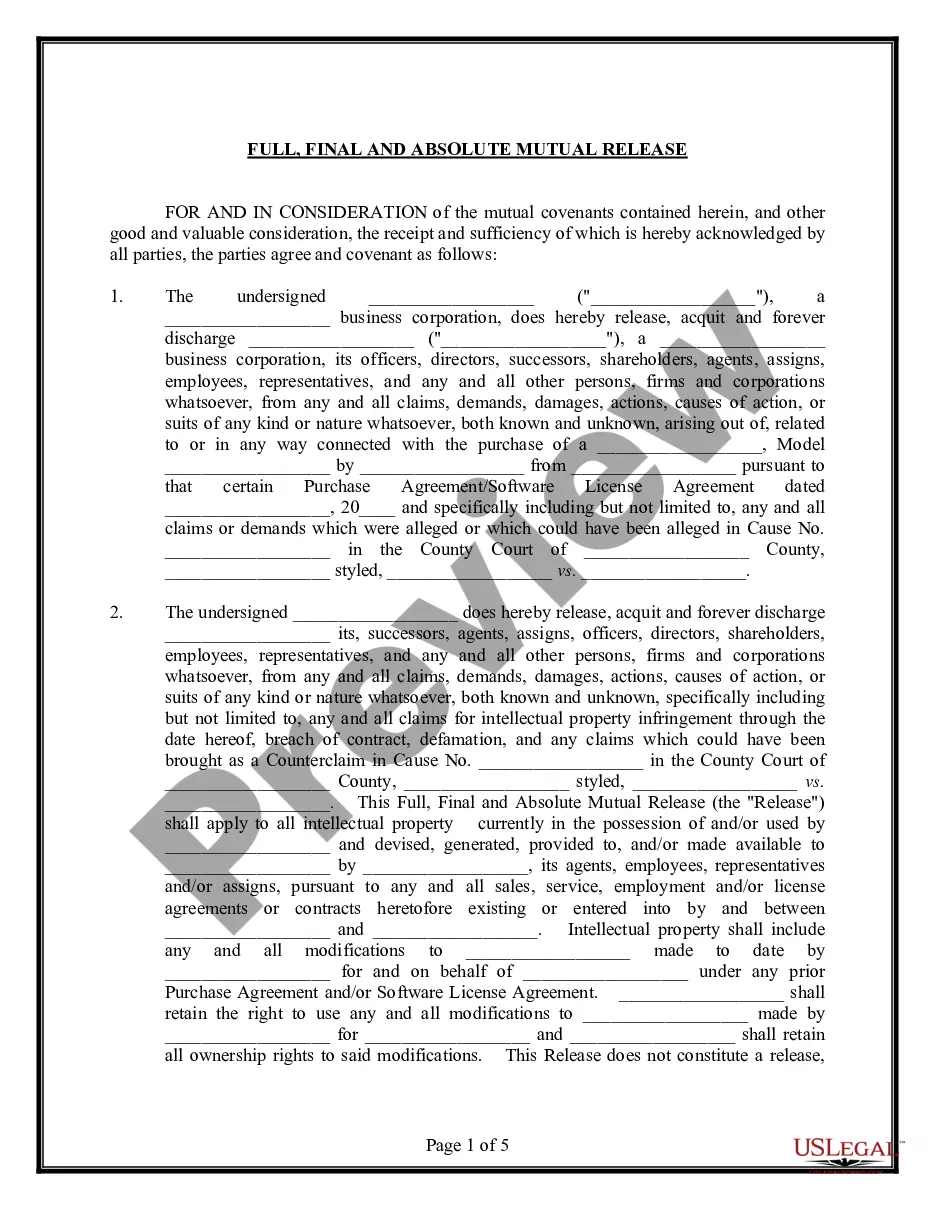
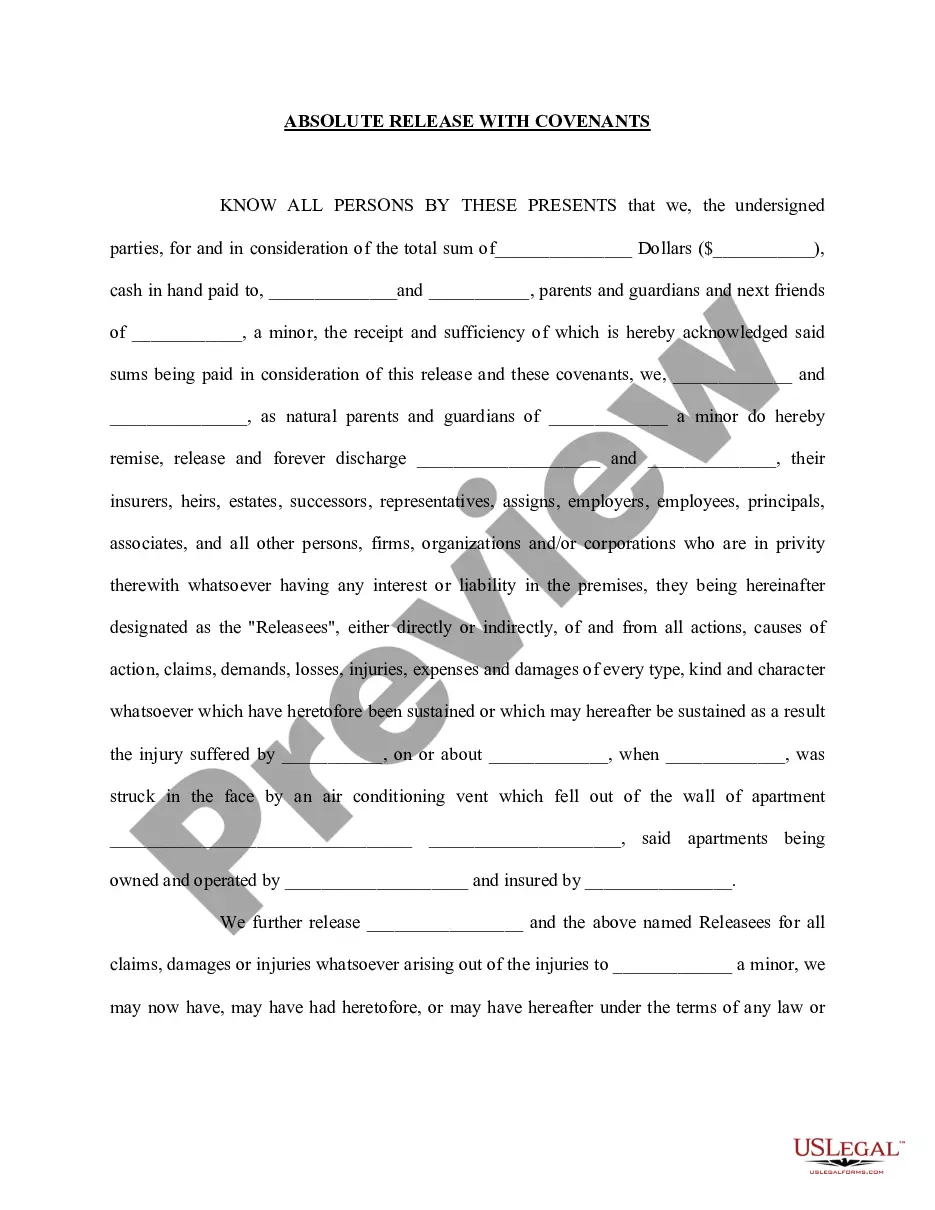


How to fill out Full, Final And Absolute Release?
- If you're a returning user, log into your US Legal Forms account and access your documents from the My Forms section. Ensure your subscription is active, or renew it as needed.
- For new users, start by reviewing the Preview mode and details of the desired form to confirm it meets your jurisdiction requirements.
- Search for any additional templates using the Search bar if you do not find what you need immediately.
- Once you've selected the correct form, click the Buy Now button and choose your subscription plan.
- Complete your purchase by providing payment details via credit card or PayPal.
- Download the document to your device for completion, and find it anytime in your My Forms section.
By utilizing US Legal Forms, you gain access to a vast collection of over 85,000 forms and premium expert assistance, making your legal document preparation hassle-free and accurate.
Don't hesitate to start using US Legal Forms today for a seamless legal document experience! Visit their website now.
Form popularity
FAQ
The percentage you should offer for a full and final settlement can vary significantly based on individual circumstances, but typically, debtors might propose 30% to 70% of the total amount owed. It’s recommended to assess your financial situation and the other party’s willingness to negotiate. Engaging with uslegalforms may provide additional insight into making a competitive offer while aligning with the full and final settlement meaning.
In most cases, either party can initiate the full and final settlement process, but it's often the debtor who takes the lead, seeking to close the matter. Once they express their desire for a full and final settlement, the creditor can respond with their terms. Using platforms like uslegalforms can simplify this initiation by providing templates and resources for drafting requests and agreements.
The formula for settlement varies depending on the context, but generally, it comprises the total amount owed minus any valid deductions or concessions. For instance, if you owe a specific debt, consider the accrued interest or fees that may apply. It's crucial to communicate the full and final settlement meaning in this context to ensure clarity about what the settlement amount includes and excludes.
The full and final settlement process generally starts with a negotiation phase followed by agreement on terms. After both parties decide on a settlement amount, they create and sign a formal settlement agreement to finalize the deal. This agreement should explicitly mention that it serves as a full and final settlement, preventing future claims or disputes regarding the matter.
Performing a full and final settlement involves negotiating with the other party to reach an agreement on the amount owed. Once you agree on a figure, both parties should document the settlement in writing to avoid future disputes. This written agreement should clearly state that it represents a full and final settlement, ensuring that both parties understand its meaning and implications.
To ask for a full and final settlement, you should first review your agreement or contract to understand the conditions that apply. Then, prepare a formal request outlining the reason for your settlement and the amount you propose. Direct this request to the other party in a clear and respectful manner, ensuring you emphasize the full and final settlement meaning, which signifies resolution of all claims.
The final stages of settlement typically include negotiation, agreement on the terms, and the execution of a settlement document. After both parties agree, the payment is made, and the case is officially closed. Familiarity with full and final settlement meaning enables you to prepare effectively for these last steps.
A final settlement means that all issues related to a claim have been resolved and no further claims can be made. This resolution usually involves the transfer of funds and closing of legal obligations. Comprehending the full and final settlement meaning helps you navigate the conclusion of your case smoothly.
After winning a settlement, the claimant typically receives the agreed-upon compensation as outlined in the settlement agreement. This may involve a process of payment distribution, often including deductions for legal fees or taxes. Understanding the full and final settlement meaning is critical during this phase to ensure clarity on what you are entitled to.
The final settlement amount is the total sum agreed upon to settle a claim or legal dispute. This amount can vary based on the details of the case, negotiations, and any applicable legal fees. Grasping the full and final settlement meaning allows you to assess what is fair and reasonable in your specific situation.