Full And Final Settlement Agreement For Employee
Description
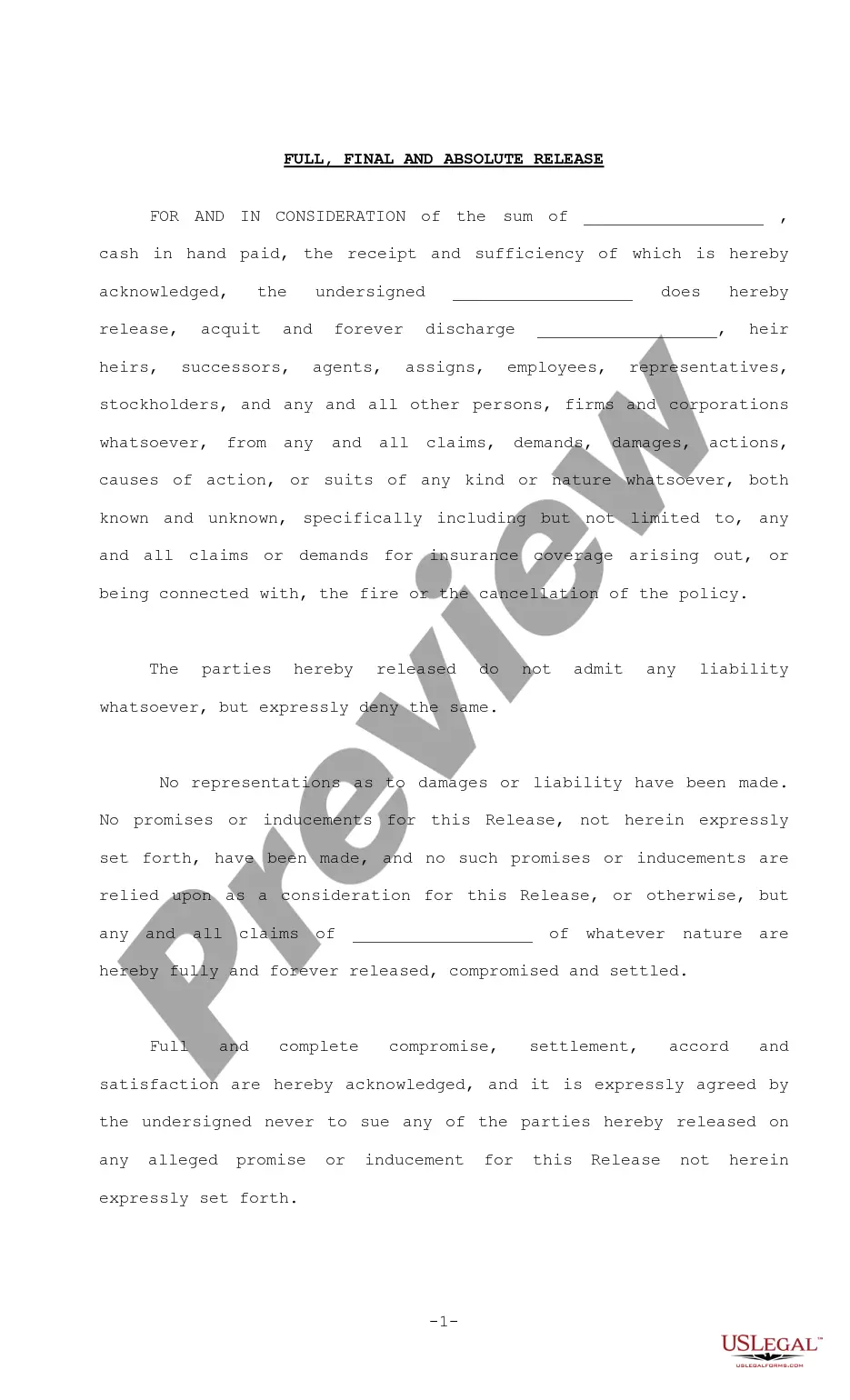
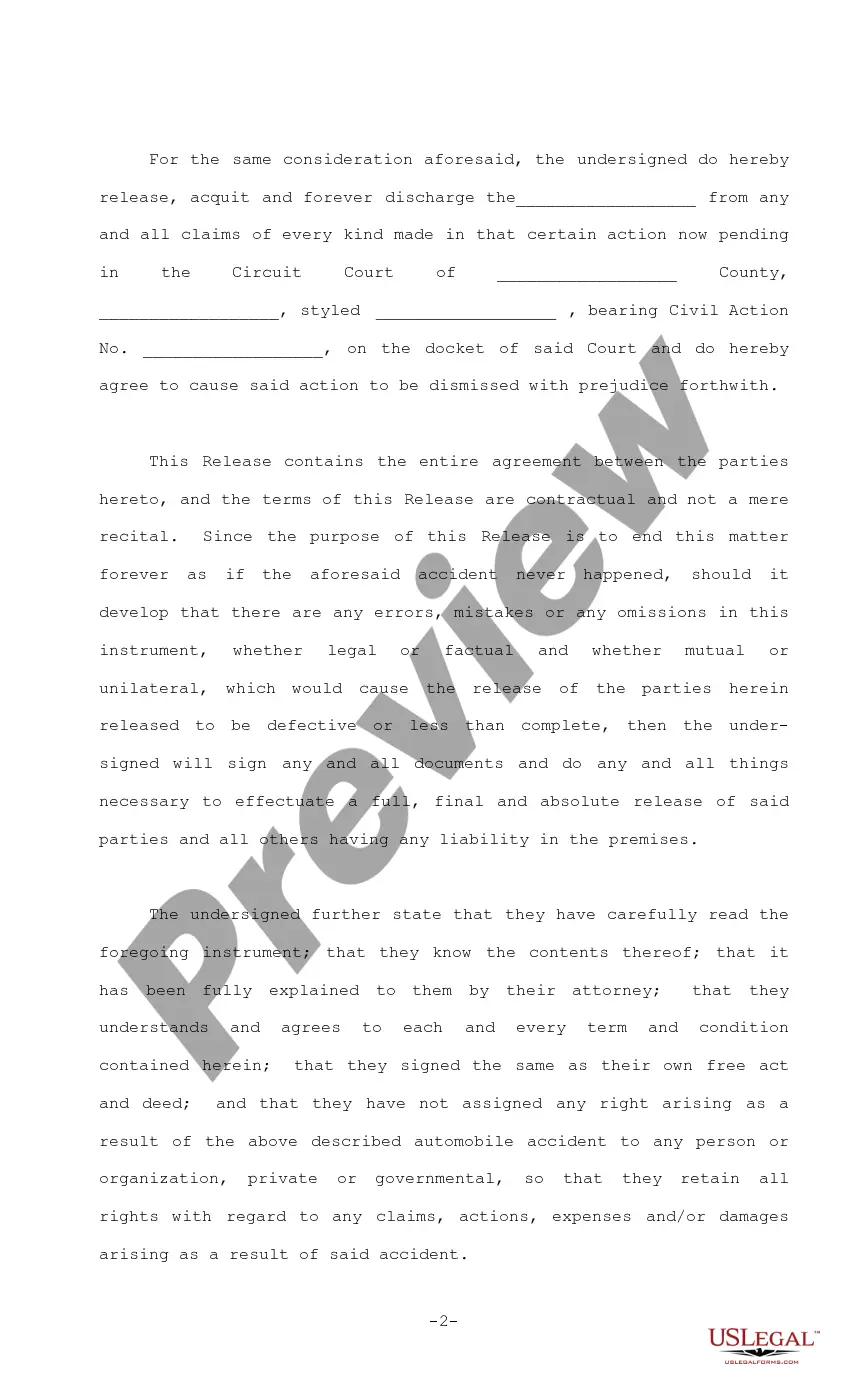
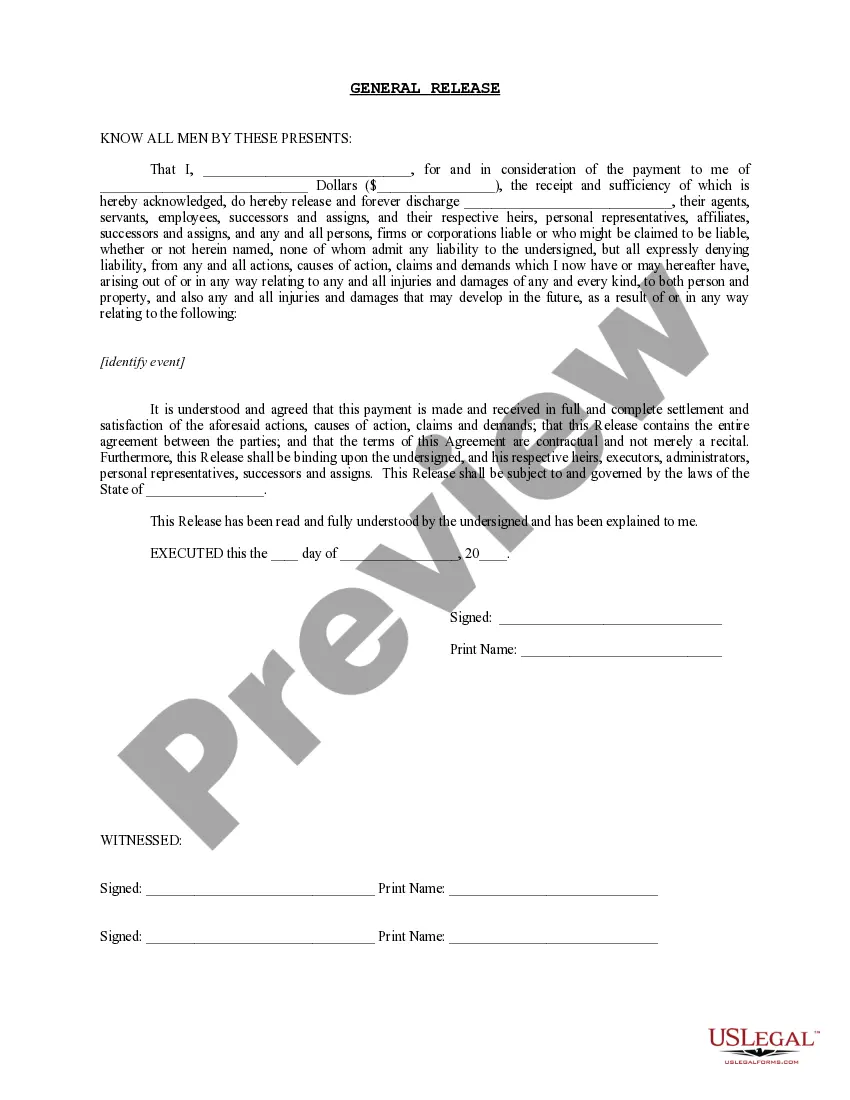
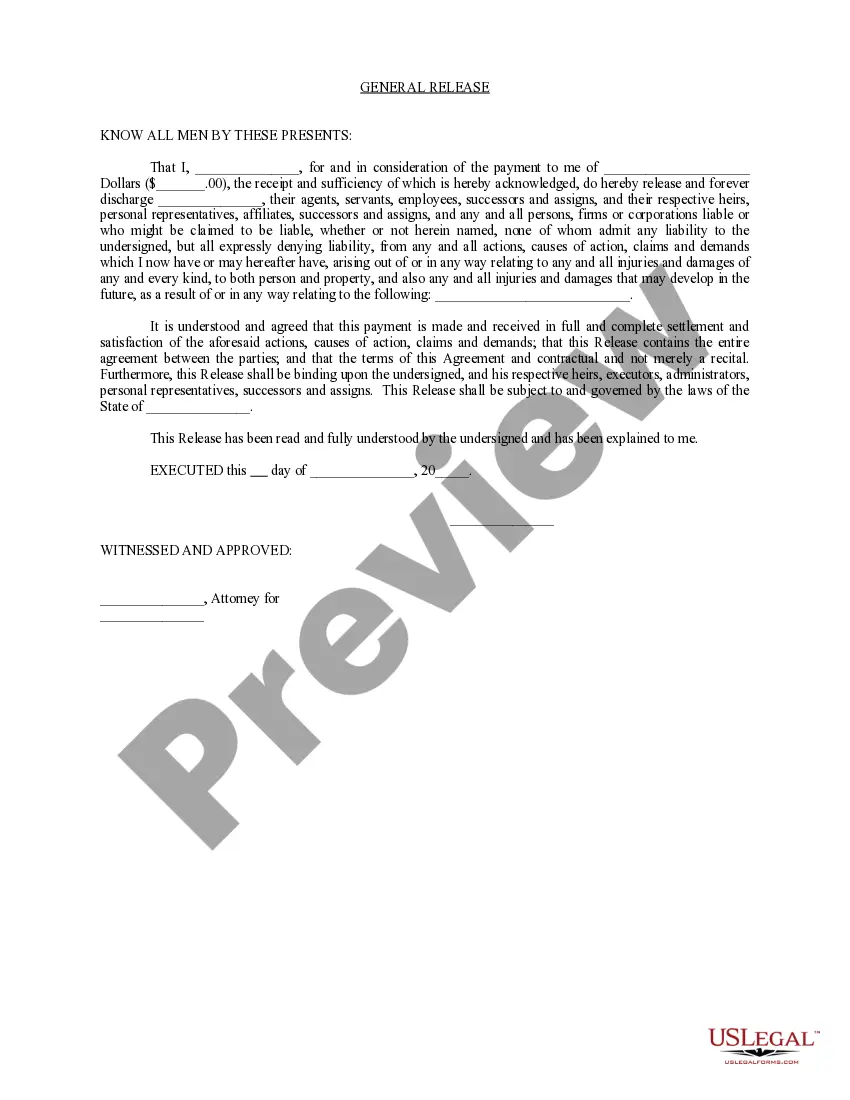
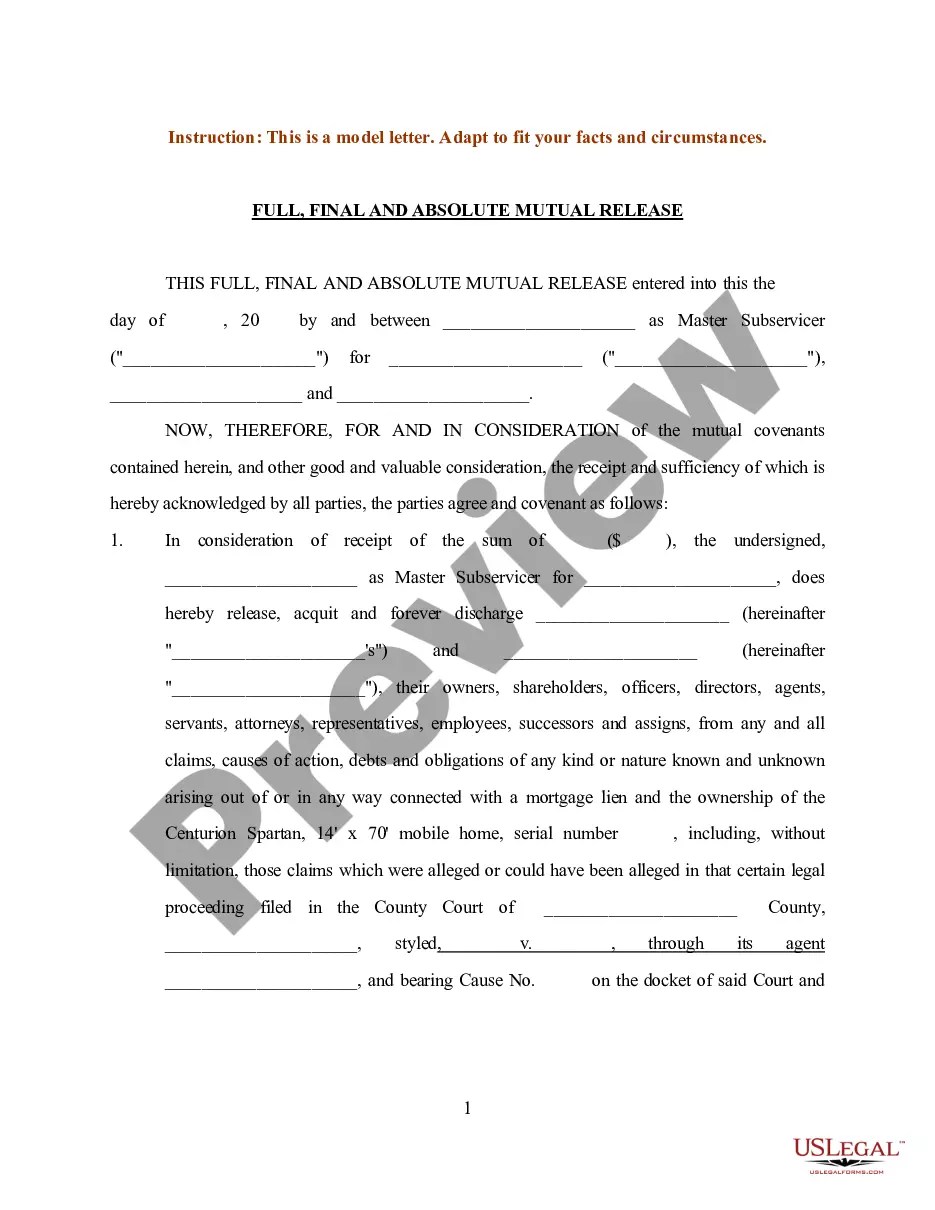
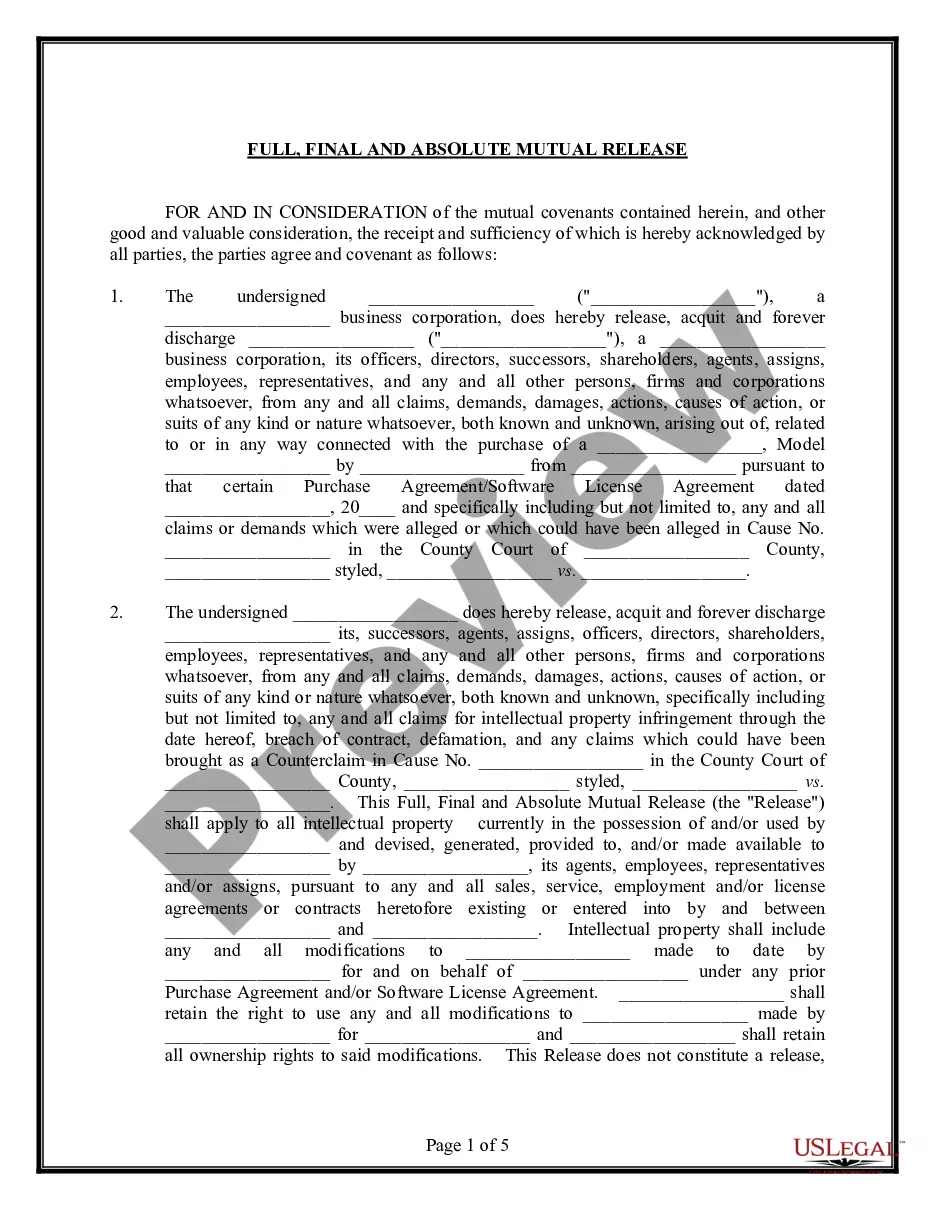



How to fill out Full, Final And Absolute Release?
- Log into your existing US Legal Forms account to access your downloaded templates. Ensure your subscription is active—if required, renew it based on your chosen payment plan.
- If this is your first visit, begin by browsing the expansive library. Preview form descriptions to find the correct document that aligns with your jurisdictional needs.
- In case the initial template does not fit, utilize the Search option to explore other options until you identify a suitable agreement.
- Once you've found the right document, click on the Buy Now button and select your desired subscription plan to gain access to premium resources.
- Complete your purchase by entering your payment details via credit card or PayPal to secure your subscription.
- Finally, download the template to your device. You can always find it later in the My Forms section of your account.
With US Legal Forms, you gain access to an extensive collection of over 85,000 editable and fillable legal documents, providing a one-stop solution for your legal needs.
Don’t hesitate—visit US Legal Forms today to simplify your legal documentation process and ensure your agreements are both sound and compliant.
Form popularity
FAQ
The basic settlement agreement is a straightforward contract that resolves disputes without proceeding to litigation. It typically includes essential terms such as compensation amounts, release of claims, and confidentiality clauses. When structured as a full and final settlement agreement for employee, it provides a clear path for both parties to close the chapter on their working relationship.
The agreement between employer and employee typically details the rights and responsibilities of both parties regarding employment terms. This could cover aspects such as non-disclosure, non-compete clauses, and, importantly, any compensations, particularly in a full and final settlement agreement for employee. Such agreements are designed to provide clarity and promote a smooth exit from the employment relationship.
Generally, signing a settlement agreement means you waive your right to sue your employer for the issues covered by the agreement. This is particularly true in a full and final settlement agreement for employee, which seeks to resolve all potential disputes. It's important to understand the terms of your agreement before deciding to pursue further legal action.
A settlement agreement between an employer and employee is a legally binding document that outlines the terms of a dispute resolution. This agreement often includes the payment terms, the release of claims, and other specific provisions. A full and final settlement agreement for employee ensures that both parties agree on the resolution and clarifies expectations moving forward.
A reasonable full and final settlement offer typically reflects the employee's losses and the potential costs of legal actions. Factors such as duration of employment, unpaid wages, and emotional distress can influence the offer. A full and final settlement agreement for employee often aims for fairness, allowing employers and employees to resolve matters amicably.
An employer settlement payment is a financial compensation offered by an employer to an employee to resolve potential disputes. This payment is often part of a full and final settlement agreement for employee. It serves to prevent future claims, ensuring that both parties can move forward without lingering issues.
To request a full and final settlement agreement for employee, start by gathering all relevant employment documents, including your employment contract and any communications regarding your departure. Next, formally write to your employer or HR department, stating your intention to initiate the settlement process. Ensure you clearly outline the terms you seek, such as pending payments or benefits, to facilitate a smooth negotiation.
A full and final settlement letter is a document that formally concludes an employee's financial and contractual relationship with their employer. It outlines the agreed-upon terms, such as payment amounts and any conditions tied to the termination. This letter serves as proof of the settlement, protecting both parties against future claims related to the employment.
To give a full and final settlement, provide the employee with a copy of the settlement agreement detailing the terms under which they will receive their final payments. Discuss the agreement in detail to ensure understanding and acceptance. Finally, both parties should sign the document, thus forming a legally binding full and final settlement agreement for employee.
Writing a settlement letter involves clearly outlining the parties, the reason for the settlement, and the terms agreed upon. Ensure to specify any payments, obligations, and the finality of the agreement. Emphasize the significance of this document as a full and final settlement agreement for employee at the end of the letter.