Release Deed Trust Format For Ngo
Description

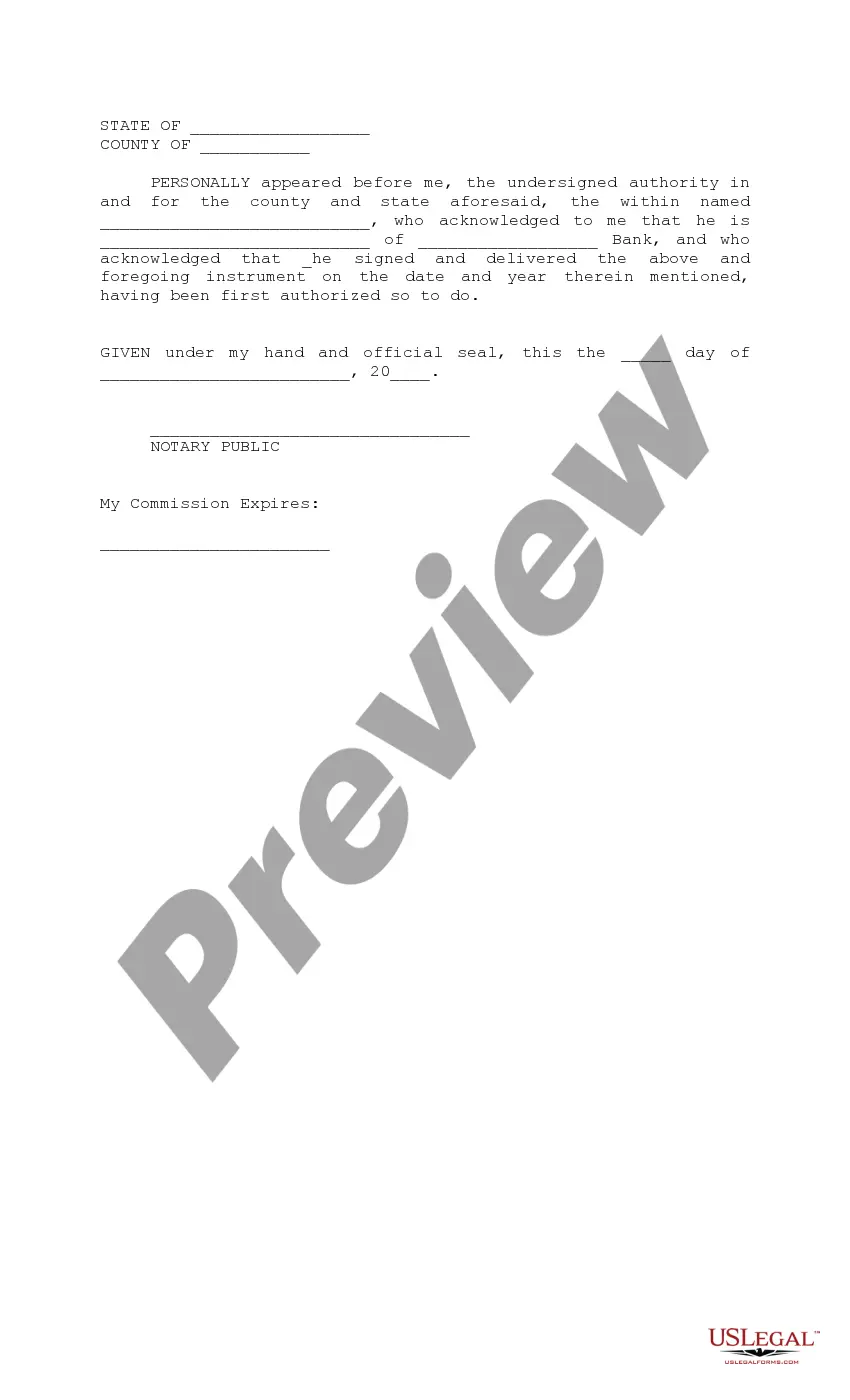
Get your form ready online
Our built-in tools help you complete, sign, share, and store your documents in one place.
Make edits, fill in missing information, and update formatting in US Legal Forms—just like you would in MS Word.
Download a copy, print it, send it by email, or mail it via USPS—whatever works best for your next step.
Sign and collect signatures with our SignNow integration. Send to multiple recipients, set reminders, and more. Go Premium to unlock E-Sign.
If this form requires notarization, complete it online through a secure video call—no need to meet a notary in person or wait for an appointment.
We protect your documents and personal data by following strict security and privacy standards.

Make edits, fill in missing information, and update formatting in US Legal Forms—just like you would in MS Word.

Download a copy, print it, send it by email, or mail it via USPS—whatever works best for your next step.

Sign and collect signatures with our SignNow integration. Send to multiple recipients, set reminders, and more. Go Premium to unlock E-Sign.

If this form requires notarization, complete it online through a secure video call—no need to meet a notary in person or wait for an appointment.

We protect your documents and personal data by following strict security and privacy standards.
Looking for another form?
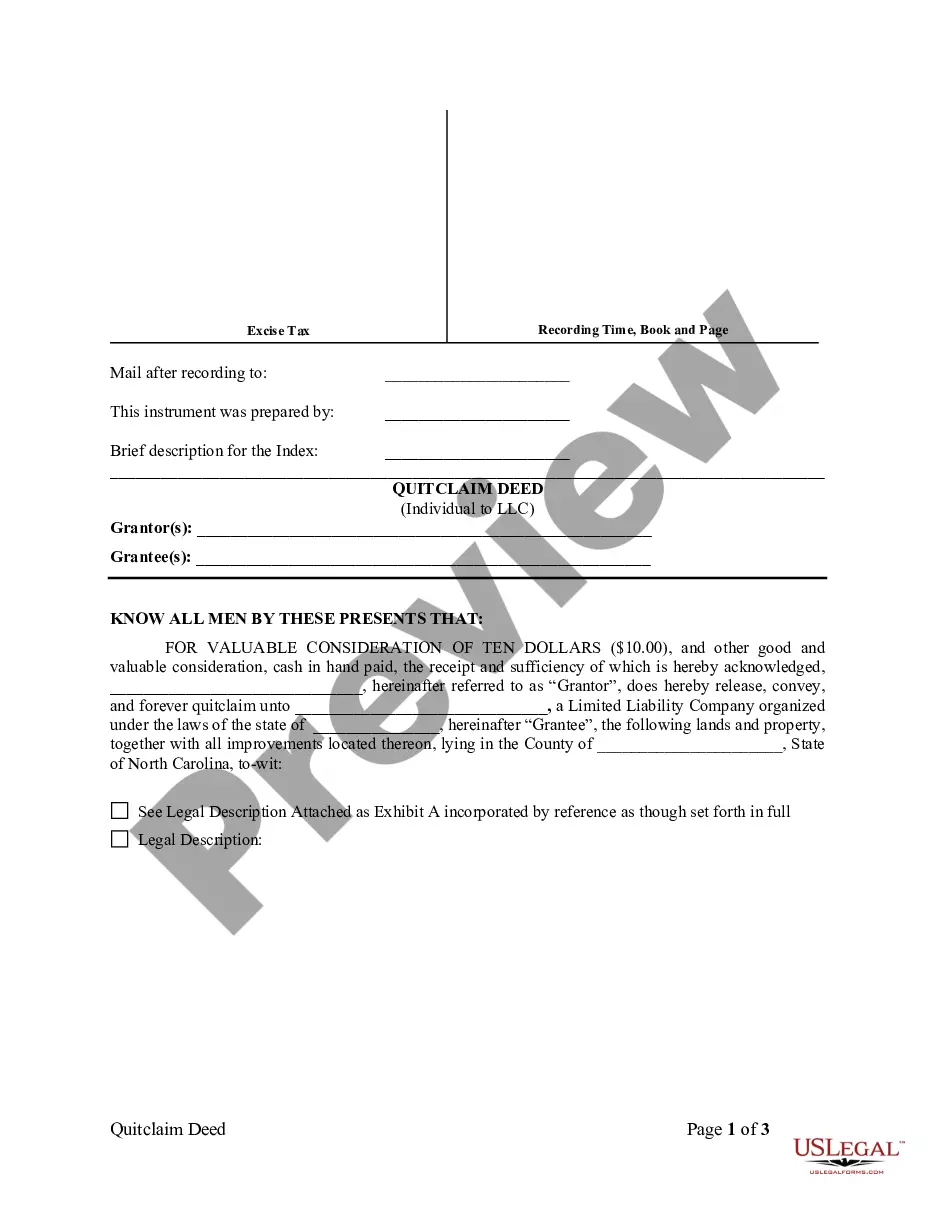
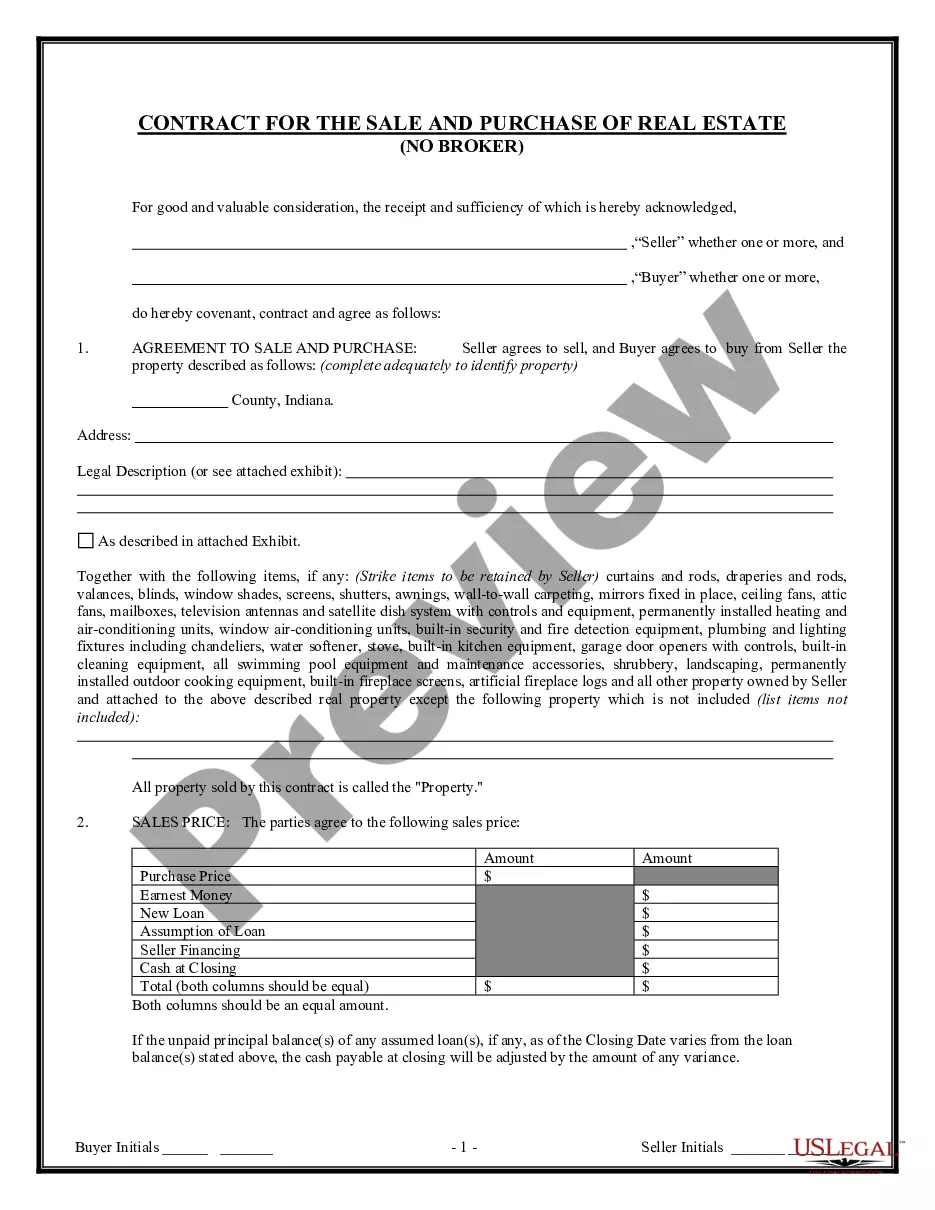
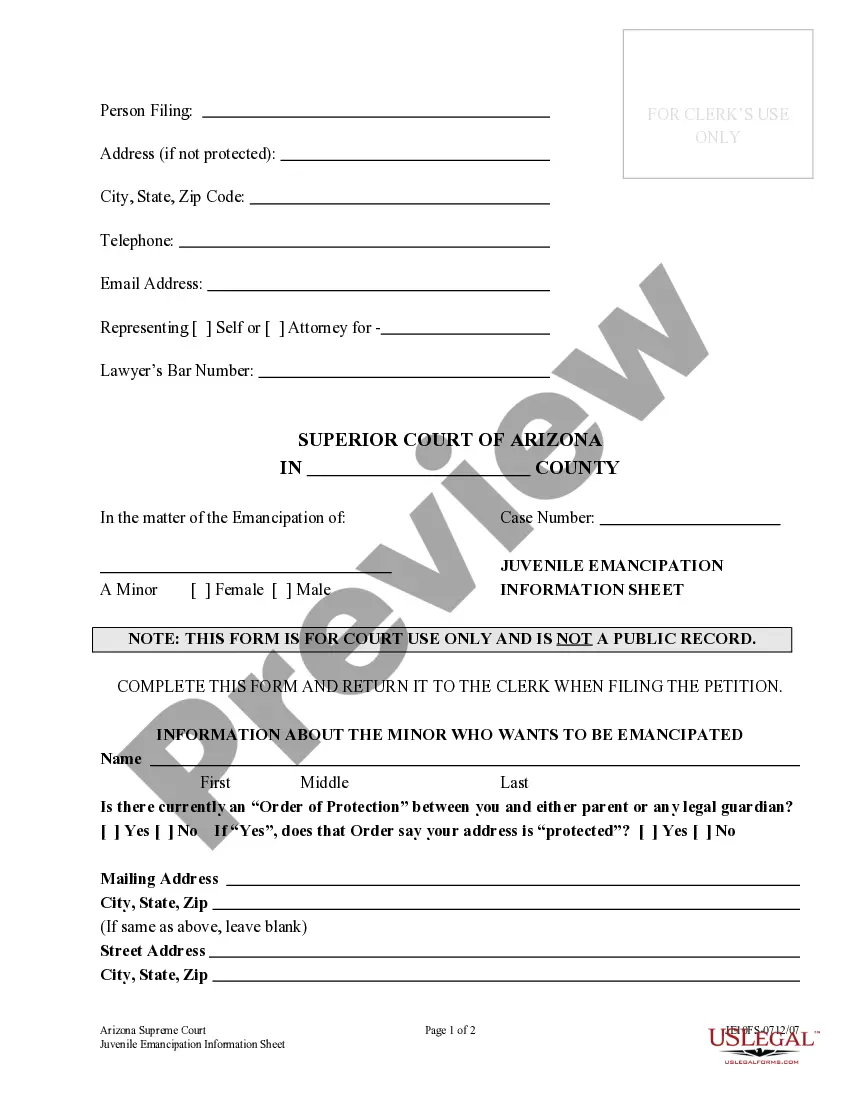
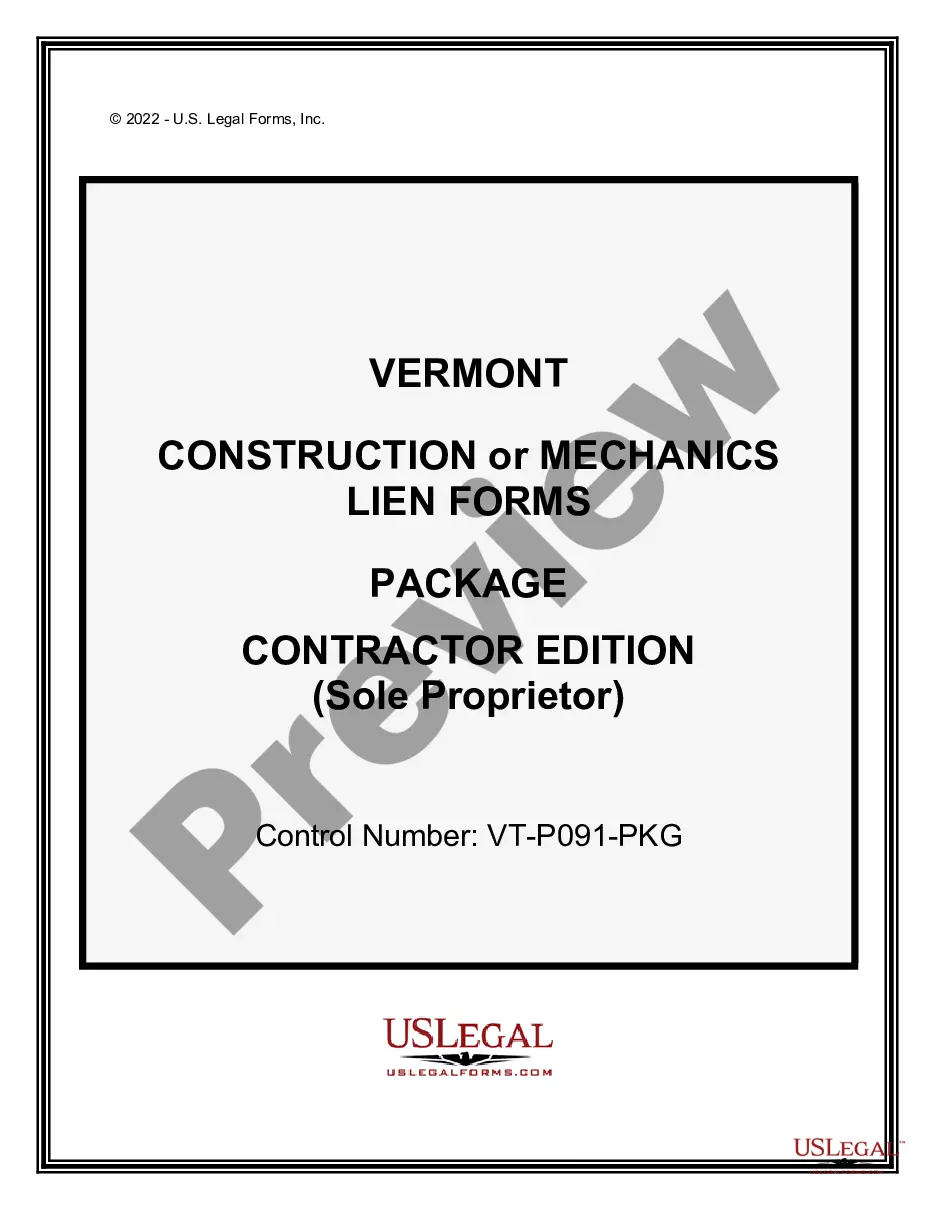
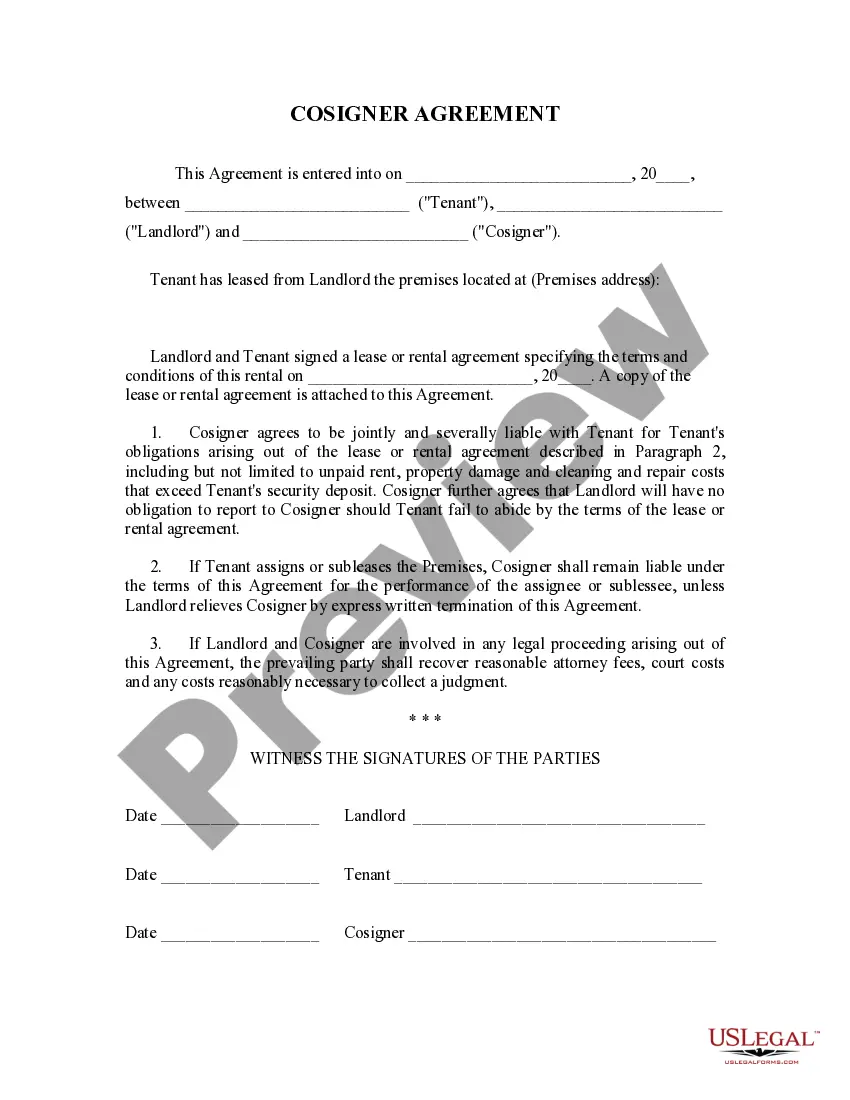
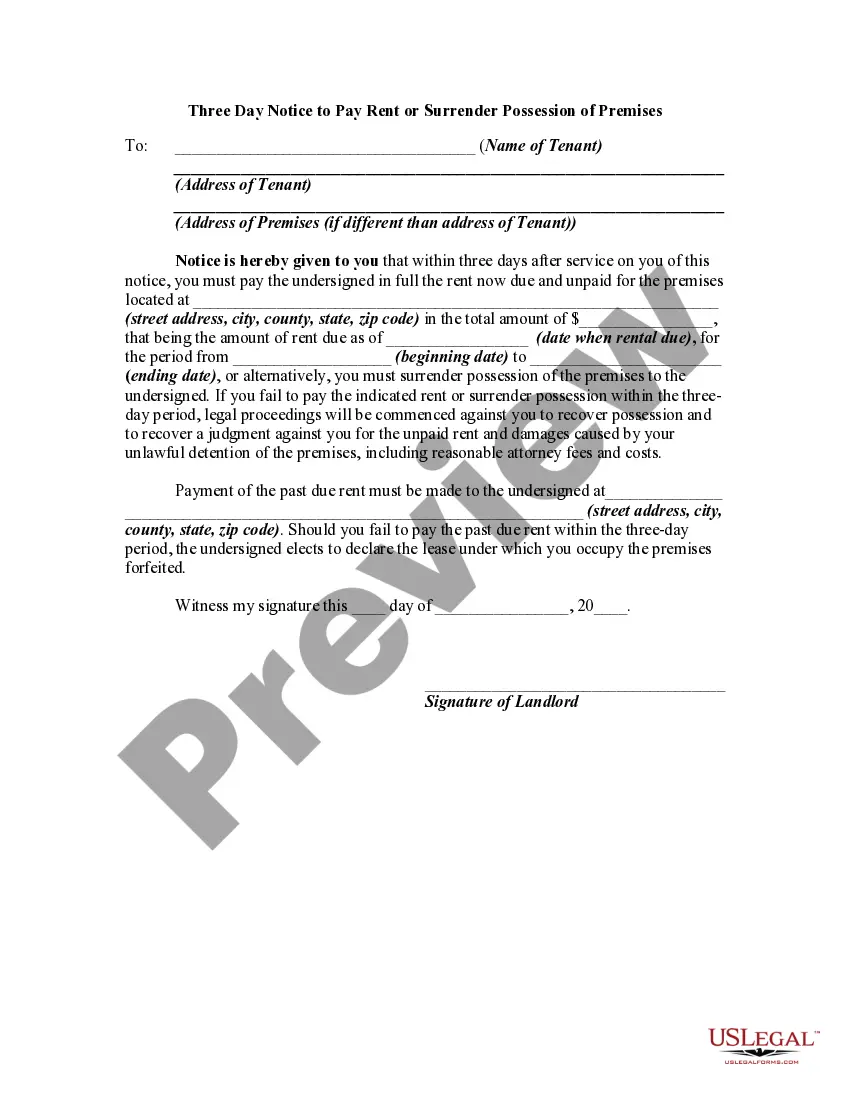
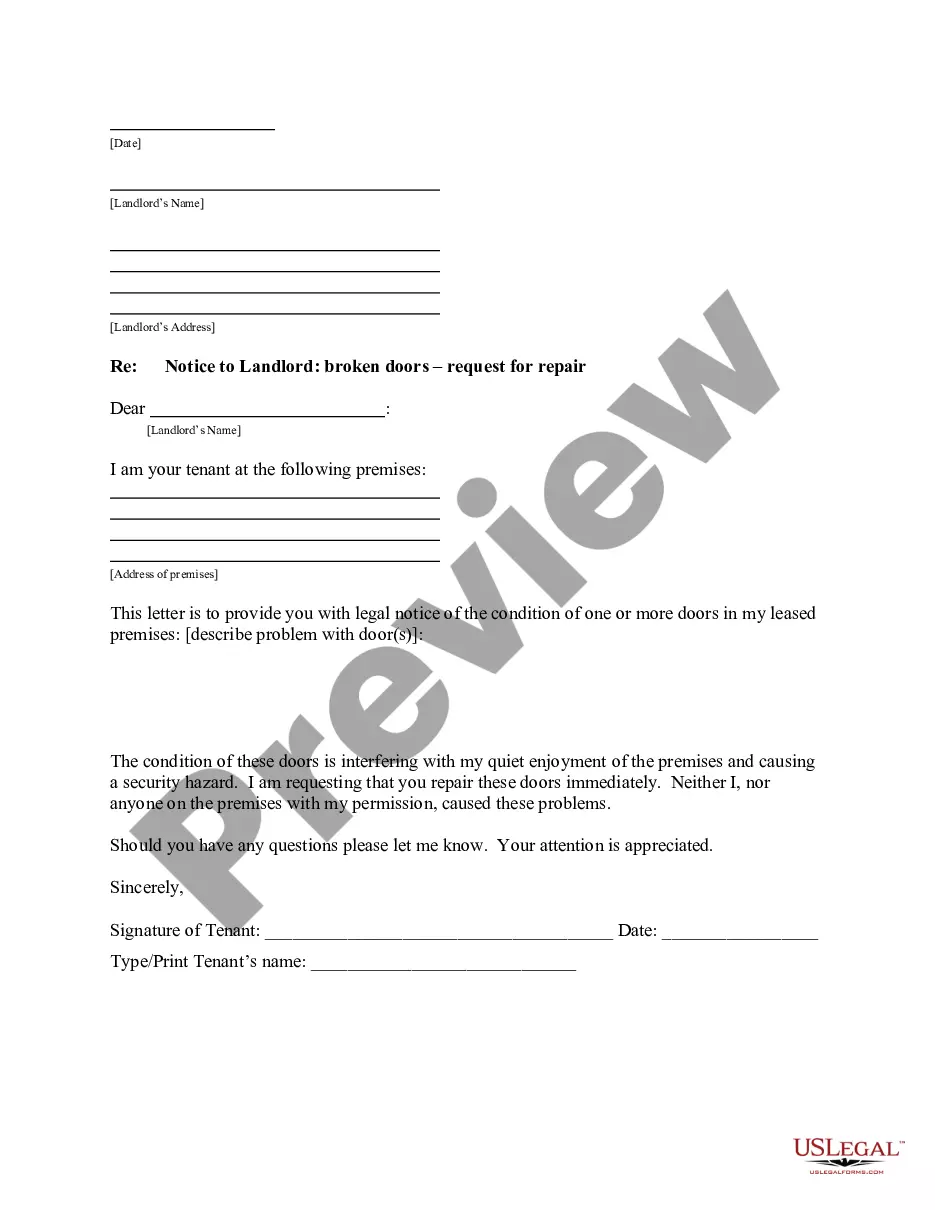
How to fill out Partial Release Of Deed Of Trust?
It’s common knowledge that you cannot transform into a legal professional in a single night, nor can you swiftly comprehend how to effectively draft a Release Deed Trust Format For Ngo without possessing a unique arsenal of capabilities.
Assembling legal documentation is a prolonged process that demands specific training and expertise. So why not entrust the development of the Release Deed Trust Format For Ngo to the experts.
With US Legal Forms, one of the largest libraries of legal templates, you can find everything from court documents to formats for internal corporate communications. We recognize how vital compliance and adherence to federal and state regulations is. That’s why, on our site, every template is region-specific and current.
You can access your forms again from the My documents tab at any time. If you’re a current client, you can simply Log In, and find and download the template from the same section.
Regardless of the reason for your documents—whether financial, legal, or personal—our platform is equipped to assist you. Experience US Legal Forms now!
- Begin your search with the search bar at the top of the page to find the form you need.
- Preview it (if this feature is available) and review the accompanying description to determine if the Release Deed Trust Format For Ngo is what you are looking for.
- Start your search again if you require a different form.
- Create a free account and select a subscription plan to purchase the form.
- Click Buy now. After the transaction is completed, you can download the Release Deed Trust Format For Ngo, fill it out, print it, and deliver it to the designated individuals or entities.
Form popularity
FAQ
For example, you might use a trust amendment form to: Update your trustee or successor trustee: If your chosen trustee is no longer willing or able to manage the trust, or you'd like to designate someone else, you can use an amendment form to name another person or organization to manage your trust.
A Declaration of Trust is a legal document that declares who owns an asset or property and who will benefit from it. On the other hand, a Trust Agreement is an agreement between two parties where one party agrees to hold assets for another party's benefit.
Revising the terms of a trust is known as ?amending? the trust. An amendment is generally appropriate when there are only a few minor changes to make, like rewording a certain paragraph, changing the successor trustee, or modifying beneficiaries.
A trust amendment is a legal document that changes specific provisions of a revocable living trust but leaves all of the other provisions unchanged, while a restatement of a trust?which is also known as a complete restatement or an amendment and complete restatement?completely replaces and supersedes all of the ...
If an irrevocable trust's trustee dies, then the trust agreement generally appoints a successor trustee which can be an individual, public trust company or a privately held trust company. If the trustee of a family trust dies then a successor trustee, which is generally determined beforehand, will be appointed.
The most common example of when a declaration of trust is used is the situation where an adult son or daughter borrows money for a deposit on a first house from his or her parents. The parents may have a mortgage already, and the terms of that mortgage prevent them from borrowing under another.
The confusion stems from Revenue Ruling 2023-2, which was issued in March 2023. In that ruling, the IRS states that, for assets that were conveyed to an irrevocable grantor trust, there is no ?step-up? in tax basis at the grantor's death.
A revocable trust can be modified while the Grantor is alive. Revising the terms of a trust is known as ?amending? the trust. An amendment is generally appropriate when there are only a few minor changes to make, like rewording a certain paragraph, changing the successor trustee, or modifying beneficiaries.