Leasing Real Estate
Description
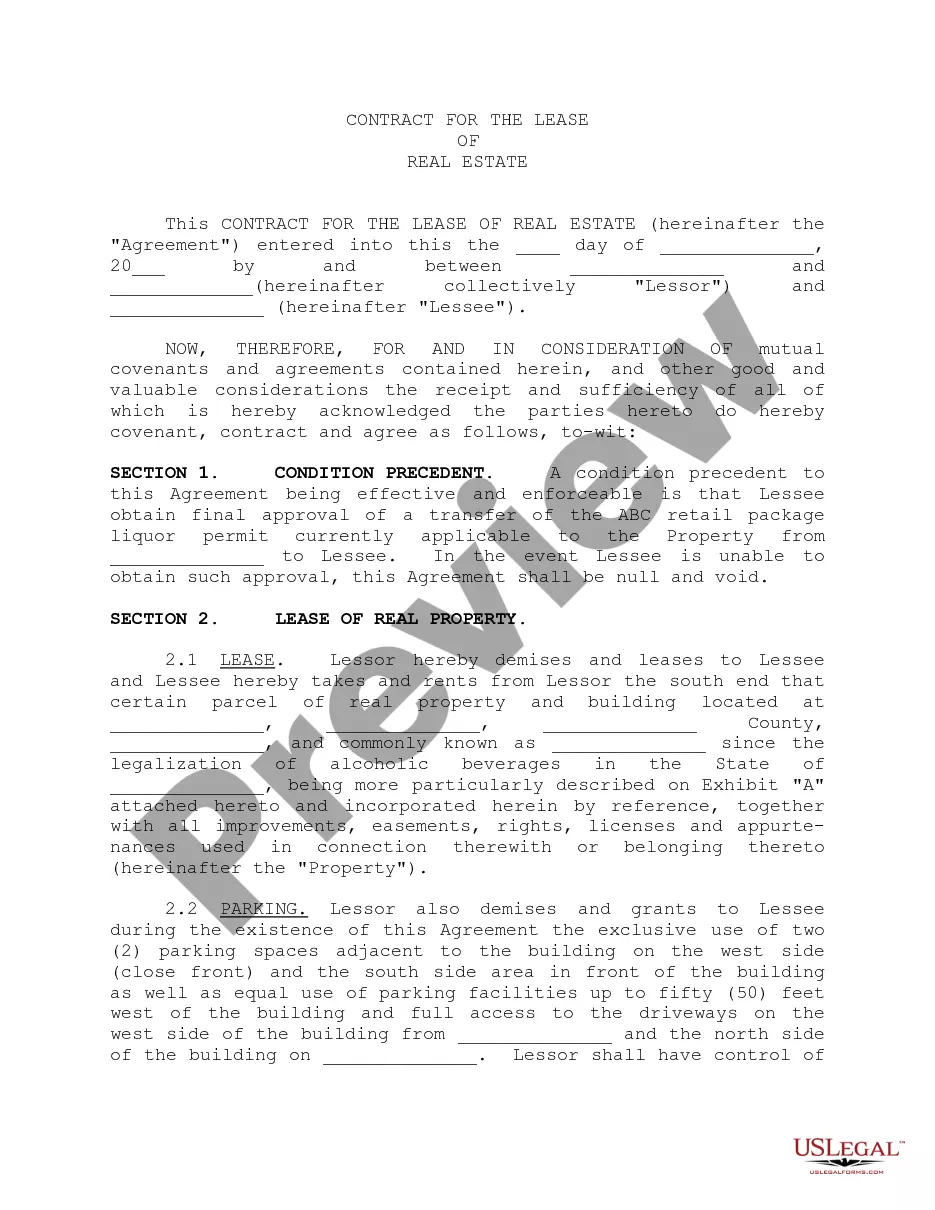
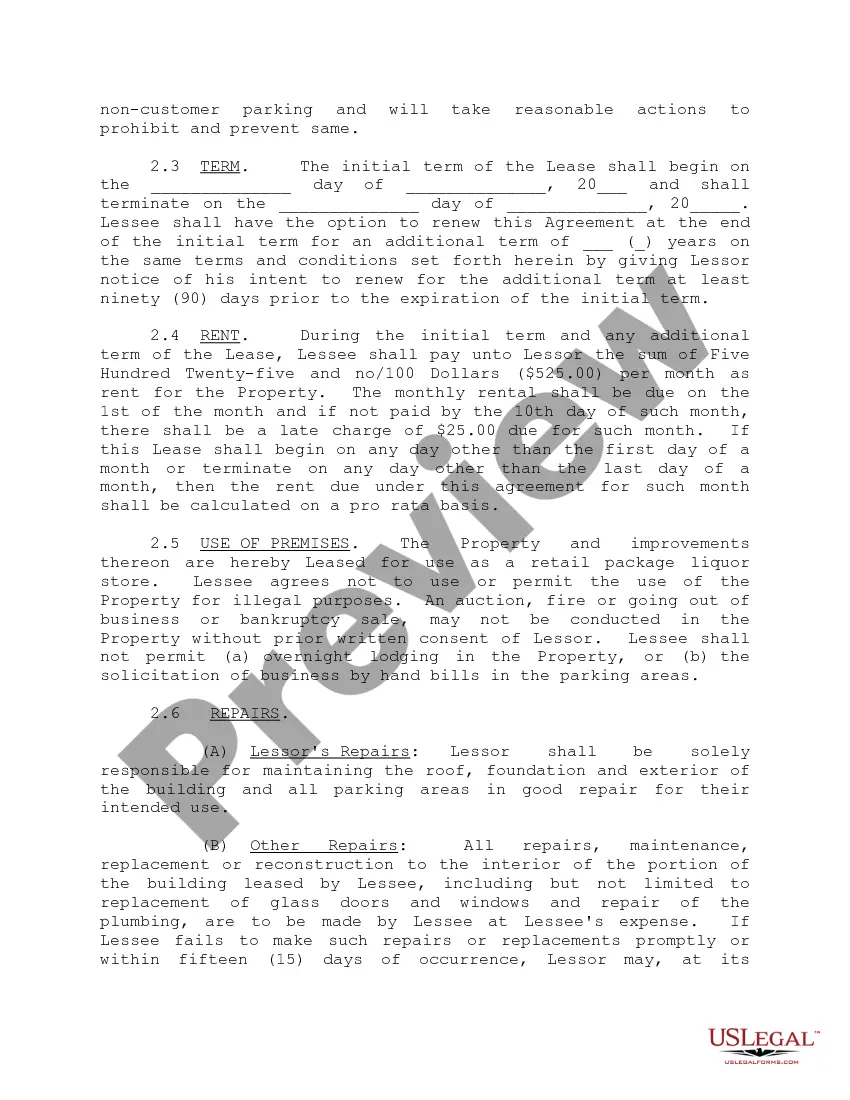
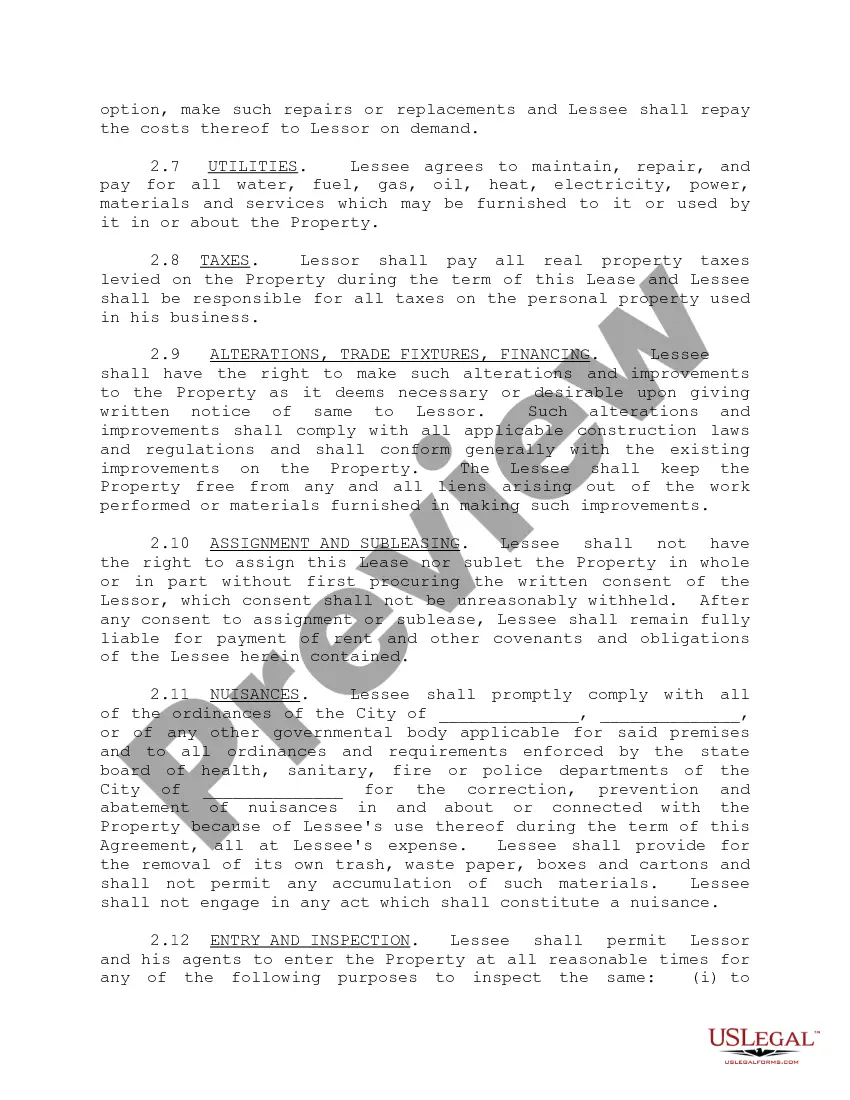
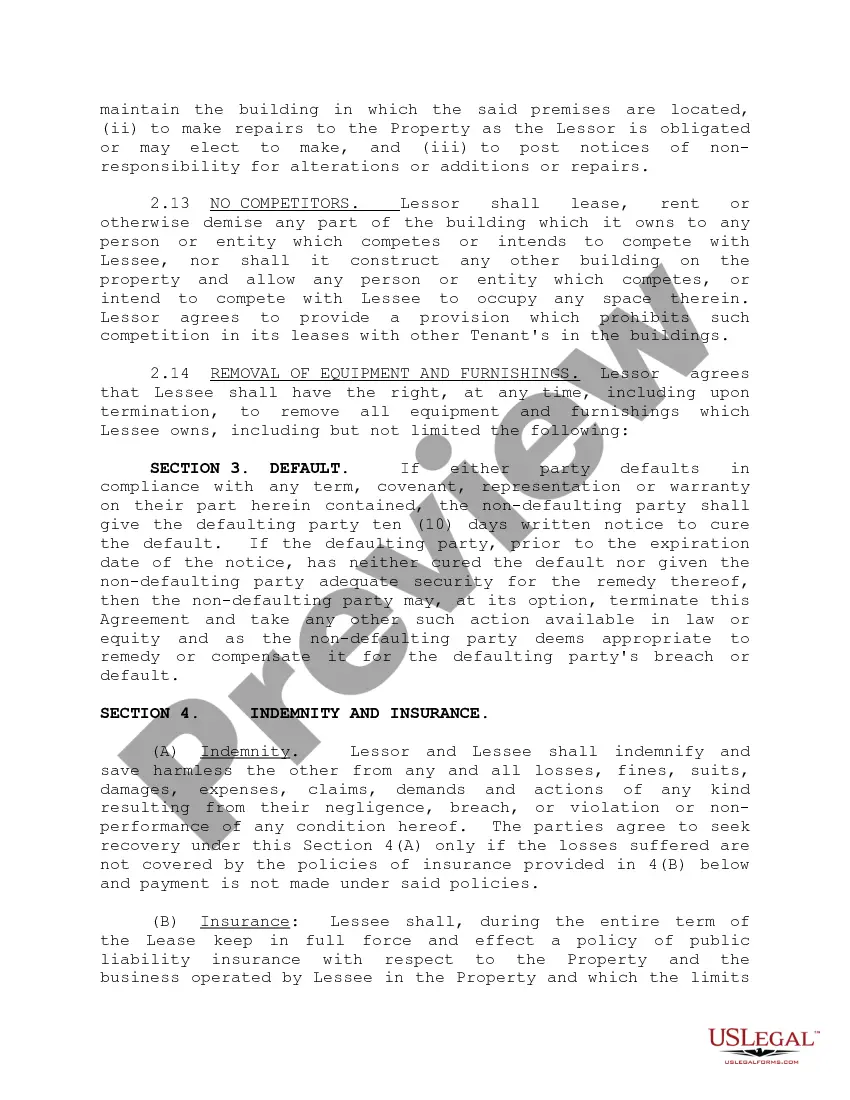
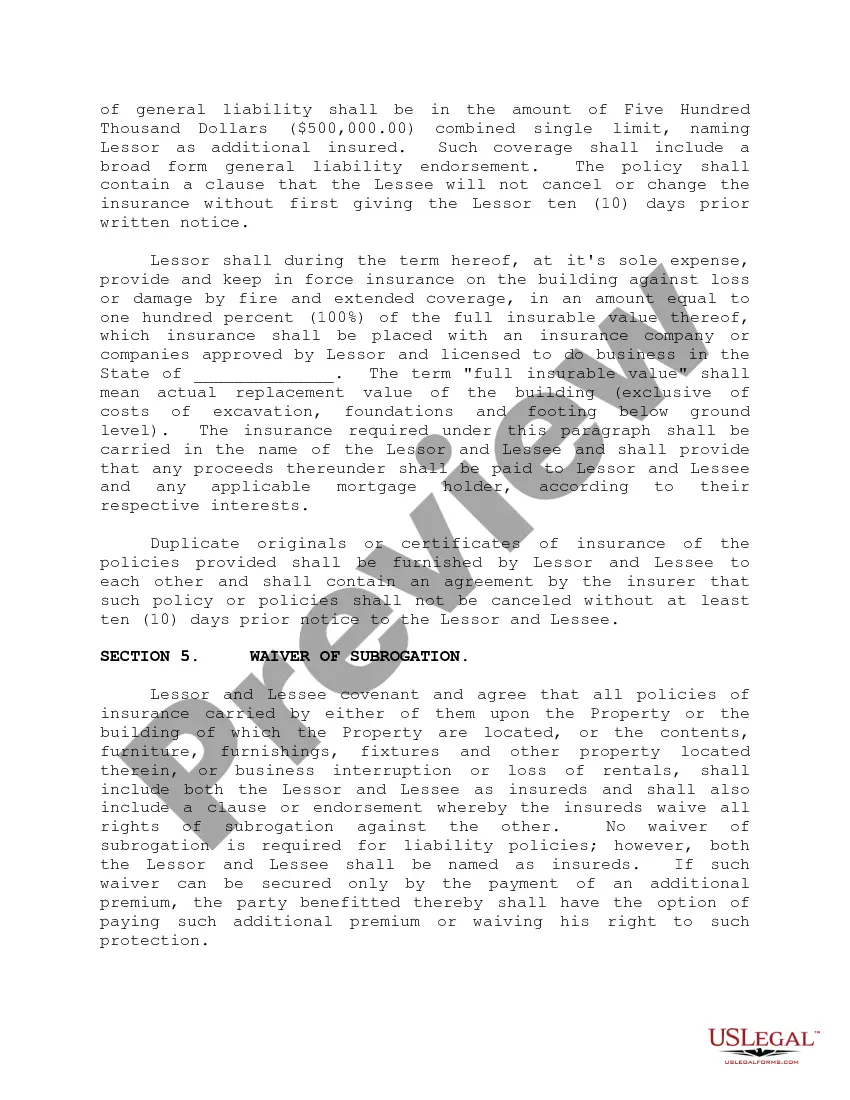
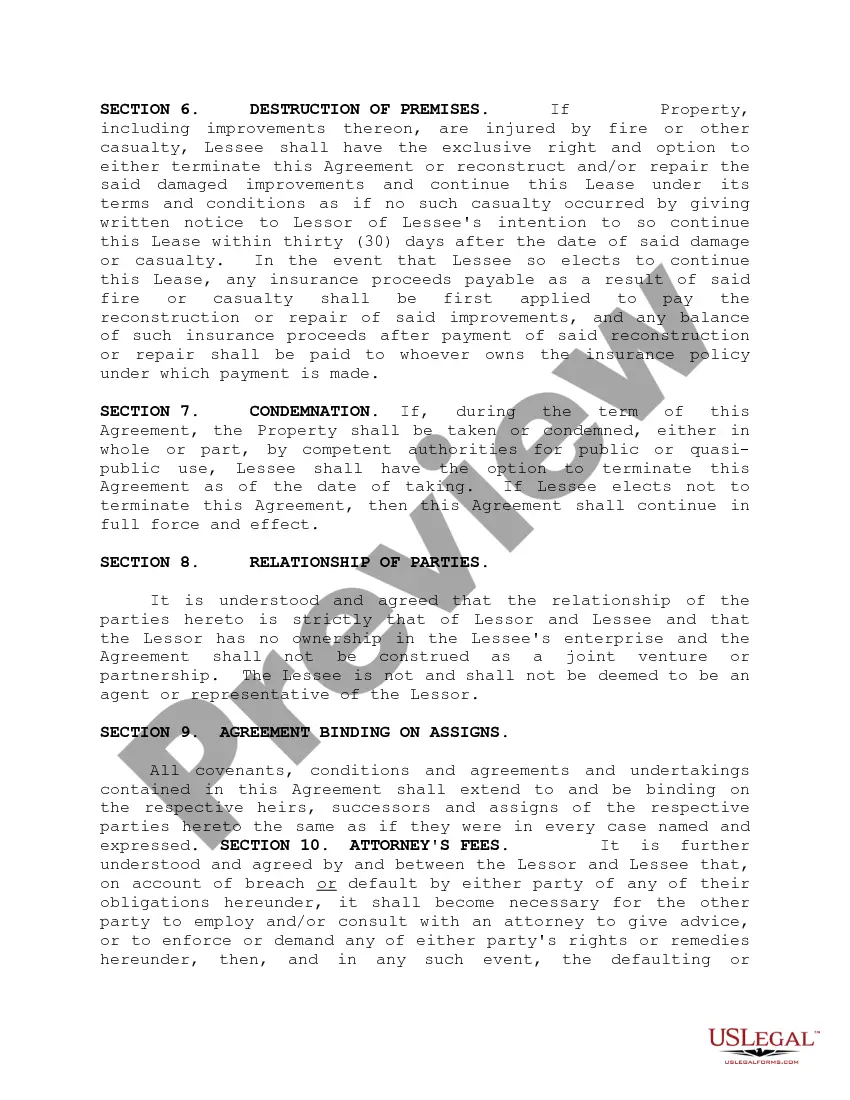
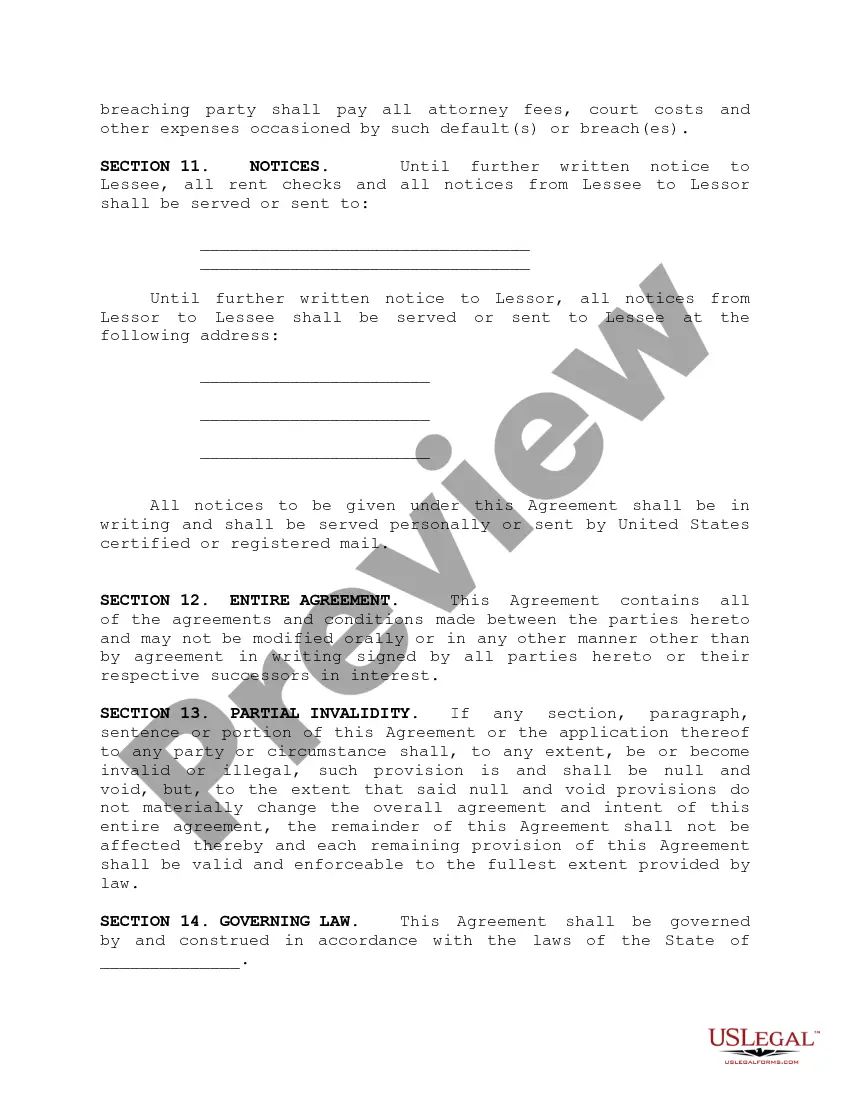
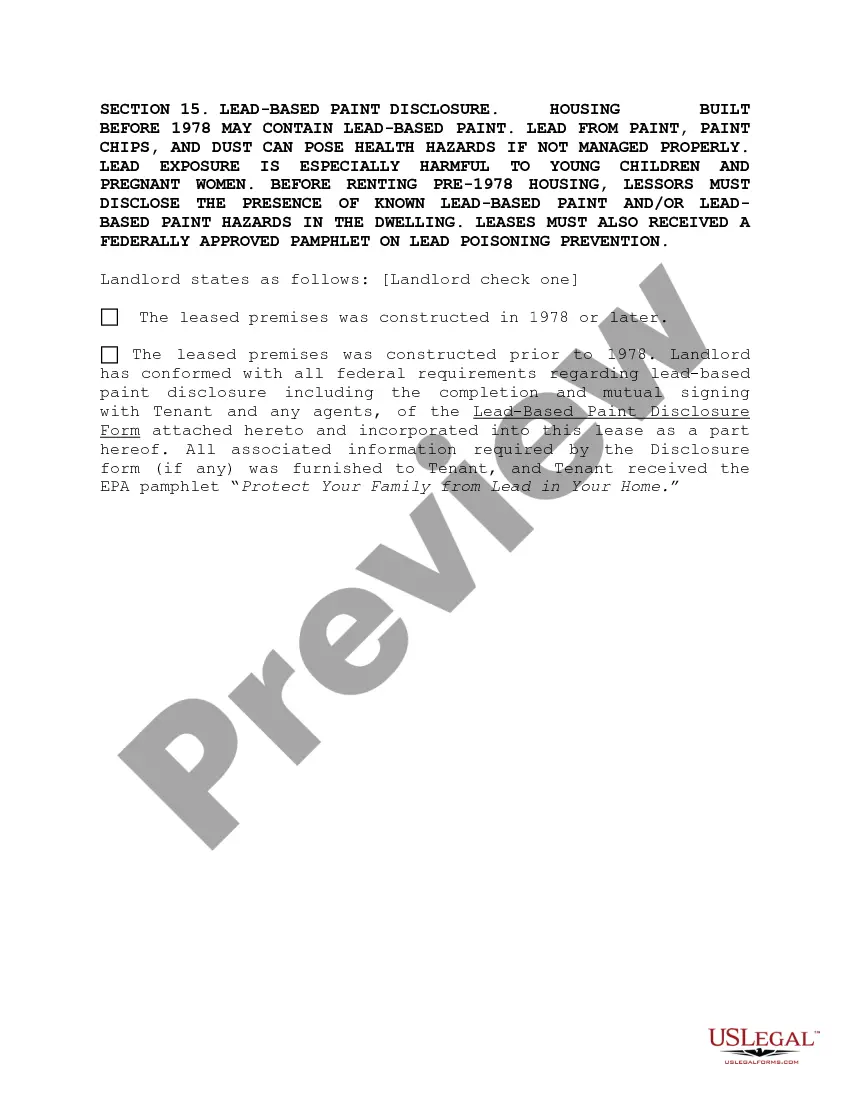
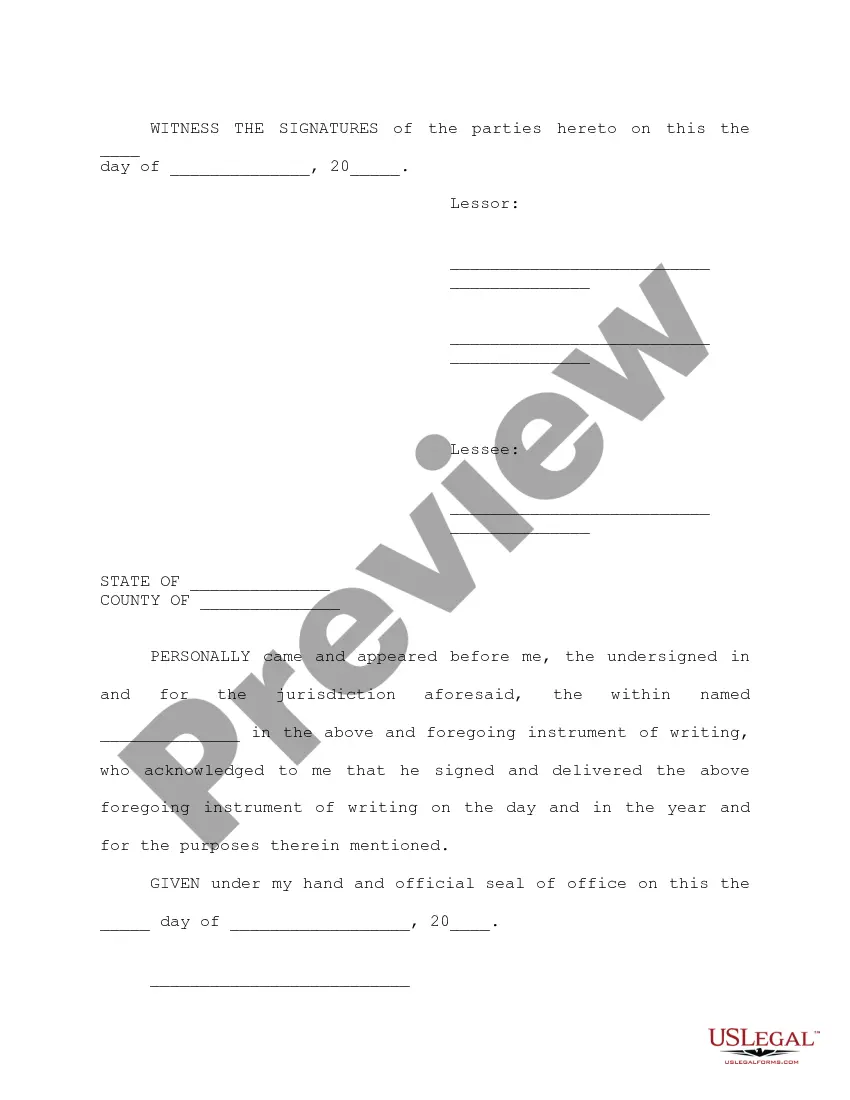
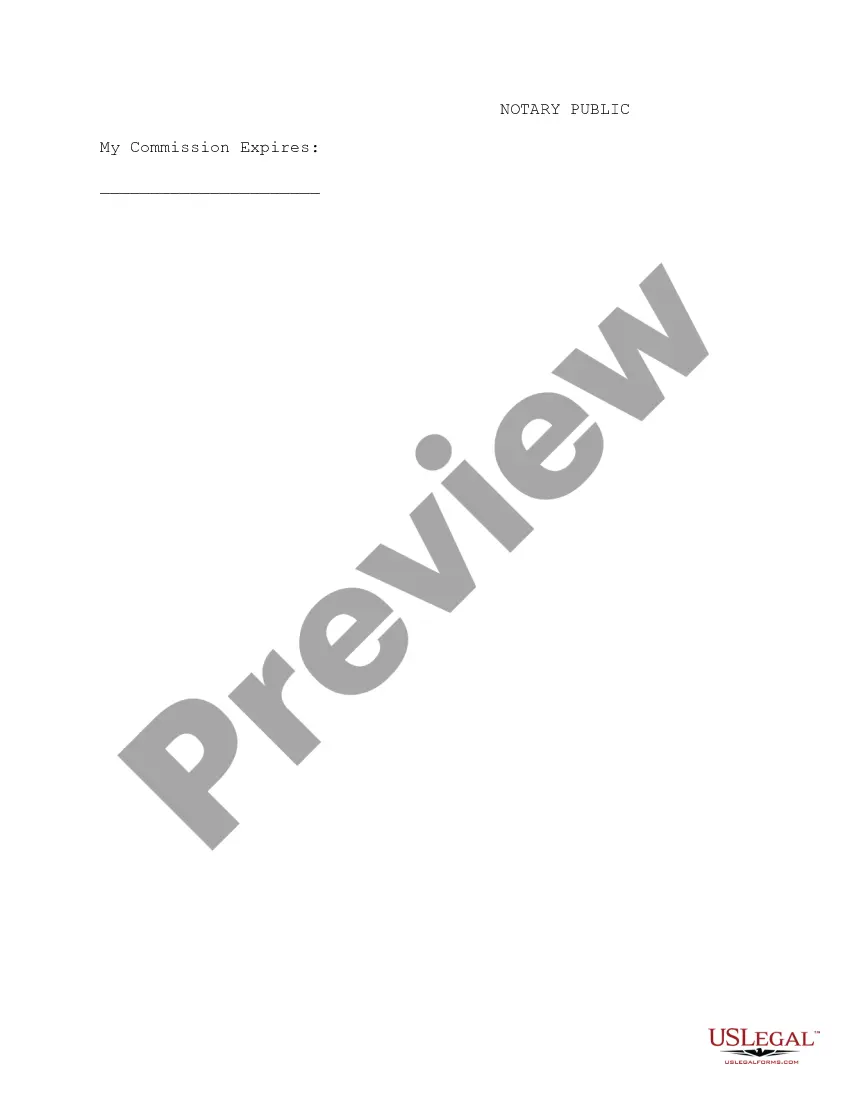

Get your form ready online
Our built-in tools help you complete, sign, share, and store your documents in one place.
Make edits, fill in missing information, and update formatting in US Legal Forms—just like you would in MS Word.
Download a copy, print it, send it by email, or mail it via USPS—whatever works best for your next step.
Sign and collect signatures with our SignNow integration. Send to multiple recipients, set reminders, and more. Go Premium to unlock E-Sign.
If this form requires notarization, complete it online through a secure video call—no need to meet a notary in person or wait for an appointment.
We protect your documents and personal data by following strict security and privacy standards.

Make edits, fill in missing information, and update formatting in US Legal Forms—just like you would in MS Word.

Download a copy, print it, send it by email, or mail it via USPS—whatever works best for your next step.

Sign and collect signatures with our SignNow integration. Send to multiple recipients, set reminders, and more. Go Premium to unlock E-Sign.

If this form requires notarization, complete it online through a secure video call—no need to meet a notary in person or wait for an appointment.

We protect your documents and personal data by following strict security and privacy standards.
Looking for another form?






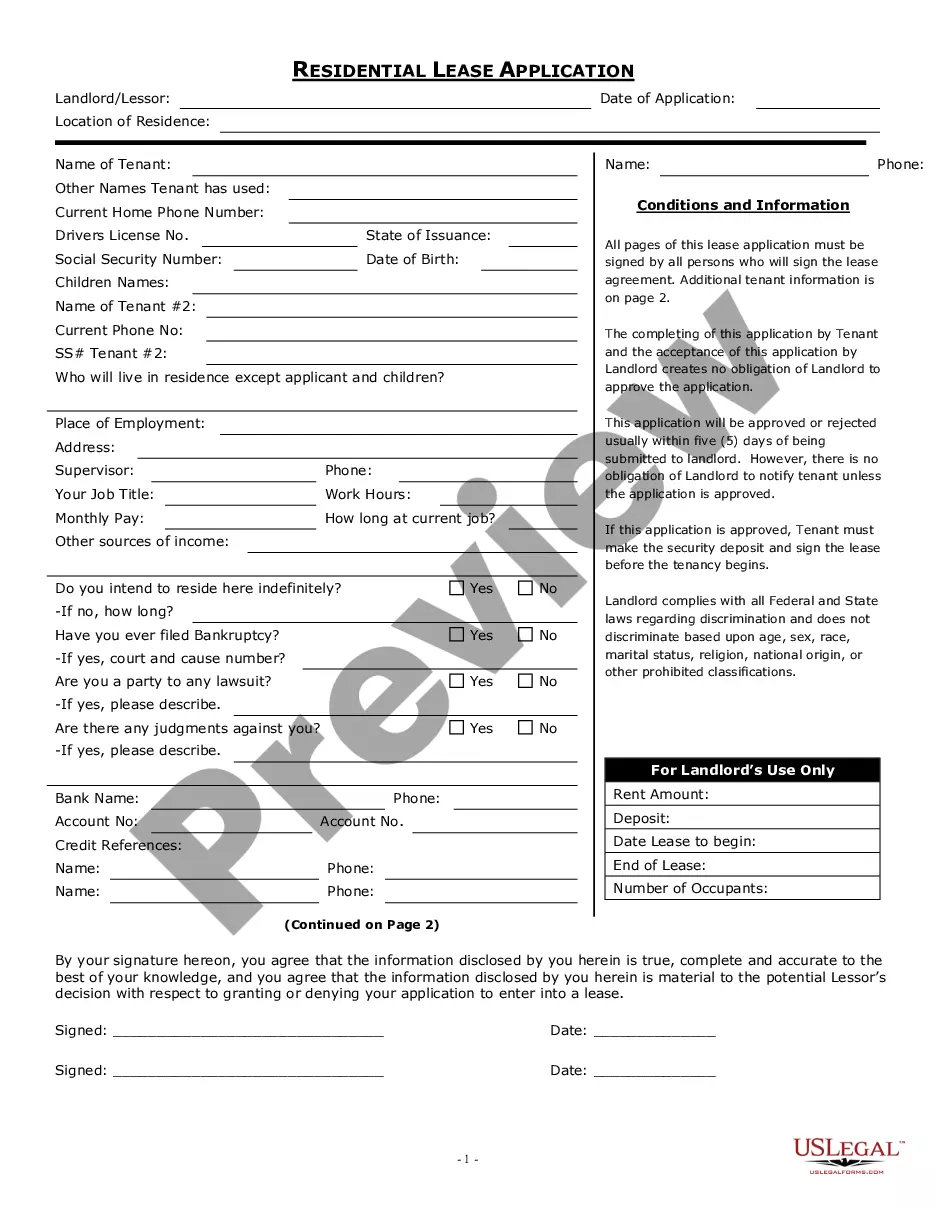



How to fill out Contract For The Lease Of Real Estate?
- For returning users, log in to your account. Ensure your subscription is active to access the document library.
- If you're new to US Legal Forms, begin by browsing the extensive online library. Use the preview mode to check the form descriptions and select the appropriate document that meets your legal needs.
- In case the form doesn’t fit your requirements, utilize the search feature to find a more suitable template.
- When ready, click the Buy Now button associated with your chosen document and select your preferred subscription plan. You'll need to register for an account to proceed.
- Complete your purchase by entering your payment information via credit card or PayPal.
- After payment, download the template to your device. You can also access your forms anytime from the My Forms section of your account.
US Legal Forms empowers users by offering a comprehensive collection of legal documents that are easy to complete. With over 85,000 fillable forms, you can ensure compliance while saving time and effort.
Start leasing real estate today and simplify your legal document needs with US Legal Forms. Don't hesitate to explore our resources and get started!
Form popularity
FAQ
Leasing a house can be a smart choice depending on your financial situation and lifestyle. It allows you to live in a desirable location without making a long-term commitment to buying. By utilizing platforms like UsLegalForms, you can access reliable resources and templates that simplify the leasing real estate process, ensuring everything is in order.
Leasing and renting can seem similar, but they often imply different lengths and conditions. Leasing typically involves a longer commitment, often a year or more, while renting might refer to month-to-month agreements. Both options are viable; however, understanding the terms around leasing real estate can help you find the right fit for your needs.
To lease a property means to enter into a legal contract that allows you to use someone else's real estate for a set time, often in exchange for monthly payments. This arrangement benefits both parties, as landlords receive consistent income while tenants gain a place to live or operate their business. When exploring options for leasing real estate, it’s essential to ensure that all terms are clear and agreed upon.
Leasing in real estate refers to the process of renting property to a tenant for a specified period. This agreement typically includes detailed terms regarding rent payment, maintenance, and the duration of the lease. Understanding the nuances of leasing real estate can help you make informed decisions and protect your rights as a tenant or landlord.
In many states, claiming rent on your state taxes is limited. Some states do provide specific credits or deductions for renters. It's important to familiarize yourself with your state's tax regulations related to leasing real estate to take full advantage of available benefits. Always consult with a tax professional for tailored guidance.
The 14 day rule in real estate allows you to rent out your property for up to 14 days without needing to report the income if it is a personal residence. If you lease real estate beyond those 14 days, you must report all rental income. This rule can be advantageous for homeowners looking to generate occasional income. Proper documentation is essential if you plan to use this exemption.
In Pennsylvania, renters can take advantage of various deductions and credits, especially for property taxes. While renting, you won't directly deduct your rent, but you might qualify for a property tax or rent rebate program. Investigating state tax benefits associated with leasing real estate can lead to significant savings. Always review the latest guidelines for any updates.
The $25,000 rental loss limitation refers to a tax rule allowing certain taxpayers to deduct up to $25,000 in losses from rental real estate activities. This deduction phases out for higher-income earners, but those who actively participate in leasing real estate may benefit from it. Understanding your eligibility for this loss is crucial to maximizing your tax advantages. A tax advisor can help illustrate its impact on your situation.
To report rental income to the IRS, you must fill out Schedule E (Supplemental Income and Loss) as part of your tax return. This schedule allows you to report rental income along with any associated expenses from leasing real estate. Keep records of all income and expenses to ensure accurate reporting. Using tax software or consulting a tax professional can help streamline this process.
Generally, you do not receive a tax refund specifically for paying rent. However, some states provide tax credits or deductions for renters, depending on your eligibility. This can potentially lower your overall tax burden while leasing real estate. It's a good idea to explore your state’s provisions about rental payments.