Family Leave For Newborn Bonding
Description
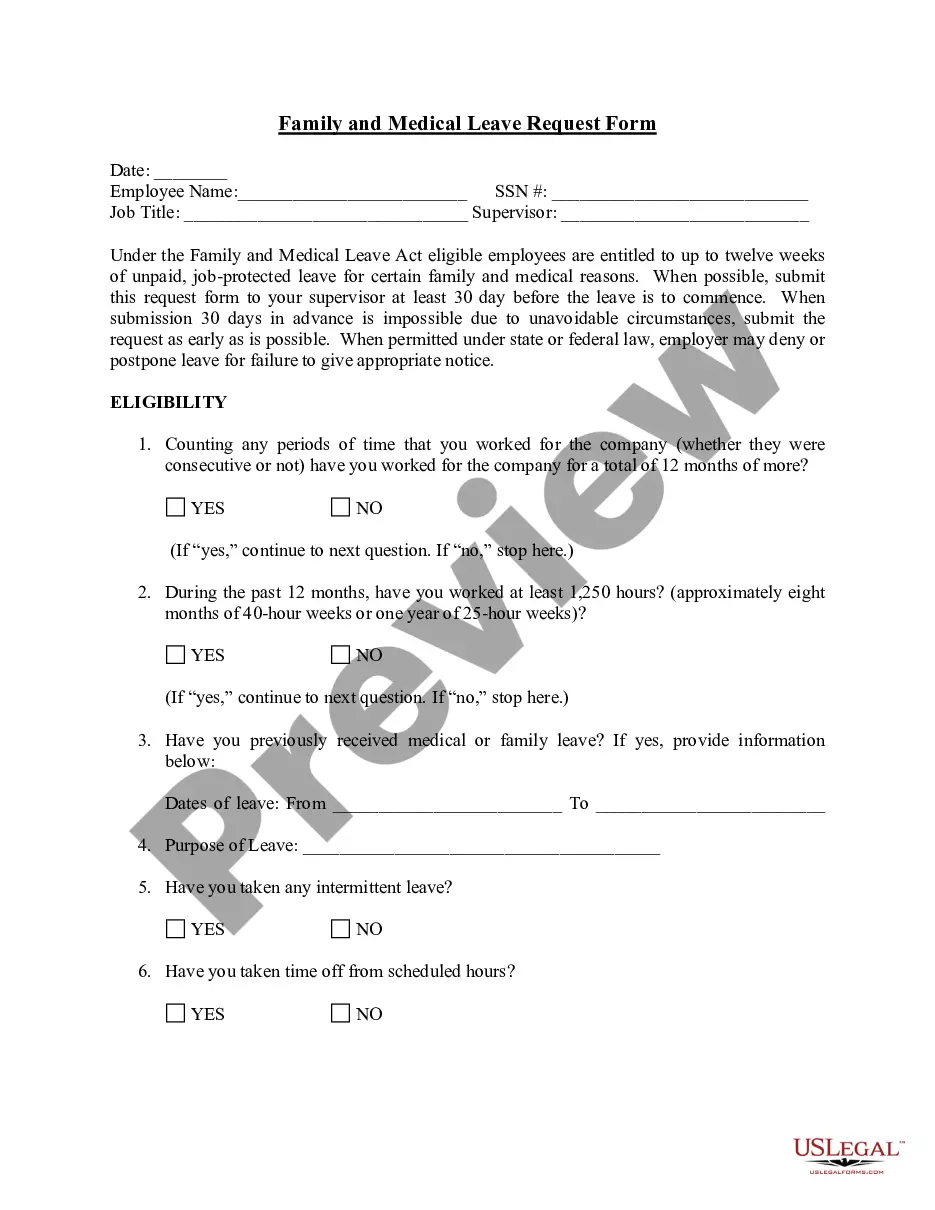
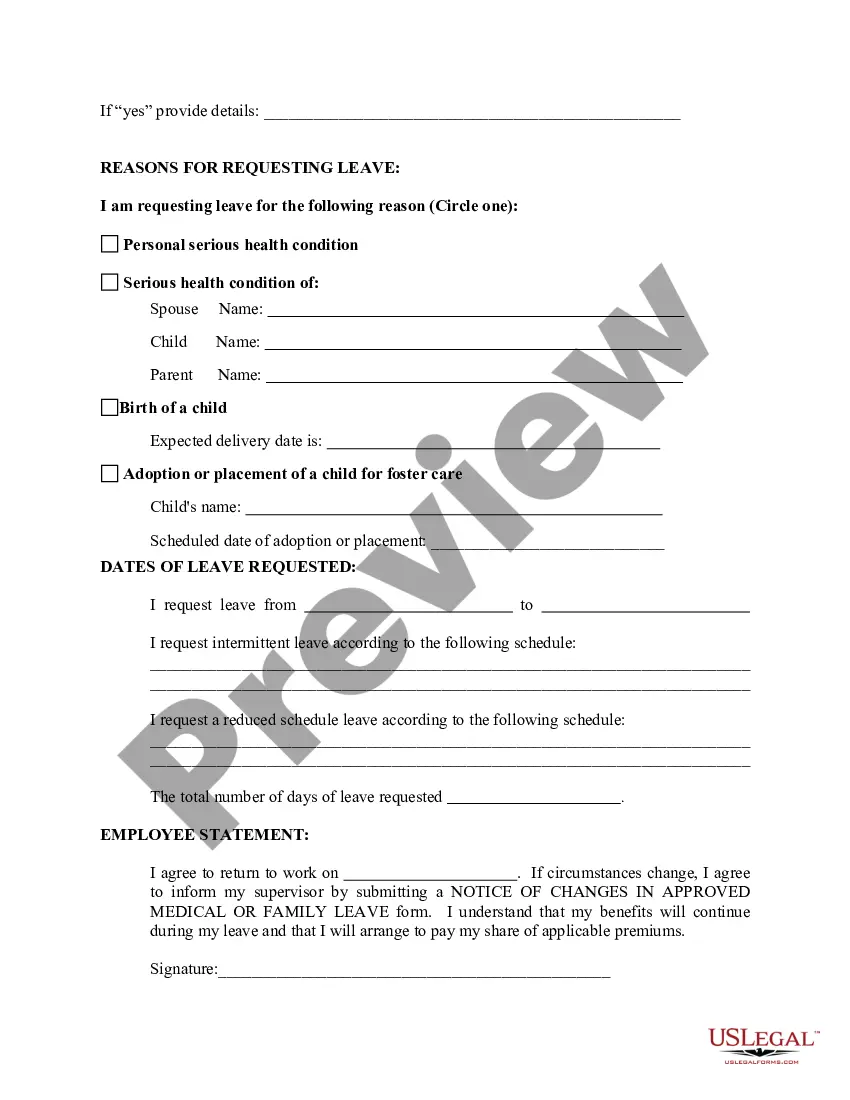
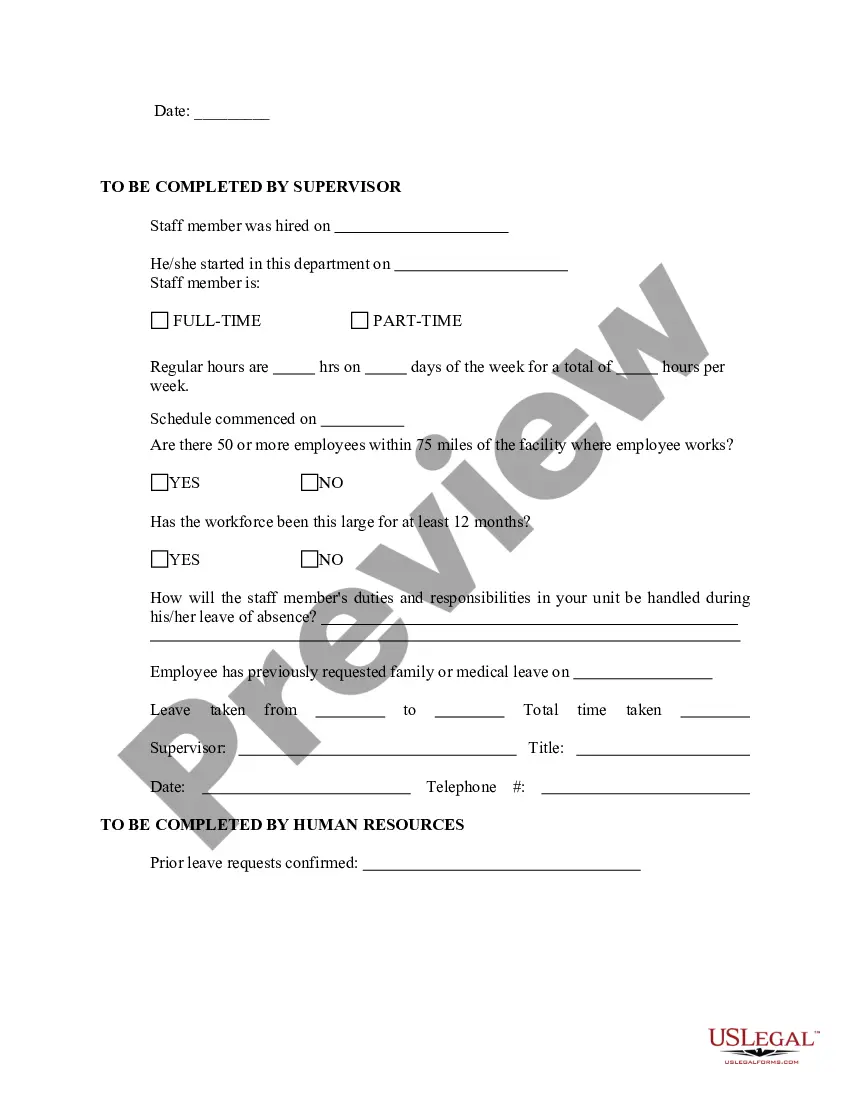
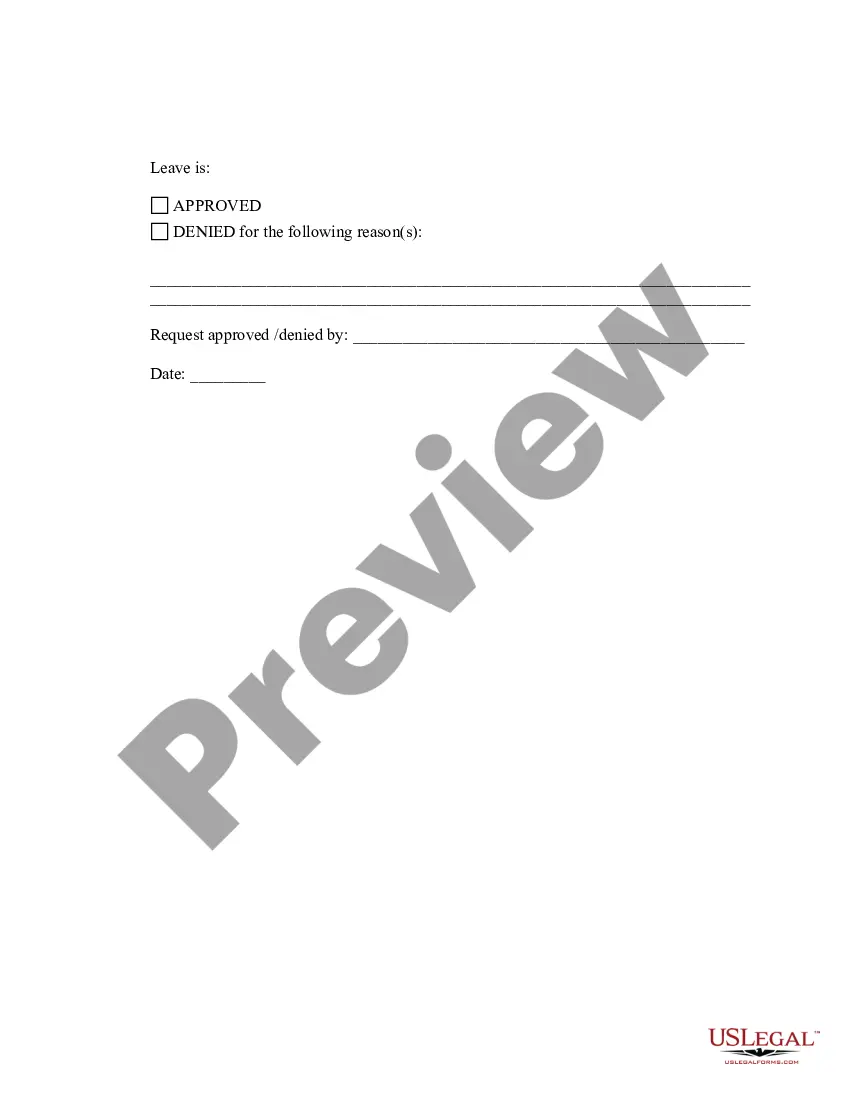
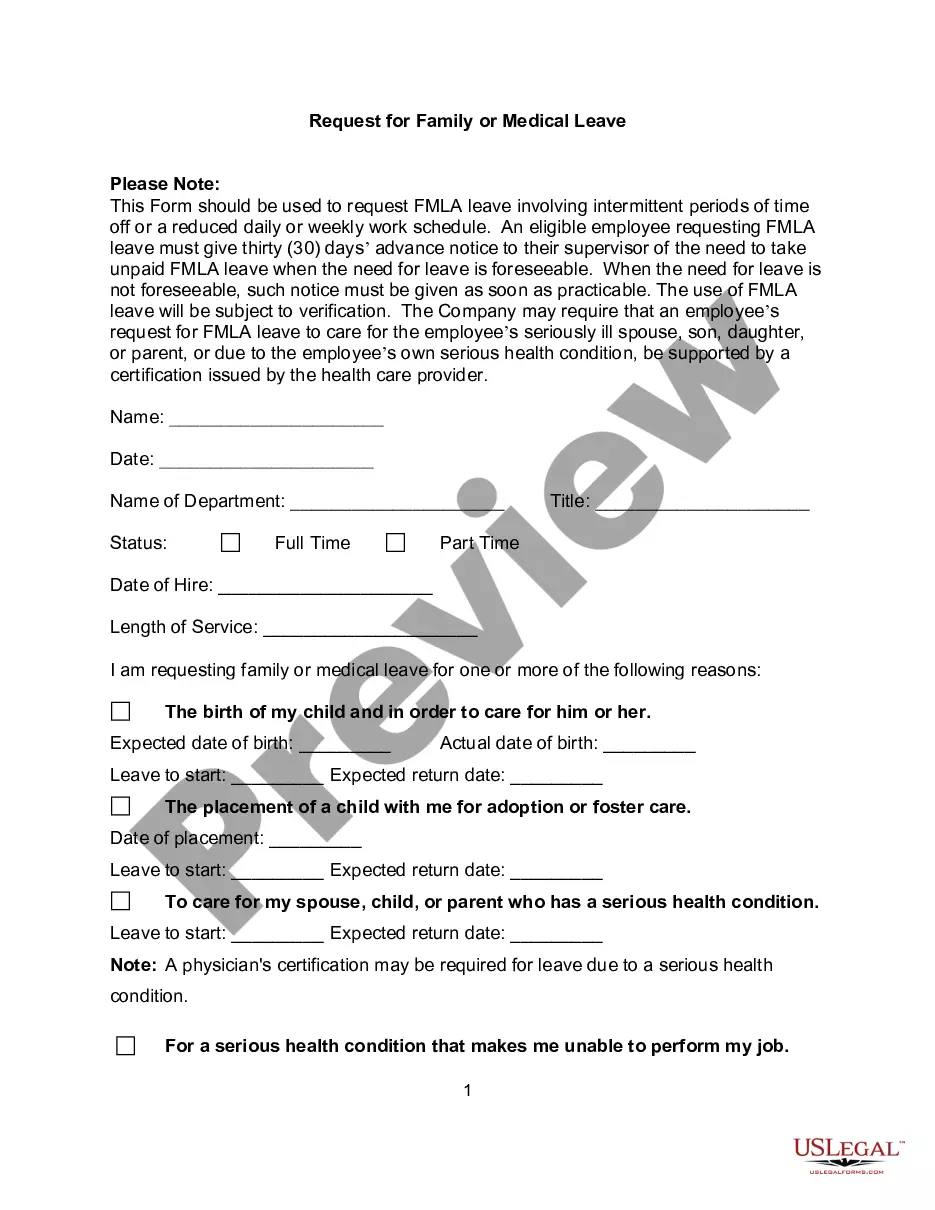
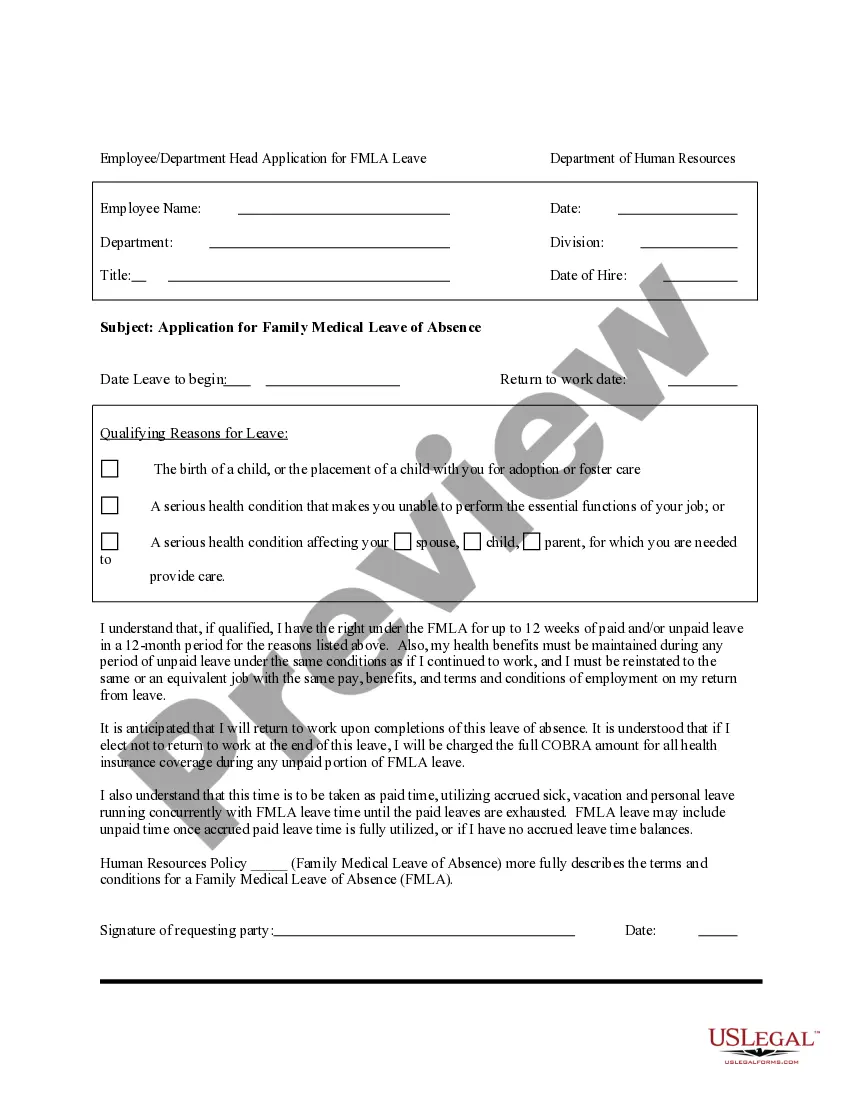
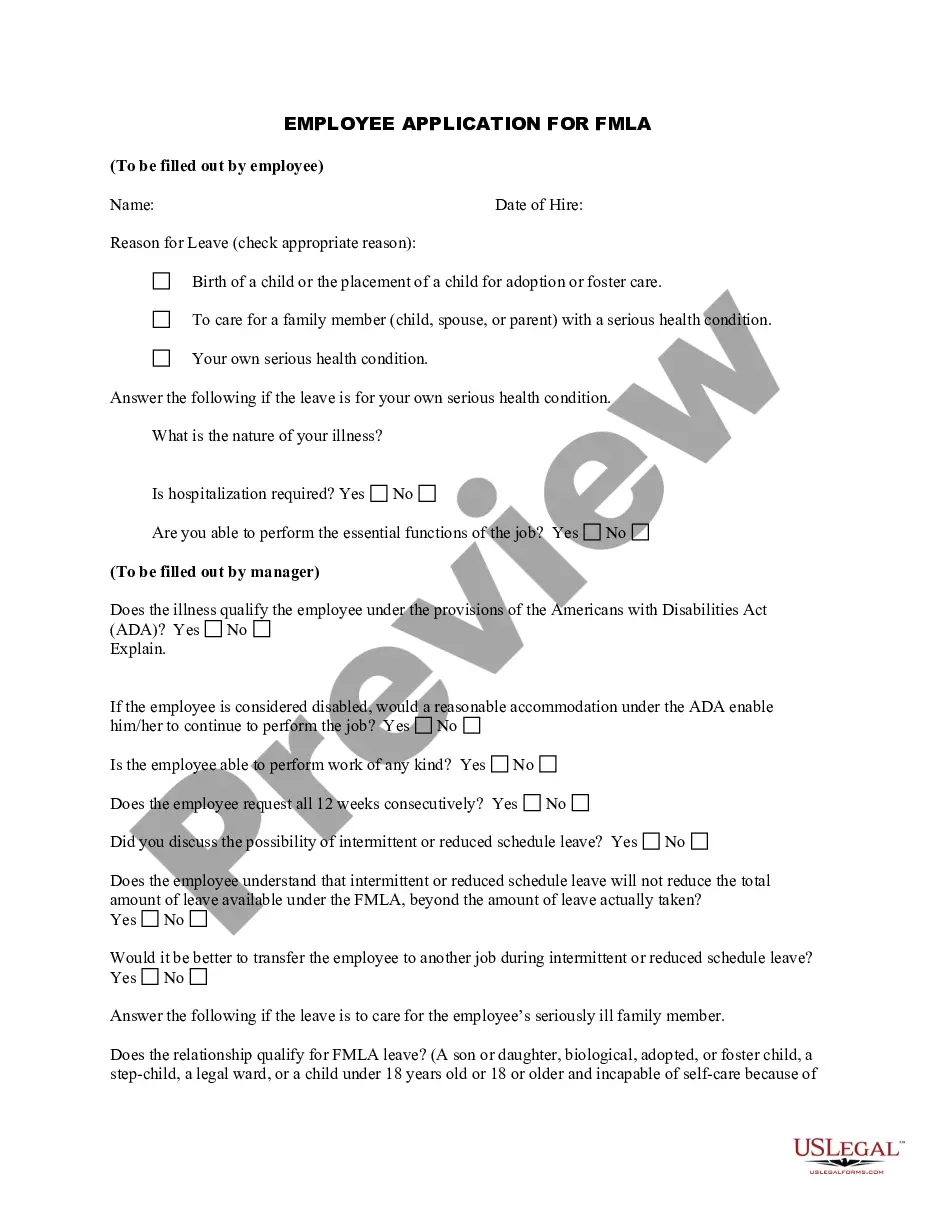
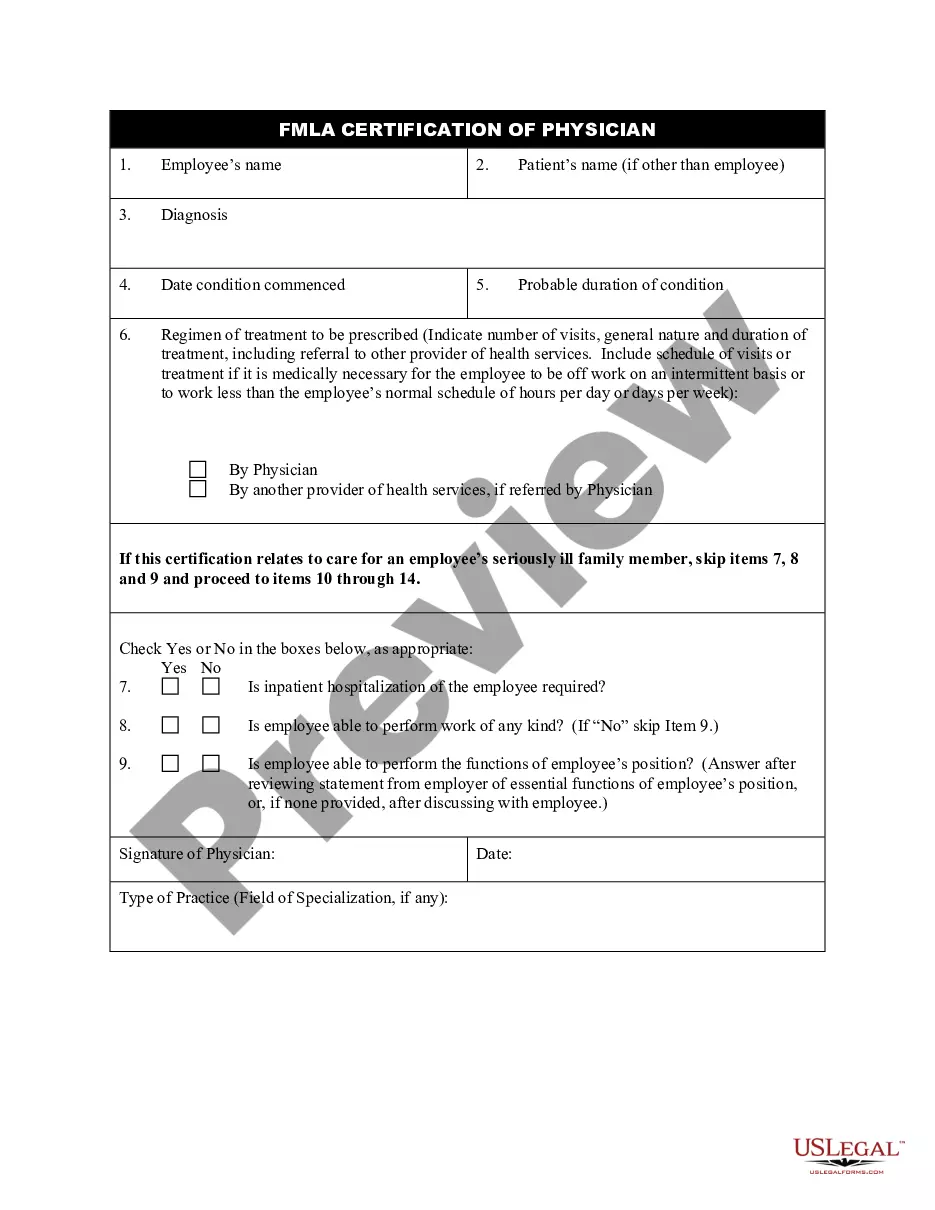
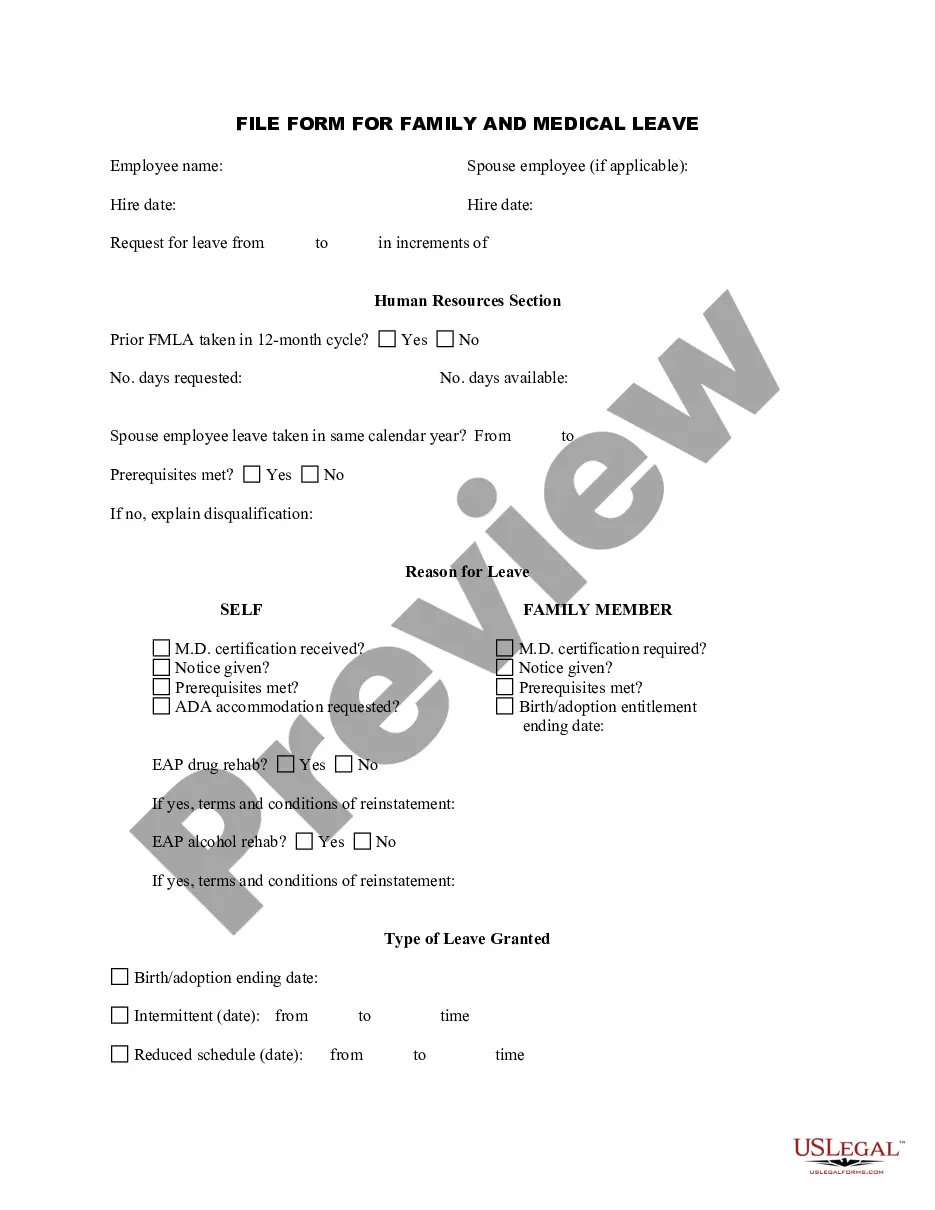
Get your form ready online
Our built-in tools help you complete, sign, share, and store your documents in one place.
Make edits, fill in missing information, and update formatting in US Legal Forms—just like you would in MS Word.
Download a copy, print it, send it by email, or mail it via USPS—whatever works best for your next step.
Sign and collect signatures with our SignNow integration. Send to multiple recipients, set reminders, and more. Go Premium to unlock E-Sign.
If this form requires notarization, complete it online through a secure video call—no need to meet a notary in person or wait for an appointment.
We protect your documents and personal data by following strict security and privacy standards.

Make edits, fill in missing information, and update formatting in US Legal Forms—just like you would in MS Word.

Download a copy, print it, send it by email, or mail it via USPS—whatever works best for your next step.

Sign and collect signatures with our SignNow integration. Send to multiple recipients, set reminders, and more. Go Premium to unlock E-Sign.

If this form requires notarization, complete it online through a secure video call—no need to meet a notary in person or wait for an appointment.

We protect your documents and personal data by following strict security and privacy standards.
Looking for another form?




How to fill out Family And Medical Leave Request Form?
Finding a reliable source to access the latest and suitable legal templates is a significant part of dealing with bureaucratic processes.
Identifying the correct legal paperwork requires precision and meticulousness, underscoring the importance of obtaining Family Leave For Newborn Bonding templates solely from trustworthy providers, such as US Legal Forms. An incorrect template can squander your time and prolong your circumstances.
Eliminate the hassle that comes with your legal paperwork. Explore the extensive US Legal Forms library to discover legal samples, assess their relevance to your case, and download them instantly.
- Utilize the catalog navigation or search bar to locate your template.
- Examine the details of the form to confirm that it meets your state's and region's specifications.
- View the form preview, if available, to make sure the template is what you're looking for.
- Return to the search and find the appropriate document in case the Family Leave For Newborn Bonding does not meet your expectations.
- Once you are certain of the form's appropriateness, download it.
- If you are a registered user, click Log in to verify and access your selected templates in My documents.
- If you haven't created an account yet, click Buy now to acquire the template.
- Select the pricing plan that fits your needs.
- Proceed with the sign-up to finalize your purchase.
- Complete your acquisition by selecting a payment method (credit card or PayPal).
- Choose the file format for downloading Family Leave For Newborn Bonding.
- Once the form is on your device, you can edit it using the editor or print it out and fill it in manually.
Form popularity
FAQ
Yes, baby bonding is typically covered by the Family and Medical Leave Act (FMLA). This law allows eligible employees to take up to 12 weeks of unpaid leave to care for a newborn, among other reasons. Understanding your rights under FMLA ensures that you can take the necessary time for family leave for newborn bonding. For assistance with FMLA applications and processes, consider using US Legal Forms.
To qualify for family leave for newborn bonding, you generally need to meet certain eligibility requirements. Typically, you must have worked for your employer for at least 12 months and have completed a minimum number of hours in that timeframe. Check your company's policies and FMLA guidelines to confirm your eligibility. US Legal Forms can help you navigate the qualifications and necessary documentation.
Yes, an employer can deny baby bonding time if the request does not meet specific criteria. For example, if an employee does not qualify under the Family and Medical Leave Act (FMLA), the employer may refuse the request. It is essential to understand your rights and the requirements for family leave for newborn bonding. Utilize resources like US Legal Forms to learn more about your entitlements.
While the FMLA provides important protections, certain situations are not covered. For instance, leave for personal reasons not related to family bonding, such as vacations or non-medical personal matters, is not eligible. Additionally, FMLA does not apply to employers with fewer than 50 employees within a 75-mile radius. Understanding these limits is vital in navigating your rights and options for family leave for newborn bonding.
Yes, baby bonding does fall under FMLA. The law allows eligible employees to take leave to bond with a newborn within the first year after birth. This time can be crucial for nurturing your relationship with your new child. Utilizing family leave for newborn bonding can enhance the quality of care you provide and ease the adjustment for both you and your baby.
The FMLA 3 day rule refers to the requirement that employees must provide at least three consecutive days of leave to qualify for family leave for newborn bonding. This rule helps determine the continuity of care needed for the newborn. It’s important to plan ahead and inform your employer as soon as possible to ensure your eligibility for leave under the FMLA. This clarity benefits both you and your workplace.
When applying for family leave for newborn bonding under the FMLA, you need to provide acceptable proof of birth. Typically, a birth certificate or a hospital discharge summary meets this requirement. These documents confirm the child’s birth and the relationship between you and the newborn. Make sure to submit the required documentation in a timely manner to ensure smooth processing of your leave.
To apply for family leave for newborn bonding, you should start by reviewing your employer's policies and the specific requirements outlined in the Family and Medical Leave Act (FMLA). Typically, you'll need to complete an application form and may be asked to provide documentation related to the birth of your child. UsLegalForms offers resources that can help guide you through the process, ensuring you meet all necessary criteria. Remember to submit your application well in advance to facilitate a smooth transition into your family leave.
To apply for baby bonding leave, start by notifying your employer of your intention to take family leave for newborn bonding. You will typically need to fill out a specific leave request form and provide any necessary documentation, such as the birth certificate or adoption papers. Be sure to check your company’s policies and timelines for submitting your application to ensure a smooth process.
Yes, you can use the Family and Medical Leave Act (FMLA) to bond with a newborn. Under FMLA, eligible employees are entitled to up to 12 weeks of unpaid leave for the birth and care of a newborn. This provision enables you to take time off work to establish a strong family bond and adjust to the new addition to your family without the stress of losing your job.