Write A Letter To Parent
Description
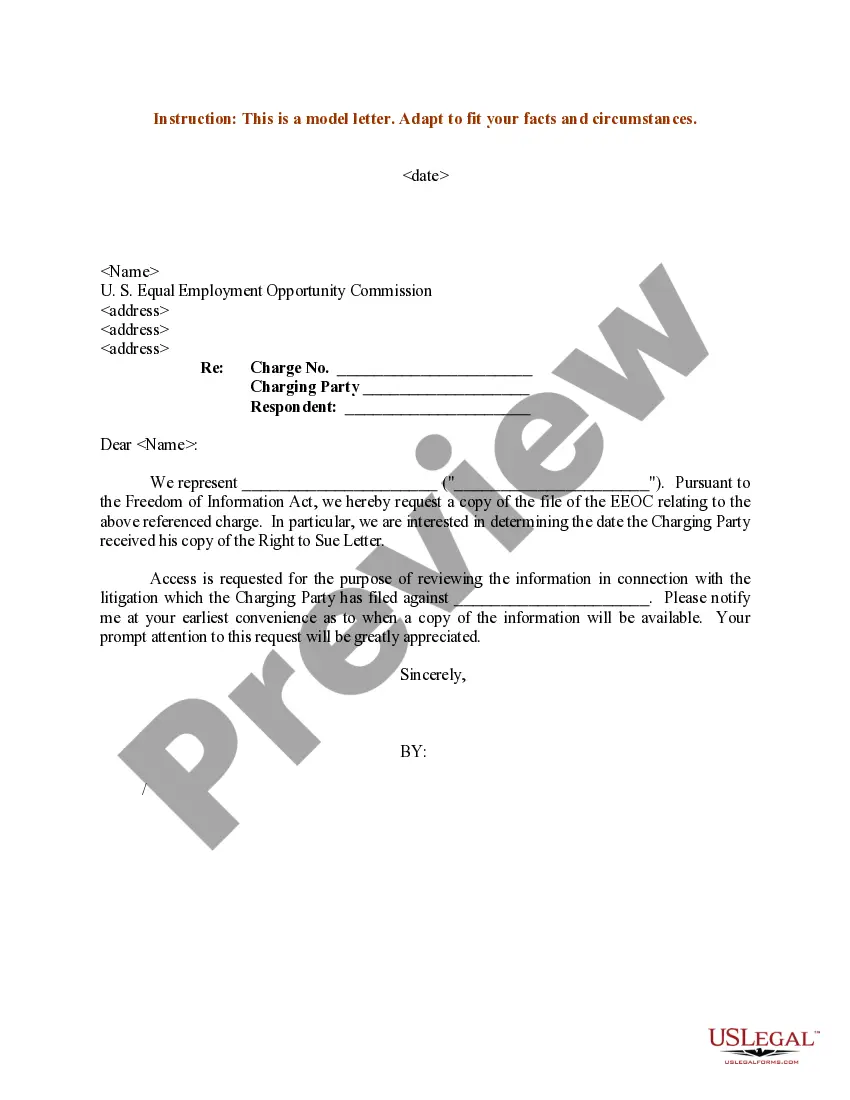
Get your form ready online
Our built-in tools help you complete, sign, share, and store your documents in one place.
Make edits, fill in missing information, and update formatting in US Legal Forms—just like you would in MS Word.
Download a copy, print it, send it by email, or mail it via USPS—whatever works best for your next step.
Sign and collect signatures with our SignNow integration. Send to multiple recipients, set reminders, and more. Go Premium to unlock E-Sign.
If this form requires notarization, complete it online through a secure video call—no need to meet a notary in person or wait for an appointment.
We protect your documents and personal data by following strict security and privacy standards.

Make edits, fill in missing information, and update formatting in US Legal Forms—just like you would in MS Word.

Download a copy, print it, send it by email, or mail it via USPS—whatever works best for your next step.

Sign and collect signatures with our SignNow integration. Send to multiple recipients, set reminders, and more. Go Premium to unlock E-Sign.

If this form requires notarization, complete it online through a secure video call—no need to meet a notary in person or wait for an appointment.

We protect your documents and personal data by following strict security and privacy standards.
Looking for another form?

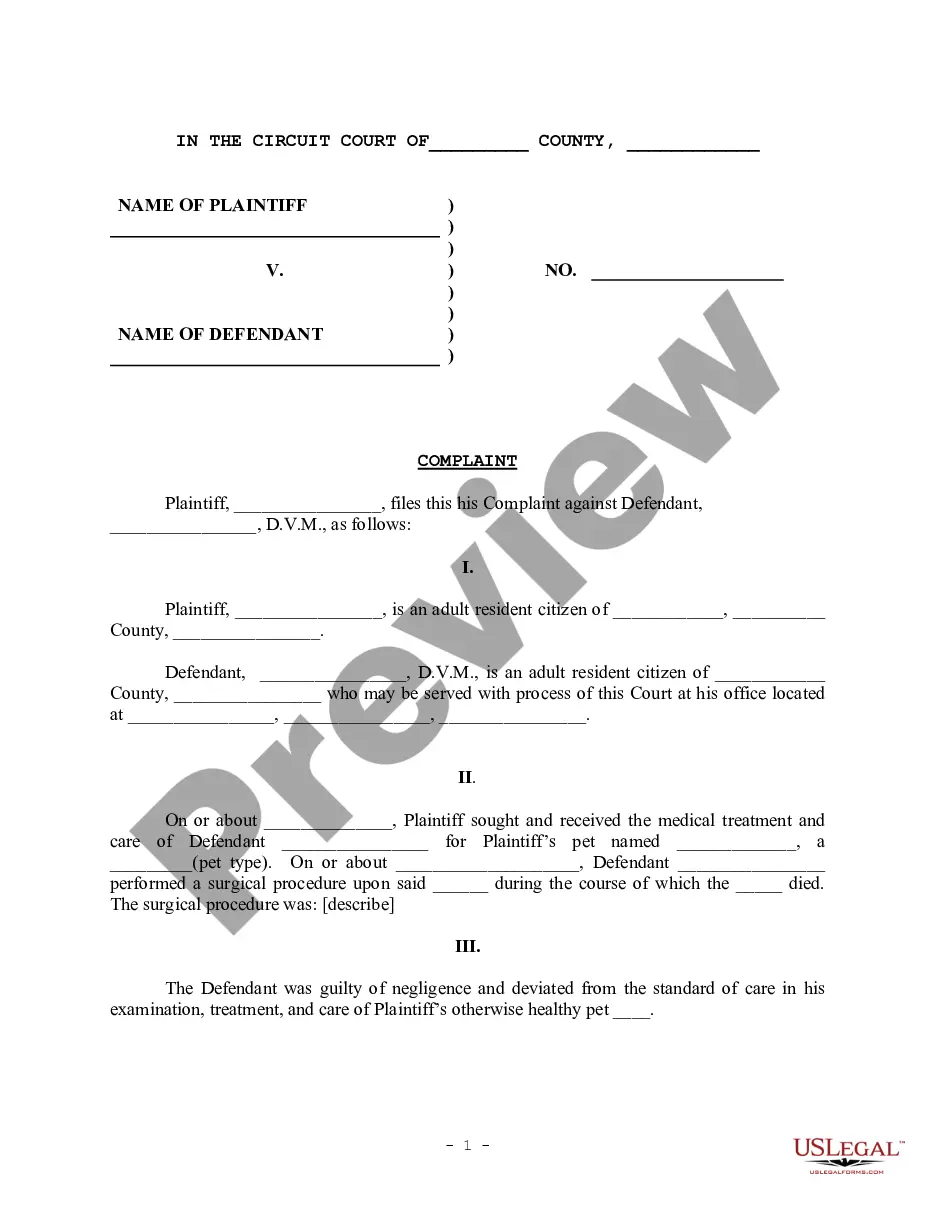
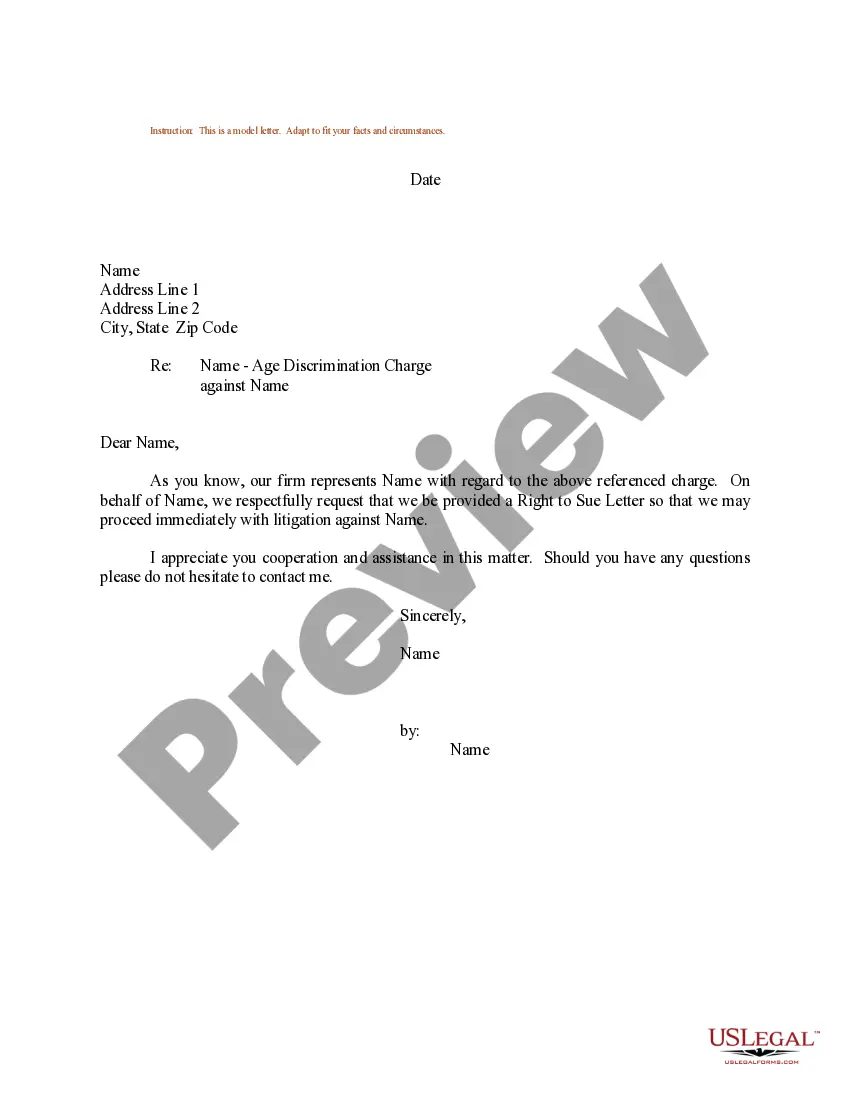
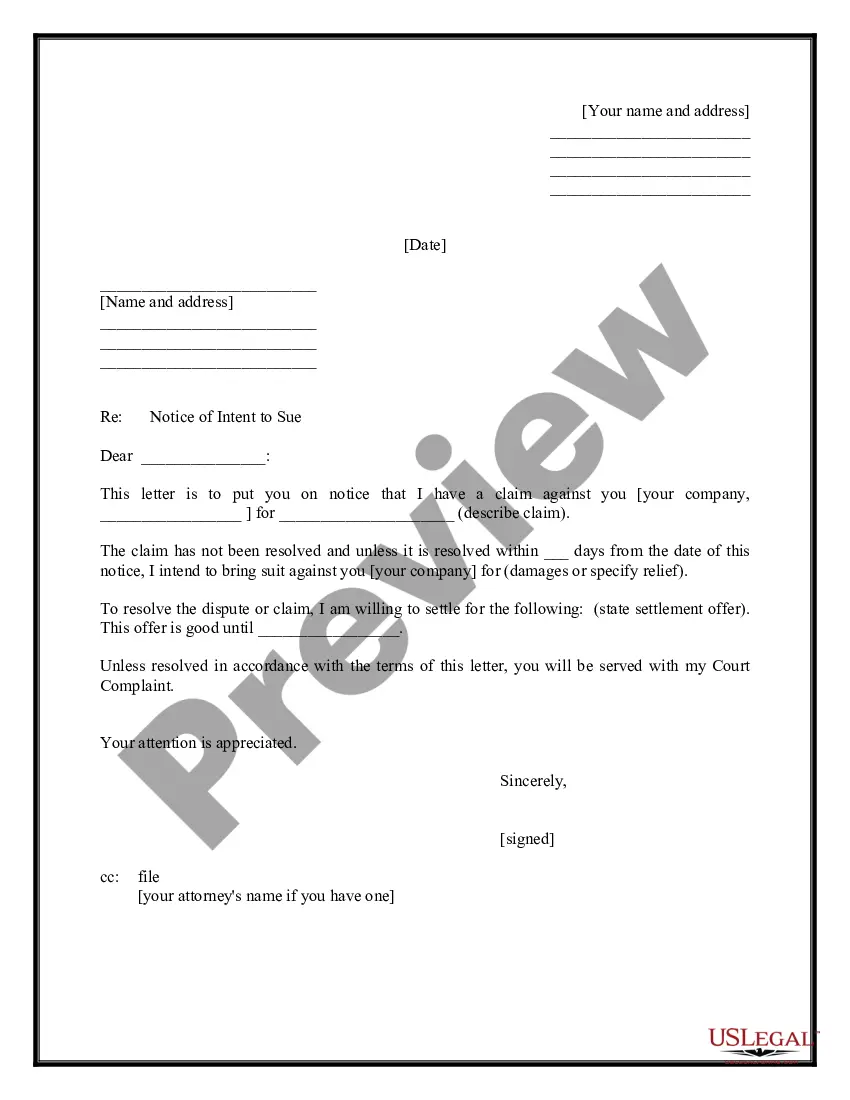
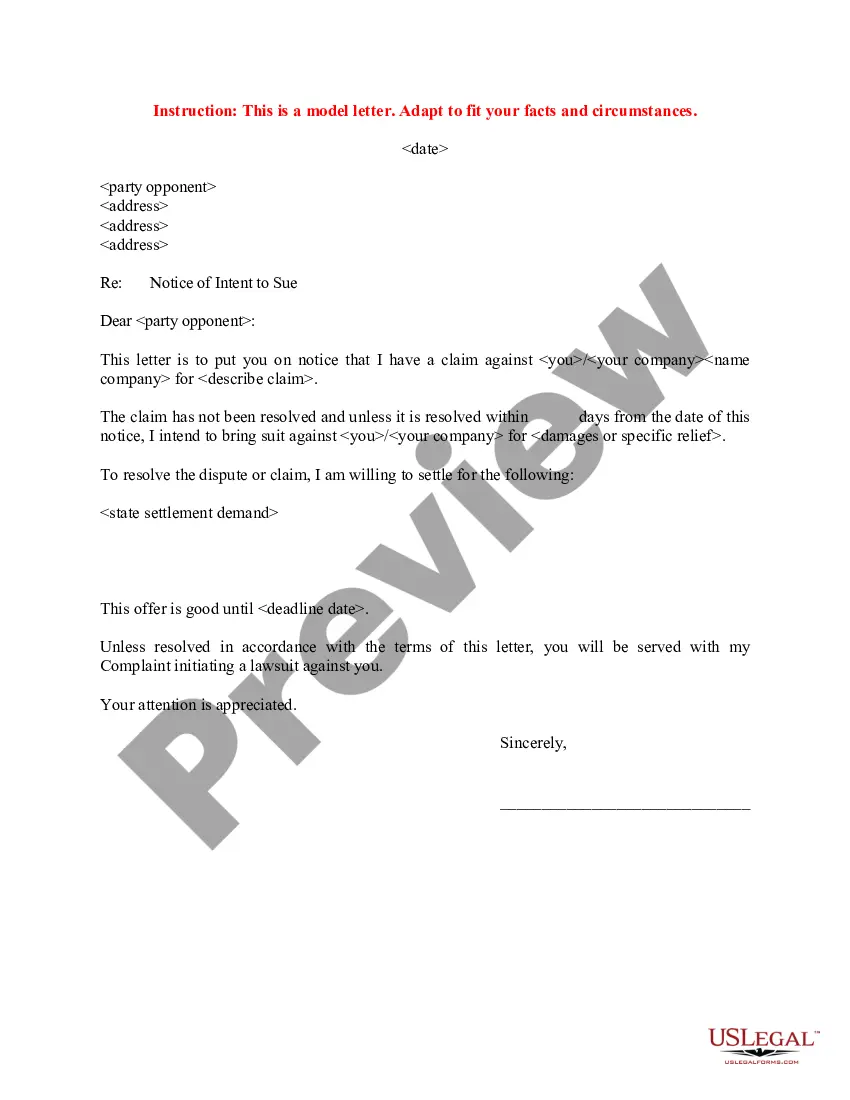
How to fill out Sample Letter For Right To Sue Letter?
Managing legal paperwork and processes can be an arduous addition to your entire day.
Crafting a Letter To Parent and similar forms typically necessitate that you search for them and comprehend how to fill them out efficiently.
Thus, whether you are addressing financial, legal, or personal issues, utilizing a comprehensive and practical online directory of forms at your disposal will significantly aid you.
US Legal Forms is the premier online platform for legal templates, boasting over 85,000 state-specific forms and various tools to help you complete your documents effortlessly.
Is this your first experience with US Legal Forms? Sign up and create your account in a few minutes and you’ll gain entry to the form directory and Crafting a Letter To Parent. Then, follow the steps below to fill out your form: Ensure you have located the correct form by utilizing the Review feature and examining the form details. Select Buy Now when ready, and choose the subscription plan that suits your requirements. Click Download then complete, sign, and print the form. US Legal Forms has twenty-five years of expertise assisting clients with their legal documents. Acquire the form you need today and streamline any process effortlessly.
- Browse the collection of pertinent documents accessible to you with just a click.
- US Legal Forms provides you with state- and county-specific forms available at any moment for download.
- Safeguard your document management processes by utilizing a superior service that enables you to create any form within minutes with no extra or concealed charges.
- Simply Log In to your account, find Crafting a Letter To Parent, and obtain it instantly from the My documents section.
- You can also access previously saved documents.
Form popularity
FAQ
To start a letter to your parents, open with a warm greeting. You can simply write 'Dear Mom and Dad,' or use their names if you prefer. After the greeting, you can jump right into sharing what’s on your mind or how you’ve been feeling. This approach makes the letter feel personal and engaging.
When you start off a letter to a parent, use a friendly and respectful greeting. You might say 'Dear Mom and Dad,' or 'Dear Parent's Name,' depending on your relationship. Follow this with a brief introduction of why you are writing. This helps to create a warm and inviting atmosphere for your message.
To write an introduction letter to parents, start with a warm greeting and introduce yourself. Clearly state your role and the purpose of your letter, whether it’s to inform them about an event or to provide important information. Include relevant details that will help parents understand your message and feel connected to you. This sets a positive foundation for future communication.
In a letter to your parents, share updates about your life, express your feelings, and reflect on your experiences. Write about what you appreciate about them and any positive memories you cherish. This personal touch strengthens your bond and keeps communication open and warm. Always aim to be sincere and genuine in your writing.
To address a letter to parents, use a respectful and inclusive greeting. You can start with 'Dear Parents,' if addressing a group, or 'Dear Parent's Name,' for an individual. Make sure to follow it with a comma and then begin the body of your letter. This sets a polite tone for your correspondence.
When a teacher writes a letter to a parent, clarity is key. Start with a friendly greeting and introduce the purpose of your letter. Be sure to include specific details about the student's progress or behavior, and suggest ways the parent can support their child at home. This approach fosters a positive partnership between home and school.
When you write a letter to a parent who hurt you, begin by expressing your feelings honestly. Use clear language to describe how their actions impacted you. It’s important to maintain a calm tone, while also being direct about your feelings. Consider including a positive note towards the end, highlighting your desire for understanding and healing.