Sample Regarding Deposition Template With Time Limit
Description

Get your form ready online
Our built-in tools help you complete, sign, share, and store your documents in one place.
Make edits, fill in missing information, and update formatting in US Legal Forms—just like you would in MS Word.
Download a copy, print it, send it by email, or mail it via USPS—whatever works best for your next step.
Sign and collect signatures with our SignNow integration. Send to multiple recipients, set reminders, and more. Go Premium to unlock E-Sign.
If this form requires notarization, complete it online through a secure video call—no need to meet a notary in person or wait for an appointment.
We protect your documents and personal data by following strict security and privacy standards.

Make edits, fill in missing information, and update formatting in US Legal Forms—just like you would in MS Word.

Download a copy, print it, send it by email, or mail it via USPS—whatever works best for your next step.

Sign and collect signatures with our SignNow integration. Send to multiple recipients, set reminders, and more. Go Premium to unlock E-Sign.

If this form requires notarization, complete it online through a secure video call—no need to meet a notary in person or wait for an appointment.

We protect your documents and personal data by following strict security and privacy standards.
Looking for another form?
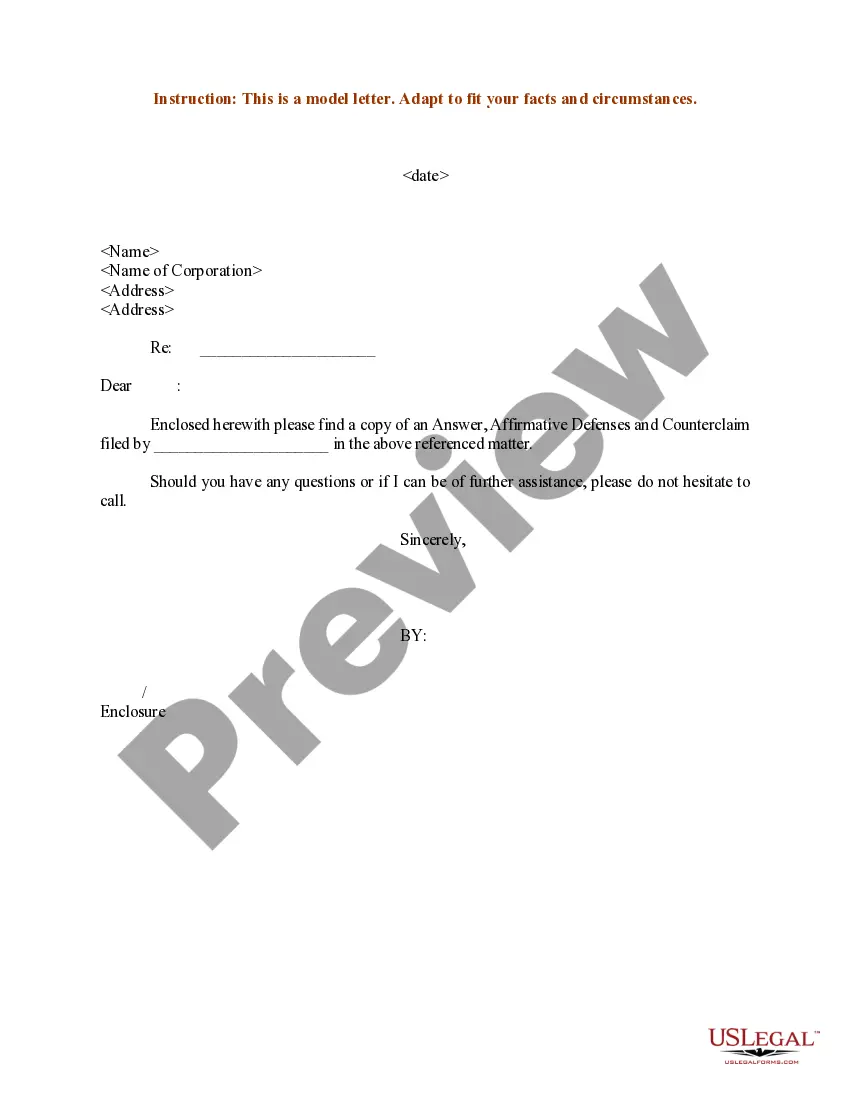
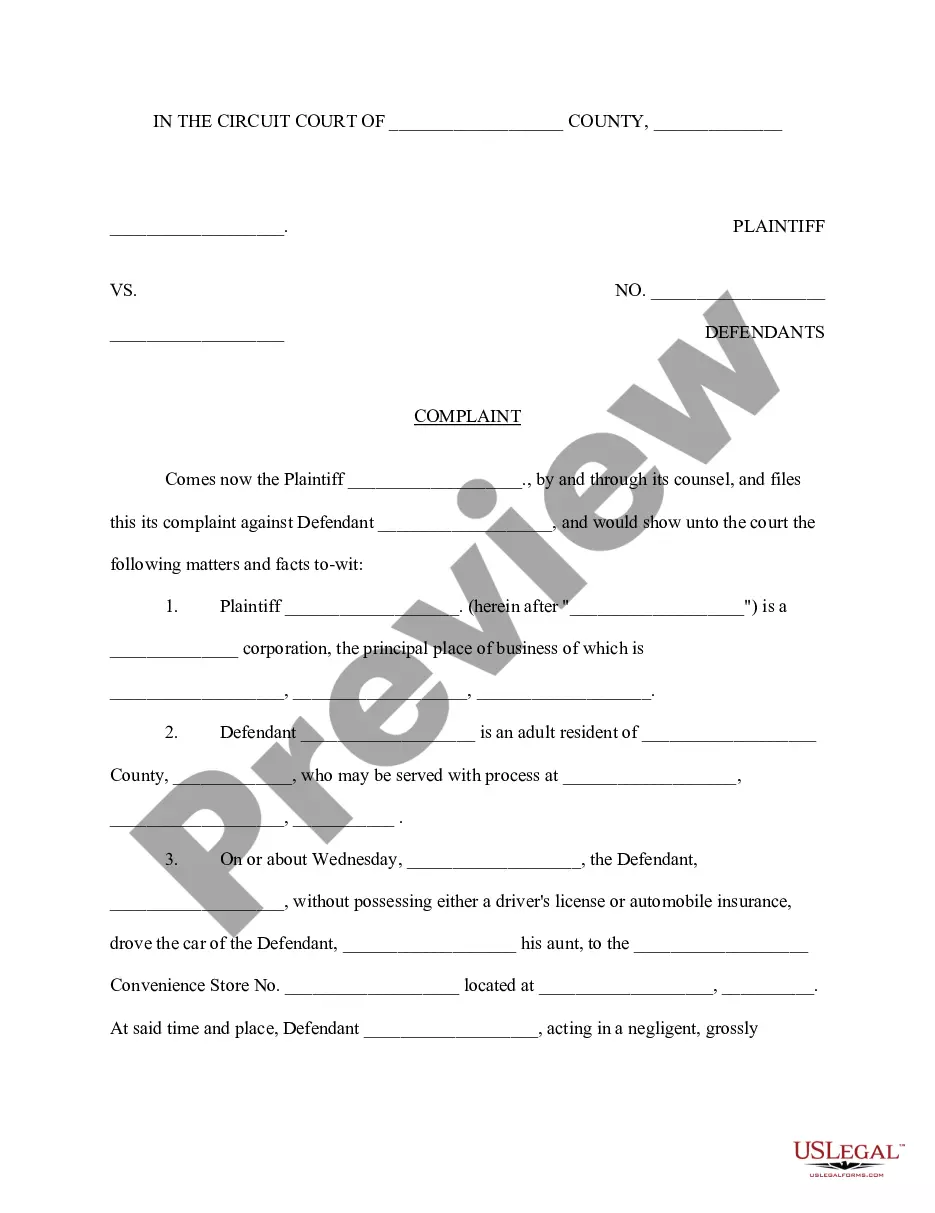
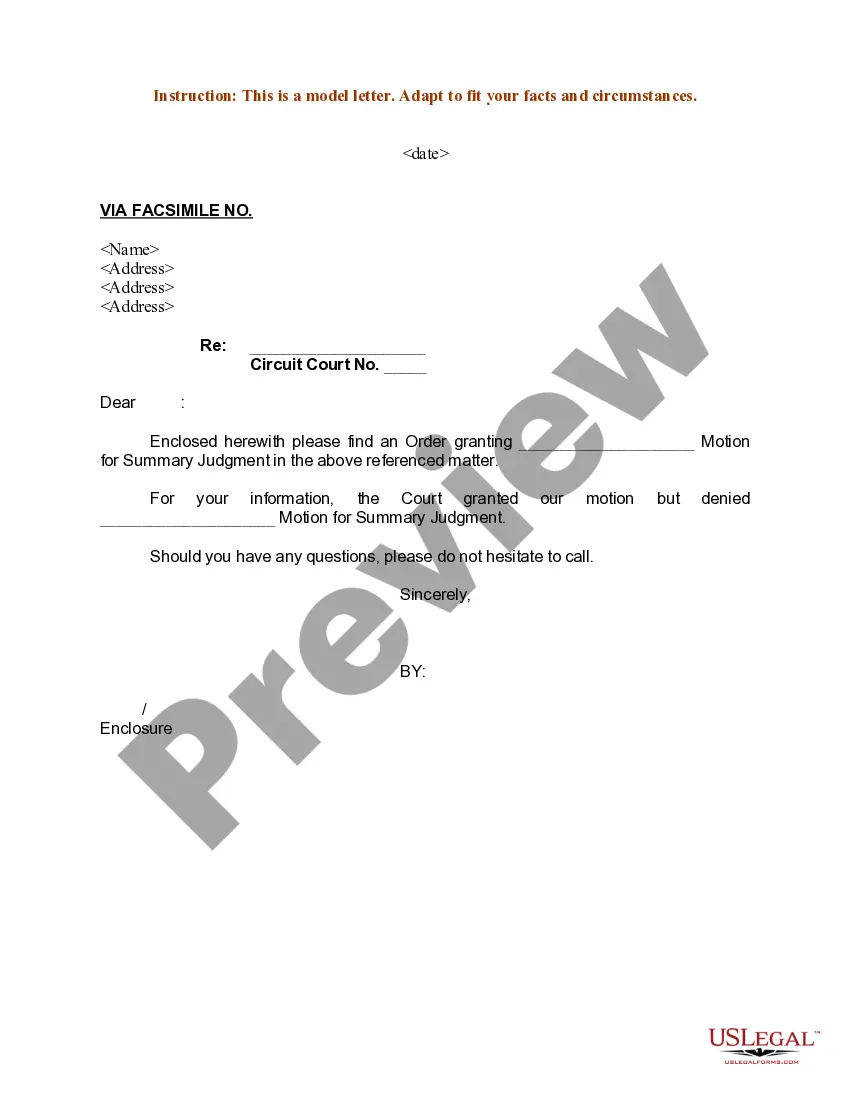

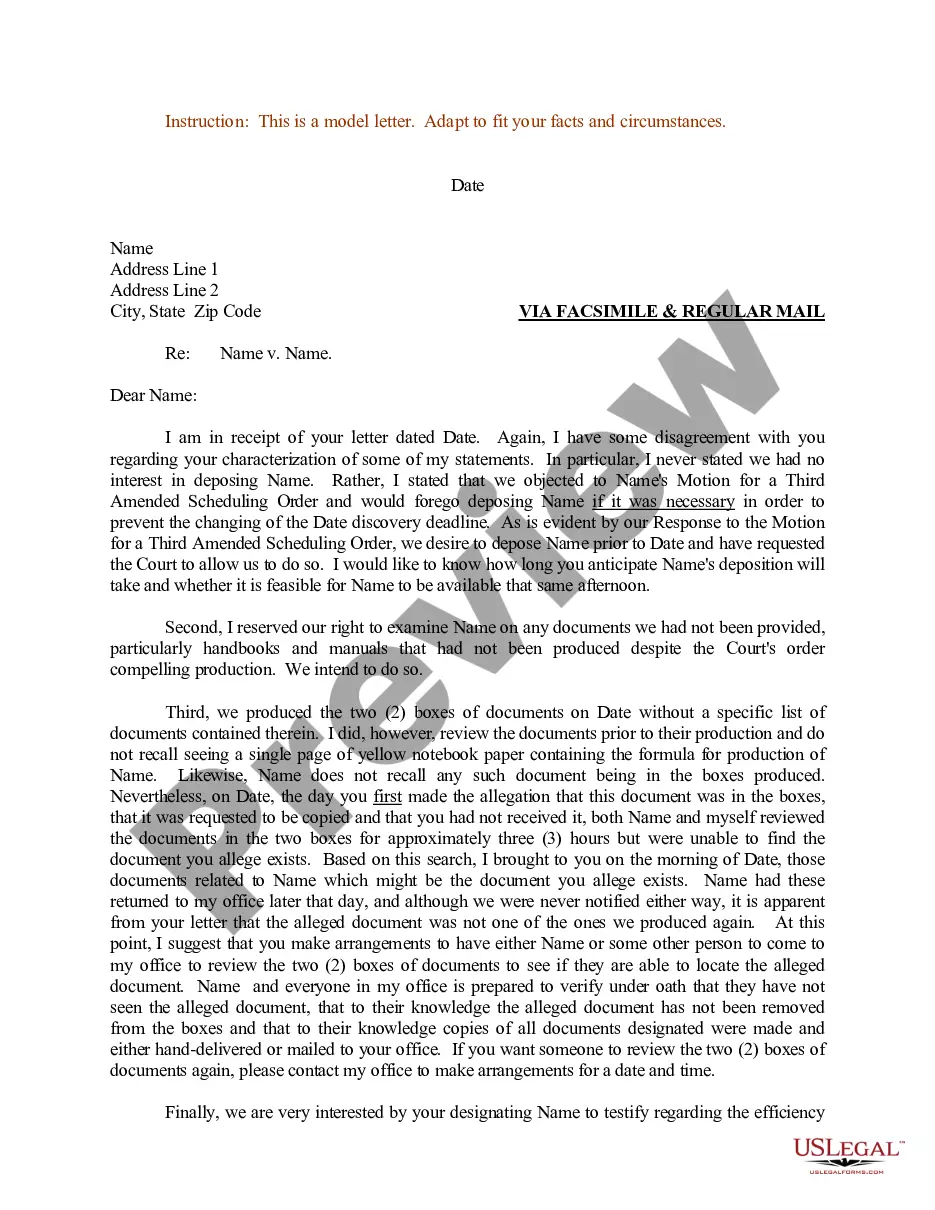
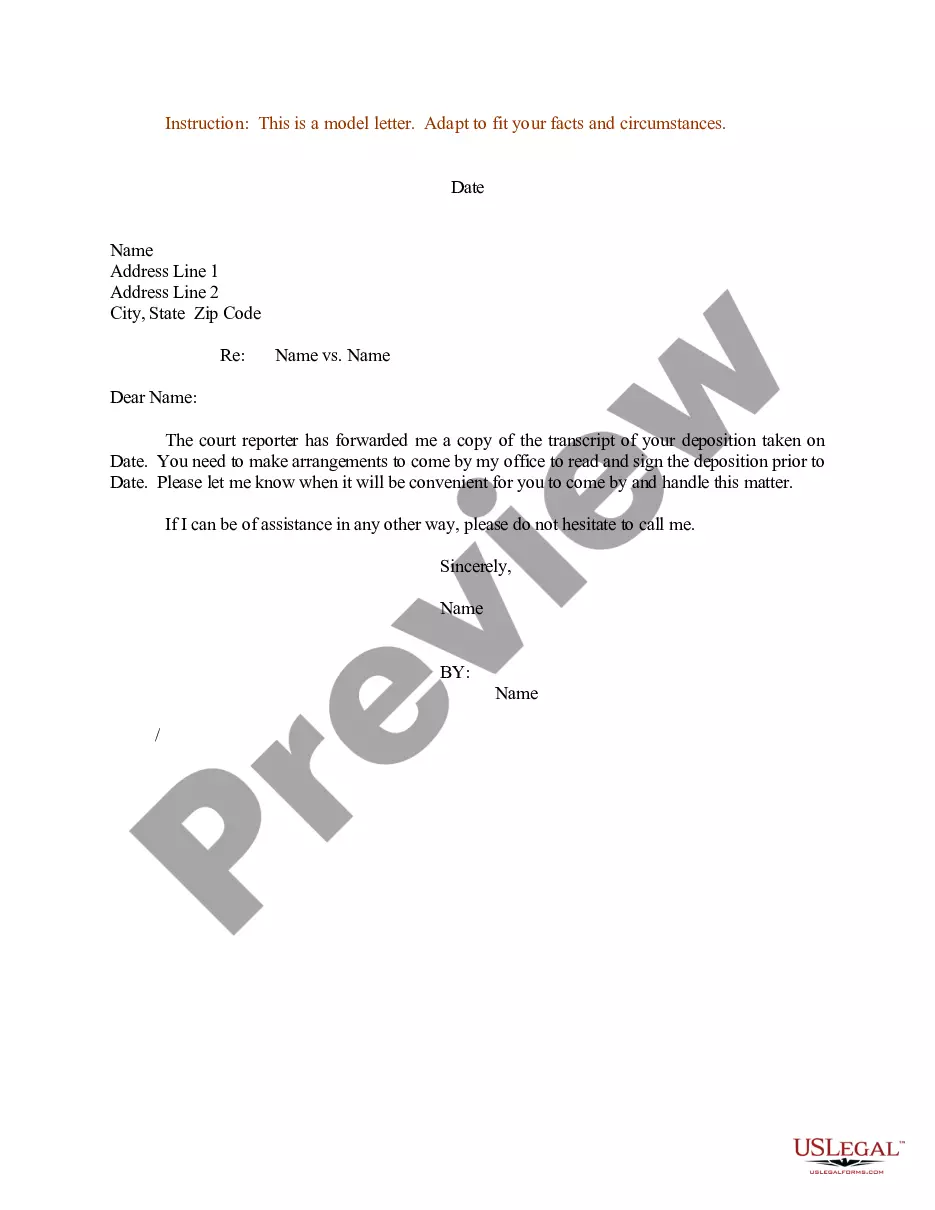
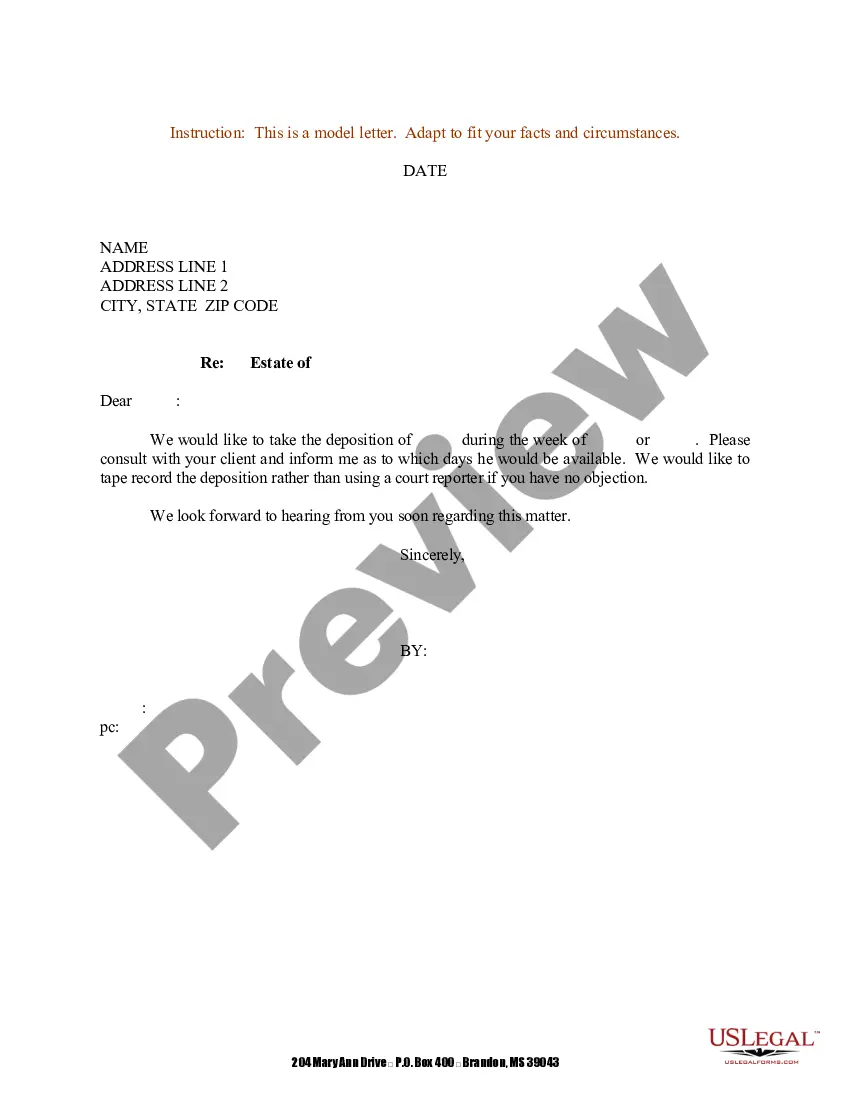
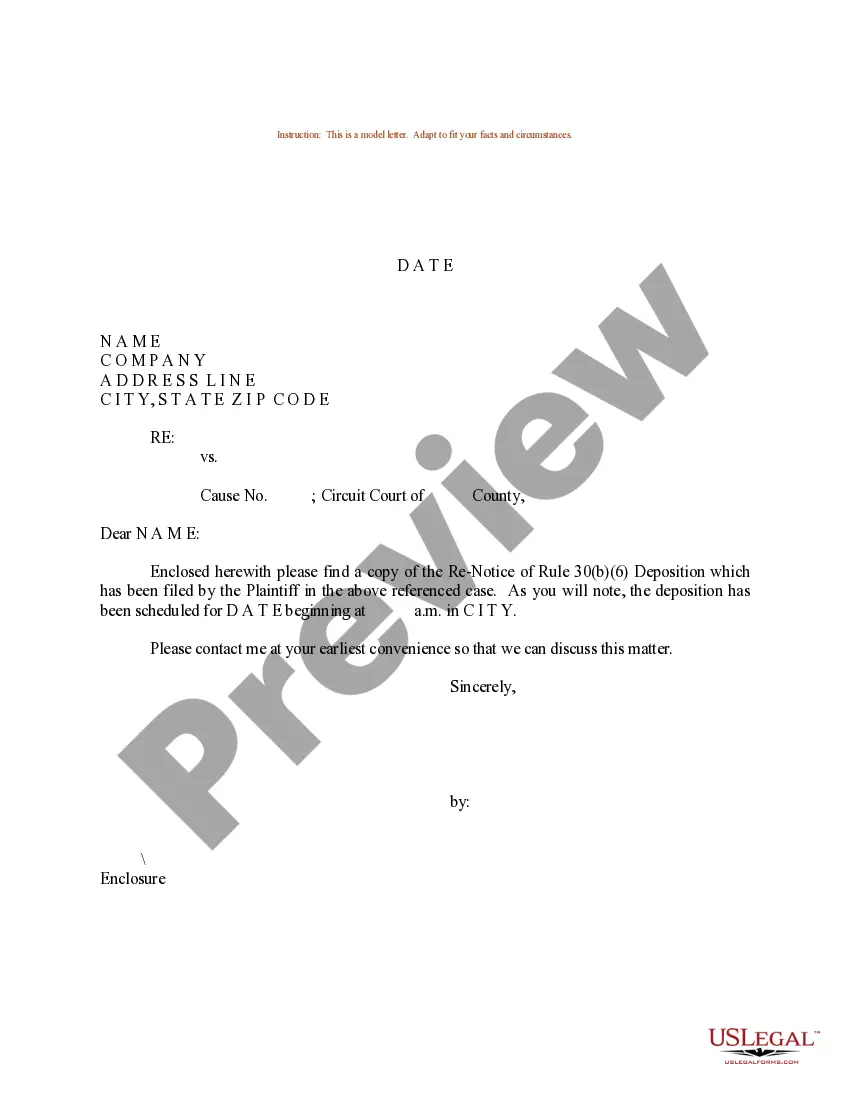
How to fill out Sample Letter Regarding Deposition?
Regardless of whether it is for professional intentions or personal matters, everyone must deal with legal circumstances at some point in their existence.
Completing legal paperwork requires meticulous attention, starting with selecting the correct form template.
Once saved, you can either edit the form using applications or print it and fill it out by hand. With a comprehensive US Legal Forms catalog available, you won’t need to waste time searching for the suitable template online. Utilize the library’s straightforward navigation to find the correct template for any scenario.
- For instance, selecting an incorrect version of a Sample Concerning Deposition Template With Time Constraint will lead to rejection upon submission.
- Thus, it is crucial to have a dependable source for legal documents such as US Legal Forms.
- When you need to obtain a Sample Concerning Deposition Template With Time Constraint template, follow these straightforward steps.
- Search for the template you require by using the search box or browsing through the catalog.
- Review the form’s specifications to confirm it aligns with your circumstances, state, and locality.
- Click on the form’s preview to examine it.
- If it turns out to be the wrong form, return to the search feature to find the Sample Concerning Deposition Template With Time Constraint sample you need.
- Download the file if it suits your needs.
- If you have a US Legal Forms account, simply click Log in to access previously saved documents in My documents.
- If you do not have an account yet, you may acquire the form by clicking Buy now.
- Select the suitable payment option.
- Fill out the profile registration form.
- Choose your method of payment: utilize a credit card or PayPal account.
- Select the document format you prefer and download the Sample Concerning Deposition Template With Time Constraint.
Form popularity
FAQ
Unless otherwise stipulated or ordered by the court, a deposition is limited to 1 day of 7 hours. The court must allow additional time consistent with Rule 26(b)(1) and (2) if needed to fairly examine the deponent or if the deponent, another person, or any other circumstance impedes or delays the examination.
How to Handle a Deposition: Advice from an OMIC Defense Attorney Tell the truth. ... Think before you speak. ... Answer the question. ... Do not volunteer information. ... Do not answer a question you do not understand. ... Talk in full, complete sentences. ... You only know what you have seen or heard. ... Do not guess.
Key takeaways Take your time. Make sure that you understand each question being asked. Pause. Give your attorney a chance to object. Remember that trial, not deposition, is your opportunity to prove your case. Finally, do not speculate.
Speaking in Absolutes Using terms like ?never? and ?always? in your deposition answers may do more harm than good. Answering questions with these terms may make it sound like you are being definitive about various topics.
How Do I Prepare a Notice of Deposition? Caption. At the top of the notice should be the full caption of the case that includes the jurisdiction where the case has been filed. ... Names and Addresses of Attorneys. ... Type of Notice. ... Date, Time and Location. ... Signature Block of the Requesting Attorney. ... Putting It All Together.