Special Needs Trust Adult With Autism
Description
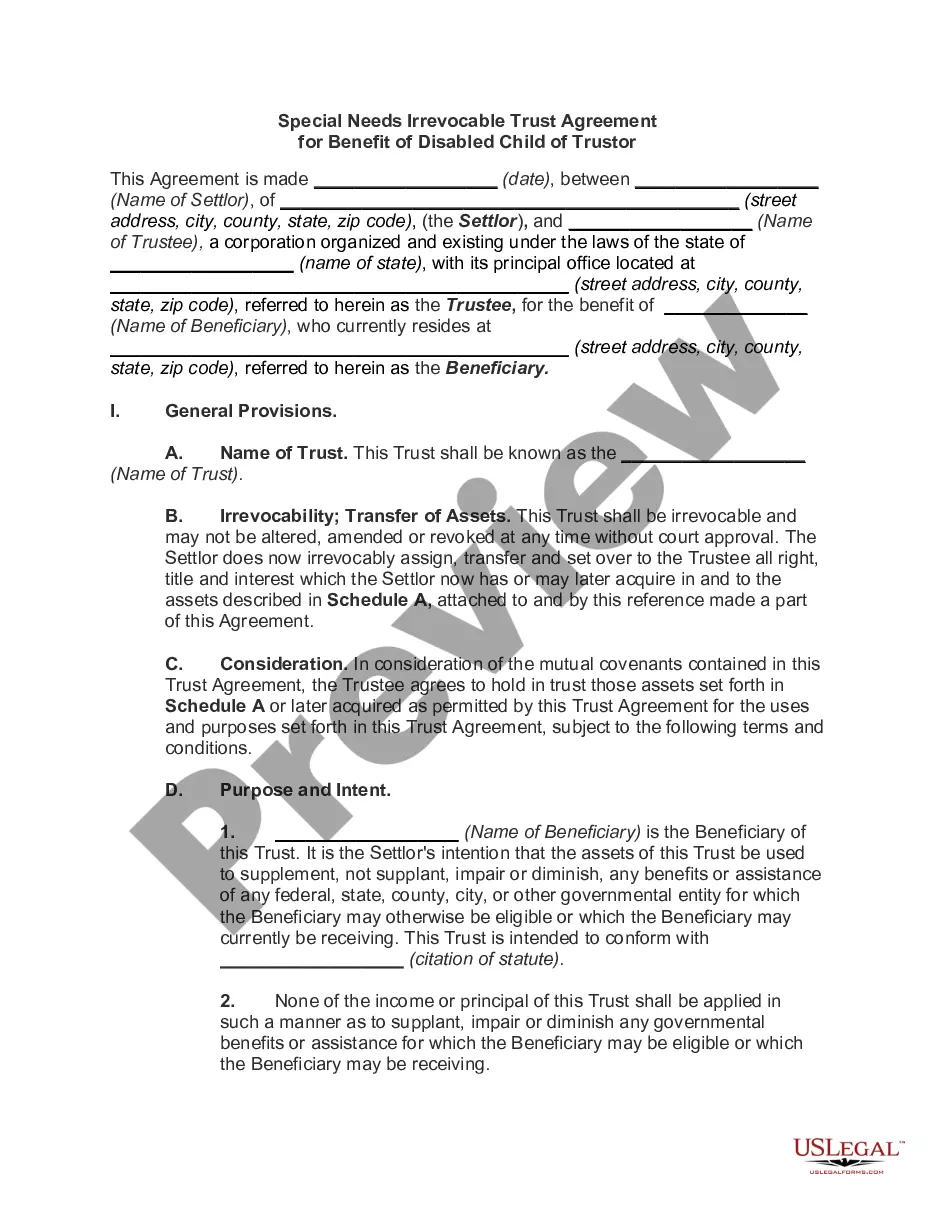
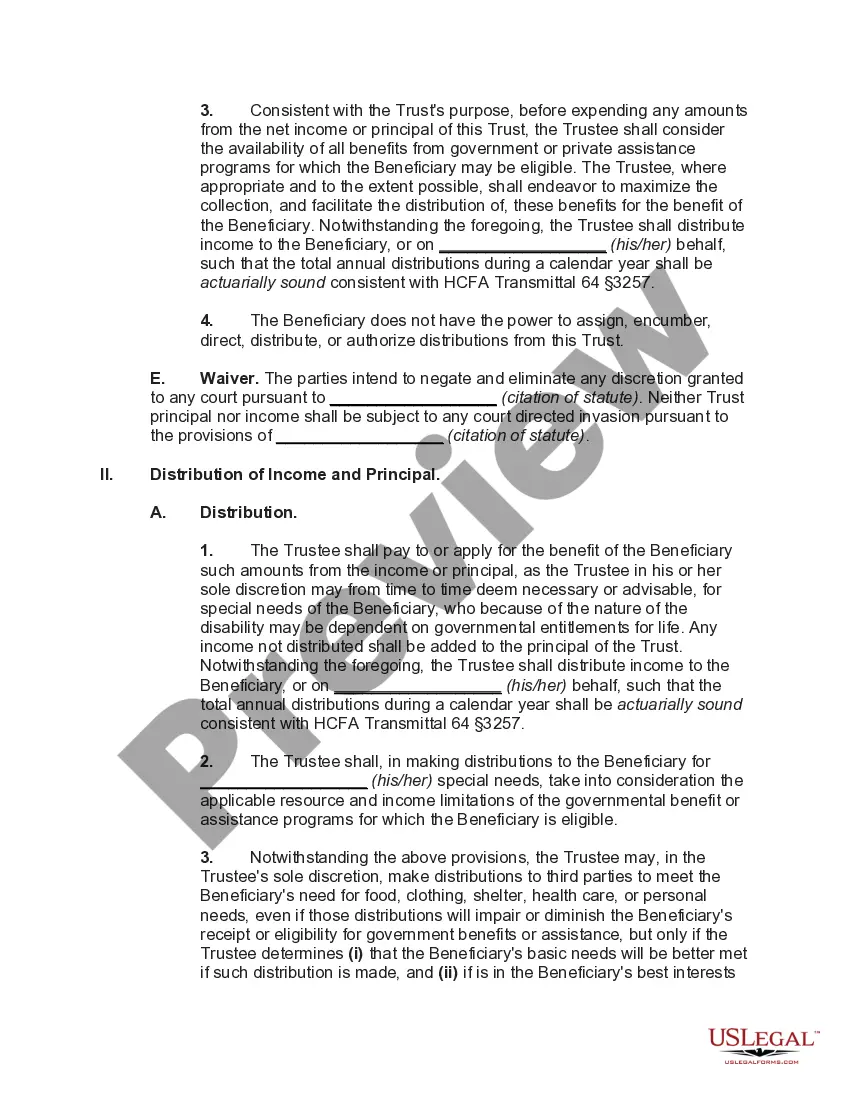
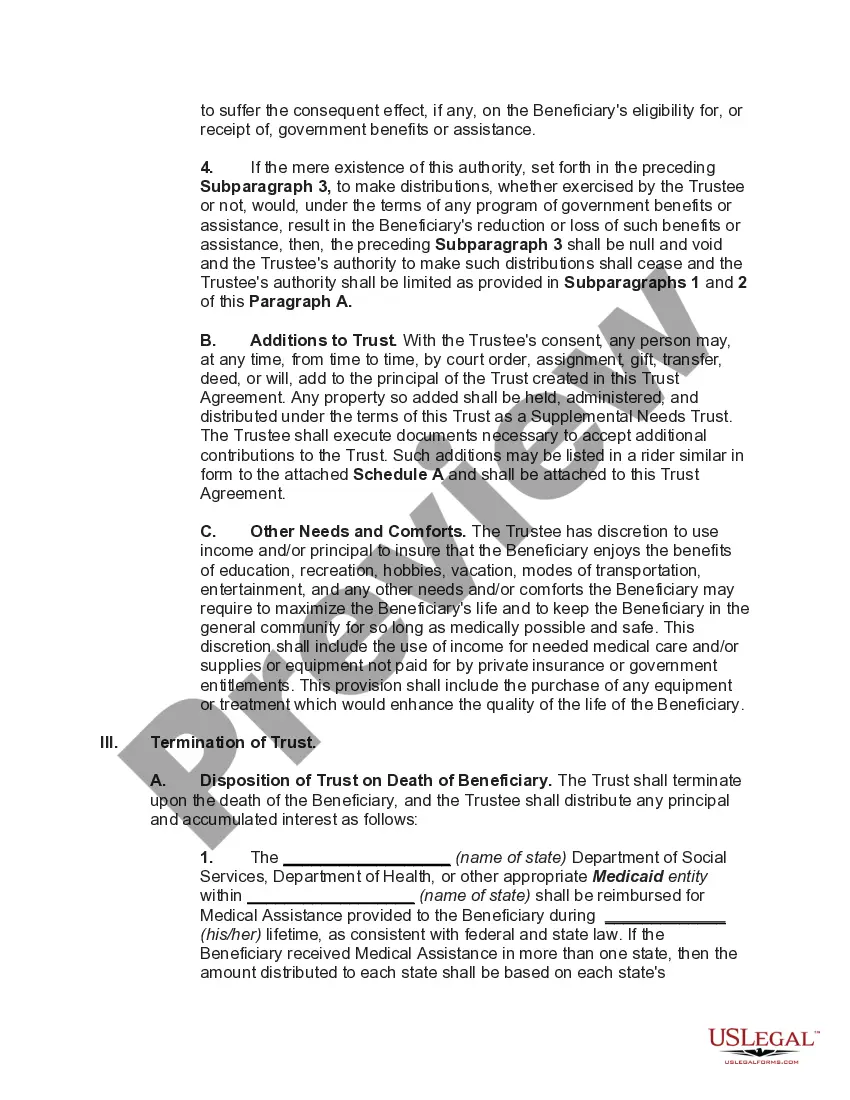
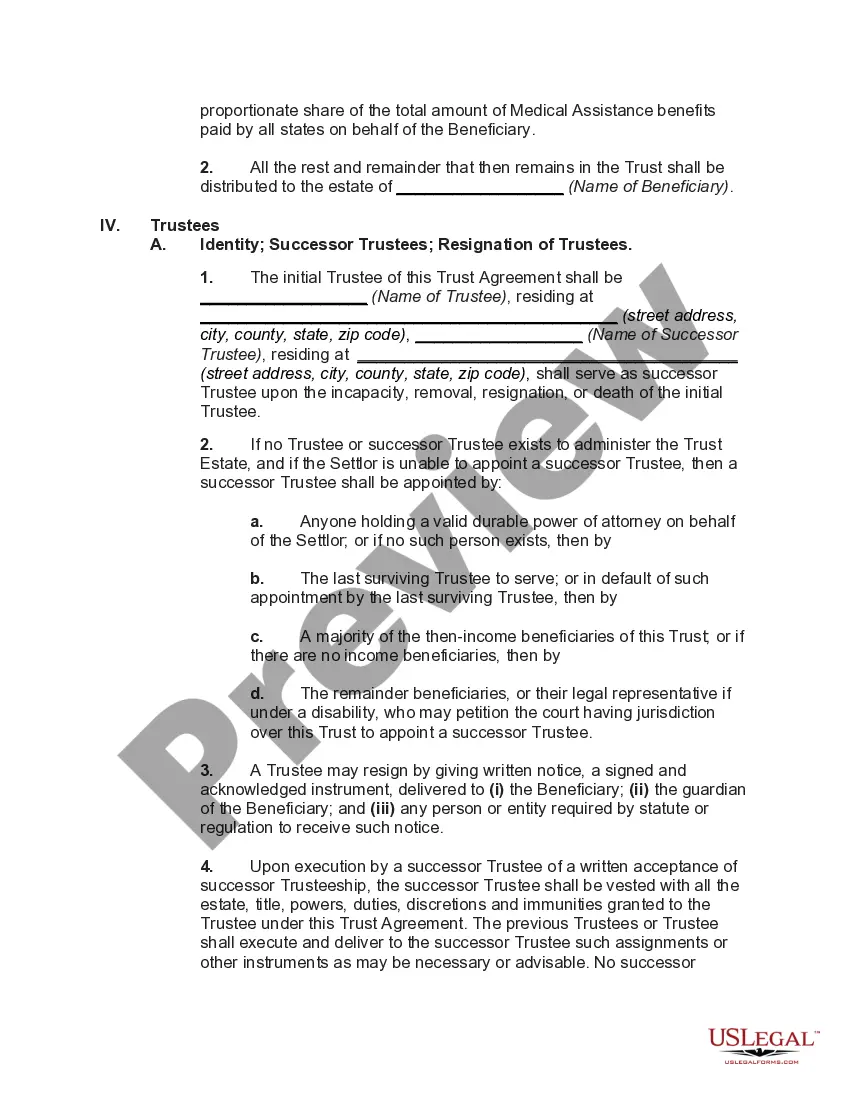
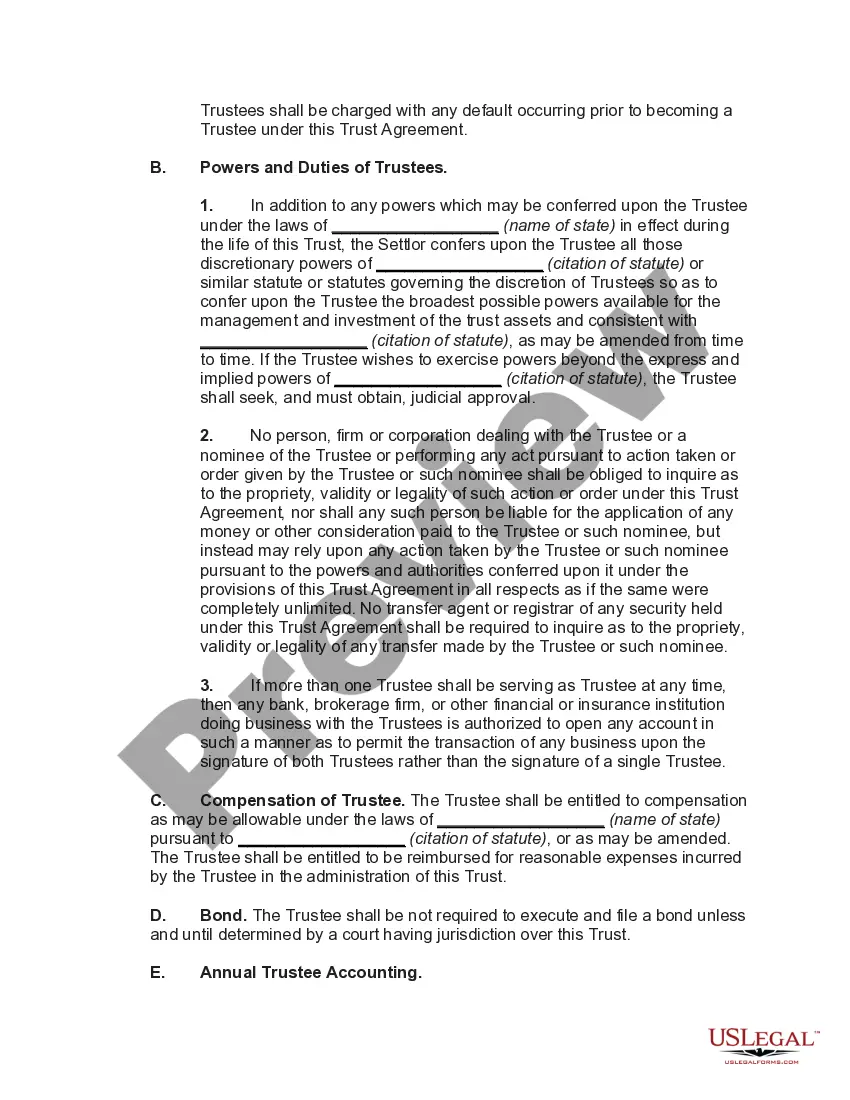
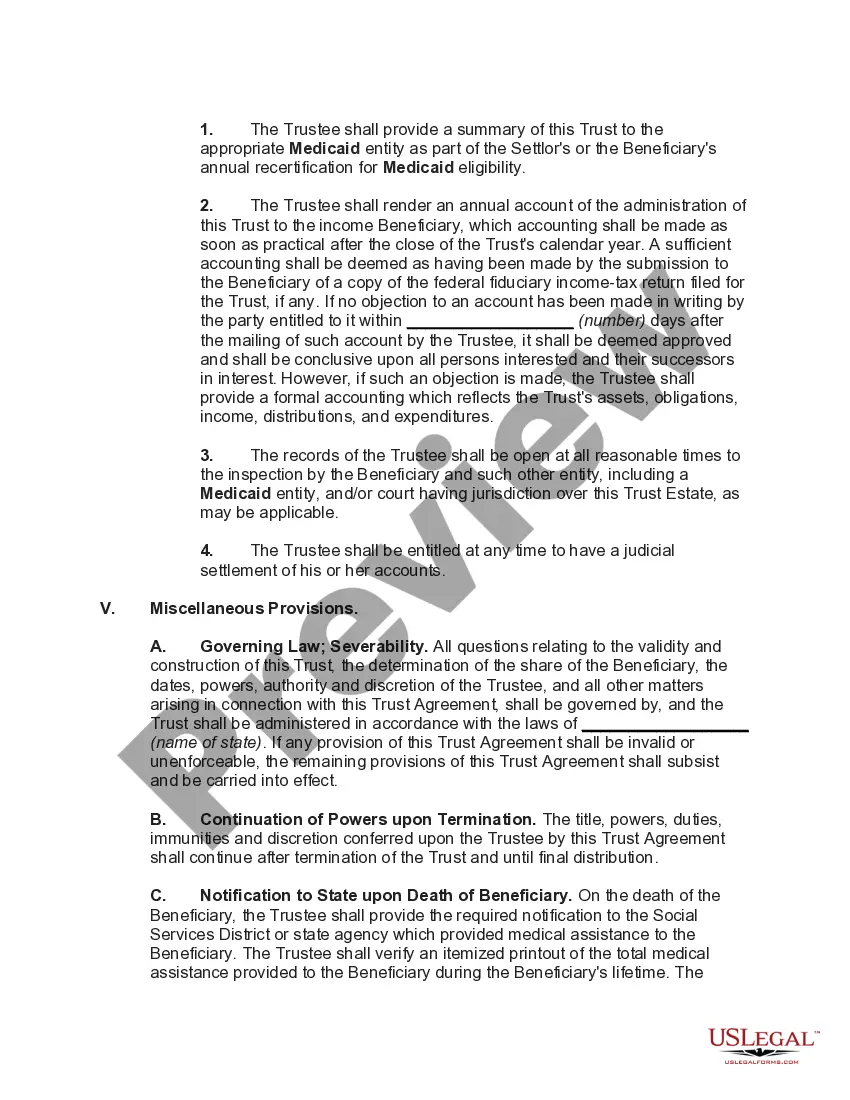
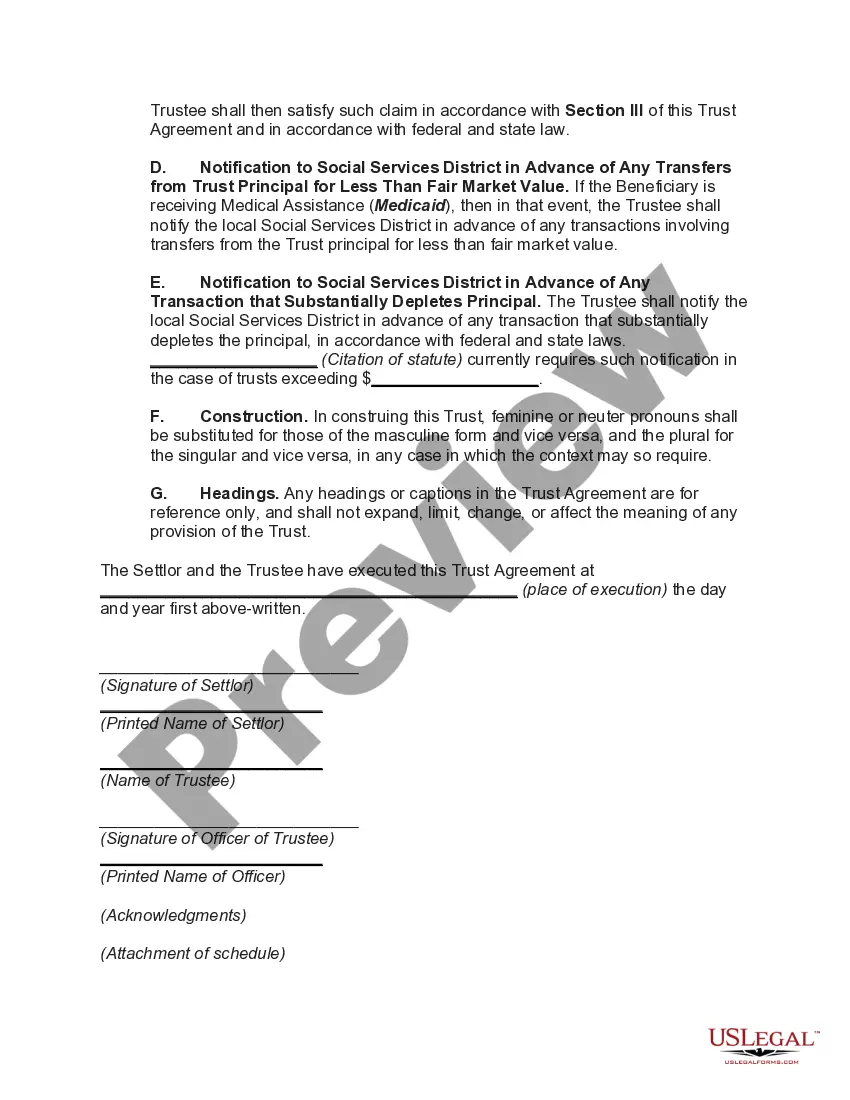
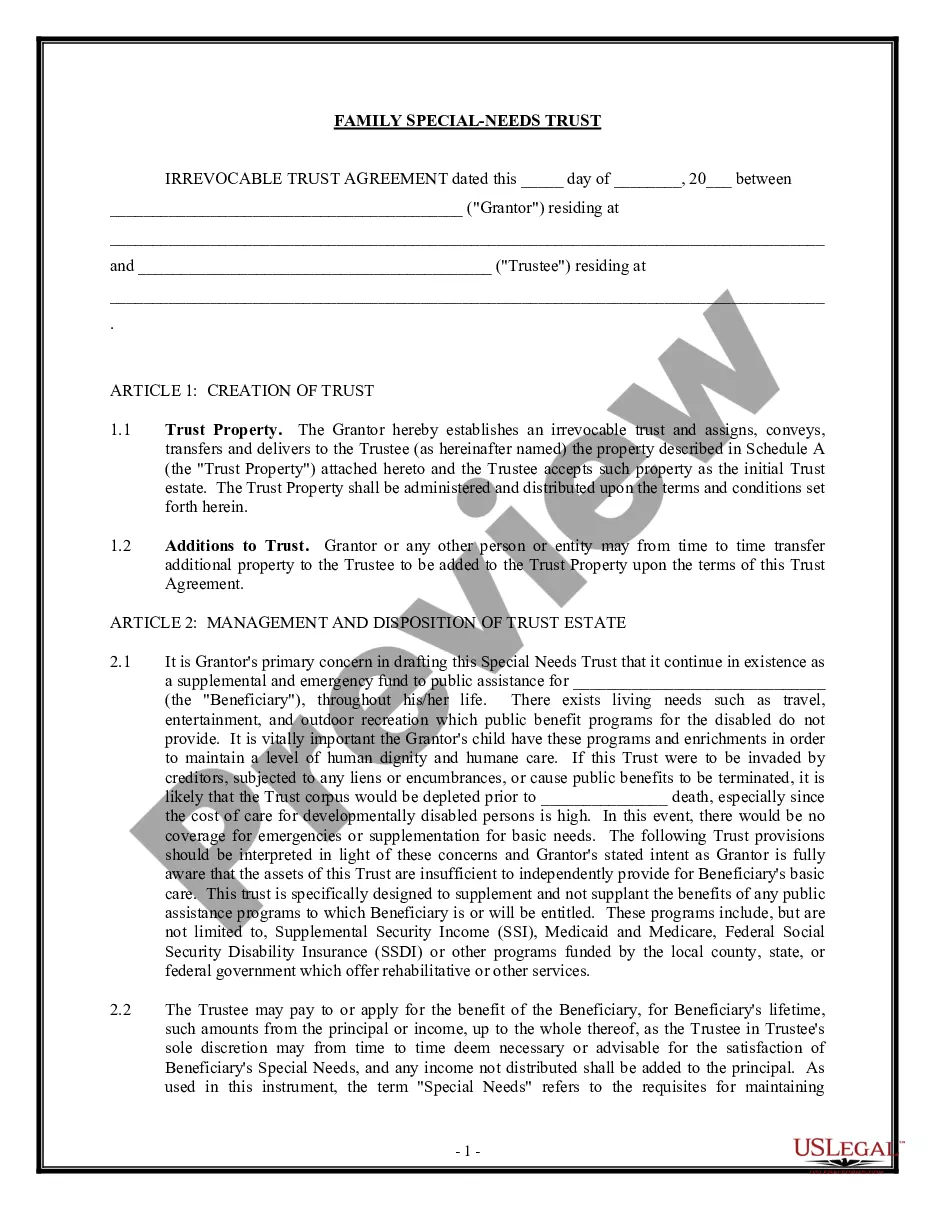
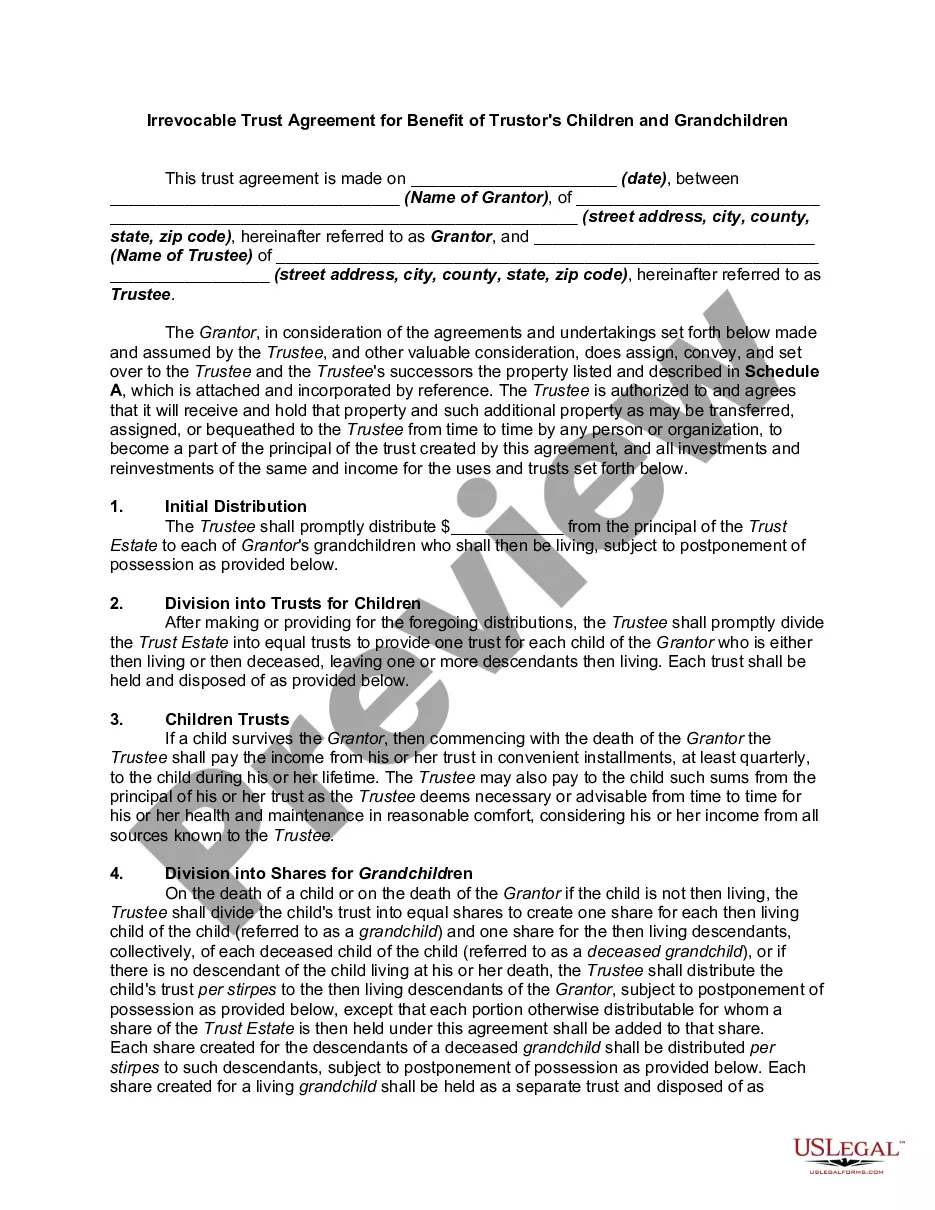
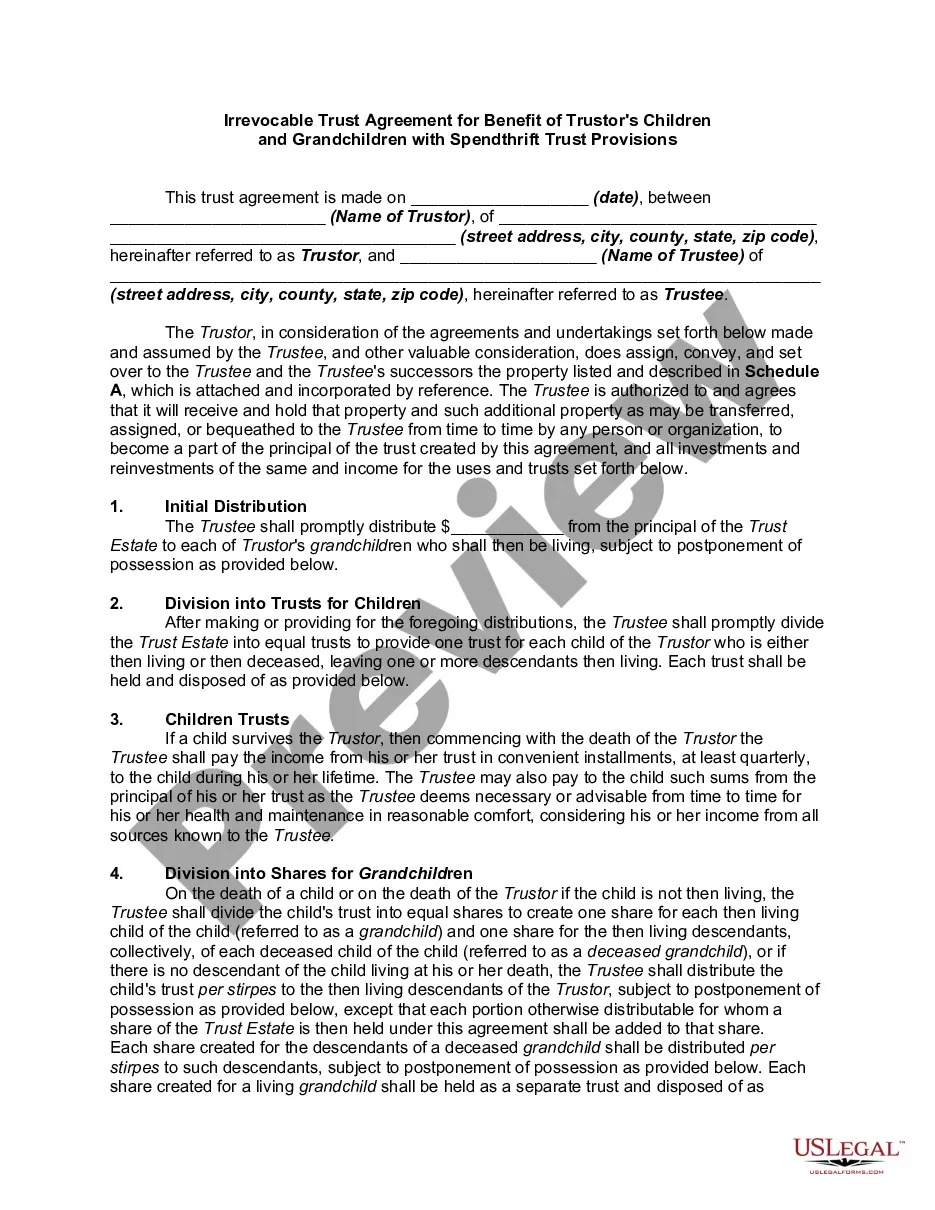
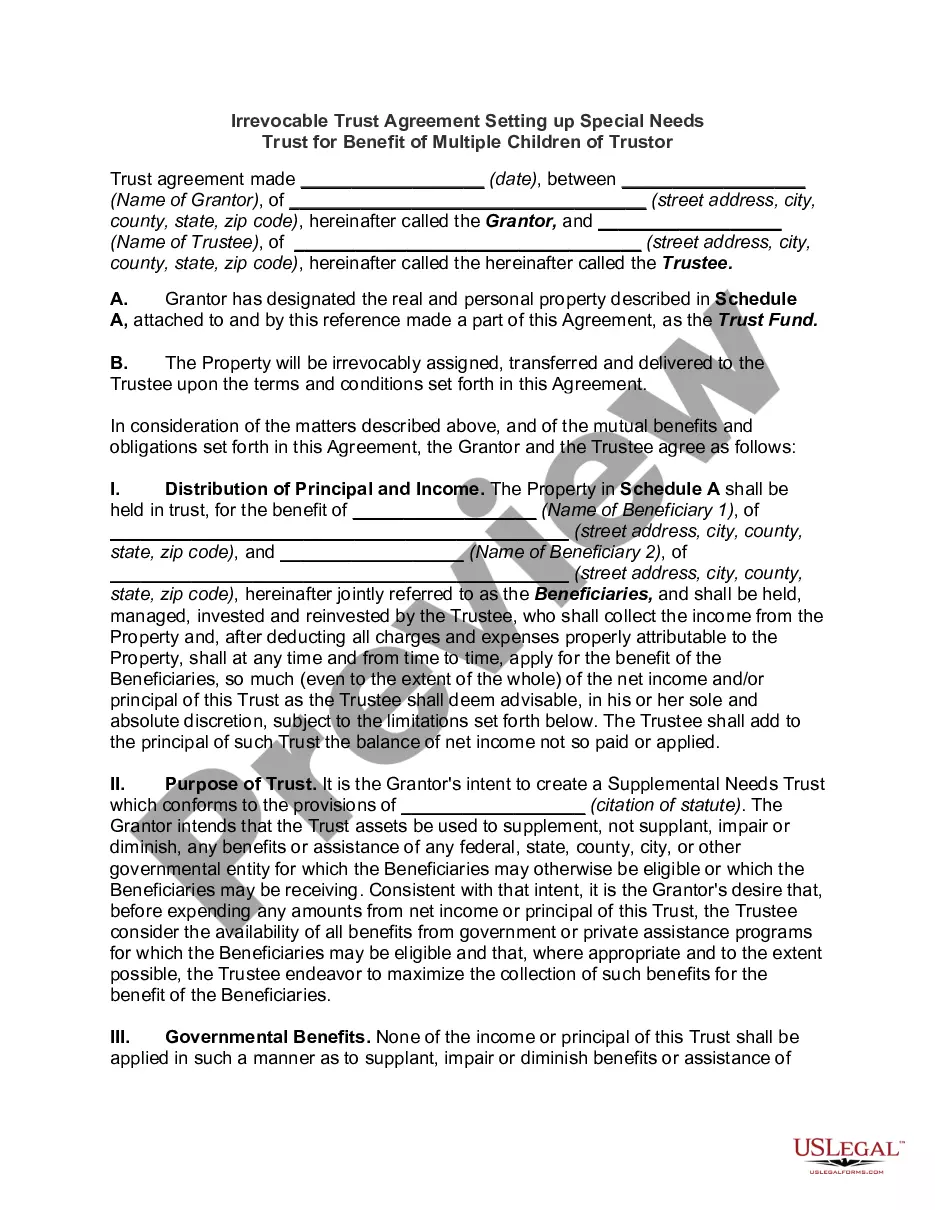
Get your form ready online
Our built-in tools help you complete, sign, share, and store your documents in one place.
Make edits, fill in missing information, and update formatting in US Legal Forms—just like you would in MS Word.
Download a copy, print it, send it by email, or mail it via USPS—whatever works best for your next step.
Sign and collect signatures with our SignNow integration. Send to multiple recipients, set reminders, and more. Go Premium to unlock E-Sign.
If this form requires notarization, complete it online through a secure video call—no need to meet a notary in person or wait for an appointment.
We protect your documents and personal data by following strict security and privacy standards.

Make edits, fill in missing information, and update formatting in US Legal Forms—just like you would in MS Word.

Download a copy, print it, send it by email, or mail it via USPS—whatever works best for your next step.

Sign and collect signatures with our SignNow integration. Send to multiple recipients, set reminders, and more. Go Premium to unlock E-Sign.

If this form requires notarization, complete it online through a secure video call—no need to meet a notary in person or wait for an appointment.

We protect your documents and personal data by following strict security and privacy standards.
Looking for another form?

How to fill out Special Needs Irrevocable Trust Agreement For Benefit Of Disabled Child Of Trustor?
- Log in to your US Legal Forms account if you are a returning user. Ensure your subscription is active; renew if necessary.
- Browse the available forms and review the description. Confirm that the form matches your requirements and local jurisdiction.
- Utilize the Search tab if you need a different template to find the most suitable document.
- Once you've found the correct form, click the 'Buy Now' button and select a suitable subscription plan; you'll need to create an account.
- Enter your payment details via credit card or PayPal to finalize your subscription purchase.
- After purchasing, download the form directly to your device. You can also access it later through the 'My Forms' section in your profile.
By following these steps, you can secure a well-prepared special needs trust that meets your or your loved one's needs. US Legal Forms offers a vast library of over 85,000 editable legal forms along with access to expert assistance for precise and effective document handling.
Get started today and ensure that you have the right tools for your legal needs!
Form popularity
FAQ
Choosing the right trustee for a special needs trust for an adult with autism is crucial. Ideally, the trustee should be someone who understands the unique needs of the beneficiary and can manage the trust responsibly. You may consider family members, trusted friends, or a professional fiduciary. Platforms like USLegalForms can help you evaluate your options and make an informed decision.
A disability trust, such as a special needs trust for an adult with autism, typically benefits individuals with disabilities that hinder their ability to manage their financial affairs. Generally, to qualify, the individual must demonstrate a mental or physical condition that affects daily living. The trust helps protect their eligibility for government assistance without compromising their benefits. Speak with professionals or refer to USLegalForms for guidance on eligibility criteria.
The minimum amount required to set up a special needs trust for an adult with autism often varies by state, but many trusts can begin with a nominal sum. It's important to consider the initial funding amount, as it can affect the trust's viability and the benefits your loved one will receive. Consult with a legal expert or a resource like USLegalForms to understand the specific regulations in your area. Planning ahead will ensure you meet the necessary requirements.
Setting up a special needs trust for an adult with autism without a lawyer is possible, but it can be risky. A lawyer ensures that the trust complies with state laws and serves its intended purpose. Mistakes in drafting can impact the benefits your loved one receives. Using a reliable platform like USLegalForms can guide you through the process and provide the necessary legal documents.
Building trust with an adult with autism involves clear communication, consistency, and respect for their boundaries. Engage them in activities they enjoy, providing a safe space for interaction. Be patient and attentive to their needs, which can help create a reassuring environment. This approach fosters a stronger relationship and shows that you are invested in their well-being, making it easier to discuss important topics like financial planning and special needs trusts.
Yes, autism is typically classified as a special need under various federal and state programs. This classification means that adults with autism may qualify for assistance, including educational support, financial benefits, and therapies. A special needs trust can help manage funds specifically for those living with autism, enhancing their ability to access necessary resources without losing essential benefits. Understanding the implications of this classification can empower families to secure the best outcomes.
Individuals with disabilities, such as adults with autism, can qualify for a special needs trust. The trust is designed to benefit those who may require additional support and resources beyond standard government programs. It safeguards assets while allowing the beneficiary to retain eligibility for SSI and Medicaid. If you believe your loved one may benefit from this arrangement, exploring options with a legal professional can clarify their eligibility.
A special needs trust for an adult with autism can protect assets while still allowing for Supplemental Security Income (SSI) benefits. This type of trust does not count as income or resources, so it should not affect your loved one's SSI eligibility. It's important to structure the trust correctly to ensure it meets federal and state requirements. Consulting a legal expert can guide you through the nuances of maintaining SSI benefits.
The minimum amount required to set up a special needs trust can vary based on state laws and specific trust requirements. However, even modest amounts can be effective in creating a meaningful support system for an adult with autism. Consulting with a legal expert, like those at US Legal Forms, can help you determine the appropriate setup for your needs.
The key difference lies in the intent and purpose of the trust. A special needs trust focuses on providing for the needs of an adult with autism while preserving their eligibility for public benefits, whereas a regular trust serves broader financial and estate planning purposes. Understanding this distinction can guide you in choosing the right type of trust based on individual circumstances.