Polyfill
Description
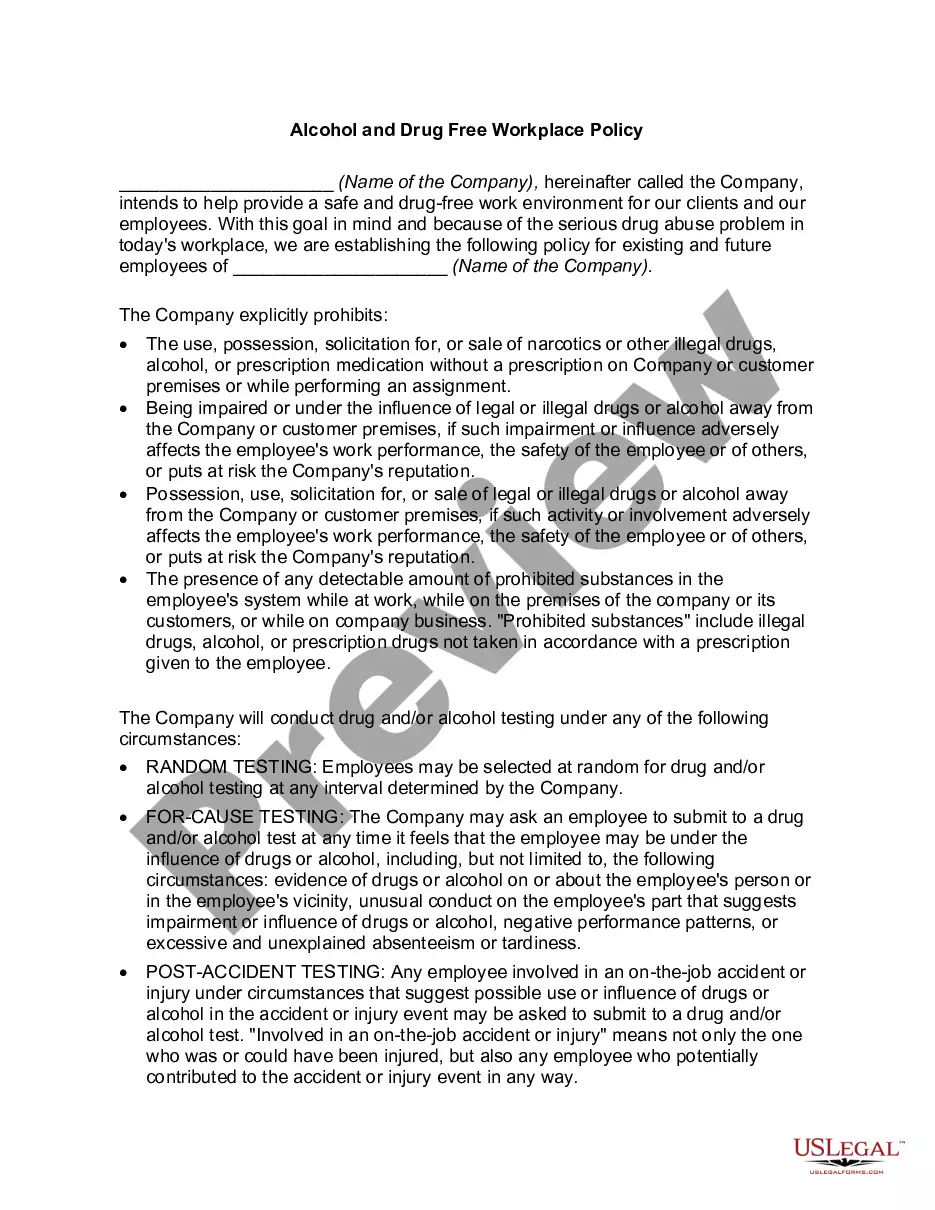

Get your form ready online
Our built-in tools help you complete, sign, share, and store your documents in one place.
Make edits, fill in missing information, and update formatting in US Legal Forms—just like you would in MS Word.
Download a copy, print it, send it by email, or mail it via USPS—whatever works best for your next step.
Sign and collect signatures with our SignNow integration. Send to multiple recipients, set reminders, and more. Go Premium to unlock E-Sign.
If this form requires notarization, complete it online through a secure video call—no need to meet a notary in person or wait for an appointment.
We protect your documents and personal data by following strict security and privacy standards.

Make edits, fill in missing information, and update formatting in US Legal Forms—just like you would in MS Word.

Download a copy, print it, send it by email, or mail it via USPS—whatever works best for your next step.

Sign and collect signatures with our SignNow integration. Send to multiple recipients, set reminders, and more. Go Premium to unlock E-Sign.

If this form requires notarization, complete it online through a secure video call—no need to meet a notary in person or wait for an appointment.

We protect your documents and personal data by following strict security and privacy standards.
Looking for another form?



How to fill out Alcohol And Drug Free Workplace Policy?
- If you’re a returning user, start by logging into your account. Make sure your subscription is still active to access your documents.
- For new users, begin by searching through the extensive online library to find the legal form that fits your jurisdiction and requirements.
- Utilize the Preview mode to ensure you've selected the correct form before proceeding. If you need an alternative, use the search tab to find another template.
- After selecting your form, click the Buy Now button and choose your preferred subscription plan. You'll need to sign up to access the full library.
- Complete your purchase by entering your credit card information or linking your PayPal account to finalize your subscription.
- Download the form onto your device to complete the documentation, and remember you can always access it later in the My Forms section of your profile.
By following these steps, you can take full advantage of the vast resources and expert assistance that US Legal Forms offers. This ensures that your legal documents are precise and valid.
Ready to simplify your legal document process? Visit US Legal Forms today and explore the benefits for yourself.
Form popularity
FAQ
You can dry polyfill in a dryer, but always opt for the air fluff or low heat setting. High temperatures can melt or clump the filling. To maintain the polyfill's shape, monitor the drying process closely. When done correctly, it will restore fluffiness and freshness to your polyester stuffing.
In a sub box, polyfill serves as a protective cushion to keep contents secure during shipping. This lightweight material absorbs shock and prevents items from shifting. By choosing polyfill as a packing material, you enhance the safety of your deliveries. It’s an economical and efficient way to package delicate items.
To stuff cushions without lumps, use small handfuls of polyfill, distributing it evenly throughout the cushion cover. Fluff and press the stuffing to ensure it fills the entire shape of the cushion. Providing even pressure as you fill helps maintain its form. This attention to detail creates comfortable and attractive cushions.
To fix lumpy stuffing, you can try breaking apart the clumps gently by hand. If the stuffing is synthetic, putting it in the dryer on a low or no-heat setting can also help. Additionally, fluffing the stuffing while you restuff the item can create a smooth, even fill. Focusing on proper technique will prevent future lumps.
You should avoid putting items like rubber-backed rugs, delicate fabrics, or clothing with embellishments in the dryer. Additionally, avoid items with a high polyester content if you do not use the correct setting. Always verify the care label before drying any stuffed items with polyfill to prevent damage.
Yes, polyfill can be put in the dryer, provided you select the appropriate setting. Use low heat or the no-heat air cycle to prevent damaging the filling. Adding dryer balls can assist in keeping the polyfill fluffy. Always monitor the process to avoid any potential mishaps.
Polyester stuffing can go in the dryer, but caution is advised. It's best to use the air fluff setting without any heat. Heat can damage the fibers and alter their shape. If you use the dryer properly, it can help restore loftiness to the polyfill.
To ensure stuffing is not lumpy, always break apart the polyfill before using it. Gently pull and separate the fibers to create a light texture. Distributing small amounts of polyfill uniformly while stuffing will give you a plush and balanced fill without lumps. This technique is particularly effective for pillows and plush toys.
To stuff toys without lumps, use small amounts of polyfill at a time. Distribute the filling evenly while pushing it into the corners and crevices of the toy. Take your time and fluff the polyfill as you go. This method will help create a smooth, even stuffing without any lumps.
Putting polyester in the dryer can potentially damage the filling if the heat setting is too high. Polyester may melt or become misshapen. It is safer to use the low heat or air fluff setting for polyfill. Always check the care label for specific instructions to ensure your stuffing retains its quality.