Drug Workplace Act For The Public
Description
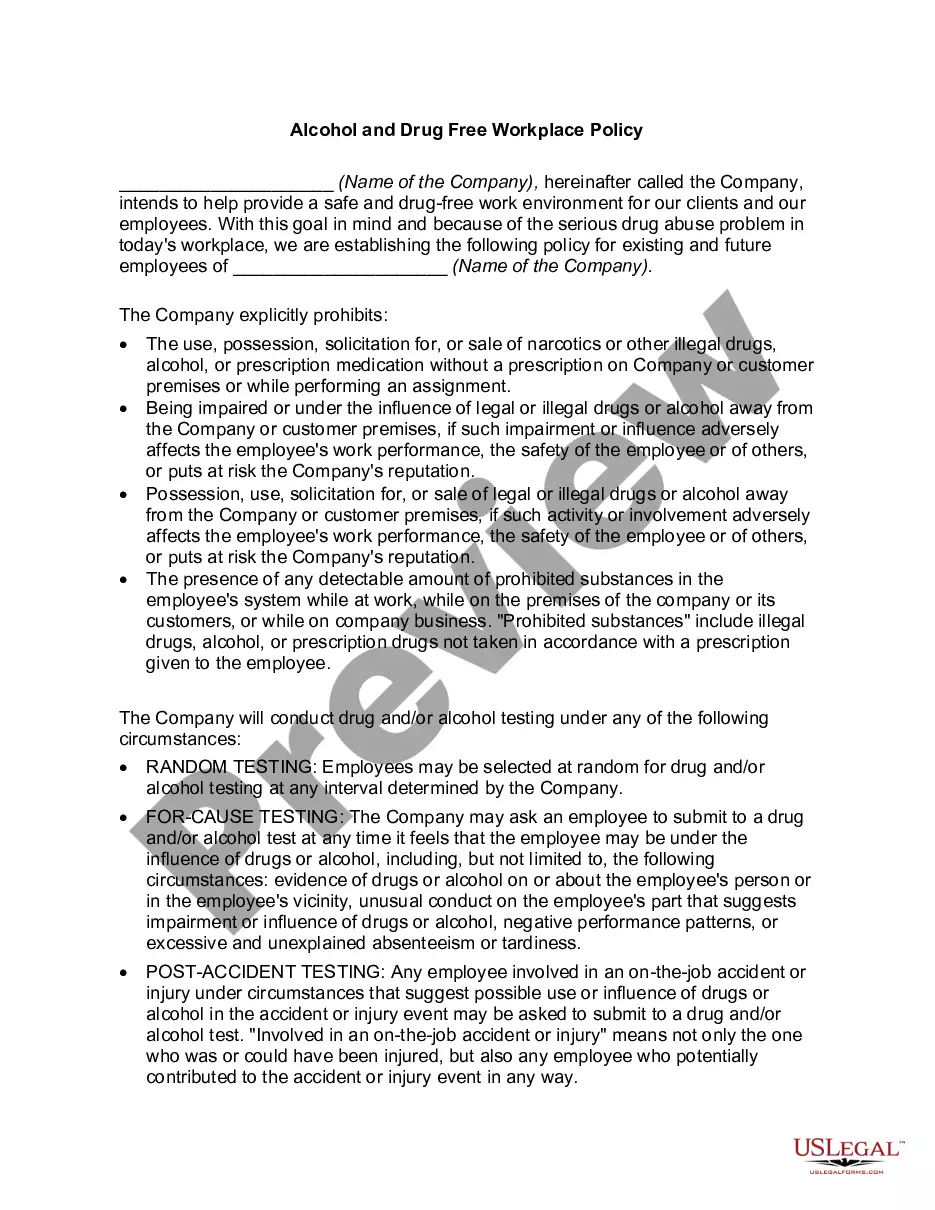
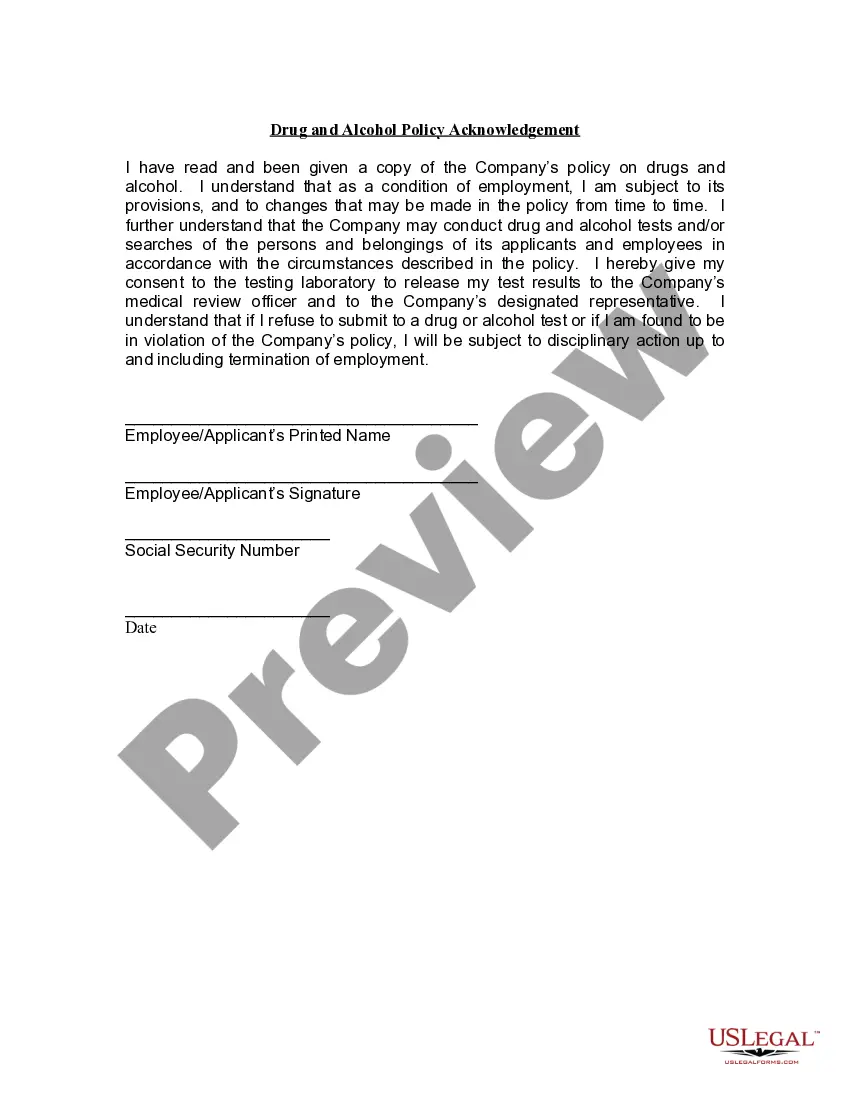
Get your form ready online
Our built-in tools help you complete, sign, share, and store your documents in one place.
Make edits, fill in missing information, and update formatting in US Legal Forms—just like you would in MS Word.
Download a copy, print it, send it by email, or mail it via USPS—whatever works best for your next step.
Sign and collect signatures with our SignNow integration. Send to multiple recipients, set reminders, and more. Go Premium to unlock E-Sign.
If this form requires notarization, complete it online through a secure video call—no need to meet a notary in person or wait for an appointment.
We protect your documents and personal data by following strict security and privacy standards.

Make edits, fill in missing information, and update formatting in US Legal Forms—just like you would in MS Word.

Download a copy, print it, send it by email, or mail it via USPS—whatever works best for your next step.

Sign and collect signatures with our SignNow integration. Send to multiple recipients, set reminders, and more. Go Premium to unlock E-Sign.

If this form requires notarization, complete it online through a secure video call—no need to meet a notary in person or wait for an appointment.

We protect your documents and personal data by following strict security and privacy standards.
Looking for another form?
How to fill out Alcohol And Drug Free Workplace Policy?
- Log into your US Legal Forms account. If you've used our service before, simply sign in and check your subscription status.
- Preview the necessary forms. Browse our extensive library to find the specific template that aligns with your needs and jurisdiction.
- Search for alternatives if needed. If you do not find the right form, utilize the Search tab to locate a more suitable option.
- Purchase your selected document. Click the 'Buy Now' button and select a subscription plan. Create an account for comprehensive access to our library.
- Complete your transaction. Enter your payment details using a credit card or PayPal to finalize your subscription.
- Download your legally compliant form. Save it directly to your device and find it anytime under the My Forms section of your profile.
By following these straightforward steps, you can efficiently obtain the necessary documentation to adhere to the Drug Workplace Act for the public. US Legal Forms' extensive library ensures that both individuals and attorneys can quickly execute legal documents without hassle.
Start your journey towards legal compliance by accessing US Legal Forms today!
Form popularity
FAQ
To create an effective drug prevention program under the Drug Workplace Act for the public, start by assessing the specific needs of your organization. Engage employees in discussions to identify concerns and gather input. Next, develop clear policies that outline expectations and consequences regarding drug use. Finally, implement training sessions and educational resources to raise awareness about the impacts of drug use in the workplace, and consider utilizing platforms like US Legal Forms for comprehensive legal resources.
Special needs used to justify employee drug testing typically target safety-sensitive positions, such as those involving heavy machinery or public safety roles. The Drug Workplace Act for the public recognizes that certain jobs carry inherent risks that necessitate strict drug testing. By focusing on these positions, employers can help protect not only their workforce but also the public. Visit USLegalForms to learn more about developing tailored drug testing policies.
Random drug testing can be constitutional, depending on how it is implemented and justified under the Drug Workplace Act for the public. Courts often evaluate whether the government's interests in workplace safety outweigh employees' privacy rights. Employers must establish an appropriate balance and adhere to legal guidelines to avoid constitutional issues. Consult resources from USLegalForms for best practices on implementing random testing.
To justify drug testing for public employees, employers must demonstrate a reasonable suspicion or establish a clear policy under the Drug Workplace Act for the public. This policy should outline the circumstances under which testing is conducted, such as safety concerns and specific job requirements. Ensuring transparency in the process can help avoid legal challenges. For detailed templates and compliance documents, explore USLegalForms.
The 4th Amendment protects individuals from unreasonable searches and seizures, which includes drug testing in the workplace. However, the Drug Workplace Act for the public allows for certain exceptions, especially concerning public employees. Employers must follow established protocols to ensure their drug testing policies comply with constitutional requirements. To understand how this applies to your situation, consider using resources from USLegalForms for guidance.
Most employers will inform you if drug testing is a requirement for the position during the hiring process. Look for mentions of drug screening in job postings, application materials, or employee handbooks. Understanding the Drug Workplace Act for the public can also provide insights into standard practices for drug testing in various fields, giving you confidence about what to expect during the hiring process.
To find out if you passed your e-screen drug test, you should receive a notification from your employer or the testing facility. Results are usually communicated directly, either through email or a formal letter. If there are any uncertainties, contacting your HR department is the best way to clarify your situation and understand how the Drug Workplace Act for the public impacts your employment status.
To determine if your position is a TDP, review your job description and any relevant company policies regarding drug testing. Typically, roles that require safety-sensitive tasks, such as operating machinery or managing public safety, qualify as TDPs. If you still have questions, consult your HR department or refer to the Drug Workplace Act for the public for guidance.
For drug tests of public employees to be justified, there must be a clear policy in place that outlines the rationale for testing, the substances being tested, and the procedures involved. The Drug Workplace Act for the public emphasizes that testing should be conducted fairly and consistently to avoid discrimination. Organizations should also maintain transparency to ensure all employees understand their rights and responsibilities regarding drug testing.
When an employee in a TDP is found using illicit drugs on a random drug test, disciplinary action is usually required. The specific consequences depend on the organization's policies but often include suspension or termination. It is vital for employers to follow the guidelines of the Drug Workplace Act for the public to ensure fairness and maintain a safe working environment.