Drug Under Influence For The Body
Description
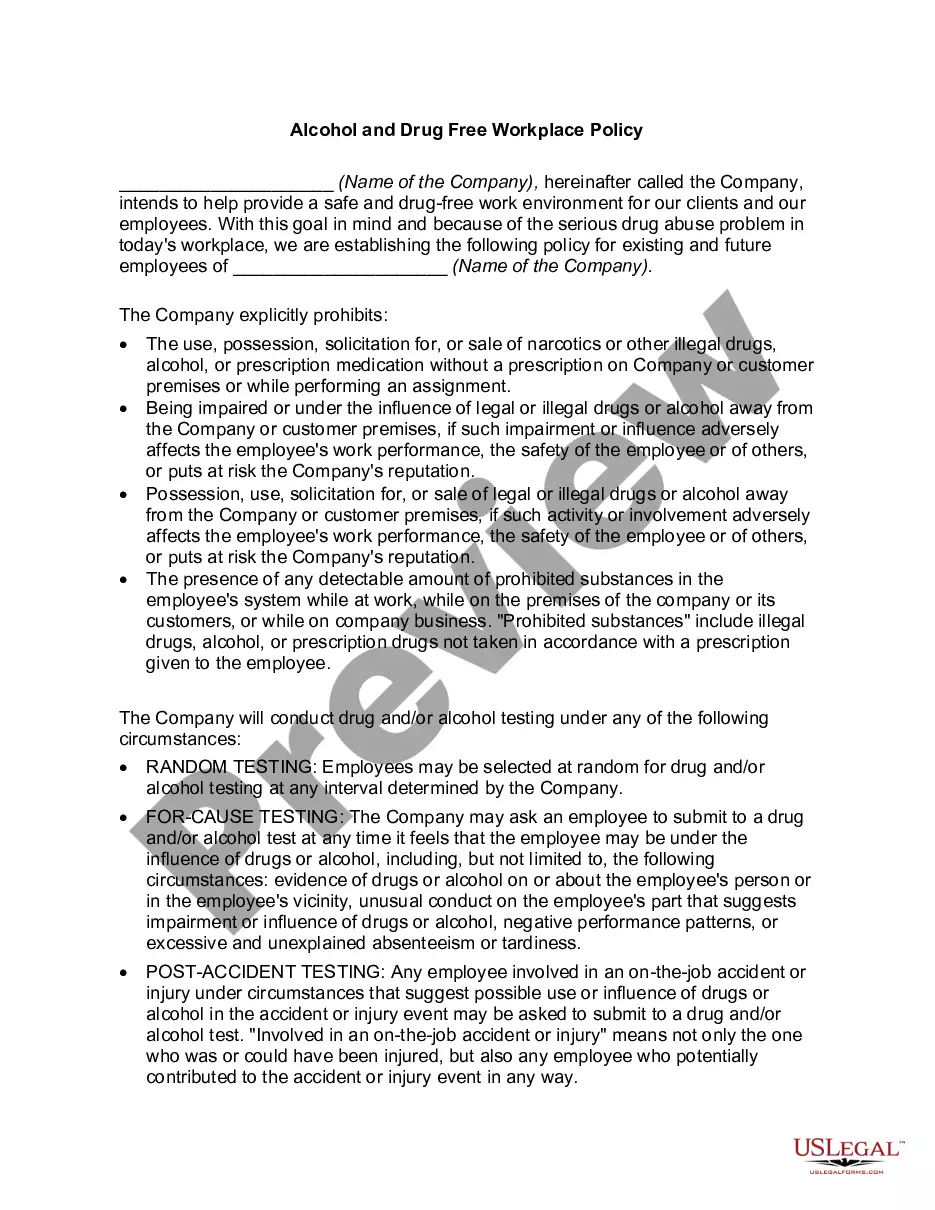
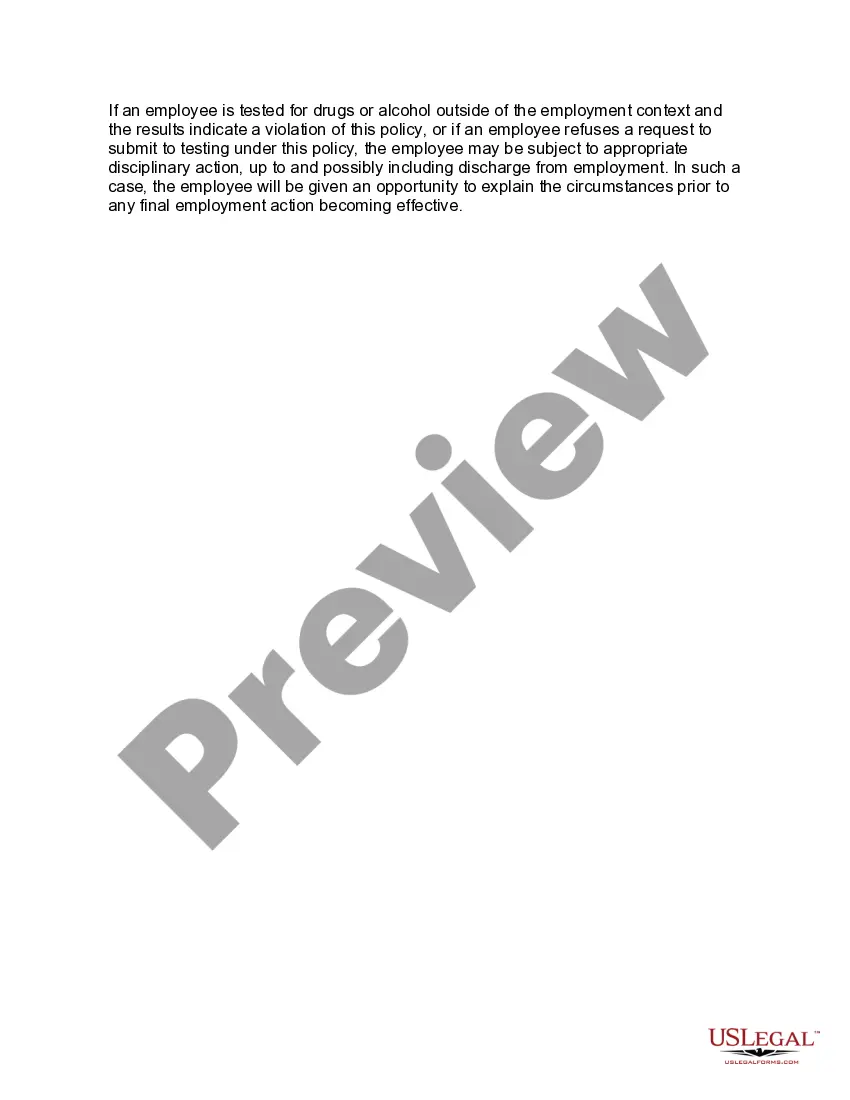
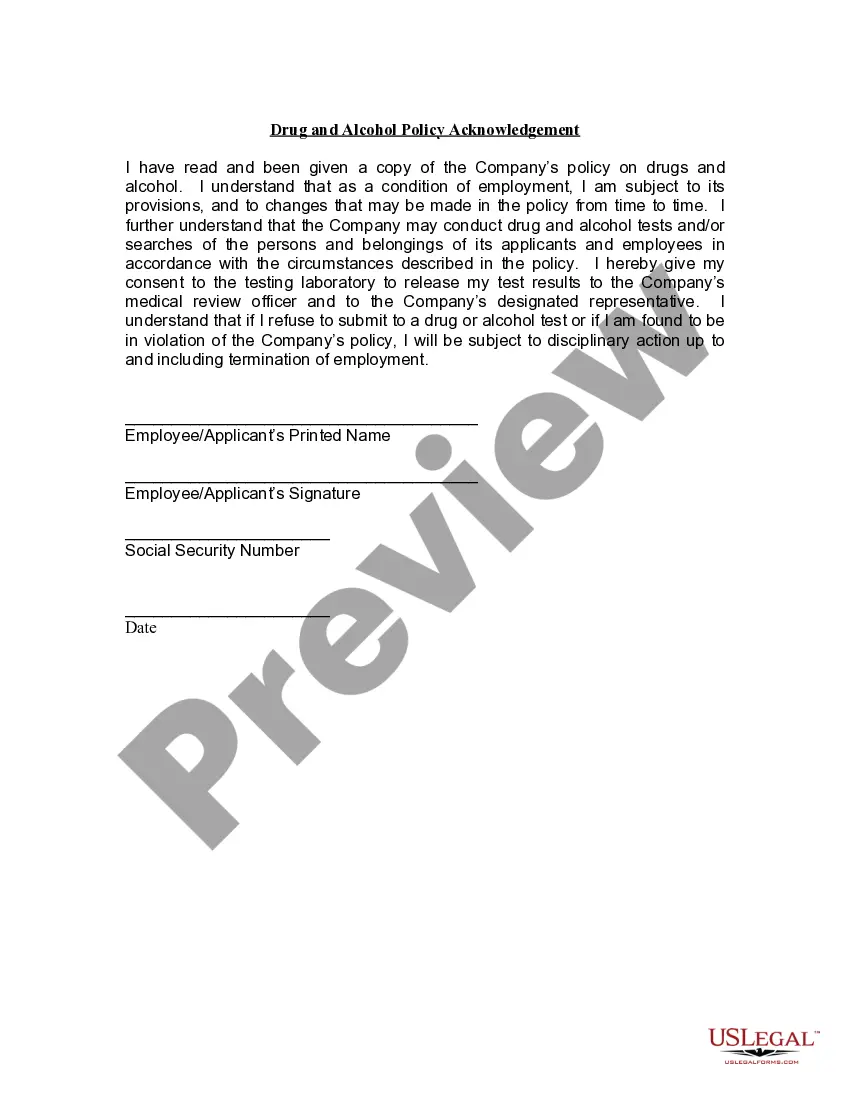
Get your form ready online
Our built-in tools help you complete, sign, share, and store your documents in one place.
Make edits, fill in missing information, and update formatting in US Legal Forms—just like you would in MS Word.
Download a copy, print it, send it by email, or mail it via USPS—whatever works best for your next step.
Sign and collect signatures with our SignNow integration. Send to multiple recipients, set reminders, and more. Go Premium to unlock E-Sign.
If this form requires notarization, complete it online through a secure video call—no need to meet a notary in person or wait for an appointment.
We protect your documents and personal data by following strict security and privacy standards.

Make edits, fill in missing information, and update formatting in US Legal Forms—just like you would in MS Word.

Download a copy, print it, send it by email, or mail it via USPS—whatever works best for your next step.

Sign and collect signatures with our SignNow integration. Send to multiple recipients, set reminders, and more. Go Premium to unlock E-Sign.

If this form requires notarization, complete it online through a secure video call—no need to meet a notary in person or wait for an appointment.

We protect your documents and personal data by following strict security and privacy standards.
Looking for another form?
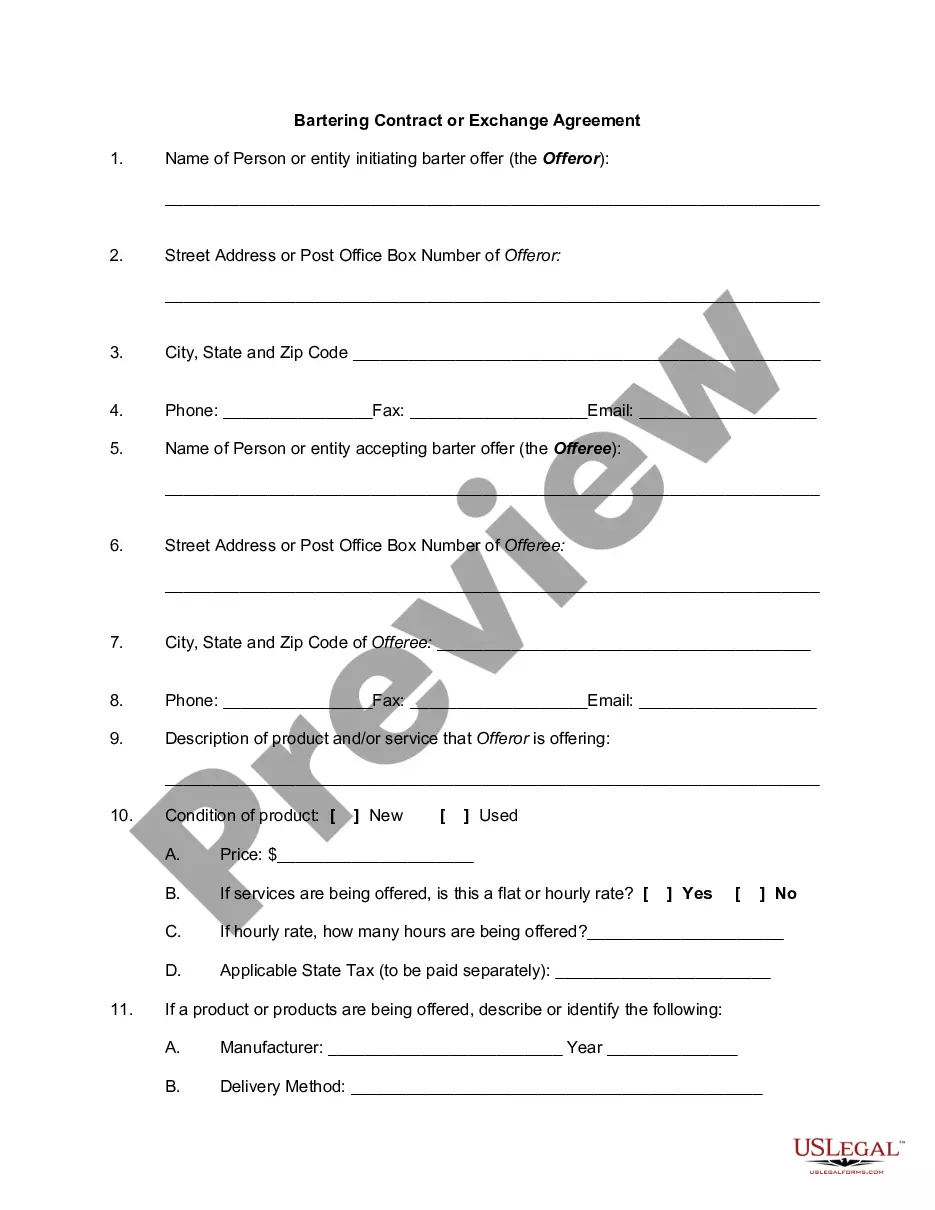

How to fill out Alcohol And Drug Free Workplace Policy?
- If you have an account, log in and check your subscription status. Renew if necessary, then download the required form.
- For new users, start by exploring the Preview mode and form descriptions to confirm you choose the correct document that aligns with your needs.
- If needed, utilize the Search tab to find alternative templates until you discover one that meets your requirements.
- Once you find the right form, click the Buy Now button and select your preferred subscription plan. Create an account to access all resources.
- Complete your purchase by entering your credit card information or using your PayPal account.
- Download your form and save it to your device. You can always access it later in the My Forms section.
By utilizing the extensive library at US Legal Forms, you ensure that you have the most comprehensive and legally sound documents available.
Don’t let legal challenges overwhelm you; start today and access over 85,000 fillable legal forms with expert support when needed.
Form popularity
FAQ
The process of the body getting used to a drug involves physiological changes that develop over time, such as increased tolerance from repeated exposure. As the body adjusts, you may need higher doses to feel the same effects. Recognizing this process is vital when discussing the drug under influence for the body, as it can lead to potential risks.
The drug use process generally starts with experimentation, followed by regular use, and can progress to dependency or addiction. Each stage represents a deeper engagement with the drug and affects the drug under influence for the body in various ways. It is critical to recognize these stages to seek help if needed.
The fastest way to take drugs typically involves methods like injection or inhalation. These methods allow substances to enter the bloodstream more quickly, leading to rapid effects. Understanding the speed of drug intake is essential for discussing the drug under influence for the body, as it can impact health outcomes significantly.
Determining if you are under the influence of drugs often depends on the substance type and its effects on your body and mind. If you notice changes in perception, coordination, or judgment, you may be experiencing the influence of drugs. This awareness is crucial for understanding the drug under influence for the body and making informed choices.
The most common way for drugs to enter the body is through ingestion. You may swallow a pill, drink a liquid, or consume food infused with a drug. This method of entry is a vital aspect of the drug under influence for the body, as it directly affects how quickly and efficiently the drug takes effect.
The body adapts to drugs through processes like increased metabolic activity and receptor desensitization. These changes occur as the body seeks to restore balance when a drug is present. Understanding this adaptation is key for anyone discussing drug under influence for the body, as it highlights the body's resilience and complexity.
When your body adapts to a drug, it is known as tolerance. Tolerance means that over time, your body requires more of the substance to achieve the same effect. This adjustment can significantly impact how drugs affect you and is an important consideration in the drug under influence for the body discussion.
The four stages of drug action in the body include absorption, distribution, metabolism, and excretion. First, drugs are absorbed into the bloodstream, then they distribute throughout the body. After distribution, drugs undergo metabolism, where they break down into smaller components. Finally, the body excretes these substances, thus completing the cycle of drug under influence for the body.
Drugs of abuse can enter the body through four primary routes: ingestion, inhalation, injection, and transdermal absorption. Each method leads to different effects, and understanding these can help in identifying the drug under influence for the body. Knowledge of these routes is essential for effective prevention and intervention strategies.
The term commonly used for drug effects is 'pharmacological effect.' This refers to the specific changes that occur in the body as a result of the drug under influence for the body. It encompasses both desired and undesired effects, with implications for health and safety.