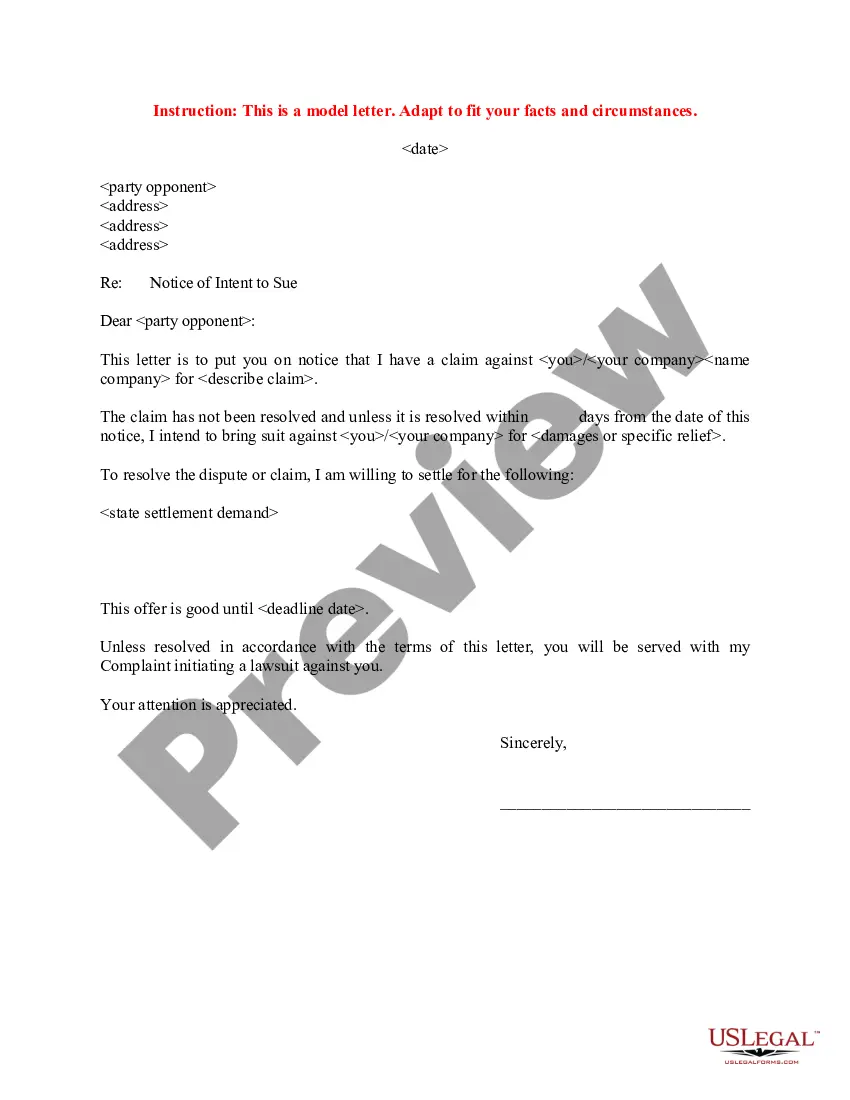
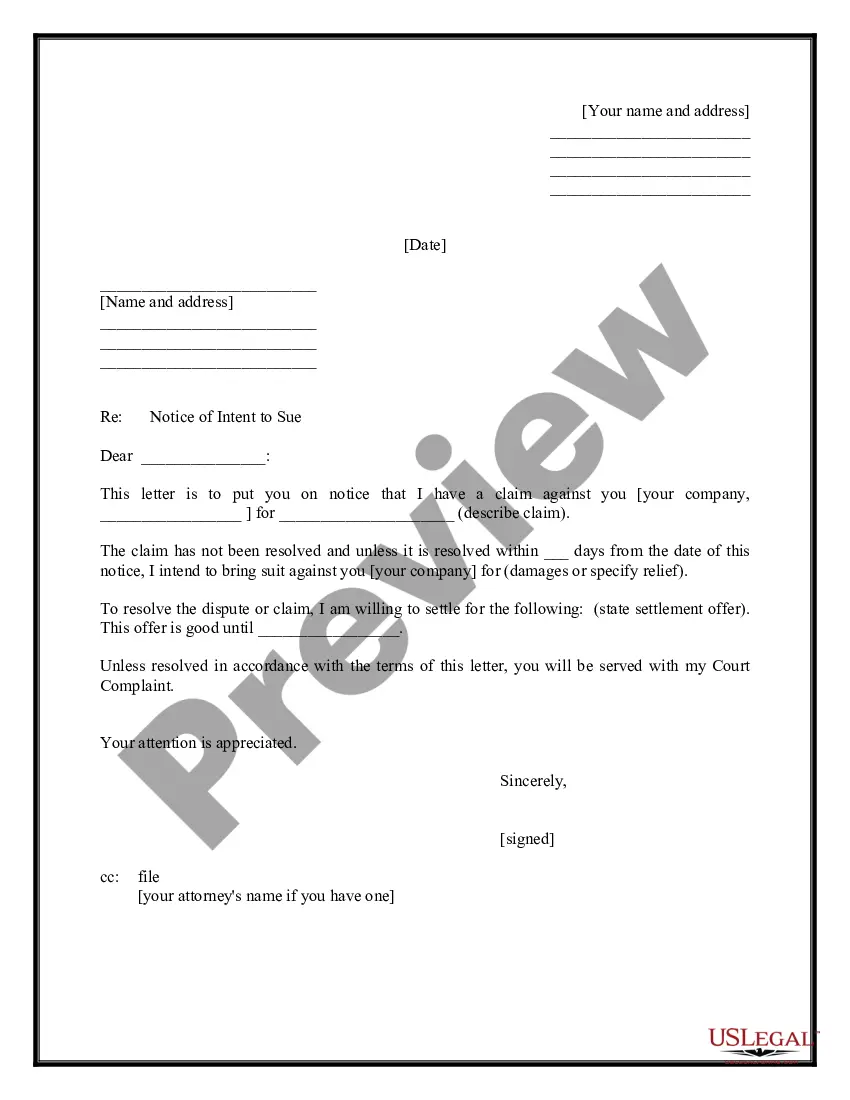
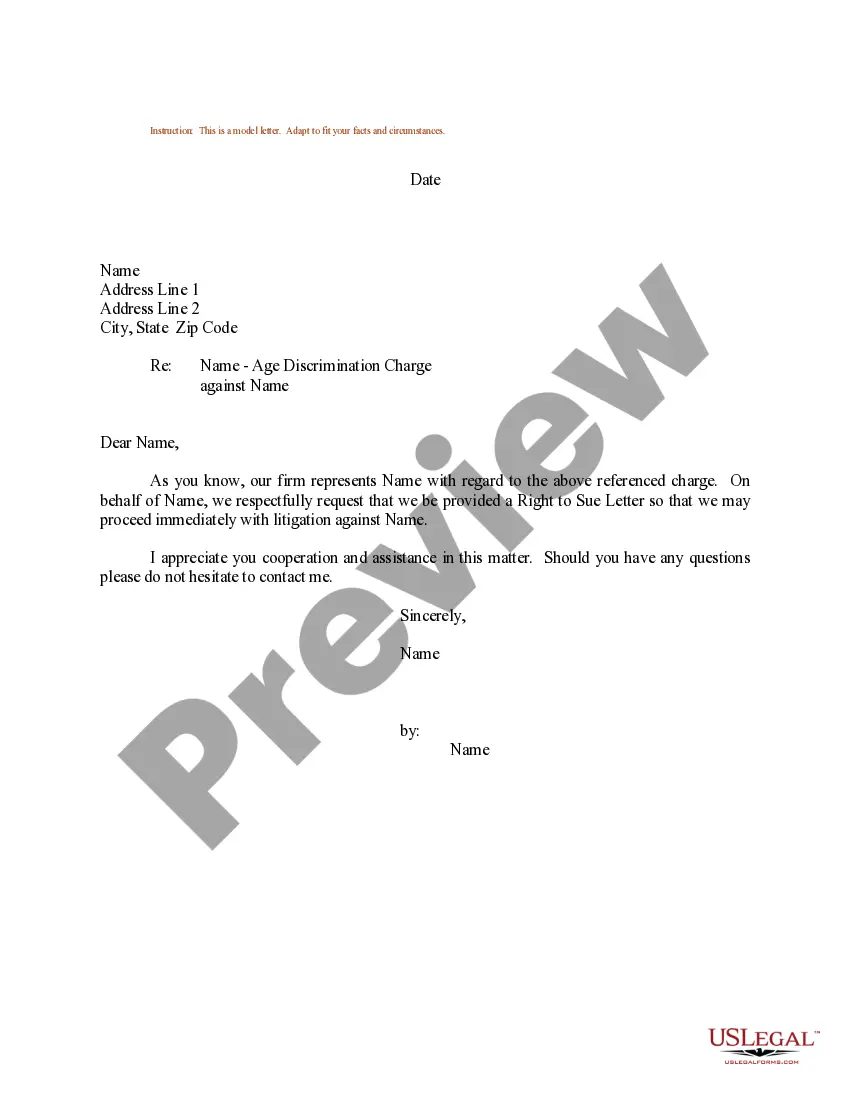
Sample Letter Of Intent To Sue With Settlement Demand
Description
Get your form ready online
Our built-in tools help you complete, sign, share, and store your documents in one place.
Make edits, fill in missing information, and update formatting in US Legal Forms—just like you would in MS Word.
Download a copy, print it, send it by email, or mail it via USPS—whatever works best for your next step.
Sign and collect signatures with our SignNow integration. Send to multiple recipients, set reminders, and more. Go Premium to unlock E-Sign.
If this form requires notarization, complete it online through a secure video call—no need to meet a notary in person or wait for an appointment.
We protect your documents and personal data by following strict security and privacy standards.

Make edits, fill in missing information, and update formatting in US Legal Forms—just like you would in MS Word.

Download a copy, print it, send it by email, or mail it via USPS—whatever works best for your next step.

Sign and collect signatures with our SignNow integration. Send to multiple recipients, set reminders, and more. Go Premium to unlock E-Sign.

If this form requires notarization, complete it online through a secure video call—no need to meet a notary in person or wait for an appointment.

We protect your documents and personal data by following strict security and privacy standards.
Looking for another form?


How to fill out Sample Letter Of Intent To Sue - With Settlement Demand?
Whether for corporate objectives or personal issues, everyone must confront legal matters at some point in their life. Completing legal paperwork requires careful consideration, starting with choosing the correct form template.
For example, selecting an incorrect version of a Sample Letter Of Intent To Sue With Settlement Demand will result in rejection upon submission. Thus, it is crucial to have a dependable source for legal documents like US Legal Forms.
With an extensive US Legal Forms catalog available, you do not need to waste time searching for the right sample throughout the internet. Use the library’s straightforward navigation to find the suitable template for any circumstance.
- Obtain the sample you need using the search bar or catalog exploration.
- Review the information of the form to ensure it aligns with your case, state, and county.
- Click on the form’s preview to inspect it.
- If it is not the correct document, return to the search tool to find the Sample Letter Of Intent To Sue With Settlement Demand sample you require.
- Download the template if it suits your needs.
- If you possess a US Legal Forms account, just click Log in to retrieve previously saved documents in My documents.
- In case you don’t already have an account, you can download the form by clicking Buy now.
- Choose the appropriate pricing option.
- Complete the account registration form.
- Select your payment method: you can use a credit card or PayPal account.
- Choose the file format you desire and download the Sample Letter Of Intent To Sue With Settlement Demand.
- Once downloaded, you can fill in the form using editing software or print it and complete it manually.
Form popularity
FAQ
To write a strong demand letter, start with a clear statement of your claim and the outcome you desire. Use examples from a sample letter of intent to sue with settlement demand to structure your letter logically and persuasively. Make sure to include all relevant facts, timelines, and documentation to support your request. Finally, crafting the letter in a polite but firm tone encourages engagement from the recipient.
Yes, you can send an intent to sue letter without a lawyer, but doing so requires careful consideration. Writing a clear and compelling sample letter of intent to sue with settlement demand is crucial to convey your message effectively. However, consulting with a legal professional can provide insights that strengthen your position. Make sure your letter is factual and well-organized to create the best chance for a positive response.
To write a settlement demand letter, begin by addressing the recipient appropriately and stating your purpose clearly. Use a template for a sample letter of intent to sue with settlement demand to guide you in formatting and structuring your message effectively. Ensure the letter presents the facts of your case succinctly, outlines your demands, and offers a reasonable response time for the other party. Concluding with a polite tone encourages cooperation.
A strong demand letter should present a clear narrative of the situation along with supporting documentation. It must articulate your position effectively, using a well-structured sample letter of intent to sue with settlement demand to outline the facts and your desired outcome. A solid letter conveys urgency and confidence while remaining professional. Ensuring all necessary details are included enhances the overall impact.
When drafting your demand letter, avoid aggressive language or threats. Focus on stating your case clearly and factually, expressing your desires without hostility. Keep your tone professional, as a well-crafted sample letter of intent to sue with settlement demand helps maintain an open line for negotiation. Additionally, do not include excessive details that could weaken your position.
After sending a demand letter, the time to expect a settlement can vary. Typically, you may receive a response within a few weeks, but some cases take longer. The effectiveness of your sample letter of intent to sue with settlement demand influences this timeline. Factors include the complexity of the case and the willingness of the other party to negotiate.
Generally, a letter of intent to sue does not need to be notarized to be valid. It primarily serves as a means of communication rather than a legal contract. However, having it notarized can add an extra layer of credibility and formality. Using a sample letter of intent to sue with settlement demand gives you a strong starting point, and while notarization isn’t required, it can be beneficial in certain contexts.
A letter of intent for settlement is a documented communication that proposes to resolve disputes before legal action formally begins. It highlights the claims and demands of the party intending to sue, emphasizing a desire to settle amicably. Utilizing a sample letter of intent to sue with settlement demand can clarify points of contention and facilitate negotiation. This letter can effectively pave the way for productive discussions between the parties involved.
The primary purpose of a letter of intent is to outline a party’s intentions in a potential legal action. It signifies a serious intention to pursue a claim while providing the other party an opportunity to resolve the issue before escalating to litigation. Often, a well-crafted sample letter of intent to sue with settlement demand encourages negotiations, potentially saving time and resources for both parties. This proactive approach can lead to a beneficial resolution.
Writing a settlement demand letter involves clear communication of your claims and desired outcomes. First, you should state the facts surrounding your case, then describe the reasons for your demands. Incorporate a sample letter of intent to sue with settlement demand as a guide to ensure you include all necessary details and present your case effectively. This structured approach increases the chances of a favorable response.