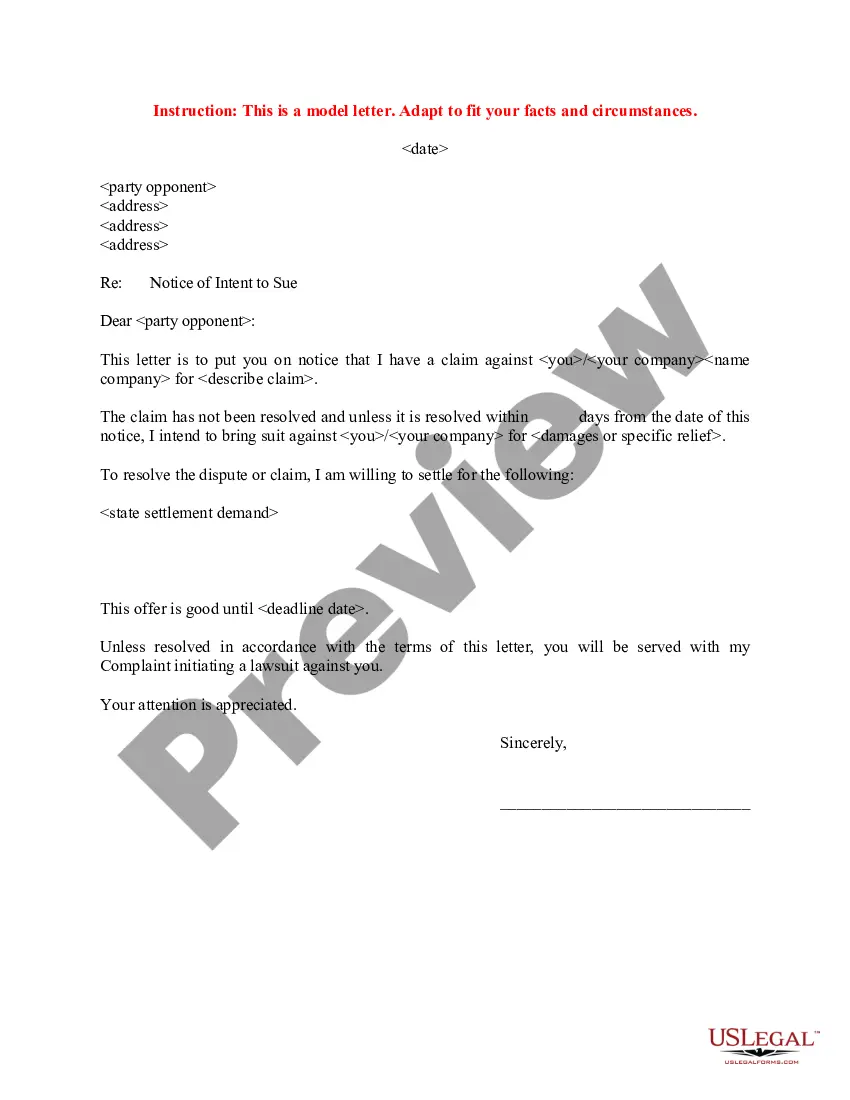
Example Demand Letter For Property Damage
Description
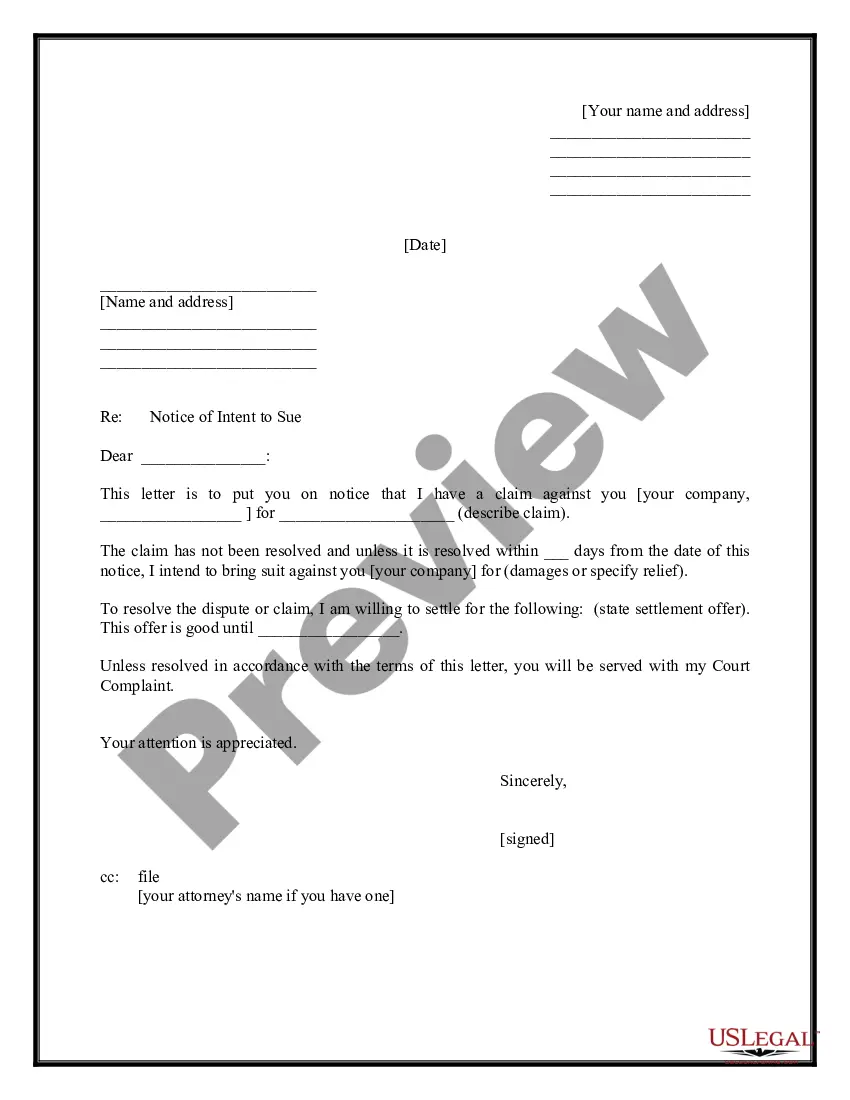
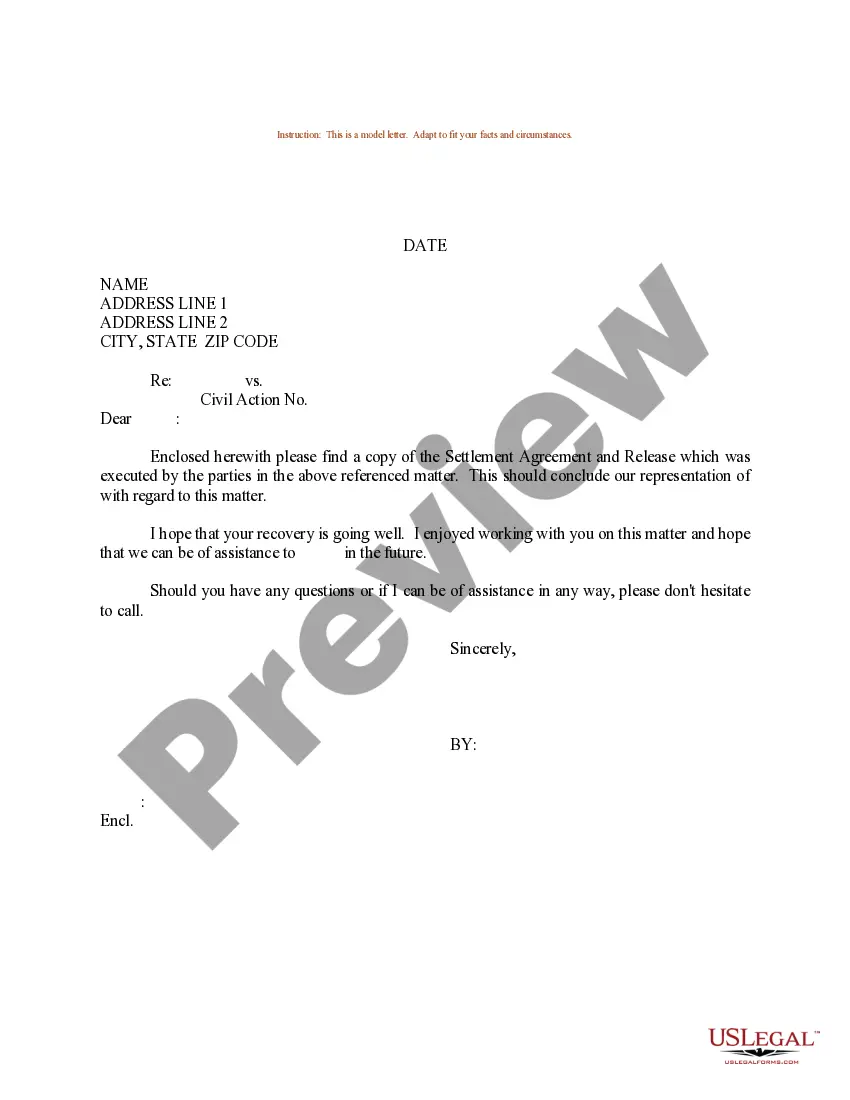
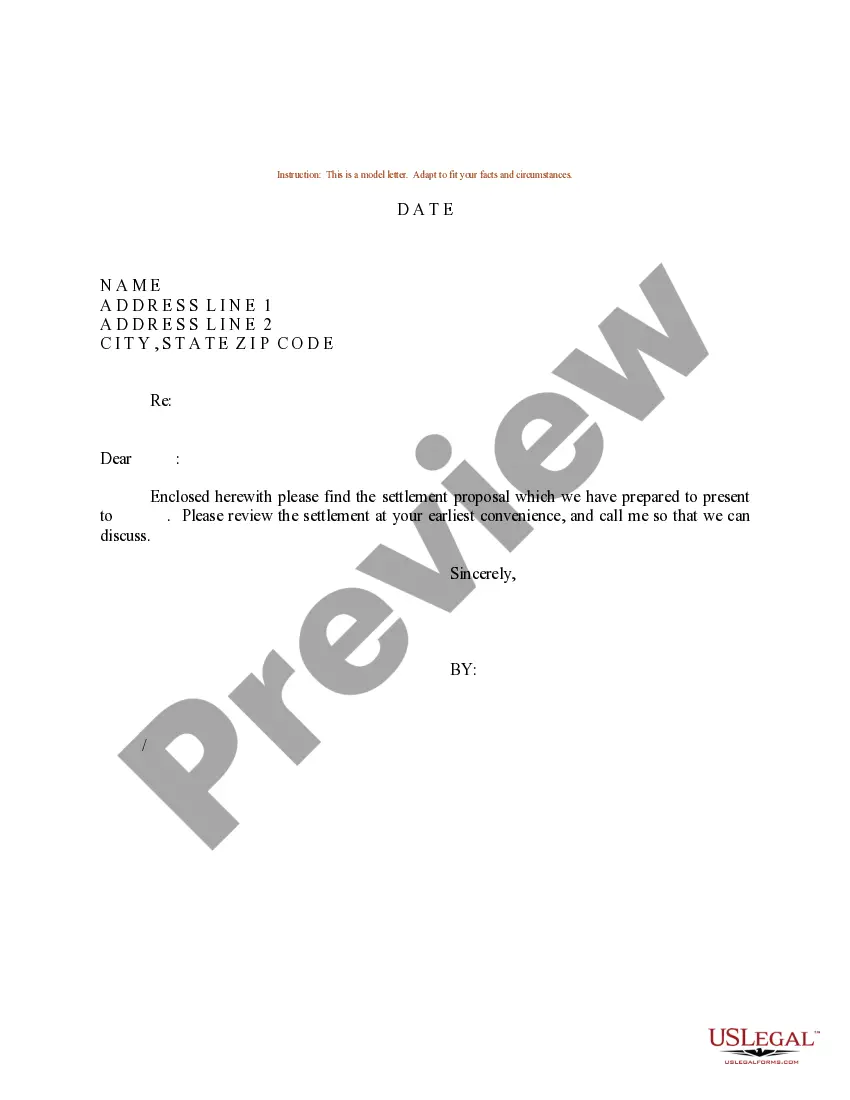
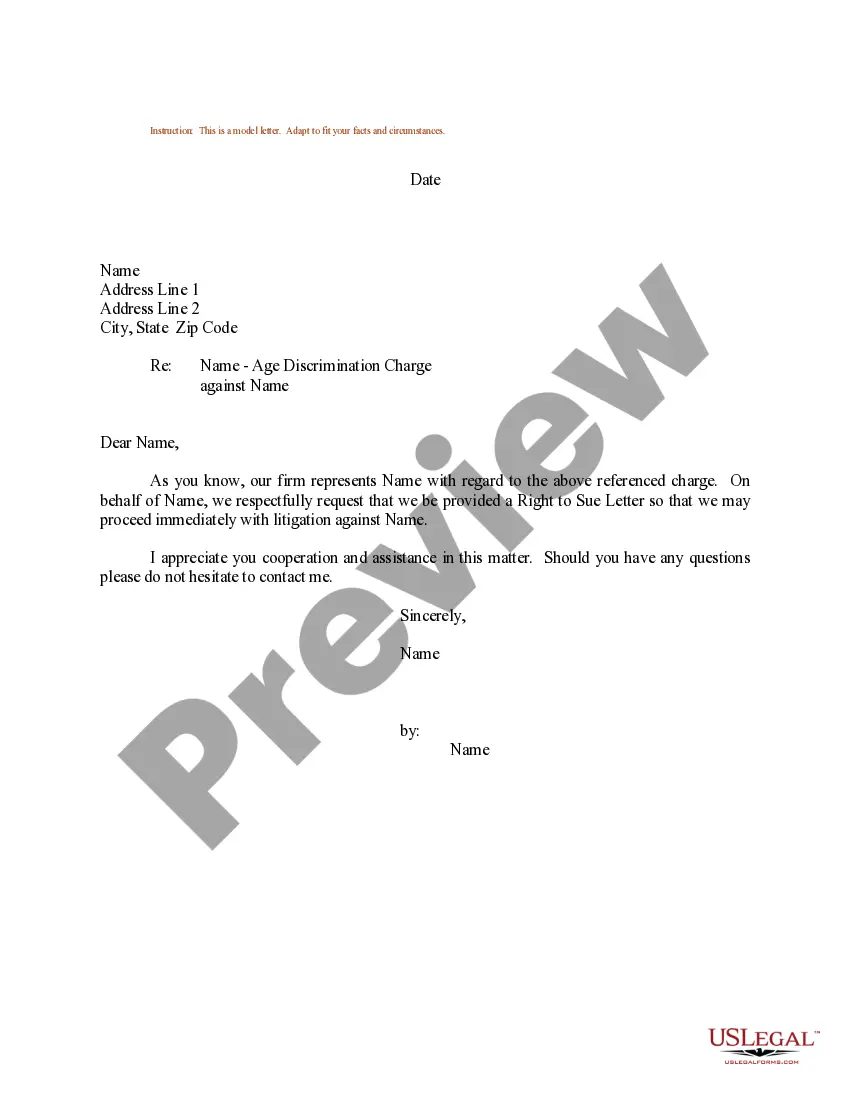


How to fill out Sample Letter Of Intent To Sue - With Settlement Demand?
The Sample Demand Letter For Property Damage displayed on this page is a versatile legal template created by experienced attorneys in accordance with federal and local statutes.
For over 25 years, US Legal Forms has supplied individuals, businesses, and legal experts with more than 85,000 verified, state-specific documents for any professional and personal circumstances.
Register with US Legal Forms to access verified legal templates for all of life's situations at your fingertips.
- Search for the document you require and review it.
- Examine the file you sought and preview it or evaluate the form description to ensure it meets your requirements. If it doesn't, utilize the search bar to find the correct one. Click Buy Now once you have located the template you need.
- Select and sign in.
- Pick the pricing option that fits your needs and create an account. Use PayPal or a credit card for a swift transaction. If you already possess an account, Log In and review your subscription to proceed.
- Acquire the editable template.
- Choose the format you prefer for your Sample Demand Letter For Property Damage (PDF, DOCX, RTF) and store the file on your device.
- Complete and endorse the document.
- Print out the template to fill it in manually. Alternatively, use an online multifunctional PDF editor to quickly and accurately complete and sign your form with a valid signature.
- Re-download your documents as needed.
- Utilize the same document again whenever necessary. Access the My documents section in your profile to retrieve any previously acquired forms.
Form popularity
FAQ
Property That May Avoid Probate Property held in a trust3 Jointly held property (but not common property) Death benefits from insurance policies (unless payable to the estate)4 Property given away before you die. Assets in a pay-on-death account. Retirement accounts with a named beneficiary.
Every individual 18 years of age or over or emancipated by court order who is of sound mind may make a will in writing.
The general requirements for a valid Will are usually as follows: (a) the document must be written (meaning typed or printed), (b) signed by the person making the Will (usually called the ?testator? or ?testatrix?, and (c) signed by two witnesses who were present to witness the execution of the document by the maker ...
No, in Vermont, you do not need to notarize your will to make it legal. However, Vermont allows you to make your will "self-proving" and you'll need to go to a notary if you want to do that. A self-proving will speeds up probate because the court can accept the will without contacting the witnesses who signed it.
4 essential estate planning documents A will distributes assets upon death. A power of attorney manages finances. Advance care directives manage your health. A living trust is an alternative to a last will.
You should use a Codicil to a Will when you need to make minor changes or updates to your will, such as modifying beneficiaries, bequests, or executor appointments.
If your estate is worth less than $5 million, it will not be subject to estate tax in Vermont. Even if your estate happens to be more than $5 million, only the amount over $5 million will be subject to the estate tax, which is applied at a flat rate of 16%.