Demand Letter In Law
Description
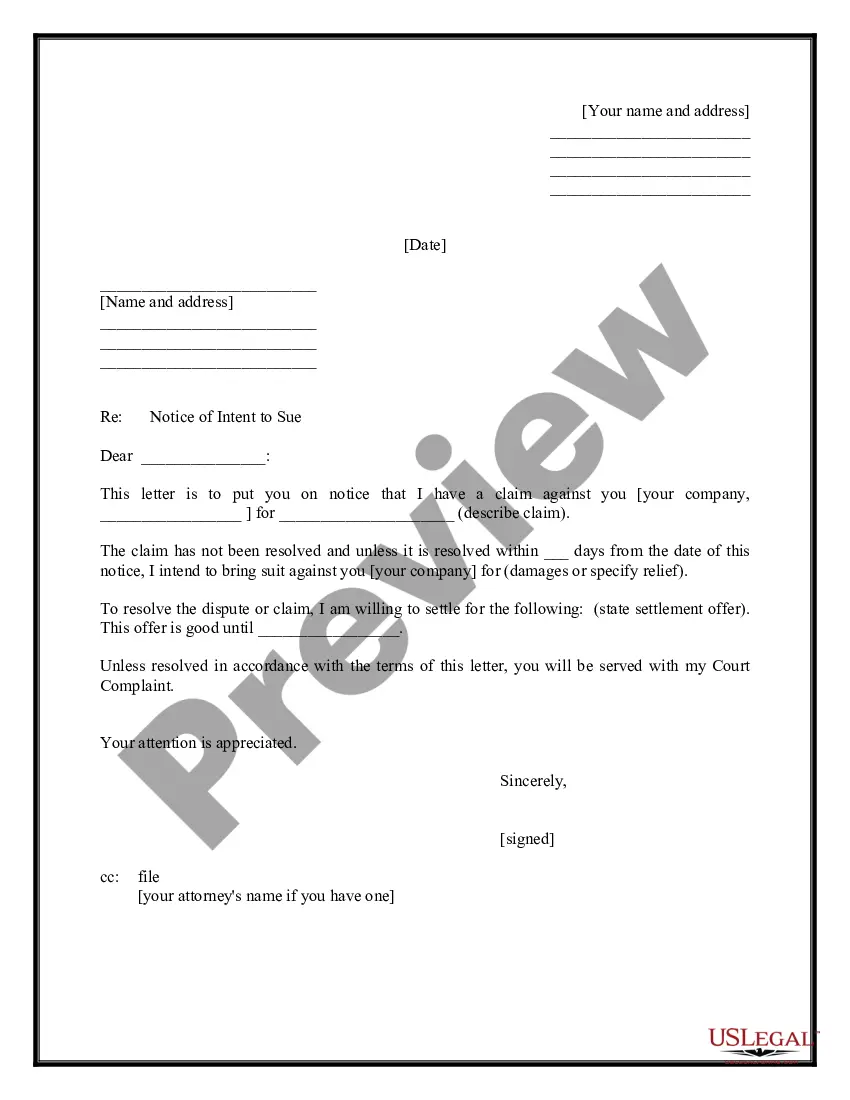
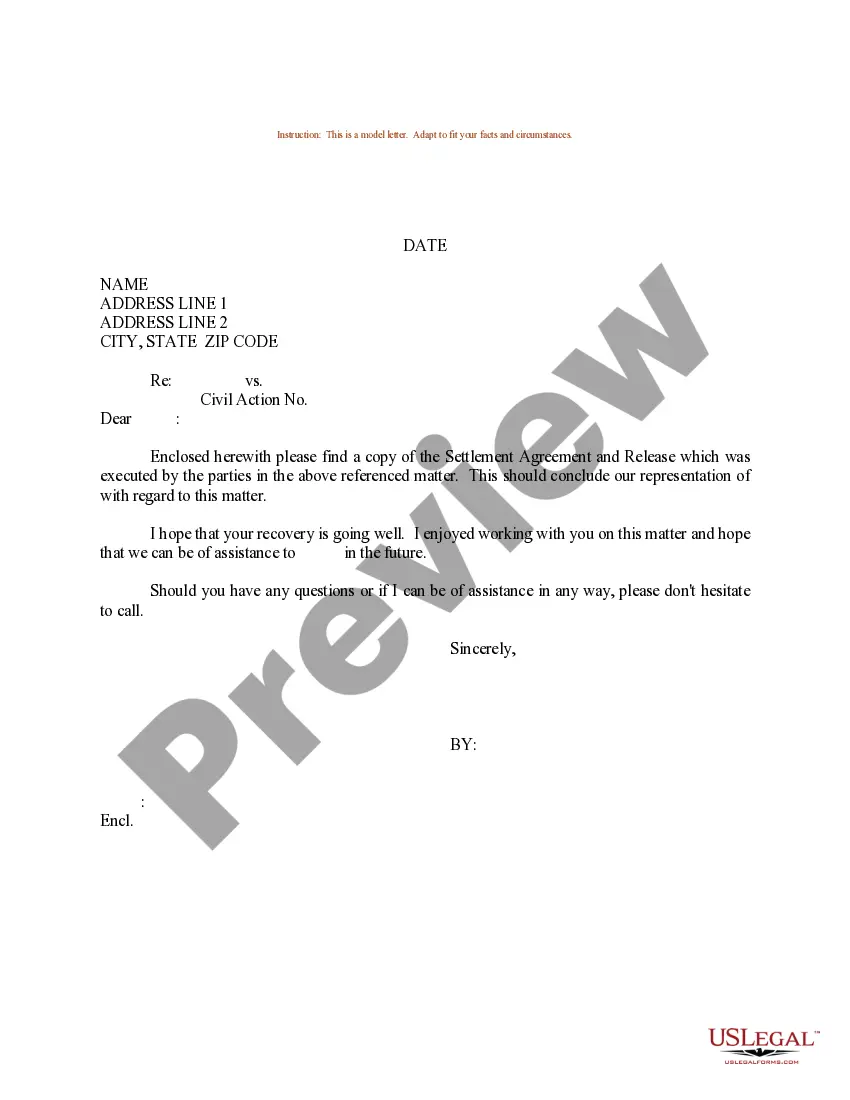
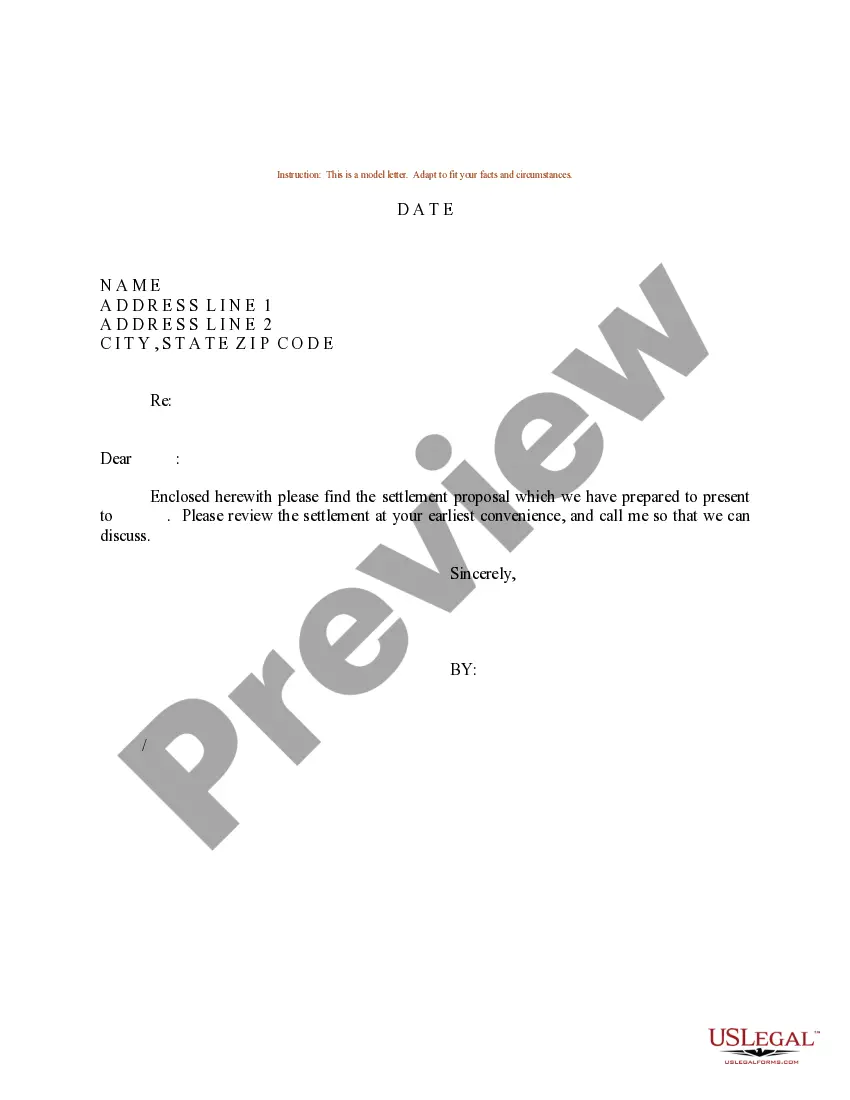
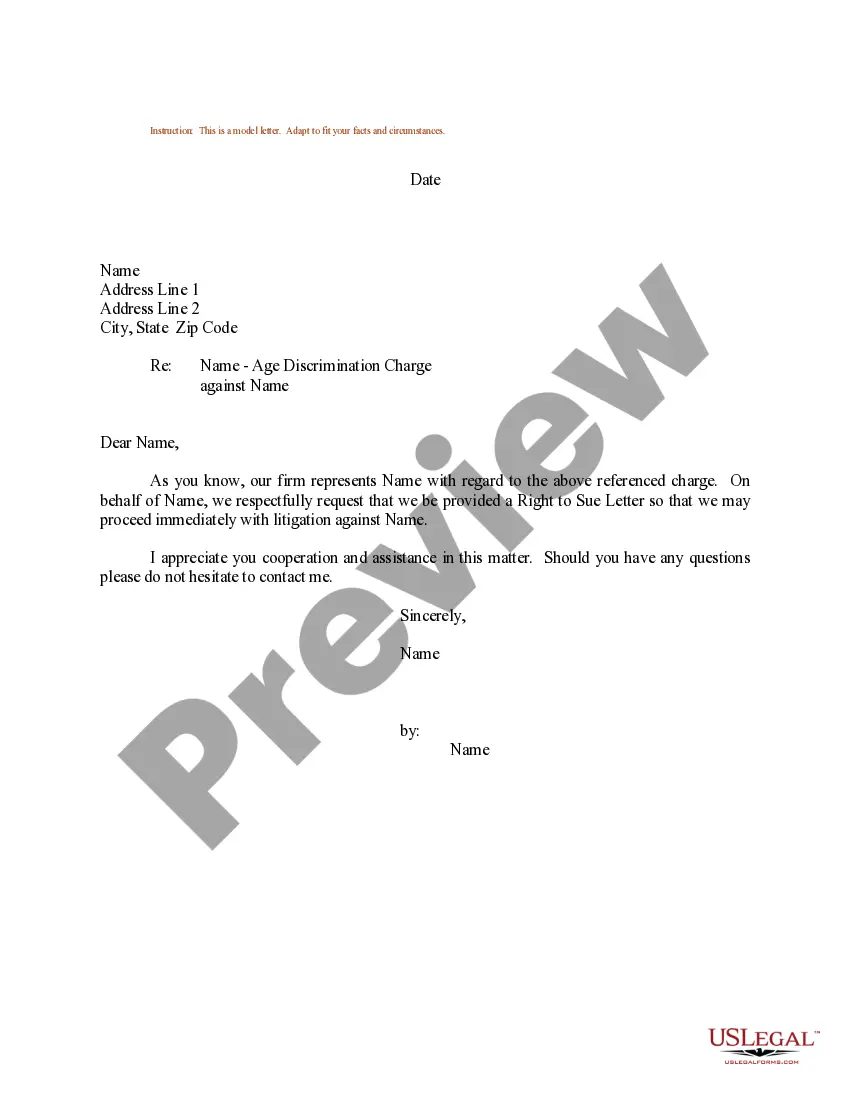

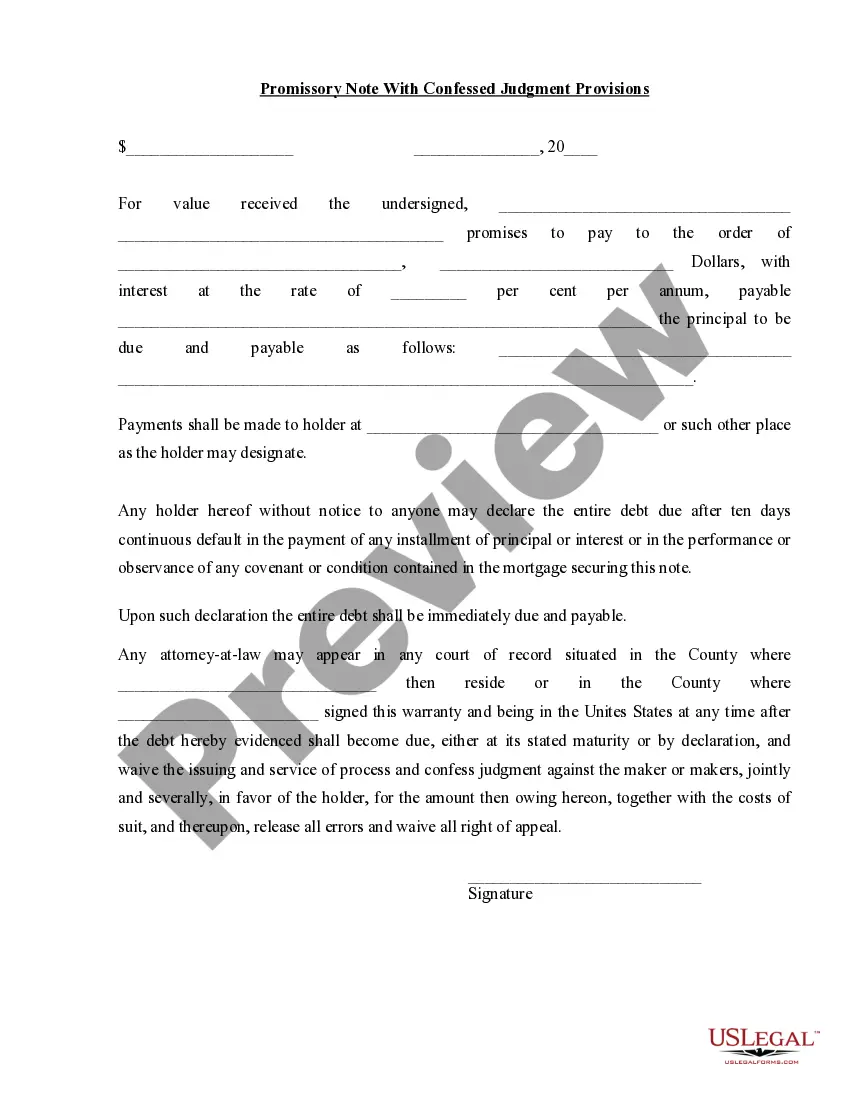
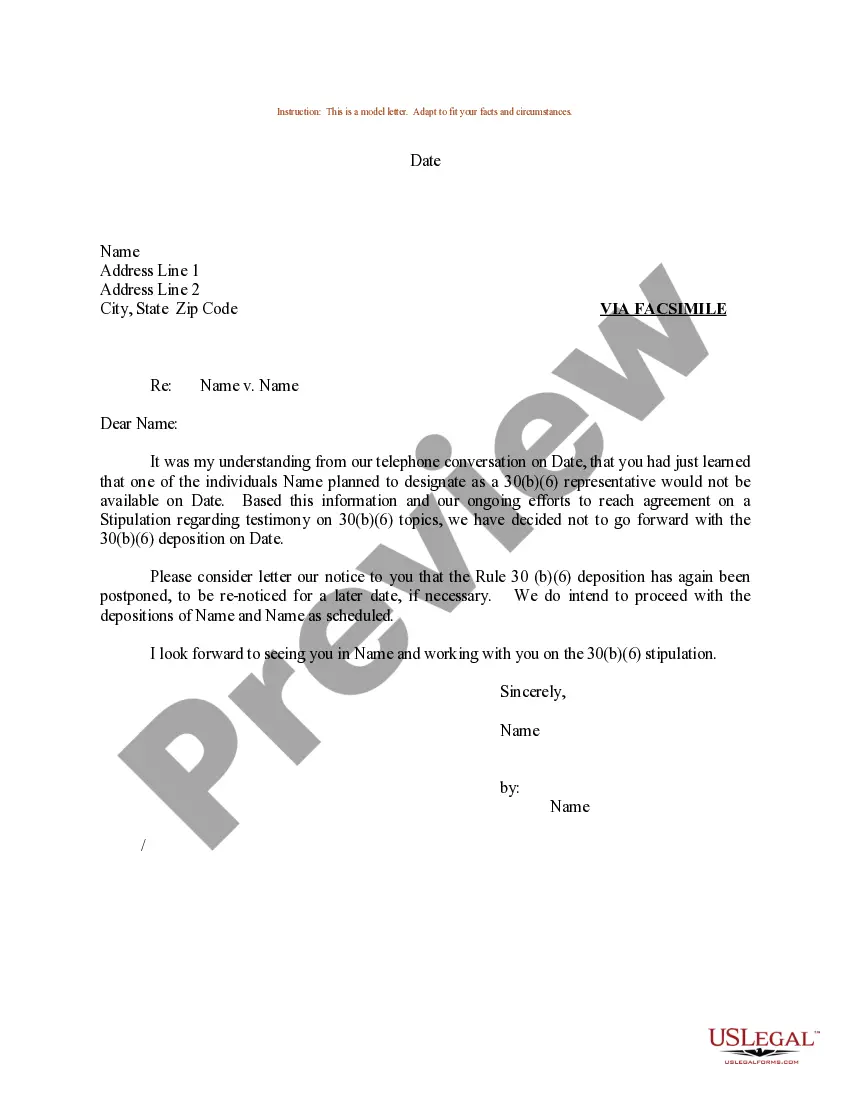


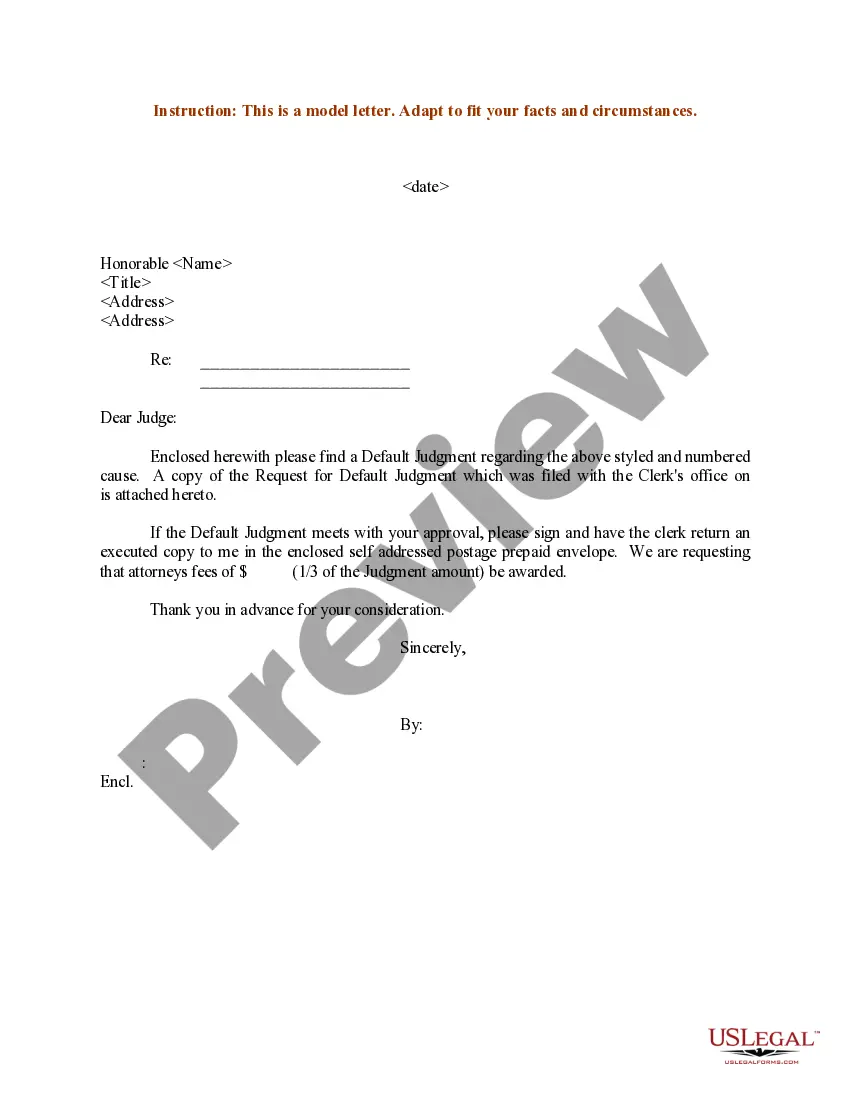
How to fill out Sample Letter Of Intent To Sue - With Settlement Demand?
The Demand Letter In Law presented on this page is a reusable official template crafted by skilled attorneys in compliance with national and local laws.
For over 25 years, US Legal Forms has supplied individuals, businesses, and legal experts with more than 85,000 authenticated, state-specific documents for any professional and personal circumstance. It’s the quickest, simplest, and most reliable method to acquire the necessary paperwork, as the service ensures bank-level data protection and anti-malware safeguards.
Re-download your documents whenever necessary. Use the same document again at any time needed. Access the My documents tab in your profile to redownload any previously saved documents. Enroll in US Legal Forms to have verified legal templates for all of life's situations readily available.
- Search for the document you require and examine it.
- Browse the file you searched and preview it or review the form description to ensure it meets your needs. If it doesn’t, utilize the search bar to find the appropriate one. Click Buy Now once you have found the template you require.
- Register and Log In. Select the pricing plan that fits you and create an account. Use PayPal or a credit card for a swift payment. If you already possess an account, Log In and verify your subscription to proceed.
- Obtain the fillable template. Choose the format you desire for your Demand Letter In Law (PDF, Word, RTF) and save the document on your device.
- Fill out and sign the documents. Print the template to complete it manually. Alternatively, use an online versatile PDF editor to quickly and accurately fill out and sign your form with an eSignature.
Form popularity
FAQ
Yes, demand letters from lawyers do tend to work effectively in many situations. They convey a sense of seriousness and professionalism that can encourage recipients to take the request seriously. In many cases, the involvement of a lawyer can prompt quicker resolutions, helping you avoid lengthy and costly litigation. Utilizing resources like uslegalforms can enhance your chances of success with a demand letter in law.
A lawyer includes specific details in a demand letter, such as the facts of the case, relevant laws, and a clear request for action. They also outline potential legal consequences if the demands are not met. This thorough approach ensures the recipient understands the seriousness of the situation. Using a professional service like uslegalforms can help ensure your demand letter in law is properly structured.
After your lawyer sends a demand letter, the recipient usually has a set period to respond. This response can range from agreeing to your demands to disputing them or offering a counterproposal. The next steps often involve negotiations or, if necessary, pursuing legal action. A well-prepared demand letter in law sets a strong foundation for these subsequent actions.
Common mistakes in demand letters often include vague language and failing to specify the desired outcome. Additionally, some letters may lack evidence to support the claims made, which weakens the overall message. By avoiding these pitfalls and being clear and concise, you enhance the effectiveness of your demand letter in law.
A demand letter in law should include essential elements such as the sender's contact information, a clear statement of the issue, and a detailed description of the requested action. Additionally, it's important to specify a deadline for response and outline potential consequences if the demand is not met. This clarity helps ensure that the recipient understands both the request and urgency.
A letter of demand can be quite effective in resolving disputes without going to court. It serves as a formal request for payment or action, clearly outlining your position. Many recipients take these letters seriously, which can lead to quicker resolutions. Thus, a well-crafted demand letter in law often prompts the other party to respond positively.
In a demand letter, the important facts are who are the parties involved, what is the actual incident, the injuries involved, the economic and non-economic damages, why the other party is legally responsible for the injuries and damages sustained by the plaintiff, and the damages and settlement demand.
The Demand Letter Explained In that case, they're called ?cease and desist letters.? A well-constructed demand letter is vaguely?and often overtly?threatening. The idea is to get the recipient to see that they have a big problem on their hands and that the proposed resolution beats litigation.
In other words, your demand letter should do the following: It should provide a basic explanation of what happened in your accident, it should explain why the defendant bears responsibility for your damages, and it should clearly state what the potential defendant needs to do in order to settle your claim (resolve your ...
What Should Be in Your Demand Letter Response? An acknowledgement of your receipt of their letter. Your analysis of the relevant facts. Be sure to be succinct, not verbose. Your basic reasoning as to why you are in the right (if you think you are.) ... Your counteroffer and a reasonable 'respond by' date.