Behavior Documentation Example Form For Teachers
Description
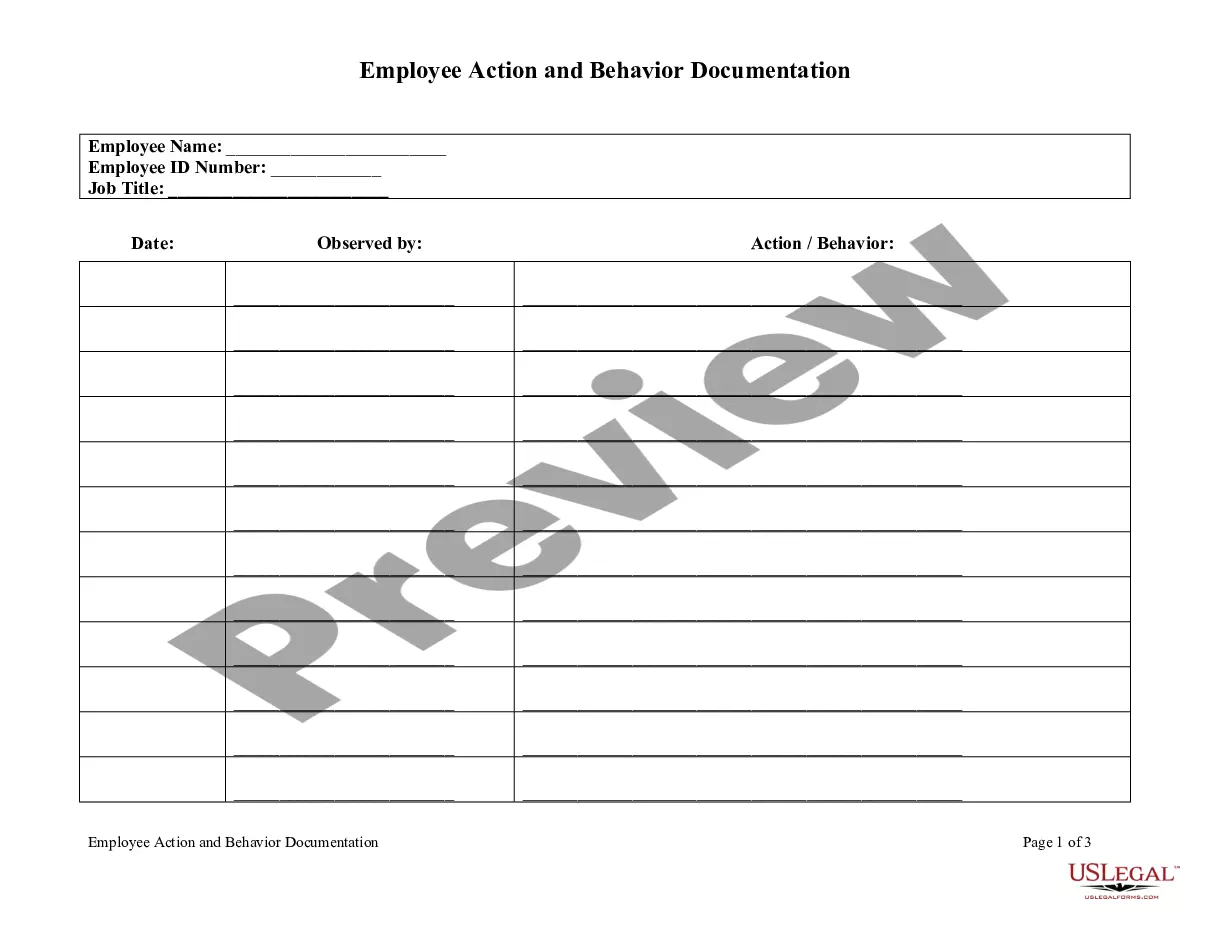
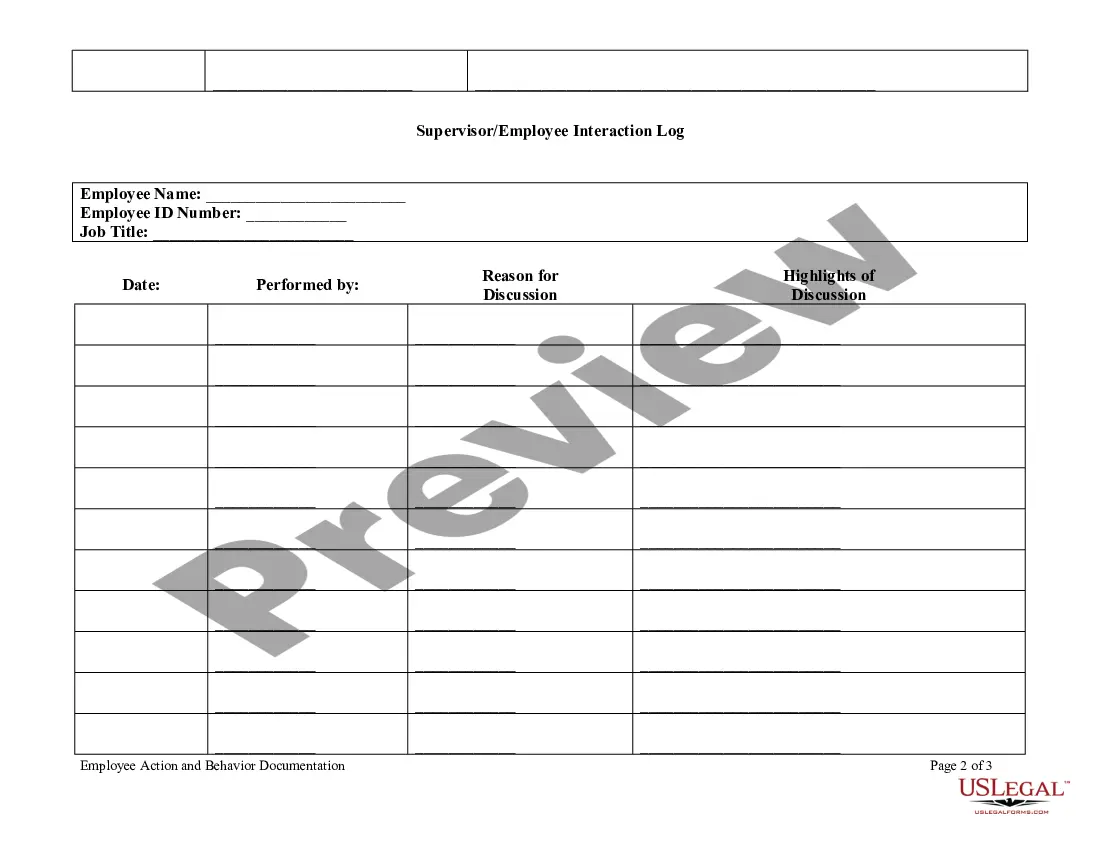
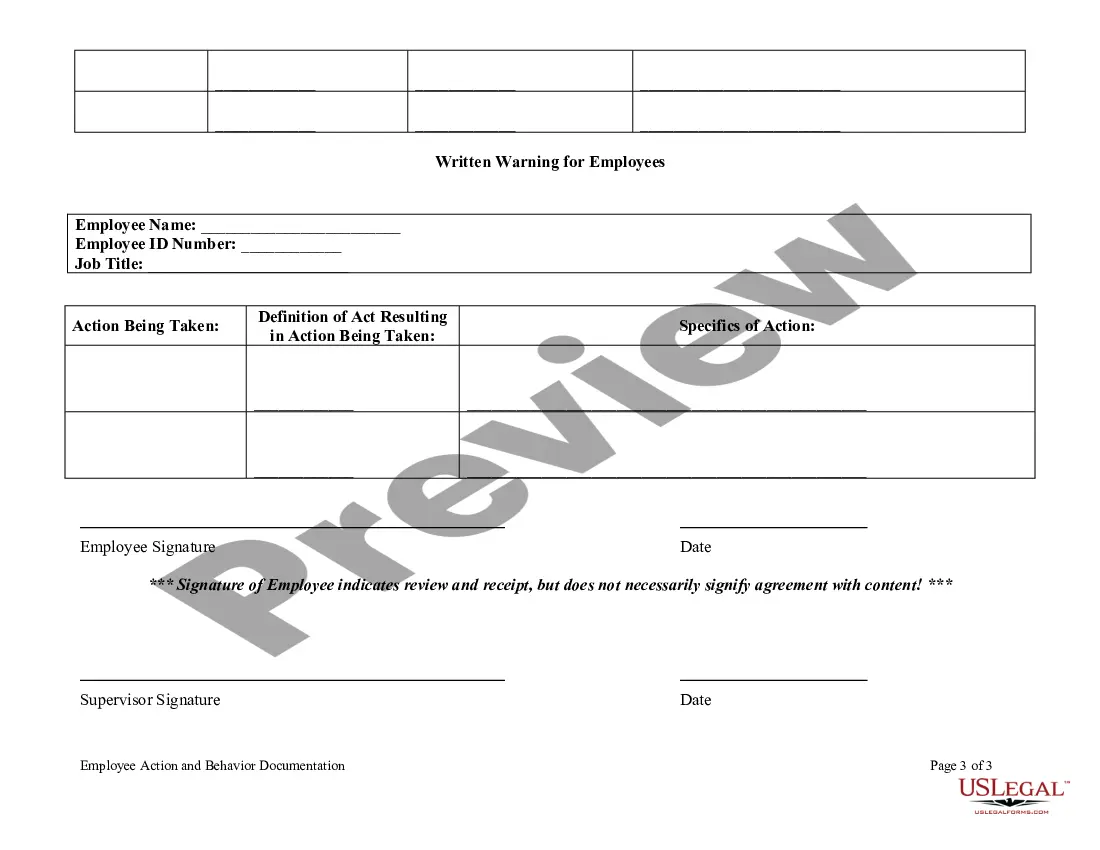
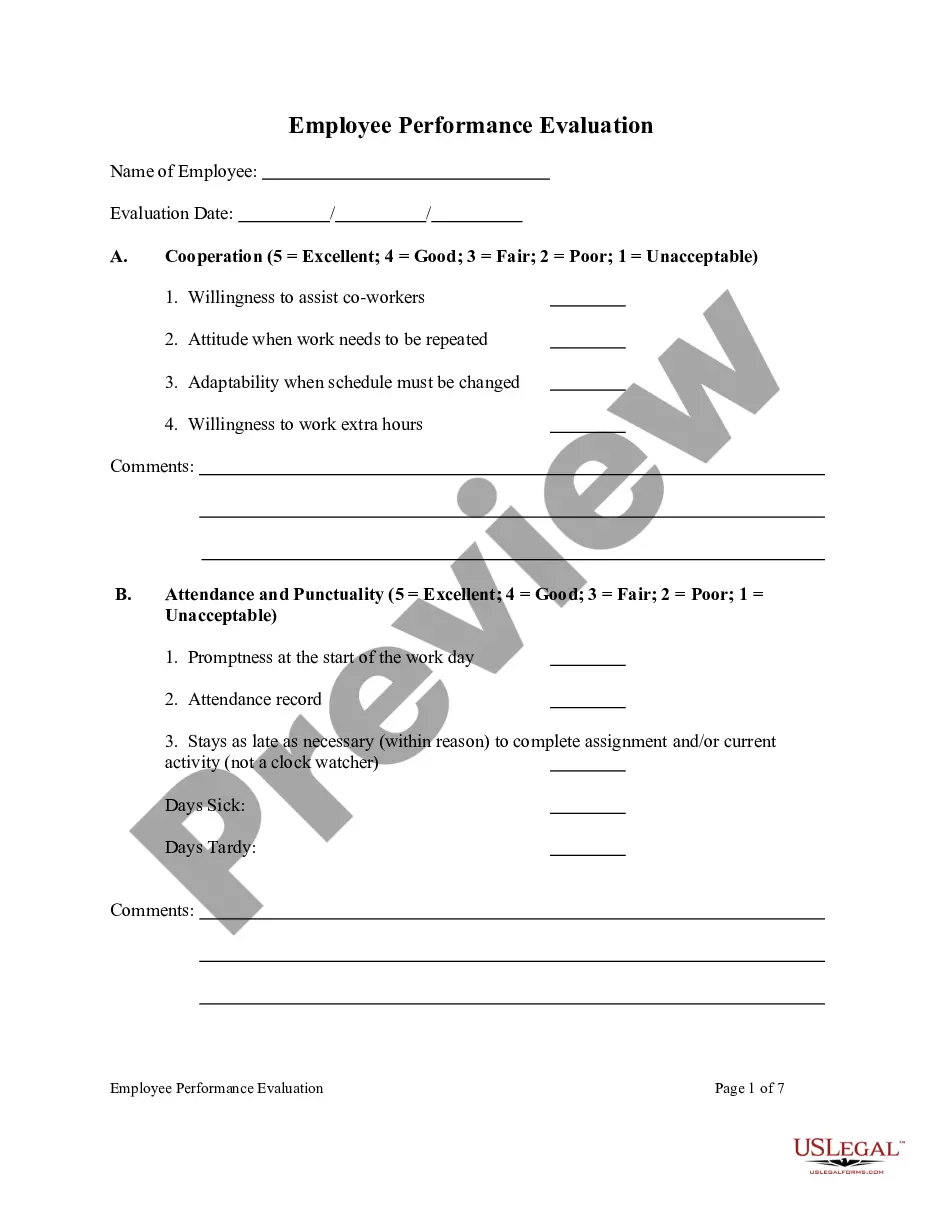
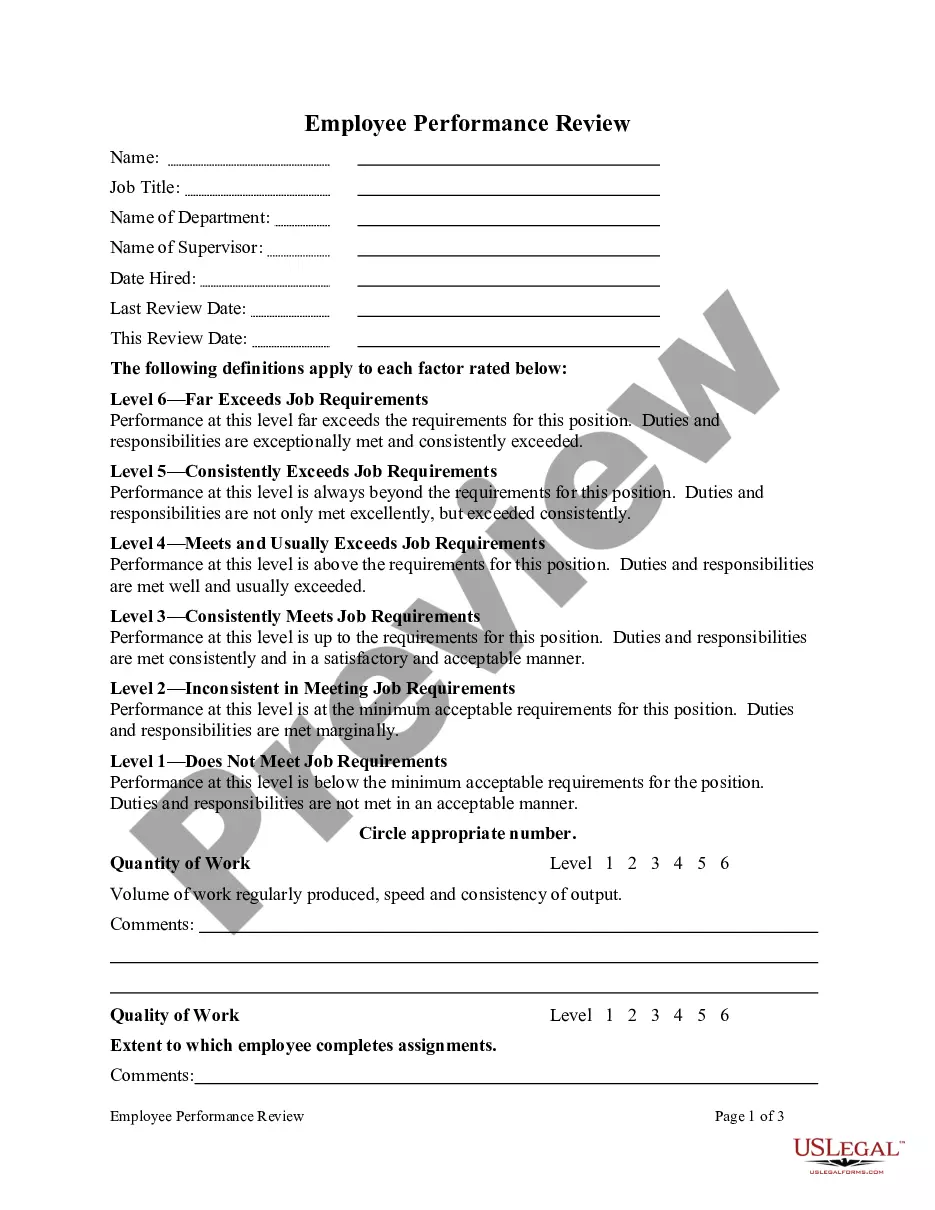
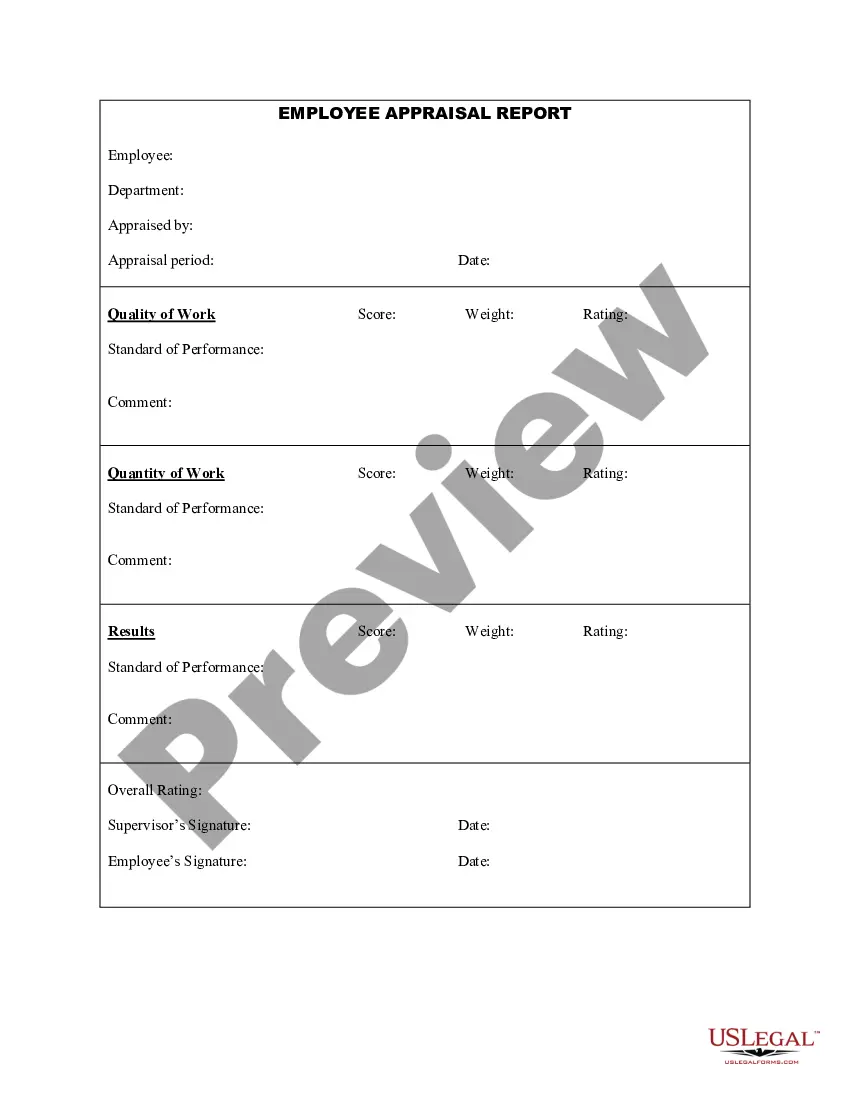
How to fill out Employee Action And Behavior Documentation?
Whether for commercial reasons or for individual affairs, everyone must handle legal matters at some stage in their life.
Filling out legal documents requires meticulous care, starting with choosing the right form template.
With a vast US Legal Forms catalog available, you do not have to waste time searching for the suitable sample on the internet. Utilize the library’s easy navigation to find the correct template for any situation.
- For example, if you select an incorrect version of a Behavior Documentation Example Form For Educators, it will be dismissed upon submission.
- Thus, it is essential to have a reliable source of legal forms such as US Legal Forms.
- If you need to obtain a Behavior Documentation Example Form For Educators template, follow these straightforward steps.
- Acquire the sample you require by using the search box or catalog browsing.
- Review the form’s description to confirm it suits your circumstance, state, and county.
- Click on the form’s preview to inspect it.
- If it is the wrong document, return to the search feature to find the Behavior Documentation Example Form For Educators sample you need.
- Download the template when it aligns with your needs.
- If you already possess a US Legal Forms account, click Log in to access previously saved templates in My documents.
- If you do not have an account yet, you can acquire the form by clicking Buy now.
- Select the appropriate pricing option.
- Complete the account registration form.
- Choose your payment method: use a credit card or PayPal account.
- Select the file format you desire and download the Behavior Documentation Example Form For Educators.
- Once it is downloaded, you can complete the form using editing software or print it and fill it out manually.
Form popularity
FAQ
To monitor behavior in real time in your classroom, you might consider using a tally and adding to it each time a behavior of concern occurs. This direct observation method is a good strategy to use for behaviors that occur often in your classroom but not so often that they're too cumbersome to count.
The ABC's of Documentation: About the Person (name, student identification, relationship to the University) Behaviors Observed (body language, words, tone of voice, actions) Context (when, what class did this take place in, where on campus, any unique factors of the setting)
The behavioral statement--also known as the 'ABC' (Antecedent-Behavior-Consequence) statement-- describes (a) antecedents: events that precede and trigger the problem behavior; (b) behavior: the problem behavior itself; and (c) consequences: events occurring as a result of the behavior that reinforce it in the future.
Put a handful of pennies, paper clips, or other markers in one pocket. Each time the behavior occurs, move one marker to the other pocket. Count the number of markers moved during the observation session and record on the data sheet. Interval recording documents whether a behavior occurred during a particular period.
Collect data about what the child does and says, the environment, what happens before and after the behavior, and how often the behavior occurs.