Corporation Assets With Tangible Values
Description
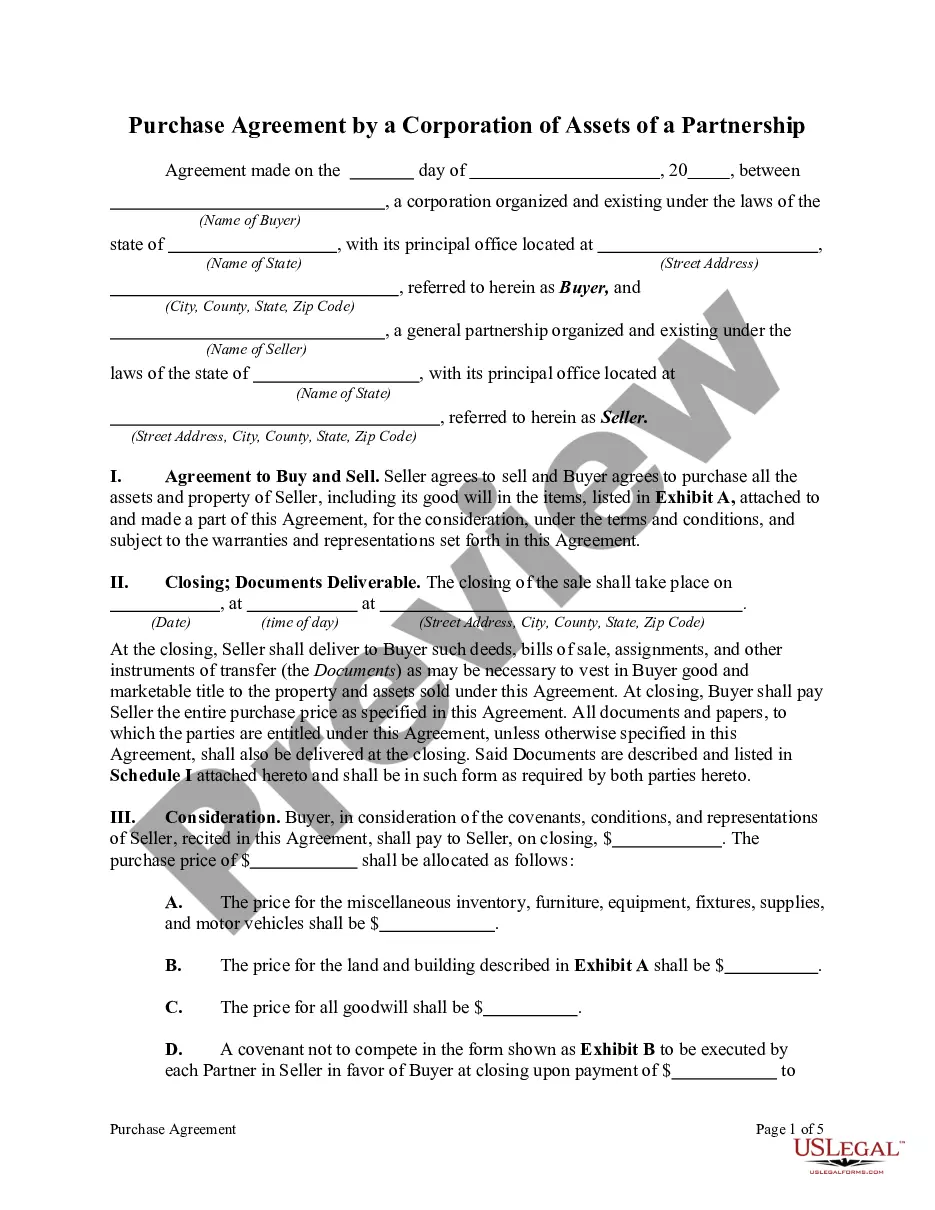
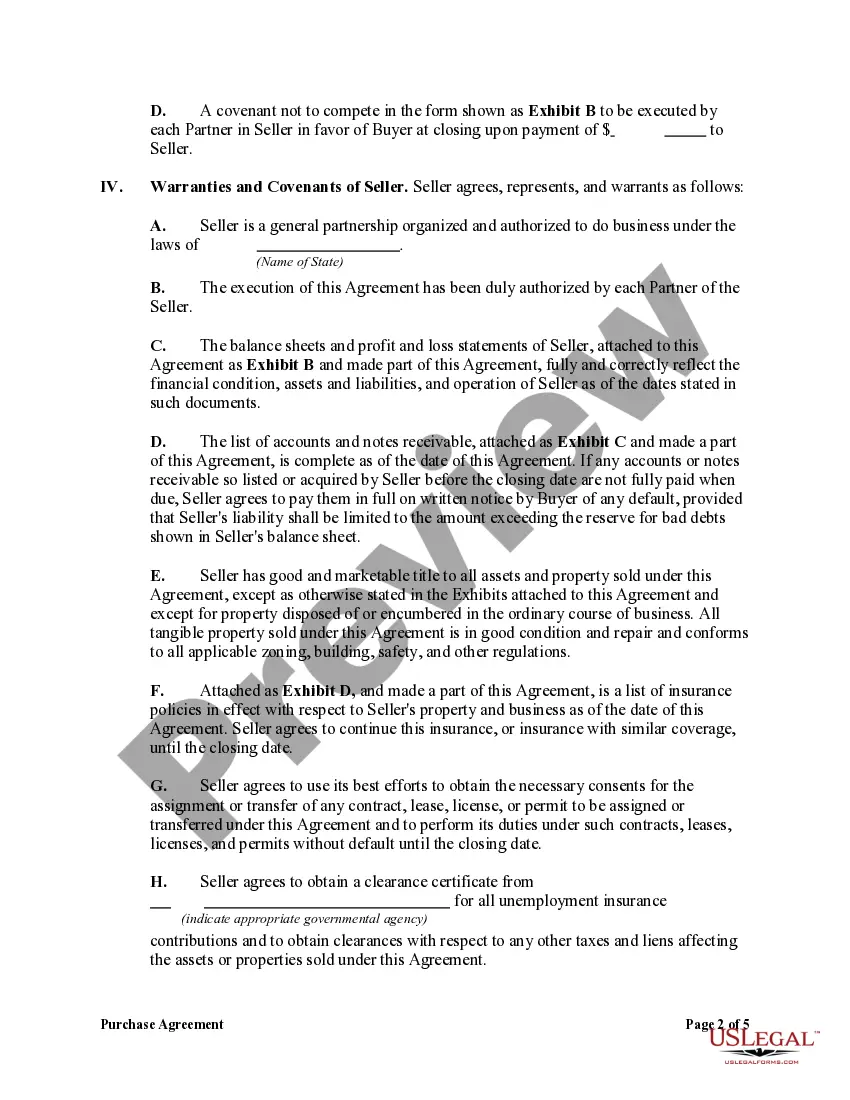
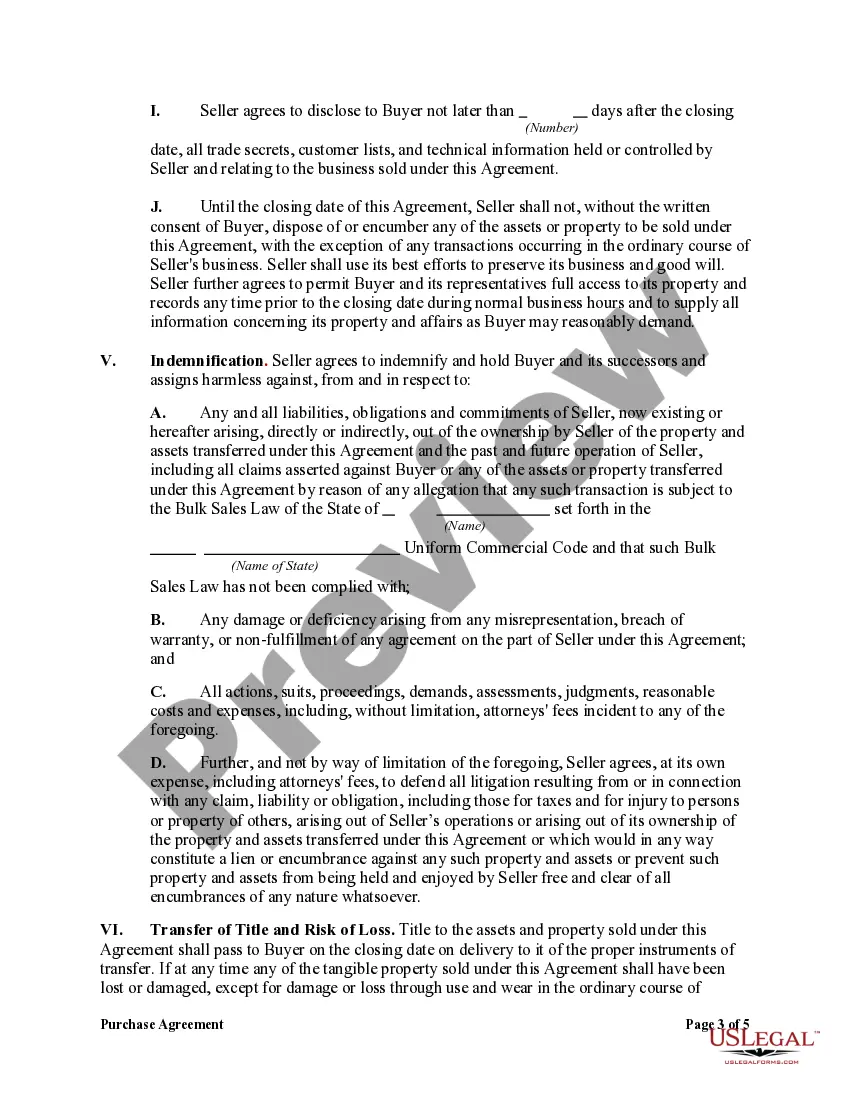
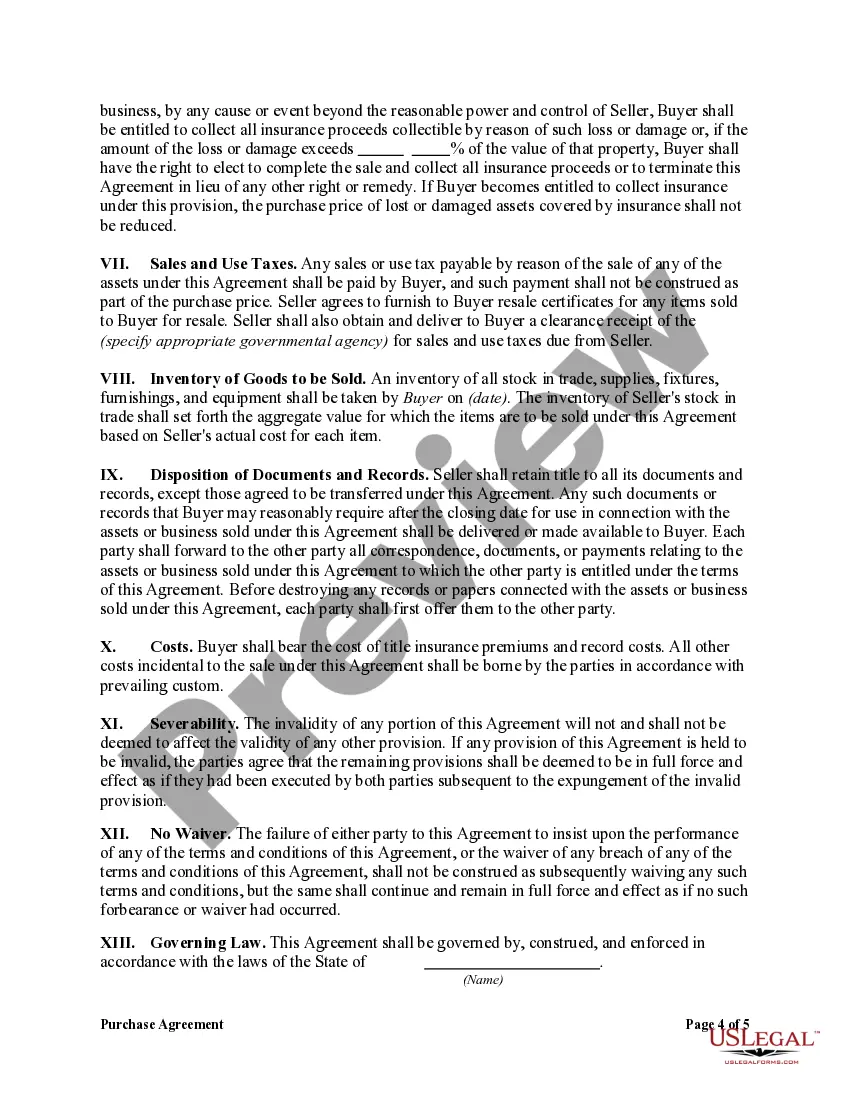
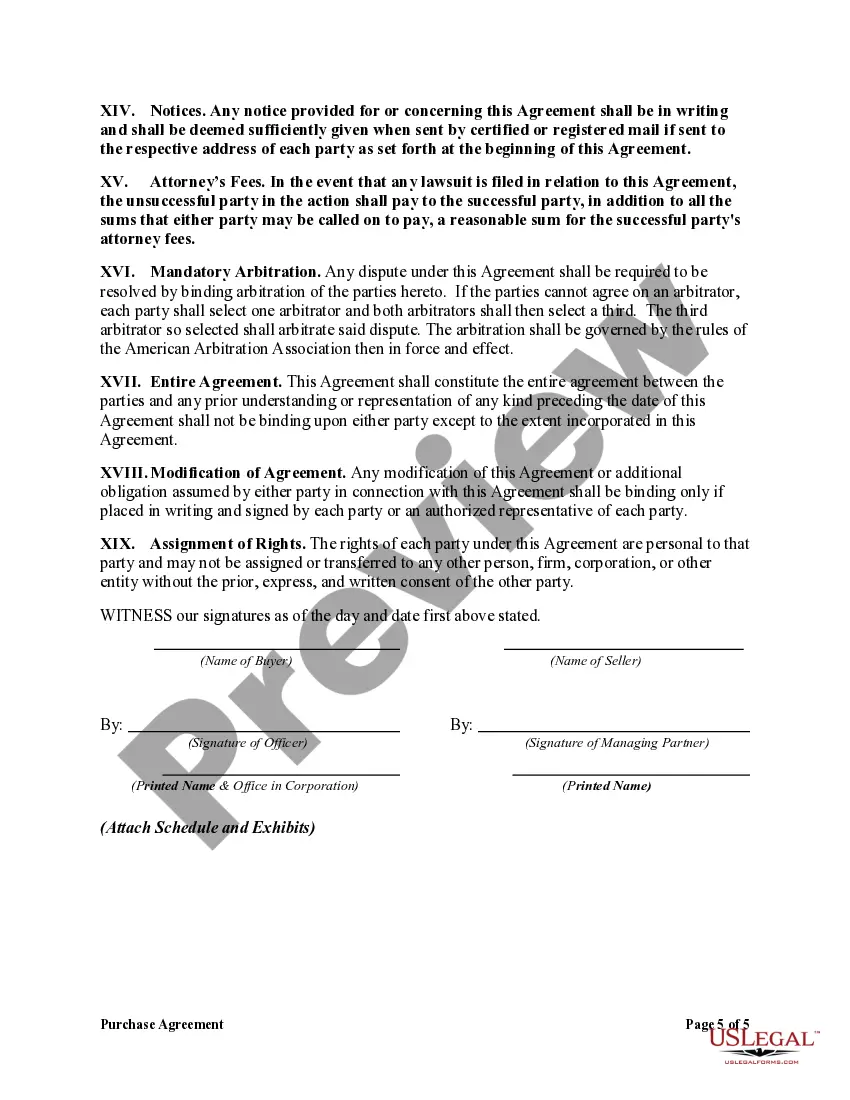
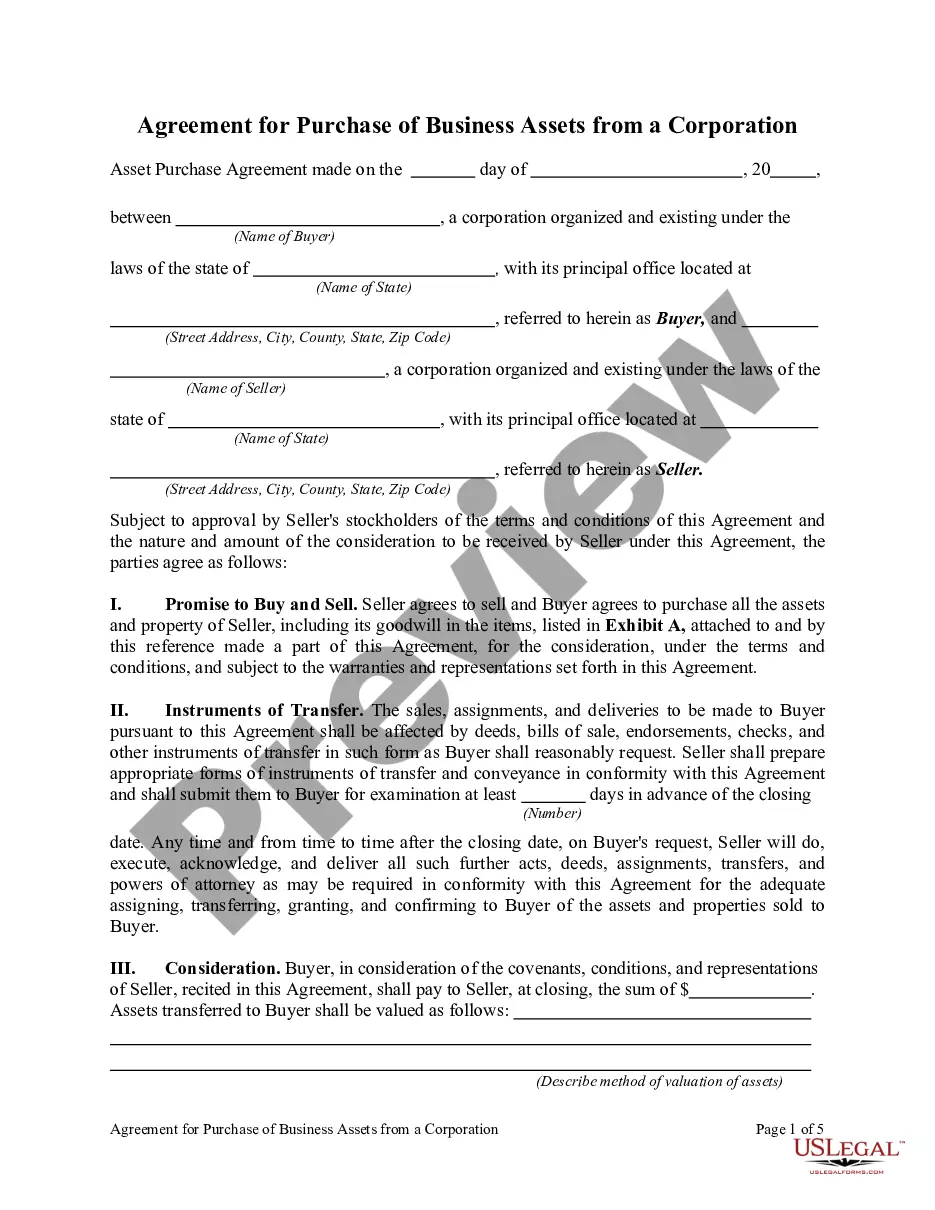
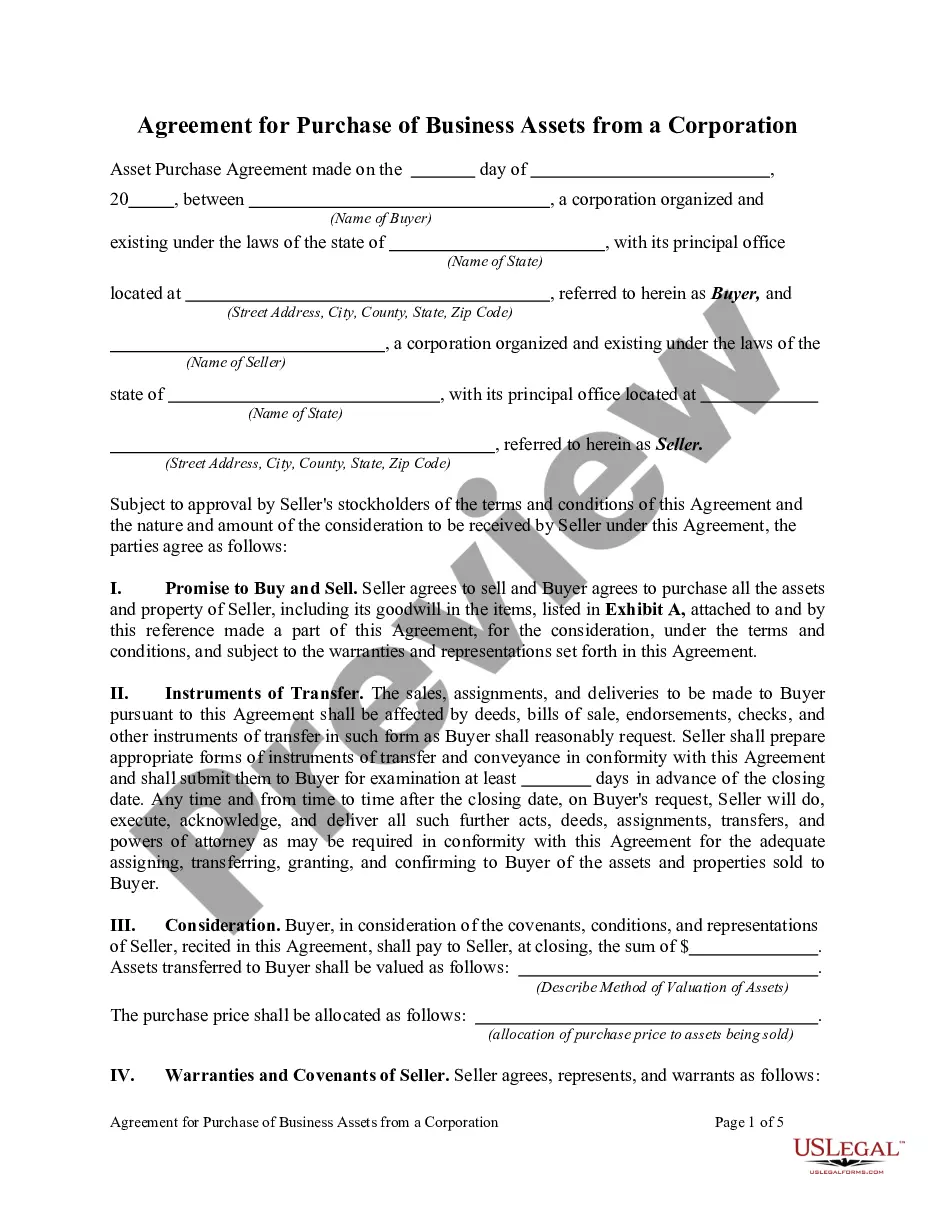
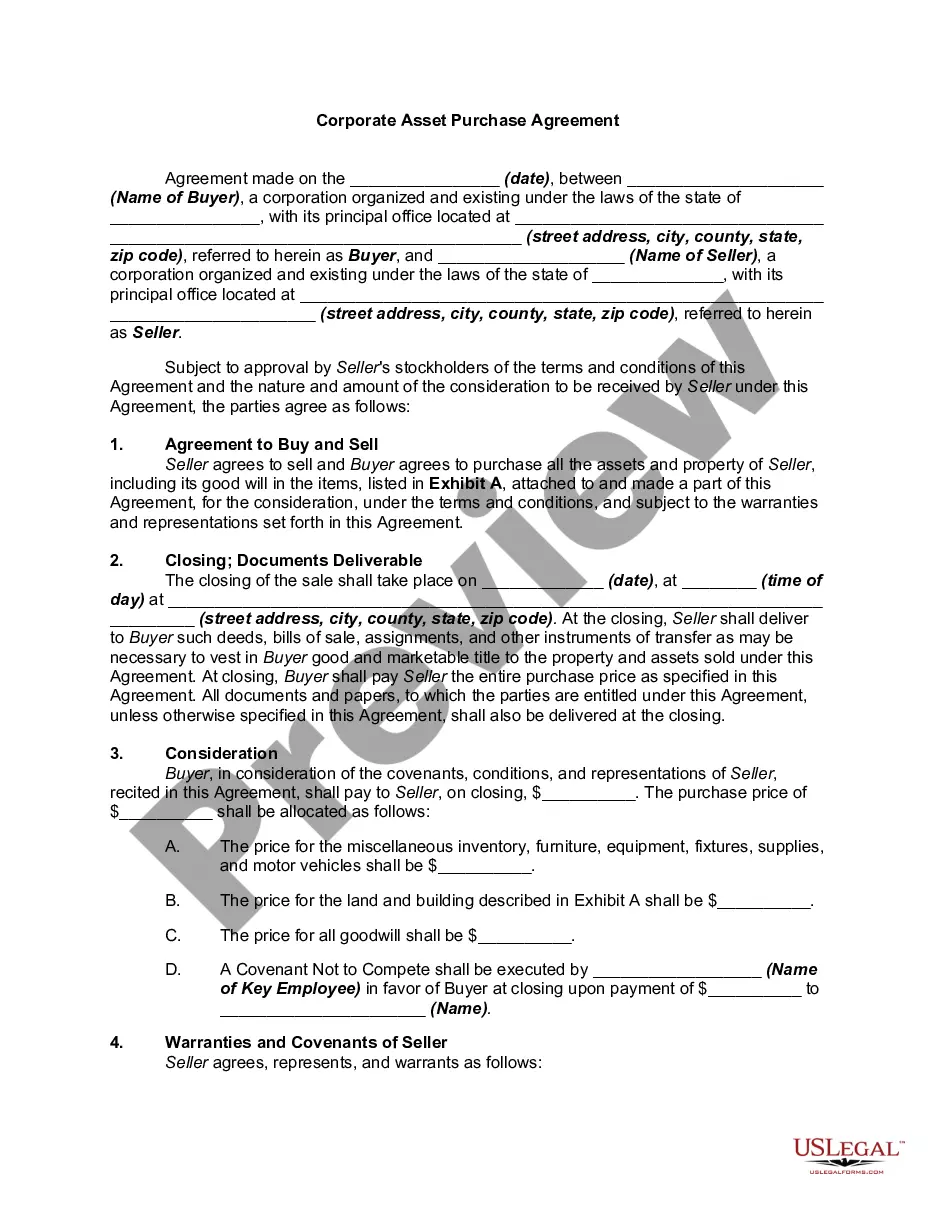
Get your form ready online
Our built-in tools help you complete, sign, share, and store your documents in one place.
Make edits, fill in missing information, and update formatting in US Legal Forms—just like you would in MS Word.
Download a copy, print it, send it by email, or mail it via USPS—whatever works best for your next step.
Sign and collect signatures with our SignNow integration. Send to multiple recipients, set reminders, and more. Go Premium to unlock E-Sign.
If this form requires notarization, complete it online through a secure video call—no need to meet a notary in person or wait for an appointment.
We protect your documents and personal data by following strict security and privacy standards.

Make edits, fill in missing information, and update formatting in US Legal Forms—just like you would in MS Word.

Download a copy, print it, send it by email, or mail it via USPS—whatever works best for your next step.

Sign and collect signatures with our SignNow integration. Send to multiple recipients, set reminders, and more. Go Premium to unlock E-Sign.

If this form requires notarization, complete it online through a secure video call—no need to meet a notary in person or wait for an appointment.

We protect your documents and personal data by following strict security and privacy standards.
Looking for another form?







How to fill out Purchase Agreement By A Corporation Of Assets Of A Partnership?
The Corporate Assets With Tangible Worth displayed on this page is a reusable legal template crafted by expert attorneys in compliance with federal and regional regulations.
For over 25 years, US Legal Forms has supplied individuals, organizations, and legal practitioners with more than 85,000 authenticated, state-specific documents for any business and personal event. It’s the fastest, easiest, and most reliable method to obtain the forms you require, as the service assures the utmost level of data security and anti-malware safeguards.
Register for US Legal Forms to access verified legal templates for all of life's situations at your fingertips.
- Browse for the document you need and review it.
- Examine the file you searched and preview it or review the form description to confirm it meets your needs. If it does not, utilize the search option to find the correct one. Click Buy Now once you have located the template you require.
- Register and Log In.
- Select the payment plan that fits you and create an account. Use PayPal or a credit card for a swift payment. If you already possess an account, Log In and check your subscription to proceed.
- Obtain the editable template.
- Choose the format you want for your Corporate Assets With Tangible Worth (PDF, Word, RTF) and download the sample to your device.
- Fill out and sign the document.
- Print the template to complete it by hand. Alternatively, utilize an online versatile PDF editor to quickly and accurately fill out and sign your form electronically.
- Download your documents again.
- Use the same document again when necessary. Access the My documents tab in your profile to redownload any previously retrieved forms.
Form popularity
FAQ
Tangible asset value refers to the worth of physical assets owned by a corporation, such as buildings, machinery, and inventory. These assets are crucial, as they often represent the foundation of a company's operations. Knowing the tangible asset value helps in assessing the overall health of your corporation's financial standing. This understanding can guide you in strategic planning and investment.
To calculate net tangible assets, start with the total assets of the company and subtract intangible assets and liabilities. This gives you a clearer picture of the corporation's tangible values, which can be crucial for investors. Tracking your net tangible assets accurately can aid in making informed financial decisions. Utilizing platforms like uslegalforms can simplify the process of asset evaluation.
Intangible assets are non-physical assets that hold value for a corporation. The six common types include patents, trademarks, copyrights, goodwill, brand recognition, and trade secrets. These assets contribute to the overall worth of corporation assets with tangible values, enhancing the company's competitive edge. Understanding these can help you better appreciate the full scope of your corporation's assets.
In corporate accounting, tangible assets refer to physical items owned by the corporation that have measurable value. This includes equipment, vehicles, buildings, and inventory, among others. These assets play a significant role in evaluating a company's financial health and operational capacity. By focusing on corporation assets with tangible values, businesses can make informed decisions about asset management and investment strategies.
The formula for tangible assets is straightforward and essential for understanding your corporation assets with tangible values. You can calculate it by adding the total value of your physical assets, such as machinery, buildings, and inventory. This total gives you a clear picture of your company's tangible asset worth. Utilizing this formula helps you manage and evaluate your assets effectively.
A tangible asset is an asset that has physical substance. Examples include inventory, a building, rolling stock, manufacturing equipment or machinery, and office furniture.
You can record tangible fixed assets on the balance sheet using their original, or book value, and then apply a depreciation formula to account for this loss in value. They're considered long-term assets because you need them for everyday business over time, rather than quickly liquidated.
Examples of current assets you can list on your balance sheet include: Cash. The products or goods you have available to sell. Liquid equity. Checks. Bank drafts. Short-term investments. Prepaid expenses. Debt securities.
1. Identify all physical assets: Start by listing every tangible item that your business owns such as equipment, furniture, vehicles, inventory and supplies. 2. List all non-physical assets: Beyond physical items, identify any intangible assets like intellectual property such as patents, trademarks and copyrights.