Non Profit Corporation Form For Animals
Description
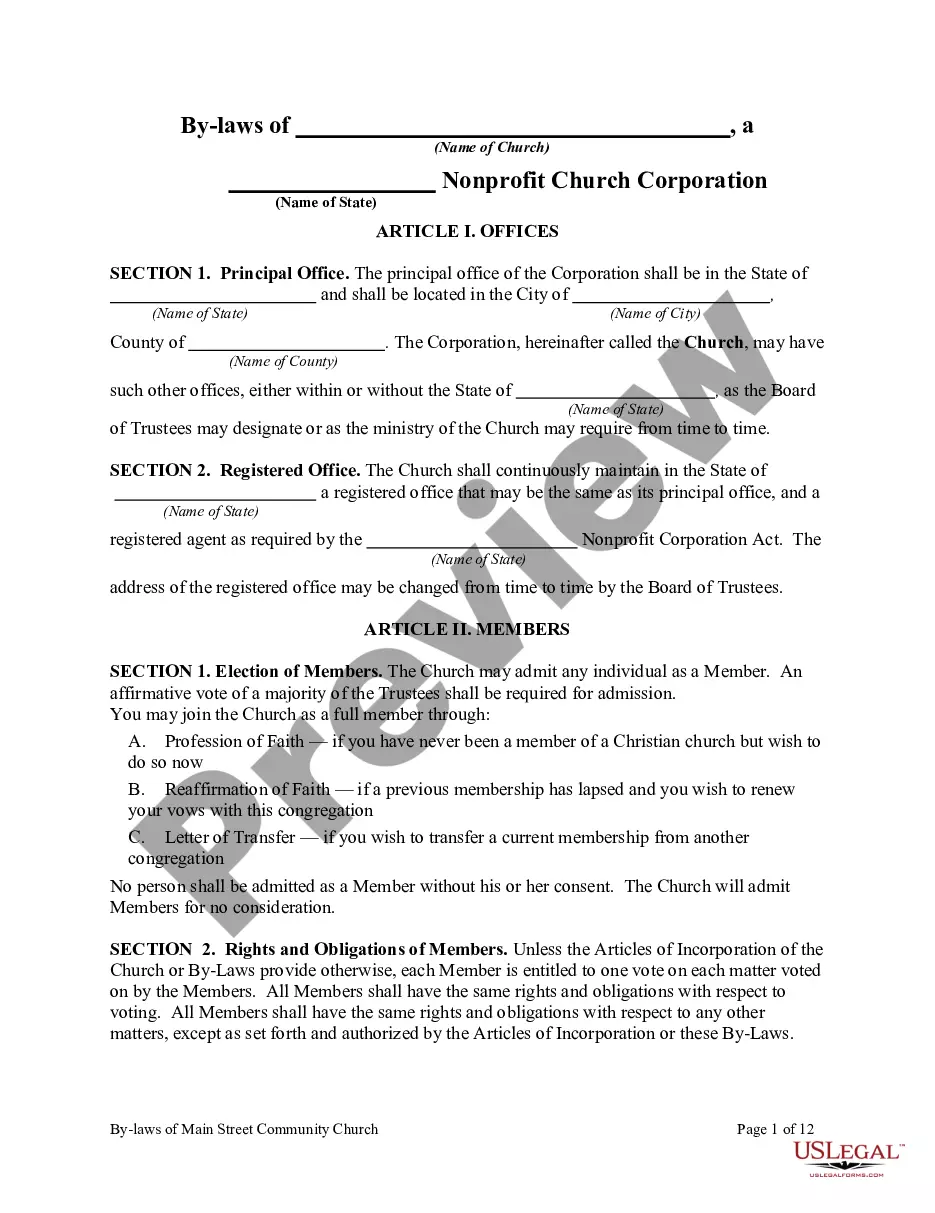
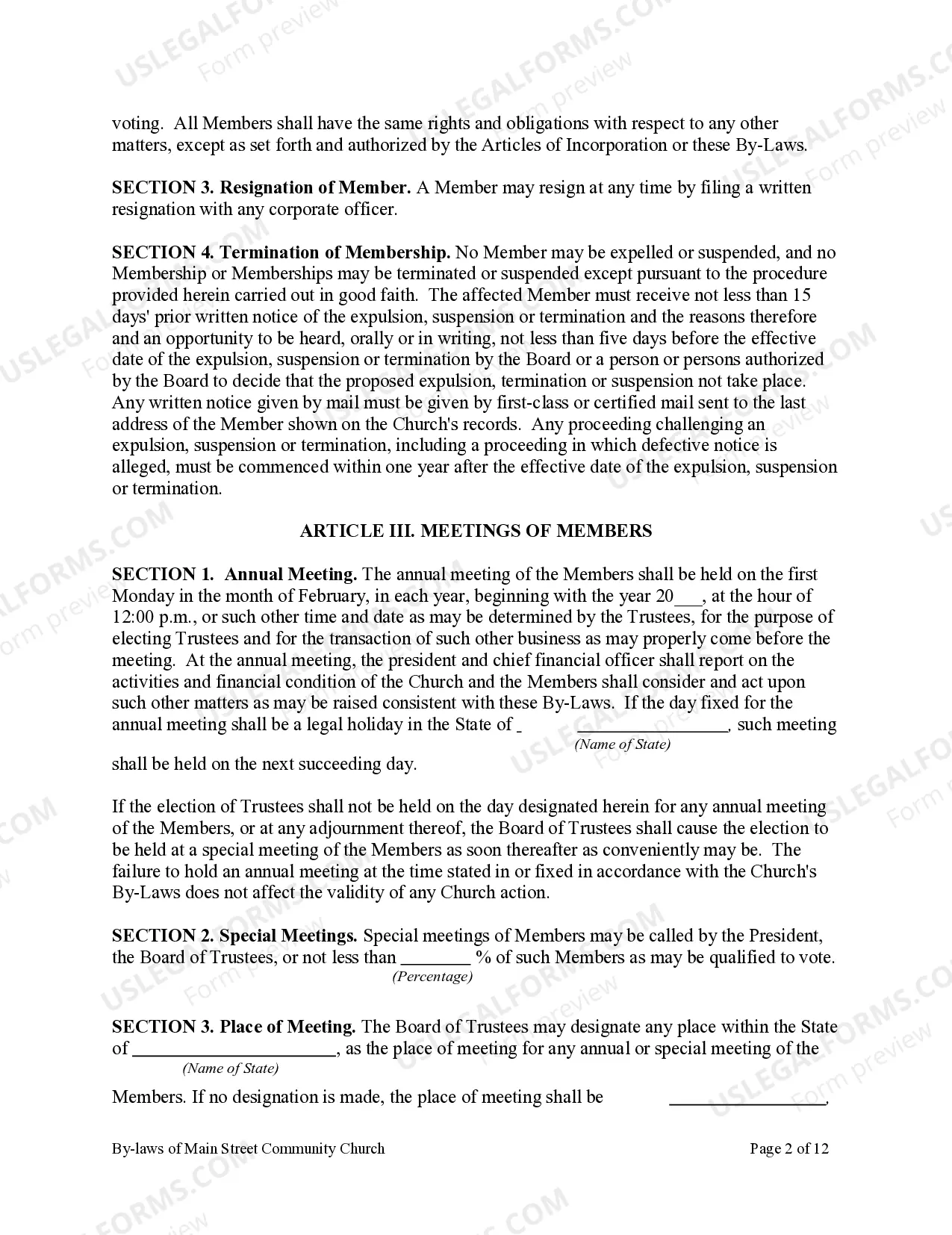
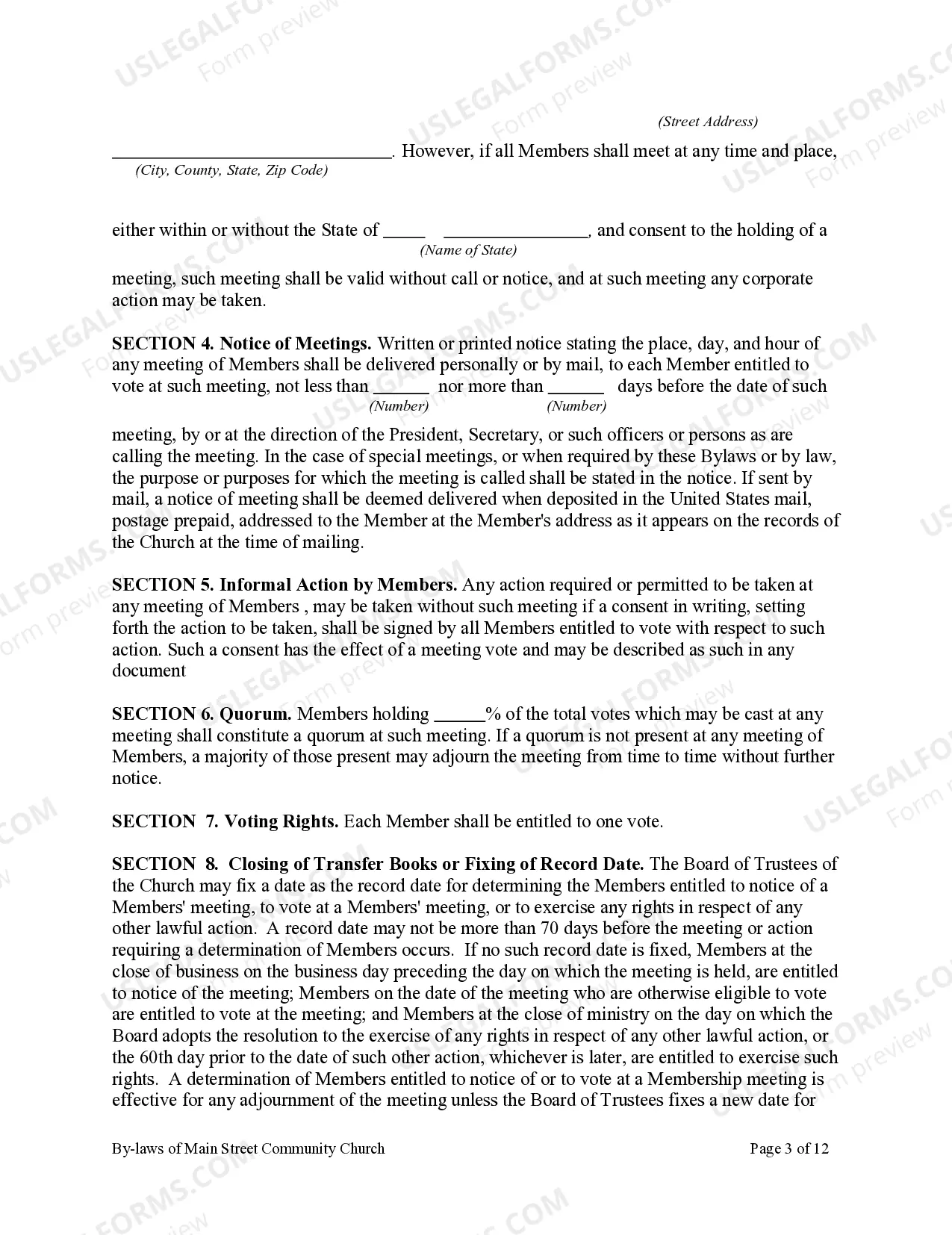
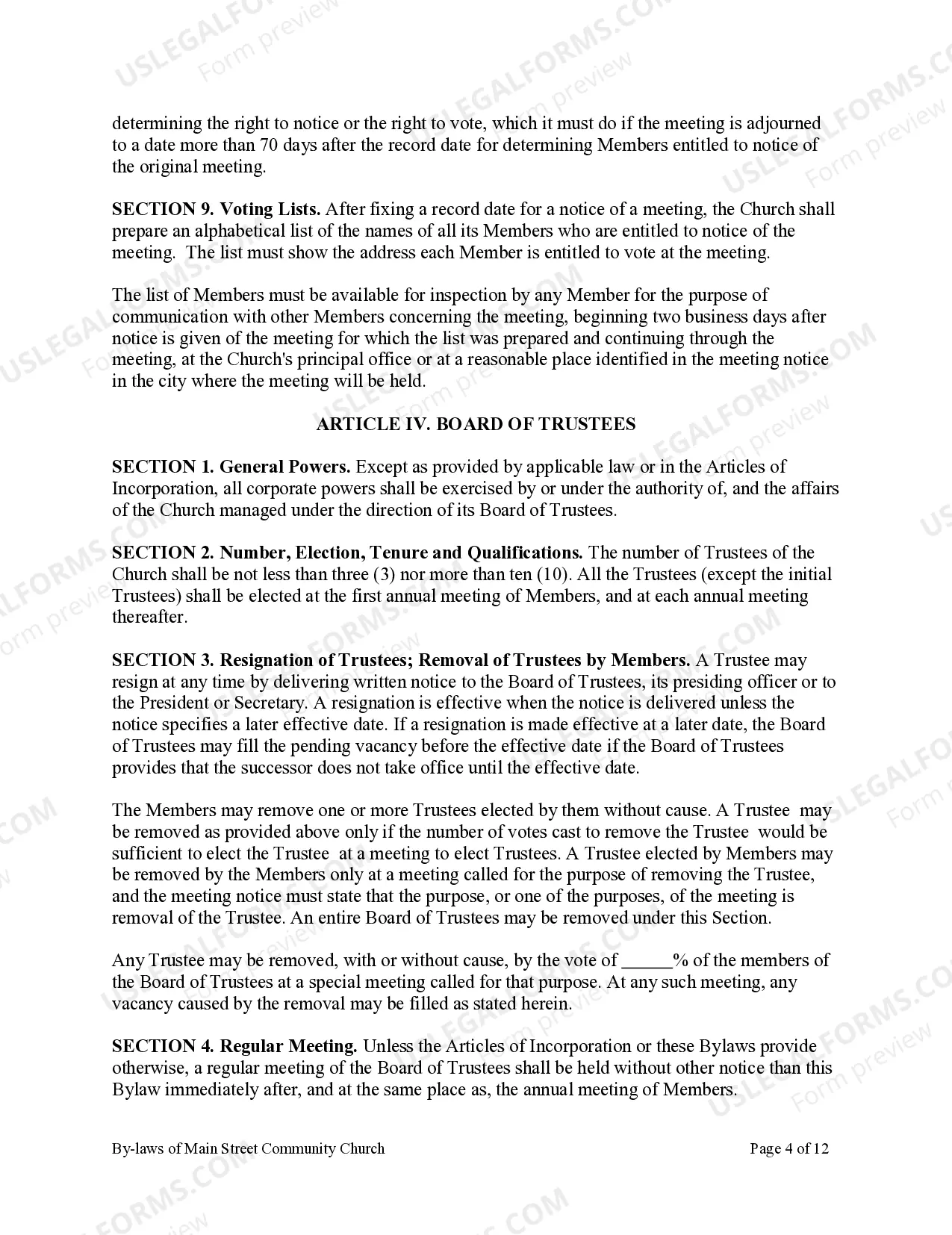
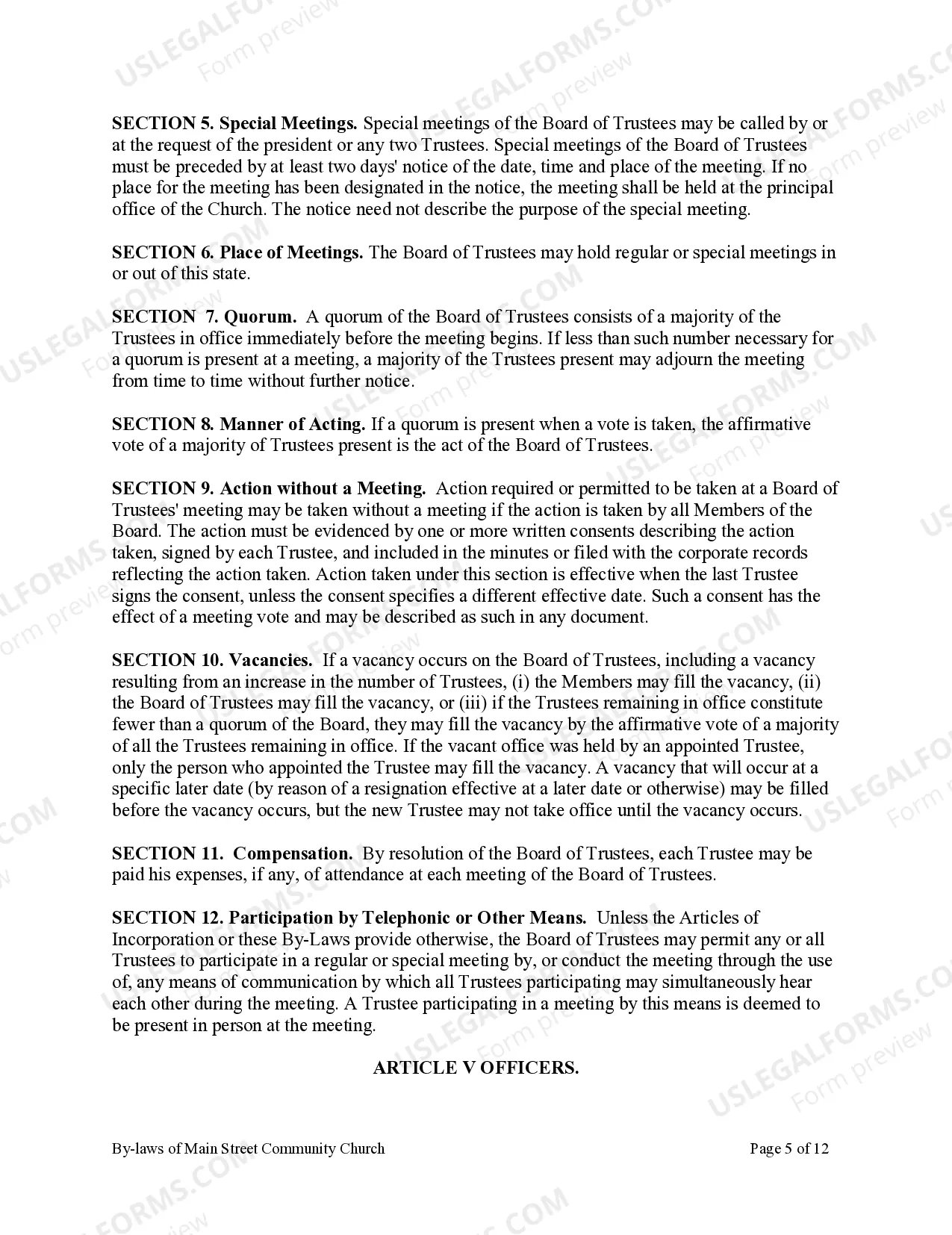
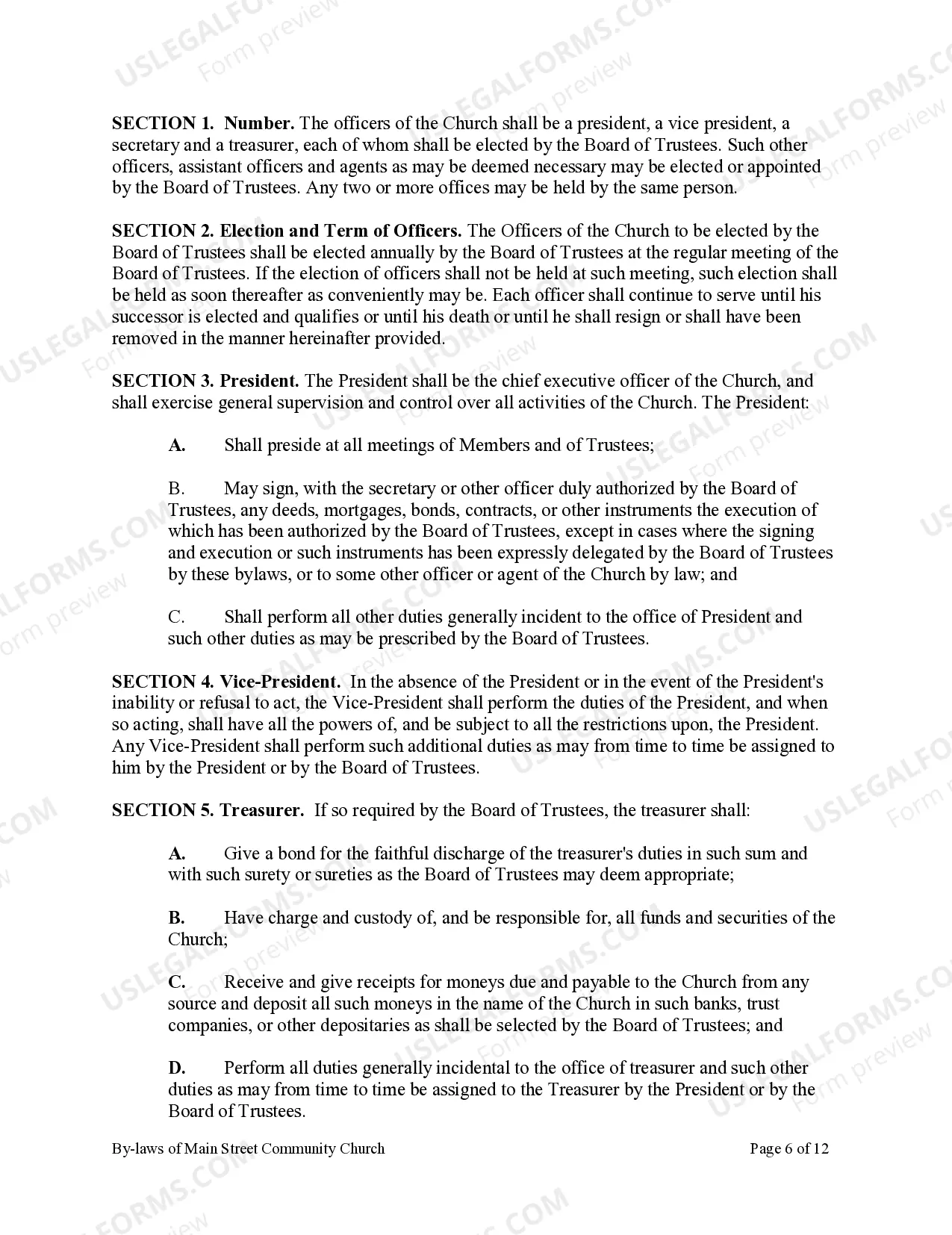
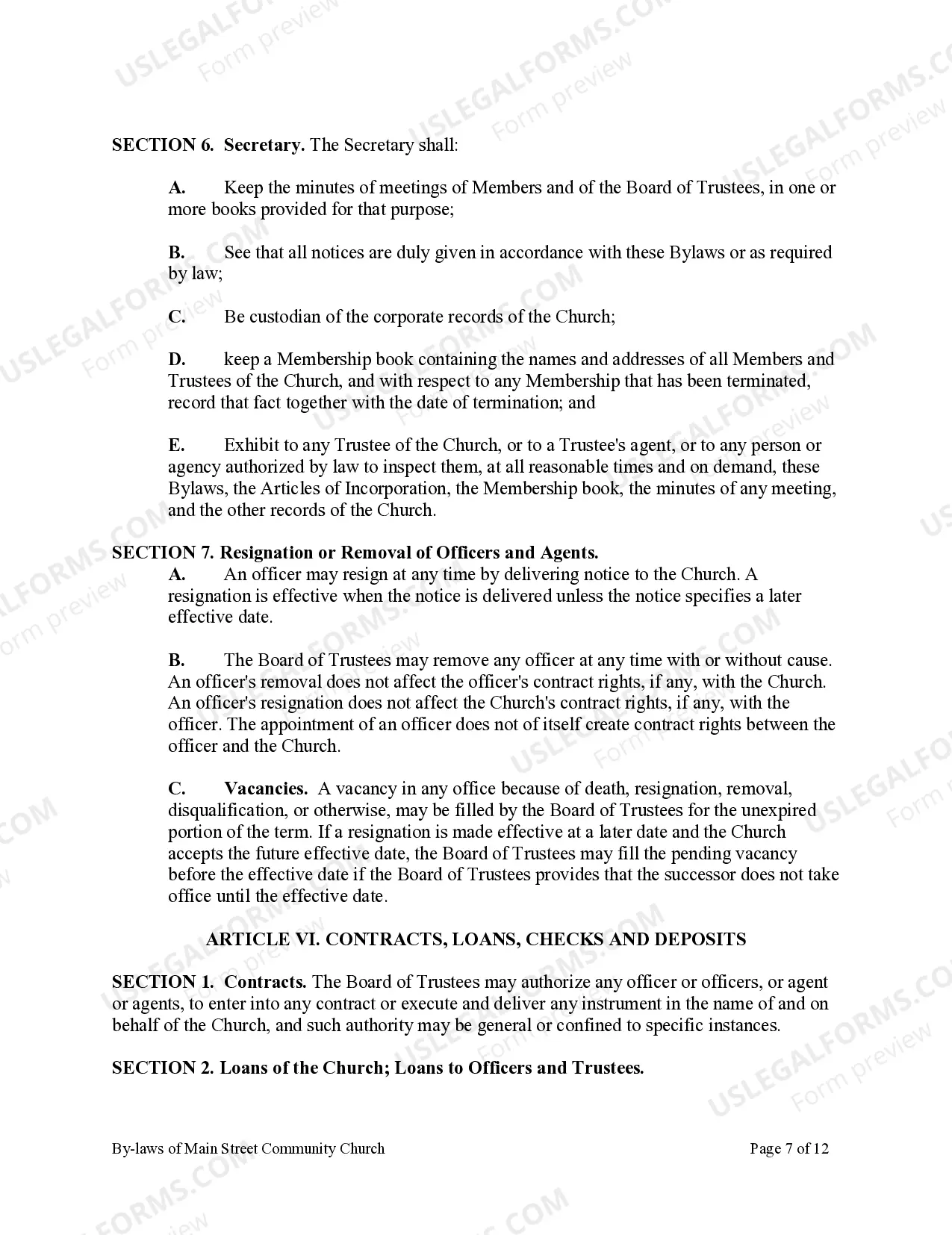
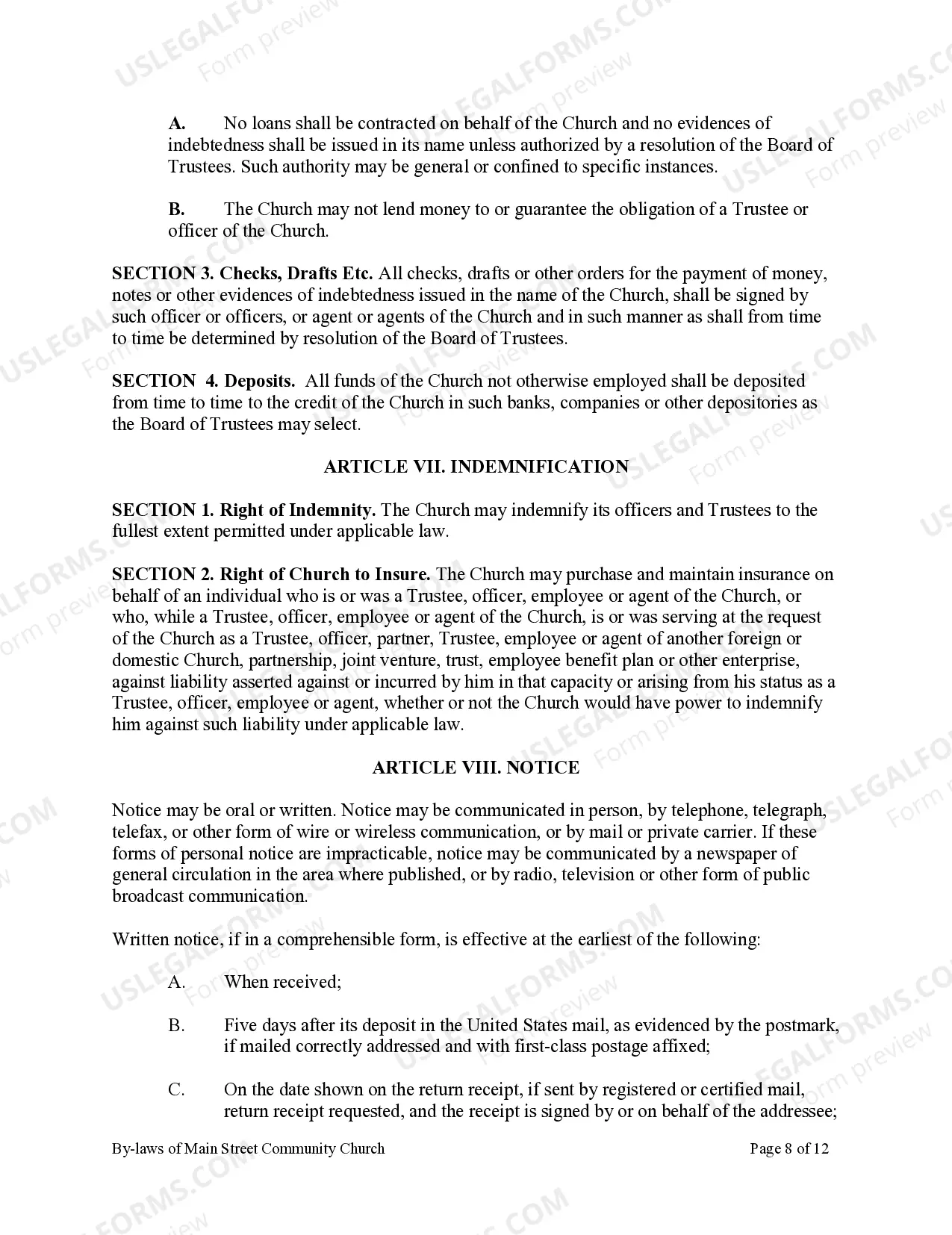
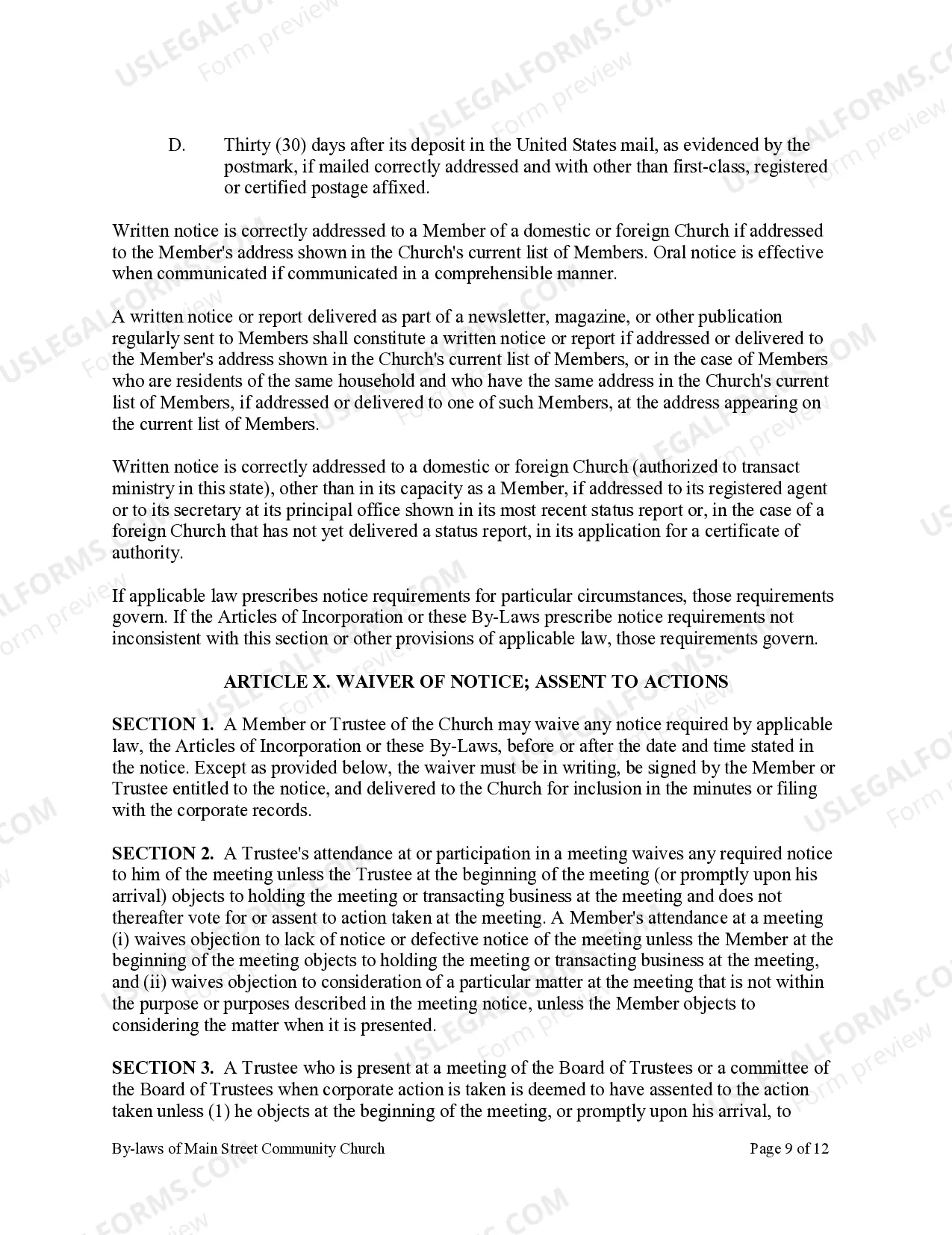
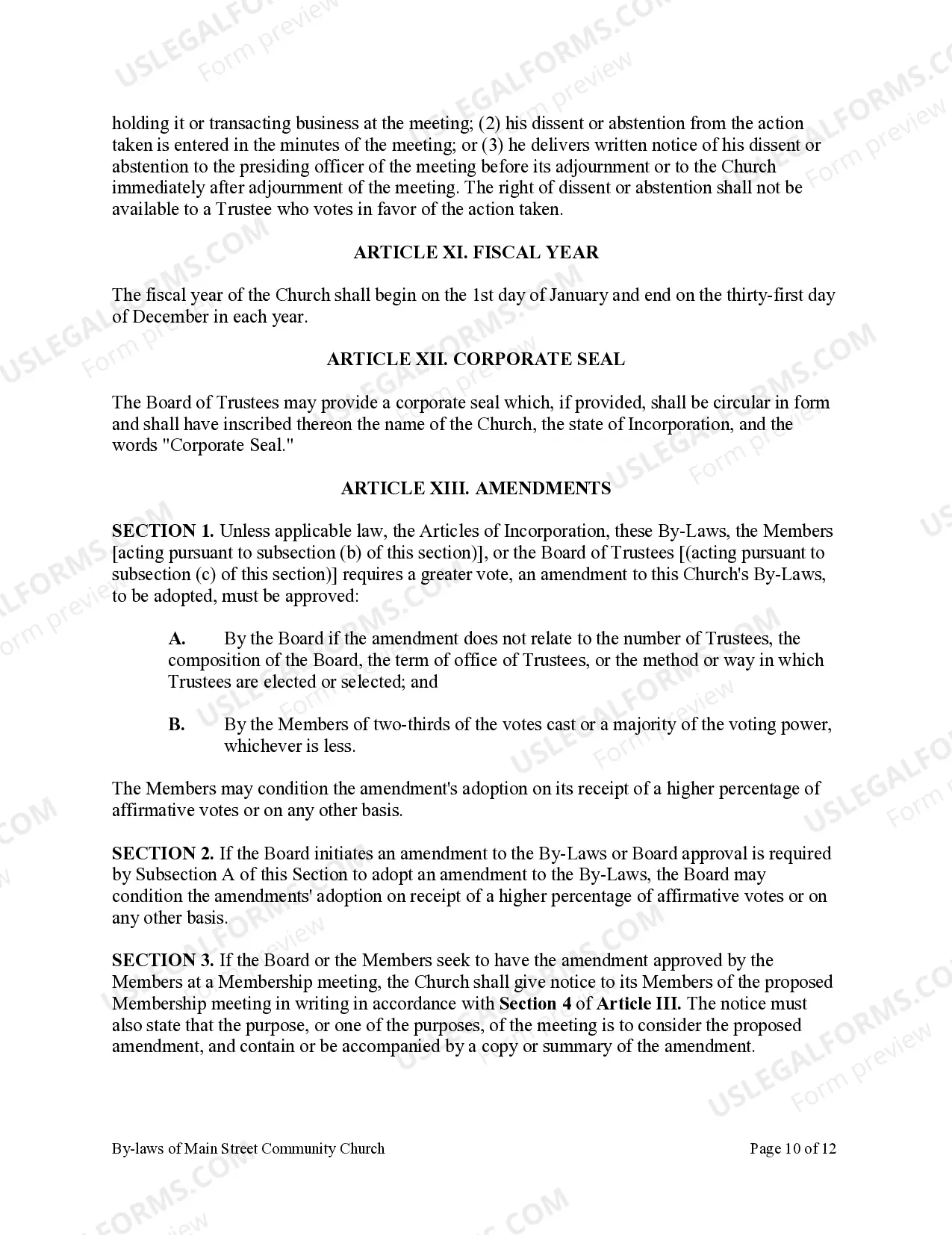

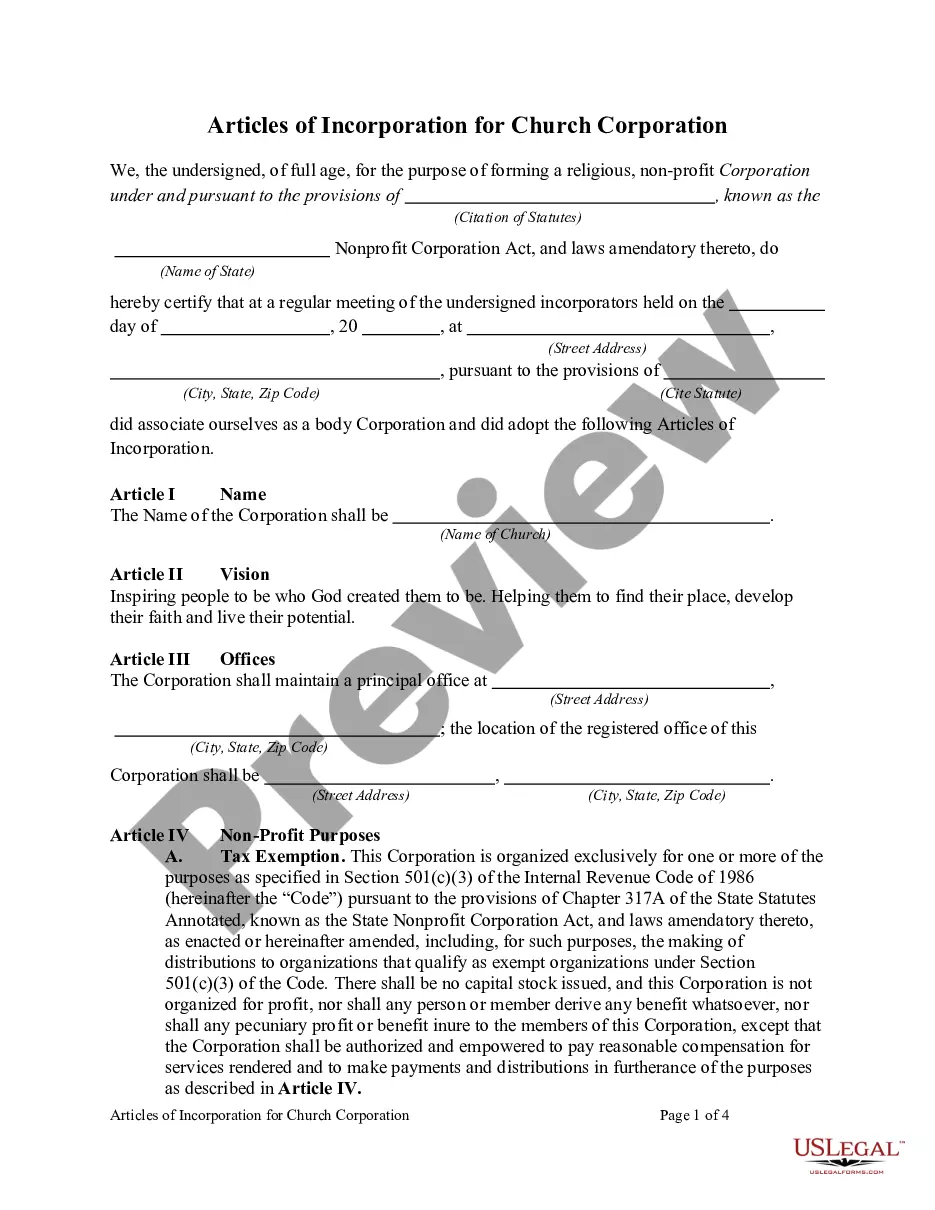
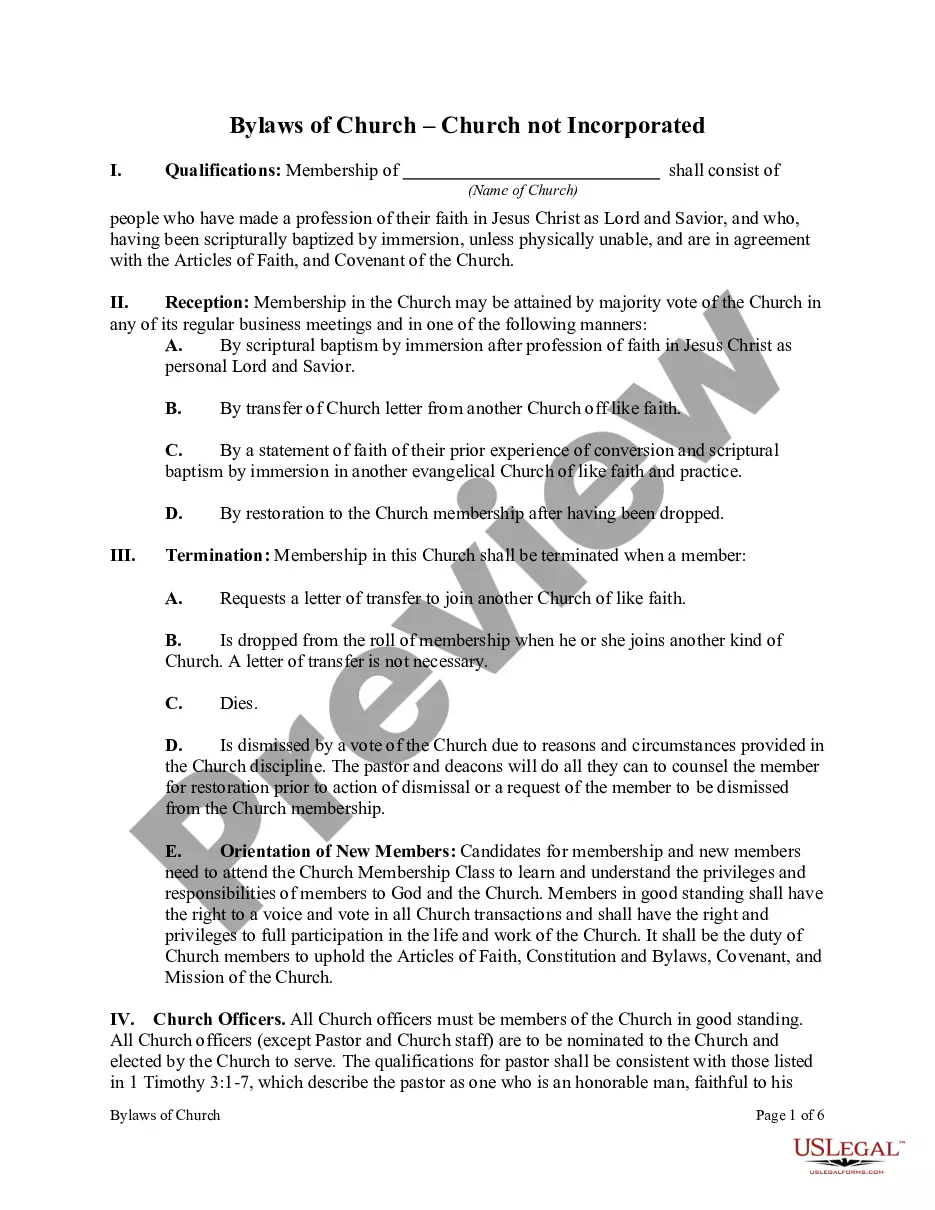
Get your form ready online
Our built-in tools help you complete, sign, share, and store your documents in one place.
Make edits, fill in missing information, and update formatting in US Legal Forms—just like you would in MS Word.
Download a copy, print it, send it by email, or mail it via USPS—whatever works best for your next step.
Sign and collect signatures with our SignNow integration. Send to multiple recipients, set reminders, and more. Go Premium to unlock E-Sign.
If this form requires notarization, complete it online through a secure video call—no need to meet a notary in person or wait for an appointment.
We protect your documents and personal data by following strict security and privacy standards.

Make edits, fill in missing information, and update formatting in US Legal Forms—just like you would in MS Word.

Download a copy, print it, send it by email, or mail it via USPS—whatever works best for your next step.

Sign and collect signatures with our SignNow integration. Send to multiple recipients, set reminders, and more. Go Premium to unlock E-Sign.

If this form requires notarization, complete it online through a secure video call—no need to meet a notary in person or wait for an appointment.

We protect your documents and personal data by following strict security and privacy standards.
Looking for another form?



How to fill out Bi-Laws Of A Non-Profit Church Corporation?
Locating a reliable source for the latest and most suitable legal templates constitutes a significant part of navigating bureaucracy.
Selecting the correct legal documents requires accuracy and meticulousness; hence, it is crucial to procure Non Profit Corporation Form For Animals exclusively from trustworthy providers, such as US Legal Forms.
Once the form is saved on your device, you may modify it using the editor or print it out for manual completion. Ease the burden associated with your legal documentation by exploring the comprehensive US Legal Forms library, where you can discover legal templates, verify their relevance to your circumstances, and download them promptly.
- Utilize the library navigation or search bar to locate your template.
- Review the form’s description to confirm it aligns with the prerequisites of your state and area.
- Examine the form preview, if available, to ensure that the form is indeed the one you seek.
- Return to the search and identify the correct document if the Non Profit Corporation Form For Animals does not satisfy your needs.
- If you are confident about the form’s suitability, download it.
- As a registered user, click Log in to verify and access your selected forms in My documents.
- If you haven't created an account yet, click Buy now to acquire the form.
- Choose the pricing plan that meets your needs.
- Proceed to the registration process to complete your purchase.
- Conclude your transaction by selecting a payment method (credit card or PayPal).
- Select the document format for downloading Non Profit Corporation Form For Animals.
Form popularity
FAQ
A nonprofit corporation is a legal entity formed to pursue a specific purpose, often charitable, educational, or social. On the other hand, a 501c3 designation is a tax-exempt status granted by the IRS to a nonprofit organization. While all 501c3 organizations are nonprofit corporations, not all nonprofit corporations qualify for 501c3 status. To benefit from tax deductions and grants, you should consider filing a non profit corporation form for animals that meets IRS requirements.
To start a non-profit animal rescue, first identify your goals and the specific needs of your community regarding animal welfare. Research local regulations and begin the process by completing the non profit corporation form for animals. Additionally, establish a strong network of supporters and volunteers to help with rescue efforts. By taking these steps, you can create a sustainable organization that makes a meaningful impact.
To set up a non-profit animal rescue, start by developing a clear mission statement and gather a dedicated team of volunteers or board members. Next, file the necessary paperwork, including your non profit corporation form for animals, with your state. After obtaining tax-exempt status from the IRS, create a fundraising plan to support your organization’s operations. Utilizing resources like US Legal Forms can simplify the legal steps involved.
An animal rescue typically falls under the category of a charitable organization, specifically a 501(c)(3) nonprofit. This designation allows it to operate for the benefit of the public, focusing on the welfare of animals. Many organizations using a non profit corporation form for animals work to rescue, rehabilitate, and rehome pets in need. Understanding the classification can help with compliance and securing funding.
The 33% rule for nonprofits refers to the guideline that states a nonprofit must spend at least 33% of its total expenditures on its programs or services, which directly support its mission. This rule ensures that a significant portion of funds goes toward the actual work of the organization, especially crucial for those using a non profit corporation form for animals. Adhering to this rule can help maintain donor trust and compliance with regulations. Always keep your financial records transparent to demonstrate adherence.
To fill out the AW-9 for a nonprofit corporation, begin by gathering your organization’s information, including the legal name and address. This form is essential for tax reporting purposes, particularly for a non profit corporation form for animals. Ensure that you provide an Employer Identification Number (EIN), as this is required for tax-exempt status. If you need assistance with the form, consider utilizing US Legal Forms for guidance.
The 3-3-3 rule for animals refers to a guideline for newly adopted pets. It suggests that pets may take three days to adjust to their new environment, three weeks to start feeling comfortable, and three months to fully settle in. Understanding this rule can help pet owners provide proper care and support as they transition, ensuring a smoother adjustment for their new companions.
A 501c animal rescue is a type of nonprofit organization that focuses on rescuing and rehabilitating animals in need. These organizations operate under the 501c3 tax-exempt status, allowing them to receive donations that are tax-deductible for the donor. If you are looking to establish a rescue, obtaining a non profit corporation form for animals is an essential step in your journey.
Starting a nonprofit for animals involves several steps. First, you should define your mission and create a business plan. Then, you will need to file a non profit corporation form for animals with your state and apply for 501c3 status to receive tax benefits. Utilizing resources like USLegalForms can simplify the paperwork and guide you through the process.
The 990 form is an annual reporting document that tax-exempt organizations, including non-profit corporations, must file with the IRS. This form provides information about the organization's activities, governance, and financials. Filing a 990 form is essential for maintaining tax-exempt status, and it helps ensure transparency for donors and the public.