Rules And Regulations For Church Whatsapp Group
Description
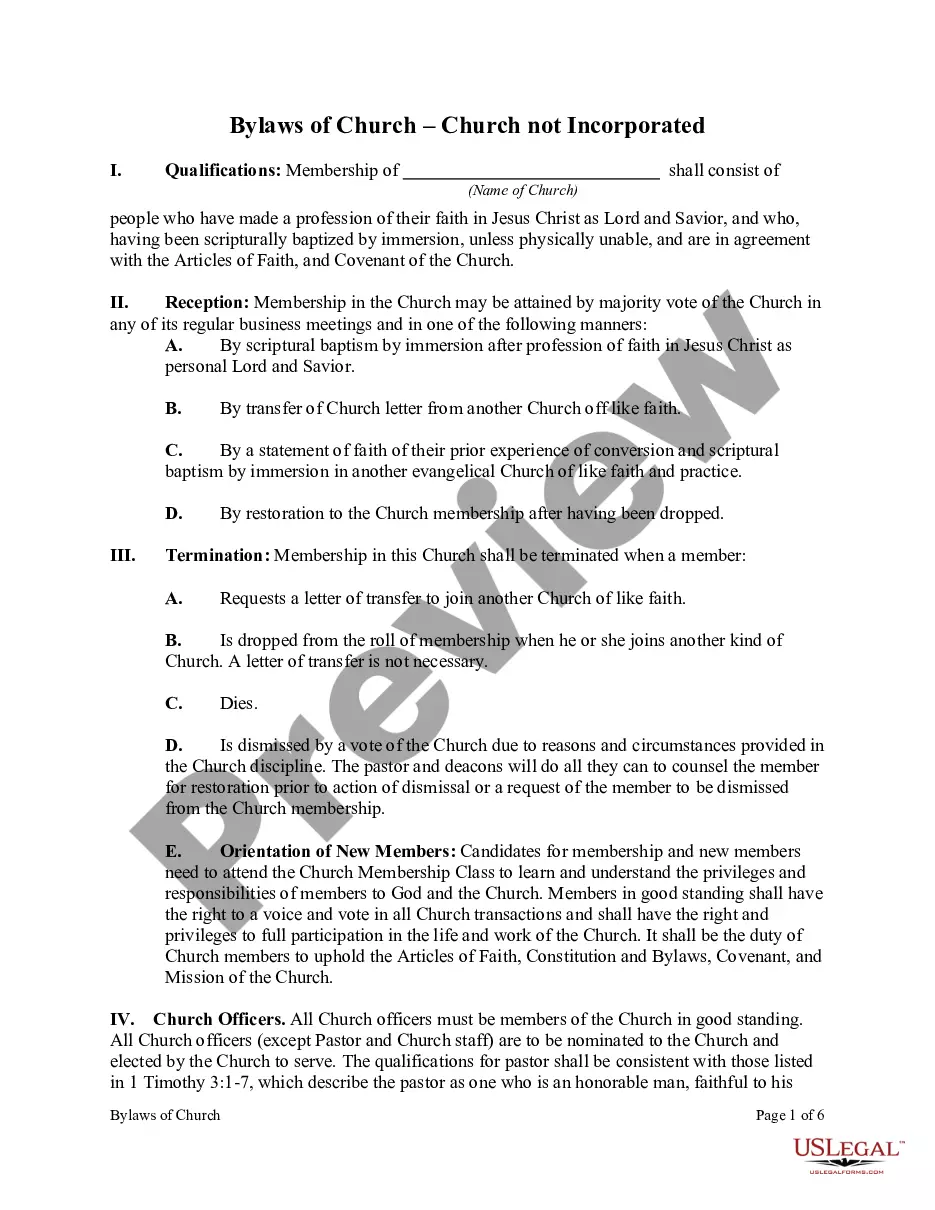
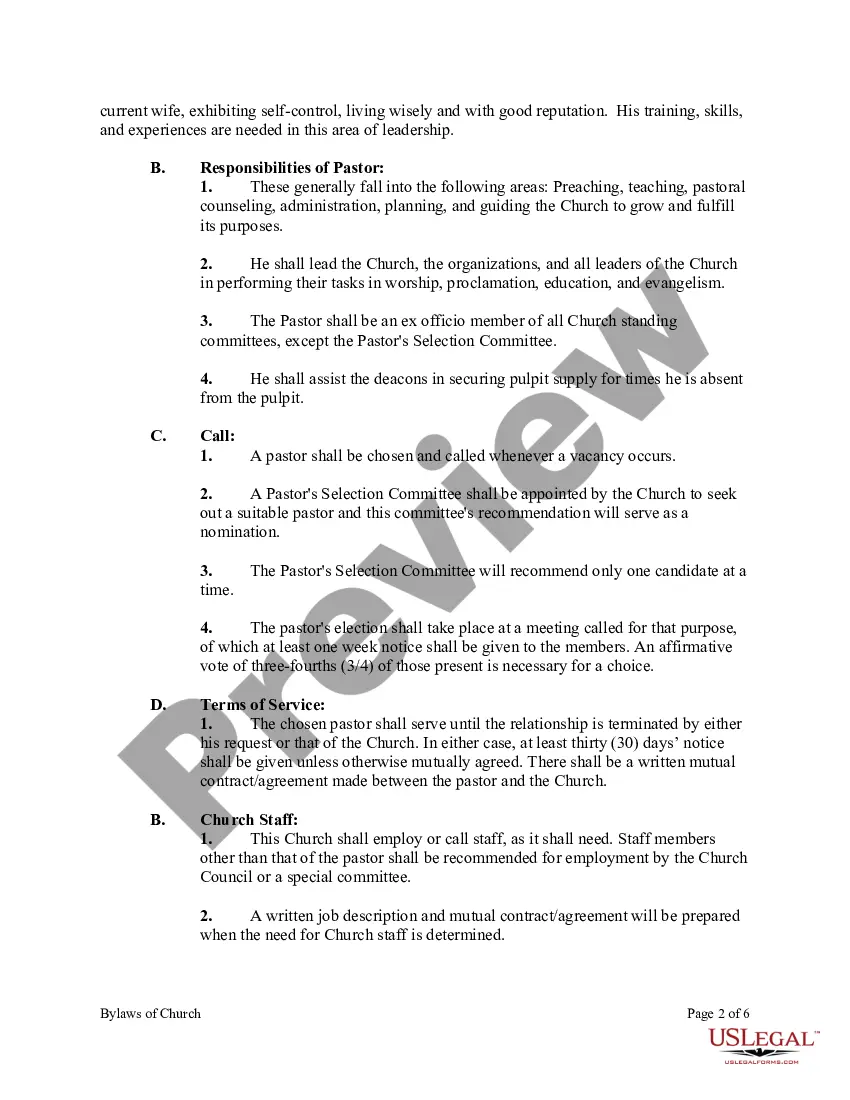
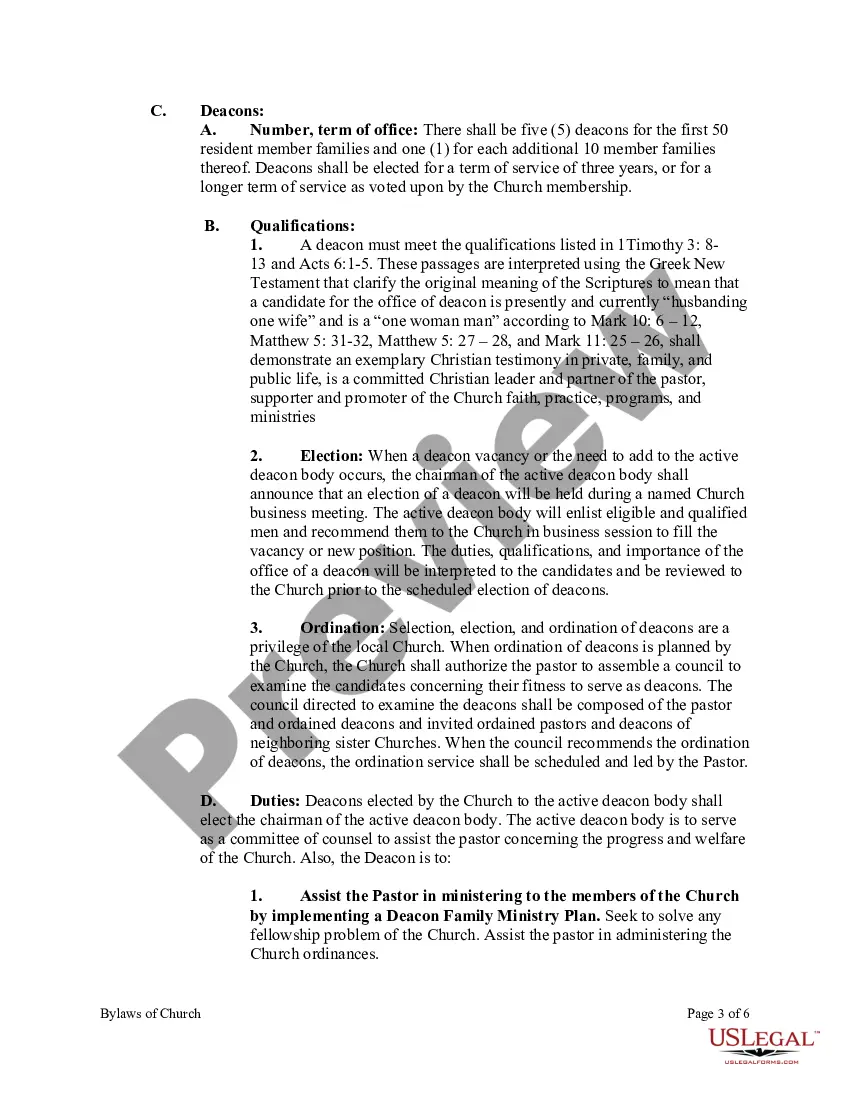
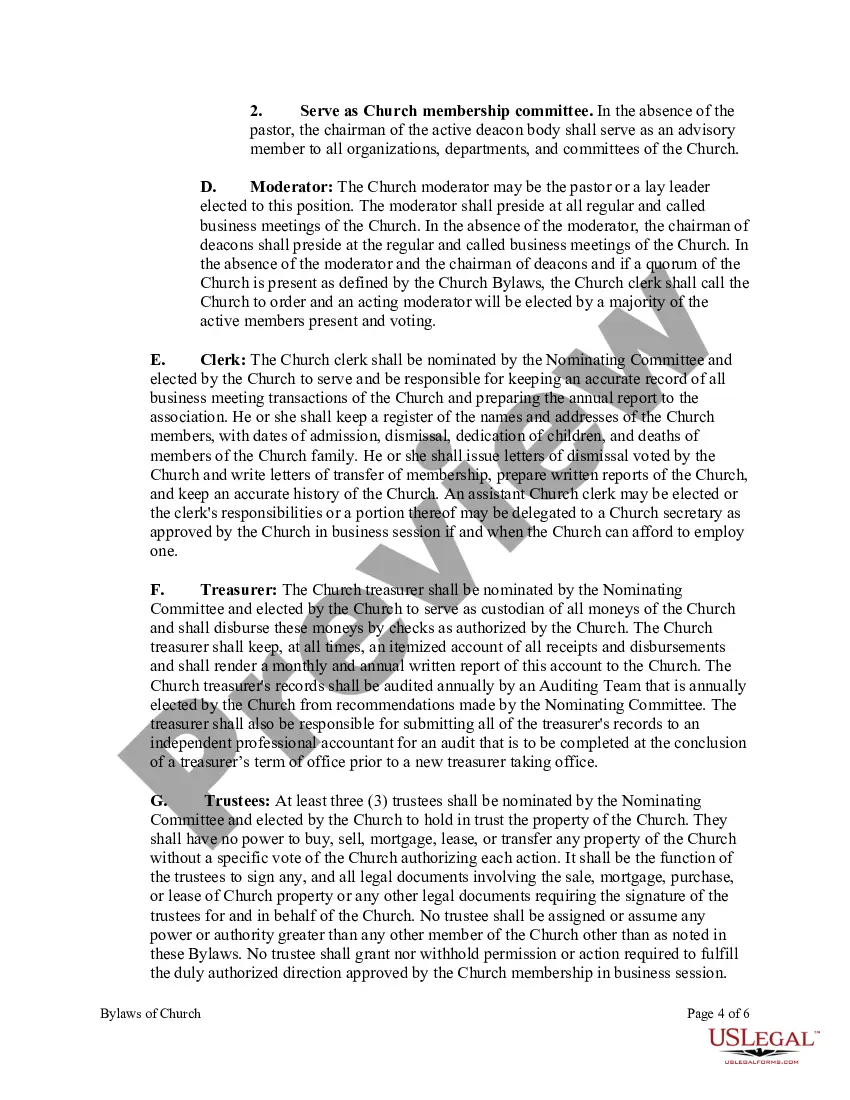
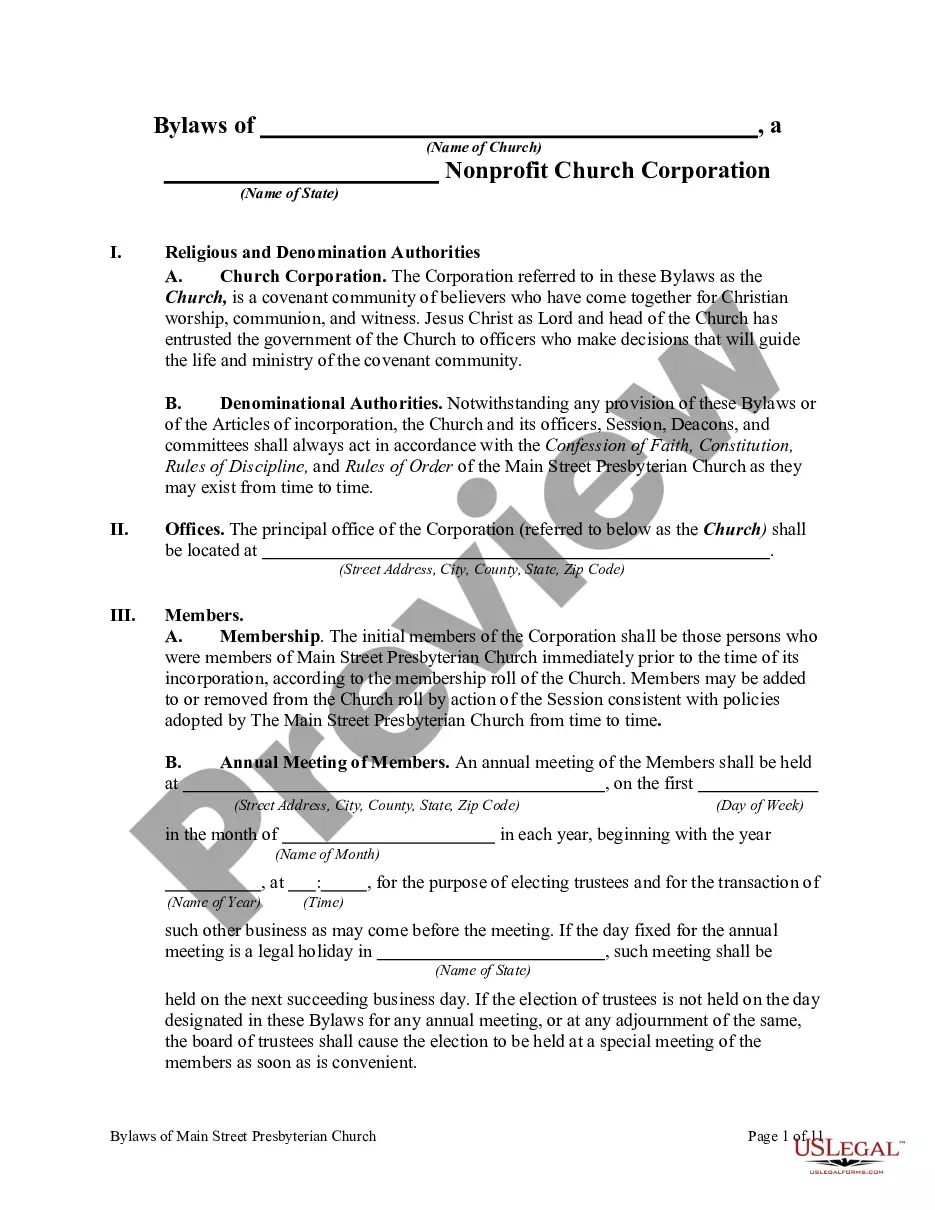
Get your form ready online
Our built-in tools help you complete, sign, share, and store your documents in one place.
Make edits, fill in missing information, and update formatting in US Legal Forms—just like you would in MS Word.
Download a copy, print it, send it by email, or mail it via USPS—whatever works best for your next step.
Sign and collect signatures with our SignNow integration. Send to multiple recipients, set reminders, and more. Go Premium to unlock E-Sign.
If this form requires notarization, complete it online through a secure video call—no need to meet a notary in person or wait for an appointment.
We protect your documents and personal data by following strict security and privacy standards.
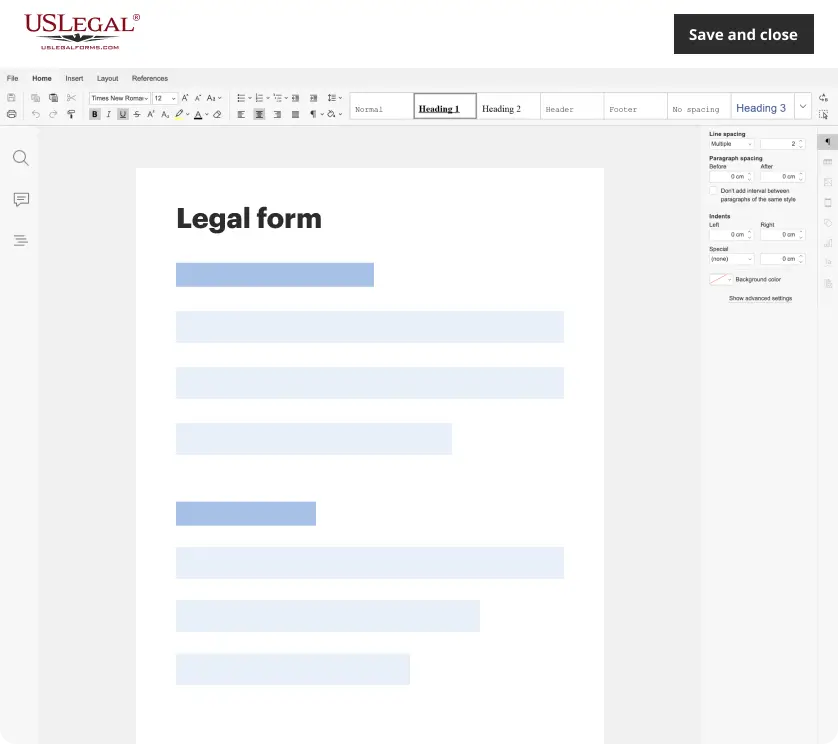
Make edits, fill in missing information, and update formatting in US Legal Forms—just like you would in MS Word.
Download a copy, print it, send it by email, or mail it via USPS—whatever works best for your next step.
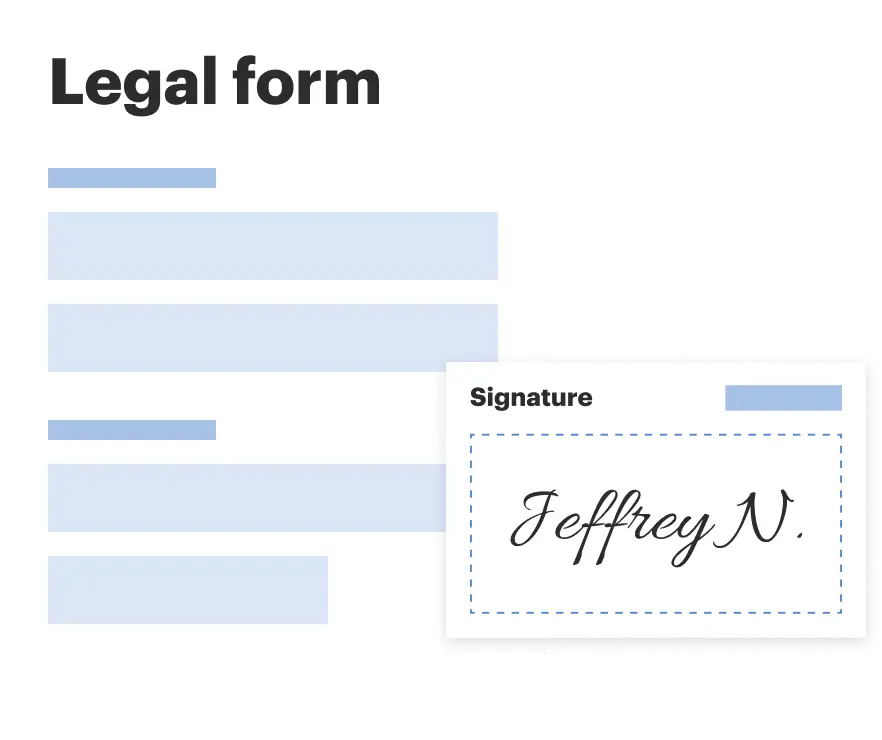
Sign and collect signatures with our SignNow integration. Send to multiple recipients, set reminders, and more. Go Premium to unlock E-Sign.

If this form requires notarization, complete it online through a secure video call—no need to meet a notary in person or wait for an appointment.
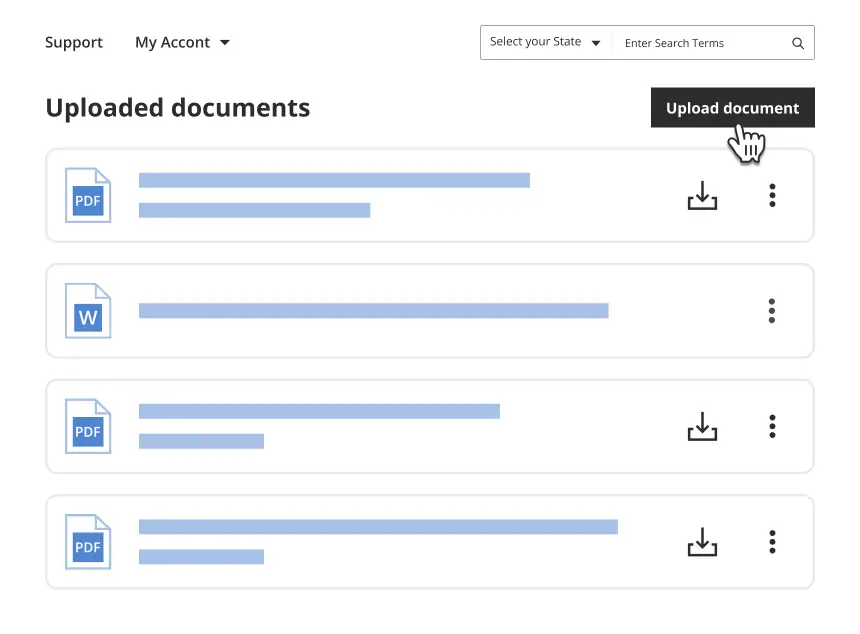
We protect your documents and personal data by following strict security and privacy standards.
Looking for another form?
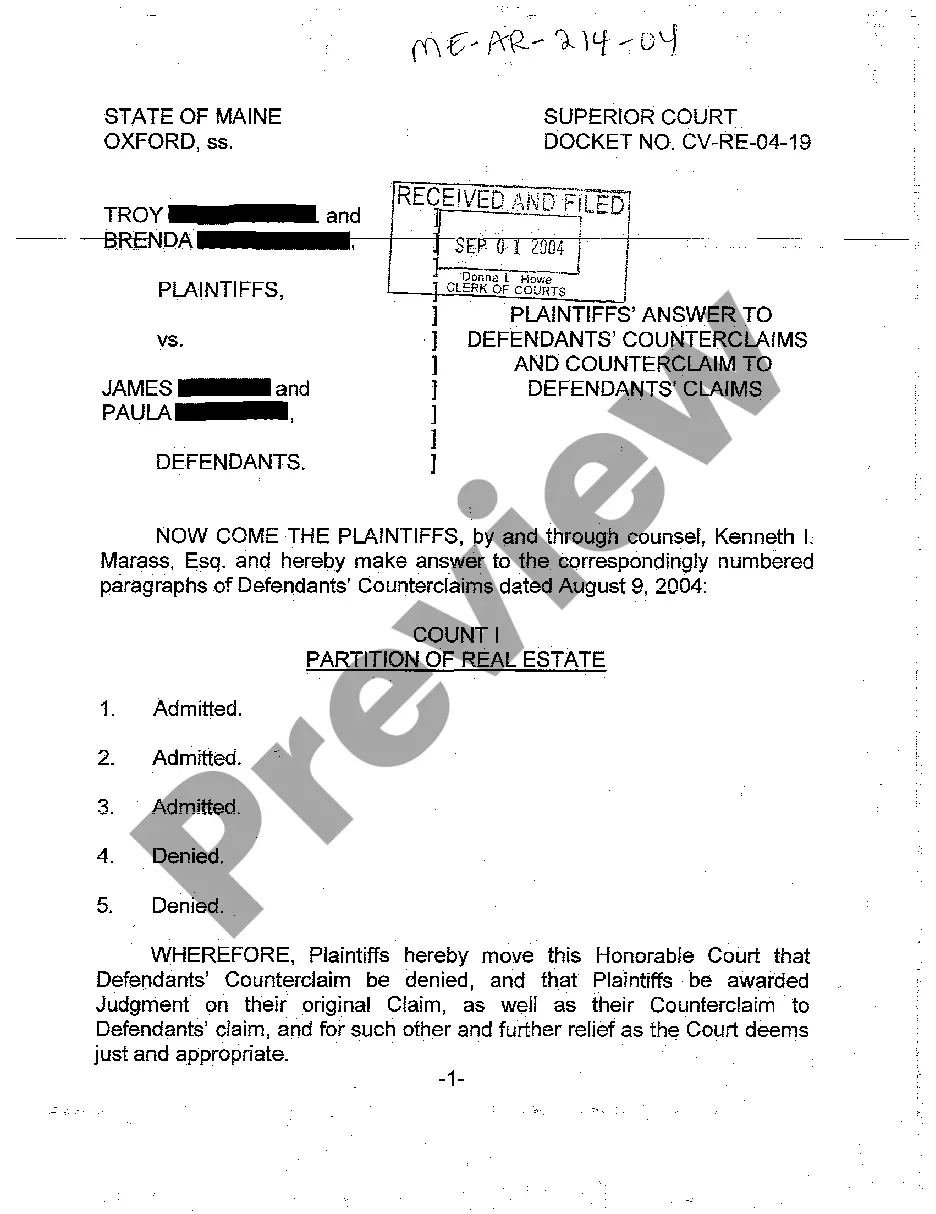
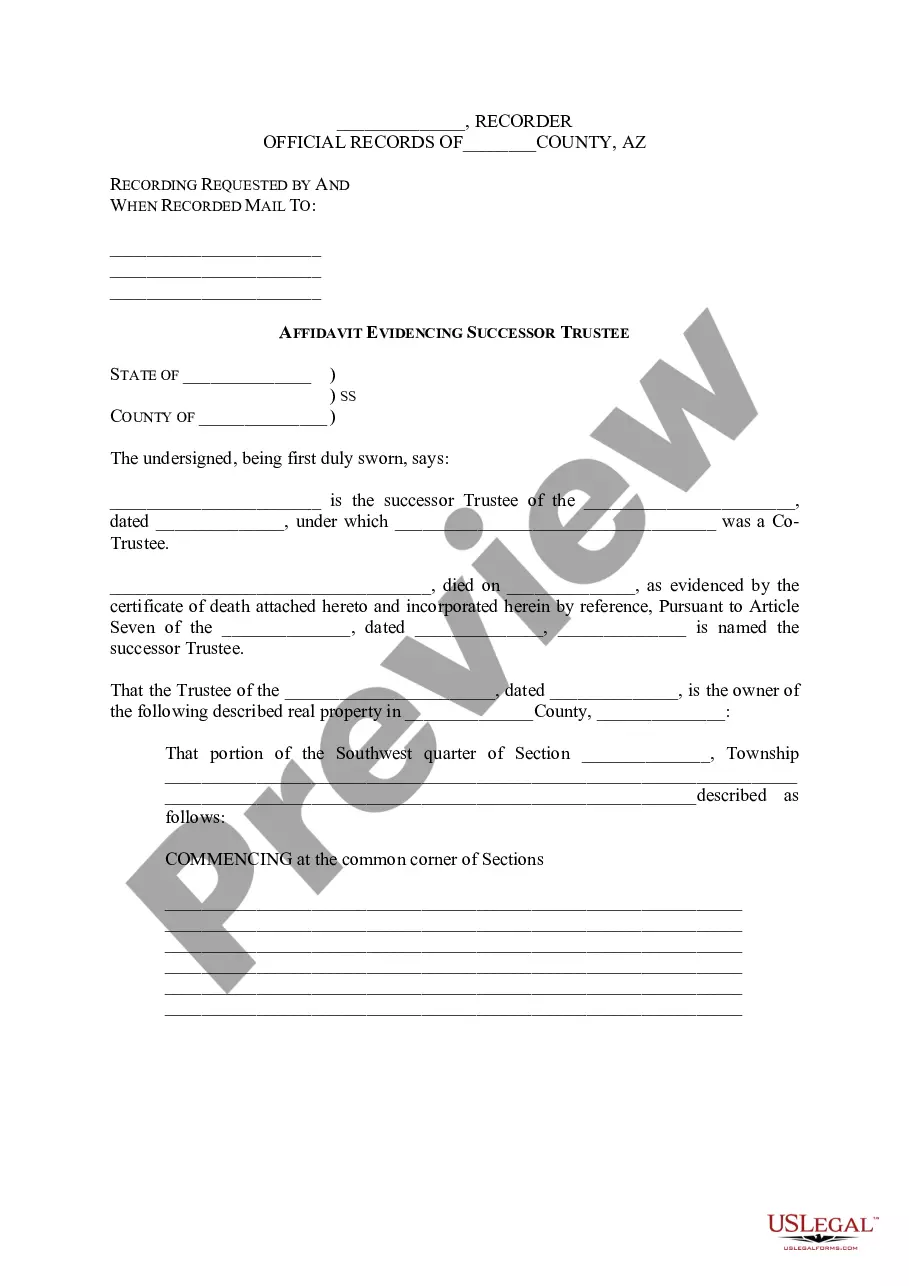
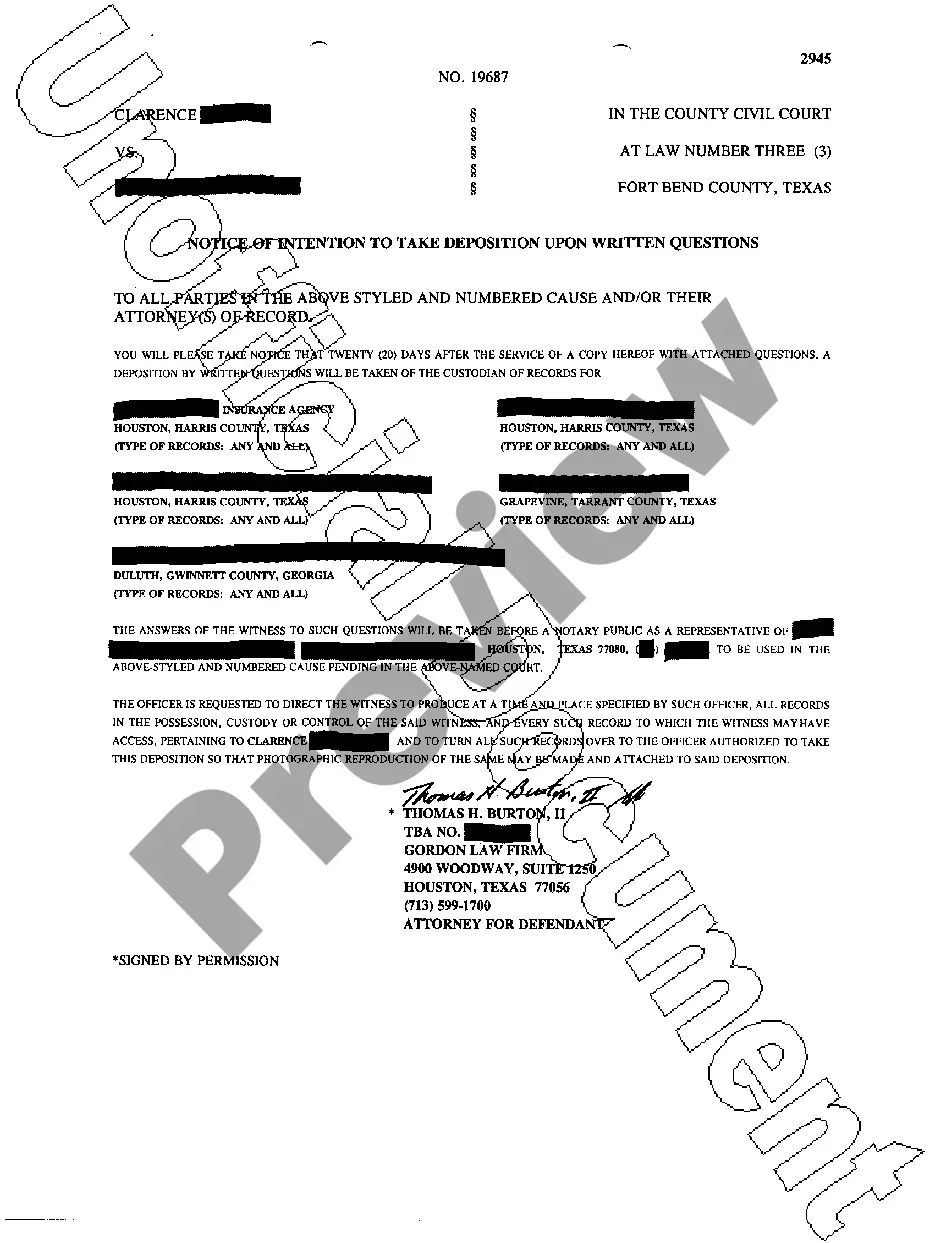
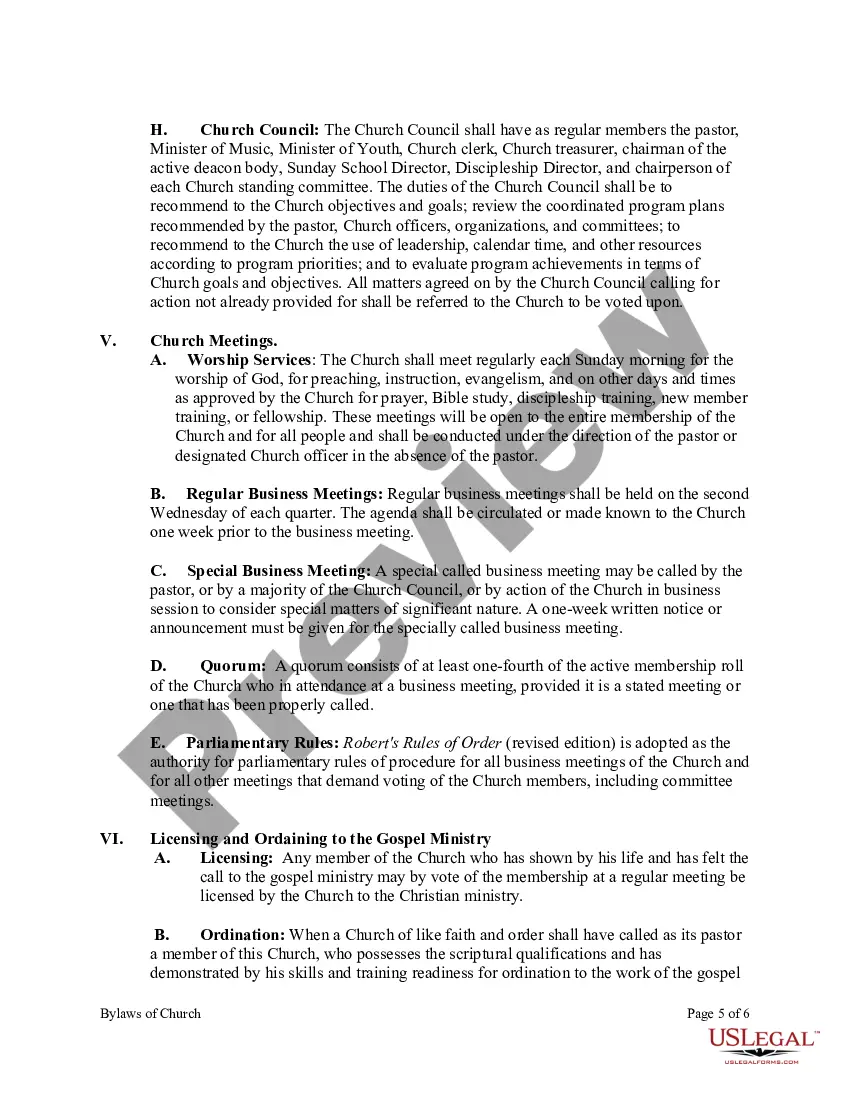
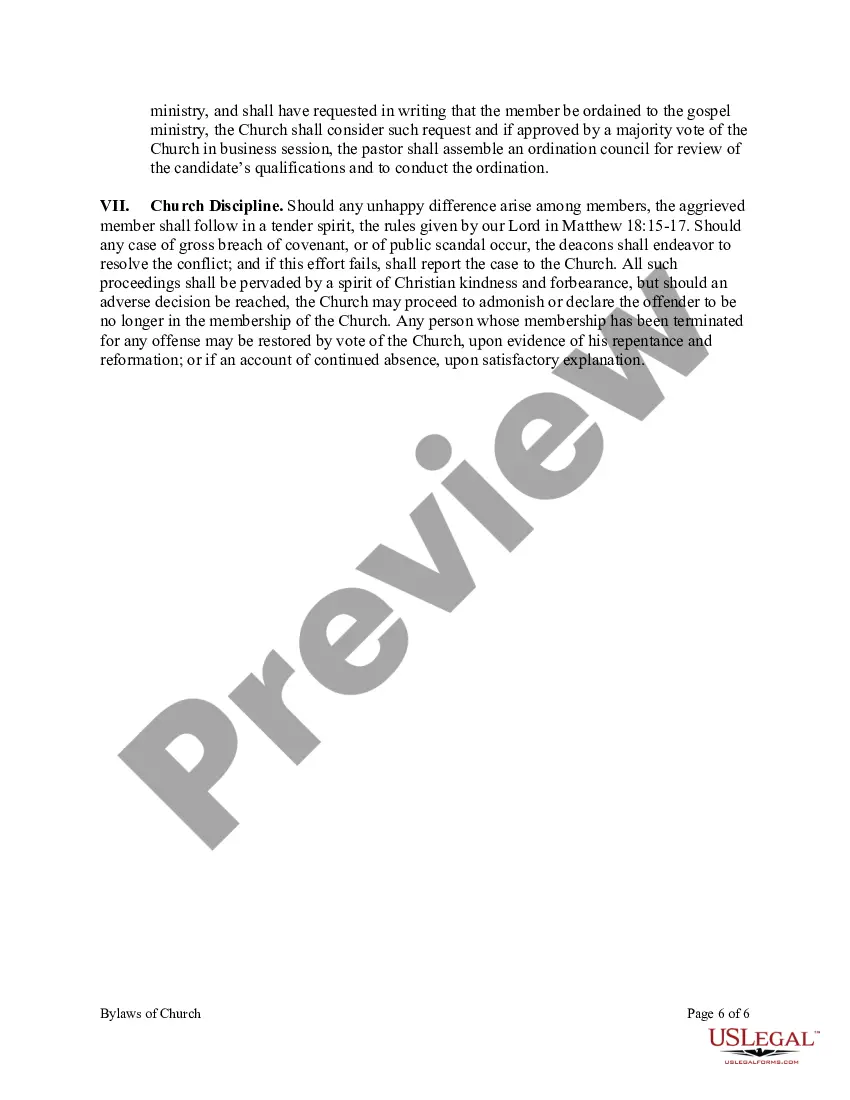
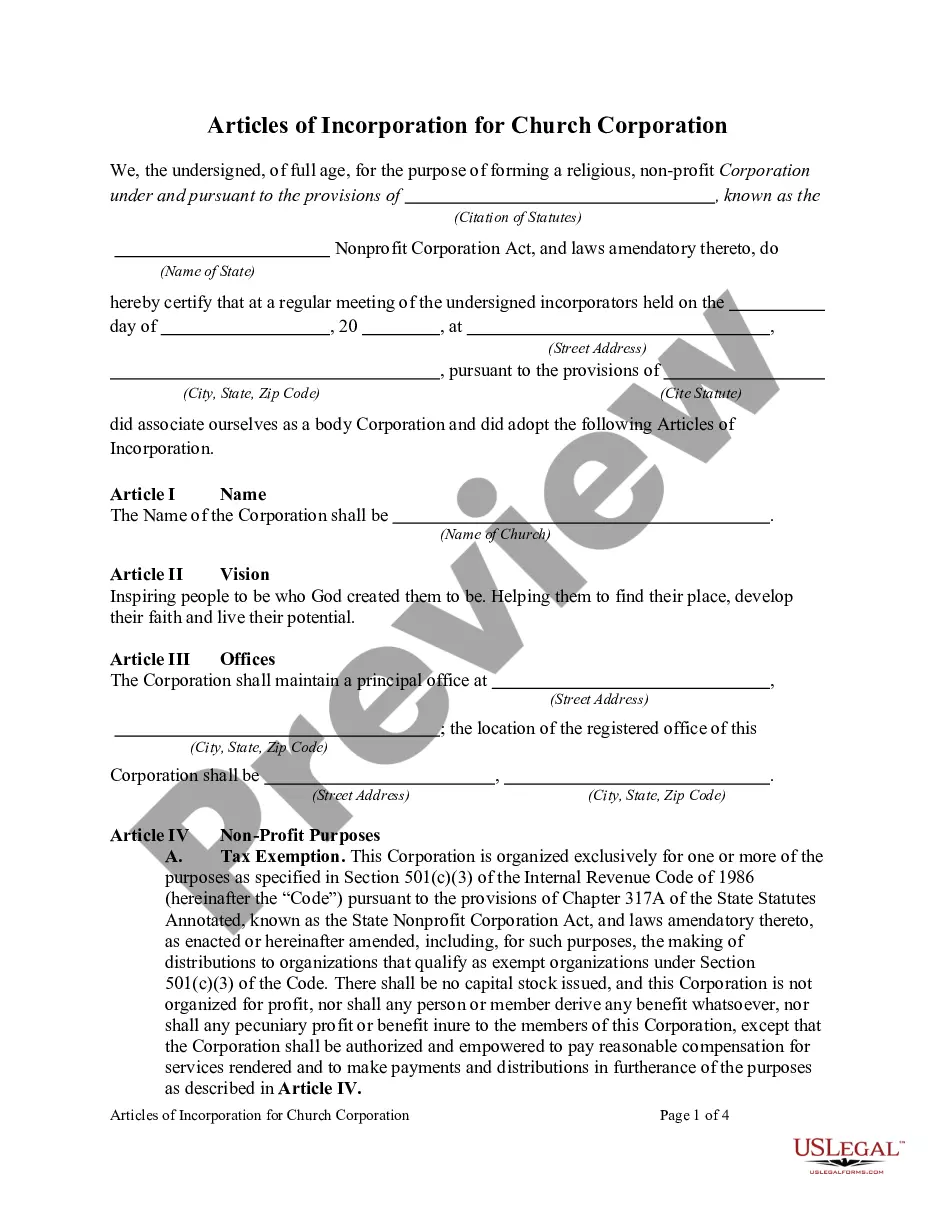
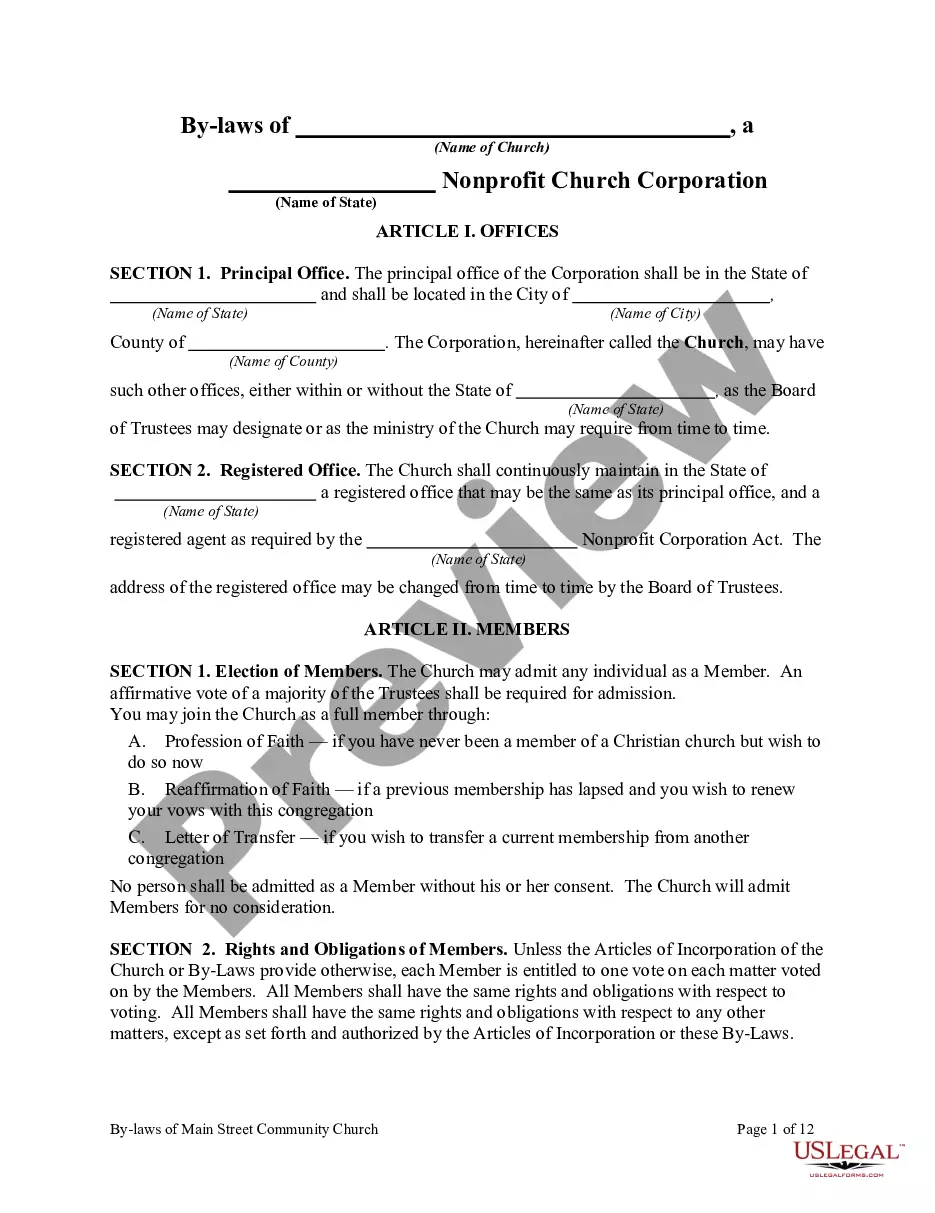
How to fill out Bylaws Of Church - Church Not Incorporated?
Accessing legal templates that comply with both federal and state regulations is crucial, and the web provides numerous options to select from.
However, what’s the purpose of spending time searching for the appropriately drafted Rules and Regulations for Church WhatsApp Groups online when the US Legal Forms library already compiles such templates in one location.
US Legal Forms stands as the largest online legal repository featuring over 85,000 fillable templates created by legal professionals for various personal and professional circumstances. The documents are simple to navigate, with all files categorized by state and intended use.
Explore other samples using the search feature at the top of the page if necessary.
- Our experts are up-to-date with legislative changes, ensuring that you can trust your form to be current and compliant when acquiring a Rules and Regulations for Church WhatsApp Group from our site.
- Acquiring a Rules and Regulations for Church WhatsApp Group is straightforward and quick for both existing and new users.
- If you already hold an account with an active subscription, Log In and download the required document sample in your desired format.
- For new users, follow these steps.
- Review the template using the Preview option or through the text summary to verify it satisfies your needs.
Form popularity
FAQ
The Superior Courts of Georgia is a court of general jurisdiction handling both civil and criminal law actions. Superior Court Judges preside over cases involving misdemeanors, contract disputes, premises liability, and various other actions.
How do I file a complaint or petition in civil court? You file the complaint or petition with the clerk of court. You generally want to file in the court in the county where the person you are suing lives. Along with the complaint, the court must be told where to serve (give it a copy of it to) the defendant.
In Georgia, the statute of limitations for civil cases such as car accidents, wrongful death and other personal injury claims is typically two years from the date of the injury or death. You must file a claim with the court by the statute of limitations date or your case is forever void.
An entry of appearance shall state (1) the style and number; (2) the identity of the party for whom the appearance is made; and (3) the name and current office address and telephone number of the attorney; and in criminal cases, the home telephone number of the attorney.
Georgia's statute of limitations applies to civil cases. Georgia civil statute of limitations laws impose a two-year time frame for personal injury and fraud claims and a four-year time limit for trespassing, debt collection, and damages to personal property.
How do I file my civil case? (MAG 10) You can file your case by preparing a Statement of Claim with the Clerk of Magistrate Court. A Statement of Claim form is available at the Magistrate Court Clerk Office, or it can be downloaded from this page. Your claim must set forth the facts, which form the basis of your suit.
Court Fees Filing Fees$402.00Civil Filing fee$505.00Appeal Fee$39.00Appeal to a district judge from a judgment or conviction by a magistrate in a misdemeanor case$5.00Writ of Habeas Corpus23 more rows
Superior Court Judges preside over cases involving misdemeanors, contract disputes, premises liability, and various other actions. In addition, the Superior Court has exclusive equity jurisdiction over all cases of divorce, title to land, and felonies involving jury trials, including death penalty cases.