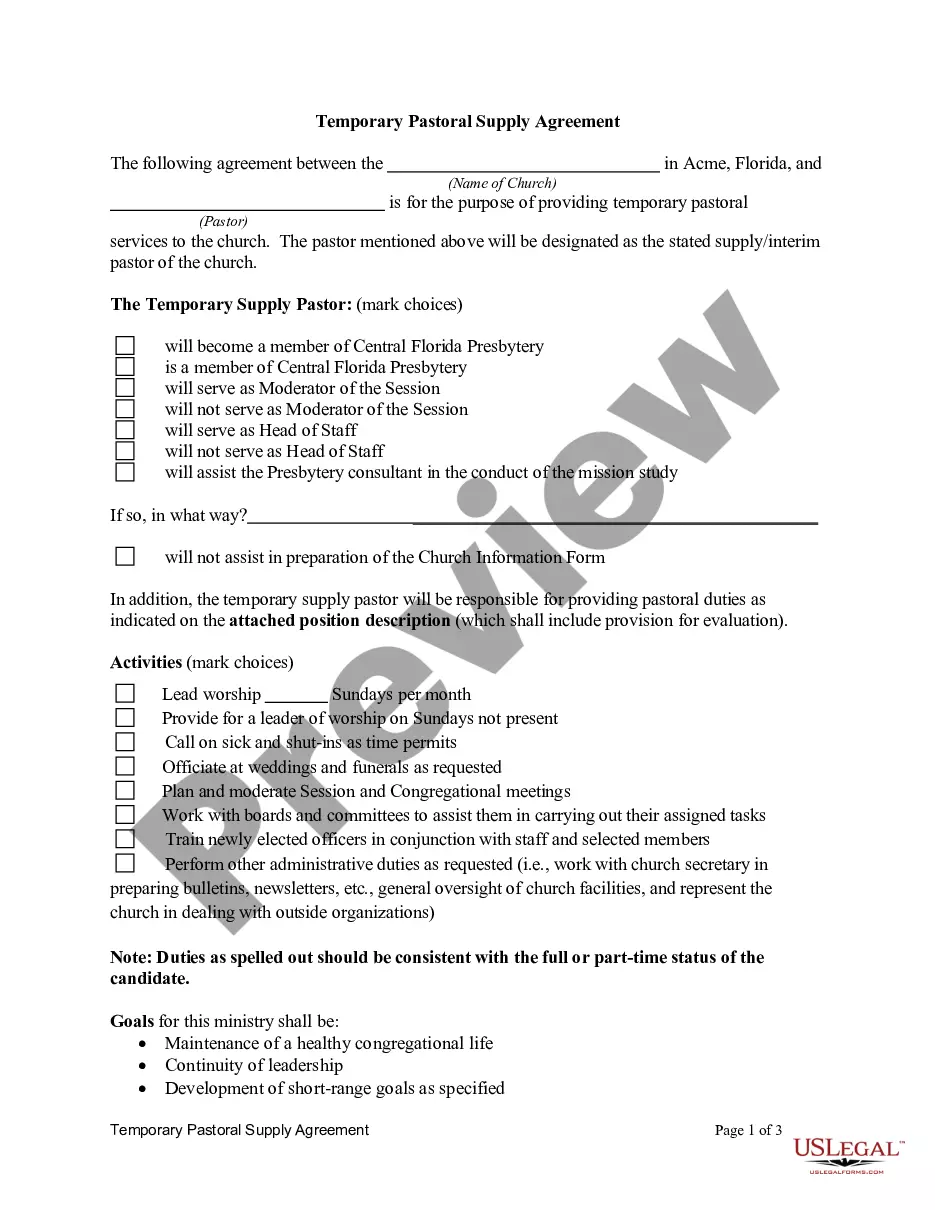
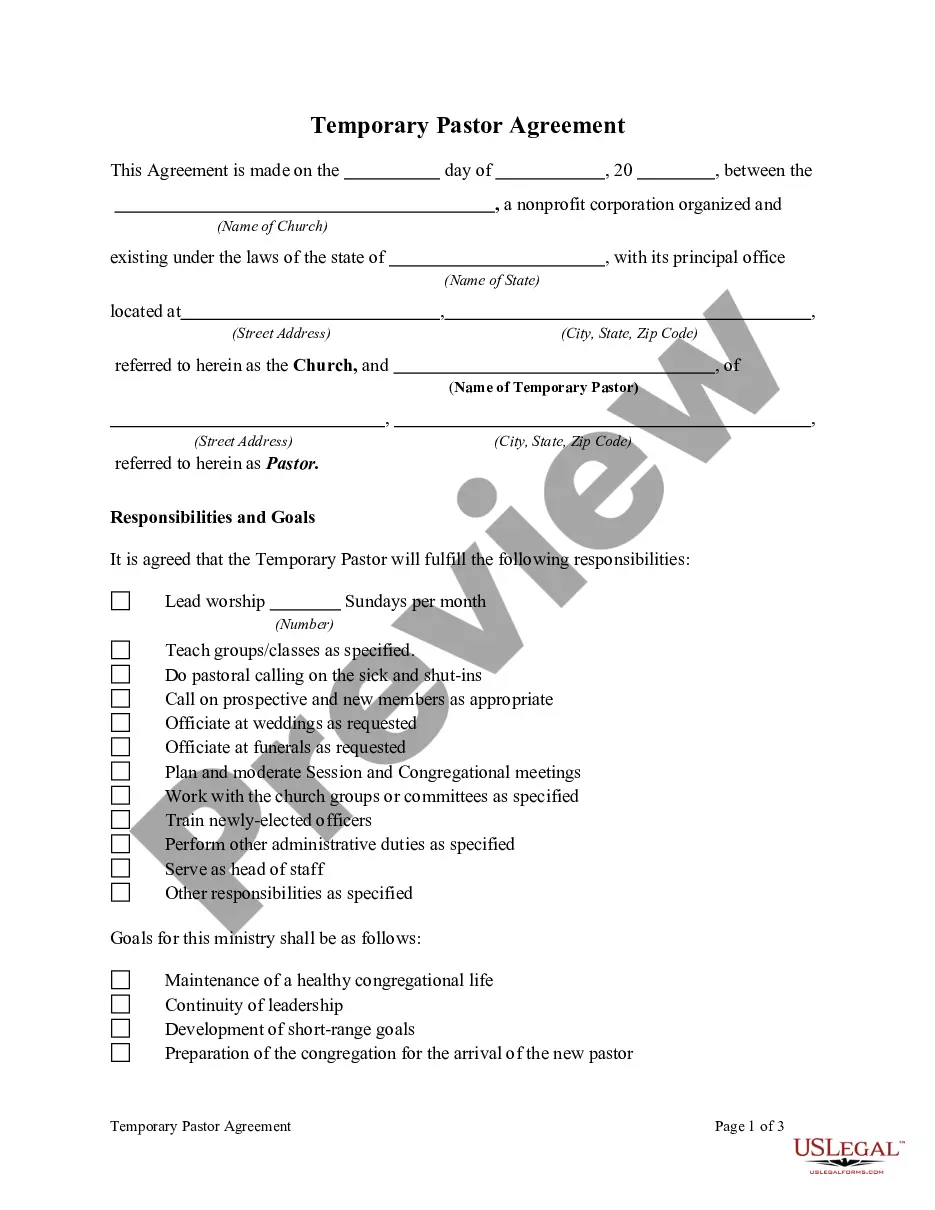
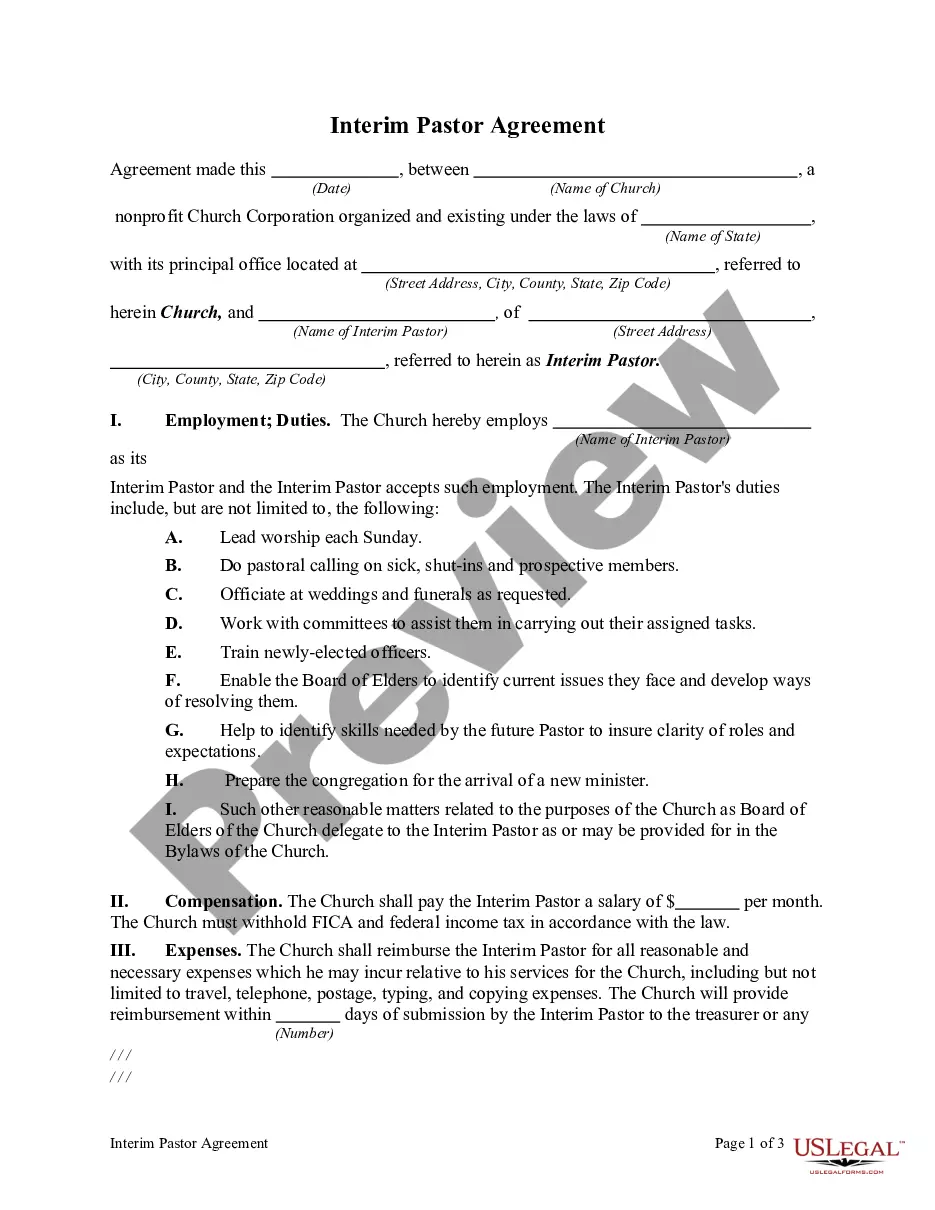
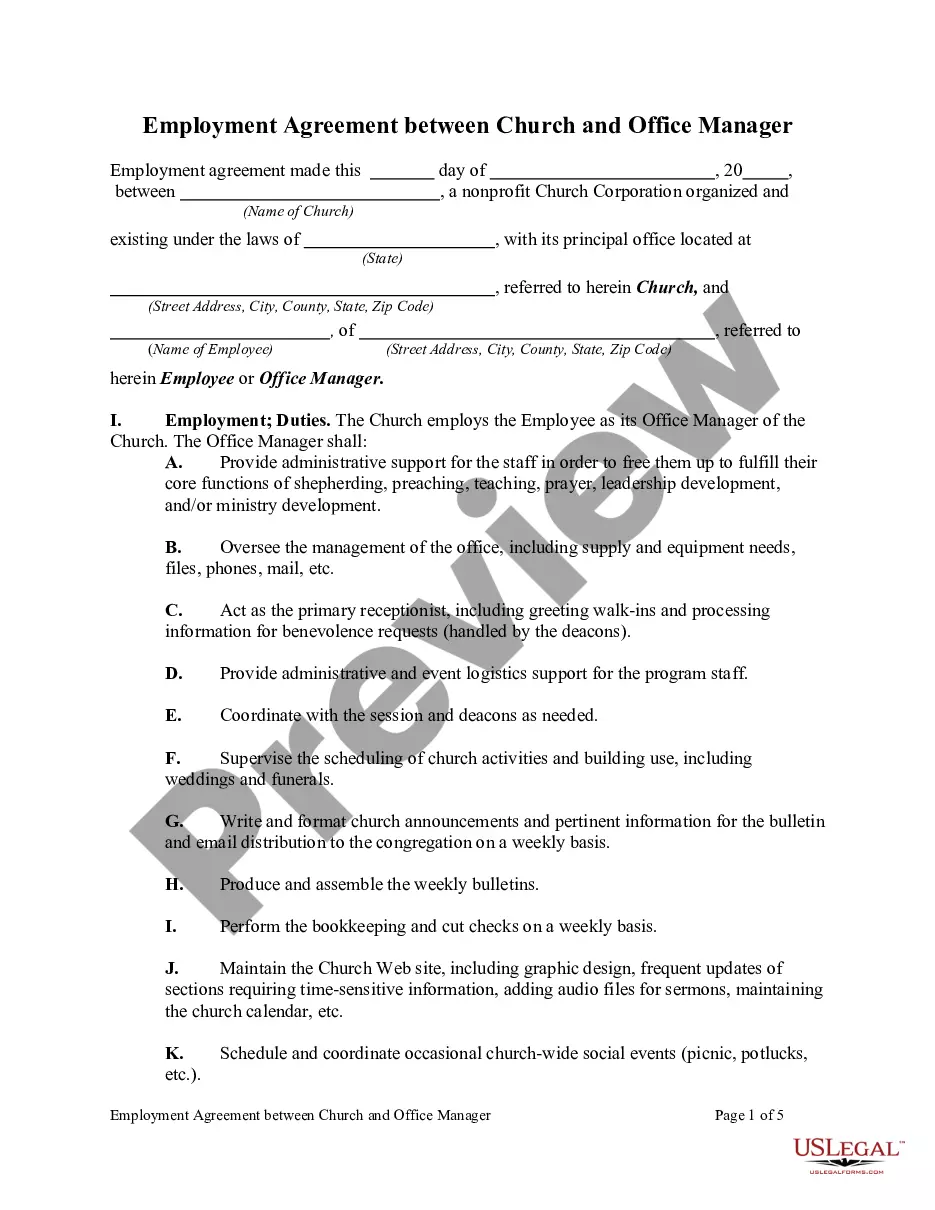
Temporary Employment Of Contract
Description
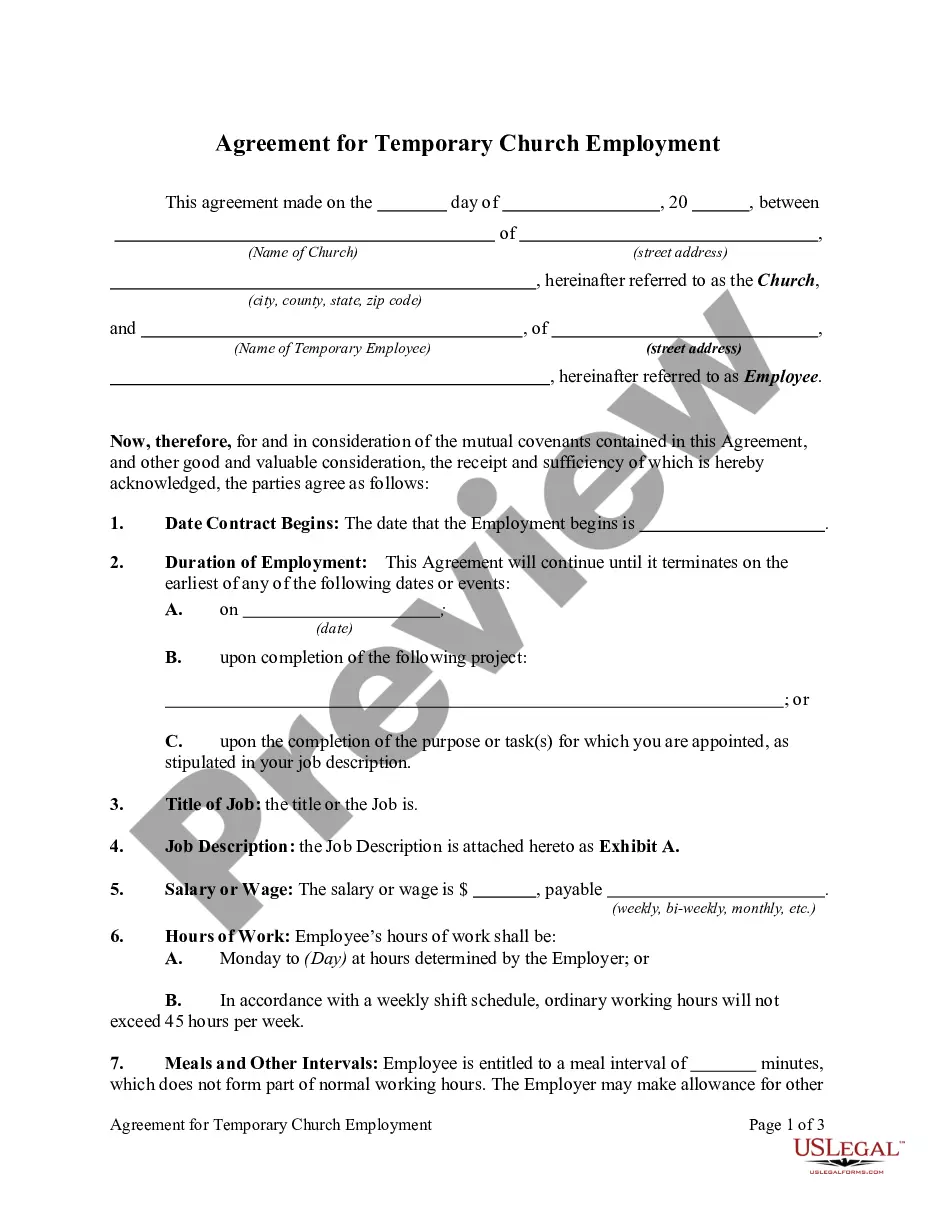
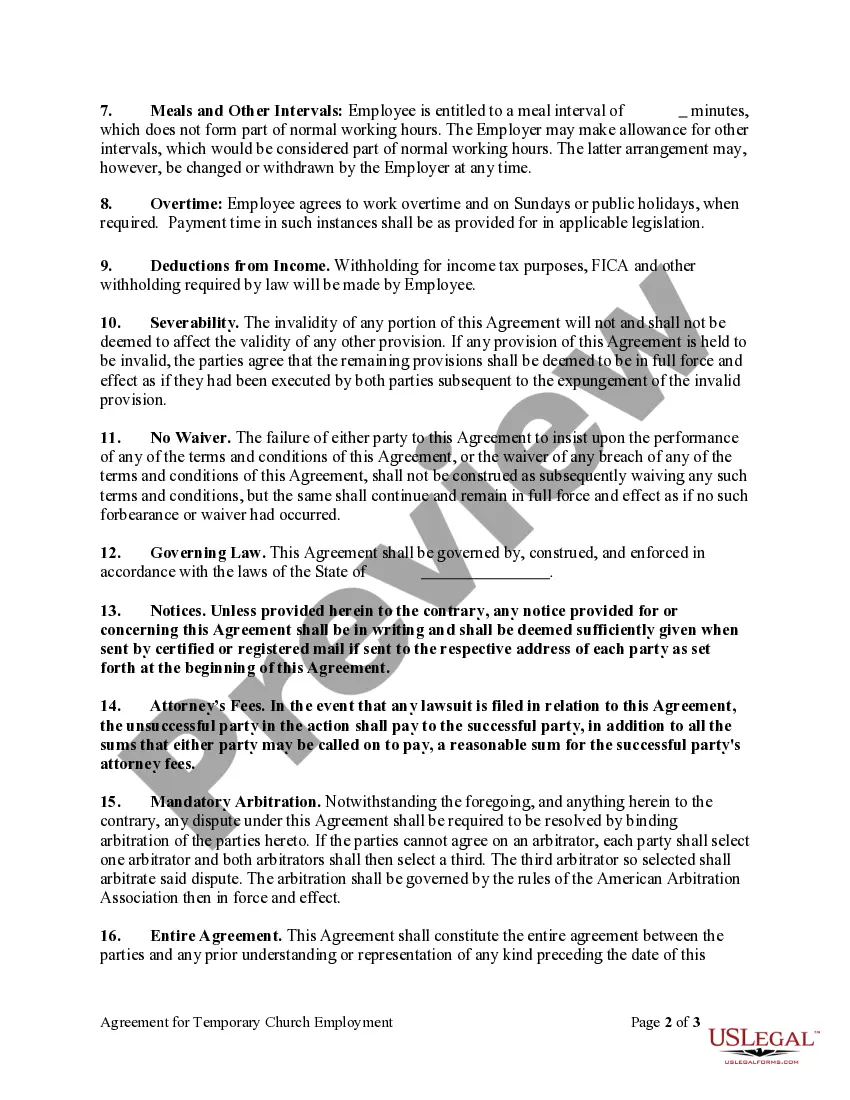
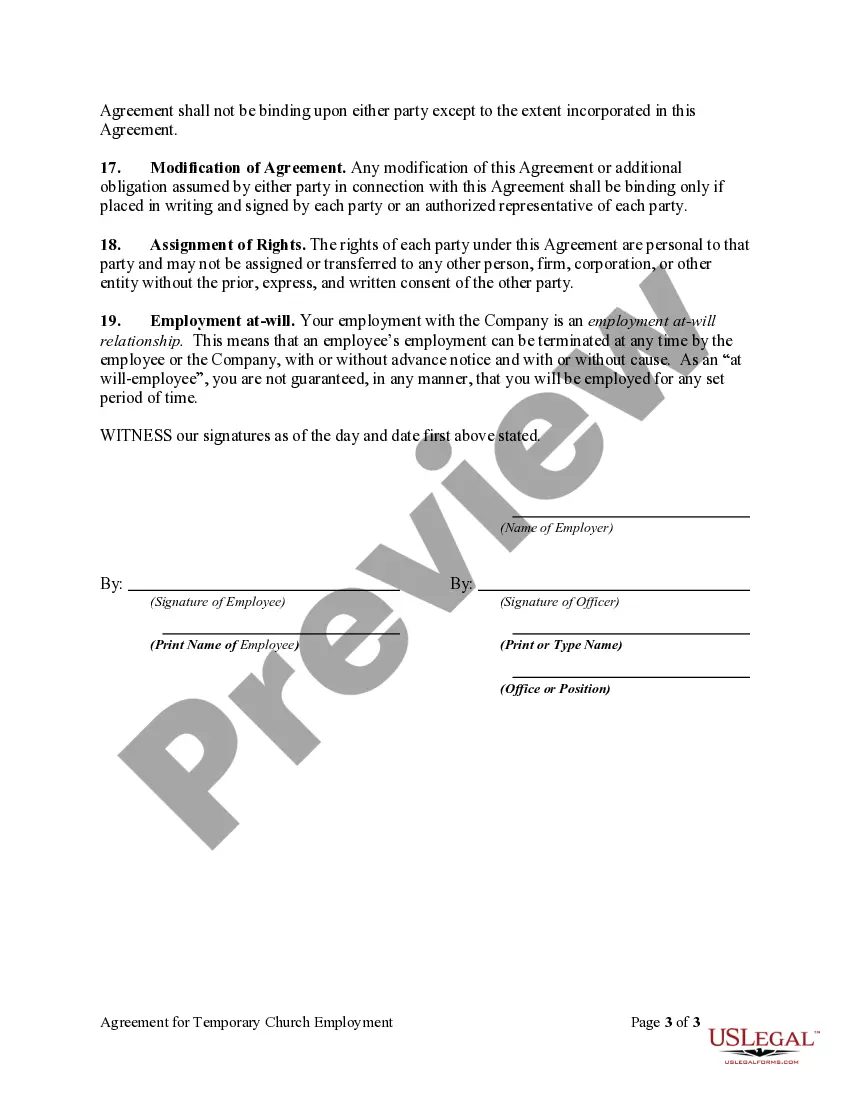
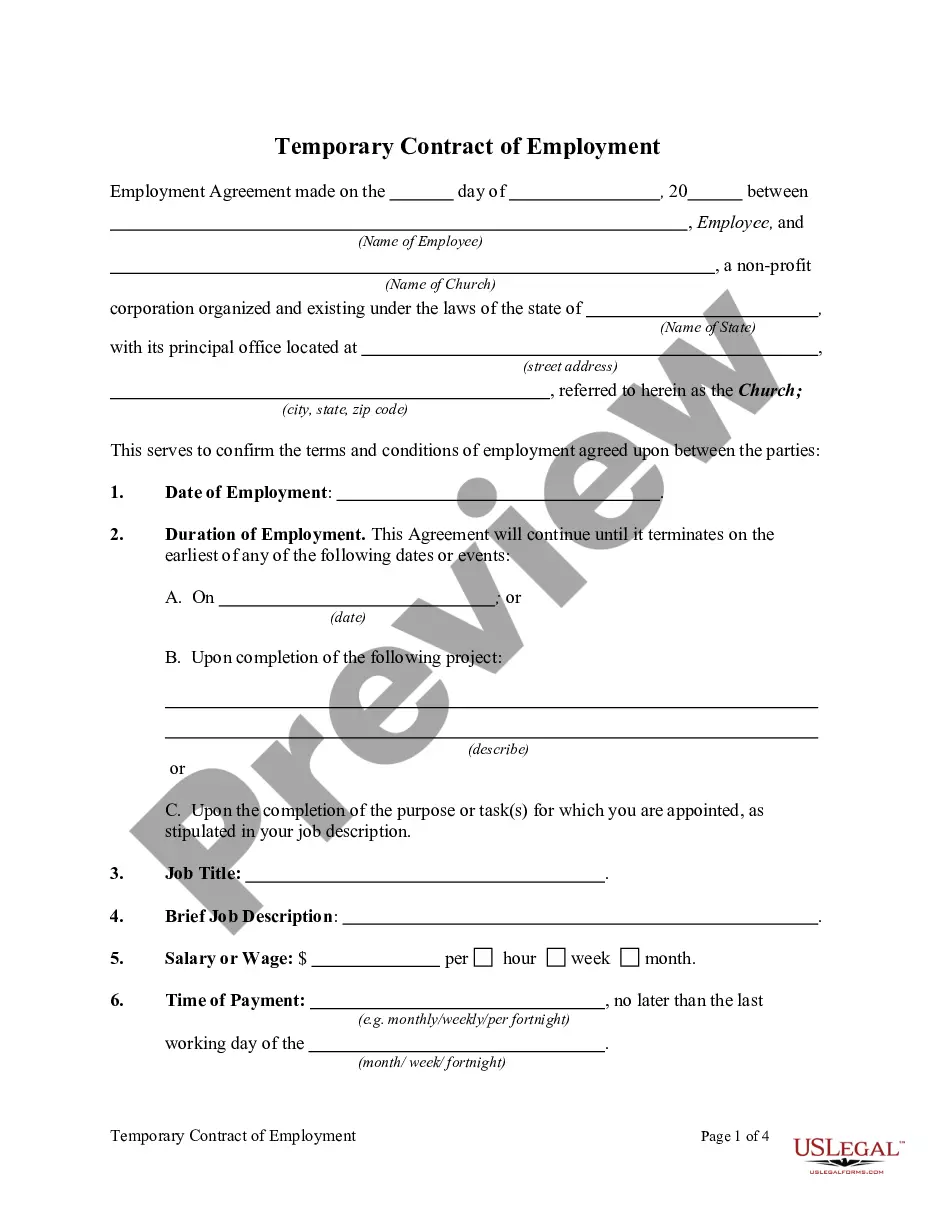
Get your form ready online
Our built-in tools help you complete, sign, share, and store your documents in one place.
Make edits, fill in missing information, and update formatting in US Legal Forms—just like you would in MS Word.
Download a copy, print it, send it by email, or mail it via USPS—whatever works best for your next step.
Sign and collect signatures with our SignNow integration. Send to multiple recipients, set reminders, and more. Go Premium to unlock E-Sign.
If this form requires notarization, complete it online through a secure video call—no need to meet a notary in person or wait for an appointment.
We protect your documents and personal data by following strict security and privacy standards.

Make edits, fill in missing information, and update formatting in US Legal Forms—just like you would in MS Word.

Download a copy, print it, send it by email, or mail it via USPS—whatever works best for your next step.

Sign and collect signatures with our SignNow integration. Send to multiple recipients, set reminders, and more. Go Premium to unlock E-Sign.

If this form requires notarization, complete it online through a secure video call—no need to meet a notary in person or wait for an appointment.

We protect your documents and personal data by following strict security and privacy standards.
Looking for another form?
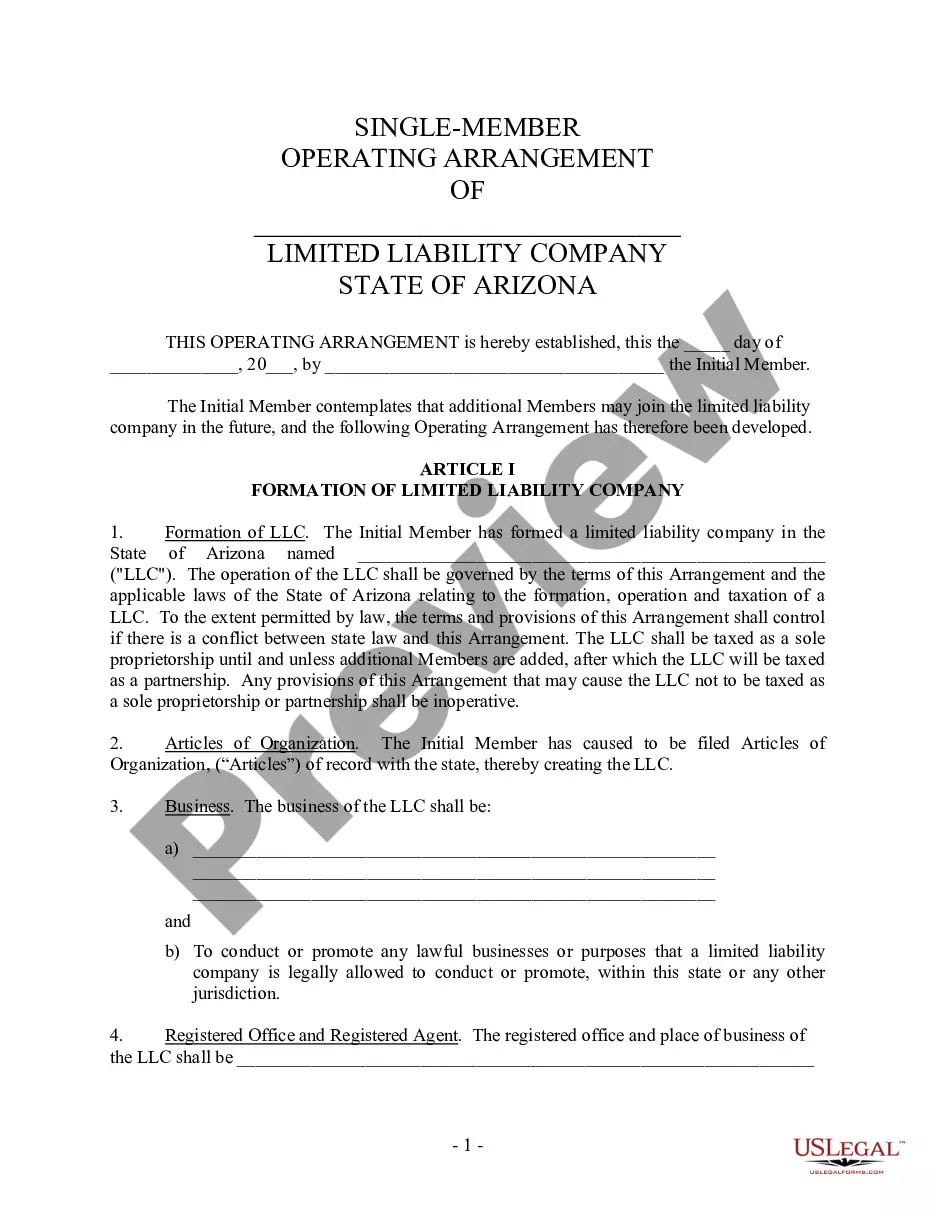
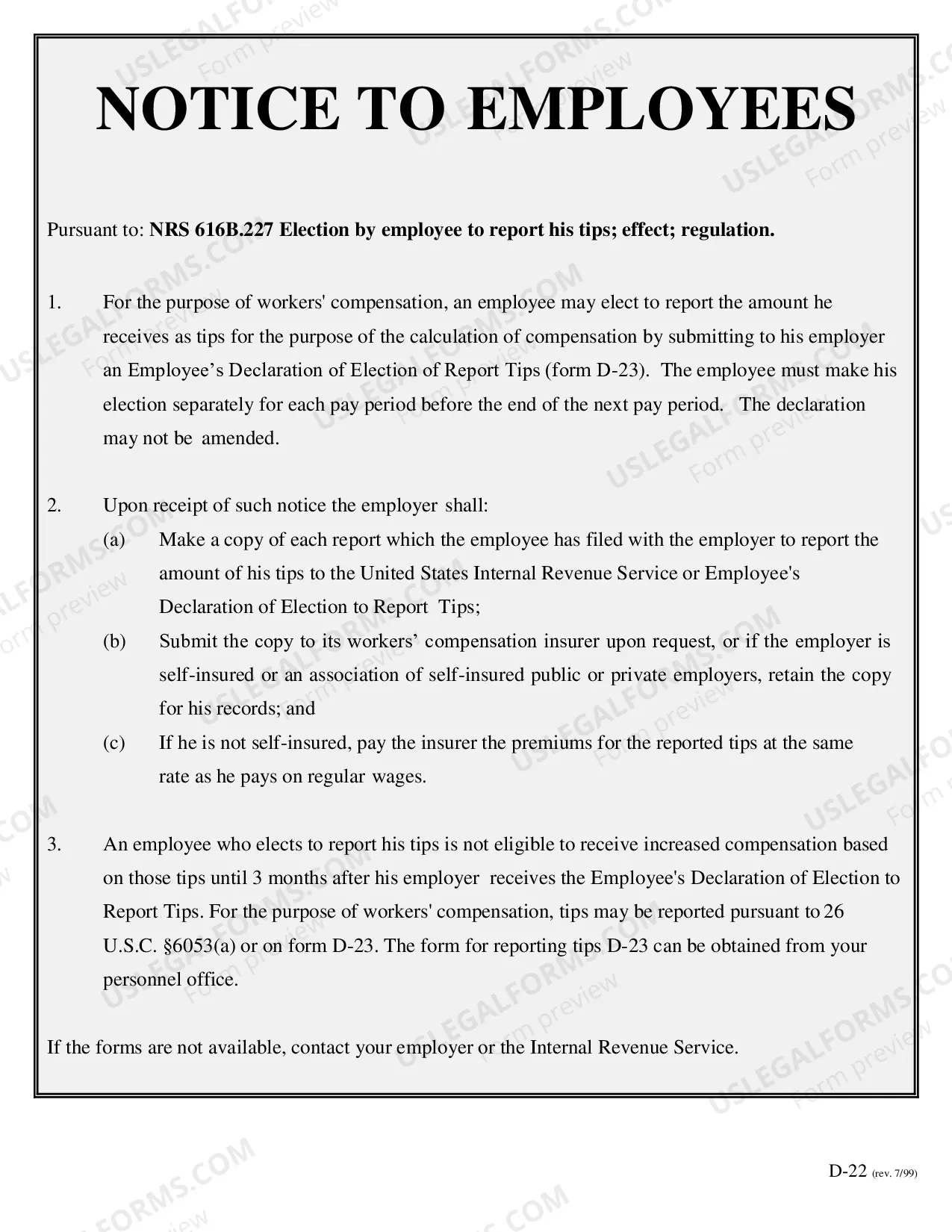
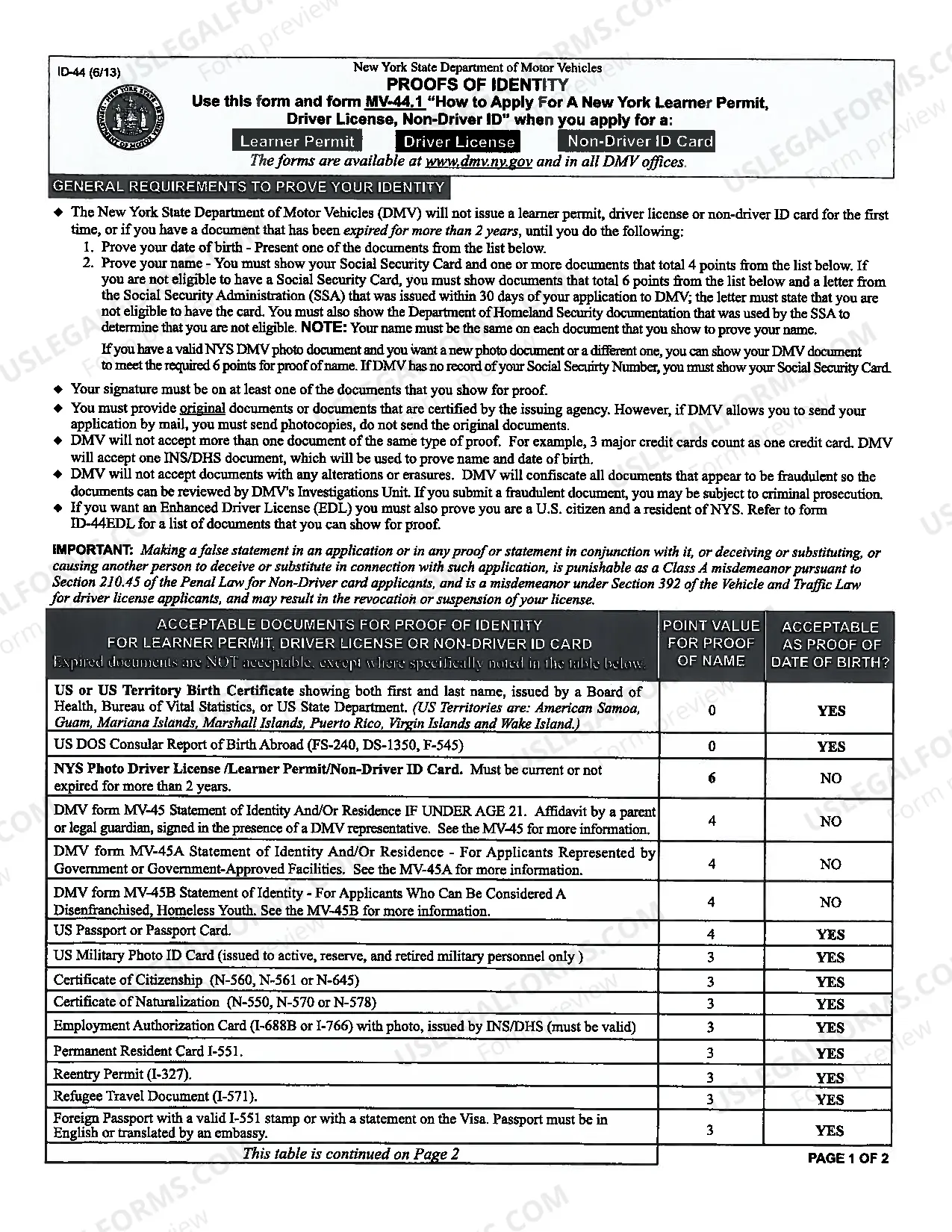
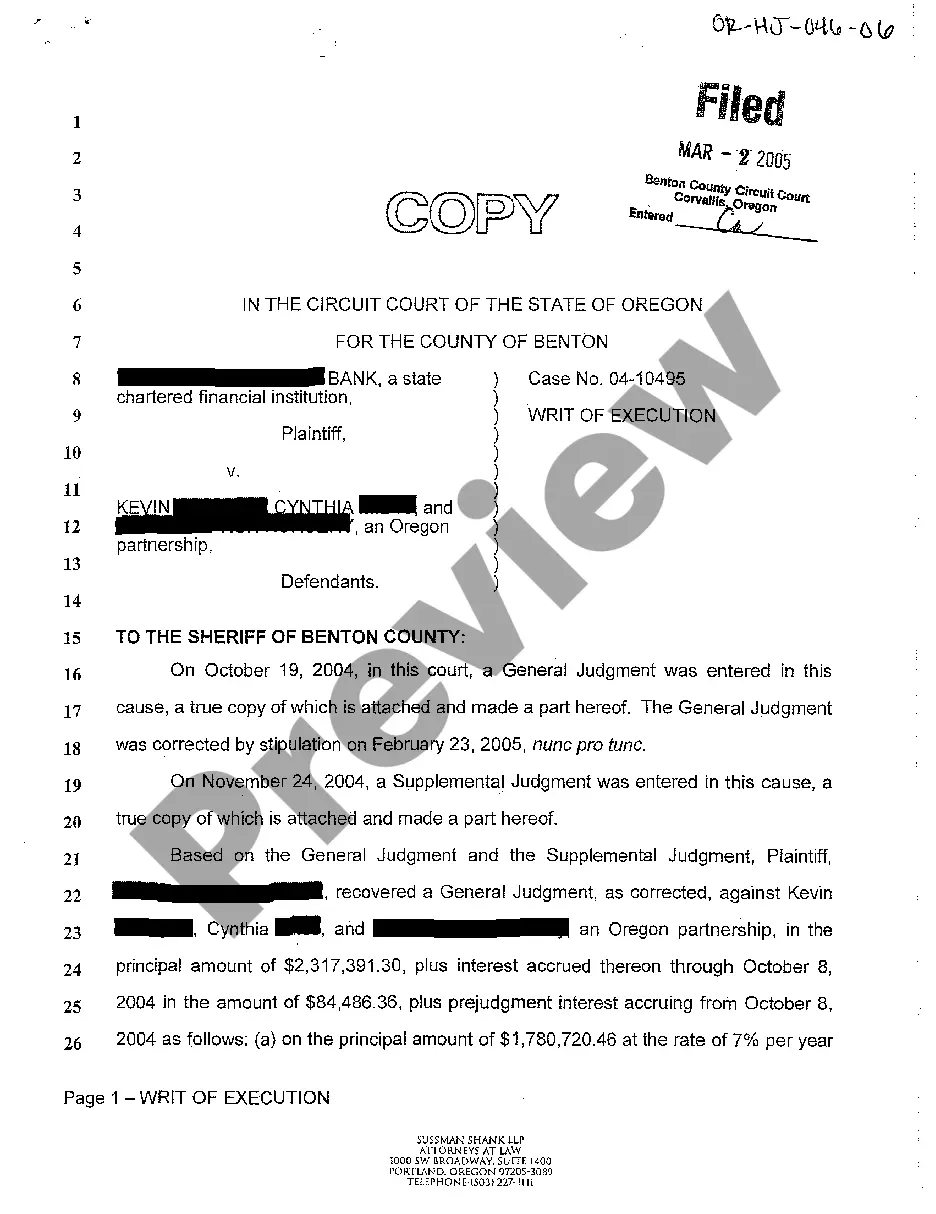
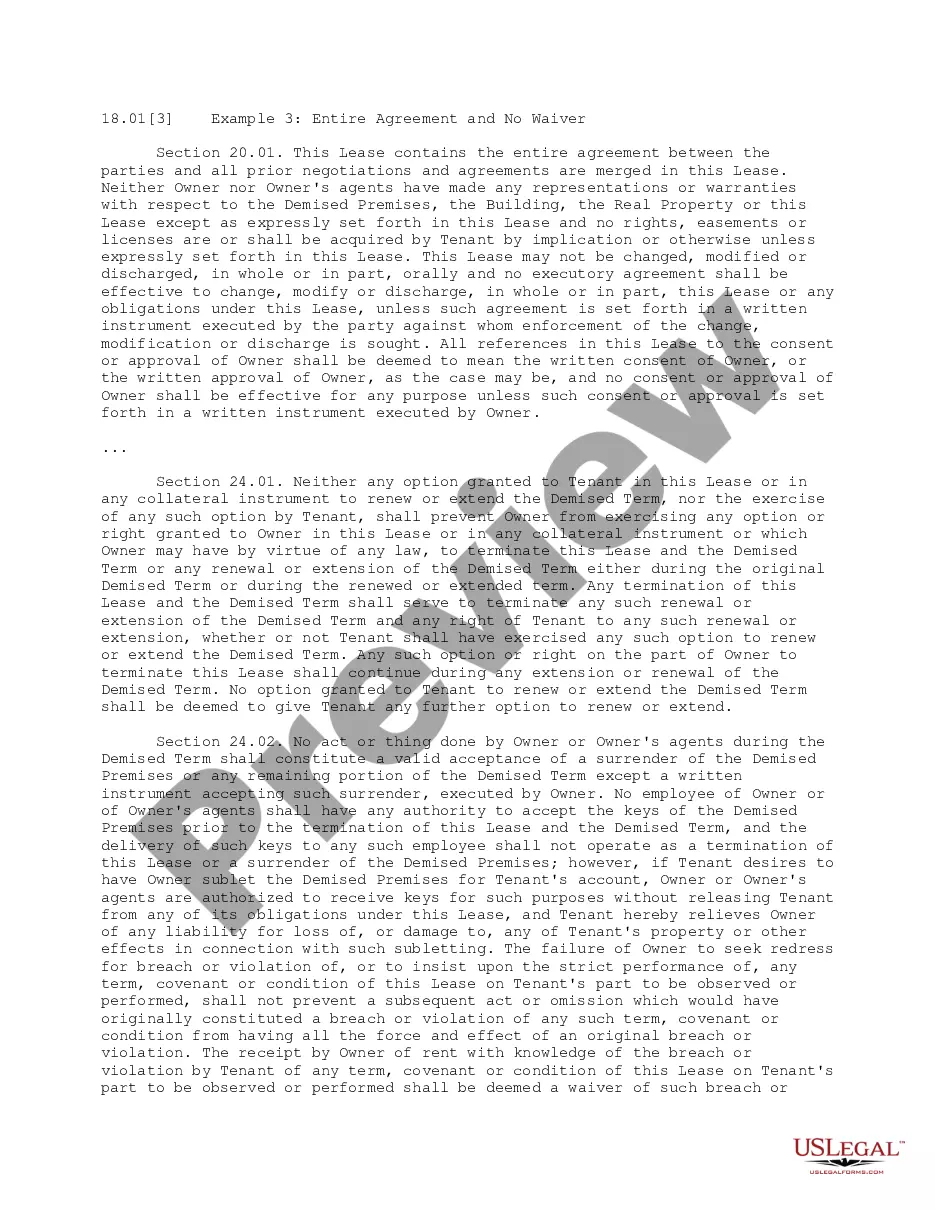
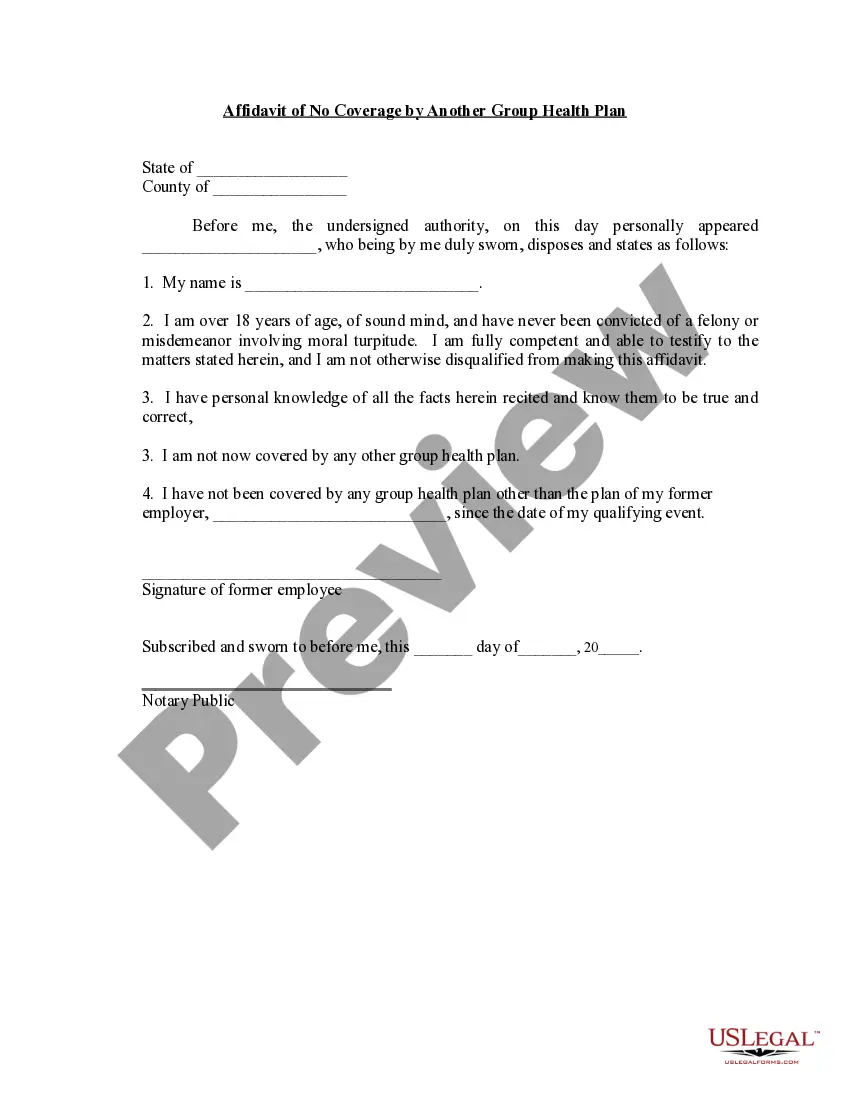
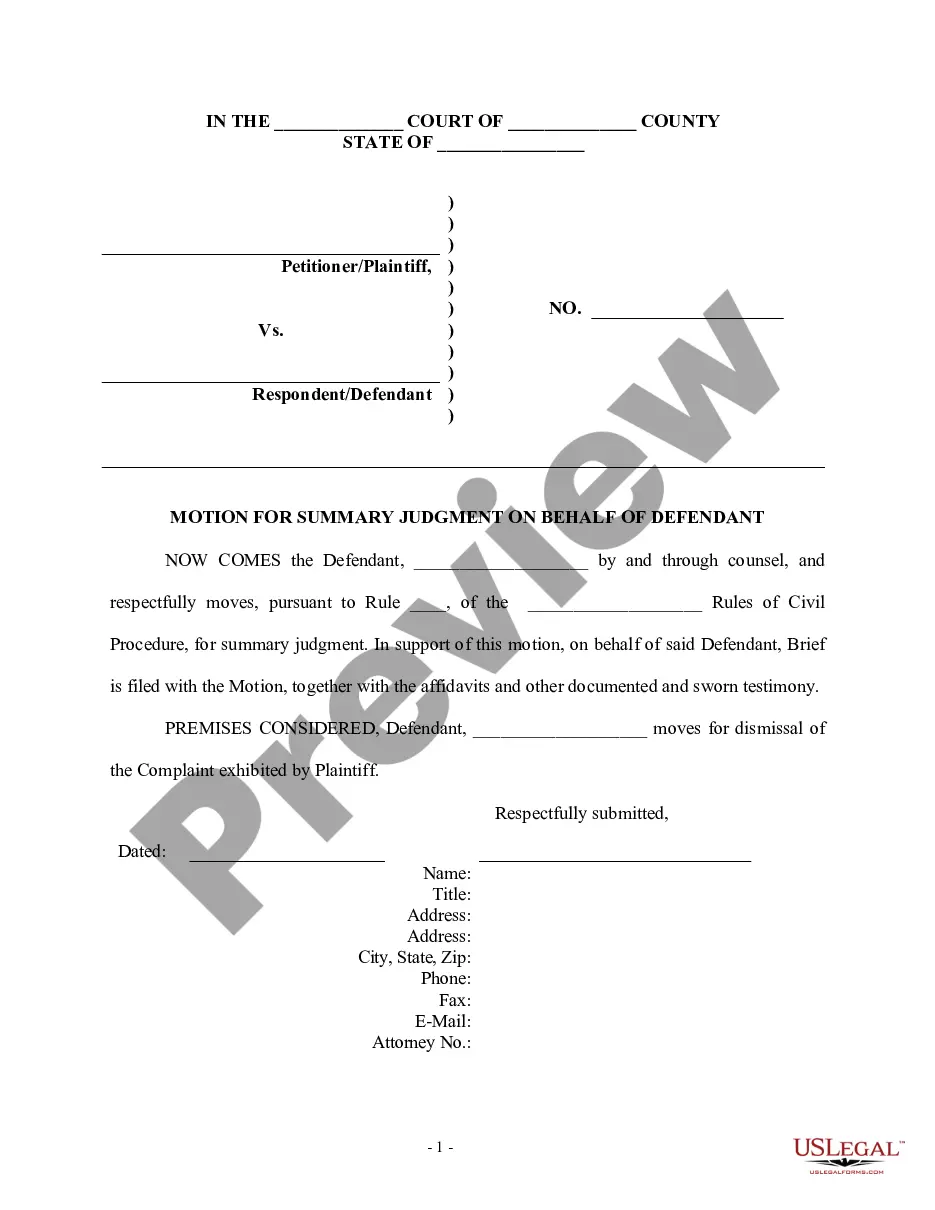
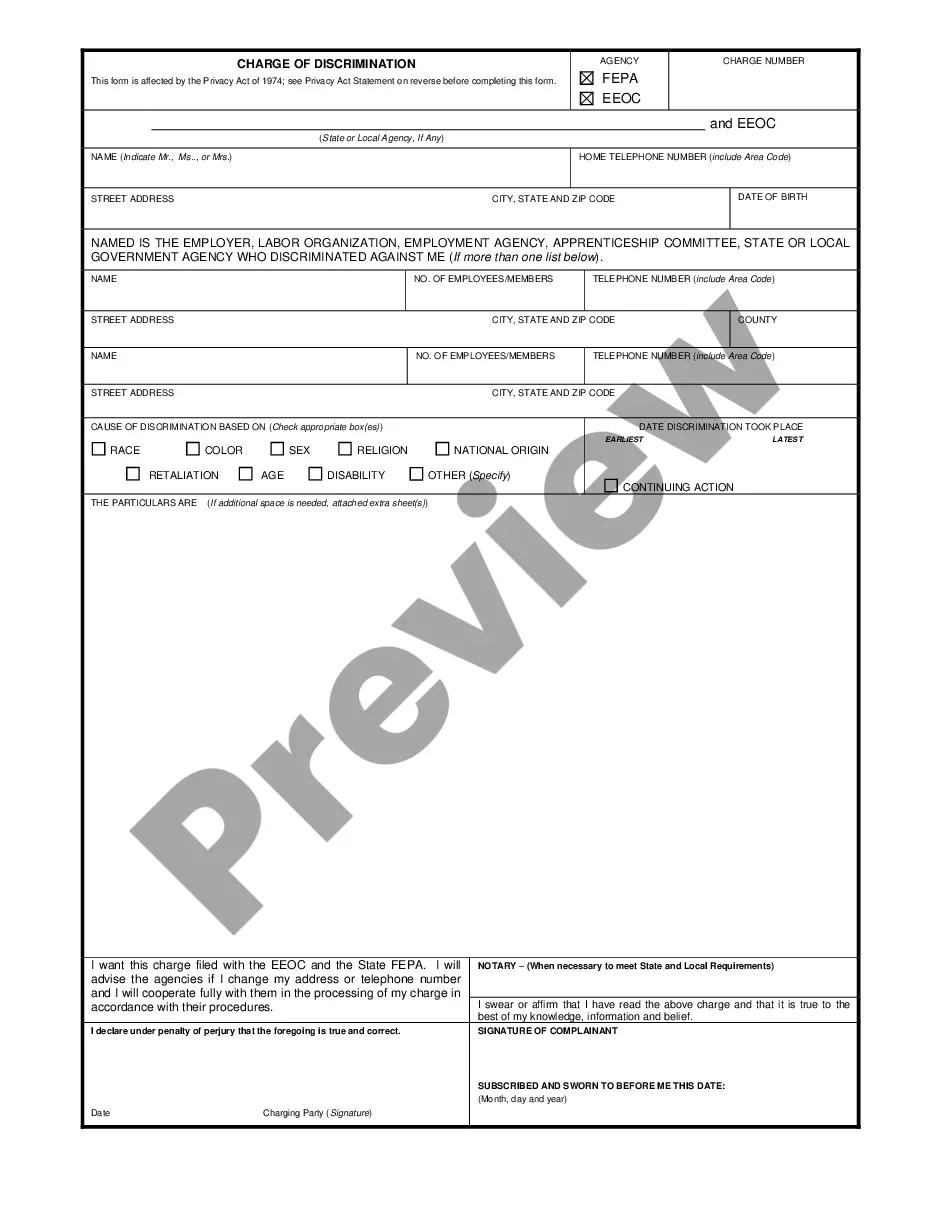
How to fill out Agreement For Temporary Church Employment?
There's no longer any justification for spending hours searching for legal documents to fulfill your local state criteria.
US Legal Forms has compiled all of them in one location and enhanced their accessibility.
Our platform provides over 85k templates for any business and personal legal situations organized by state and use case.
Acquiring legal paperwork in compliance with federal and state regulations is quick and straightforward with our library. Experience US Legal Forms now to maintain your documentation organized!
- All forms are properly drafted and confirmed for validity, ensuring you receive an up-to-date Temporary Employment Of Contract.
- If you're acquainted with our service and hold an account, you must verify that your subscription is current before retrieving any templates.
- Log In to your account, select the document, and click Download.
- You can also access all saved documents whenever necessary by navigating to the My documents tab in your profile.
- If you haven't used our service previously, the process will require additional steps to complete.
- Here's how new users can find the Temporary Employment Of Contract in our library.
- Examine the page content closely to confirm it includes the sample you need.
- To do so, utilize the form description and preview options if available.
Form popularity
FAQ
The duration of temporary contract jobs can vary widely, ranging from a few weeks to several months, depending on the project and employer needs. In many cases, companies may extend these contracts based on job performance or changing business demands. Engaging in the temporary employment of contract allows businesses to adapt quickly while ensuring they acquire the right talent for specific tasks. As a solution, US Legal Forms can help you navigate the documentation needed for these arrangements.
A temporary employee typically works for a specific timeframe or project, without a formal contract outlining long-term terms. In contrast, a contract employee operates under a detailed agreement that specifies their tasks, duration, and compensation. While both types fulfill short-term roles, the temporary employment of contract aligns more closely with defined projects. Thus, businesses can benefit from having clear arrangements in place to ensure seamless operations.
The primary distinction between a contract to hire and a temp to hire lies in the process of employment. A contract to hire often establishes a candidate as a temporary employee first, with a plan to evaluate them for a permanent role later. In contrast, temp to hire usually means the employee works on a temporary basis with the potential for a full-time offer based on performance. The temporary employment of contract often plays a crucial role in making these transitions smooth for both employers and employees.
A temporary contract employee is an individual hired for a specific period to complete a particular task or project. This employment type helps businesses meet short-term needs without committing to a long-term arrangement. The temporary employment of contract allows companies to remain flexible and adjust their workforce according to demand. Therefore, businesses can focus resources more effectively while still achieving their goals.
A temporary work agreement is a contract that outlines the terms for employment for a specific period. It typically includes details on job duties, hours, and compensation. This type of agreement serves as a flexible solution for both employers and employees, allowing businesses to meet short-term needs. Explore options on USLegalForms to draft a robust temporary work agreement.
Temporary contracts can lead to job uncertainty as they often lack long-term security. Employees may miss out on benefits typically offered to permanent staff, like health insurance or retirement plans. Additionally, a temporary employment of contract may not provide the same career advancement opportunities. Weigh these factors when considering temporary employment.
The duration of a temporary contract varies, but it typically lasts up to one year. Some contracts may have extensions based on the project's needs or mutual agreement. Keep in mind that repeated temporary employment of contract arrangements could influence your benefits eligibility. Always review your specific contract terms for exact timelines.
To create a temporary contract, start by clearly defining the work scope, duration, and payment terms. You can use templates available on platforms like USLegalForms to streamline this process. Make sure to outline the rights and responsibilities of both parties. Once drafted, review the contract carefully before both parties sign.
To write a simple written agreement, start with the basics: identify the parties and state the purpose. Use straightforward language to define the terms of the temporary employment of contract, including responsibilities and duration. Keep the agreement concise and to the point, ensuring clarity for all involved. Regularly using templates can help make this process even easier.
A temporary agreement is a contract that specifies employment for a limited time. This agreement outlines the terms of employment, including the length, duties, and payment. It is often used when businesses need to fill a position for a short duration, making it essential to protect both parties’ rights. Familiarizing yourself with this concept can streamline your hiring processes.