Employment Contract Format
Description
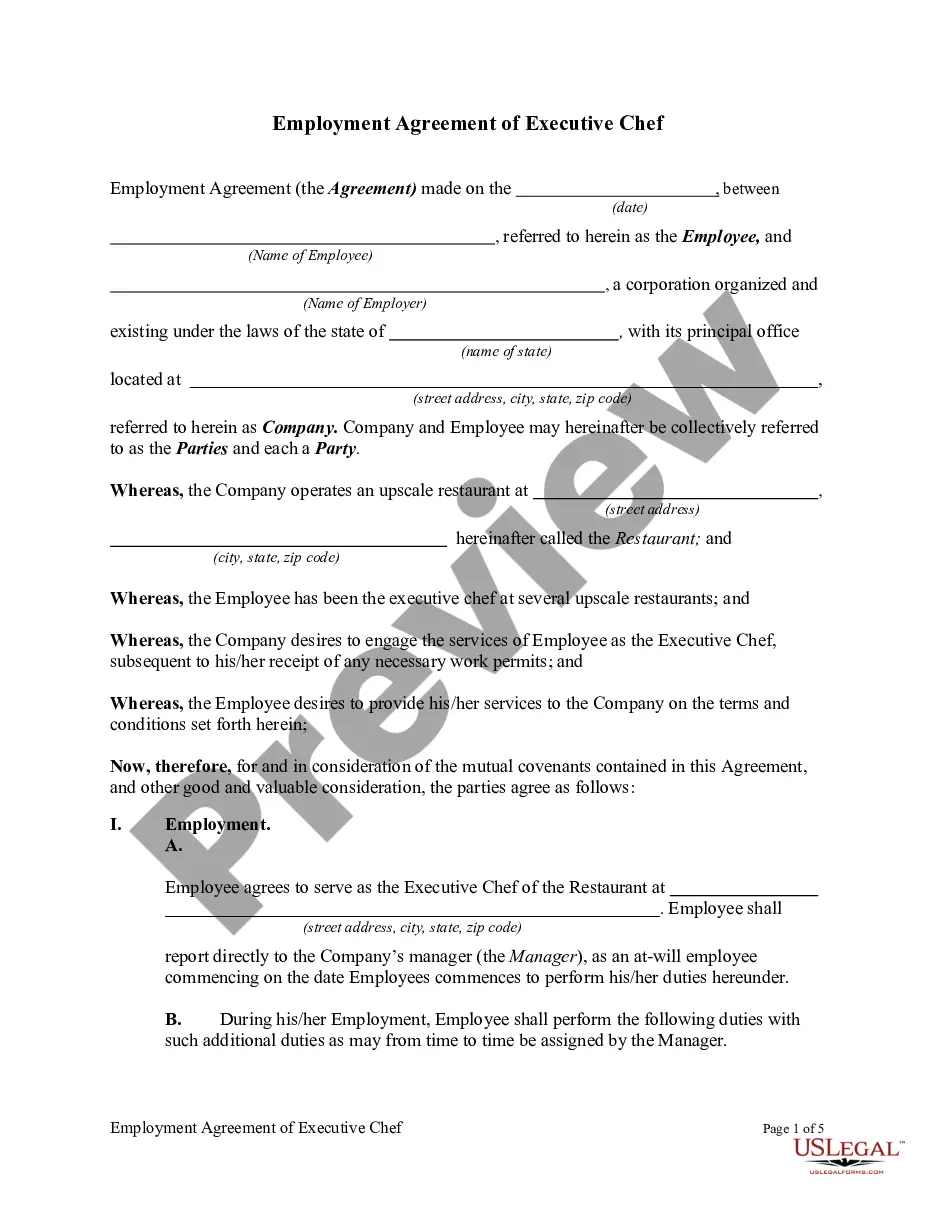
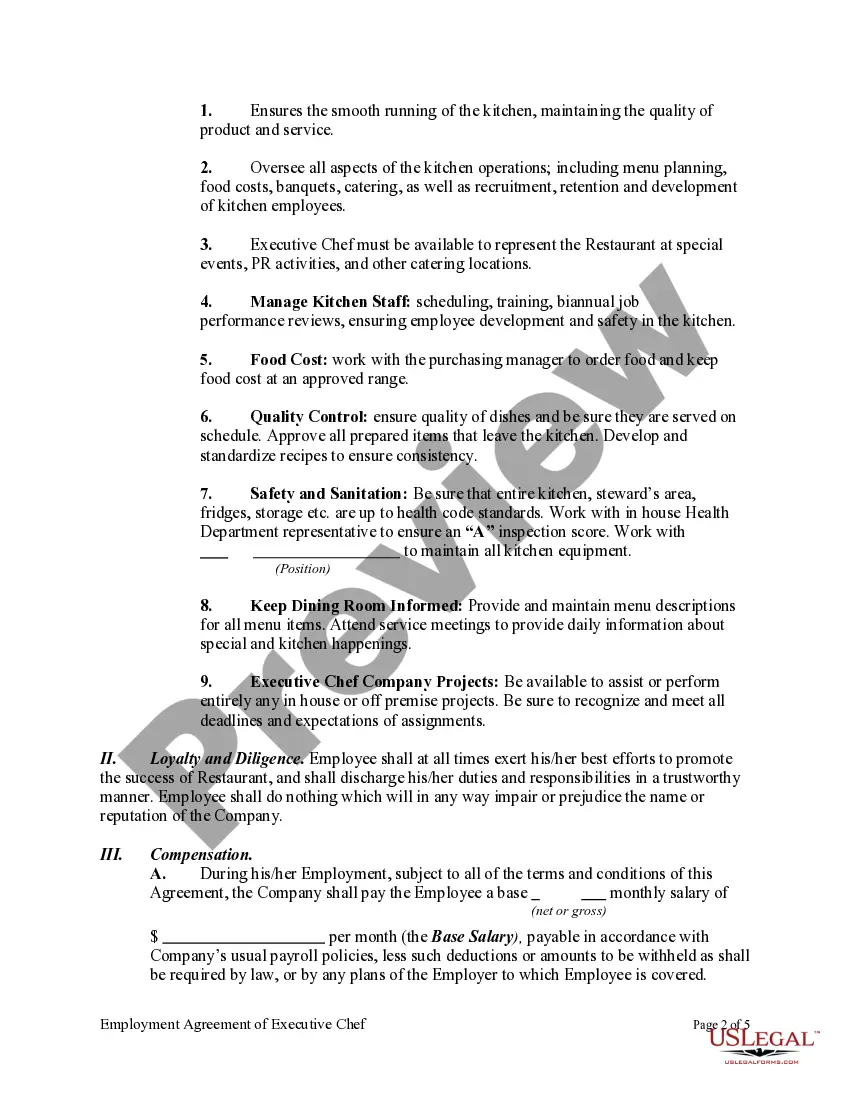
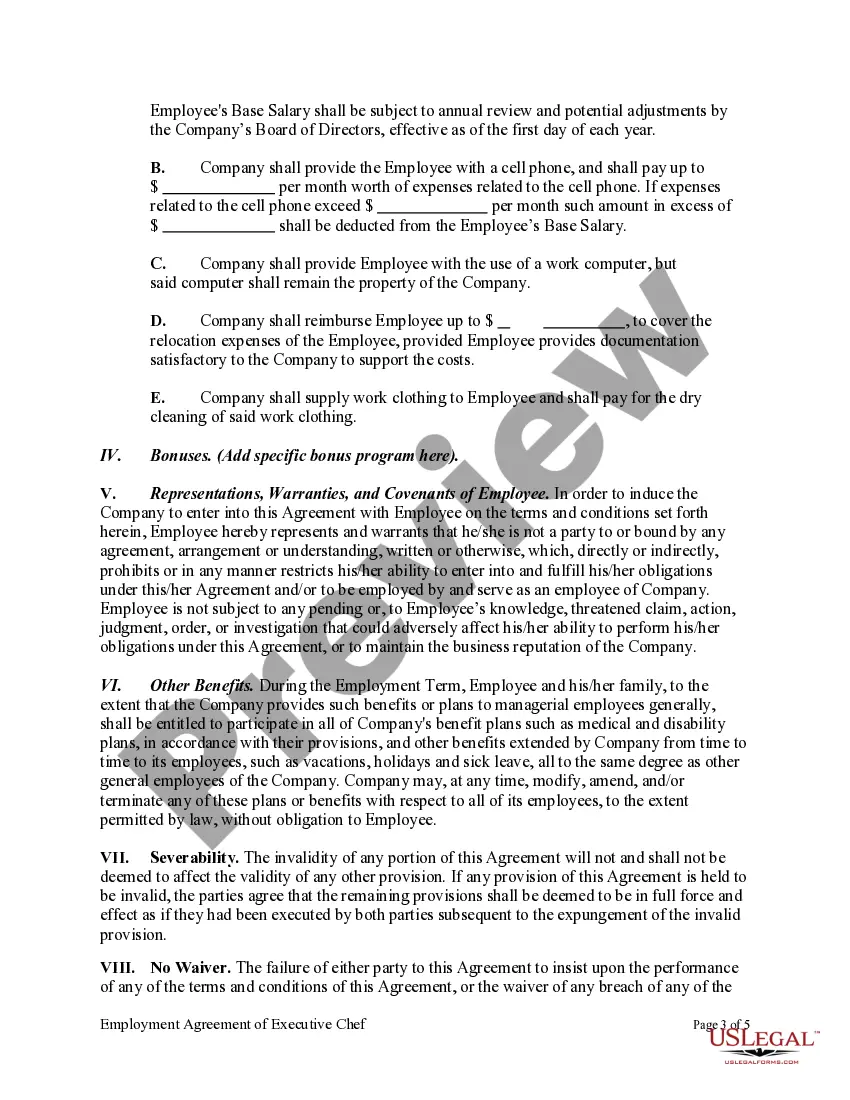
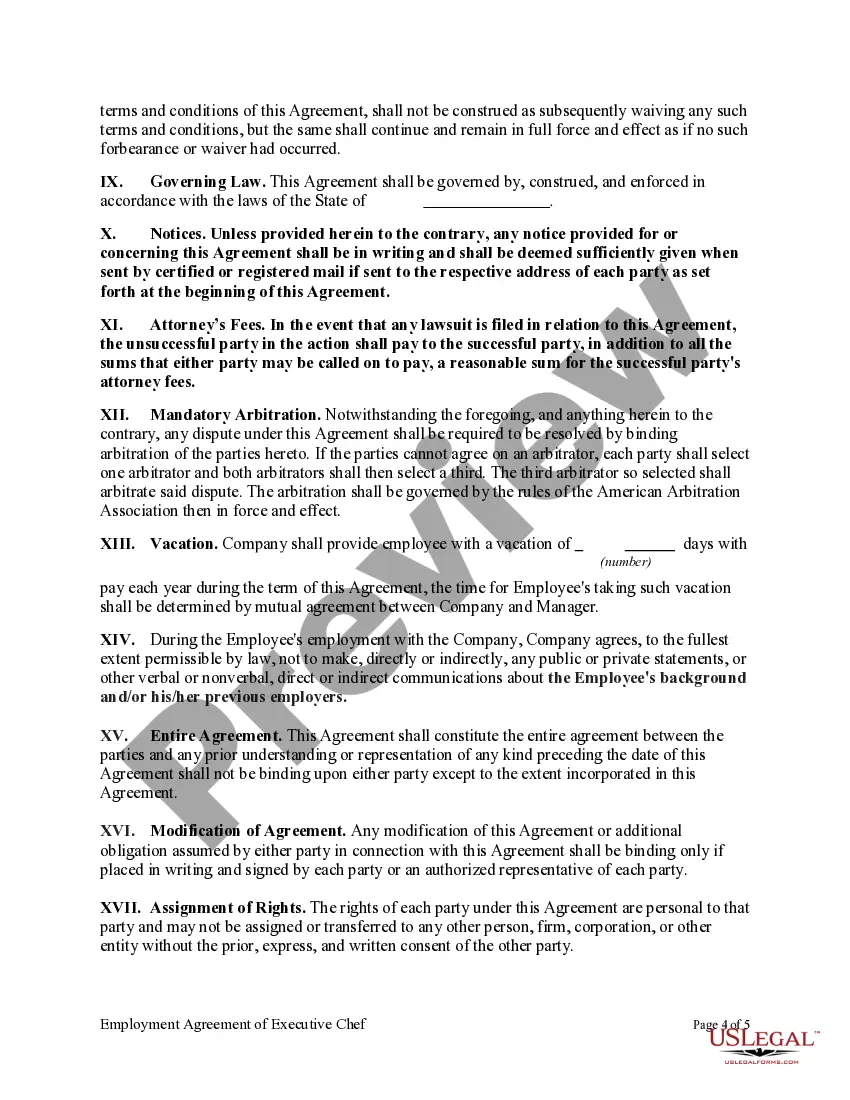
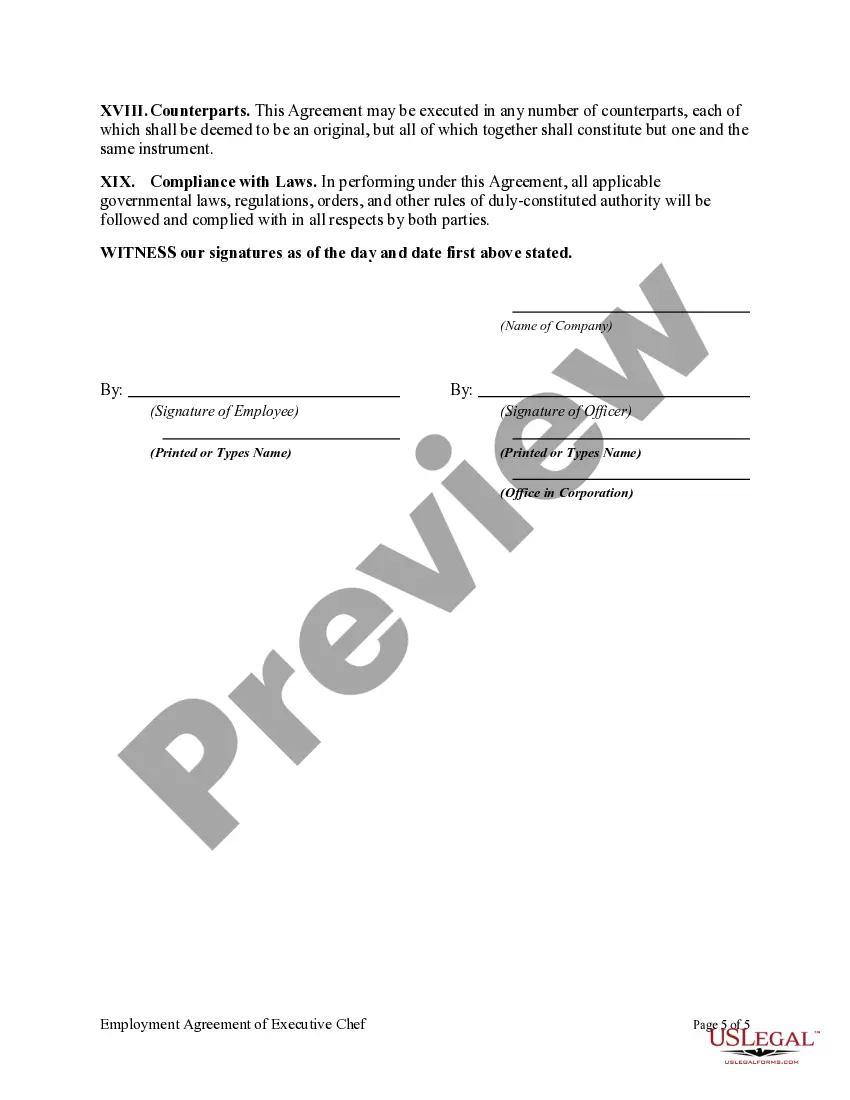
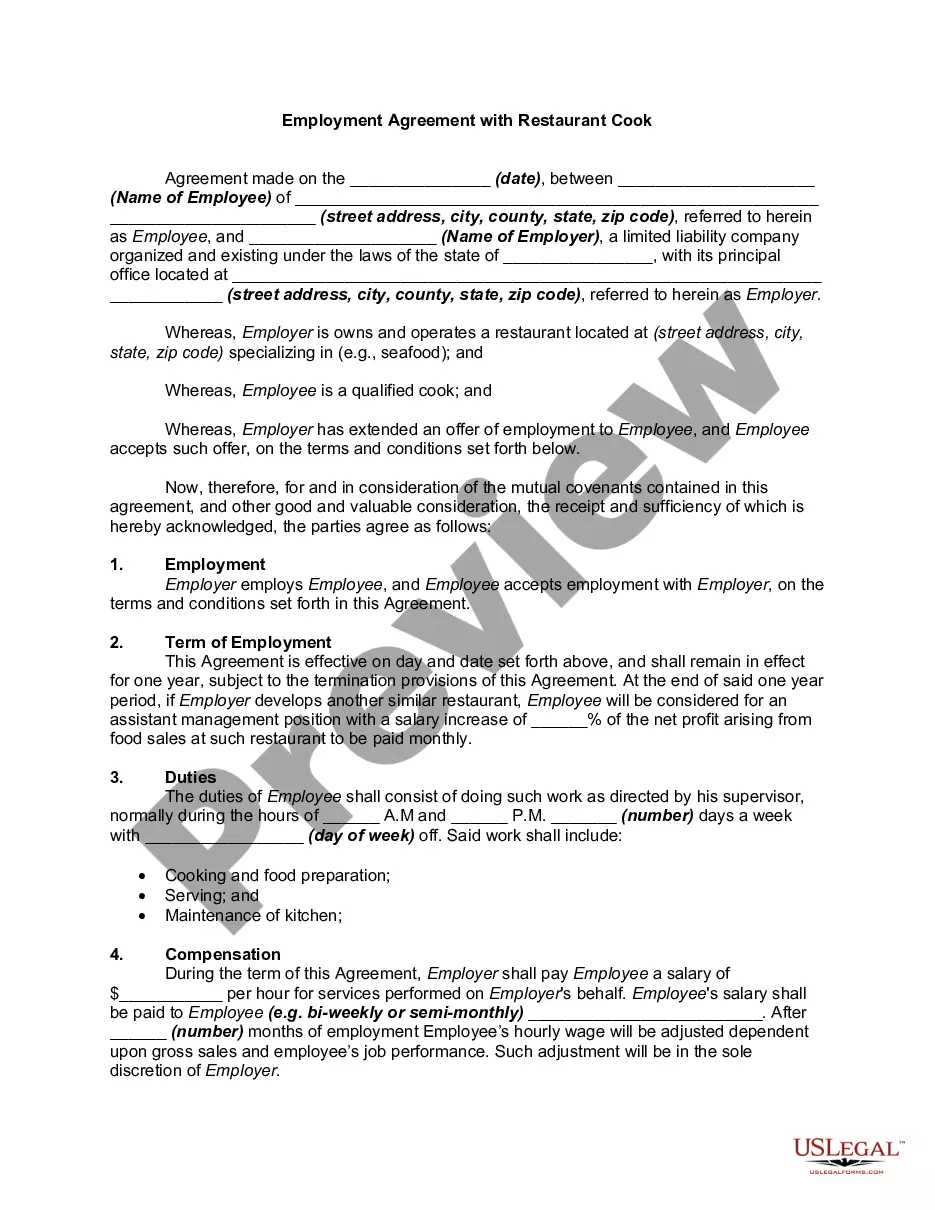
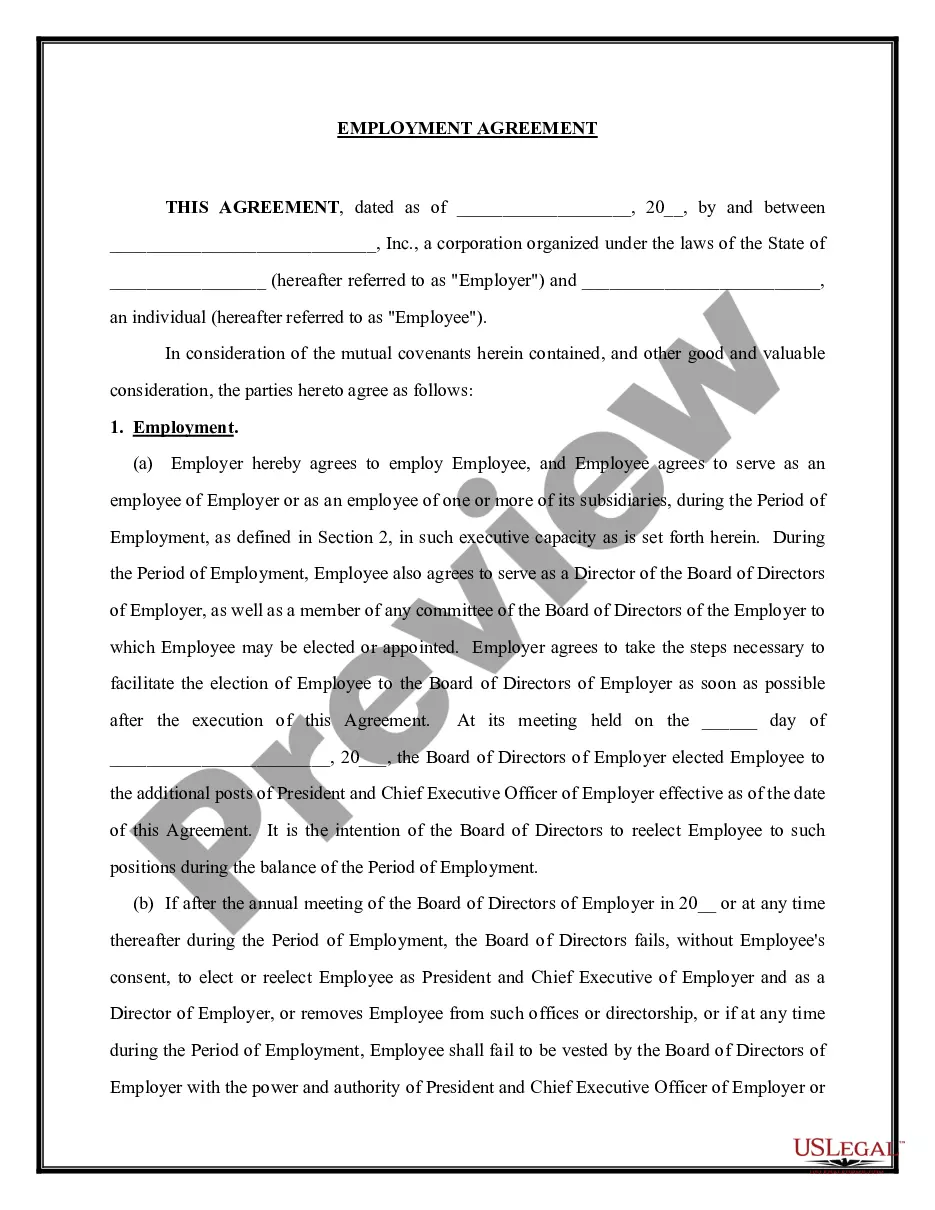
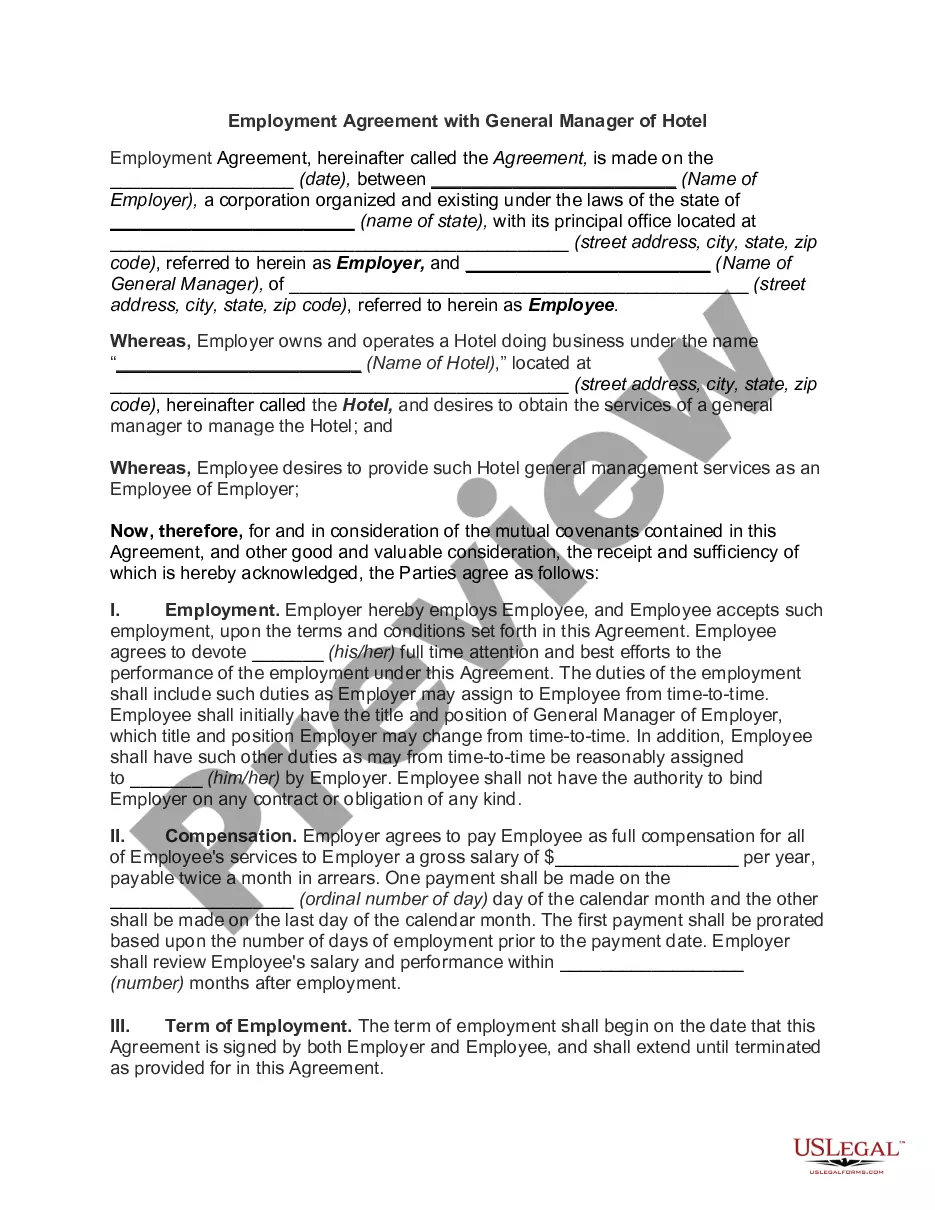


How to fill out Employment Agreement Of Executive Chef?
The Employment Agreement Template you observe on this page is a reusable formal format crafted by expert attorneys in compliance with federal and state laws and regulations.
For over 25 years, US Legal Forms has supplied individuals, businesses, and lawyers with more than 85,000 authenticated, state-specific documents for any commercial and personal situation. It’s the fastest, most straightforward, and most dependable method to acquire the documentation you require, as the service ensures the utmost level of data protection and anti-malware safeguards.
Register for US Legal Forms to access verified legal templates for all of life’s circumstances at your fingertips.
- Search for the document you need and examine it. Look through the sample you searched and preview it or check the form description to confirm it meets your needs. If it does not, utilize the search feature to find the suitable one. Click Buy Now when you have identified the template you require.
- Subscribe and Log In. Choose the pricing plan that works for you and create an account. Use PayPal or a credit card to make a swift payment. If you already possess an account, Log In and verify your subscription to proceed.
- Obtain the fillable template. Select the format you desire for your Employment Agreement Template (PDF, DOCX, RTF) and download the sample onto your device.
- Fill out and sign the document. Print the template to complete it manually. Alternatively, use an online multifunctional PDF editor to quickly and accurately fill out and sign your form with an eSignature.
- Download your documents again. Utilize the same document again whenever required. Open the My documents tab in your profile to redownload any previously acquired forms.
Form popularity
FAQ
7 things you need to include in an employment contract Job information. Compensation and benefits. Time off, sick days and vacation policy. Employee classification. The schedule and employment period. Confidentiality, privacy and responsibility. Termination, severance and survival.
Employment contracts generally have specific contract terms such as effective date, type of employment, notice, termination, dispute process, applicable law and severability.
The contract typically includes basic information, such as the employee's job title, start date, and work schedule. It also outlines the employee's compensation?including salary, bonuses, and leave?and employee benefits like health insurance and retirement.
However, in many cases individuals who are hiring the employee can also choose to write their own contracts. In some cases, independent contractors or freelancers can provide their own contracts and terms of employment. In all scenarios both parties would need to agree and sign the contract for it to be effective.
When creating an Employment Contract, you can include the following terms: The type and rate of compensation. The frequency of payment. Vacation time. Specified work hours. Specified work location. Employee responsibilities. Length of a probationary period. Confidentiality, non-solicitation, or non-competition clauses.