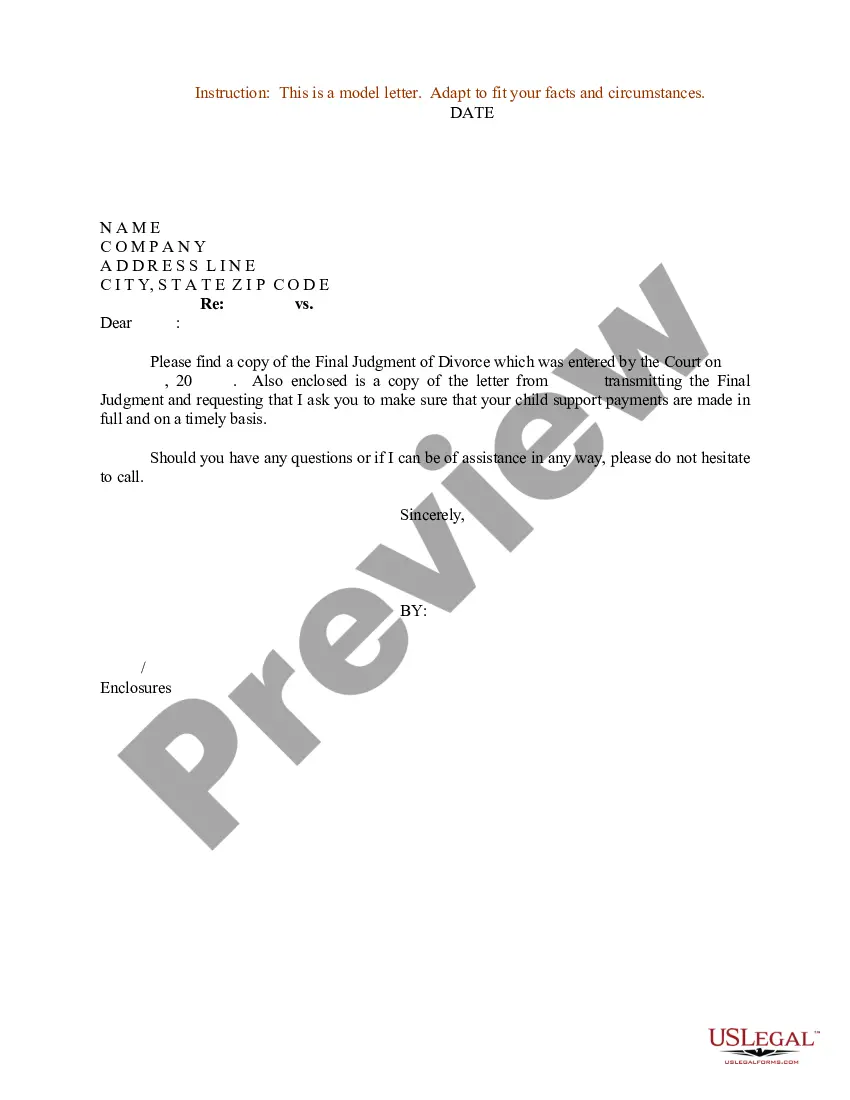
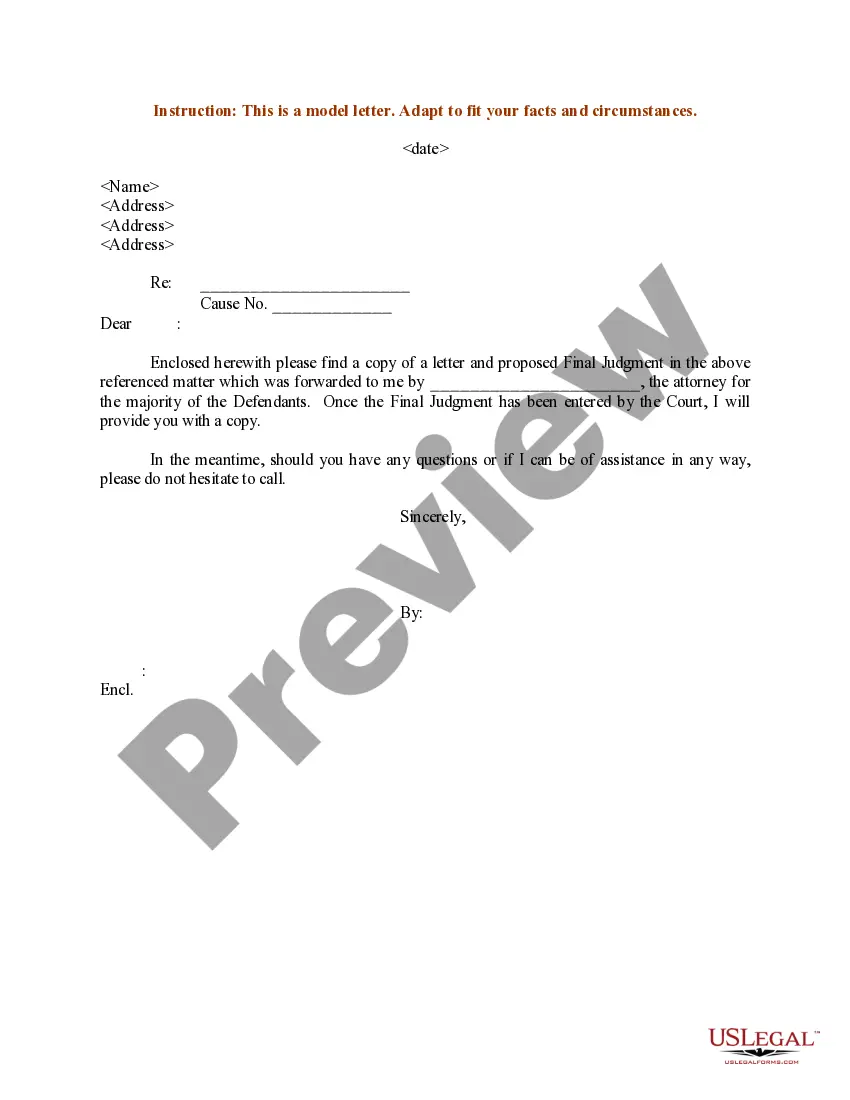
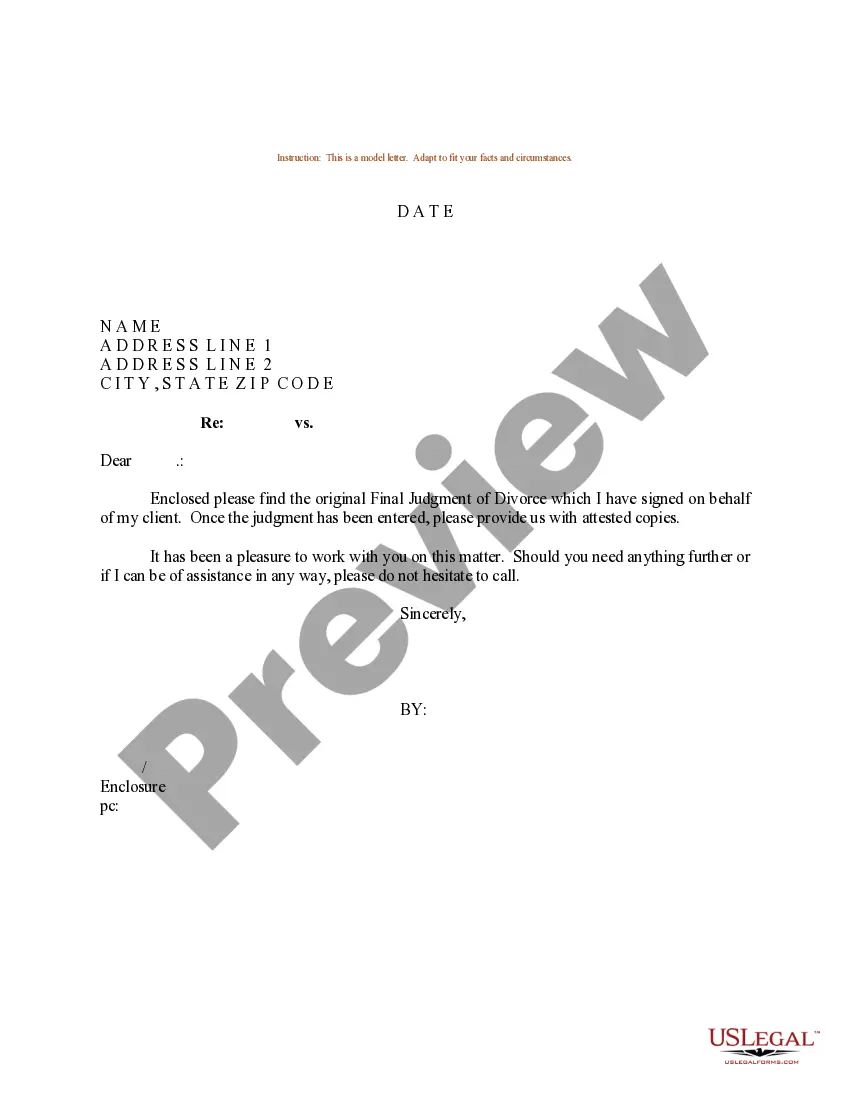
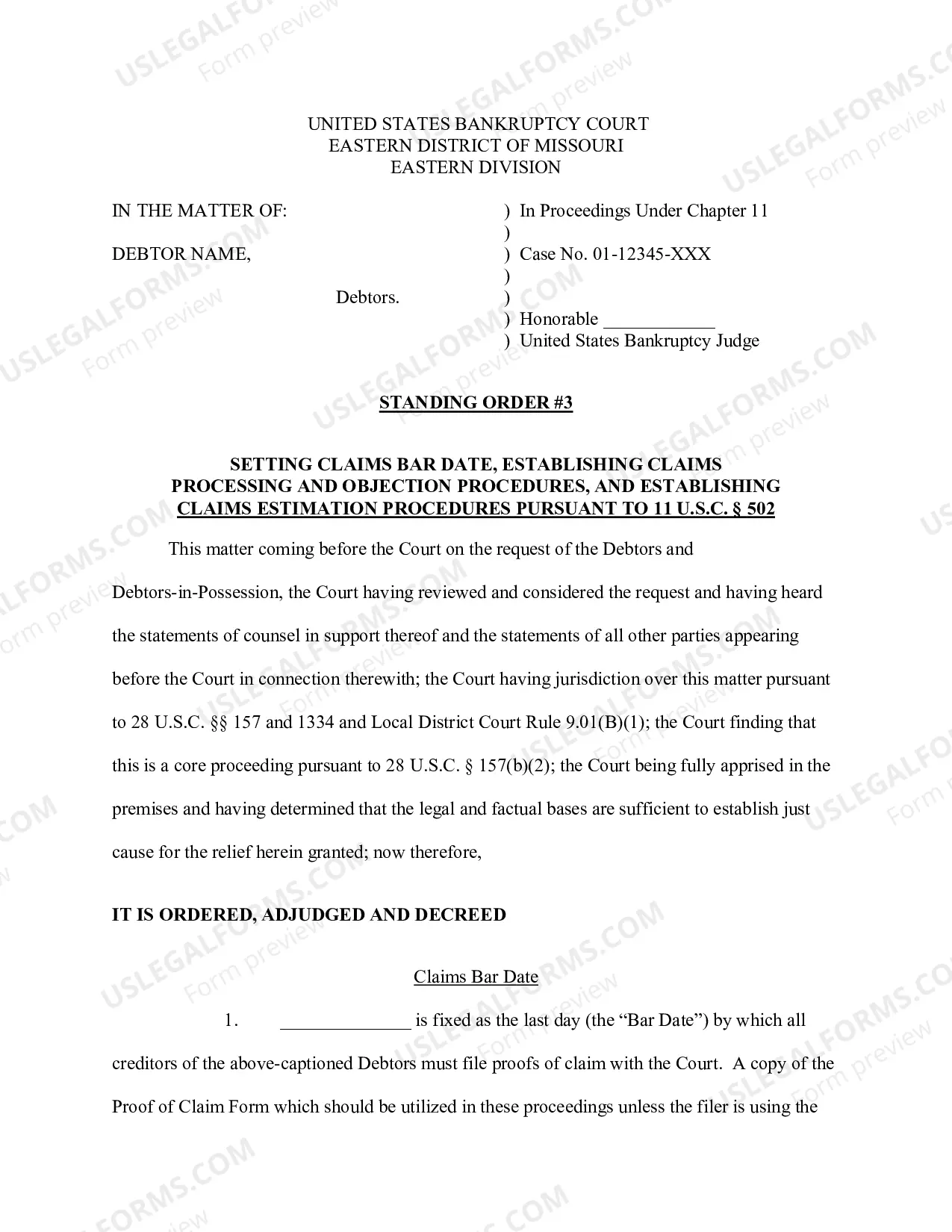
Final Judgement Form For State Govt. Employees
Description


Get your form ready online
Our built-in tools help you complete, sign, share, and store your documents in one place.
Make edits, fill in missing information, and update formatting in US Legal Forms—just like you would in MS Word.
Download a copy, print it, send it by email, or mail it via USPS—whatever works best for your next step.
Sign and collect signatures with our SignNow integration. Send to multiple recipients, set reminders, and more. Go Premium to unlock E-Sign.
If this form requires notarization, complete it online through a secure video call—no need to meet a notary in person or wait for an appointment.
We protect your documents and personal data by following strict security and privacy standards.

Make edits, fill in missing information, and update formatting in US Legal Forms—just like you would in MS Word.

Download a copy, print it, send it by email, or mail it via USPS—whatever works best for your next step.

Sign and collect signatures with our SignNow integration. Send to multiple recipients, set reminders, and more. Go Premium to unlock E-Sign.

If this form requires notarization, complete it online through a secure video call—no need to meet a notary in person or wait for an appointment.

We protect your documents and personal data by following strict security and privacy standards.
Looking for another form?
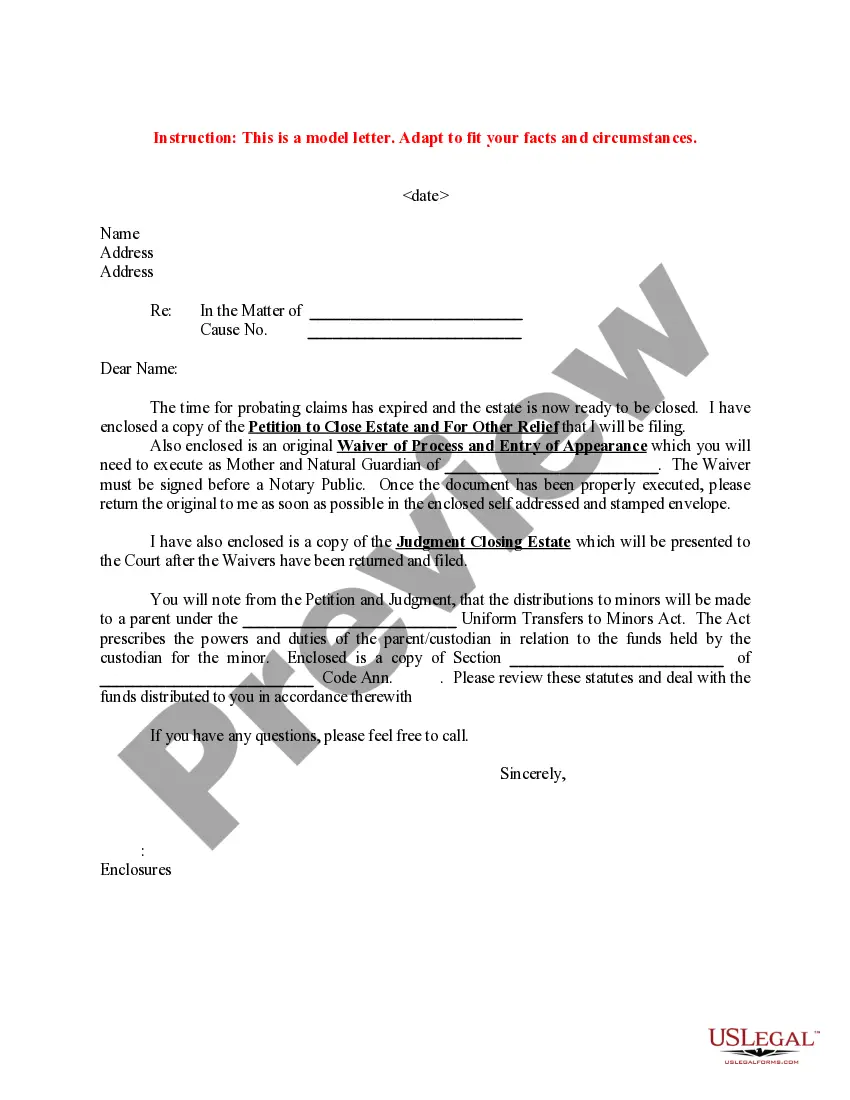
How to fill out Sample Letter Regarding Final Judgment Of Divorce?
Locating a reliable source to obtain the most updated and suitable legal templates is a significant part of navigating bureaucracy.
Acquiring the correct legal documentation demands accuracy and meticulousness, which highlights the importance of sourcing Final Judgement Form For State Govt. Employees exclusively from trustworthy providers, such as US Legal Forms. An incorrect template can squander your time and delay your situation.
Once you have the form on your device, you can modify it with the editor or print it out and complete it by hand. Eliminate the complications associated with your legal paperwork. Explore the extensive US Legal Forms library to discover legal templates, assess their suitability for your situation, and download them right away.
- Use the library navigation or search bar to locate your template.
- Access the form’s details to confirm if it meets the standards of your state and area.
- View the form preview, if available, to ensure it is indeed the document you are looking for.
- Return to the search and find the suitable template if the Final Judgement Form For State Govt. Employees does not fulfill your needs.
- Once you are confident about the form’s applicability, download it.
- As an authorized user, click Log in to verify and access your selected templates in My documents.
- If you do not have an account yet, click Buy now to acquire the form.
- Select the payment plan that suits your requirements.
- Proceed to the registration to finalize your purchase.
- Complete your transaction by selecting a payment option (credit card or PayPal).
- Choose the document format for downloading Final Judgement Form For State Govt. Employees.
Form popularity
FAQ
A Proposed Judgment is what the child support agency handling the case is asking the judge to order. California law requires courts to comply with statewide uniform guidelines in setting child support orders. These legal documents are served upon the parent being asked to pay child support.
Notice of Entry of Judgment or Order (CIV-130) Tells the parties that a judgment has been entered in a case. Service of this notice sets the start date of important deadlines regarding the ability to set-aside or challenge the judgment.
There are two types of judgments; judgments that are discriminating, and judgments that are evaluative.
(b) Notice of entry of judgment Promptly upon entry of the award as a judgment, the clerk must serve notice of entry of judgment on all parties who have appeared in the case and must execute a certificate of service and place it in the court's file in the case. (Subd (b) amended effective January 1, 2016.)
If you know where the Judgment Debtor banks, you can ask the Sheriff to collect money from their account (bank account levy). If you know where the Judgment Debtor works, the Sheriff can collect 25% of the debtor's wages each pay period until your judgment is paid in full (wage garnishment).